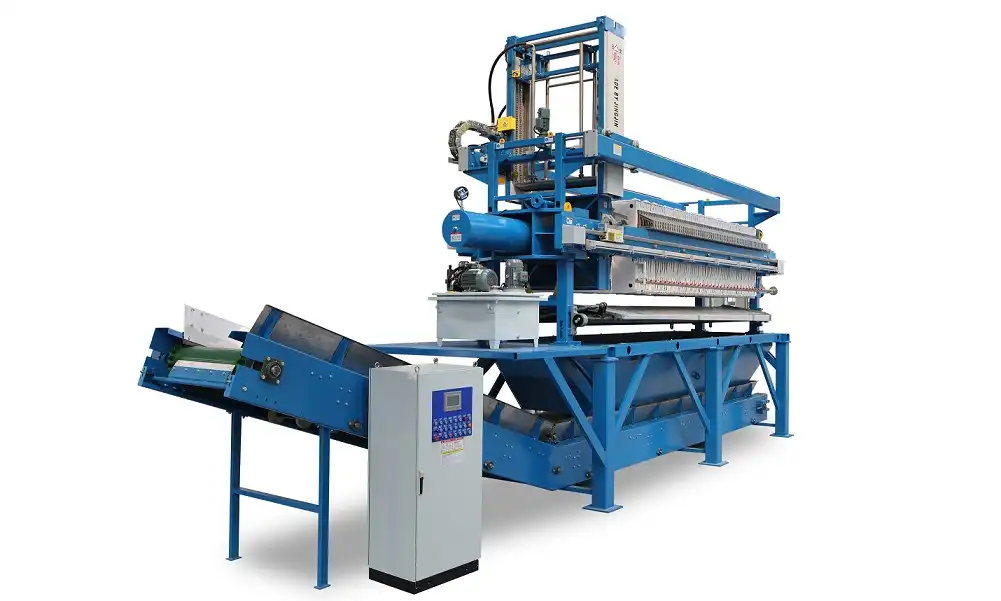
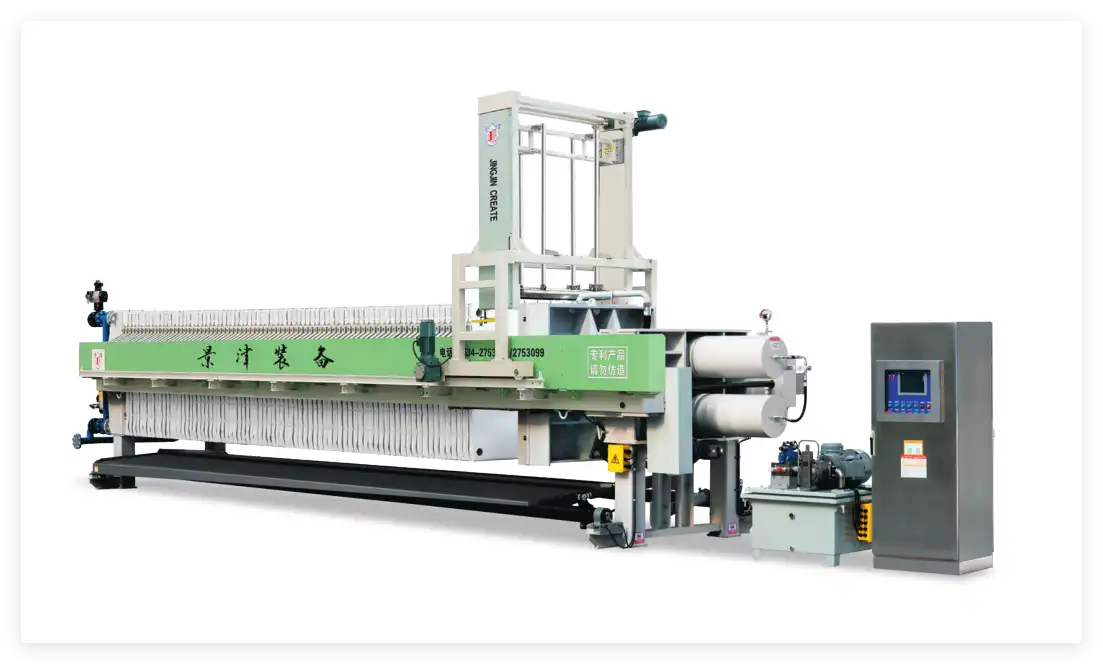
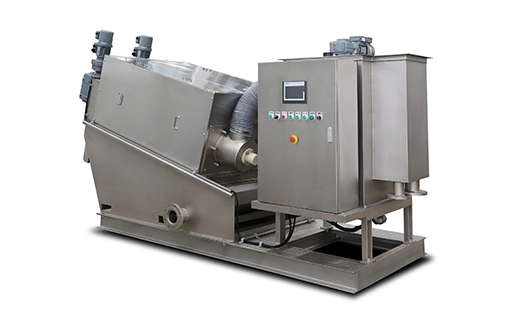
Top Maintenance Tips for Filter Press Feed Pumps to Maximize Efficiency
Top Maintenance Tips for Filter Press Feed Pumps to Maximize Efficiency
Understanding Filter Press Feed Pump Operation
- Understanding Filter Press Feed Pump Operation
- Maintenance Tips to Maximize Efficiency
- Troubleshooting Common Filter Press Feed Pump Problems
- Selecting the Right Filter Press Feed Pump for Your Needs
- Best Practices for Installation and Supplier Collaboration
- Conclusion
- FAQ
- Get Reliable Filter Press Feed Pumps from Jingjin
- References
For your filter press feed pump to work well, it must manage dramatic operating shifts, from high-flow, low-pressure slurry supply during chamber filling to low-flow, high-pressure compression as filter cake resistance rises. Effective maintenance reduces unexpected downtime, disposal costs, and equipment longevity in mining, wastewater treatment, and chemical processing. A planned preventative maintenance program keeps your pump running at 8-30 bar pressure and at optimal flow rates, eliminating seal failures, cavitation damage, and motor overload that afflict poorly maintained systems.
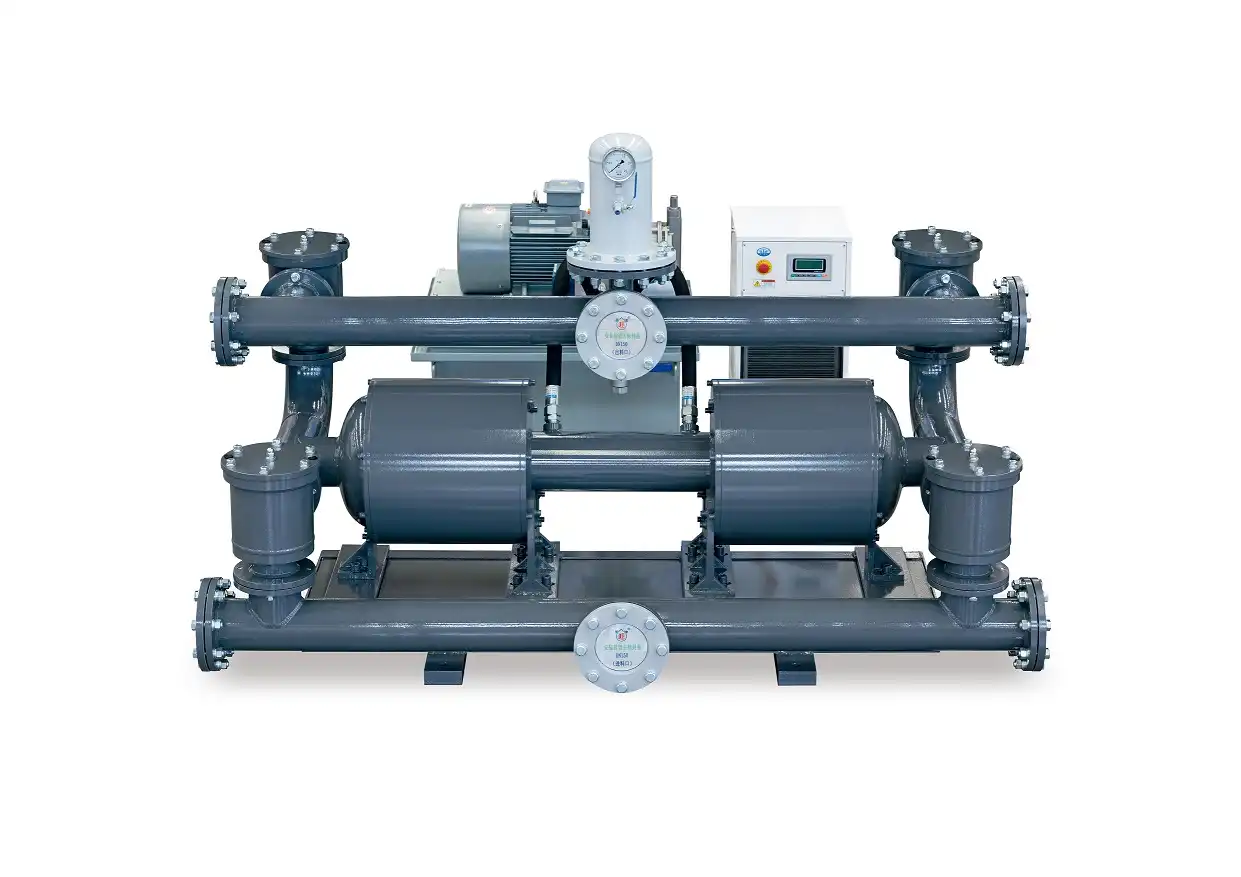
Understanding Filter Press Feed Pump Operation
How Filter Press Feed Pumps Deliver Slurry Under Variable Conditions
Unlike centrifugal pumps with set duty points, filter press feed pumps adjust continually during filtering. To quickly fill chambers, the pump offers high volumetric flow at low head pressure during initial feeding. The pump automatically switches to high-pressure, low-flow operation without stopping or overloading the motor when solids build up, and filter cloth resistance rises. This hydrodynamic behavior is caused by a steep head-flow (H-Q) performance curve designed for filtering. Maintenance teams may predict wear trends and schedule treatments using this operating profile.
Common Pump Types and Their Maintenance Implications
Based on mechanical design, pump technologies require different maintenance:
- Piston Diaphragm Pumps: Variable frequency drives manage pressure and minimize wetted moving components. Maintenance checks diaphragms, check valves, and hydraulic fluid levels. Though diaphragm replacement intervals depend on slurry parameters and operating pressure, they are appropriate for abrasive mining slurries due to their minimal wear.
- Progressive Cavity Pumps: The revolving rotor-stator mechanism delivers smooth, pulsation-free flow but accelerates wear with abrasive materials. Regular stator elastomer and rotor surface finish inspections avoid unexpected failures. These pumps perform well in shear-sensitive high-viscosity applications.
- Centrifugal Pumps: Centrifugal pumps, utilized for initial fast-filling, need impeller clearances, bearing lubrication, and mechanical seal condition. Cost-effective, they may not provide enough pressure for cake dewatering without additional equipment.
Maintenance Tips to Maximize Efficiency
Sustaining peak filter press feed pump performance demands meticulous adherence to operating environment-specific maintenance practices. These techniques optimize energy economy and component longevity while addressing the most prevalent failure scenarios.
Conduct Regular Visual and Operational Inspections
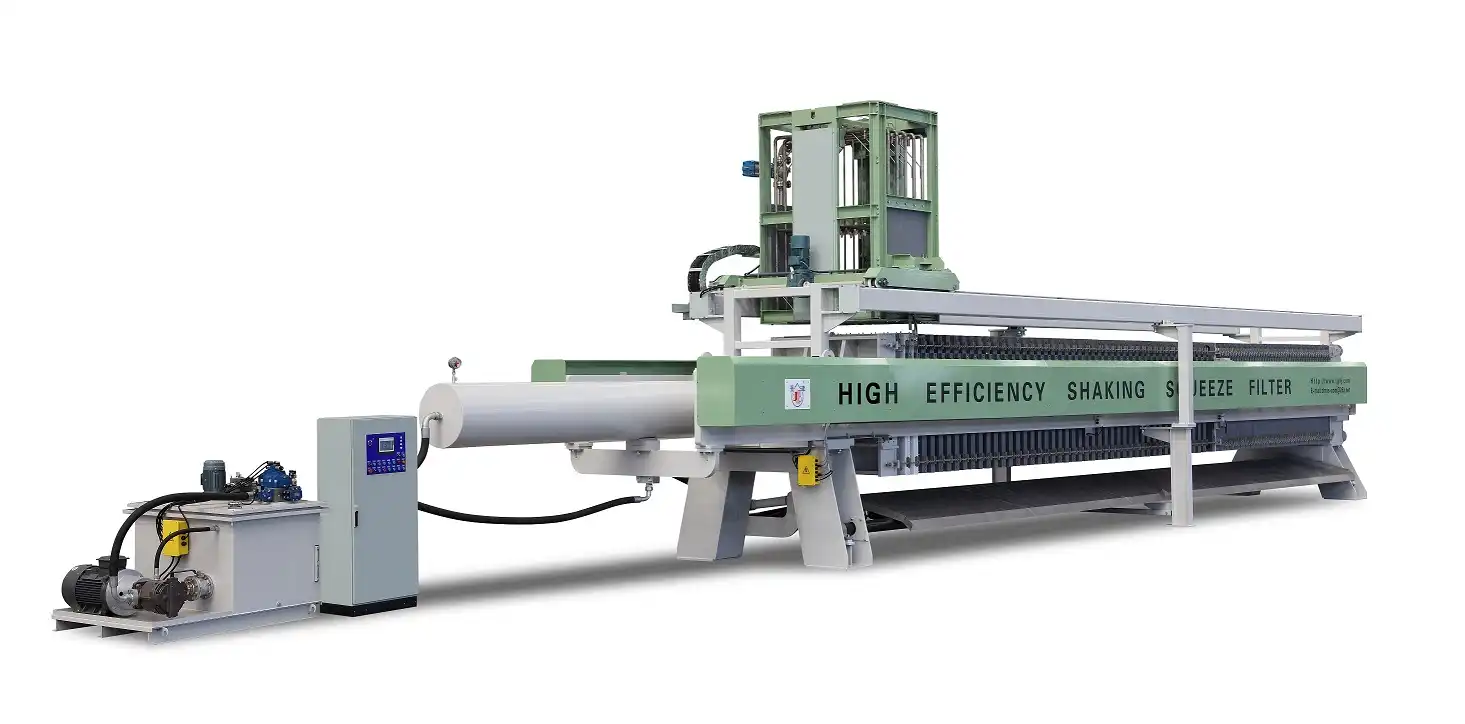
Check exterior components of the membrane plate filter press weekly for leaks, vibrations, and noise. Seal gland leaking on the membrane plate filter press indicates imminent seal breakdown and requires rapid care. Compare discharge pressure and flow rate to baseline values for the membrane plate filter press—a 10% performance reduction indicates internal wear requiring impeller or liner replacement. Journal all observations for the membrane plate filter press in a maintenance journal to spot patterns before accidental shutdowns.
Implement Proper Lubrication Protocols
Bearing failure causes much pump downtime. Use appropriate bearing housing oil levels and manufacturer-specified lubricants. Too much grease produces heat and seal damage, while too little lubrication promotes bearing wear. Temperature sensors on bearing housings detect lubrication issues early. Install seals to prevent contaminants from entering bearing cavities in dusty conditions like aggregate processing or construction dewatering.
Maintain Clean Flow Paths and Prevent Buildup
Slurry builds up in suction pipework, pump casings, and discharge lines, reducing flow and making the pump work harder. Flushing with clean water after each batch cycle is recommended for sticky materials like clay slurries and chemical precipitates. Install accessible cleanout ports at low spots in pipe systems where materials settle. This is especially useful in digging and sand processing, where grit accumulates quickly.
Troubleshooting Common Filter Press Feed Pump Problems
Identifying and Resolving Cavitation Issues
Cavitation occurs when suction-side pressure drops below fluid vapor pressure, causing bubbles to aggressively collide with impeller surfaces. Crackling sounds, irregular pressure measurements, and impeller degradation are symptoms of a failing filter press feed pump. Insufficient net positive suction head (NPSH), partly closed suction valves, or suction pipe air leaks are reasons. Lower the pump installation relative to the slurry supply tank, increase the suction line diameter to decrease friction losses, and check suction strainers for clogging. After considerable erosion, impeller vanes with pitted cavitation damage must be replaced.
Addressing Mechanical Vibration and Bearing Problems
Many problems can result from excessive vibration. Bearing problems induce higher-frequency vibrations than imbalanced impellers. Use vibration analysis to pinpoint issues. Resonant vibration is amplified by loose foundation bolts. Worn bearings grind and heat up. Replacing bearings quickly saves shaft and housing deterioration and higher repair costs. Keeping spare bearings clean and climate-controlled protects their integrity until installation.
Correcting Inconsistent Flow Rate Performance
Variable flow rate affects cake consistency and the filtering cycle time of the membrane plate filter press. Use differential pressure monitoring to plan cleaning of partially clogged suction strainers before they hinder flow to the membrane plate filter press. Install baffles or extend suction pipe inlets deeper into the slurry supply tank to reduce air entrainment and irregular pumping for the membrane plate filter press. Performance monitoring data for the membrane plate filter press suggests replacing worn impellers as they lose efficiency. Recirculation line obstructions in flow bypass pressure control systems disturb pump hydraulics for the membrane plate filter press and need examination.
Selecting the Right Filter Press Feed Pump for Your Needs
Evaluating Key Performance Metrics
Capital investment and operational expenses are optimized by matching filter press feed pump specifications to process needs. Calculate flow rate based on filter press chamber volume and filling time—typical designs seek 20-30 minute feed cycles. Maximum discharge pressure should match your filter press design rating, usually 6-15 bar for municipal wastewater and 15-30 bar for mining and chemical processes. High-chromium alloys resist abrasion, whereas stainless steel grades like 316L withstand corrosive chemicals. Premium-efficiency motors cut power consumption during their 15-20-year service life, lowering the total cost of ownership.
Comparing Pump Technologies for Different Applications
Procurement managers choose between technologies with different benefits. Diaphragm pumps are ideal for mining tailings and aggregate dewatering because they manage pressure and handle solids-laden slurries above 40% by weight. Self-priming eliminates flooding suction. In pharmaceutical and food processing, progressive cavity pumps provide steady flow with little pulsation for shear-sensitive products. Centrifugal designs are the cheapest and easiest to maintain for municipal sludge dewatering with intermediate solids.
Analyzing Total Cost of Ownership
Purchase price accounts for 20-30% of lifespan expenditures. Energy consumption dominates operational costs—a 50 kW pump running 6,000 hours at $0.10/kWh costs $30,000 in electricity. Spare parts, labor, and downtime-related production losses add up. Choose pumps from manufacturers with extensive spare parts and technical support to avoid equipment obsolescence. Manufacturer warranties that demonstrate reliability are worth considering. To make educated procurement decisions, calculate net present value using all cost variables throughout the expected service life.
Best Practices for Installation and Supplier Collaboration
Critical Installation Procedures for Reliable Operation
Proper installation of the filter press feed pump ensures years of trouble-free service. A proper foundation design supports static weight and dynamic loads from vibration and hydraulic forces. Equipment mounting requires fully cured concrete pads. Continuous upward slope toward the pump in the suction pipe prevents air pockets and maintains velocities between 3-5 feet per second to prevent settling without friction losses. The installation of isolation valves and unions allows pump removal without system emptying. Connections must match motor voltage and phase, and overload protection must be tuned to minimize nuisance tripping and damage.
Leveraging OEM Technical Support and Warranties
Strong equipment supplier relationships provide operational benefits beyond the initial purchase. OEMs understand pump hydraulics, materials, and application-specific optimization. Integrating OEM experts into system design eliminates costly misapplications and assures optimum filtering equipment integration. Comprehensive material and workmanship guarantees safeguard against premature failures and demonstrate the manufacturer's confidence. Operating risk is transferred to specialist suppliers with extended service agreements for preventative maintenance, emergency callout response, and performance.
Streamlining Procurement for Complex Industrial Applications
Strategic sourcing helps with large pump installation projects. Volume discounts and simplified logistics and spare parts inventories result from consolidating orders with approved vendors. Standardize pump types across facilities to reduce spare parts and cross-train staff. Performance curves, maintenance manuals, and replacement parts lists should be requested during procurement. Clarify lead times for basic and bespoke configurations—engineered solutions needing unique materials or hydraulics may take 12-16 weeks longer. Supplier evaluation for international projects should include shipping logistics, customs documentation, and local technical assistance.
Conclusion
Maintenance of filter press feed pumps affects mining, wastewater treatment, chemical processing, and construction operational efficiency, regulatory compliance, and profitability. Structured preventative maintenance lowers unexpected downtime by 30-50% and extends equipment lifespan beyond 15 years. Successful pump management requires regular inspections, lubrication, worn part replacement, and performance monitoring. Pump technology that matches slurry characteristics and operational requirements eliminates early failures and energy waste. Internal maintenance and strong supplier partnerships for technical assistance and parts availability provide continued performance in challenging industrial situations.
FAQ
1. How Often Should Filter Press Feed Pumps Undergo Maintenance?
Operating intensity and slurry parameters determine maintenance frequency for filter press feed pumps. Weekly visual inspections, monthly lubrication checks, and quarterly wear part evaluations are standard. Impellers and liners should be inspected every 2,000 hours in mine tailings processing facilities. Less aggressive municipal wastewater facilities prolong intervals to 4,000-6,000 hours. Replacement occurs after 8,000-12,000 hours for mechanical seals. Sealed bearings need lubrication less often than open ones; environmental circumstances might affect periods from 3-6 months.
2. What Early Warning Signs Indicate Pump Problems?
Most noticeable is grinding, which indicates bearing wear, and crackling, which indicates cavitation damage. Leaks surrounding mechanical seals or shaft packing need prompt attention. As discharge pressure or flow rate decreases at constant speed, performance monitoring indicates internal wear. Low output increases motor current demand, indicating hydraulic inefficiency or mechanical binding. Upper bearing housing temperatures exceeding 180°F indicate lubrication or bearing deterioration. Treating these signs immediately saves further damage and catastrophic breakdowns that require emergency repairs.
Get Reliable Filter Press Feed Pumps from Jingjin
Jingjin Equipment Inc. provides unique filtration technology and extensive assistance to industrial operations in 123 countries with over 35 years of solid-liquid separation experience. Our customized pumping solutions work flawlessly with Jingjin filter press systems to manage pressure and flow to maximize cake dryness and save energy usage. Our engineering team offers pump selection and technical assistance for abrasive mining slurries, municipal biosolids, and corrosive chemical precipitates. Contact our experts at [email protected] to discuss your application and acquire a filter press feed pump supplier specification that meets your operating needs and budget.
References
1. Perry, R.H. and Green, D.W. (2019). Perry's Chemical Engineers' Handbook, Ninth Edition. McGraw-Hill Education, Section 10: Transport and Storage of Fluids.
2. Svarovsky, L. (2000). Solid-Liquid Separation, Fourth Edition. Butterworth-Heinemann, Chapter 8: Filter Presses and Plate-and-Frame Filters.
3. Cheremisinoff, N.P. (1998). Liquid Filtration, Second Edition. Butterworth-Heinemann, Chapter 12: Pump Selection for Filtration Systems.
4. Hydraulic Institute (2010). Centrifugal Pump Design and Application, ANSI/HI 9.6.3. Hydraulic Institute Standards.
5. Tarleton, E.S. and Wakeman, R.J. (2007). Solid/Liquid Separation: Equipment Selection and Process Design. Elsevier Advanced Technology, Chapter 5: Pressure Filtration Equipment.
6. McNally Institute (2015). Pump Maintenance Manual: Industrial Slurry and Process Pumps. McNally Institute Technical Publication Series, Volume 4.
jingjin
Founded in 1988, Jingjin specializes in filter presses and liquid-solid separation solutions, serving over 130 countries worldwide, and is a standard-setter in China's filter press industry.
Get the Filter Press guide
Enter Your Email for Technical assistance for the Filter Press.


Recommended Blog
How Does a Filter Press Work in Wastewater Treatment? A Comprehensive Guide
China Screw Dewatering Machines for Vietnam Food Factories
Understanding Technical Specifications of Press Filters: A Complete Guide
Affordable Multi Screw Press Machines for Wastewater Treatment: What to Look For