Recessed Chamber Filter Press vs Belt Press: Which Fits Best?
Introduction
- Introduction
- Understanding Recessed Chamber Filter Press and Belt Press
- Performance and Efficiency Comparison
- Decision Factors for B2B Procurement
- Common Issues and Maintenance Tips for Recessed Chamber Filter Press
- Comparative Case Studies and Application Scenarios
- Conclusion
- FAQ
- Partner with Jingjin for Reliable Solid-Liquid Separation Solutions
- References
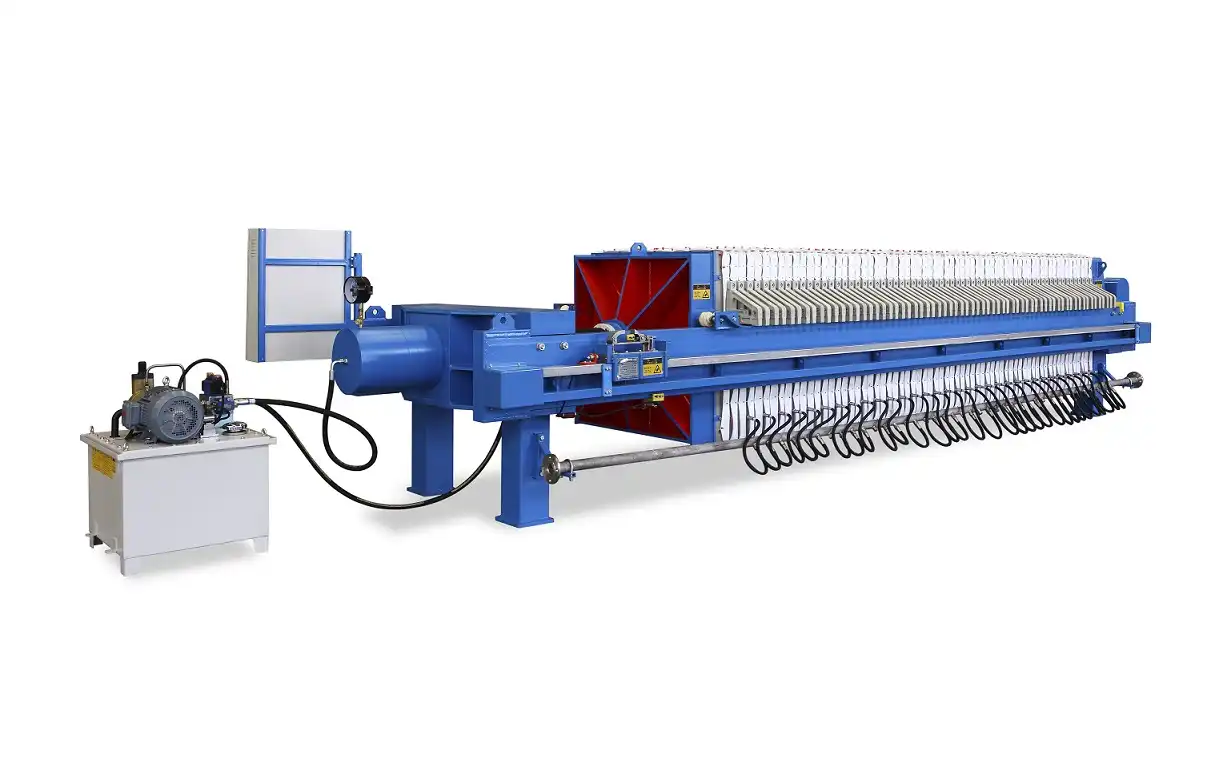
When choosing between a recessed chamber filter press and a belt press, your decision hinges on operational priorities: dry cake consistency, throughput needs, and total cost of ownership. The recessed chamber filter press delivers superior cake dryness—often achieving 30% to 70% solids—making it ideal for mineral processing, chemical manufacturing, and municipal sludge dewatering where disposal costs and regulatory compliance matter most. Belt presses, meanwhile, excel in continuous operations with moderate dewatering demands. Understanding these fundamental differences helps procurement teams select the technology that aligns with their facility's efficiency targets and budget constraints.
Introduction
Separating solids from liquids is a key part of making industries like construction, mining, wastewater treatment, and chemical processing more efficient. The technology you pick has a direct effect on how much it costs to dispose of, how well it meets environmental standards, and how often it works. When it comes to dewatering, the two main choices—recessed chamber filter presses and belt presses—play similar but separate roles.
Hydraulic pressure is used in recessed chamber filter presses to pack slurry between filter plates, making thick, low-moisture filter cakes. Belt presses use continuous belts and gravity draining, and they work best for high-volume tasks where a reasonable level of dryness is enough. This piece gives B2B procurement workers a useful comparison that looks at success metrics, cost factors, and how well the two systems fit the job. My goal is to give process engineers, wastewater managers, and EPC project managers the knowledge they need to invest in filtration with confidence and in a way that saves money.
Understanding Recessed Chamber Filter Press and Belt Press
How Recessed Chamber Filter Presses Operate
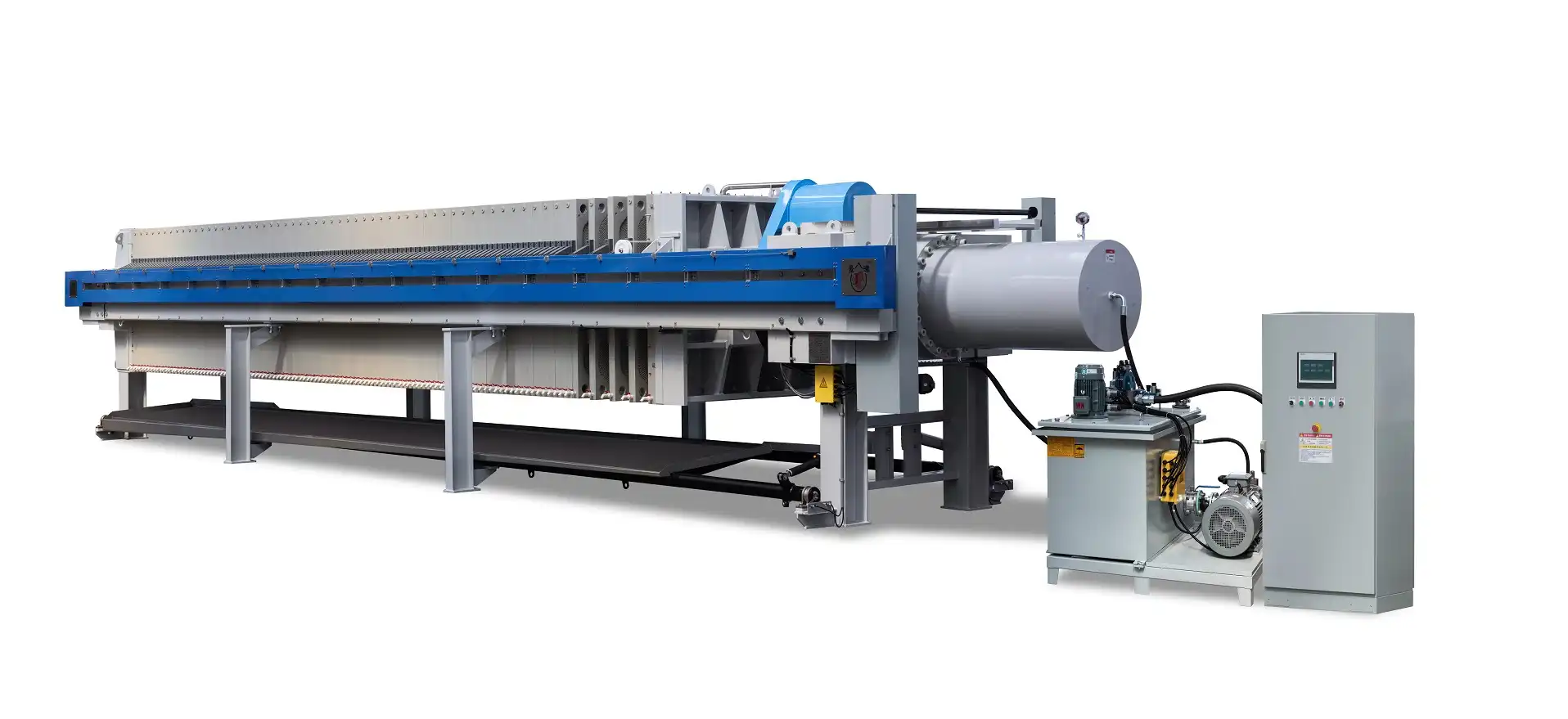
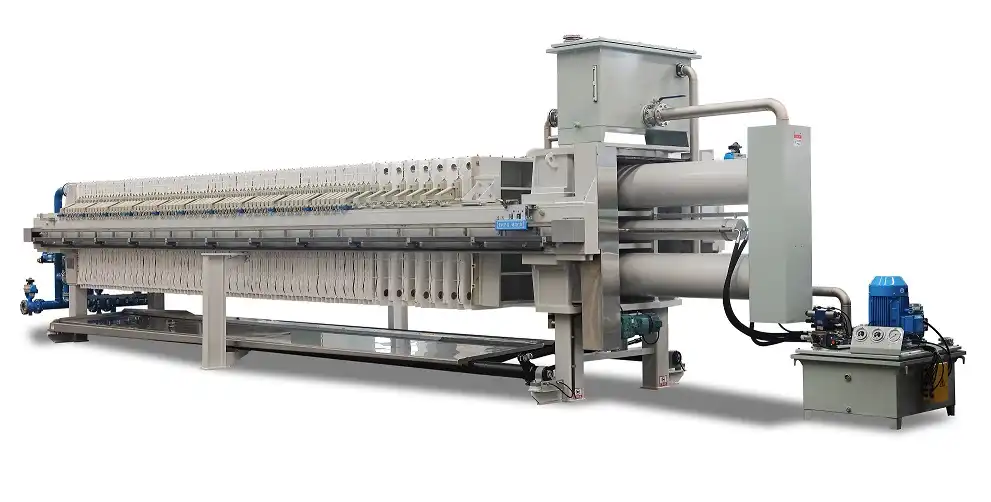
A frame holds a set of plastic plates that make up recessed chamber filter presses. On both sides of each plate is a hollow space. Slurry flows through a middle port and fills the tanks while the machine is running. Somewhere between 6 and 25 bar of pressure is created by hydraulic cylinders that clamp the plates together. As the filtrate flows through the filter cloths, the solids build up in the cells and form cakes that are usually 15 mm to 50 mm thick. When the cycle is over, the plates separate on their own, and the cakes fall out by gravity or with help from a machine.
These systems can handle a lot of different slurries, from rough mining waste to harsh pharmaceutical waste. The plates are usually made of reinforced PP with fiberglass or TPE added to them. They can withstand temperatures up to 90°C (120°C for certain formulations) and chemicals across the entire pH range. For test systems, the filtration area is 1 m², and for industrial-scale units, it's over 1,000 m². The chamber sizes range from 10 L to 20,000 L.
How Belt Presses Function
Belt presses keep working all the time. The slurry is put on a porous belt, and the free water is removed by gravity. After going through a set of rollers that apply pressure, more liquid is squeezed out of the sludge. The open weave of the belt lets the filtrate flow continuously, and at the end of the belt run, scrapers take off the cake.
Belt presses are good for tasks that need a steady flow of cake that is only slightly dry (18% to 25% solids). They work great in places like local wastewater treatment plants that handle a lot of biosolids and food processing plants that need to be careful not to damage the food. Maintenance tasks include cleaning the belts regularly, greasing the roller bearings, and replacing the belts every so often.
Structural and Operational Differences
Batch systems are what recessed chamber filter presses do. It takes between 90 and 240 minutes for each cycle, which includes feed, press, and discharge. This depends on the type of slurry and the desired cake moisture. Automation with PLC controls makes work easier and allows for tracking from afar and shifts without a person working. Maintenance checks the soundness of the filter cloth, the closing surfaces on the plates, and the dependability of the hydraulic system.
Continuously running belt presses need to be watched all the time, but they always produce the same amount of work. They need more space on the floor and depend on polymer drying to help remove water. Because the belt moves all the time and polymers are added, continuous belt presses often use more energy per ton of dry material than chamber presses.
Performance and Efficiency Comparison
Filtration Efficiency and Cake Quality
When high pressure is used to compress cake solids, recessed chamber filter presses can get them to 30% to 70%. This directly means less waste to be thrown away and lower transportation costs. Belt presses can only make cakes with 18% to 25% solids because of mechanical pressure limits. When the cost of burning or putting trash in a dump takes up most of your budget, the cleanliness benefit of chamber presses saves you money.
The plate-and-chamber design makes sure that the filtration is the same across the whole cake thickness, which reduces variation. Channeling can happen in belt presses, which means that liquid can go around parts of the belt and make the cake quality uneven.
Energy Consumption and Operational Costs
Most of the energy used by chamber presses is used during the slurry feed and hydraulic closure process. After being pressed, the device stops doing anything, which saves energy over time. Belt presses have motors that drive belts, rollers, and polymer dose pumps all the time. This makes the energy bills go up over time.
Consumables are also part of operational costs. It is necessary to change the hydraulic oil and filter cloth in recessed chamber systems on a regular basis, usually every 12 to 24 months. Belt presses need polymer flocculants, chemicals for cleaning the belt, and new belts more often. In situations where polymers are used a lot, the cost of chemicals alone can be higher than the total cost of running a chamber press.
Throughput and Cycle Times
Belt presses can keep working, which makes them perfect for places that need to dewater all the time. Depending on how it is set up, a single belt press can handle 10 to 50 m³ of slurry per hour. Chamber presses work in cycles, and each cycle makes a batch of cake. With today's automated plate moving and fast closing systems, cycle times are cut down to 90 minutes, which allows for multiple cycles per shift and competitive daily output.
The batch freedom of chamber presses is useful for places with changing flow rates, like chemical and mining plants. You can change the cycle regularity to match the amount of slurry that is available, which saves time and energy.
Decision Factors for B2B Procurement
Aligning Technology with Application Needs
Recessed chamber filter presses are strong and can handle high pressures in mining and mineral processing operations that handle abrasive tailings. It is possible for plates made from new PP and fiberglass to survive pressure during rapid hydraulic closing and wear from quartz and silica particles.
When municipal wastewater treatment plants put throughput over maximum dryness, belt presses may be the best choice, especially when they can be combined with existing polymer dosing systems. Chemical companies that work with toxic slurries like acids, alkalis, or solvents depend on chamber presses made of materials like PVDF or special PP mixes that are very resistant to chemicals.
Construction and mining companies that deal with unpredictable slurry amounts use chamber presses because they can be used in batches and have a small footprint. EPC companies that create turnkey treatment plants look at the total cost of the project, which includes the cost of civil works, the difficulty of the technology, and the availability of long-term service.
Total Cost of Ownership
The price you pay for something is only one part of its total cost. Recessed chamber filter presses usually have higher initial costs, but lower ongoing costs because they use less polymer, less energy, and have fewer mechanical wear parts. Even tho belt presses are cheaper at first, they have ongoing costs for polymer, belt repair, and energy that add up over 10 to 15 years of use.
Maintenance and accessibility are important. With chamber presses, you can change the cloth without any special tools, which is usually something that in-house teams can do. Belt presses need precise adjustments to the tracking of the belt and the alignment of the rollers, which can mean calling the vendor for service.
Downtime makes it harder to make money. If you keep your chamber press in good shape, it should be able to go through more than 50,000 rounds without stress-cracking. As the parts of a belt press are always moving, they can break down due to wear and tear, causing problems like torn belts and stuck bearings that can stop operations without warning.
Evaluating Manufacturers and Supply Chain Reliability
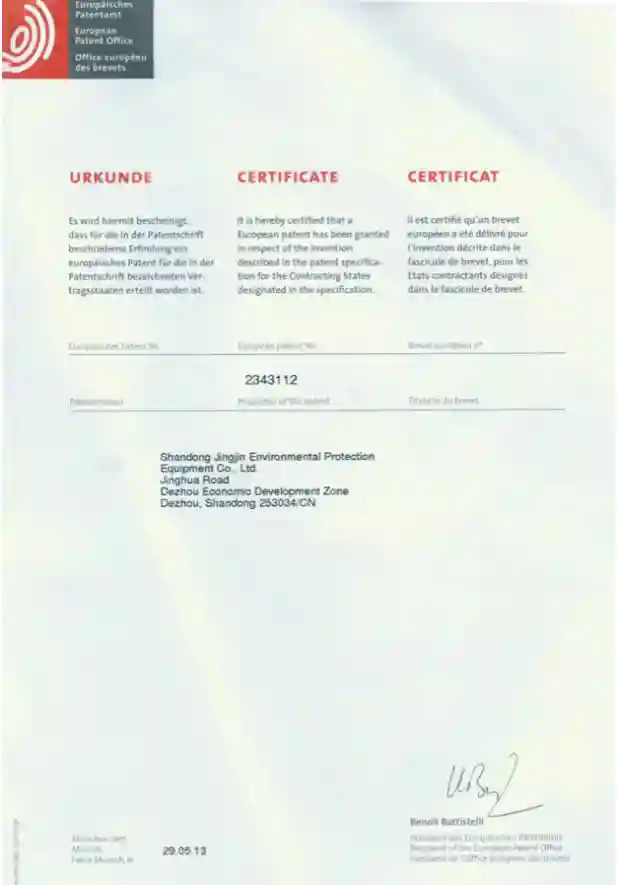
Supplier selection is more than just choosing the right tools. Teams in charge of buying things look at how big a company is, its product collection, and its global service networks. Jingjin Equipment Inc. has been around since 1988 and is one of the biggest companies in the world that make filter presses. It has over 136 patents and works with customers in 123 countries. Because of this many years of experience, designs have been tried and tested, extra parts are easy to find, and engineers are available to help throughout the duration of the equipment.
Lead times and how quickly you can get help after the sale are affected by where you live. Downtime risks are lower with established makers that have service centers in the area. This is especially important for mining sites that are far away or city facilities that have to meet consent decree deadlines.
Common Issues and Maintenance Tips for Recessed Chamber Filter Press
Preventing and Resolving Slurry Leakage
Most of the time, leakage between plates in a filter press manufacturing system is caused by not enough closing pressure, damaged sealing surfaces, or filter cloths that are wrinkled. Check to see if the hydraulic pressure meets the design requirements. At the cylinder, the pressure should be 200 to 250 bar. Check the sides of plates that seal for cracks or bending; even small changes (beyond ±0.2 mm flatness limit) can make seals less effective. Make sure the filter cloths are flat and not folded when the plate is closed.
Every so often, do a 24-hour pressure-holding test to make sure the hydraulic cylinder is still working properly. Pressure drift is a sign of internal seal wear that needs to be fixed before leaks get worse.
Managing Filter Cloth Wear and Performance
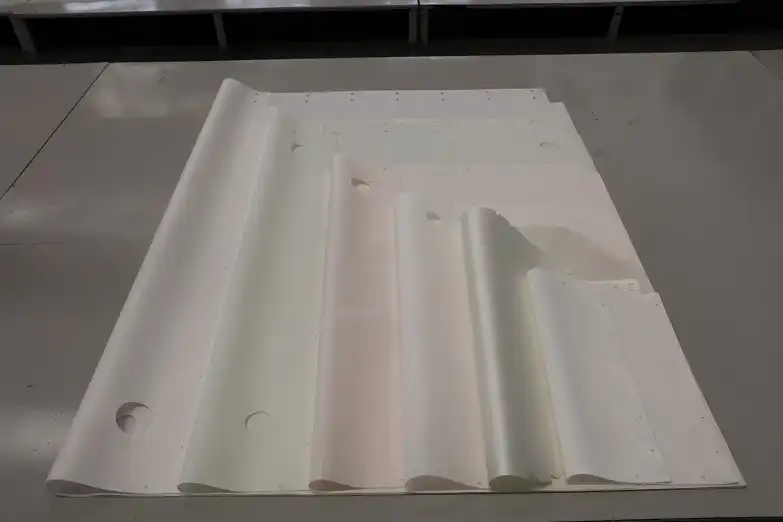
During each turn, filter cloths are exposed to chemicals, worn down, and stretched. Choose materials that can let air pass through and have the right tensile strength for the size of the particles you have. Polypropylene monofilament cloths work well with acidic slurries, while polyester multifilament fabrics work well in alkaline conditions.
Acid washing with 5% to 10% hydrochloric acid should be done regularly to get rid of mineral scale and open up pores again. This makes the cloth last longer, from 12 months to 24 months or more, which lowers the cost of replacements. If filter times go up a lot, which means pores are blocked and cleaning can't fix it, it's time to get new cloths.
Addressing Uneven Cake Formation
It means that the feed ports are blocked or that the slurry concentration is too low. Every three months, use motorized rodding or high-pressure water jets to clean the center feed opening and get rid of any solids that have built up. Check the flow rates of the feed pumps to make sure that the slurry is delivered evenly to all chambers. Low concentration (below ideal feed density) lowers cake density and stops the chamber from filling all the way. To get the goal feed solids, change the thickeners upstream or add polymer flocculants.
Extending Plate and Frame Lifespan
Plates made from reinforced PP usually last between 5 and 8 years in normal conditions. When exposed to slurries that are hotter than 95°C, special high-temperature PP or PVDF formulations are needed to keep the materials from warping. Every year, check the plates for stress cracks near the feed inlets—this is where cheap products often fail—and replace any damaged plates right away to keep the seals strong across the whole stack.
Frame components constructed from Q235 or Q345 carbon steel with sandblasted epoxy coatings resist corrosion. Touch up coating damage immediately to prevent rust propagation, particularly in coastal or chemical processing environments.
Comparative Case Studies and Application Scenarios
Municipal Wastewater Treatment
An average-sized U.S. city was having trouble with rising biosolids dumping costs. Their belt press made cakes with 20% solids, which meant they had to haul them around a lot. When a recessed chamber filter press was put in, cake solids went up to 35%, which cut disposal volumes by 43%. Savings of more than $120,000 a year paid for the higher cost of capital within 30 months. The operational staff noticed less polymer use and fewer unplanned maintenance events, which made the system more reliable overall.
Chemical Processing: Pigment Dewatering
A company that makes pigments and works with TiO₂ slurries had trouble with belt press channeling, which led to uneven cake quality that affected drying further down the line. Variability was fixed by switching to a recessed chamber filter press method with PVDF plates that don't rust. The even distribution of pressure kept the cake's moisture level steady, which kept the dryer's efficiency and product yield stable. The batch operation of the recessed chamber filter press worked with their campaign-based output plan, so they didn't have to use a continuous belt during changeovers.
Mining: Tailings Management
A copper mine in an area with little water needed to get as much water as possible from the tailings. Their belt press got back 75% of the process water; a recessed chamber filter press raised that number to 88%, adding an extra 1,200 m³ per day to the mill cycle. This lowered the cost of getting fresh water and allowed growth without the need for new water permits. The high-pressure feature of the press was able to handle the rough tailings without damaging the plates, and it kept working well for five years.
Construction Dewatering: Tunneling Slurry
A tunneling contractor who was in charge of bentonite slurries from shield excavation needed to quickly dewater them so that they wouldn't have to store as much of them on-site. A mobile recessed chamber filter press made cakes with 50% solids that could be thrown away right away. The small size of the system allowed it to fit on the limited-space project, and its automatic operation only needed to be supervised every so often, which freed up skilled workers to move the tunnel forward. Cycle times of 120 minutes were allowed for two batches per shift, which was the same rate of excavation.
Conclusion
If you want to choose between a recessed chamber filter press and a belt press, you need to carefully think about your facility's dewatering needs, budget, and working preferences. Recessed chamber systems dry cakes better, have lower long-term operating costs, and work well in a wide range of situations, from rough mining waste to corrosive chemical slurries. Belt presses are good for preparing food and wastewater from cities where the material only needs to be slightly dry. Total cost of ownership, source stability, and application-specific needs should all be looked at by procurement teams. Putting money into tried-and-true technology from companies with large patent portfolios and global service networks lowers risks and guarantees long-term value.
FAQ
1. Why does slurry leak between the plates of my recessed chamber filter press?
Leaks usually happen when there isn't enough hydraulic shutting pressure, when plate sealing surfaces are broken, or when filter cloths get wrinkled. Check to see if the hydraulic pressure meets the design needs, which are generally between 200 and 250 bar. Check the sealing surfaces for cracks or warping that go beyond the ±0.2 mm smoothness limit. Make sure that the filter cloths don't fold up when the lid is closed.
2. How do I choose between a recessed chamber and a membrane filter press?
For normal dewatering, a recessed chamber filter press is the best choice because it is stable and saves money. Select membrane plates if you need to get the cake's moisture level very low through secondary compression. For example, if the cake needs to be below 20% moisture for burning or advanced reuse, these plates are the way to go.
3. Can recessed chamber filter presses handle high-temperature slurries?
Yes, but you need to ask for high-temperature PP or PVDF plates so that they don't bend above 95°C. Standard recessed chamber filter presses that have been reinforced can handle temperatures of up to 90°C. Check with your provider about the slurry temperature during the equipment design phase to make sure that the materials will work together and last a long time.
Partner with Jingjin for Reliable Solid-Liquid Separation Solutions
The effectiveness, compliance, and profitability of your building will depend on the dewatering system you choose for years to come. Jingjin Equipment Inc. has been a known maker of recessed chamber filter presses since 1988. They have more than 136 patents, more than 30 years of technical experience, and a presence in 123 countries around the world. Our recessed chamber filter presses dry cakes faster, use less energy, and last longer than any other machines on the market. They are perfect for mining, garbage, chemical, and building uses.
Jingjin offers full engineering support, from system design and documentation to on-site commissioning and ongoing service. They can help with corrosion-resistant materials for aggressive slurries, high-capacity systems for tough construction sites, or custom filtration solutions built into turnkey EPC projects. Email [email protected] right now to talk about your drainage problems. Our team will customize a filtration system that improves service, lowers disposal costs, and meets all government requirements.
References
1. Perry, R.H., and Green, D.W. (2008). Perry's Chemical Engineers' Handbook, 8th Edition. McGraw-Hill Education.
2. Sutherland, K. (2011). Filters and Filtration Handbook, 5th Edition. Butterworth-Heinemann.
3. Wakeman, R.J., and Tarleton, E.S. (2005). Solid/Liquid Separation: Principles of Industrial Filtration. Elsevier Advanced Technology.
4. Water Environment Federation. (2015). Design of Municipal Wastewater Treatment Plants: WEF Manual of Practice No. 8, 6th Edition. McGraw-Hill Education.
5. Cheremisinoff, N.P. (1998). Liquid Filtration, 2nd Edition. Butterworth-Heinemann.
6. Svarovsky, L. (2000). Solid-Liquid Separation, 4th Edition. Butterworth-Heinemann.
jingjin
Founded in 1988, Jingjin specializes in filter presses and liquid-solid separation solutions, serving over 130 countries worldwide, and is a standard-setter in China's filter press industry.
Get the Filter Press guide
Enter Your Email for Technical assistance for the Filter Press.






Recommended Blog
Cutting Sludge Disposal Volume by 60% With the Right Filter Press Setup

What Are Filter Press Plates and How Do They Work? A Comprehensive Guide
How to Choose the Best Dewatering Press Machine Capacity for Your Business Needs
Filter Press Solutions for India Pharmaceutical Plants from China