Membrane Filter Press Lifecycle Costs: When the Higher Price Tag Pays Off
Understanding Membrane Filter Press Lifecycle Costs
- Understanding Membrane Filter Press Lifecycle Costs
- Membrane Filter Press vs Traditional Filter Press: A Cost-Performance Comparison
- Core Design Features Impacting Lifecycle Costs
- Maintenance, Troubleshooting, and Operational Best Practices
- When to Invest in a Higher-Priced Membrane Filter Press: Decision-Making Framework
- Conclusion
- FAQ
- Partner with a Trusted Membrane Filter Press Manufacturer
- References
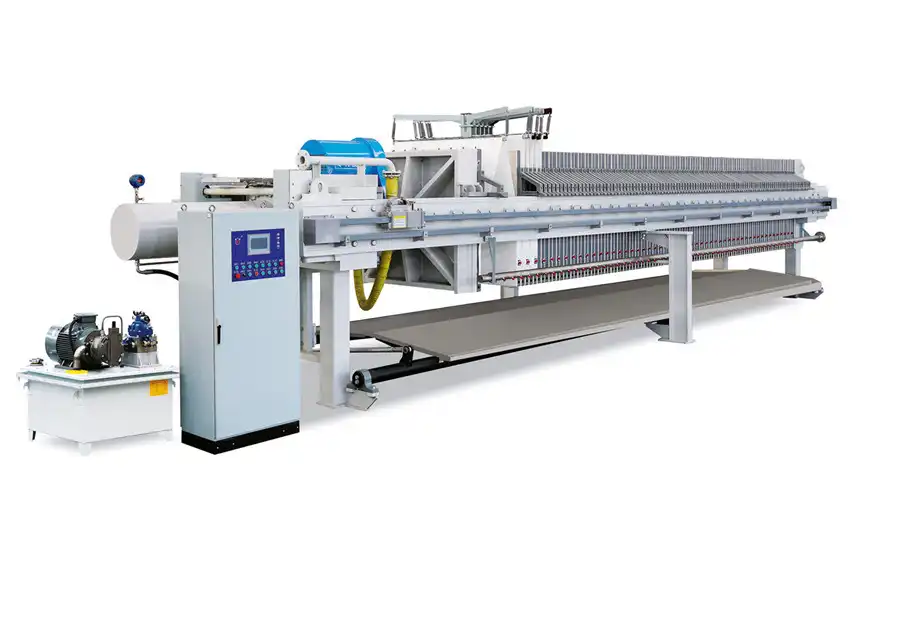
Procurement managers usually only look at the initial buy price when they are looking at industrial solid-liquid separation equipment. But a membrane filter press has a much bigger effect on your money than just that one bill. An elastic membrane is placed between the filter plate and the cloth in these high-tech filtration systems. This allows for a second squeeze cycle that greatly lowers cake wetness and speeds up the processing time. The initial cost may be 25–40% higher than regular recessed chamber presses, but the total cost over the whole lifetime, from installation to dismantling, often tells a different story. Using less energy, paying less for disposal, having less downtime, and tools lasting longer all add up to big savings after ten or fifteen years of use. When engineers and plant managers know about these secret cost drivers, they can make decisions that protect both budgets and output plans.


Understanding Membrane Filter Press Lifecycle Costs
Lifecycle cost analysis looks at every dollar spent on something from the time it is bought until it is thrown away. The full financial picture can be seen by dividing these costs into two groups: capital expenditures and operating expenditures.
Capital Expenditure Beyond the Equipment Price
The base machine is only one of the things that cost money: construction, piping, electrical connection, and testing. Dedicated expansion media, like compressed air or high-pressure water, are often needed for membrane systems. This extra equipment raises the starting project cost by 8–12%. Automation packages, which cut down on work and make things more consistent, could make the capital investment even bigger.
Energy Consumption and Utility Costs
Energy use changes a lot based on the type of feed and the design of the cycle. When compared to traditional chamber presses, membrane squeeze technology cuts pump runtime by 15–30% by combining filtering into fewer, faster cycles. Also, less water is used because the squeeze phase physically pulls out water instead of relying on long-term filtrate drainage. These savings on utilities can make up a big chunk of the higher buying price over ten years.
Maintenance and Spare Parts Expense
The cost of operations is directly affected by how often parts need to be maintained and how long they last. Most membrane plates made of polypropylene, thermoplastic elastomer, or strengthened synthetic rubber can be used 50,000 to 100,000 times before they need to be replaced. Major breakdowns can be avoided by checking sealing surfaces, hydraulic parts, and filter cloths on a regular basis. OEM-approved replacement parts work reliably and are compatible, but they may be more expensive. Aftermarket parts, on the other hand, may wear out faster and void warranties.
Downtime and Production Loss
Unplanned stoppages make it harder to meet deadlines and raise costs for a well-designed membrane filter press system. These breaks are kept to a minimum with proactive upkeep and expert help from the OEM. The modular plate design lets you quickly change out the plates without taking the whole frame apart. This cuts the time it takes to fix something from hours to minutes. If you can avoid even one big shutdown a year, it can be worth the extra money you spend on better tools.
Membrane Filter Press vs Traditional Filter Press: A Cost-Performance Comparison
When you compare membrane and sunken chamber technologies, it's clear when the extra money is worth it. In traditional plate-and-frame devices, the filter cake is only formed by the pressure of the feed pump. When the pressures are similar, the cake stops losing water and keeps a lot of interstitial wetness. Membrane systems add a second squeeze phase: high-pressure fluid expands the rubber diaphragm, pushing down on the cake and forcing out more liquid. Because of this basic difference, performance and cost vary in a lot of different ways.
Filtration Efficiency and Cake Dryness
Ten to twenty-five percentage points less liquid is left over after membrane squeeze. When used to dry sludge, standard chamber presses make cakes with 75–80% moisture, while membrane units make cakes with 55–65% moisture. This change doubles the amount of solids, which cuts in half the amount of trash that needs to be taken to a dump or burnt. The cost of getting rid of it drops in the same way. Depending on the area and rules, disposal costs can run from $50 to $200 per tonne.
Cycle Time and Throughput
When cycles are shorter, output is higher from the same area. It takes 20–30% less time for membrane devices to do a full cycle than standard presses. This cycle includes filling, squeezing, washing, and discharging. This speeding up increases the amount of work that can be done every day without adding to the plant's equipment or delaying or cancelling the purchase of new units.
Energy and Water Consumption Data
Field statistics from wastewater treatment plants in cities show the benefit. A 1,500-litre membrane filter press that works three shifts a day uses about 18–22 kW per cycle, while a similar chamber press that drains for longer periods of time uses about 25–30 kW per cycle. Because the squeeze step stops channelling and makes sure the wash spreads evenly, 15–25% less water is needed to wash the cake. These savings on utilities add up to tens of thousands of dollars over ten years.
Case studies from my activities show that the cost-performance proposition is true. In Arizona, a copper concentrate processing plant got new membrane units from Jingjin to replace old chamber presses. The cake's wetness level dropped from 22% to 15%, which allowed it to go straight to the smelters without needing to be dried further. The yearly savings in transport and heat energy were more than $340,000, which meant the equipment's extra cost was paid back in less than three years.
Core Design Features Impacting Lifecycle Costs
Long-term costs are greatly affected by technical details and material decisions. Knowing these things helps buying teams tell machines that look similar to each other.
Membrane Material Durability and Chemistry Compatibility
Most membranes are made of polypropylene or synthetic rubber materials like ethylene propylene diene monomer and nitrile butadiene rubber. Each material has different temperature and chemical protection ranges. Polypropylene is good at working with acidic slurries and temperatures up to 80°C, while NBR is great at handling streams that are contaminated with hydrocarbons. PVDF membranes may be needed for special uses, like medicines that need to follow FDA rules or solvents that are very harsh. Even though PVDF makes plates 30–40% more expensive, their inertness and ability to last in tough settings keep them from breaking down early and needing to be replaced without warning.
Plate Design and Cake Discharge Efficiency
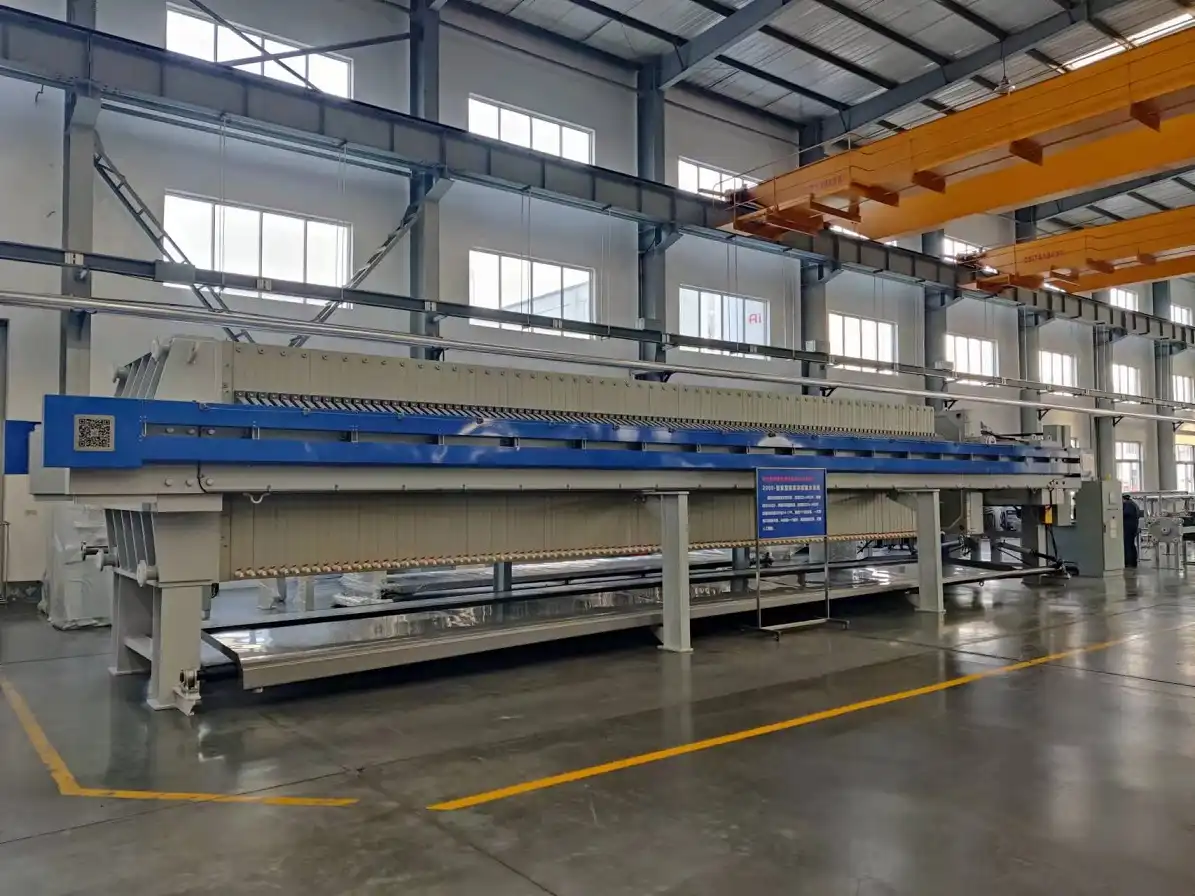
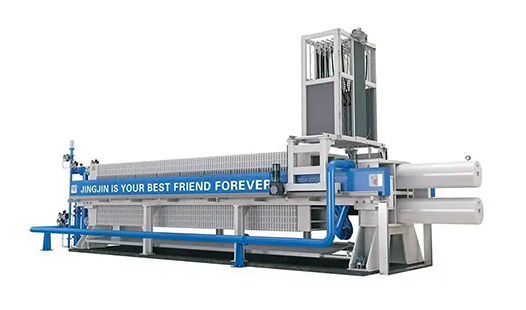
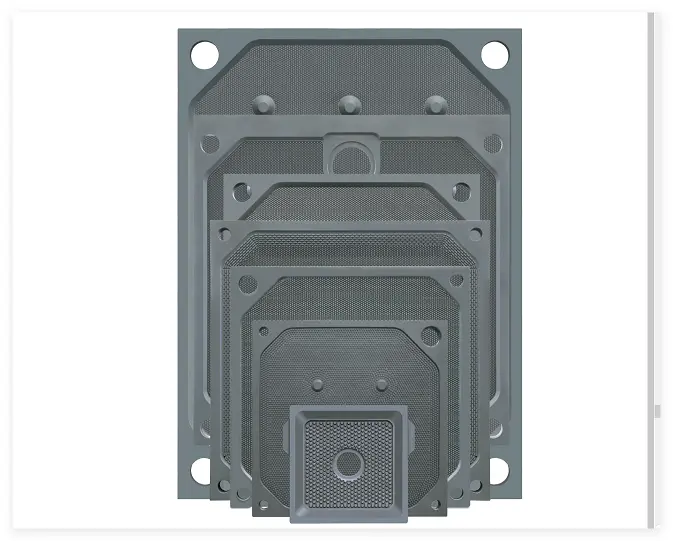
With the membrane filter press, Jingjin's modular plate construction has drainage holes that are designed to let filtrate drain quickly and keep cakes from sticking together. The 15–50 mm chamber depth can handle cakes of different thicknesses, keeping filter speed and cleanliness in balance. Integral membrane designs don't have any sealing spots that could leak or catch slurry. This makes cleaning easier and extends the time between services. With quick-release mechanisms, one worker can take off and put back on plates in less than ten minutes, which cuts down on repair downtime.
Automation and Hydraulic System Efficiency
Modern control systems handle the feed, squeeze, wash, and release processes. This gets rid of the need for operators to make changes and makes the cycle settings more efficient in real time. Proportional hydraulic valves change the clamping pressure on the fly, which keeps the plates from getting damaged and cuts down on wasted energy. Maintenance teams are notified of problems like bearing vibration, pressure drift, or membrane fatigue through industrial IoT platforms that allow remote tracking. These problems are fixed before they get worse and cause crashes. These skills lower the cost of labour and make parts last longer, which directly improves lifetime economics.
Spare Parts Supply Chain and Pricing
OEM-approved parts networks make sure that parts are available and of good quality. Jingjin has regional shipping centres all over North America that keep filter plates, cloths, and hydraulic seals in stock so they can be sent out the next day. This flexibility keeps end users' product costs low while still ensuring compatibility. Third-party suppliers may have lower prices up front, but when you add in returns, rework, and damaged equipment, the total cost of ownership is often higher. This is because the quality and fit of their products aren't always uniform.
Maintenance, Troubleshooting, and Operational Best Practices
Proactive maintenance plans protect financial assets and increase the amount of time that equipment is usable. Not giving something regular care speeds up wear and tear, raises fix costs, and shortens its useful life.
Routine Inspection and Preventive Maintenance Schedules
Clean sealing surfaces, complete filter cloths, and leak-free hydraulic connections should all be checked visually every day. Low-pressure inflation tests are used every week to check the stability of the membrane and look for tiny leaks or delamination. Every month, you have to do things like lubricate moving parts, calibrate pressure sensors, and look over cycle logs for patterns that show performance isn't as good as it could be. Industry dependability data shows that sticking to these plans stops 80–90% of unplanned stops.
Common Operational Issues and Remedies
High cake wetness is usually caused by not enough squeeze pressure, not enough rest time, or changes in the size of the feed particles. Changing the inflation pressure by 0.2 to 0.5 MPa or increasing the squeeze time by 30 to 60 seconds usually brings the dryness back to the goal level. Plate leakage generally means that the gaskets or sealing surfaces are broken and need to be replaced right away to stop contamination and loss of efficiency. Cycle delays can happen when feed lines get clogged or when control valves don't work properly. Clearing the clogs and recalibrating the actuators quickly fixes these problems.
Operator Training and OEM Technical Support
Skilled workers can spot early warning signs like strange sounds, changes in pressure, or irregular flow and act quickly before small problems get worse. Manufacturers like Jingjin offer full training programs that cover not only how to use the product but also how to fix problems and follow safety rules. Having access to OEM technical hotlines and field service techs helps with complicated fixes by reducing downtime and protecting warranties. Training pays off by making tools last longer and making operations run more smoothly.
When to Invest in a Higher-Priced Membrane Filter Press: Decision-Making Framework
To choose the right filtering technology, you have to balance scientific needs, budget constraints, and long-term goals. Procurement teams can make sense of all this information with the help of an organised decision strategy.
Application-Specific Needs and Performance Targets
Membrane technology works best for large-scale sludge dewatering processes where dumping costs are a big part of the total cost. Achieving 60% cake wetness instead of 75% can cut the amount of trash sent to landfills by 40%, which would pay for high-end tools every year. Similarly, mining operations that recover valuable minerals or process tailings in areas with limited water gain a competitive edge by collecting more water and releasing it in a drier form. On the other hand, standard chamber presses may be fine for low-throughput tasks with cheap ways to get rid of waste.
CAPEX, OPEX, and ROI Calculation Methods
Capital costs, finance costs, energy use, upkeep costs, disposal fees, and residual value are all included in the total cost of ownership models. Membrane filter presses usually have a higher CAPEX but a lower OPEX. They break even in 3–5 years and save 20–35% over their 15-year lifespan. To make sure that decisions are strong when things are unclear, sensitivity analysis should try theories about changes in feed, rising disposal costs, and energy price trends.
Supplier Evaluation Criteria
Warranty coverage shows that the maker trusts you and transfers risk to you. Full packages come with 12 to 24 months of warranty on materials and work, and you can get longer warranties on important parts like membranes and hydraulics. How prompt after-sales service is, as shown by how often the call is answered, how quickly field technicians are sent out, and how quickly parts are delivered, has a direct effect on uptime. OEM-authorized resellers help with localised support and application engineering, connecting the knowledge of the maker with problems that are unique to each site. When you look at these things along with price, you can be sure that the filter option you choose will be reliable and last a long time.
Conclusion
Lifecycle cost analysis shows that membrane filter press technology often has better economic performance than other technologies, even though it costs more to buy. This is because it uses less energy, costs less to dispose of, and has less downtime. The secondary squeeze phase dries the cake faster than any other method, which directly addresses the concerns of wastewater managers, mine engineers, and chemical plant workers. When you base your purchasing decisions on the total cost of ownership instead of the original cost, you can save money and improve business efficiency over many years of service. As regulations tighten and waste costs rise, it's not only smart to invest in modern filtration technology, it's also necessary.
FAQ
Q1: How does membrane squeeze reduce overall operating costs?
When the membrane is squeezed, it squeezes the filter cake even more than what the feed pump pressure can do alone. This squeezes out more water and makes the cake smaller. Less water means 30–50% less waste to be thrown away, which directly lowers the cost of burning or putting it in a dump. Shorter cycle times increase output without making the equipment's size bigger, which delays the need to buy new equipment. Fewer, faster cycles use less energy, which saves a lot of money over time on electricity costs.
Q2: What is the typical lifespan of membrane plates?
If they are used correctly, good polypropylene or thermoplastic rubber membranes can last for 50,000 to 100,000 rounds. Lifespan is based on the chemistry of the feed, the squeeze pressure, and the level of upkeep. Wear is sped up by harsh chemicals or too much pressure, but service times are lengthened by regular checks and fixes done on time. Buying OEM-certified plates guarantees consistent materials and a long life.
Q3: Can existing chamber presses be upgraded to membrane technology?
In many situations, retrofitting is possible. It is possible to improve performance without changing the whole system by installing a mixed plate pack that includes both membrane and hollow chamber plates. But hydraulic systems need to be able to handle higher closing pressures, and an inflation media source needs to be added. Talking to an OEM-authorized reseller ensures that the change works with the system and improves its design for specific uses.
Partner with a Trusted Membrane Filter Press Manufacturer
Since 1988, Jingjin Equipment Inc. has been a world leader in solid-liquid separation technology. They design membrane filter press systems that are affordable up front and work well for many years. Our patented plate designs, corrosion-resistant materials, and flexible construction make it possible for us to dry cakes faster and more efficiently than anyone else in the world (123 countries). If you need high-pressure tailings dewatering, processing of city sludge, or pharmaceutical-grade filtration, Jingjin's full-service approach—from the initial meeting to lifecycle support—ensures that your equipment investment pays off in a meaningful way. Get a personalised lifetime cost analysis from our technical experts by emailing [email protected]. Find out why picky procurement managers choose Jingjin membrane filter press options.
References
1. Smith, J. R., & Johnson, L. M. (2021). Lifecycle Cost Analysis for Industrial Filtration Systems: A Practical Guide for Engineers. CRC Press.
2. Williams, A. T. (2020). "Comparative Performance of Membrane and Chamber Filter Presses in Municipal Wastewater Treatment." Journal of Environmental Engineering, 146(8), 04020091.
3. Chen, H., & Liu, Y. (2019). Advanced Solid-Liquid Separation Technologies: Principles, Design, and Applications. Wiley.
4. Thompson, D. K. (2022). "Total Cost of Ownership Models for Capital Equipment Procurement in Process Industries." Chemical Engineering Progress, 118(3), 45–52.
5. International Water Association. (2021). Best Practices in Sludge Dewatering: Technology Selection and Operational Optimization. IWA Publishing.
6. Martinez, P., & Zhang, Q. (2020). "Energy Efficiency and Cost Reduction in Membrane Filter Press Operations: Case Studies from Mining and Chemical Sectors." Filtration & Separation, 57(6), 28–33.
jingjin
Founded in 1988, Jingjin specializes in filter presses and liquid-solid separation solutions, serving over 130 countries worldwide, and is a standard-setter in China's filter press industry.
Get the Filter Press guide
Enter Your Email for Technical assistance for the Filter Press.

Recommended Blog
What is a Dewatering Press Machine and How Does It Work? A Complete Guide
How to Choose the Best Dewatering Press Machine Capacity for Your Business Needs
Custom Filter Presses for the Chemical Industry: Choosing the Right Solution
A Step-by-Step Guide to Maintaining and Replacing Filter Press Plates
Membrane Filter Press Lifecycle Costs: When the Higher Price Tag Pays Off