As environmental regulations tighten and production volumes rise, Bangladesh's textile industry faces wastewater management issues. The membrane plate filter press revolutionizes solid-liquid separation for textile manufacturers. This advanced dewatering technology handles textile effluent's complex chemical compositions and improves cake dryness and operational reliability. Our detailed guide explains how membrane filtration improves wastewater treatment.
Understanding Membrane Plate Filter Press Technology
Innovative solid-liquid separation technology, like the membrane plate filter press optimizes industrial dewatering. This sophisticated system uses controlled membrane inflation cycles to improve filtration performance with specialized filter plates, flexible membranes, and sturdy frames.
What is a membrane plate filter press?
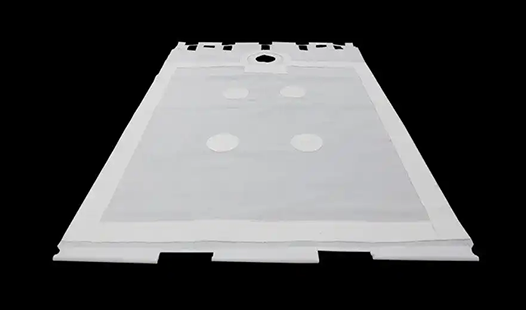
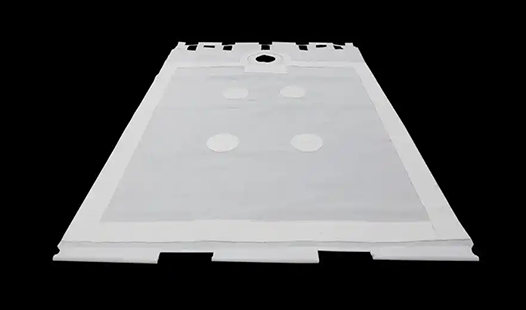
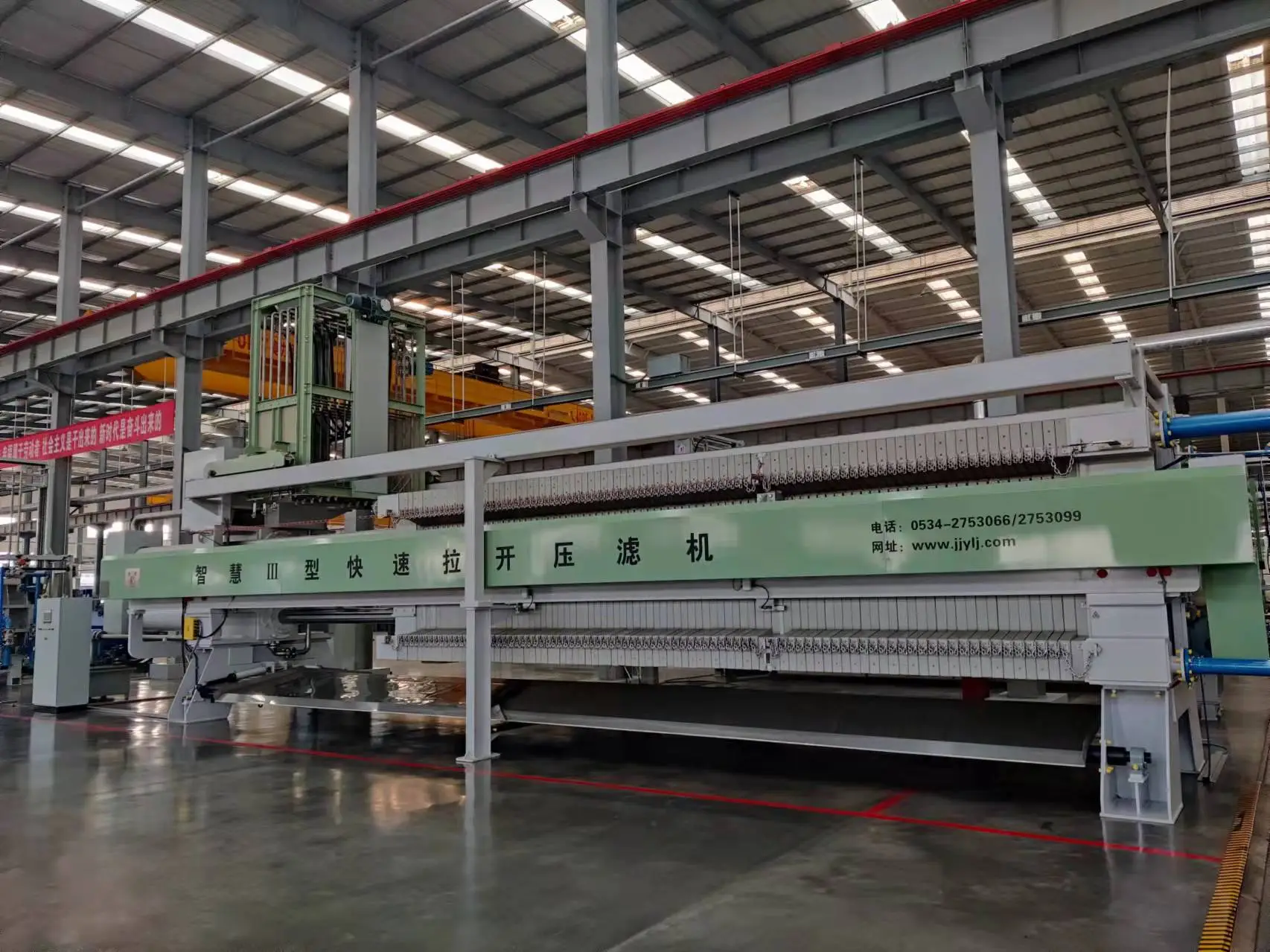
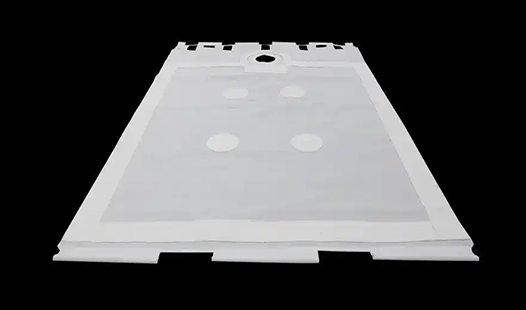
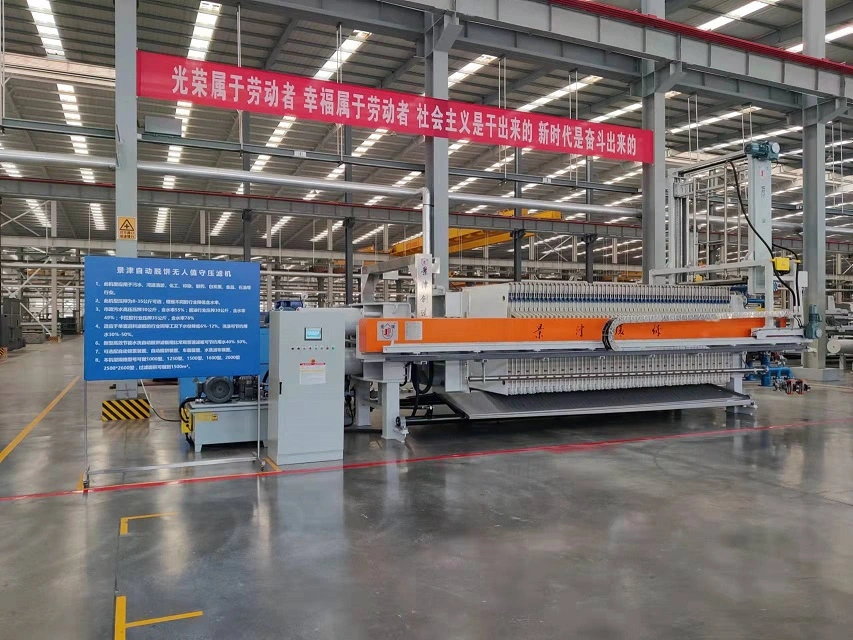
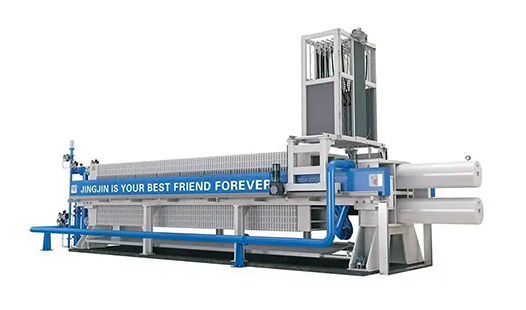
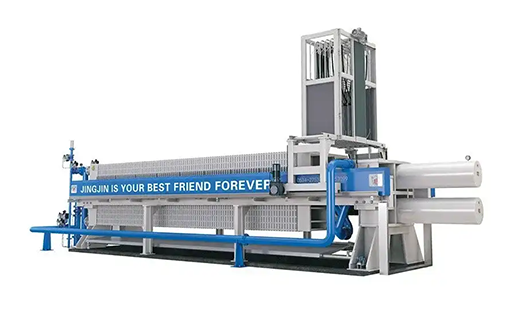
Mechanical membrane plate filter presses efficiently compress stacked filter plates and filter cloths to seal chambers. Solid particles form a filter cake as liquid passes through filter cloths under pressure. The key innovation is plate-mounted inflatable membranes that compress during final dewatering.
The main components are hydraulic plate compression systems, automated process control panels, and cake compression membrane chambers. This setup handles large volumes of material with high solids recovery and low operational costs.
How Does a Membrane Plate Filter Press Work in Textile Wastewater Treatment?
There are textile wastewater-specific dewatering phases. Under controlled pressure, the initial slurry passes through filter cloths while retaining suspended solids. After primary filtration, membrane inflation presses the filter cake moisture out.
Cake compression is better with membrane systems than chamber filter presses. Traditional presses use hydraulic pressure, but membrane technology adds secondary compression that reduces moisture by 5-10%. This lowers textile manufacturers' disposal costs and boosts efficiency.
Design Features Tailored for Textile Wastewater Applications
Material compatibility is needed for textile wastewater dye, acid, and caustic chemicals. Recent membrane filter presses use corrosion-resistant polypropylene plates and PTFE-coated membranes that can withstand harsh chemicals.
Automation system pressure sequences, cycle timing, and membrane inflation parameters are controlled by programmable logic controllers for consistency. These control systems optimize dewatering performance by automatically adjusting feed conditions despite textile influent composition changes.
Advantages of Using Membrane Plate Filter Presses for Textile Wastewater in Bangladesh
Membrane plate filter presses improve Bangladesh's textile wastewater treatment operations and the environment. Increased solids capture and filter cake drying reduce sludge volumes that require costly disposal or processing.
Enhanced Filtration Efficiency and Cake Dryness
Compressed membranes capture solids and water better than conventional filtration. Membrane systems produce 15-20% moisture cakes versus 25-35% with filter presses, according to research. Secondary compression eliminates interstitial water from the filter cake, improving performance.
Efficiency helps textile factories process high-volume wastewater. Cake moisture reduction lowers transportation costs, landfill fees, cake incineration energy, and material costs.
Operational Benefits Over Other Technologies
In many ways, membrane filter presses outperform other dewatering methods. These advantages make membrane technology popular among textile manufacturers:
-
Over plate and frame systems, membrane compression speeds processing by 20-30%.
-
Efficient dewatering reduces thermal drying, saving energy.
-
Automation saves labor over vacuum filters and belt presses.
-
Throughput increases: Efficiency allows larger volumes within footprint constraints.
Membrane technology is best for textile facilities that want high productivity, low costs, and low environmental impact.
Environmental and Cost Implications
Membrane filtration systems reduce sludge and increase water recovery, helping the environment. Low-moisture filter cakes reduce disposal volumes by 30-40%, lowering transportation and landfill costs. For sustainable manufacturing, global buyers and regulators want cleaner filtrate for water reuse.
The technology promotes a circular economy by maximizing resource recovery and minimizing waste. Chemical conditioning agent use decreases with dewatering performance, lowering chemical handling and disposal costs and environmental impact.
Key Considerations and Maintenance for Optimal Operation
Maximum efficiency requires specific operational and maintenance protocols for membrane plate filter presses. Proper implementation is essential for textile wastewater treatment to maximize ROI, equipment lifespan, and performance standards.
Operation Guide for Textile Wastewater Treatment Facilities
Pretreatment optimizes loading and protects equipment. Textile wastewater requires pH neutralization and removal of large debris that could damage membranes or filter cloths. Feed solids should be 5%–15%, depending on particle characteristics and cycle times.
Loading must match the membrane and process goals. To make cake, gradually increase operating pressure before membrane inflation. After 10-15 bar filtration, dewatering membrane inflation pressures can reach 16 bar.
Maintenance Tips to Ensure Longevity and Reliability
Maintenance saves money and maintains membrane and filter cloth performance. Daily checks should include plate alignment, hydraulic pressure stability, and membrane inflation. Deposits that reduce membrane flexibility or filtration efficiency are removed weekly.
Uneven cake formation indicates filter cloth damage, membrane wear, and hydraulic system issues. Preventive maintenance can fix these issues before they affect production or require costly repairs.
Efficiency Improvements and Performance Optimization
Improve textile performance by automating press cycles and upgrading membrane materials. Automation systems optimize pressure sequences and cycle timing based on real-time performance feedback, while advanced membrane formulations improve chemical resistance and service life.
Performance optimization includes textile waste-specific variable pressure profiles and process monitoring systems that track cake moisture, cycle time, and filtrate quality.
Selection and Procurement Guide for Bangladesh Textile Industry
Consider operational needs, technical specs, and long-term support when choosing a membrane plate filter press. For years, this strategic decision has impacted facility efficiency, environmental compliance, and operational costs.
How to Choose the Right Membrane Plate Filter Press
Analysis of daily wastewater volumes, peak flow rates, and processing schedules begins the capacity assessment. Most textile facilities need 50–500 cubic meters of sludge processing per day with growth potential. Depending on disposal methods and regulations, most cake dryness applications aim for 15-25% final moisture.
Compact systems maximize processing capacity in facility footprints. Building height and material handling determine vertical or horizontal configurations.
Comparing Suppliers and Costs in 2025
Buyers must evaluate prospective suppliers beyond the purchase price. Total ownership costs should include installation, training, spare parts, and technical support. For long-term success, established manufacturers like Jingjin Equipment have extensive patent portfolios, reliability, and global service networks.
Good suppliers warrant membranes, automation systems, and hydraulic components. Local support reduces downtime and speeds up maintenance.
Buying, Renting, and After-sales Support Options
Acquisition strategies should meet financial and operational goals. Direct purchase maximizes control and long-term cost savings for wastewater treatment facilities. Seasonal operations or facilities that need to save for core production investments can be leased.
Good after-sales support impacts reliability and long-term costs. Operator training, preventive maintenance, and guaranteed spare parts availability maintain equipment performance throughout its lifecycle.
Case Studies and Applications in the Bangladesh Textile Sector
Real-world implementations demonstrate the transformative impact of membrane plate filter presses on textile wastewater management across Bangladesh's industrial landscape. These practical examples highlight measurable performance improvements and operational benefits achieved through strategic technology adoption.
Successful Implementations of Membrane Plate Filter Presses
Using membrane filtration, a leading Dhaka textile manufacturer reduced cake moisture from 32% to 18% and cycle times by 25%. Increasing processing capacity by 40% within the facility footprint shows the technology's efficiency.
Multiple installations have achieved 90-95% solids capture, filtrate clarity for process reuse, and operational availability over 95% when properly maintained. These achievements save $50,000–$200,000 annually, depending on facility size and waste.
Custom Solutions for Different Textile Wastewater Profiles
Fabric factories produce diverse wastewater requiring customized filtration. Long residence times and specialized filter cloths are needed for high-color effluent with fine suspended particles. Water from finishing processes has different chemical loads, requiring corrosion-resistant materials and automated chemical conditioning.
Chemically compatible membranes, waste-specific automation programming, and treatment infrastructure integration are needed for customization. We customize solutions to maximize performance and reduce operational complexity and maintenance.
Future Prospects and Technology Upgrades
Membrane filter press technology advances automation, membrane materials, and digital monitoring. Smart filtration systems optimize operating parameters using real-time performance data and predictive maintenance using machine learning algorithms.
Chemically resistant membrane materials, hybrid systems that combine membrane filtration with advanced oxidation processes, and modular designs for production-demand capacity adjustment are future developments.
About Jingjin Equipment: Your Trusted Filtration Solutions Partner
Jingjin Equipment Inc. has been a leading filter press and solid-liquid separation manufacturer since 1988. After 35 years and 123 countries, we solve textile wastewater treatment problems with unmatched expertise.
With over 136 patents and large-scale manufacturing, we offer textile-specific membrane plate filter presses. We customize filtration ecosystems with filter plates, cloths, automation, and engineering.
We supply equipment, supervise installation, train operators, supply spare parts, and provide technical support. We maintain global service networks to respond quickly to customer needs because successful filtration operations require long-term partnerships.
We improve efficiency, environmental compliance, and operational costs with customized wastewater management systems and treatment facility upgrades.
Conclusion
In Bangladesh, membrane plate filter presses are the best textile wastewater treatment solution for dewatering, environmental compliance, and cost reduction. Innovative textile manufacturers must invest in the technology's cake dryness, cycle times, and operational efficiency benefits. Proper selection, installation, and maintenance of membrane filtration systems support global manufacturing sustainability.
Frequently Asked Questions
Q1: What is the main difference between a membrane plate filter press and a chamber filter press?
A: The primary difference lies in the additional compression phase provided by inflatable membranes. While chamber filter presses rely solely on hydraulic pressure for dewatering, membrane systems include a secondary compression stage where membranes inflate to expel additional moisture from filter cakes. This results in 5-10% lower moisture content and significantly reduced disposal costs.
Q2: How frequently should maintenance be performed on a membrane plate filter press in textile industry applications?
A: Maintenance frequency depends on operating conditions and waste characteristics. Daily visual inspections ensure proper operation, while weekly cleaning procedures prevent deposit buildup. Comprehensive maintenance, including membrane inspection and hydraulic system servicing, should occur monthly. Filter cloth replacement typically occurs every 3-6 months, depending on chemical exposure and operating hours.
Q3: Can membrane filter presses handle high chemical loads often found in textile wastewater?
A: Yes, modern membrane filter presses are specifically designed for chemically aggressive environments. Corrosion-resistant materials, including polypropylene plates and PTFE membranes, withstand exposure to acids, bases, and organic solvents common in textile wastewater. Proper material selection based on specific chemical compositions ensures reliable long-term operation.
Ready to Transform Your Textile Wastewater Treatment?
Learn how Jingjin's membrane plate filter press technology can improve dewatering and save money. We provide customized solutions and comprehensive support as a leading membrane plate filter press manufacturer with textile expertise. Email [email protected] to discuss your needs, request specifications, or schedule a filtration specialist consultation.
References
1. Rahman, M.A. and Hassan, K.M. (2023). "Advanced Filtration Technologies for Textile Wastewater Management in Bangladesh." Journal of Environmental Engineering and Technology, Vol. 15, pp. 245-267.
2. International Textile Manufacturers Federation (2023). "Best Practices for Sustainable Wastewater Treatment in Textile Manufacturing." ITMF Technical Report Series, Report No. 2023-08.
3. Ahmed, S.R., Islam, T., and Chowdhury, P. (2022). "Comparative Analysis of Dewatering Technologies for Industrial Wastewater Treatment." Bangladesh Journal of Environmental Science, Vol. 28, No. 3, pp. 112-128.
4. World Bank Group (2023). "Environmental Compliance and Technology Adoption in Bangladesh Textile Sector." Environmental and Social Development Report, Document No. WB-2023-BGD-TEX-047.
5. Khan, M.H. and Begum, A. (2022). "Membrane Technology Applications in Textile Industry Wastewater Treatment: A Bangladesh Perspective." Water Treatment and Management Review, Vol. 18, pp. 89-105.
6. Environmental Protection Agency Bangladesh (2023). "Guidelines for Industrial Wastewater Treatment Technologies and Performance Standards." EPAB Technical Publication Series, Publication No. EPAB-2023-IWT-12.