How to Choose the Best Dewatering Press Machine Capacity for Your Business Needs
How to Choose the Best Dewatering Press Machine Capacity for Your Business Needs
Defining Your Dewatering Needs: Understanding Capacity Requirements
- Defining Your Dewatering Needs: Understanding Capacity Requirements
- Types of Dewatering Press Machines and Their Capacity Ranges
- Criteria to Evaluate When Choosing Capacity for Your Business
- Practical Steps to Select the Right Dewatering Press Machine Capacity
- Additional Considerations: Maintenance, Safety, and Environmental Impact
- Conclusion
- FAQ
- Partner with Jingjin for Optimal Dewatering Solutions
- References
To determine the correct dewatering press machine capacity, consider how much sludge your facility processes, its behavior, and your operational objectives. The optimal capacity balances throughput, affordability, and legality. Knowing capacity factors like dry solids, filtrate purity, and hourly working rates can help you maximize your investment. From municipal waste treatment to mining, the correct capacity option reduces delays and costs and helps enterprises develop over time.
Defining Your Dewatering Needs: Understanding Capacity Requirements
Determining the correct tool capacity requires understanding what you need to drain. Several elements that impact machine performance and operating efficiency are evaluated.
Key Capacity Metrics That Drive Performance
Three basic approaches to estimate capacity are throughput rate (cubic meters per hour), dry solids content %, and filter quality criteria. Throughput rate determines how much sludge your system can handle in a given period. The proportion of dry solids in sludge impacts its disposal cost and environmental impact. Filtrate quality determines whether treated water may be reused or cleaned further.
Most current filter press systems achieve 15–35% dry solids, depending on sludge type and pressure. Municipal wastewater treatment facilities typically process 50–500 cubic meters per hour. However, manufacturing strategies may need unique capacity ranges in the industry.
Analyzing Sludge Characteristics and Volume Requirements
Sludge composition affects capacity selection. Mine tailings, chemical precipitates, and wastewater treatment biological sludge drain differently. Particle size distribution, organic matter, and moisture impact filtering and cake quality.
Daily and peak number demands must be carefully evaluated to avoid system overload during high demand. Many locations have capacity fluctuations due to annual or manufacturing cycles. Planning for 20–30% capacity space allows for these changes while maintaining performance.
Common Capacity Selection Mistakes to Avoid
Jams and operations might result from not calculating peak power. Many locations pick equipment based on average numbers rather than peak needs, which causes problems during critical moments. However, large equipment increases costs and energy usage without gain.
Forgetting expansion plans is another big error. Modular solutions allow rising towns and companies to manage additional work without updating existing equipment. This design avoids costly retrofits by keeping operations running as the structure increases.
Types of Dewatering Press Machines and Their Capacity Ranges
Different capacities of dewatering press machine technologies suit different purposes and operations. Knowing these distinctions can help you pick business-appropriate tools.
Belt Filter Presses and Continuous Processing Systems
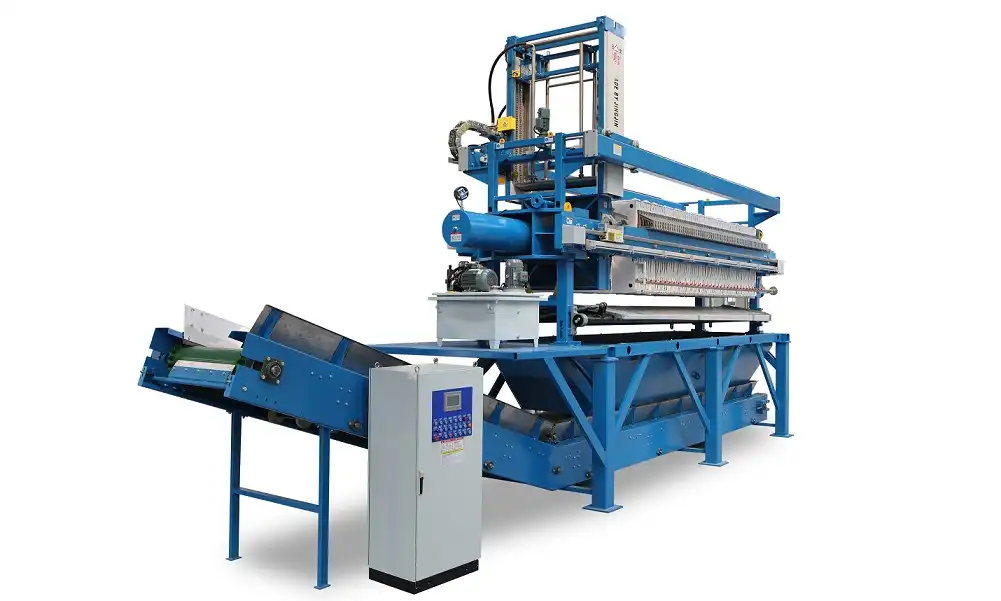
Belt filter presses are ideal for continuous handling and workflow. With 18–25% dry solids, these systems can handle 10–200 cubic meters of material per hour. No break for batch cycling since they work 24/7. This makes them ideal for large wastewater treatment facilities and sludge-producing companies.
Polymer dosing and wash water recycling boost efficiency and minimize costs in modern belt filter presses. Operators may adjust working rates depending on sludge characteristics and cake dryness.
Chamber Filter Presses for Batch Processing Excellence
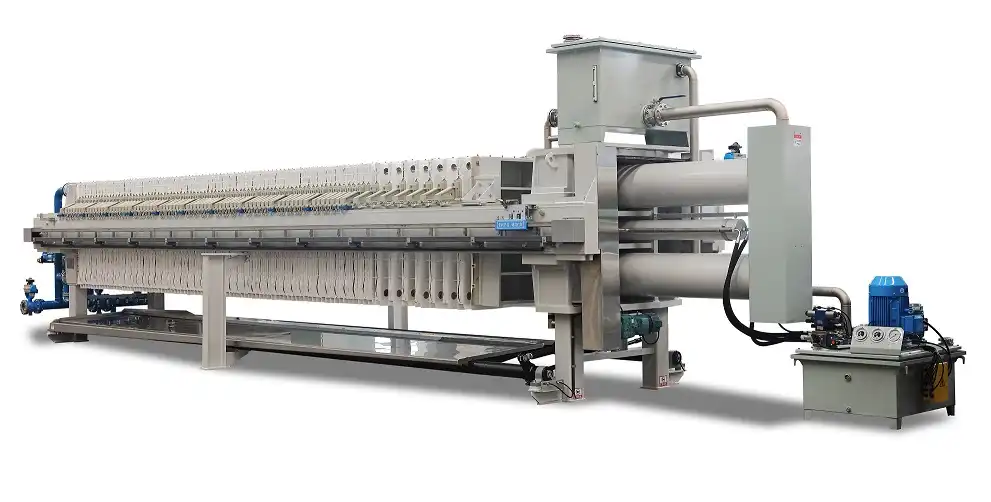
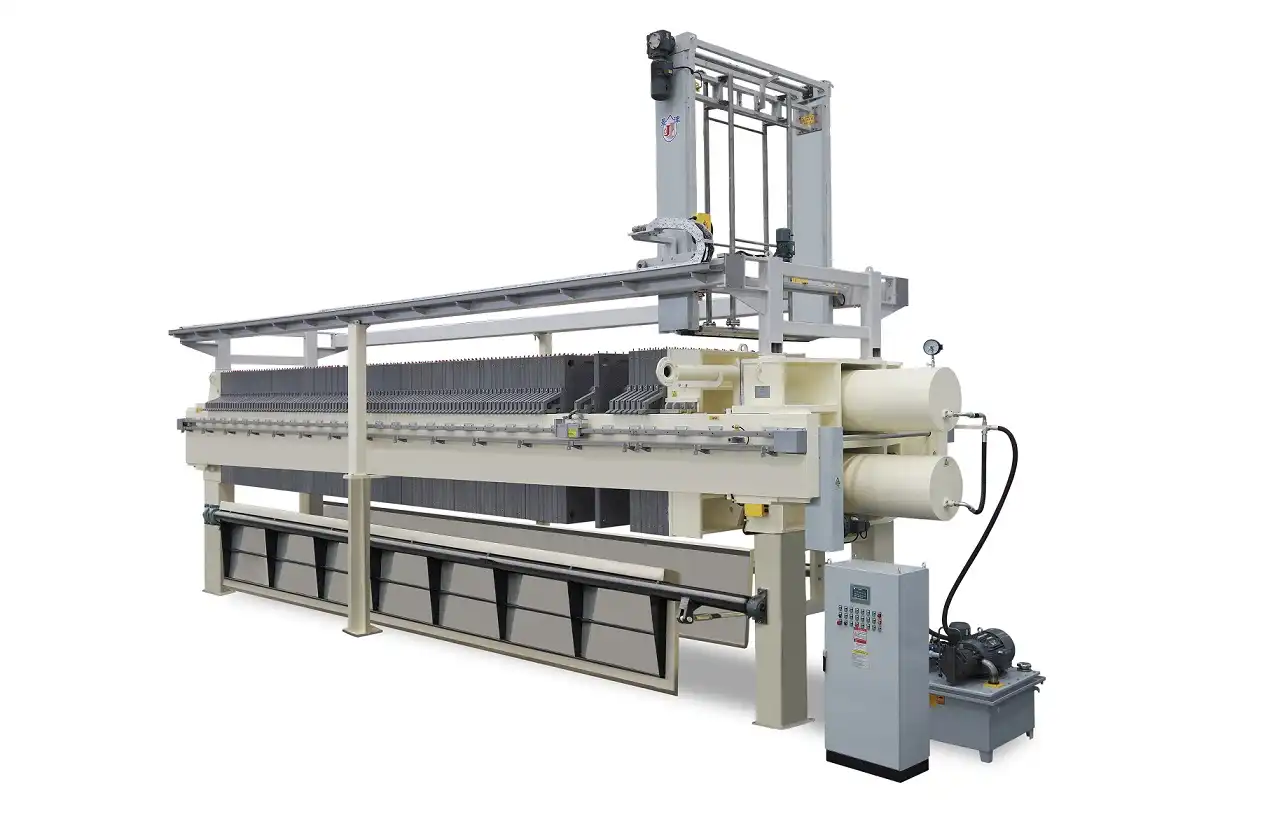
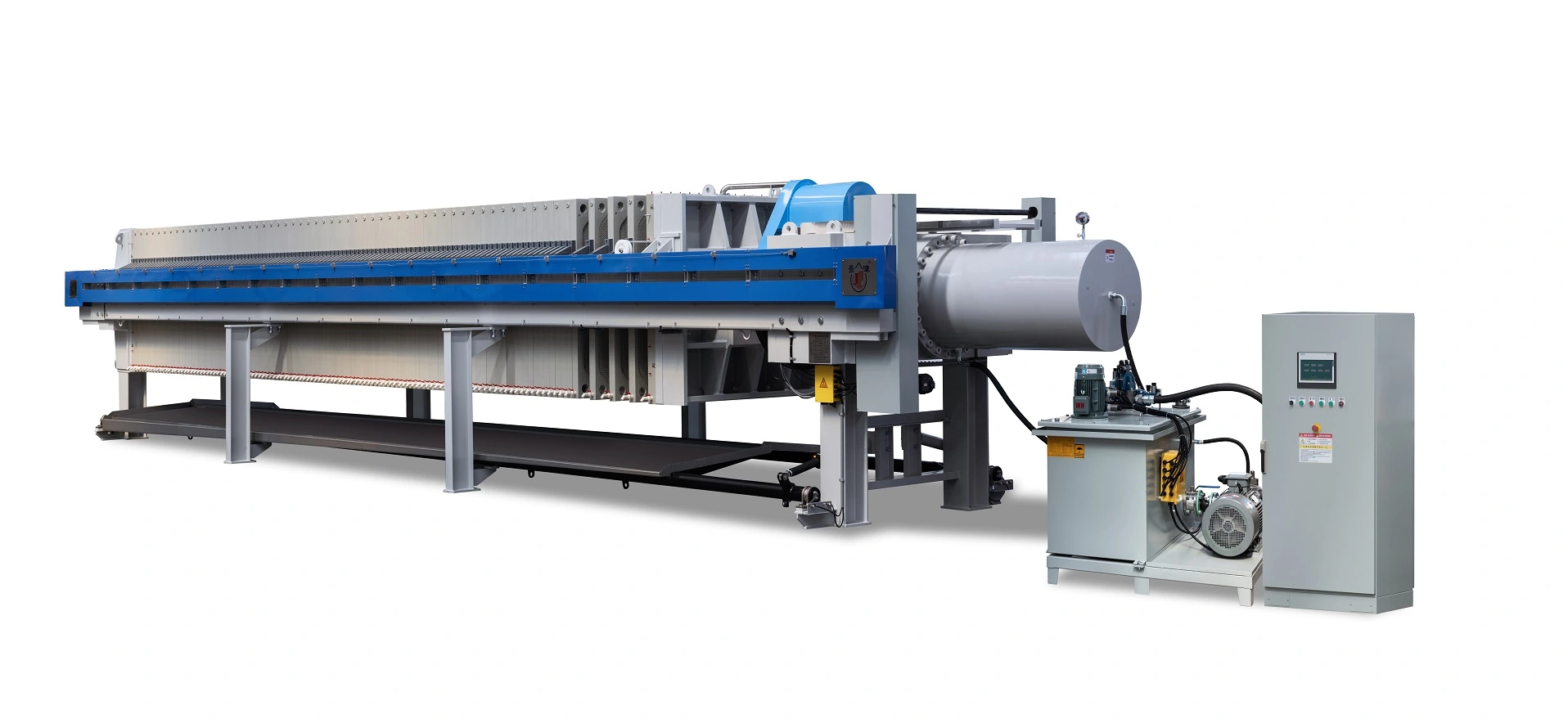
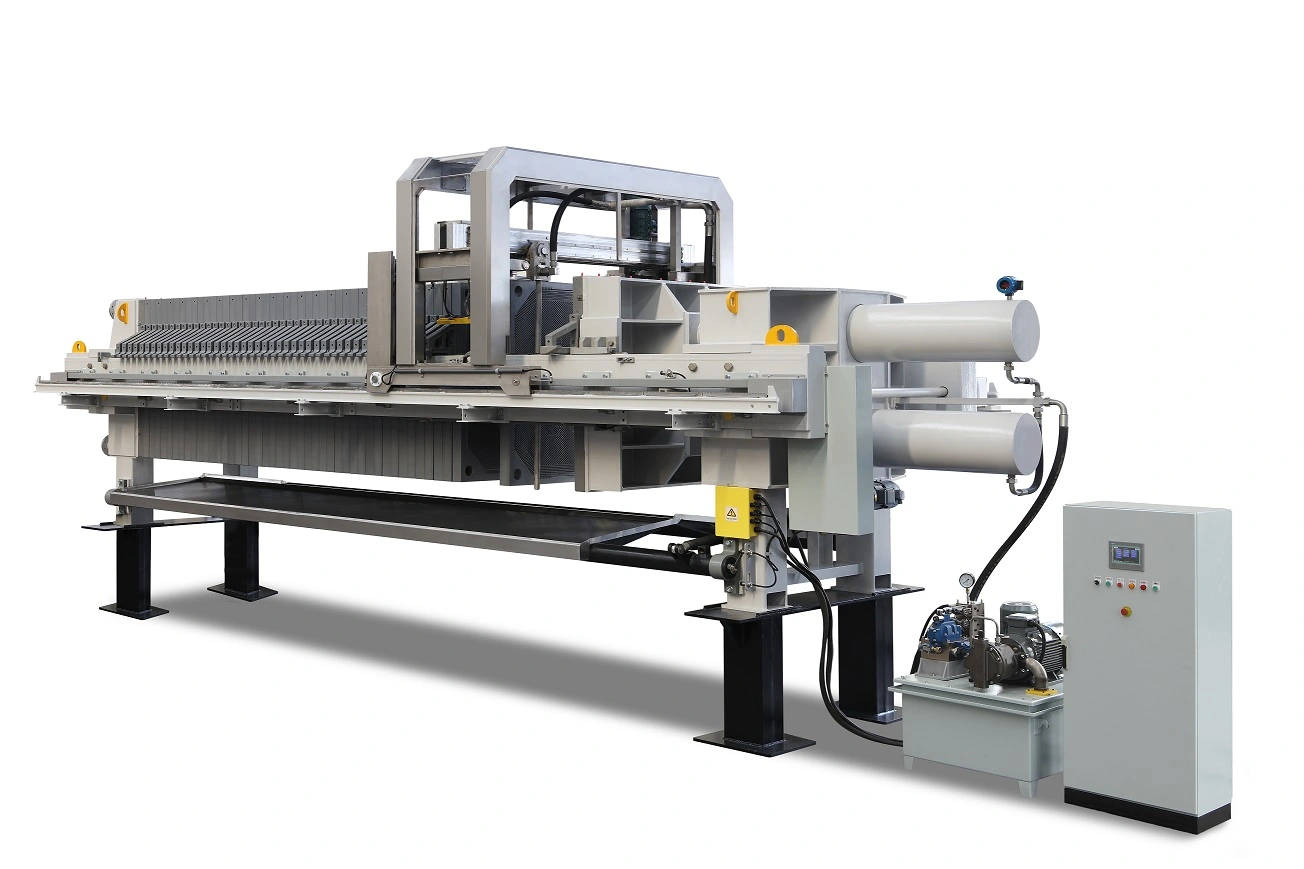
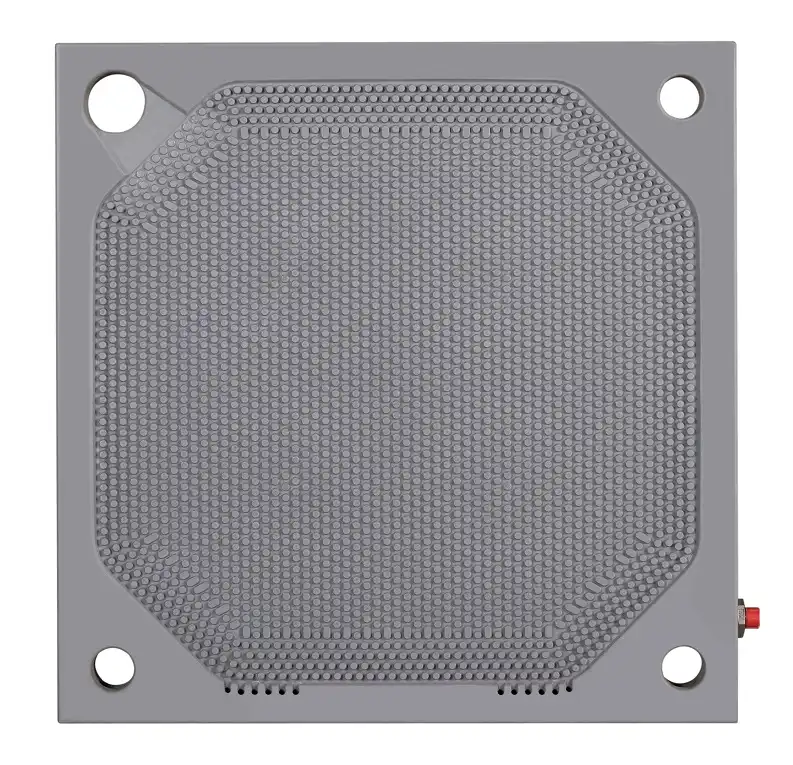
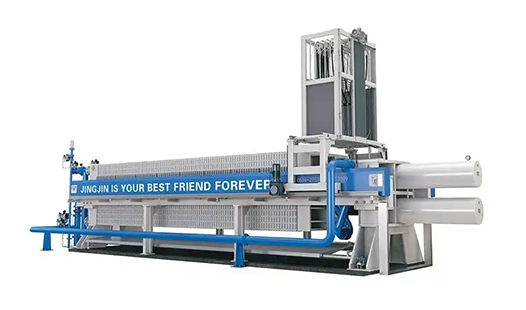
Chamber filter presses produce 25–35% dry solids or more, depending on the substance. In batch mode, these devices can readily process several types and volumes of sludge. Batch cycles typically last 2–8 hours and have a capacity of 5–100 cubic meters.
Automatic plate-moving and laundry-washing devices save manual labor while maintaining performance. High-pressure processes, sometimes above 15 bar, extract the most water and utilize the least waste.
Screw Presses and Compact Design Solutions
Screw presses are suitable for tiny locations or particular applications because of their compact footprints and average output. These units typically process 5–50 cubic meters per hour and produce 15–25% dry solids. The mechanical design is basic yet reliable under tough environments and requires minimal maintenance.
Screw presses require less energy and feature automated controls, making them ideal for low-maintenance environments. Constant release eliminates the hand removal of cakes while maintaining processing speeds.
Criteria to Evaluate When Choosing Capacity for Your Business
You must balance budget, working constraints, and performance criteria while determining dewatering equipment capacity. A careful examination ensures the correct instruments are selected for long-term success.
Balancing Throughput, Efficiency, and Operating Costs
Balancing production, efficiency, and expenses. Because it uses less energy and effort per unit, higher-capacity equipment generally leads to economies of scale. Large systems may not function effectively, increasing unit handling costs. The "sweet spot" balances high capacity demands with energy and maintenance costs.
Different tools utilize energy differently. Belt filter presses require 0.5 to 1.5 kWh per cubic meter, whereas high-pressure chamber presses use 2–4 kWh. Over time, these variances add up to a considerable difference in the total cost of ownership.
Evaluating Supplier Reliability and Service Capabilities
Equipment reliability affects capacity utilization. Even when design standards are satisfied, broken systems reduce capabilities. Checking supplier track records, warranties, and local service helps ensure equipment functions properly for as long as possible.
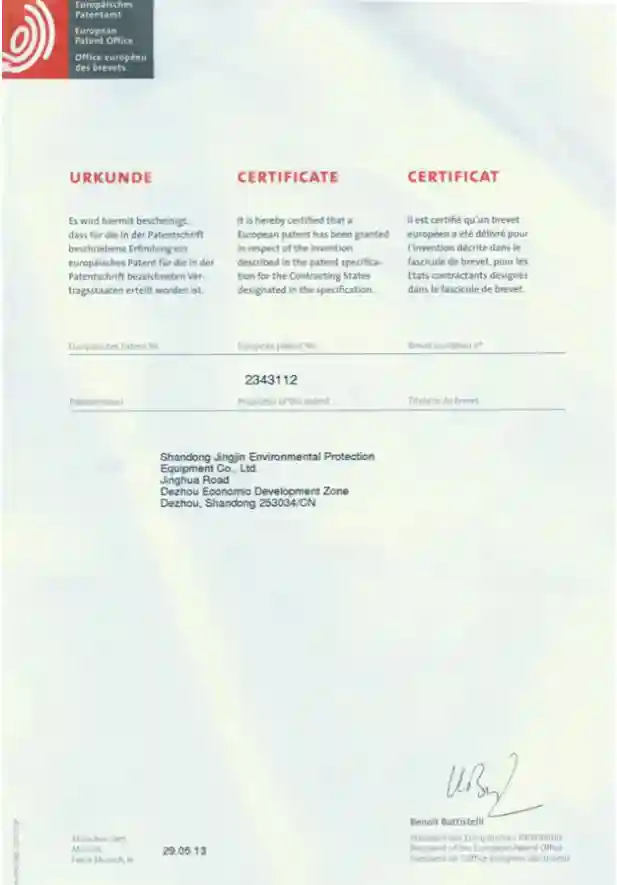
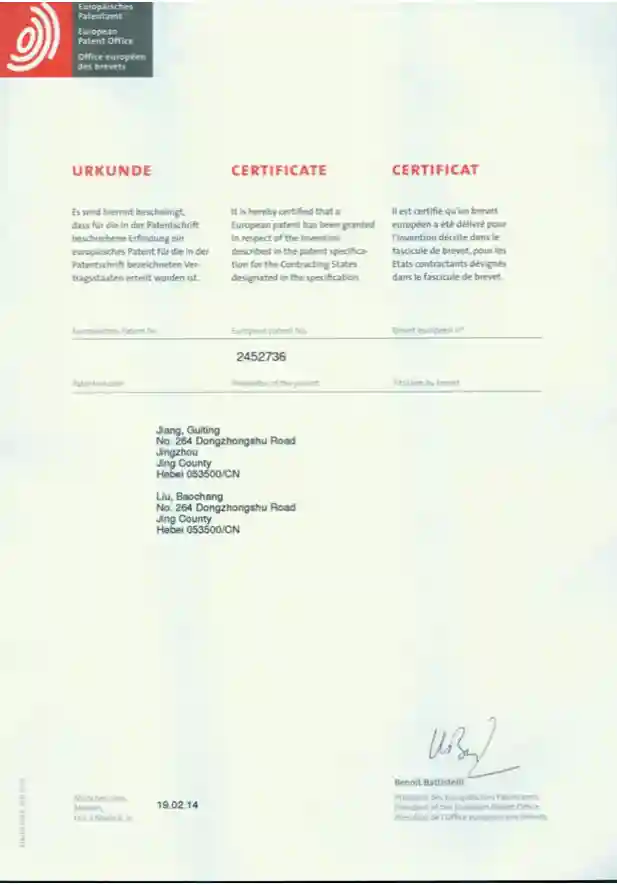
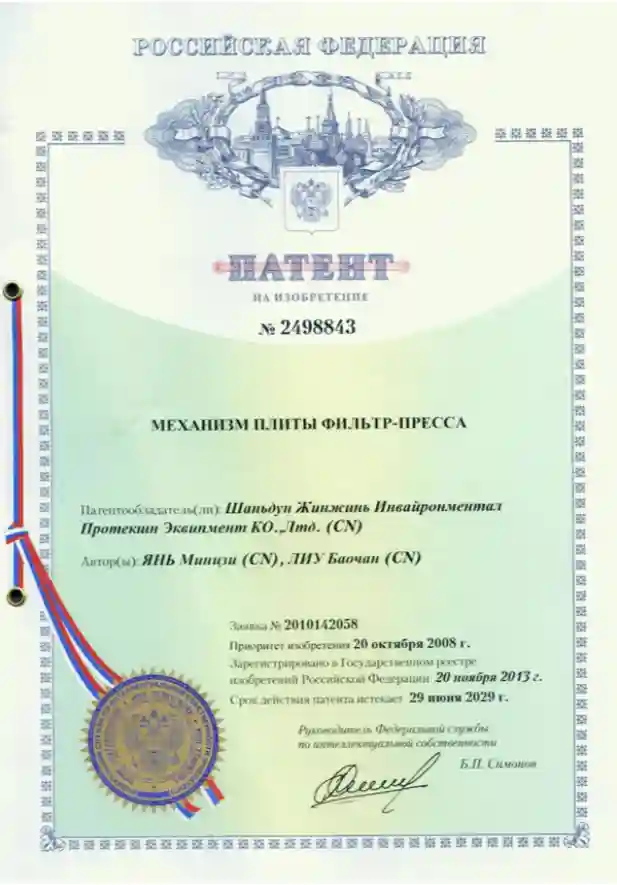
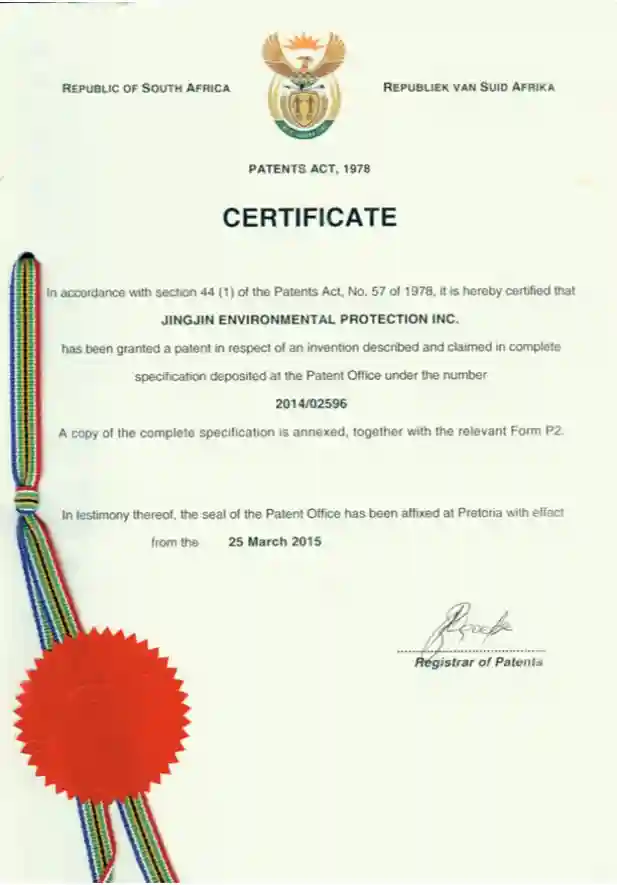
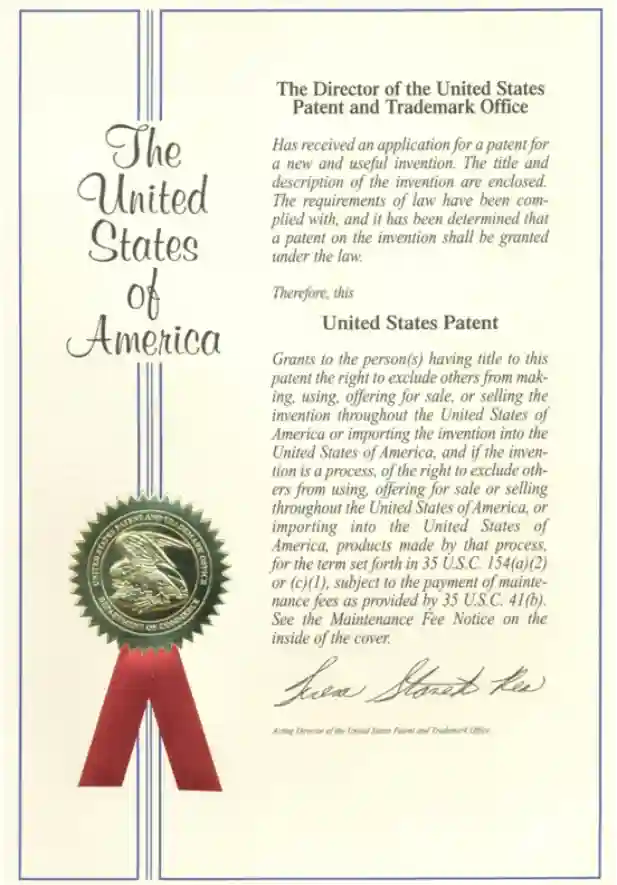
Jingjin Equipment, with over 35 years of experience creating products and servicing clients in 123 countries, exemplifies stability standards that enable consistent capacity consumption. Their over 136 patents and a broad service network provide the technical support they need to function well in many employment environments.
Customization Options for Specialized Applications
Standard tool settings may not work for certain sludge or operating conditions. Customization options, including filter media, rust-resistant materials, and autonomous control systems, might affect capacity usage.
Plate coatings and closing systems let chemical processing companies tolerate severe chemicals and maintain throughput. Heavy-duty mining parts may need to withstand gritty slurries without deteriorating.
Practical Steps to Select the Right Dewatering Press Machine Capacity
Structured selection reduces risks and increases ROI by matching capacity. This systematic technique considers technological and economic concerns.
Conducting Comprehensive Sludge Analysis and Volume Assessment
Understanding sludge operation is essential for accurate capacity calculations. Lab testing should include particle size distribution, settling properties, filterability index, and chemical composition. These parameters directly impact production rates and dry solids.
Volume assessment must include current and future demands. Dewatering press machines often underestimate their growth rate and hit capacity early. Past trends, predicted growth, and regulatory changes may help create appropriate capacity objectives with allowance for error.
Comparing Technical Specifications and Performance Data
Manufacturer performance numbers should be compared to other testing and reference configurations. Key characteristics are ensured throughput rates, dry solids, filtrate quality, and energy usage under particular operating circumstances. Knowing these promises helps create achievable objectives.
The only method to anticipate success is with actual sludge in pilot experiments. Many respectable firms provide pilot testing to demonstrate product performance. Testing reduces the dangers of purchasing all the tools at once.
Financial Analysis and ROI Calculations
To calculate the total cost of ownership, sum the expenses of purchasing, installing, operating, and repairing the equipment throughout its expected lifespan. Technology that breaks down or consumes too much energy may have lower initial prices but greater long-term expenses.
Cash flow, taxes, and tool obsolescence determine whether to lease or purchase. Leasing agreements may include maintenance. These packages stabilize prices and pass reliability risks to equipment suppliers.
Additional Considerations: Maintenance, Safety, and Environmental Impact
For draining activities to go smoothly, more than just basic capacity requirements need to be taken into account. These things have an impact on long-term success, following the rules, and the ability to keep running.
Preventive Maintenance Programs and Downtime Minimization
Comprehensive repair plans are needed to keep unplanned downtime to a minimum so that capacity is used effectively. Predictive maintenance technologies, regular check plans, and managing the collection of spare parts all help keep equipment running at a high level for as long as it lasts.
Modern dewatering systems have condition tracking features that keep an eye on performance trends and predict when repair is needed. These systems help find the best times for repair while preventing sudden breakdowns that stop capacity utilization.
Safety Standards and Operator Training Requirements
A lot of pressure is put on high-capacity draining equipment, and it has moving parts that need to be handled safely. Full training programs for operators make sure that operations are safe and that performance levels stay at their best. Safety checks and equipment changes done on a regular basis help make sure that safety standards are being met.
Automated safety systems, like interlock systems, emergency stops, and pressure release valves, keep people and equipment safe while keeping operations running smoothly. As capacity and working pressure go up, these safety factors become more important.
Environmental Compliance and Sustainability Goals
Environmental rules are getting stricter, which means that draining equipment needs to work better. Buildings that use less energy and can recycle water can help them meet their green goals while still meeting their capacity needs. As the cost of environmental compliance goes up, these factors become more important in choosing tools.
Getting rid of waste more cheaply and without harming the environment is directly linked to increasing the dry solids level. Higher dry solids content equipment may be worth the extra money in the long run because it will save you money on waste costs and do a better job of protecting the environment.
Conclusion
To choose the right dewatering press machine size for your building, you have to weigh a number of technical, financial, and operational factors. A thorough study of the sludge, accurate volume estimates, and a full assessment of the equipment's powers and supplier support are all necessary for success. Choosing the right capacity pays off in the form of higher operating efficiency, lower dumping costs, and better compliance with regulations. Working with makers who have been in business for a while and know the problems that your industry faces will help you choose equipment that meets both your current needs and your goals for future growth while still being reliable enough to keep running.
FAQ
1. How do I calculate the required capacity based on my sludge characteristics?
How much capacity is needed depends on how fast the sludge is moving, how concentrated the solids are, and how many dry solids you want in the final cake. To find the total solids loading, multiply the daily waste volume by the solids content. To figure out how much output you need, divide this number by the number of hours your plant will be running and the percentage of dry solids you want to achieve. For busy times and repair periods, add 20 to 30 percent as a safety cushion.
2. Can existing dewatering systems be upgraded to increase capacity?
Many systems can have their capacities increased by adding more filter plates, making the automation better, or making the polymer dose systems better. Most of the time, belt filter tools can handle bigger belts or faster belts. But limits in the structure or the power source may make upgrades less possible. The most effective way to figure out if an upgrade is worth it is to talk to the original makers.
3. What capacity differences exist between filter presses and other dewatering technologies?
Most filter presses get a higher dry solids content (25–35%) but only work in batches. Belt filter presses, on the other hand, can work continuously and get a middling dry solids content (18–25%). Centrifuges can move a lot of material quickly, but the dry solids level is usually smaller. Screw presses are small, have a middling volume, and work well with dry solids, so they are good for smaller jobs.
Partner with Jingjin for Optimal Dewatering Solutions
With more than 30 years of experience in the field, Jingjin Equipment is ready to help you figure out how to choose the right size for your dewatering press machine. Our engineering team offers full consulting services, from the initial study of the sludge to the setup of equipment and ongoing support. As one of the biggest companies that makes dewatering press machines, we can make unique solutions that work in 123 countries and are backed by 136 or more patents. Get in touch with our experts at [email protected] to talk about your unique capacity needs and find out how our advanced filter technologies can help you run your business more efficiently while cutting costs and harming the environment.
References
1. Water Environment Federation. "Design of Municipal Wastewater Treatment Plants: Solids Processing. "Manual of Practice No. 8, Fifth Edition, McGraw-Hill Professional, 2018.
2. American Water Works Association. "Water Treatment Plant Design: Sludge Handling and Disposal." Fourth Edition, McGraw-Hill Education, 2017.
3. Tchobanoglous, George, et al. "Wastewater Engineering: Treatment and Resource Recovery." Fifth Edition, McGraw-Hill Education, 2014.
4. Bratby, John. "Coagulation and Flocculation in Water and Wastewater Treatment." Third Edition, IWA Publishing, 2016.
5. Vesilind, P. Aarne. "Treatment and Disposal of Wastewater Sludges." Revised Edition, Ann Arbor Science Publishers, 2019.
6. Environmental Protection Agency. "Process Design Manual: Sludge Treatment and Disposal." EPA Technology Transfer, Office of Research and Development, 2020.
jingjin
Founded in 1988, Jingjin specializes in filter presses and liquid-solid separation solutions, serving over 130 countries worldwide, and is a standard-setter in China's filter press industry.
Get the Filter Press guide
Enter Your Email for Technical assistance for the Filter Press.

Recommended Blog
Step-by-Step Guide: How to Maintain a Filter Press for Optimal Performance
Where European Distributors Source Press Filter from China?
China Filter Press Equipment Pricing for Industrial Buyers
Affordable Filter Press Machines for the Chemical Industry: What to Look For
How Does a Filter Press Work in Wastewater Treatment? A Comprehensive Guide
Comparing Jingjin Filter Press with Other Brands: Which One Suits You Best?