Top Benefits of a Sludge Filter Press Machine
Understanding the Fundamentals of Sludge Filter Press Machines
- Understanding the Fundamentals of Sludge Filter Press Machines
- Top Benefits of Using a Sludge Filter Press Machine
- Choosing the Right Sludge Filter Press Machine for Your Needs
- Ensuring Optimal Performance: Maintenance and Safety Tips
- Conclusion
- FAQ
- Contact Jingjin for Your Sludge Filter Press Machine Requirements
- References
A sludge filter press machine is the most important part of modern industrial wastewater treatment because it separates solids from liquids more efficiently than any other machine. These high-tech systems save a lot of money by reducing the amount of material needed, being better at protecting the environment, and being reliable in a wide range of industry settings. After learning about all the benefits of sludge filter press technology, procurement professionals can make smart choices that meet both operating efficiency and environmental goals.
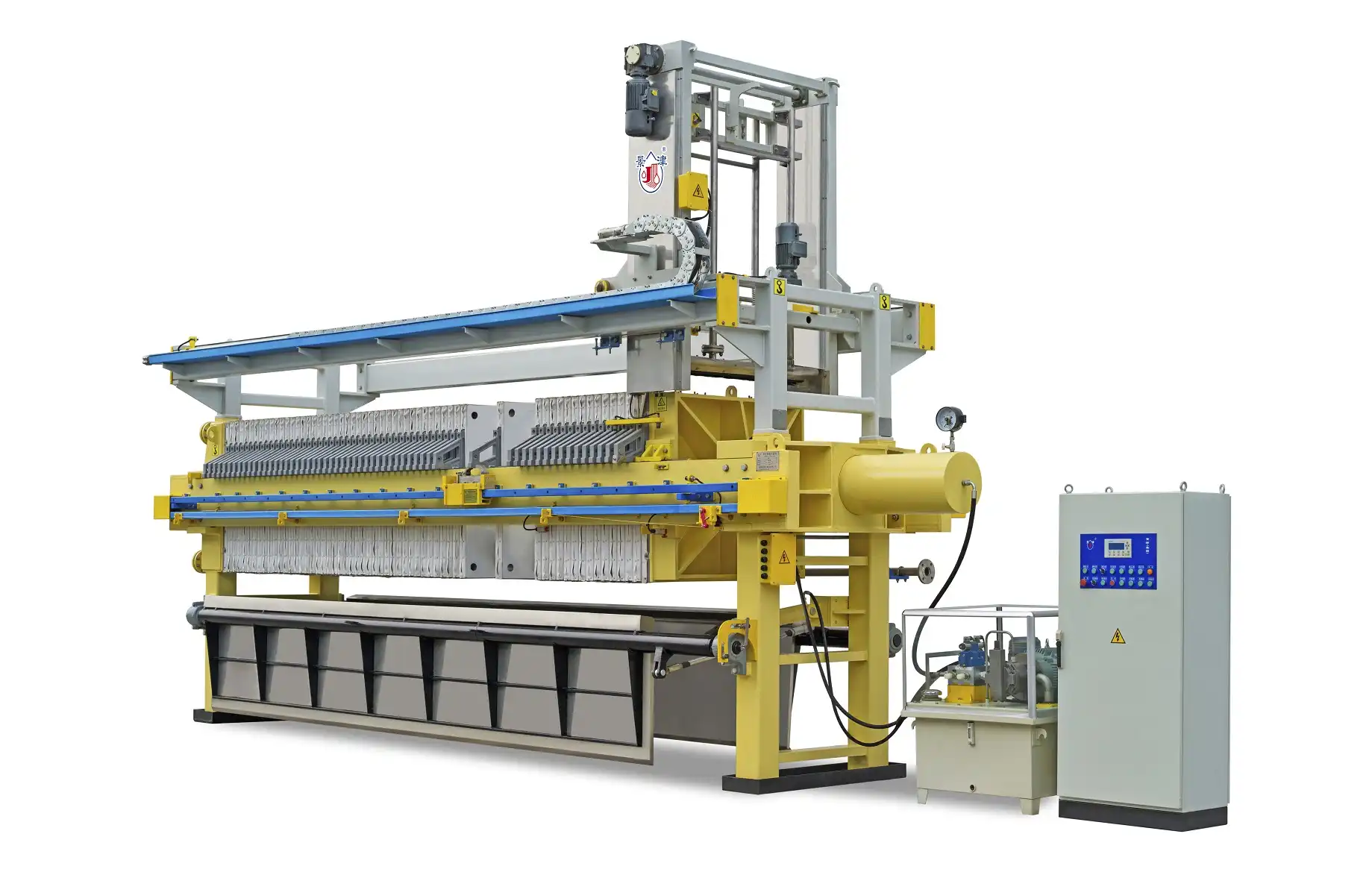
Understanding the Fundamentals of Sludge Filter Press Machines
Today, treating industrial wastewater requires strong, dependable systems that can deal with different types of sludge while keeping performance standards constant. Pressure filtration is used in sludge treatment equipment to turn liquid waste streams into solid cake that can be handled and clean filtrate. This is done by mechanical compression and filter media.
Core Operating Principles and Components
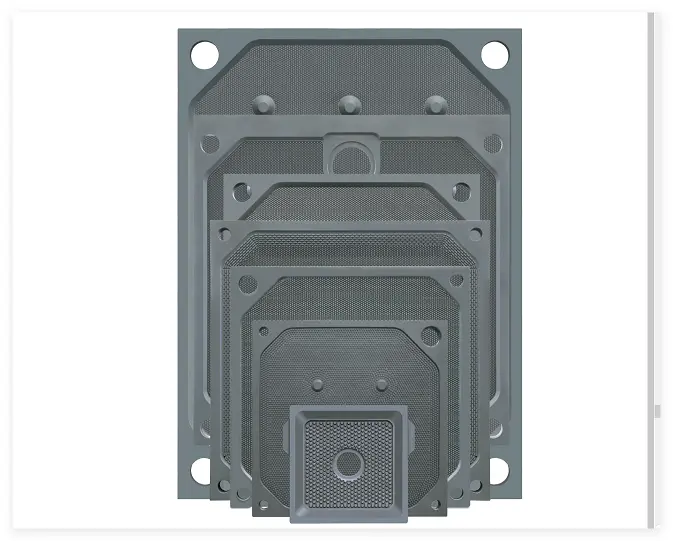
Pumping sludge slurry into holes made between filter plates is the main process. Pressure pushes liquid through filter cloth while solids stay in place. Some important parts are hydraulic systems that can produce up to 225 bar of pressure, polypropylene or cast iron filter plates that are made to last, and special filter media that are designed to keep certain particles in.
Usually, the process starts with preparing the sludge with polymers or other chemicals that make sorting work better. When the conditioned sludge goes into the press room, the hydraulic pressure slowly rises, pushing water through the filter cloth. This process keeps going until the desired amount of dryness is reached, which is usually between 15% and 35% solid content, but this can change based on the type of sludge and the operating conditions.
Machine Types and Applications
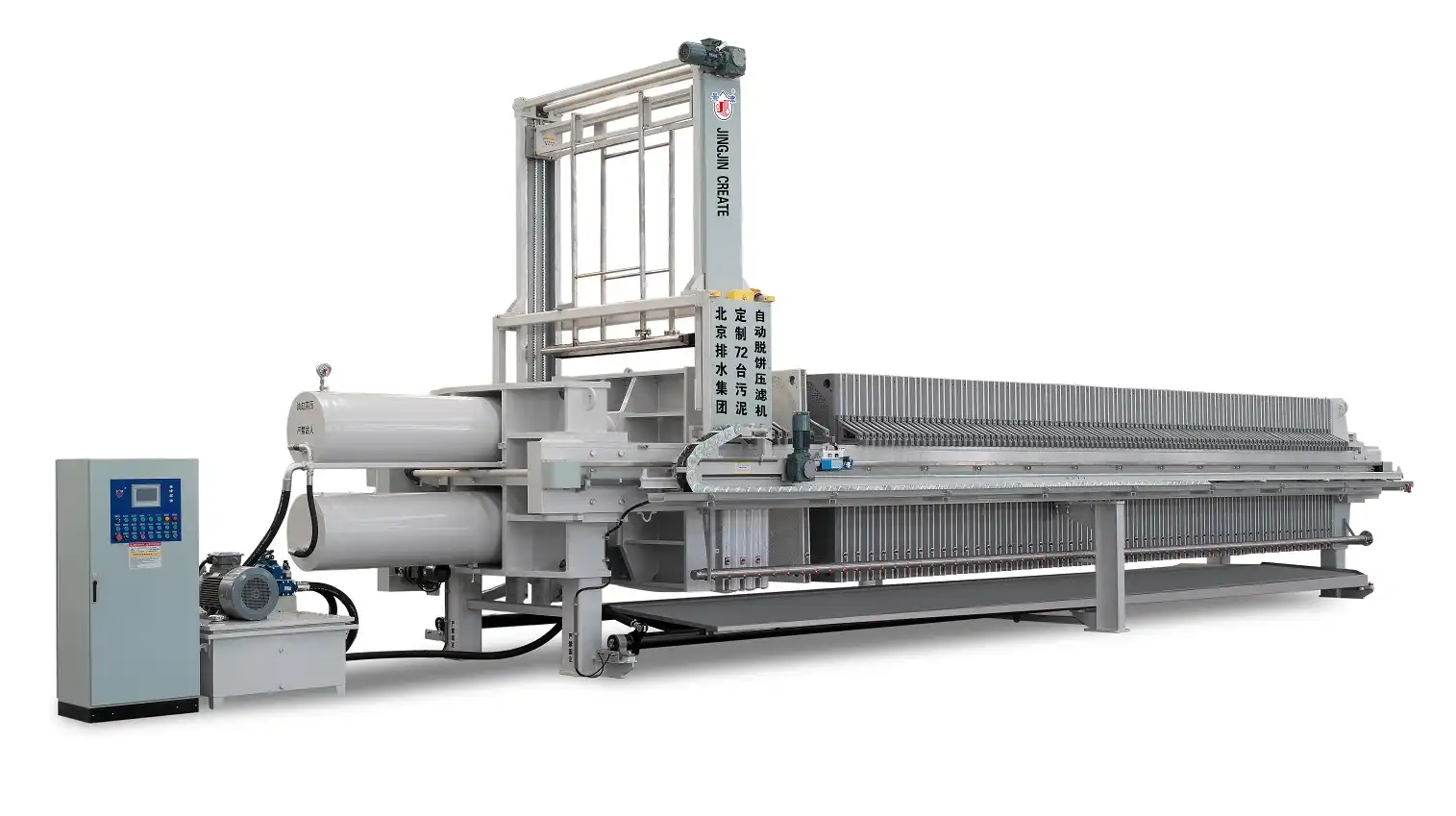
Different types of filter presses are used for different types of industries. Plate and frame designs are flexible and easy to maintain, which makes them good for uses where the cloth needs to be changed often. With recessed plate types, you can fit more in a smaller space, which makes them perfect for facilities that are always running. Membrane sludge filter press machines have extra steps of compression that make the material much dryer, which is important for reducing trash.
Programmable logic controls in automatic models make processes run more smoothly and cost less in labor. These systems include tracking tools, automatic cleaning processes, and remote diagnostics. This makes operations more efficient while keeping performance levels high over long periods of time.
Top Benefits of Using a Sludge Filter Press Machine
Industrial sites that use advanced filtration technology see huge changes in how well they handle trash, how much they spend on operations, and how well they follow environmental rules. These benefits go beyond instant cost savings; they also include long-term sustainability and following the rules that are necessary for modern industrial processes.
Dramatic Volume Reduction and Cost Savings
Effective sludge dewatering cuts the amount of trash by up to 90%, which saves a lot of money on shipping and dumping costs. Processing plants that deal with 50 cubic meters of liquid sludge every day can reduce the amount of waste they have to get rid of to just 5–8 cubic meters of solid cake. This can save them more than $200,000 a year in shipping and dumping fees.
The economic effects include less need for storage space, less need for handling tools, and less risk of environmental responsibility. Higher solid content trash can be disposed of in other ways, such as through helpful reuse uses that can bring in extra money and support the ideas of the circular economy.
Superior Environmental Compliance
High-quality filter production makes sure that stricter rules about release are followed. With modern filter press systems, the clarity of the filtrate drops below 50 mg/L of suspended solids, and it often meets direct release guidelines without any other treatment. This feature gets rid of the need for extra treatment, which saves money and helps the earth by using fewer chemicals and less energy.
Some of the environmental benefits are fewer greenhouse gas emissions from traffic, fewer trash dumps, and better water collection for process reuse. These benefits help businesses with their green efforts and show that they care about the environment to government agencies and community groups.
Energy Efficiency and Operational Reliability
The energy used by modern automatic systems is incredibly low; they usually only need 2.2 kW of power to process up to 100 tons of material per day. This efficiency comes from better hydraulic designs, smart control systems, and more advanced materials engineering that keep energy loss to a minimum during the draining cycle.
Strong building materials, multiple safety systems, and the ability to plan ahead for upkeep are all examples of operational reliability features. Modern systems have availability rates of more than 95%, which means that production interruptions are kept to a minimum and performance stays the same even when material conditions change.
Choosing the Right Sludge Filter Press Machine for Your Needs
To choose the best dewatering tools, you need to carefully consider a lot of technical and practical factors. When procurement experts know about these things, they can choose systems that meet long-term operational needs and legal compliance goals while also giving the best value.
Critical Selection Parameters
The main factor that determines size is the amount of production that can be done. Today's systems come in sizes ranging from lab-scale to over 500 cubic meters per day. What kind of plate materials, cloth specs, and pressure are needed depends on the sludge's solid content, particle size distribution, and chemical make-up.
The amount of automation has a big effect on running costs and the consistency of performance. Fully automatic systems are more consistent and require less work, but they cost more to buy and run. Manual systems need skilled users. These factors are balanced by semi-automatic setups, which provide better control while still being cost-effective.
Comparative Technology Analysis
Different types of draining methods each have their own pros and cons. Centrifuges can run continuously and take up little space, but they tend to dry cakes less well and need more upkeep. Belt sludge filter press machines are gentle and good for handling fragile flocs, but they make wetter cake and need large wash water systems.
Filter press technology is great for getting the driest material, working with tough sludges, and giving you a lot of operating options. Even though they need to be run in batches, new robotic systems have less of an effect on cycle time and work better in a wider range of situations. Because of this, filter presses are especially useful for places that deal with different types of trash or need to reduce the amount as much as possible.
Supplier Evaluation Criteria
To do good procurement, you need to judge providers based on their technical knowledge, the quality of their products, and their ability to provide help. Important things to look for are ISO certification, references for past success, and a guarantee that covers everything. For foreign sites that need quick responses to keep downtime to a minimum, service network availability becomes very important.
Aside from the original capital costs, other financial factors to think about are the operating costs, the need for upkeep, and the overall lifecycle value. Reliable providers give clear prices for replacement parts and consumables, thorough estimates of how much the system will cost to run, and performance warranties.
Ensuring Optimal Performance: Maintenance and Safety Tips
To get the most out of your equipment's performance and make sure it lasts as long as possible, you need to follow set safety rules and do thorough repair programs. These practices keep people safe, cut down on unplanned downtime, and make sure that the system stays in line with regulations throughout its lifecycle.
Preventive Maintenance Strategies
Every day, the amounts of hydraulic fluid, the state of the filter cloth, and the general cleanliness are checked. As part of weekly processes, pressure tests, alignment checks, and cleaning of moving parts are done. Every month, full inspections check the structure's strength, the electricity links, and the safety system's ability to work.
When to change the filter cloth depends on how hard the job is, but it's usually done every 6 to 24 months. The right cloth choice and fitting methods have a big effect on how well it works and how long it lasts. Using the materials that the maker recommends will ensure the best filtration performance and keep the system from breaking down early or needing unexpected repair.
Safety Protocols and Operator Training
When working with high pressure, safety rules must be followed to the letter, and operators must be fully trained. Pressure release valves, emergency stops, and interlock systems are all parts of safety systems that keep things from working in dangerous ways. During operation, safety glasses, steel-toed shoes, and hearing protection are all required pieces of personal protective equipment.
Normal operation processes, emergency reaction routines, and basic troubleshooting techniques should all be part of operator training programs. Regular refresher training keeps people skilled while presenting new safety procedures and ways to make things run more smoothly. Proper recording of training events helps businesses follow the rules and shows they care about safety at work.
Conclusion
Sludge filter press machines are the best value because they are very good at draining, very reliable, and can work with any environmental rules. These systems help meet the sustainability goals that are important for current business processes while also saving a lot of money. The technology is flexible enough to be used for a wide range of tasks, from treating wastewater for cities to handling chemicals in a specific way. This makes it an important part of complete waste management plans. Investing in good filter equipment pays off in the long run by lowering running costs, making it easier to follow the rules, and improving environmental performance, all of which support companies' efforts to be more environmentally friendly.
FAQ
When people ask about sludge filter press technology, they usually want to know about operating standards, performance capabilities, and maintenance needs. Knowing about these things helps buying pros make smart choices and set reasonable performance goals for their own applications.
1. How often does a sludge filter press machine require maintenance?
How often repair needs to be done depends on the severity of the application and the working conditions. Daily checks take between 15 and 30 minutes, but full upkeep once a month takes between 4 and 6 hours. Every 6 to 24 months, based on the type of sludge and the working pressure, the filter cloth needs to be replaced. When systems are properly kept, they can last 20 years or more with only a few major parts needing to be replaced.
2. What sludge volume reduction can I expect?
Depending on the original solid content and the final dryness of the cake, the volume decrease is usually between 80 and 95%. Usually, municipal waste sludge goes from having 2 to 4 percent solids to 20 to 25 percent cake, which is an 85 to 90 percent decrease in volume. Industrial sludges might work even better, with some uses hitting 30–35% end solids content to get the most volume reduction.
3. Can filter presses handle high-solid-content sludge?
Modern filter presses can handle solids in the feed of up to 8–10% without any preparation, which is a lot more than older technologies could handle. Specialized versions can handle even higher amounts by changing the feeding systems and making the pressure levels stronger. Because they can do so many things, filter presses are perfect for thicker sludge jobs and places that need to be as flexible as possible.
Contact Jingjin for Your Sludge Filter Press Machine Requirements
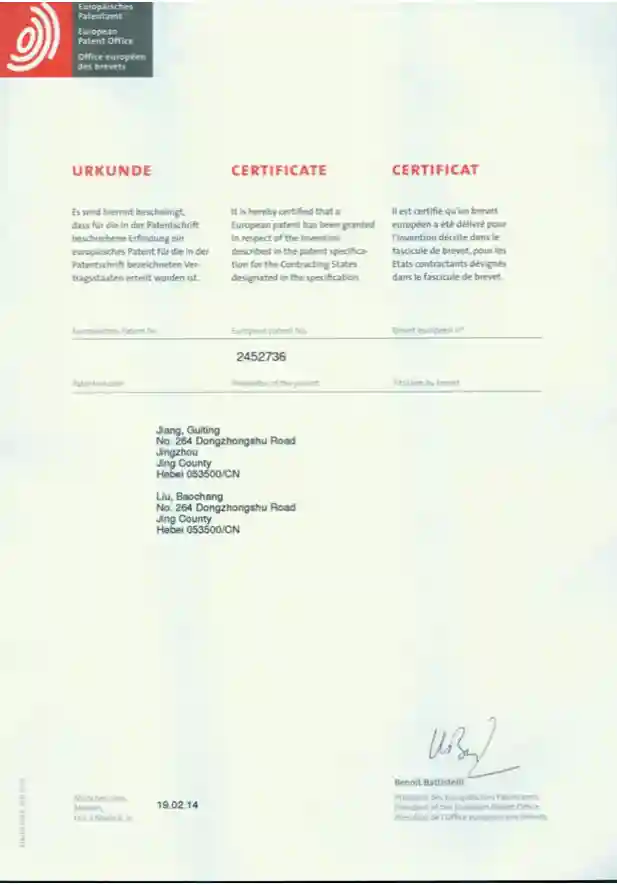
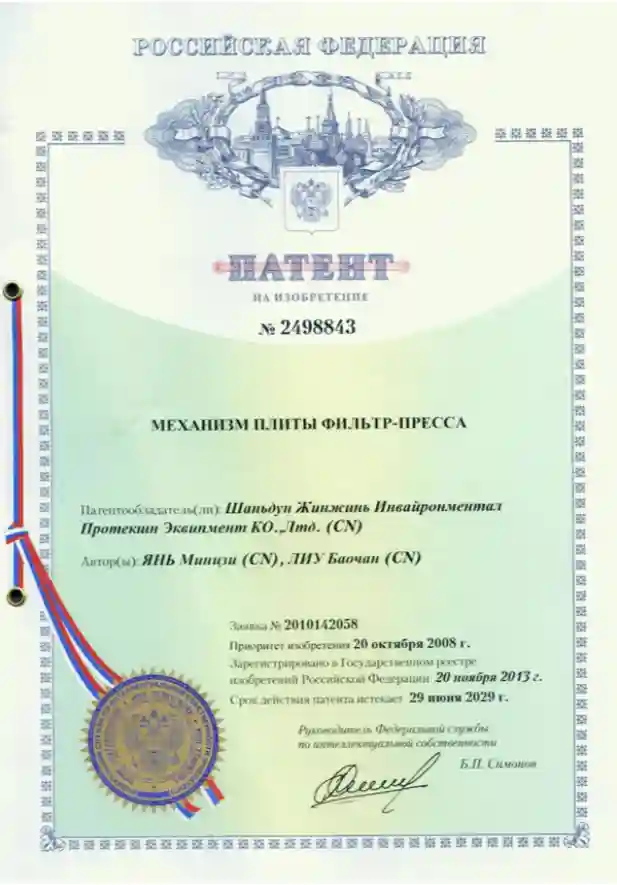
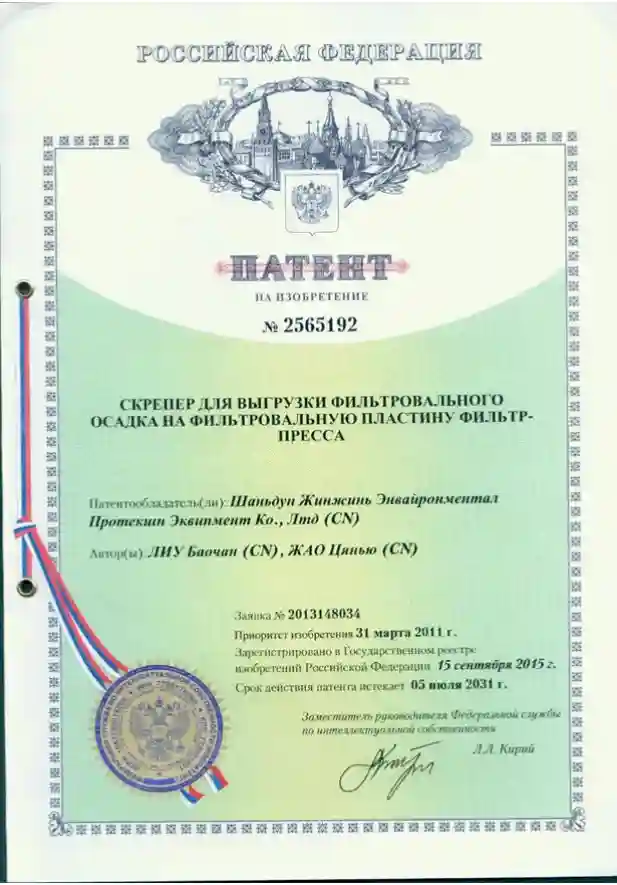
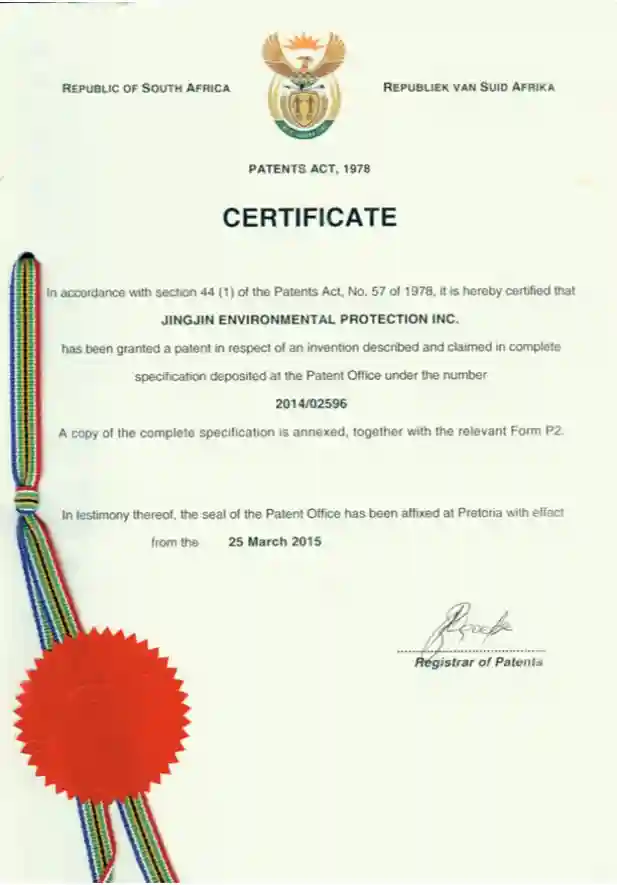
With over 136 patents and 30 years of production success, Jingjin has a lot of experience in solid-liquid separation technology. This makes us the best company to buy a sludge filter press machine from. Our automatic systems work very well and don't need much care. Also, our world service network makes sure that you can get reliable help wherever your operations take you. Get in touch with our technical experts at [email protected] to talk about your unique needs and find out how our custom solutions can help you handle your waste better while saving you money and protecting the environment.
References
1. Water and the Environment Federation. The Industrial Water Treatment Handbook published a report in 2023 called "Sludge Dewatering Technology Assessment and Performance Evaluation."
2. There is an American Society of Civil Engineers. "Filter Press Applications in Municipal and Industrial Wastewater Treatment." Environmental Engineering Guidelines, 2023.
3. That's the Environmental Protection Agency. The EPA's Technical Report Series from 2024 is called "Best Practices for Sludge Management and Volume Reduction Technologies."
4. Association for International Water. The Water Science and Technology Journal published a paper in 2023 called "Comparative Analysis of Mechanical Dewatering Technologies for Industrial Applications."
5. Chemical Engineering Moves Forward. A 2024 article in Process Equipment Review talks about "Advances in Pressure Filtration Technology for Waste Treatment Applications."
6. Engineering in the Environment Journal. Sustainability in Water Treatment, 2023. "Economic and Environmental Benefits of Advanced Sludge Dewatering Systems."
jingjin
Founded in 1988, Jingjin specializes in filter presses and liquid-solid separation solutions, serving over 130 countries worldwide, and is a standard-setter in China's filter press industry.
Get the Filter Press guide
Enter Your Email for Technical assistance for the Filter Press.
Recommended Blog
What Are Filter Press Plates and How Do They Work? A Comprehensive Guide
Best Filter Cloth for Sludge Dewatering: Features and Buying Guide

Automatic vs Manual Press Filter Machines: Which One Suits Your Needs?
Screw Dewatering Machine Cost from China for Asia Importers
China Screw Dewatering Machines for Vietnam Food Factories
High Efficiency Jingjin Filter Press Applications in Chemical Manufacturing
Best Press Filter Models for Pharmaceutical Filtration Needs
Dewatering Press Machines for Middle East Desalination Plants