A Step-by-Step Guide to Maintaining and Replacing Filter Press Plates
Understanding Filter Press Plates: Types, Materials, and How They Work
- Understanding Filter Press Plates: Types, Materials, and How They Work
- Step-by-Step Maintenance Guide for Filter Press Plates
- How to Replace Filter Press Plates: A Practical, Stepwise Approach
- Comparing Filter Press Plates: Choosing the Right Plate for Your Process
- Conclusion
- FAQ
- Optimize Your Filtration Operations with Jingjin's Premium Filter Press Plates
- References
To get the best solid-liquid separation performance in industrial settings, filter press plates need to be regularly maintained and replaced. These important parts are what hold filter systems together in places like mines, sewer treatment, chemical processing, and drug making. Maintenance that is done correctly stretches the life of technology and keeps it from breaking down, which can be very expensive. Filtration works best when it is checked regularly, cleaned according to the rules, and old plates are replaced at the right time. This keeps the system clean and prevents contamination in later steps.
Understanding Filter Press Plates: Types, Materials, and How They Work
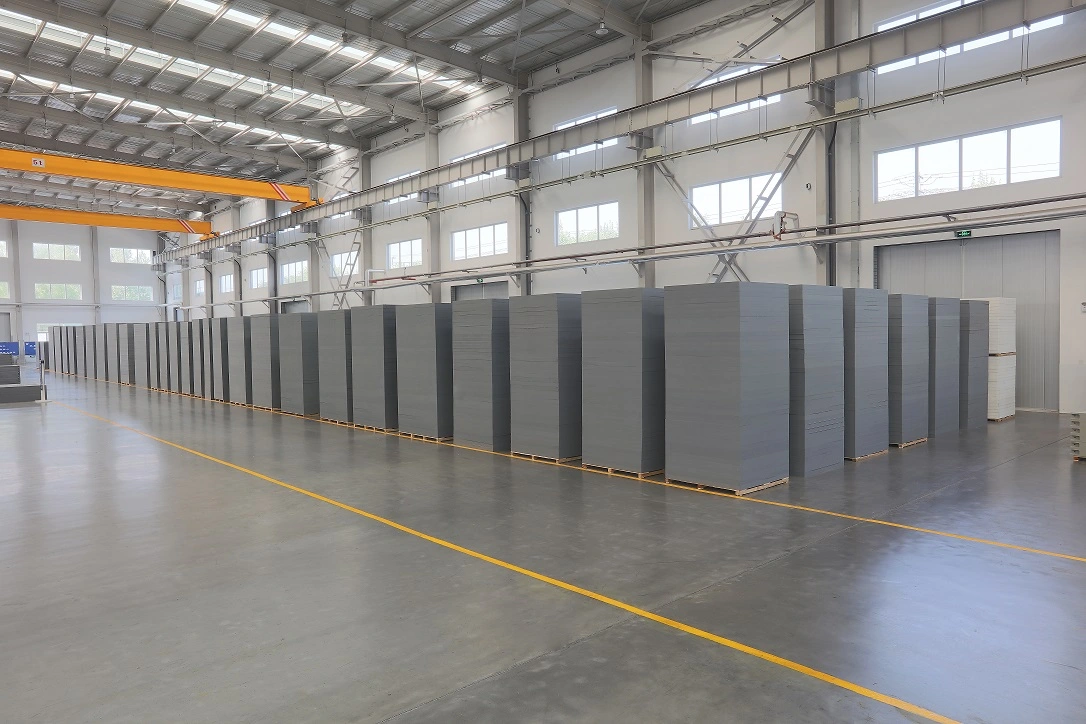
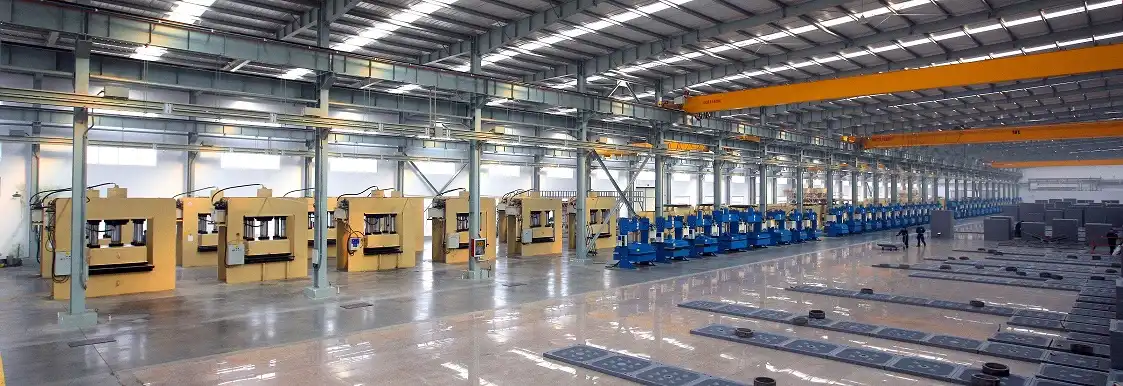
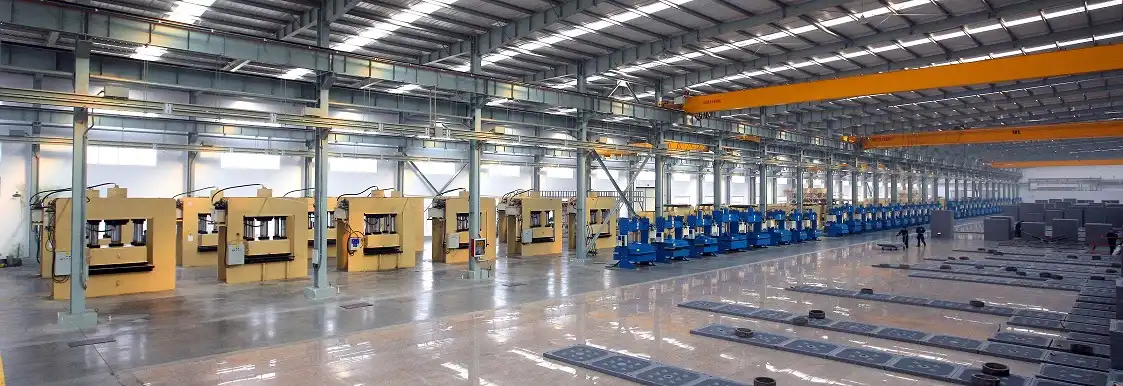
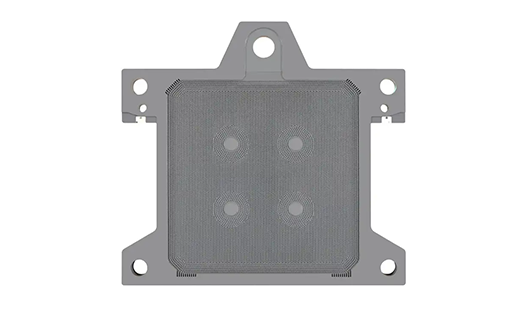
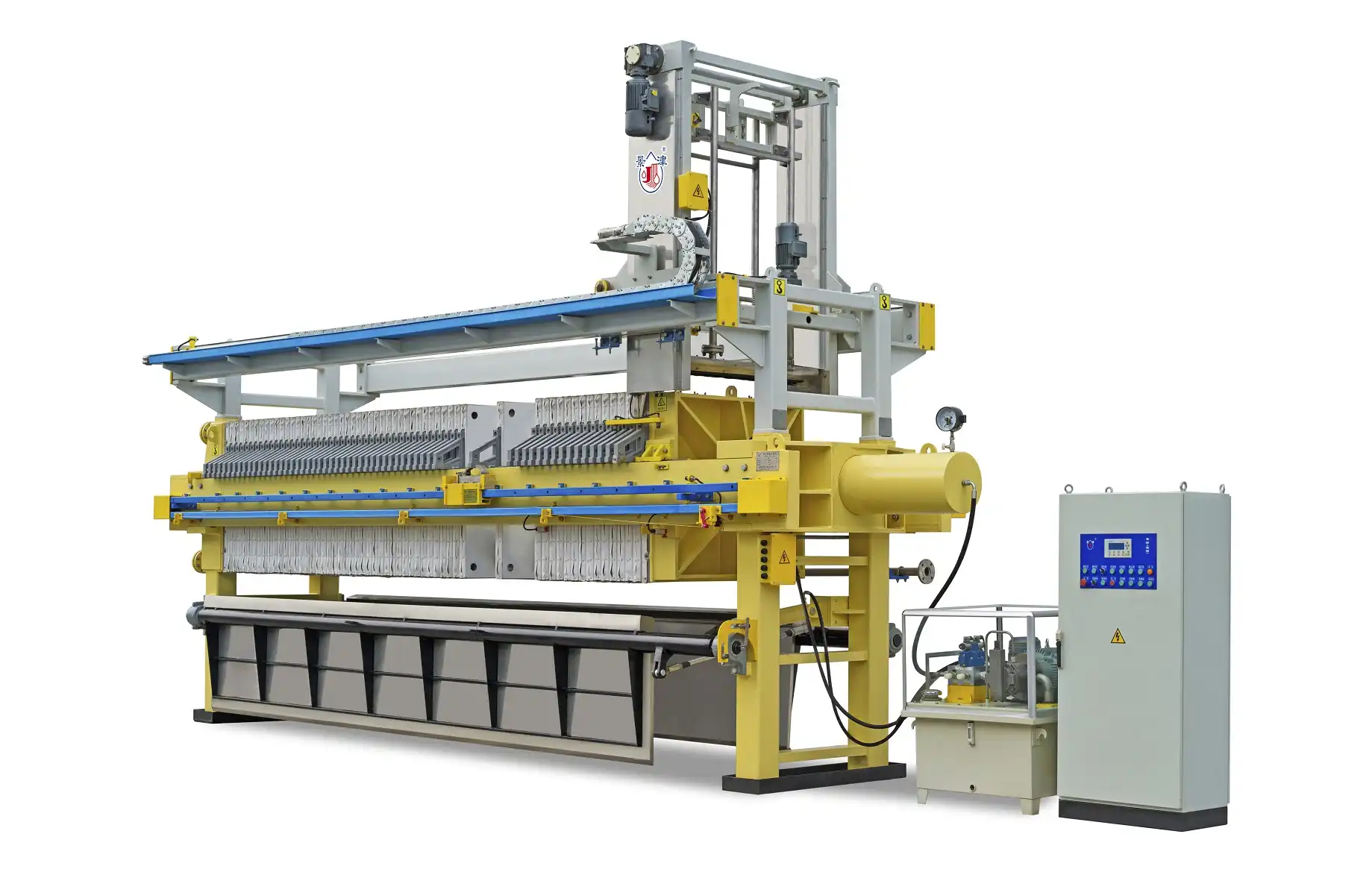
Filter press plates are the main structure that holds the filter cloth in place and creates pressure spaces where solids and liquids separate. Putting plates in order to make sealed filtering tanks is the basic process. Slurry comes into these tanks under pressure during the filtration cycle. This forces liquid through the filter media while keeping the solids to make a more concentrated cake. This motorized draining method can reach levels of moisture content that are usually not possible with gravity-based methods.
Distinguishing Between Conventional and Membrane Plates
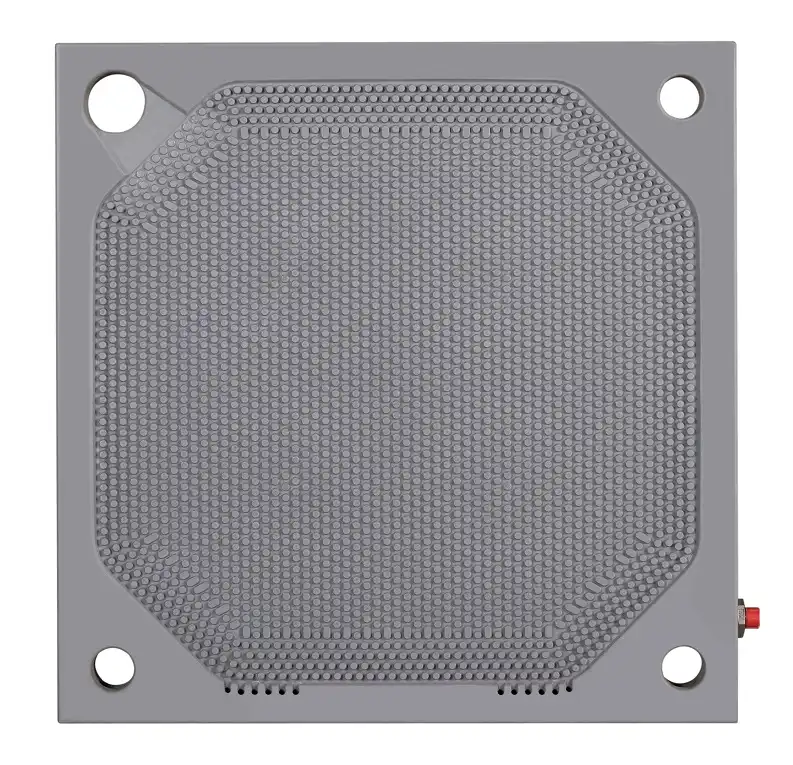
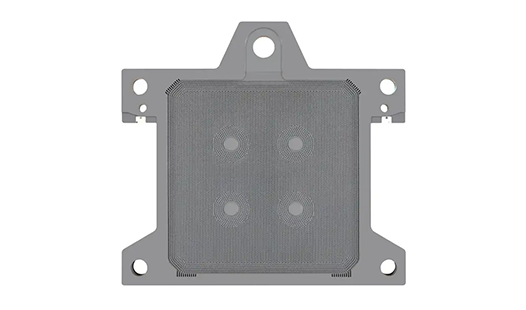
Conventional filter plates rely on a pressure differential to drive liquid extraction through the filter cloth. These plates feature recessed chambers that accommodate solid accumulation during filtration cycles. Membrane plates incorporate flexible rubber or polymer membranes that inflate during final dewatering stages, applying additional pressure to reduce cake moisture content. Membrane technology proves particularly valuable in applications requiring ultra-low moisture levels, such as pharmaceutical waste processing or high-value mineral concentrate recovery.
Material Selection Based on Process Requirements
As a result, stainless steel filter press plates are very strong and don't rust. This makes them perfect for use in harsh chemical conditions and under high pressure. These plates can stand up to temperatures above 200°C, and acids, alkalis, and reactive agents can't damage them. Polypropylene plates are a cheap way to handle tasks that need to be done at reasonable temperatures, and they work well with most industrial slurries chemically. Cast iron plates work well in big industry and mining settings where mechanical stability is more important than rust.
The carefully designed sides of high-quality plates make sure a tight seal when they are squeezed. This stops escape and keeps the integrity of the filter. To make sure that pressure is spread evenly across the sides of the filter cloth, surface limits are usually kept to within 0.1mm. This level of technical detail has a direct effect on the quality of cake formation and the clarity of the liquid in the filtrate stream.
Step-by-Step Maintenance Guide for Filter Press Plates
Regular maintenance protocols prevent premature plate failure and ensure consistent dewatering performance throughout operational cycles. Comprehensive maintenance programs address visual inspection, cleaning procedures, and preventive measures that extend service life while minimizing emergency repairs.
Visual Inspection Techniques for Early Problem Detection
Plate surfaces of filter press plates, closing grooves, and corner posts should be looked at every day for signs of damage or wear. Hairline cracks often show up around drainage lines or corner mounting points, which means that there is a lot of stress because the parts aren't lined up right or there is too much pressure. When plates don't collapse evenly, holes form that let objects get through. This is called warping. Surface erosion patterns show signs of chemical attack or rough wear that makes filtering less effective.
On inspection reports, you should write down the plate numbers, any problems you see, and what you think should be done. Digital photography is a great way to keep track of how things break down over time. Using infrared thermometers to measure temperatures can help find plates that are under unusually high heat stress while they are working.
Cleaning Procedures to Prevent Clogging and Fouling
Effective cleaning protocols remove accumulated solids and chemical deposits that reduce filtration capacity. High-pressure water washing removes loose cake residue from plate surfaces and drainage channels. Chemical cleaning using appropriate solvents addresses scale formation or polymer buildup that mechanical cleaning cannot remove. Ultrasonic cleaning baths prove effective for intricate plate geometries where manual cleaning access remains limited.
Cleaning frequency depends on slurry characteristics and operating conditions. Abrasive slurries require daily cleaning to prevent surface damage, while stable chemical processes may permit weekly maintenance schedules. Automated washing systems reduce labor costs while ensuring consistent cleaning quality across all plates.
Troubleshooting Common Performance Issues
A rise in pressure drop is often a sign of a partially blocked drainage system or filter cloth blindness in filter press plates. Low flow rates can happen when plates are not lined up correctly, when closing surfaces are broken, or when pressure differences are not big enough. Too much leaking is usually caused by worn sealing grooves, incorrect plate tensioning, or broken corner seals that are broken.
Isolating factors to find root causes is part of systematic fixing. Individual plate pressure testing shows how well the seals are working, while flow testing shows how much the system can hold. Chemical study of filtrate samples can find pollution that was not expected, which could mean that bypass conditions were present.
How to Replace Filter Press Plates: A Practical, Stepwise Approach
Timely replacement prevents catastrophic failures that could damage entire filtration systems or contaminate product streams. Recognition of replacement indicators, proper preparation procedures, and systematic installation techniques ensures successful plate changeouts with minimal downtime.
Recognizing When Replacement Becomes Necessary
Cracks that can't be fixed, bending that goes beyond what the maker allows, and chemical rust that weakens the structure are all signs that it needs to be replaced. If performance goes down, showing up as longer cycle times, less dry cakes, or too much haze in the filtrate, it means that the plate is broken beyond repair.
When doing an economic analysis, you should weigh the costs of replacement against the missed production, the extra work needed for upkeep, and the possible effects on product quality. Plates that are 70% of their projected service life may need to be replaced before they break down during busy production times. This is better than waiting for a problem to happen during those times.
Preparation Steps and Safety Protocols
Proper preparation involves assembling necessary tools, ensuring adequate lifting equipment, and implementing safety procedures for handling heavy, potentially contaminated filter press plates. Personal protective equipment requirements include chemical-resistant gloves, safety glasses, and respiratory protection when dealing with hazardous materials. Crane or hoist systems facilitate safe handling of plates weighing several hundred pounds.
Work area preparation includes adequate drainage for washing operations, proper waste containment systems, and emergency response equipment. Material safety data sheets for process chemicals guide appropriate decontamination procedures and disposal requirements.
Detailed Replacement Procedure
Systematic plate removal starts with draining and lowering the pressure in the whole system. Numbering or marking things in a certain order makes sure they are put back together correctly. This is especially important for systems that use a mix of plate types. When sealing areas are carefully inspected during removal, problems that need to be fixed before reinstallation can be found.
To avoid stress, focus and make sure equal sealing, installation needs to be done with great accuracy. To avoid damage from over-compression or leaks from under-compression, the torque specs for closing devices must match what the maker says. Post-replacement testing includes checking the pressure, the flow, and the first filtering tries to make sure everything works right.
Comparing Filter Press Plates: Choosing the Right Plate for Your Process
Selecting optimal filtration components requires understanding the complementary relationship between plates and filter cloths while considering specific process requirements. Material selection, plate design, and capacity matching directly impact operational efficiency and maintenance requirements.
Filter Plates vs. Filter Cloths: Understanding Their Roles
Filter plates support the structure and make spaces for solids to build up, while filter cloths separate the particles. The rate of filtration and the way cakes come out are determined by how plate draining patterns and cloth permeability work together. Plates with better drainage features can make up for cloths that don't let as much through when dealing with fine particles that need tight filtration.
Service life and performance steadiness are affected by how well plate materials and cloth types work together. Stainless steel plates can be used to wash cloths at high temperatures, but polymer plates may limit the types of cleaning that can be done to protect them from heat damage.
Stainless Steel vs. Polymer Plates: Cost and Performance Analysis
Stainless steel filter press plates command higher initial costs but deliver extended service life in demanding applications. Their superior chemical resistance and mechanical strength reduce replacement frequency and maintenance costs. Polymer plates offer lower capital investment and excellent performance in moderate-duty applications where chemical compatibility remains adequate.
Life-cycle cost analysis should consider energy consumption differences, as lighter polymer plates reduce hydraulic system power requirements. However, stainless steel plates maintain dimensional stability under pressure variations that can affect polymer plate performance.
Membrane vs. Conventional Plates for Enhanced Dewatering
When dehydration needs to be done as efficiently as possible, membrane plates often get the cake 5–10% less wet than other designs. This better performance is useful when the cost of removal depends on how much moisture is present or when the next step of heat drying uses a lot of energy. Because membrane systems are more complicated, they need skilled repair skills and a larger supply of extra parts.
Whether membrane technology is economically viable depends on how much better filtering is worth compared to higher start-up and running costs. Membrane technology is usually better for high-volume processes that work with expensive materials. On the other hand, standard plates may be more cost-effective for lower-value uses.
Conclusion
In industrial settings, solid-liquid separation depends on filter press plates that are well taken care of and replaced when they need to be. By knowing about the different types of plates, the materials they are made of, and their working needs, you can make smart choices that improve performance while keeping costs low. Systematic repair plans keep things from breaking down too soon, and the right way to change parts makes sure they keep working perfectly. Choosing the right plate shapes and materials has a direct effect on how well they filter, how much upkeep they need, and how much they cost to run in a variety of commercial settings over time.
FAQ
Q1: How often should filter press plates be inspected?
Daily visual inspections during operation identify immediate concerns, while comprehensive monthly inspections should examine sealing surfaces, drainage patterns, and structural integrity. Annual detailed inspections may require plate removal for thorough examination, particularly in demanding applications involving abrasive or corrosive materials.
Q2: What materials work best for chemically aggressive slurries?
Stainless steel grades 316L or higher provide excellent resistance to most chemical environments, while specialized alloys address extreme conditions. Fluoropolymer-lined plates offer superior chemical inertness for highly corrosive applications. Material selection requires analysis of specific chemical exposure, temperature ranges, and pressure requirements.
Q3: Can plates be repaired instead of replaced?
Minor surface damage may be repairable through welding, grinding, or polymer patching techniques. However, structural cracks, significant corrosion, or dimensional distortion typically require replacement. Economic analysis should consider repair costs against reduced service life and potential failure risks.
Q4: How long do filter press plates typically last?
Service life varies from 2-3 years in severe mining applications to 10+ years in moderate chemical processing environments. Factors including slurry abrasiveness, chemical compatibility, operating pressure, and maintenance quality significantly impact longevity. Proper maintenance can extend service life by 50% or more.
Q5: What lead times are typical for custom plate orders?
Standard modifications typically require 4-6 weeks for engineering and manufacturing, while complex custom designs may need 8-12 weeks. Emergency replacement services can expedite critical orders when existing inventory permits. Early communication regarding maintenance schedules allows optimal delivery timing.
Optimize Your Filtration Operations with Jingjin's Premium Filter Press Plates
Jingjin Equipment stands ready to enhance your solid-liquid separation processes with our proven filter press plate solutions. Our technical team provides comprehensive consultation services to identify optimal configurations for your specific applications. Whether you need immediate replacement plates or are planning system upgrades, our global supply network ensures prompt delivery and professional support. Contact our specialists at [email protected] to discuss your filtration requirements and access our complete range of high-performance filter press plates for sale.
References
1. Smith, J.R., "Industrial Filtration Equipment Maintenance Standards," Process Engineering Quarterly, Vol. 45, No. 3, 2023, pp. 78-92.
2. Chen, M.L., "Materials Selection for Pressure Filtration Systems," Chemical Processing Technology Review, Vol. 28, No. 7, 2022, pp. 156-171.
3. Rodriguez, A.P., "Optimization of Filter Press Operations in Mining Applications," Minerals Processing International, Vol. 67, No. 4, 2023, pp. 234-248.
4. Thompson, K.W., "Maintenance Protocols for Industrial Separation Equipment," Environmental Engineering Handbook, 5th Edition, 2022, Chapter 12, pp. 445-467.
5. Liu, H.F., "Advanced Membrane Filtration Technologies in Wastewater Treatment," Water Treatment Technology Annual, Vol. 39, 2023, pp. 89-104.
6. Anderson, D.M., "Economic Analysis of Filter Press Component Replacement Strategies," Industrial Maintenance Economics, Vol. 15, No. 2, 2022, pp. 67-83.
jingjin
Founded in 1988, Jingjin specializes in filter presses and liquid-solid separation solutions, serving over 130 countries worldwide, and is a standard-setter in China's filter press industry.
Get the Filter Press guide
Enter Your Email for Technical assistance for the Filter Press.


Recommended Blog
Where to Buy Reliable Press Filters for Chemical and Mechanical Filtration
Customized Multi Disk Screw Press Solutions for Specific Sludge Processing Needs
Why Vietnam Factories Prefer China Membrane Plate Filter Press?
Top China Screw Dewatering Machine Suppliers for Asia Markets