What is a Dewatering Press Machine and How Does It Work? A Complete Guide
Understanding Dewatering Press Machines: Definition and Working Principle
- Understanding Dewatering Press Machines: Definition and Working Principle
- Key Benefits and Applications of Dewatering Press Machines
- Comparing Dewatering Press Machines: Choosing the Right Solution for Your Needs
- Maintenance, Troubleshooting, and Operational Tips for Dewatering Press Machines
- Procurement Guide: How to Buy the Right Dewatering Press Machine
- Conclusion
- FAQ
- Partner with Jingjin for Reliable Dewatering Solutions
- References
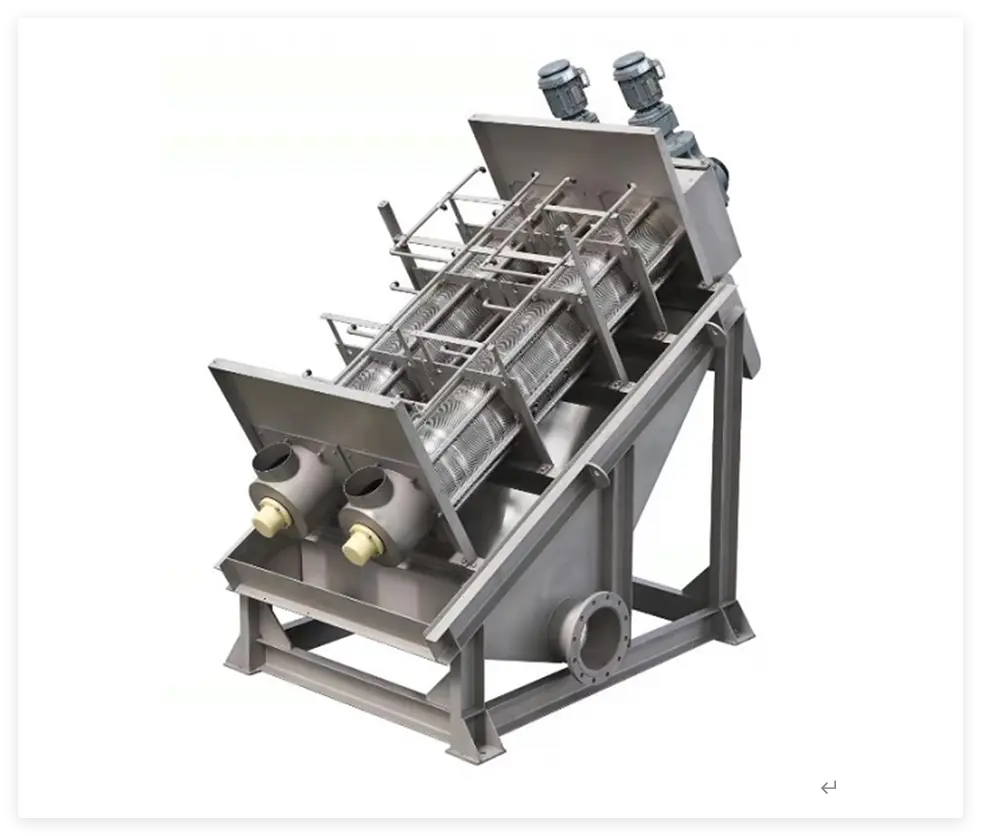
A dewatering press machine mechanically reduces moisture in industrial and municipal sludge. Instead of passive settling, these devices use screw extrusion, belt compression, or hydraulic force to turn liquid slurry into a semi-solid cake. This technique reduces sludge volume by 60% to 80%, cutting disposal costs and fulfilling moisture content criteria. Industries worldwide use these systems for continuous, automated dewatering with minimum operator interaction.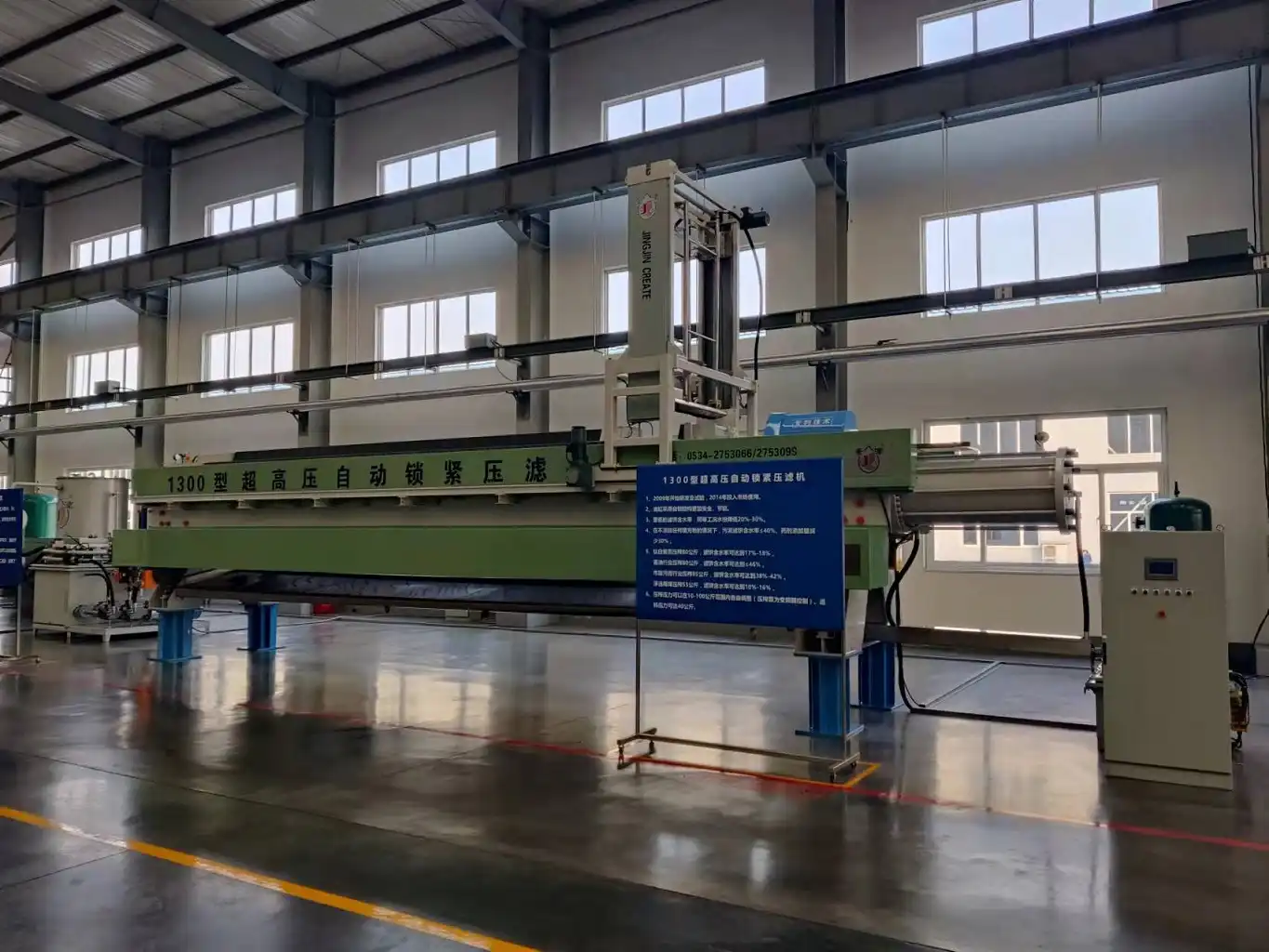
Understanding Dewatering Press Machines: Definition and Working Principle
What Defines a Dewatering Press Machine?
Industry-specific dewatering press machines remove water from sludge, slurry, and other high-liquid waste products. Modern garbage management relies on technology to turn heavy, moist sludge into transportable solid cakes. We aim to maximize water extraction while maximizing efficiency and decreasing energy use in wastewater treatment and mining operations.
These devices differ greatly from gravity-based thickeners and drying beds. They separate in hours using active mechanical force, whereas passive approaches require days or weeks. Depending on local rules and pollution levels, the cake can be landfilled, incinerated, or used for agriculture with 20% to 35% dry solids.
Core Working Principles Explained
Machines use graded pressure to drive water through a filter medium while retaining particles. Screw press systems compress material while a helical screw rotates in a cylindrical screen via narrower channels. As the screw pitch drops, pressure increases, and water squeezes through the screen holes.
Belt presses sandwich sludge between two tensioned belts that run past rollers. Rollers compress material in low-pressure and high-pressure zones after gravity drainage. This continuous method is common in big municipal wastewater treatment facilities processing biological sludge from activated sludge systems due to its high throughput.
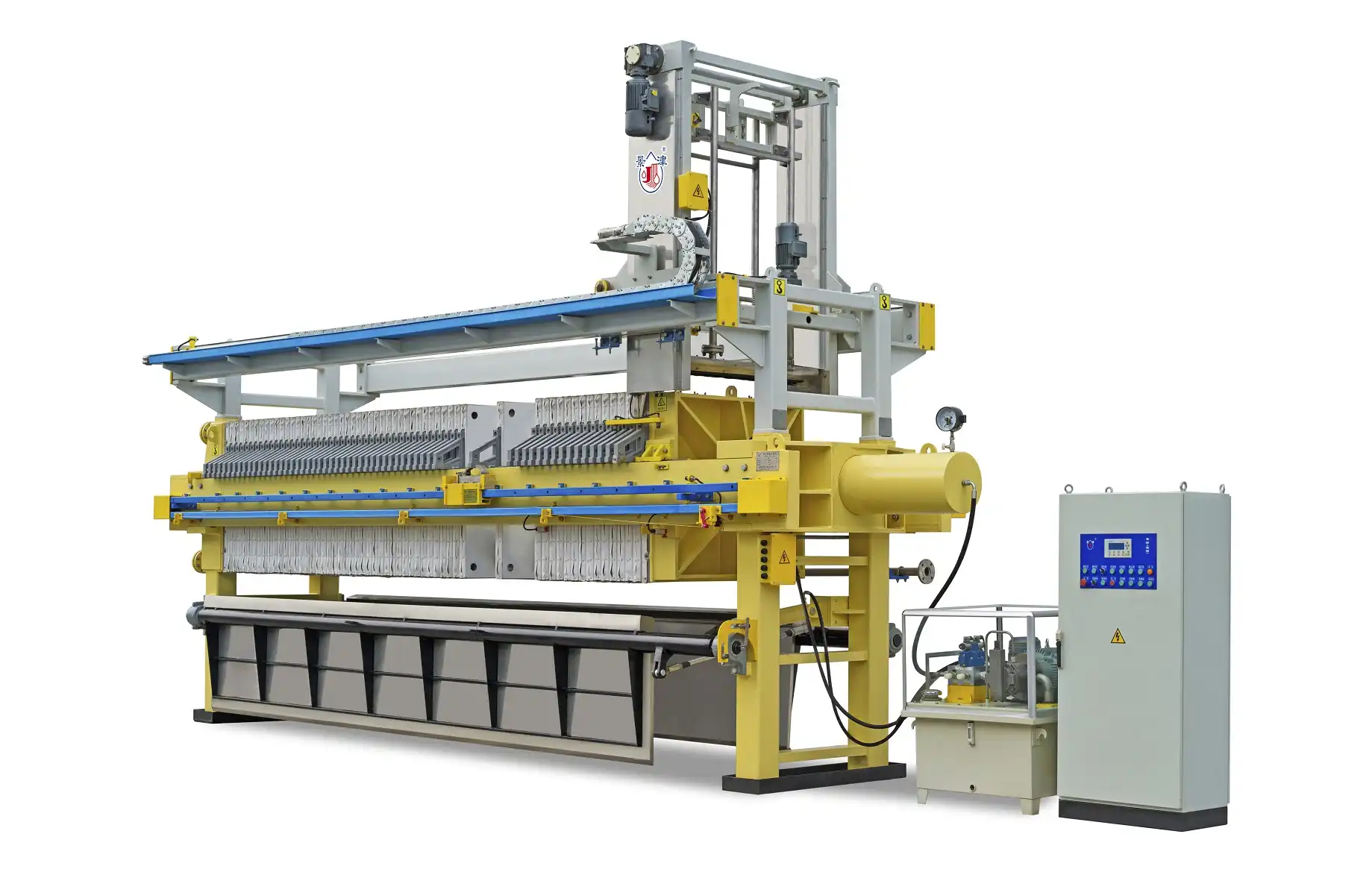
Chamber-based batch processing distinguishes hydraulic plate presses as a dewatering press machine. Hydraulic rams force water through filter cloth-covered plates of the dewatering press machine, generating solid cakes in each chamber. This process of the dewatering press machine produces the driest cakes, frequently 35% to 45% dry solids, which is important when downstream disposal costs rely on weight reduction.
Key Benefits and Applications of Dewatering Press Machines
Cost Reduction Through Volume Minimization
Effective dewatering has cost consequences beyond equipment investment. Sludge volume reduction reduces haulage, landfill dumping, and storage expenses. Transportation costs account for 40% to 60% of disposal costs for mine tailings and wastewater treatment plant digested sludge. Reducing garbage transit volume by 75% reduces truckloads, fuel use, and carbon emissions.
Comparisons of energy use show another benefit. Centrifuges need ten times more power than screw press systems to dry cakes somewhat. Screw presses use 0.05 to 0.1 kWh per kilogram of dry solids processed because to its modest rotating speed of 2 to 4 RPM. This efficiency becomes more significant as energy costs rise and companies pursue environmental goals.
Industry-Specific Applications
The major user group is municipal wastewater treatment plants. These factories produce huge amounts of biological sludge from activated sludge processes, needing continual dewatering. Screw press systems absorb clarifier sludge as dilute as 0.2% solids without thickening tanks, making them ideal for this application. This flexibility cuts capital expenses and streamlines processes.
Mining and mineral processing have distinct obstacles. Abrasive particles in tailings and concentrate slurries enhance machine wear. Heavy-duty designs with hardened wear surfaces and replacement parts save downtime. These machines are essential for coal preparation facilities, copper concentrators, and aggregate washing because they efficiently treat high-density slurries.
When treating solvent-contaminated sludge with a dewatering press machine, chemical firms need corrosion-resistant and explosion-proof electrical equipment for the dewatering press machine. In potentially explosive environments, customized solutions for the dewatering press machine with specific seals, hazardous area certificates, and automated controls provide safety. These systems of the dewatering press machine are versatile in chemical manufacturing situations because they can manage pH variations from strongly acidic to caustic sludges.
Comparing Dewatering Press Machines: Choosing the Right Solution for Your Needs
Screw Press Versus Belt Press Technologies
Performance differences between screw and belt press systems affect equipment choice. Screw presses are compact and suited for small establishments. Their low-speed operation reduces noise and vibration, eliminating belt press installation disturbances. Because they have fewer parts and don't need belt replacement every 12–24 months, screw presses are easier to maintain.
In some situations, belt presses are beneficial. Some variants treat 100 cubic meters of sludge per hour in high-throughput applications. The moderate pressure application may help biological sludge collection rates by protecting delicate flocs from screw press compression. Total cost of ownership should include more maintenance labor, wash water use, and more sophisticated operation needing expert personnel.
Selecting Equipment Based on Sludge Characteristics
Sludge characteristics determine technology choice. Screw or belt presses dewater highly compressible biological sludges from municipal wastewater treatment, and polymer conditioning creates robust flocs that may be mechanically handled. Oily or greasy sludges require multi-disk screw presses with self-cleaning features to avoid blindness. Abrasive mineral slurries demand wear-resistant materials and sturdy construction; heavy-duty screw or plate presses with reinforced components are best.
Scaling impacts equipment setup. Compact screw presses provide dependable dewatering without the complexity of bigger systems for facilities generating less than 5 cubic meters of sludge daily. Modular designs let mid-sized enterprises add parallel units to expand capacity. Many large centralized treatment plants include numerous belt or screw presses for redundancy during maintenance or equipment breakdowns.
Maintenance, Troubleshooting, and Operational Tips for Dewatering Press Machines
Establishing Preventive Maintenance Schedules
Maintenance must be disciplined to extend equipment life. Polymer dosage rates, cake quality, filtrate clarity, and odd vibrations or sounds should be checked daily. Lubricating drive chains, checking hydraulic fluid levels, and cleaning spray nozzles that wash filter screens or cloths are weekly responsibilities. Monthly inspections include belt tension and alignment on belt presses, screw wear on screw presses, and safety interlocks and emergency stops.
Predictable wear patterns allow scheduled replacement of major components before interruption. Modern versions have wear indications to warn workers when screw press moving rings need to be replaced after 3,000 to 5,000 hours, depending on sludge abrasiveness. Pore congestion reduces belt press cloth drainage capacity, necessitating replacement every 6,000–10,000 hours. Keeping seals, bearings, wear rings, and drive components on hand reduces disturbance during urgent replacements.
Optimizing Energy Consumption and Efficiency
Cake dryness, solids capture, and energy usage are balanced during process optimization. Running screw presses at least the effective speed saves power and prolongs component life. Live data on feed flow rate, cake output, filtrate quality, and power usage reveals optimization options. Many facilities find that greater mixing or dosing control may reduce polymer dose by 10% to 20%, lowering chemical costs without affecting performance.
Integrating dewatering systems into industrial processes boosts efficiency. Variable frequency drives on feed pumps adjust flow rates to demand rather than running at full capacity. Schedule batch activities during off-peak electricity rates to save money. Capturing and reusing filtrate instead of returning it to the headworks minimizes biological treatment system load and facility energy use.
Procurement Guide: How to Buy the Right Dewatering Press Machine
Budget Planning and Price Ranges
Equipment prices vary greatly by capacity, automation, and material construction. Small industrial operations or packaging manufacturers can use $50,000–$100,000 compact dewatering press machines to process 5–10 cubic meters daily. Most municipal and industrial clients acquire mid-capacity systems handling 20 to 50 cubic meters daily for $150,000 to $300,000. Belt press or hydraulic plate press systems for big wastewater treatment plants can cost over $500,000, including auxiliary equipment, installation, and commissioning.
Ownership costs far more than the purchase price. Polymer usage, power, maintenance labor, and parts replacement account for 15%–25% of capital cost. A detailed financial study should predict these ongoing expenditures over the 15–20-year equipment lifespan. Low-cost equipment with high running expenses sometimes costs more than high-efficiency, reliable solutions. Finding thorough operational cost data from similar equipment references gives reasonable predictions.
Evaluating Suppliers and Support Services
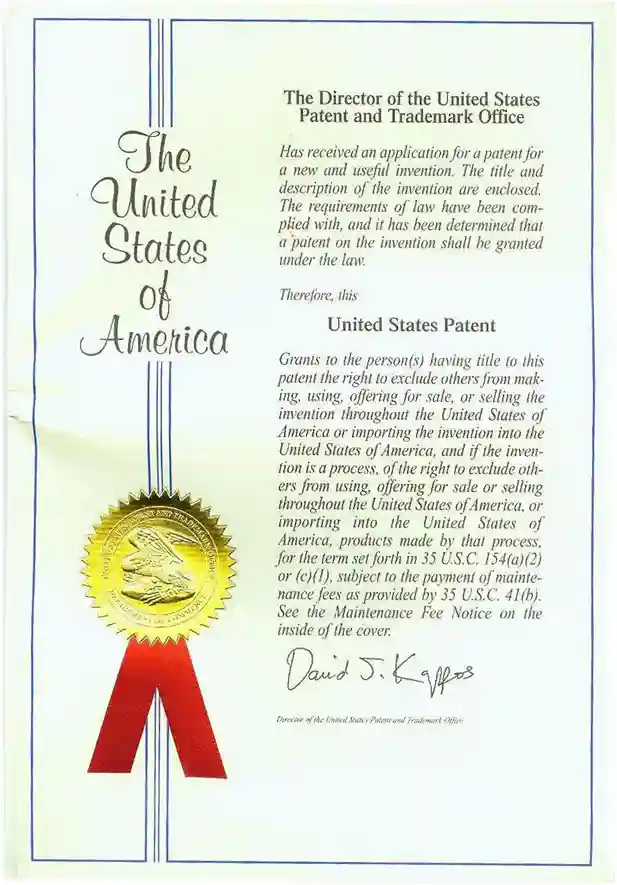
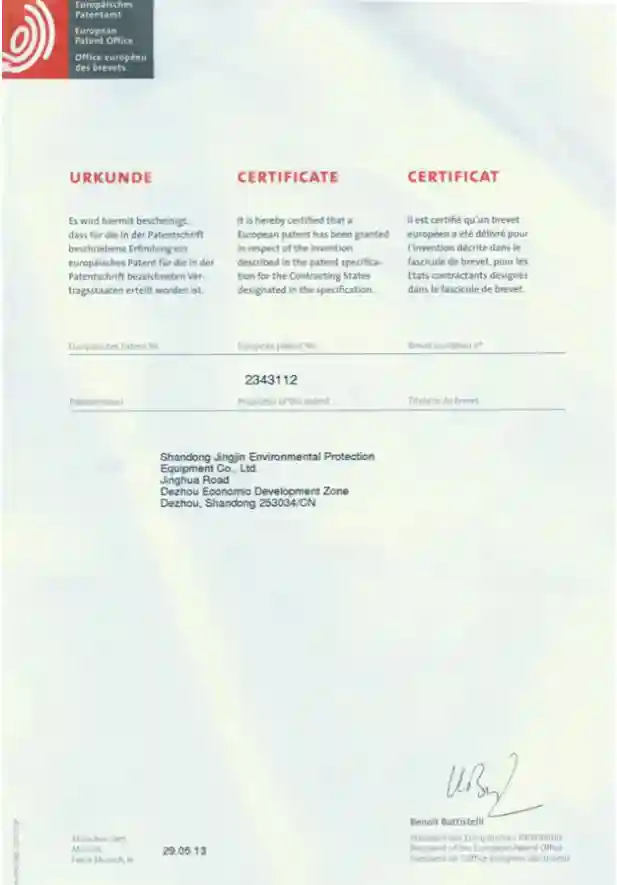
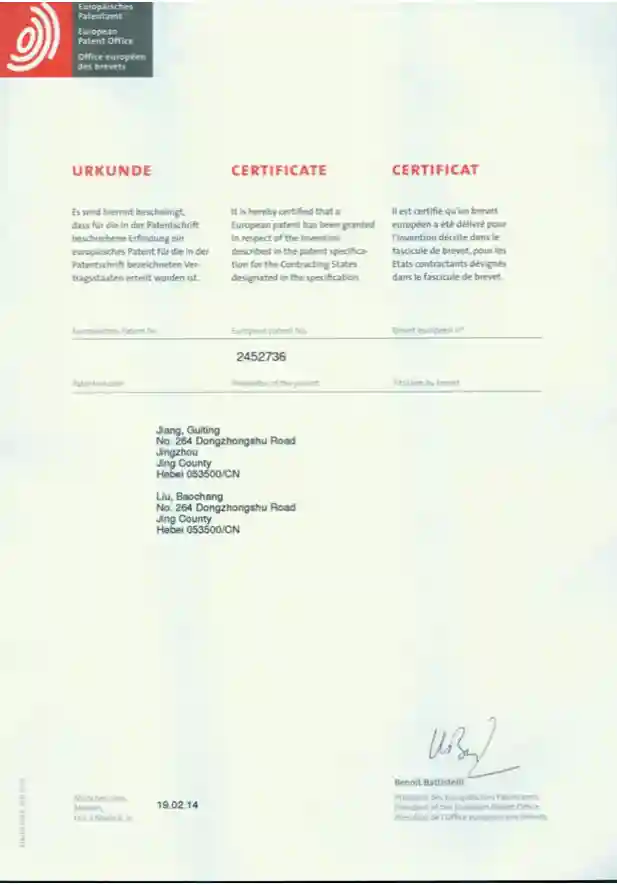
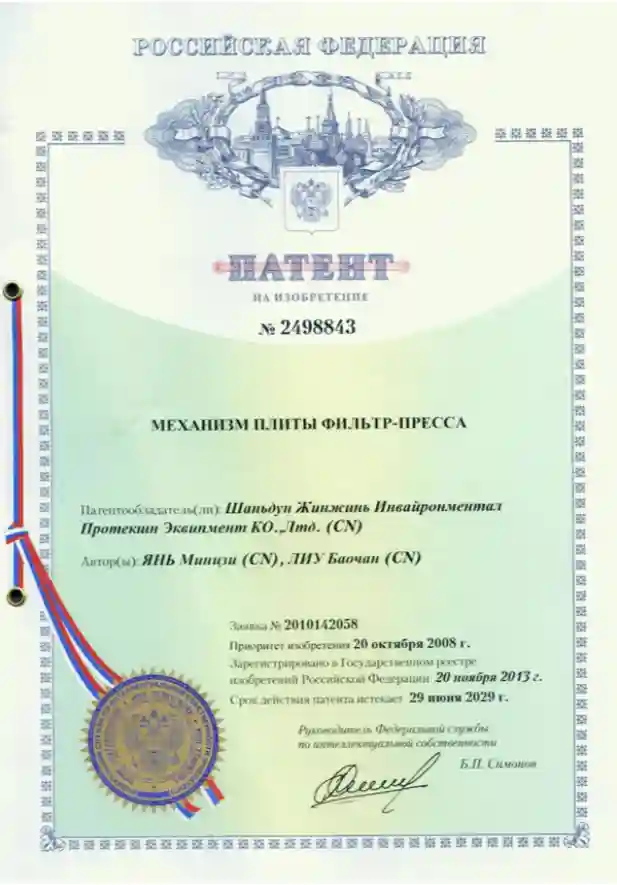
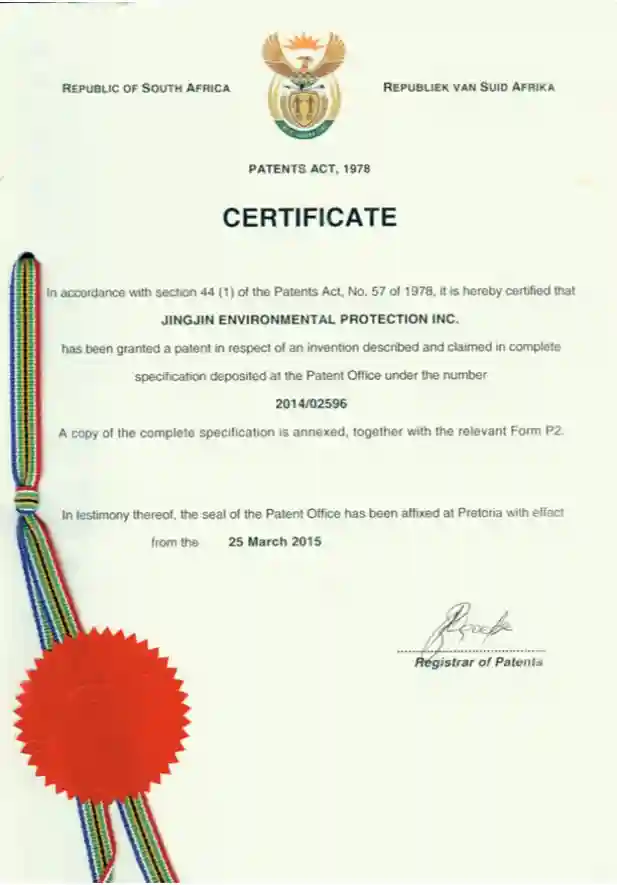
Supplier choice for the dewatering press machine greatly affects long-term satisfaction. Established manufacturers of dewatering press machines with decades of experience offer established designs, broad reference lists, and technical expertise. ISO 9001 quality management and ISO 14001 environmental management certifications for the dewatering press machine demonstrate production standards. Patent portfolios for dewatering press machines show innovative leadership and unique technology that may improve performance. Ask for full reference lists with contact information for the dewatering press machine to talk to existing users about their experiences.
Strong after-sales assistance distinguishes good vendors. Comprehensive 12-to-24-month warranties for main components safeguard against early failures. Problems are minimized with responsive technical help, ideally with 24-hour emergency availability. Spare parts vendors with local inventory or fast overseas shipment keep equipment running. Maintenance teams that receive rigorous training in operation and troubleshooting become self-sufficient and less dependent on external service contracts.
Customization and Logistics Considerations
Standard equipment configurations work for many applications, although customisation improves performance. Upgrades to duplex or super-duplex stainless steel allow processing extremely corrosive sludges. Electrical systems that are explosion-proof can operate in dangerous situations. Real-time performance monitoring systems interact with plant-wide SCADA networks. Discussing application-specific requirements early in procurement ensures the final design meets all operating demands without costly post-installation adjustments.
International equipment purchases are complicated. Understanding import tariffs, customs documents, and shipping logistics avoids delays and expenditures. Equipment design and shipment are affected by container size and weight. Some providers offer turnkey solutions for design, manufacture, shipping, installation, monitoring, and commissioning, simplifying project management for purchasers without internal experience. Rigging, foundation preparation, electrical connections, and starting support all need to be clearly defined to minimize confusion and assure project success.
Conclusion
Sludge characteristics, capacity needs, financial limits, and operational priorities must be considered while choosing a dewatering technique. Screw presses have small footprints, cheap maintenance, and high performance in many applications. Belt presses cope with high throughput in big installations. Hydraulic plate presses dry cakes best for particular uses. Understanding each technology's strengths and weaknesses helps procurement teams make educated judgments that meet current and long-term operational goals. Working with experienced suppliers provides access to proven technology, reliable support, and continual innovation to keep facilities running effectively and fulfilling stricter environmental criteria.
FAQ
1. How do I choose between screw press and belt press systems?
Methodically assess your needs. Screw presses are ideal for small to mid-sized enterprises because of their inexpensive maintenance, small footprint, and easy operation. Belt presses excel in continuous high-throughput applications over 50 cubic meters per hour. Be aware that belt presses demand highly competent operators. Instead of only the purchase price, calculate 15-year ownership expenses, including maintenance labor, spare parts, and polymer usage.
2. What prevents common dewatering machine failures?
The most crucial component is polymer conditioning. Poor flocculation causes most performance issues, including cake dryness and excessive filtrate solids. Lubricate bearings and examine worn components regularly. Monitor performance trends—declining cake dryness or growing filtrate turbidity indicate problems that can be fixed before failure. Keep important spare parts on-site and work with dependable service providers for fast problem resolution.
3. Can these systems reduce both disposal costs and environmental impact simultaneously?
Absolutely. Volume reduction by dewatering reduces landfill costs, transportation fuel, and pollutants. Energy-efficient screw presses use less electricity than centrifuges or thermal dryers. Compliance prevents penalties and allows land application and composting. High-quality dewatering equipment pays for itself in 18–36 months through disposal cost reductions and operating efficiency.
Partner with Jingjin for Reliable Dewatering Solutions
Since 1988, Jingjin Equipment Inc. has provided solid-liquid separation solutions to 123 countries with over 136 patents and decades of engineering expertise. From mining to municipal wastewater treatment facilities, our dewatering press machine systems use established technology and application-specific modifications. Our engineering team supports you from design to commissioning and beyond for a small screw press for an industrial facility or a turnkey dewatering system.
As a leading dewatering press machine manufacturer, we believe equipment dependability and operating efficiency are crucial. Our spare parts inventory reduces downtime, and our worldwide service network provides technical help wherever your plants run. Learn how Jingjin's filtering technology can lower expenses, assure environmental compliance, and boost productivity. Contact our experts at [email protected] to discuss your dewatering needs and obtain a customized solution. With reliable equipment, we can help you optimize solid-liquid separation.
References
1. Water Environment Federation (2018). Design of Municipal Wastewater Treatment Plants: Manual of Practice No. 8, Sixth Edition. McGraw-Hill Education.
2. Tchobanoglous, G., Stensel, H.D., Tsuchihashi, R., and Burton, F. (2014). Wastewater Engineering: Treatment and Resource Recovery, Fifth Edition. McGraw-Hill Education.
3. Cheremisinoff, N.P. (1998). Liquid Filtration: Second Edition. Butterworth-Heinemann.
4. Svarovsky, L. (2000). Solid-Liquid Separation, Fourth Edition. Butterworth-Heinemann.
5. Rushton, A., Ward, A.S., and Holdich, R.G. (2000). Solid-Liquid Filtration and Separation Technology, Second Edition. Wiley-VCH.
6. United States Environmental Protection Agency (2021). Biosolids Technology Fact Sheet: Belt Filter Press, EPA 832-F-00-057. Office of Water, Washington, D.C.
jingjin
Founded in 1988, Jingjin specializes in filter presses and liquid-solid separation solutions, serving over 130 countries worldwide, and is a standard-setter in China's filter press industry.
Get the Filter Press guide
Enter Your Email for Technical assistance for the Filter Press.

Recommended Blog
Feed Pump Flow Rate for Filter Press: How to Calculate and Optimize It
Chemical Filtration Solutions: Using Press Filter Machines for Optimal Results
Comparing Industrial Feed Pump Specifications for Filter Press Systems
Affordable Filter Press Machines for the Chemical Industry: What to Look For
Energy Efficient Filter Press Design: Saving Costs in Industrial Filtration
Common Problems with Filter Press Plates and How to Prevent Them
China Multi Disk Screw Press vs India: Cost & Performance 2026