Achieving 30% Lower Moisture Content in Sludge With Filter Press Technology
Achieving 30% Lower Moisture Content in Sludge With Filter Press Technology
Introduction
- Introduction
- Understanding the Sludge Dewatering Challenge
- Why Filter Press Technology is the Optimal Solution
- Key Factors to Optimize Filter Press Dewatering Performance
- Making Informed Procurement Decisions for Filter Press Equipment
- Environmental and Regulatory Benefits of Using Filter Press Technology
- Conclusion
- FAQ
- Contact Jingjin for Advanced Sludge Dewatering Solutions
- References
Achieving a 30% reduction in sludge moisture content is no longer a distant goal but a practical reality with advanced filter press technology. A filter press for sludge dewatering applies high hydraulic pressure to separate water from solid particles, transforming wet sludge into dry, manageable filter cakes. This mechanical separation process addresses the most pressing challenges in wastewater treatment: reducing disposal costs, meeting stringent environmental regulations, and improving operational efficiency. The technology has proven its value across municipal wastewater plants, mining operations, and chemical manufacturing facilities worldwide, delivering measurable improvements in sludge dryness while cutting transportation and landfill expenses.
Introduction
Sludge dewatering is an important part of both corporate and local wastewater treatment because it affects both cost-effectiveness and environmental compliance. There are benefits for the whole process when the moisture content drops by 30%. Transportation costs go down, the amount of trash that needs to be thrown away goes down, and it's easier to stay in line with regulations. Out of all the technologies that are available, filter press systems have become the best because they work so well with a wide range of sludge types and situations.
This guide is written specifically for procurement workers, process engineers, plant managers, and EPC contractors who have to make choices every day about which tools to use and how to make the process run more efficiently. We know how hard it is for you to meet ever-tougher discharge standards, make sure your equipment is reliable in harsh settings, and balance capital investments with operational savings. The information in this article will help you compare different ways to separate solids and liquids and make smart purchases that will pay off in the long run.
Better drainage has an effect on the economy that goes beyond just saving money right away. When sludge gets drier, it makes it possible to recover resources, treat it with heat, and even reuse it in a good way. This can turn waste from a problem into a possible asset. Whether you are in charge of a wastewater treatment plant that handles millions of gallons of wastewater every day or a chemical plant with unique waste streams, knowing how filter press technology reduces moisture better will help you choose the right equipment.
Understanding the Sludge Dewatering Challenge
The Mechanics of Water Removal
To get water out of sludge, you have to break both chemical and mechanical ties. The make-up of sludge is very different depending on the source material, the biological activity, and the cleaning steps that come before it. Biological sludge made from municipal refuse is high in organic matter, while sludge made from industrial processes has heavy metals, chemical precipitates, or mineral fines in it. Each type dewaters in a different way, which affects the choice of tools and the way it works.
Technical Barriers to Efficiency
Traditional ways of draining have trouble being consistent and have limits on how well they work. Even though they work all the time, belt filter presses usually only get 15 to 25 percent dry solids content. Centrifuges are fast, but they use a lot of energy and need to be carefully maintained when working with rough materials. Screw presses are in the middle, but they often can't match the level of dryness that pressure filter systems can achieve. These restrictions are important because every percentage point of moisture kept means higher costs and more trouble with logistics.
Economic Impact of High Moisture Content
The cost of wet sludge is spread out over a number of different cost areas. Freight costs go up with volume, so reducing moisture is one of the best ways to save money right away. Tipping fees at landfills are based on either weight or volume, and they go up quickly when sludge stays wet. When processing plants burn or further treat sludge, they have to use more energy to get rid of the extra water. This adds to their ongoing costs, which add up over time.
Regulatory pressure makes these economic factors even worse. Discharge licenses list the lowest and highest levels of wetness and stability for cakes. If these levels are not met, fines and limits on operations will happen. Plant managers who have to deal with these standards know that effective, well-documented equipment is more than just a way to cut costs; it also reduces risk.
Why Filter Press Technology is the Optimal Solution
High-Pressure Separation Fundamentals
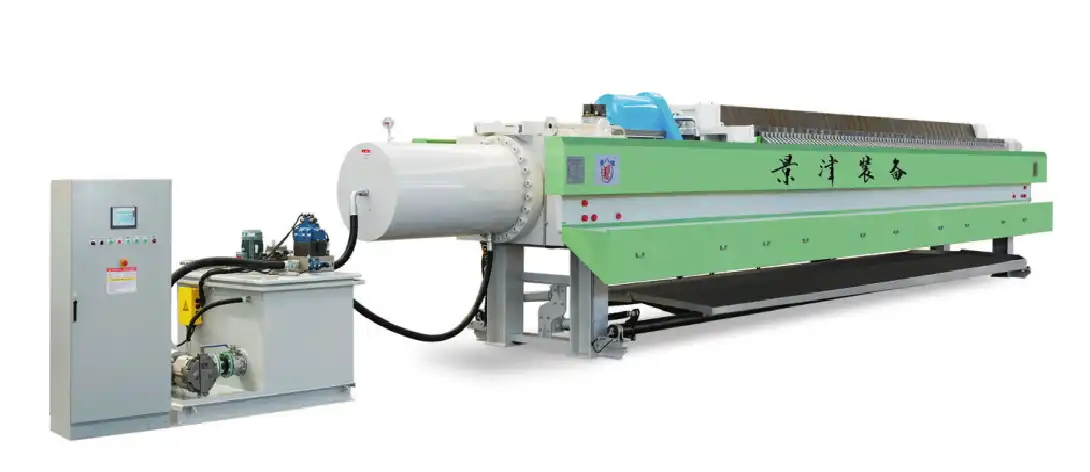
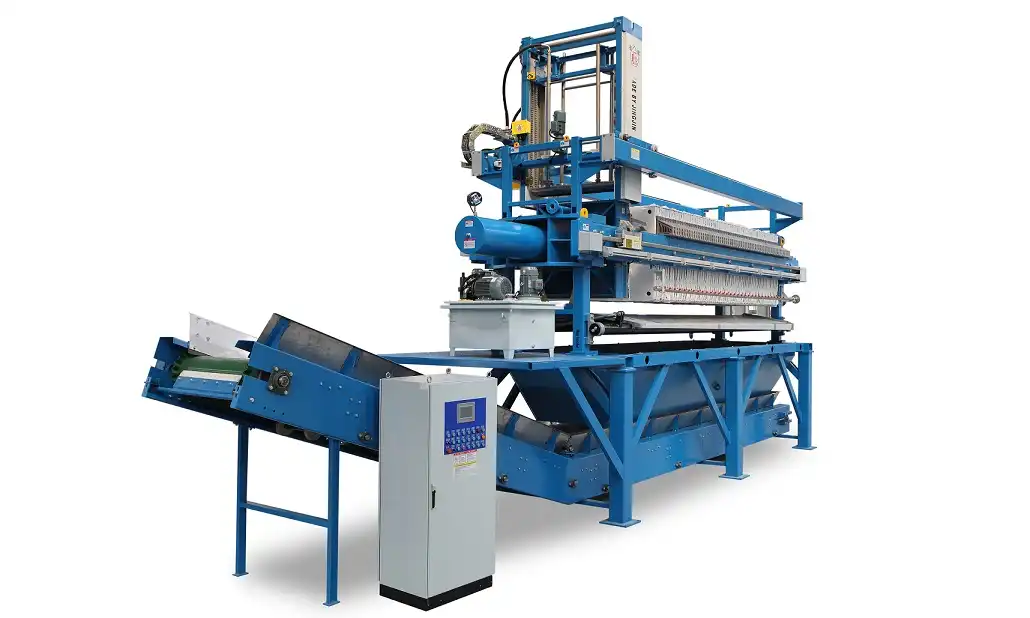
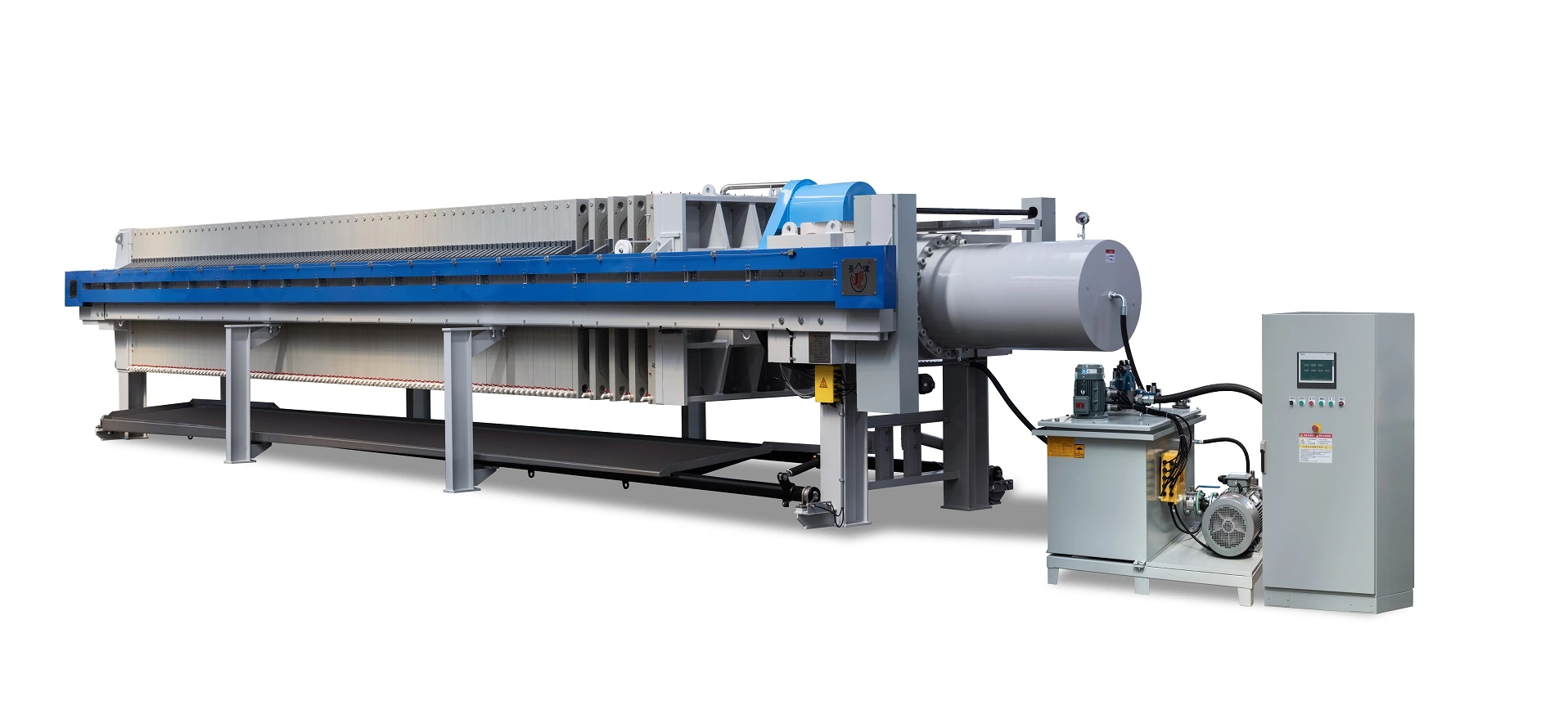
A filter press for sludge dewatering works by pumping conditioned sludge into spaces made between sunken filter plates that are lined with special filter cloth. As the plate stack is pressed down by hydraulic rams, pressure rises from 6 to 25 bar. This forces liquid through the cloth while solids build up and get packed into thick cakes. This type of positive pressure filtration makes cakes that are much drier than gravity or low-pressure methods. Depending on the properties of the sludge, filter cakes usually have 35–60% dry solids content.
The split process lets the pressure build up slowly, which adapts to the resistance of the sludge and makes sure that all the water is removed. These days' systems have customisable logic controls that make the best use of cycle timing, pressure ramping, and cloth washing routines to get the most work done while keeping the quality of the cakes. When procurement workers look at long-term organisational stability, they value consistency, which this level of process control gives them.
Comparative Performance Analysis
When compared to other technologies, filter presses are clearly better at reducing the final amount of moisture. A belt filter press for sludge dewatering can work continuously and requires less work, so it can be used in situations where output is more important than maximum dryness. But belt systems rarely use more than 0.5 bar of mechanical pressure, which means that dryness can only reach 20 to 28 percent dry solids in most urban sludge situations.
Centrifuges spin very fast to create separation forces, but they have trouble with small bits and sludge that can be pressed down. When normalised per tonne of dry solids made, these systems often use 50–80% more energy than filter press systems. Wear on moving parts makes maintenance more necessary, especially when working with abrasive slurries, which is common in mining and material processing.
Documented Performance in Real Applications
Municipal wastewater treatment plants in the US have reported 25–35% lower costs for getting rid of sludge after switching from centrifuges or belt presses to filter press systems. Mining companies say they can collect more than 90% of the water they use, which lets them reuse process water and cut down on the use of freshwater in places where it's scarce. Chemical companies that deal with toxic waste are able to make sure that the cake is stable enough for safe shipping and disposal, which meets RCRA standards and keeps waste sorting costs as low as possible.
These results show that the technology is mature and has worked well in harsh industry settings in the past. When looking at different suppliers, procurement teams should ask for case studies that are relevant to the type of sludge they have and how they run their business. This is because success depends on the feed characteristics and how the system is set up.
Key Factors to Optimize Filter Press Dewatering Performance
Managing Sludge Variability
The biggest problem with keeping stable dewatering performance is that feed properties aren't always the same. Changes in the makeup of urban wastewater over the course of a year, changes in the production schedules of industrial plants, and changes in how well upstream treatment works all have an effect on the ability of sludge to dewater. Feed characterisation methods that keep an eye on total dissolved solids, particle size distribution, organic content, and compressibility indices are used by successful operations.
Chemical Conditioning Strategies
The choice of polymer and the amount used have a direct effect on how well the separation works and how the cake releases. Cationic polyelectrolytes balance out negatively charged sludge particles, which helps them stick together and grow into bigger, better-permeable clumps. The best amount combines thorough conditioning with high chemical costs and possible effects on the quality of the filtrate. A lot of places try the polymer type and dose on a daily basis in jars so that they can keep the same level of performance even when the feed changes.
Operational Best Practices
Regular preventative repair keeps equipment reliable and keeps draining working well. Schedules for inspecting and cleaning the filter cloth stop blinding, which slows down the process and makes run times longer. Regular checks of hydraulic systems make sure that the pressure stays the same and find problems before they become major. Modern setups have automatic systems for washing clothes that keep the cloth's permeability between rounds and extend its life. This cuts down on downtime and replacement costs.
Pilot testing is still the best way to make sure that the tools you choose and the operational conditions are just right before a full-scale deployment. When a filter press manufacturer offers testing programs, purchasing teams can test how well their equipment works with sludge that is specific to the site. This information helps them figure out the right size of equipment, how much pressure is needed, and what kind of cake to expect. This method for lowering risk works especially well for new setups or uses that involve difficult trash streams.
Making Informed Procurement Decisions for Filter Press Equipment
Evaluating Technology Configurations
Plate-and-frame presses are the most versatile because they can handle different cake sizes and let you change individual plates. Recessed chamber presses have more capacity per unit area, which makes them good for setups with limited room. Membrane filter presses have flexible diaphragms that apply extra pressure after the initial filtering. This gets the lowest moisture content for uses that need the highest level of dryness.
Supplier Credibility and Support
It's not enough to just look at a supplier's equipment specs; you should also look at their production capacity, quality standards, and global service networks. Companies that do business in more than one country have to deal with different rules and customer service standards. This is why a supplier's knowledge in your area is so important when choosing one. Look for manufacturers that have ISO 9001 quality management certification as well as qualifications specific to your business.
Total Cost of Ownership Analysis
To compare filter press systems to other options, you need to do a full cost analysis that goes beyond the purchase price. Equipment, installation, electricity infrastructure, and building changes are all examples of capital expenditures. The costs of running a business include things like using energy, polymer, filter cloth repair, upkeep work, and the cost of getting rid of both cake and filtrate. A lifecycle study should estimate how much something will cost over the course of 15 to 20 years of use, taking inflation and possible changes in the law that could affect disposal choices into account.
Customisation options have a big effect on how happy people are with the tools they buy in the long run. Corrosion-resistant materials are very important in chemistry and medicinal settings where standard parts are damaged by acidic pH levels or solvent leftovers. Electrical systems that can't explode meet safety standards in dangerous places. Automated cake release devices cut down on the amount of work that needs to be done and make the workplace safer for high-volume operations.
Environmental and Regulatory Benefits of Using Filter Press Technology
Volume Reduction and Disposal Impact
Cutting the amount of sludge by 30% or more has direct environmental effects that go beyond saving money. It's more important than ever to keep landfills from filling up as they get full and getting permits for new buildings gets harder. Smaller dumping amounts make sites last longer and lower the long-term environmental risks that come with getting rid of trash.
With the move toward resource recovery and the circular economy, dewatered sludge could be used in ways that are good for the environment. Biosolids programs let stabilised, properly dewatered sludge be spread on land, which keeps trash out of dumps and improves the soil at the same time. When the moisture content goes below 60%, it becomes economically possible to recover energy through thermal treatment because less extra fuel is needed to keep the fire going.
Regulatory Compliance Assurance
The US EPA has rules about how to treat wastewater and handle biosolids. These rules include basic treatment standards and tracking needs. Regulations at the state level often add more limits on the quality of waste, how it is handled, and how it can be thrown away. Equipment that consistently meets these standards keeps places safe from police actions and helps with the process of renewing permits.
Third-party certification and certified performance testing provide proof that regulatory agencies can use during checks and permit reviews. The best equipment providers keep connections with testing labs so they can give you approved performance data that is relevant to your application conditions. This makes it easier to show that you are in compliance.
Corporate Sustainability Alignment
Environmental, social, and political obligations are becoming more and more important to businesses in all fields. Using the best technology for treating trash, such as a filter press for sludge dewatering, shows care for the environment and creates measures that can be used for sustainability reporting. Lowering energy and transport needs leads to a smaller carbon footprint, which helps meet climate goals and has real practical benefits.
Conclusion
Cutting the amount of water in sludge by 30% changes how much it costs and how well it works for the earth. This is what filter press technology does by using tried-and-true engineering principles and high pressure to separate solids and liquids better in a wide range of industry settings. Filter presses are the best option for procurement workers looking for long-term value because of their operating reliability, adaptability, and proven performance in challenging settings.
To be successful, you need to make sure that the equipment you use fits the needs of the job. You can do this by carefully looking at the type of sludge, your working goals, and the total cost of ownership. Choosing the right tools, doing pilot tests, and working with a trusted provider are all things that pay off over many years of trouble-free use, following the rules, and lower disposal costs that help the company stay competitive and keep its sustainability promises.
FAQ
Q1: What moisture reduction can filter presses realistically achieve?
Depending on the type of sludge and the working pressure, filter presses can usually lower the amount of water in sludge to between 40 and 65%. 70–75% of biological sludge from cities is dry solids, while 50–60% of dry solids may be found in industrial sludges that contain minerals or chemical precipitates. When compared to belt presses or centrifuges that handle similar materials, these results show a 30–50% decrease in wetness. The actual performance relies on how well the system is conditioned, how much pressure is applied, and which filter media are chosen.
Q2: How much maintenance do filter press systems require?
As part of routine upkeep, hydraulic systems are checked every day, and filter cloths are cleaned every week. Depending on how rough the cloth is and how much it is exposed to chemicals, it should be replaced every 1,000 to 3,000 rounds. As part of the yearly repair, the hydraulic fluid is changed, the seals are replaced, and the electrical system is checked. With an automated washing system, you don't have to clean clothes by hand as much, and the clothes last longer. If you compare filter presses to centrifuges with high-speed spinning parts, they usually need less mechanical help and cost less in parts over their useful life.
Q3: Can filter presses handle different sludge types?
Modern filter press systems can handle different types of sludge by choosing the right design. If you use the right plate materials, cloth specifications, and conditioning methods, you can easily handle municipal wastewater, mine tailings, chemical precipitates, pharmaceutical waste, and byproducts of food preparation. Before investing in a full-scale project, pilot testing with real site sludge makes sure the equipment works well and finds the best ways to run it.
Contact Jingjin for Advanced Sludge Dewatering Solutions
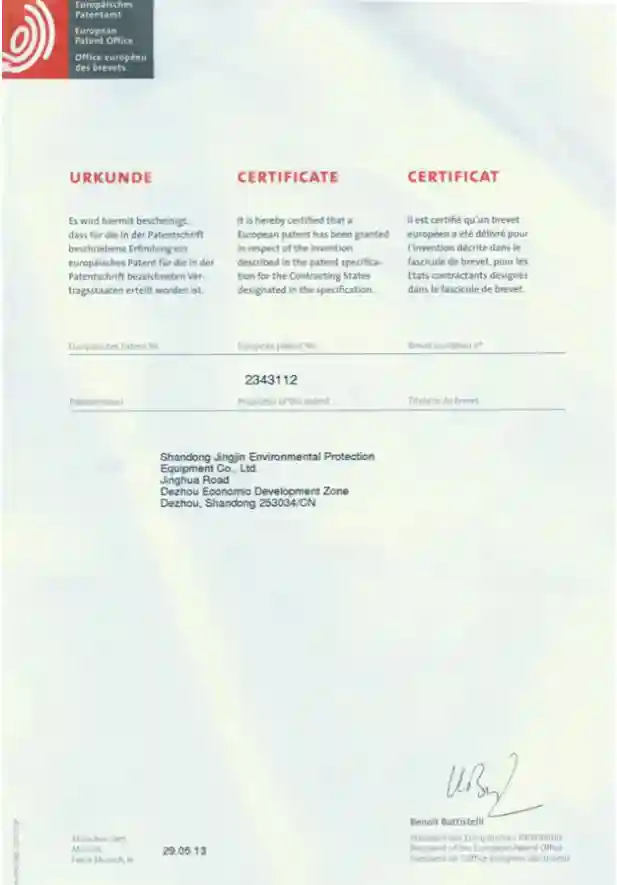
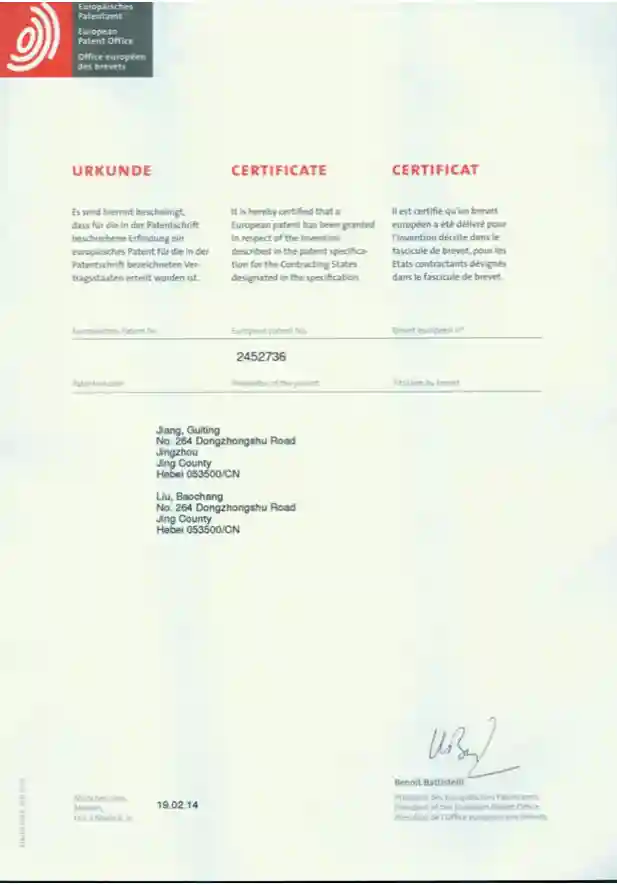
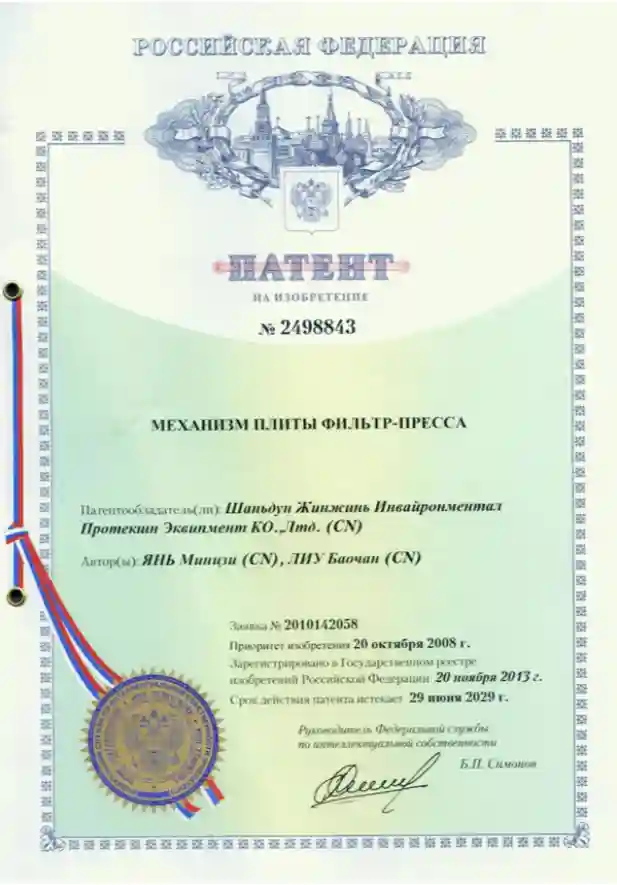
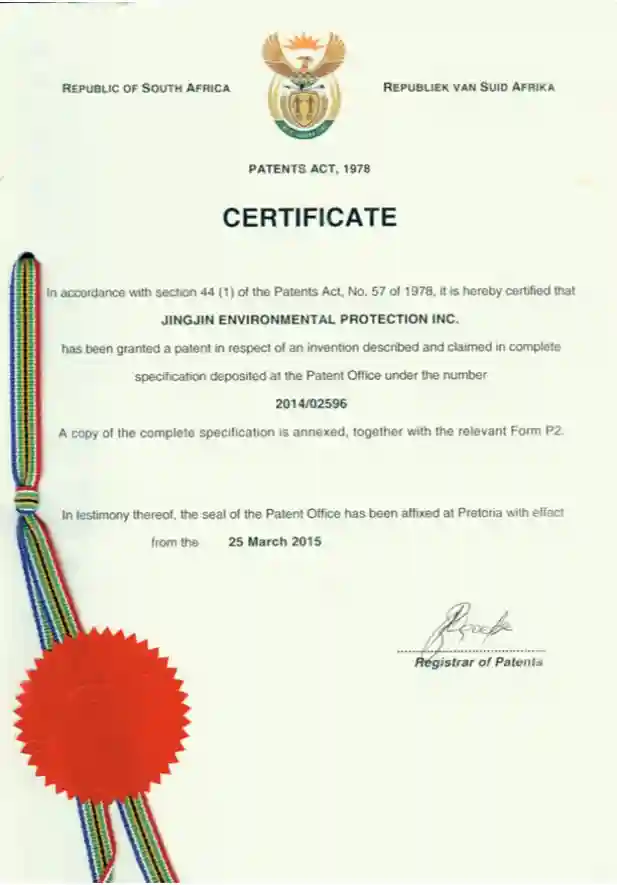
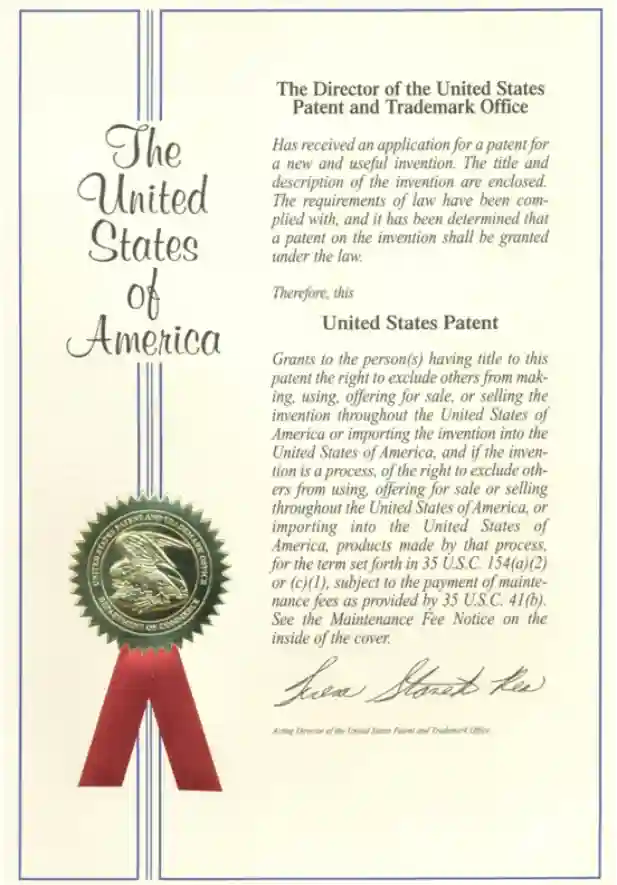
Jingjin Equipment Inc. is ready to help you get your sludge control activities to have 30% less moisture. As a leading filter press for sludge dewatering manufacturer with over 136 patents and 35 years of engineering excellence, we deliver customized separation solutions backed by global service capabilities spanning 123 countries. Our complete ecosystem of filter presses, plates, cloths, and technical support ensures optimal performance throughout your equipment lifecycle. Request pilot testing with your specific sludge, explore our range of configurations, or discuss your application requirements with our technical team at [email protected] to discover how proven filtration technology transforms operational efficiency and environmental compliance.
References
1. Water Environment Federation (2019). Design of Municipal Wastewater Treatment Plants: Manual of Practice No. 8, Sixth Edition. McGraw-Hill Education.
2. Mahmoud, A., Olivier, J., Vaxelaire, J., & Hoadley, A. F. (2013). "Electrical field: A historical review of its application and contributions in wastewater sludge dewatering." Water Research, 47(6), 2211-2224.
3. Vakili, M. H., Schwarzwälder, K., & Mehdizadeh, H. (2020). "Optimization of sludge dewatering process in industrial wastewater treatment plants." Journal of Water Process Engineering, 38, 101559.
4. Mowla, D., Tran, H. N., & Allen, D. G. (2013). "A review of the properties of biosludge and its relevance to enhanced dewatering processes." Biomass and Bioenergy, 58, 365-378.
5. U.S. Environmental Protection Agency (2021). Biosolids Technology Fact Sheet: Filter Press. EPA 832-F-21-006. Office of Water, Washington, DC.
6. Christensen, M. L., Keiding, K., Nielsen, P. H., & Jørgensen, M. K. (2015). "Dewatering in biological wastewater treatment: A review." Water Research, 82, 14-24.
jingjin
Founded in 1988, Jingjin specializes in filter presses and liquid-solid separation solutions, serving over 130 countries worldwide, and is a standard-setter in China's filter press industry.
Get the Filter Press guide
Enter Your Email for Technical assistance for the Filter Press.

Recommended Blog
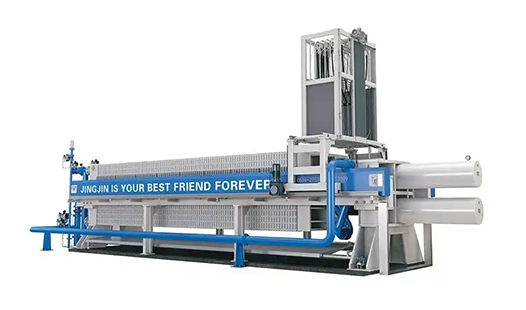
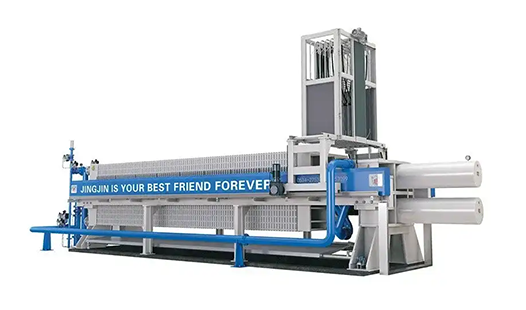
Comparing Jingjin Filter Press with Other Brands: Which One Suits You Best?
Filter Press Cloth Maintenance Tips: Prolonging Lifespan and Efficiency

Top Benefits of Using a Filter Press in Industrial Wastewater Filtration
High Capacity Filter Presses for Mining: Enhancing Mineral Processing Efficiency
Automatic vs Manual Press Filter Machines: Which One Suits Your Needs?