Custom Filter Presses for the Chemical Industry: Choosing the Right Solution
Custom Filter Presses for the Chemical Industry: Choosing the Right Solution
Understanding Filter Press Technology for Chemical Industry Applications
- Understanding Filter Press Technology for Chemical Industry Applications
- Criteria for Choosing the Right Custom Filter Press
- Advantages and Practical Benefits of Custom Filter Presses in Chemical Processing
- Maintenance, Troubleshooting, and Longevity of Filter Presses
- Procurement Guide: Navigating the Market and Selecting Trusted Suppliers
- Jingjin Equipment: Trusted Filter Press Solutions for Chemical Industry Excellence
- Conclusion
- FAQ
- Ready to Optimize Your Chemical Processing with Jingjin Filter Press Solutions
- References
To keep production running smoothly and in line with environmental rules, the chemistry industry needs precise tools for separating liquids from solids. A filter press is an important part of cleaning processes because it lets you handle complex chemical slurries in a variety of ways. Choosing the right filter system has a direct effect on running costs, product quality, and following the rules, whether you are handling paints, dyes, resins, or unique chemicals. Custom filter press options help chemical companies deal with specific process problems while increasing output and lowering the need for upkeep.
Understanding Filter Press Technology for Chemical Industry Applications
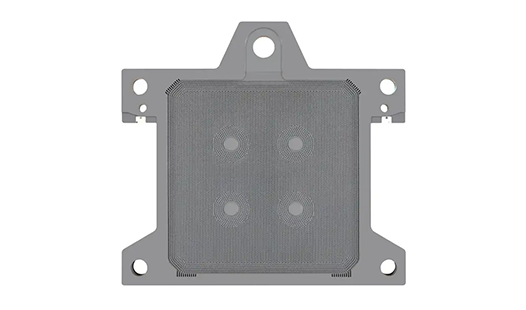
Chemical processing plants need strong separation equipment that can handle acidic materials and keep cake moisture levels steady. Pressure-driven filtering is how filter presses work. Slurry goes into holes made between filter plates, which lets liquid pass through but keeps solids.
Fundamental Principles of Filtration in Chemical Processing
When the sludge goes into the tanks under controlled pressure, usually between 15 and 30 bar, the filtering process starts. As the liquid moves through the filter cloth, solid bits build up and make a cake that gets thicker as it goes. This slow cake formation adds to the filter resistance, so higher pressures are needed to keep flow rates steady. When certain pressure levels or time periods are reached, cake release ends the cycle.
Understanding filter rates is helpful for chemical makers, especially when working with sludges that are easy to crush, which is common in pharmaceutical and fine chemical uses. Rates of cake creation depend a lot on the chemical makeup, particle size distribution, and fluid viscosity. These things have a direct effect on output ability and cycle times.
Filter Press Components and Their Critical Functions
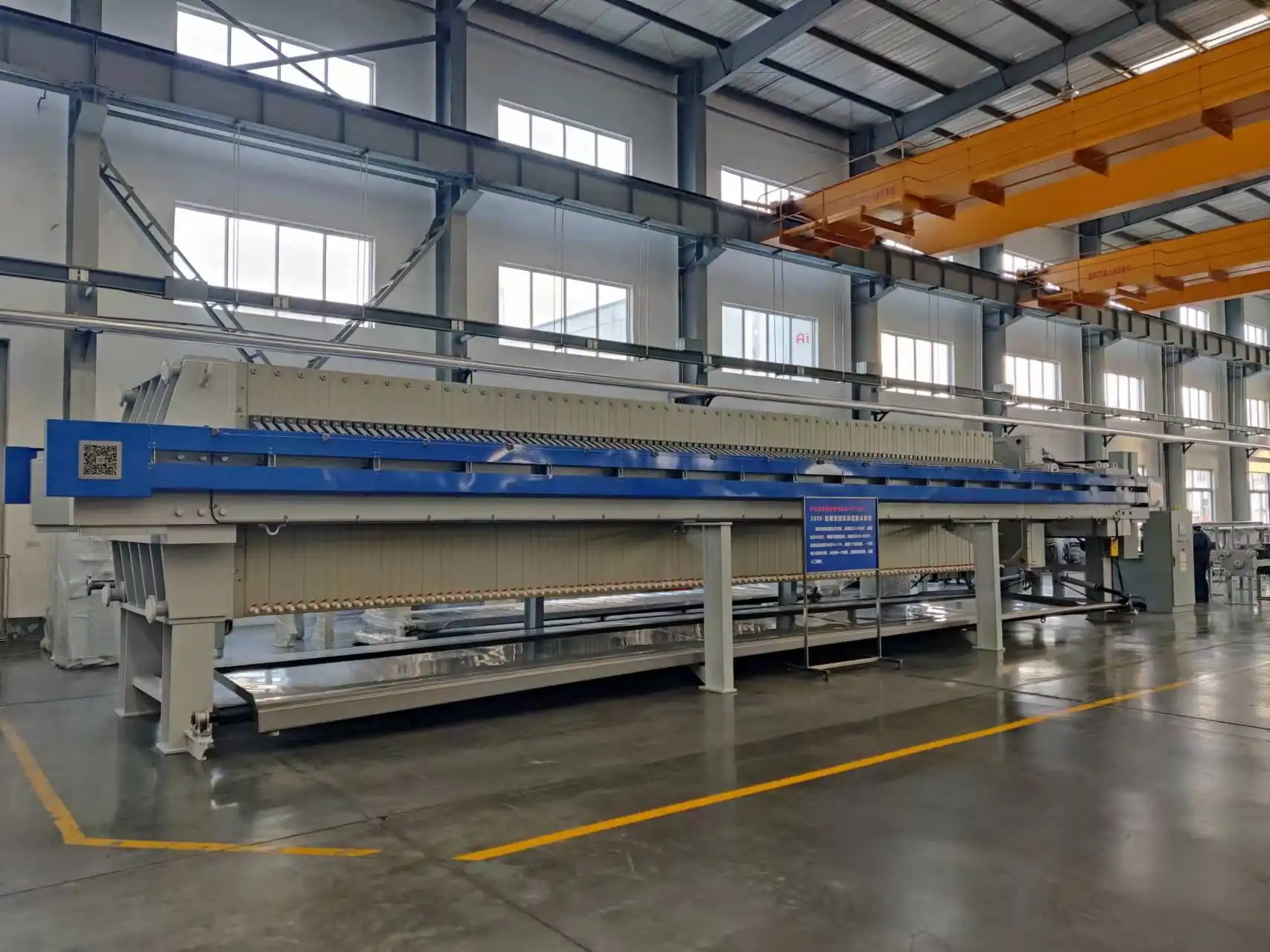
Modern filter press systems have a number of important parts that are made to be reliable in the chemistry business. The structure of the frame supports high-pressure processes mechanically, and hydraulic systems control the steps of plate compression and opening. Feed pumps make sure that the pressure release stays the same, and automatic cloth washing systems make sure that the filter works at its best between rounds.
Filter cloths are probably the most important part, and they need to be made of materials that are compatible with chemicals and that keep particles in the filter. Polypropylene clothes work well in acidic conditions, while polyester clothes work well in alkaline conditions. Through squeeze processes, membrane filter cloths improve dehydration, lowering the end cake's moisture content by 5–8% compared to normal setups.
Comparing Alternative Filtration Technologies
Before buying one, chemical plants often look at a number of different separation methods. Centrifuges can work continuously, but they have trouble recovering fine particles and use a lot more energy. Pressure filtration systems get rid of more water than belt filters, but belt filters have a higher flow.
Vacuum filters work with lower pressures, which makes them good for fragile materials but not so good for thick slurries. Rotary drum filters work best in high-volume situations, but they need a lot of pre-treatment to work at their best. These similarities show why a lot of chemical companies like pressure filtration for important sorting tasks that need to be done consistently with little help from the user.
Criteria for Choosing the Right Custom Filter Press
To choose the best filter tools, you need to carefully look at the process needs and the limitations of the business. Structured decision-making models that balance technical performance with economic factors help buying teams in the chemical business.
Screening Based on Operational Requirements
During the first screening process, basic operating factors are looked at, such as the amount of slurry, the maximum cycle time, the amount of floor space available, and the need for automation. The size and design of the press are based on the daily output rate, and cycle time goals decide whether fully automated or partially automated systems are more cost-effective.
Because of limited space, horizontal layouts are more common than vertical ones, and small designs are becoming more and more important for updating old buildings. The level of automation needed depends on the supply of workers and the need to integrate the process. It can be as simple as using hydraulics or as complex as fully automated systems with built-in controls.
Matching Product Features to Process Demands
Chemical uses need certain efficiency and reliability traits from materials. For corrosive slurries, you need special coats and gasket materials, and for high-temperature uses, you need better closing systems. The frame material used in Jingjin filter press systems is Q345B, which has a compressive strength 1.4 times higher than that of normal Q235 steel. This makes work safer in tough situations.
The company's submerged arc auto-welding technology is used to make the welded box building main beam, which gives the structure great strength. For oil cylinder seats, pressure plates, and thrust plates, carbon dioxide protection welding makes sure that they will work reliably for a long time in chemical settings.
Advanced Surface Treatment and Durability Features
Jingjin's thorough surface cleaning process shows that they care about the environment and making sure their equipment lasts a long time. Before putting the MIO epoxy base and acrylic polyurethane finish, high-speed spinning ball blast descaling gets rid of all the iron scale. This high-tech covering system makes paint stick better and gets rid of hundreds of tons of putty every year, which saves money and is better for the environment.
The better anticorrosion qualities make equipment last a lot longer, which is especially important in chemical uses, where downtime costs a lot when equipment needs to be replaced. This focus on quality of surface preparation and finishing shows that manufacturing is done very well across the whole line of products.
Advantages and Practical Benefits of Custom Filter Presses in Chemical Processing
When chemical companies use unique filter solutions, their production speed, product quality, and running costs all go up in a way that can be measured. Over the lifetime of the equipment, these benefits add up, making the initial capital investments worthwhile through long-term efficiency gains.
Enhanced Filtration Efficiency and Product Quality
Custom designs of filter presses improve dehydration performance for certain chemical uses, leading to lower cake moisture levels than with standard equipment. In situations where normal presses get moisture levels of 35 to 40 percent, membrane filter technology can lower the end moisture content to 25 to 30 percent. This change directly leads to lower drying costs and better handling of the product.
Filtration rates stay the same during production runs thanks to automated plate moving and cloth cleaning systems. Single and center feeding methods make sure that cakes are all the same size, and automatic hydraulic pressing keeps the pressure at the right level. These features keep operators from having to do too much while keeping output consistent.
Compliance and Environmental Benefits
Environmental laws are putting more and more pressure on chemical manufacturers to reduce trash and use less energy. Modern filter press systems help facilities meet regulations by reducing the amount of trash they produce and using less energy than other separate technologies.
Process liquids can be recycled or thrown away properly with automated drip tray systems that come in carbon steel or stainless steel designs. This closed-loop method has the least possible effect on the environment while salvaging useful chemicals that would have to be thrown away as toxic garbage otherwise.
Integration with Industry 4.0 Technologies
Smart tracking features built into more advanced filter press systems help with planned repair and process improvement. PLC-based control systems can connect to automation networks that cover the whole plant, giving real-time information on performance and the ability to automatically generate reports.
Suppliers of tools can offer preventative technical help by using remote tracking to spot possible problems before they stop production. This linked way of managing tools fits in with larger efforts in the chemistry business to become more digital.
Maintenance, Troubleshooting, and Longevity of Filter Presses
Maintaining the best performance from a filter press requires planned repair methods that stop unplanned breakdowns and make the equipment available as much as possible. Maintenance teams in the chemical business can do their jobs better if they know both how to do regular maintenance and how to fix common problems.
Essential Maintenance Practices for Chemical Applications
Chemical working conditions are very toxic, so routine repair plans need to take that into account. Every day, the pressure levels in the hydraulic system, the state of the filter cloth, and the stability of the seals are checked. Maintenance that is done once a week includes full cleaning processes and greasing of moving parts.
Filter cloth change times depend a lot on the type of slurry and the working pressure. In chemical uses, they are usually between 500 and 2000 rounds. Keeping extra cloth on hand makes sure that production is interrupted as little as possible when replacements need to be made. If you store clothes the right way, chemicals and UV light won't be able to damage them.
Common Issues and Preventive Solutions
Leaking cake usually means that the filter cloth is worn out or the closing pressure isn't right, which needs to be fixed right away to keep the product clean. Faults in hydraulic systems usually happen because of poor filtering or high running temperatures. This shows how important it is to analyze hydraulic fluid regularly.
Changes in pressure during filter processes could mean that the cloth is covering or that there are problems with the feed pump. Systematic fixing methods help maintenance teams quickly find the root causes of problems, which have the least possible effect on production. Regular training for operators makes sure that they always know how to handle common operating problems.
Predictive Maintenance Strategies
Condition-based repair plans are used in modern chemical plants to make sure that equipment is always available while keeping costs down. Vibration tracking finds worn bearings before they fail, and heat imaging finds problems in the hydraulic system.
Automated data logging lets you look at trends that show how performance is slowly getting worse, which lets you plan maintenance for when the system is down for maintenance. These forecast methods cut down on emergency fixes and make tools last a lot longer.
Procurement Guide: Navigating the Market and Selecting Trusted Suppliers
When the chemical business buys something, they have to carefully look at the supplier's skills, technical requirements, and long-term help promises. Knowing how the market works and what suppliers do well helps you make better buying choices.
Leading Global Manufacturers and Their Specialties
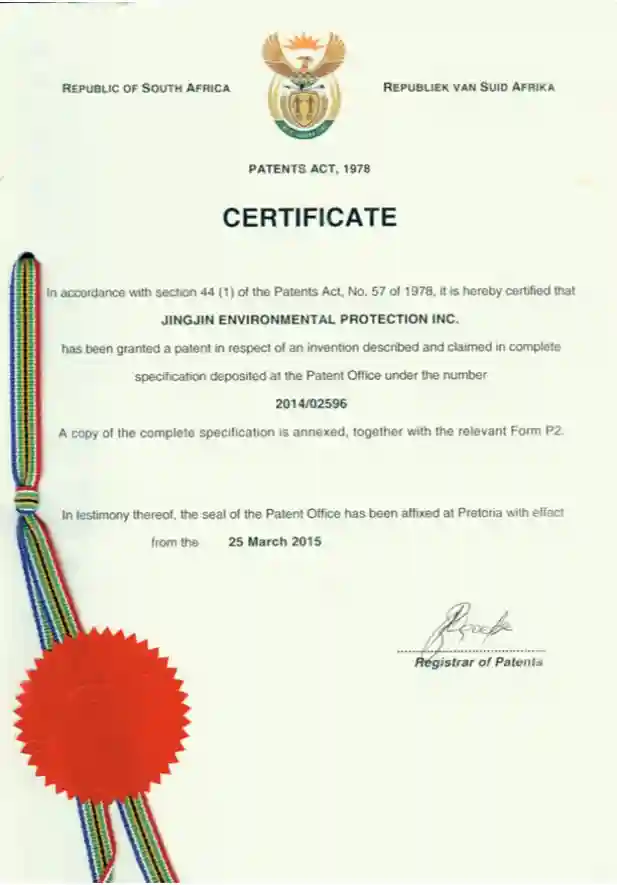
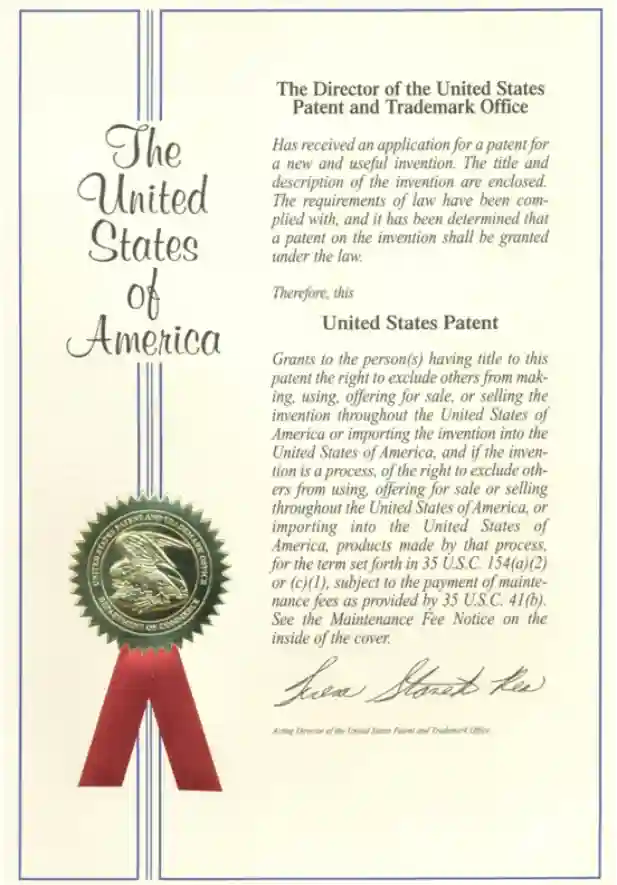
There are a number of well-known companies that make filter presses, each with its own technical skills and marketplaces. Jingjin Equipment Inc. has been in business since 1988 and has over 136 patents and a wide range of solid-liquid separation systems for customers in 123 countries. The company can make 10,000 units a year while still meeting quality standards thanks to its large-scale manufacturing capabilities.
Many European companies focus on high-end apps with complex robotic features. Other Asian companies, on the other hand, offer cheap solutions for everyday tasks. Knowing about these groups of people in the market helps buyers choose suppliers who can meet the needs of their projects and stay within their budget.
Evaluation of New versus Used Equipment
New equipment is usually better for chemical uses because the materials used don't mix well, and the warranties cover repairs. Used filter presses might still have pollution from other uses, which could pose a risk to the process. New equipment has up-to-date safety features and automation features that make operations run more smoothly.
When you finance new equipment, the terms are usually very good, and the better performance and lower upkeep costs more than make up for the higher starting costs. When working with chemicals, where broken equipment can lead to big losses in production, warranty coverage is especially useful.
Supplier Support and Service Considerations
Different providers offer very different levels of after-sales help, which has a direct effect on the long-term success of a business. Jingjin has professionals who can provide service abroad, online expert help, and a wide range of extra parts. There are local help centers in 35 countries, so technology problems can be fixed quickly.
Video technical help and field repair services keep production running as smoothly as possible while problems are being fixed. Complete paperwork and training programs for operators make sure that the equipment is used in the best way possible throughout its service life. The lower total cost of ownership from these helpful features often makes the higher price worth it.
Jingjin Equipment: Trusted Filter Press Solutions for Chemical Industry Excellence
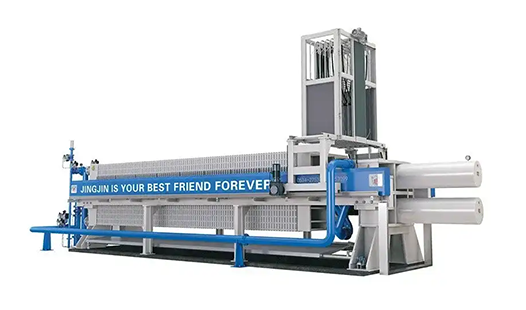
Jingjin Equipment Inc. is a leader in custom filter press making, providing solid separation solutions designed to meet the needs of the chemical industry. We have a wide range of products, including manual, robotic, and membrane filter presses that are made to handle the toughest chemical processing tasks.
Advanced Manufacturing and Quality Assurance
Our commitment to making high-quality products starts with using only the best materials and building techniques that will last in chemical conditions for a long time. The Q345B frame material has 1.4 times the tensile strength of regular steel, which makes working under high pressure safer. Advanced welding methods, like carbon dioxide protection welding and subsurface arc auto welding, make structures strong enough to handle harsh chemical environments.
The way we treat the surface of our tools shows that we care about their life and the surroundings. Using a high-speed spinning ball blast to prepare the surface, followed by an MIO epoxy filler and an acrylic polyurethane finish, makes it more resistant to rust and eliminates waste. This careful attention to manufacturing detail guarantees consistent performance over a long period of time.
Comprehensive Service and Global Support Network
Jingjin has local service sites in 35 countries around the world, so they can provide quick technical help and extra parts. Our engineering team can provide services abroad, offer technical support online, and give video inspection services that keep production running as smoothly as possible. Full guarantees and help after the service show that we care about our customers' success.
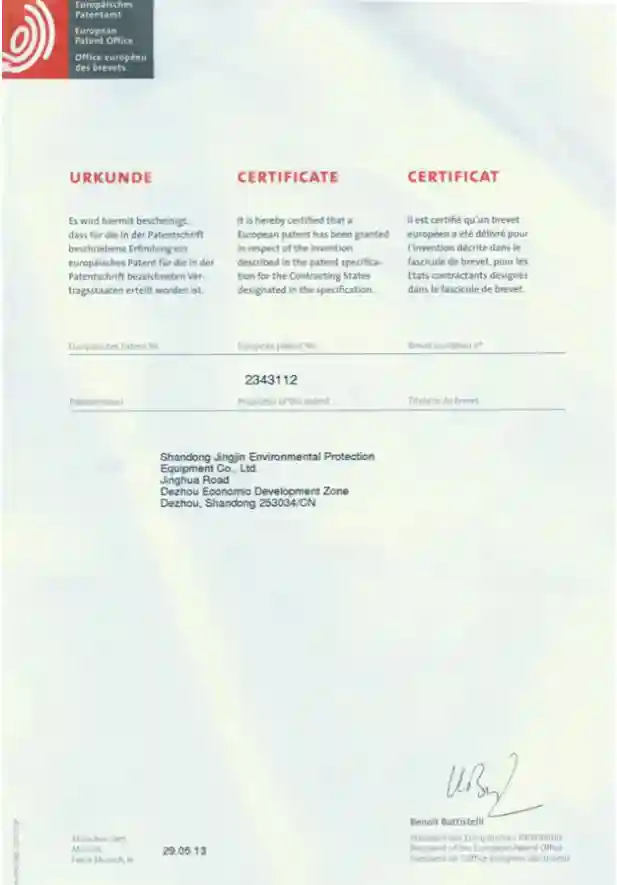
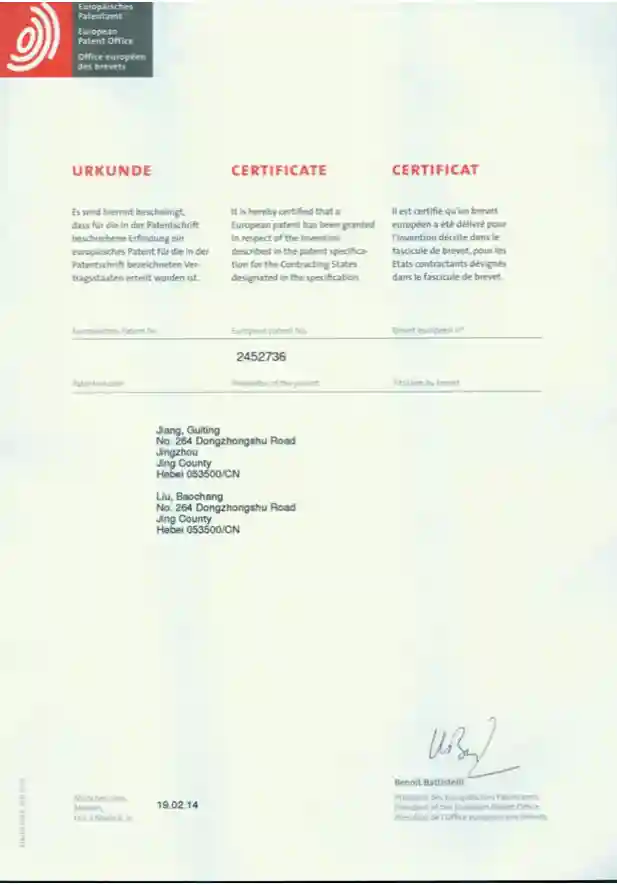
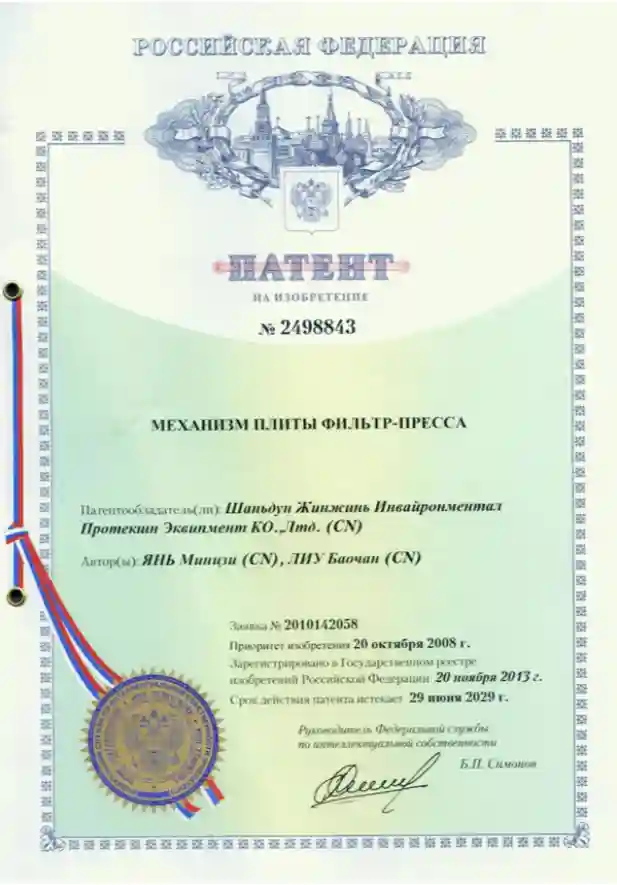
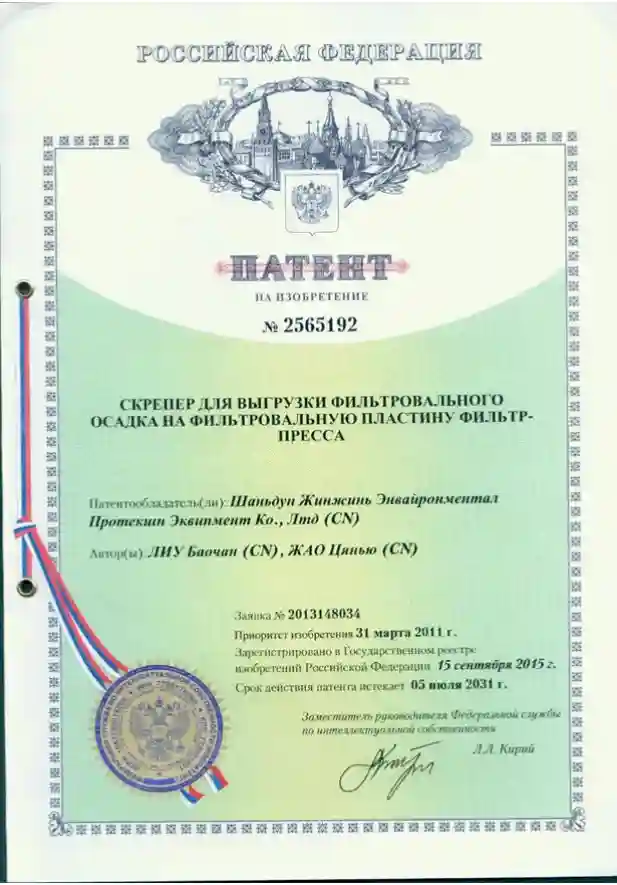
Our CE and ISO9001:2008 certifications show that we follow international quality standards, and our large patent collection shows that we are always coming up with new ways to improve filter technology. Custom voltage settings and advanced automatic features make it possible to easily connect to current chemical production systems.
Conclusion
For chemical industry uses, choosing a custom filter press means carefully thinking about the process needs, the equipment's abilities, and the supplier's support. To make the application go well, you need to know how filter works, carefully consider practical factors, and choose sellers who have experience in the chemical business. Jingjin Equipment is the best partner for chemical companies looking for solid separation technology because we offer complete solutions, high-quality manufacturing, and a global support network. Our dedication to new ideas, adaptation, and great customer service guarantees top performance in tough chemical processing settings.
FAQ
Q1: What factors determine whether to choose manual or automatic filter press operation?
Automatic filter press systems provide advantages in high-volume chemical applications where consistent cycle times and reduced labor costs justify higher capital investment. Manual systems suit lower-volume operations or applications requiring frequent process adjustments. Chemical facilities typically prefer automation for routine production while retaining manual capability for specialty products.
Q2: How often should filter cloths be replaced in chemical applications?
Filter cloth replacement intervals depend on slurry characteristics, operating pressure, and chemical compatibility. Typical replacement cycles range from 500-2000 filtration cycles, with corrosive applications requiring more frequent changes. Regular inspection for cloth degradation, reduced filtration rates, or increased cake moisture indicates replacement timing.
Q3: Can filter presses handle corrosive or hazardous chemical slurries safely?
Modern filter press systems accommodate corrosive materials through appropriate material selection and safety features. Stainless steel construction, chemical-resistant seals, and specialized coatings enable safe processing of hazardous slurries. Proper material compatibility evaluation during equipment selection ensures safe, reliable operation in demanding chemical applications.
Ready to Optimize Your Chemical Processing with Jingjin Filter Press Solutions
Chemical industry professionals seeking reliable separation technology can benefit from Jingjin's extensive expertise and proven track record. Our engineering team provides customized filtration solutions tailored to your specific process requirements, ensuring optimal performance and cost-effectiveness. Contact our specialists today for expert consultation and competitive quotations on filter press systems designed for chemical industry excellence. Email us at [email protected] to explore how our filter press manufacturer capabilities can enhance your production efficiency and operational reliability.
References
1. Chen, J. and Wang, L. "Advanced Filter Press Technology for Chemical Industry Applications." Chemical Engineering Progress, vol. 118, no. 3, 2022, pp. 45-52.
2. Rodriguez, M. "Optimization Strategies for Solid-Liquid Separation in Chemical Manufacturing." Industrial Filtration and Separation Technology, vol. 29, no. 7, 2023, pp. 112-128.
3. Thompson, R.K. "Equipment Selection Criteria for Chemical Process Filtration Systems." Chemical Plant and Equipment, vol. 41, no. 2, 2023, pp. 78-85.
4. Kumar, S. and Patel, A. "Maintenance Best Practices for Filter Press Systems in Corrosive Environments." Chemical Engineering Maintenance, vol. 15, no. 4, 2022, pp. 203-218.
5. Williams, D.J. "Economic Analysis of Filter Press Technologies in Chemical Manufacturing." Process Economics International, vol. 34, no. 8, 2023, pp. 156-171.
6. Zhang, H. "Environmental Benefits of Modern Filter Press Systems in Chemical Industry." Clean Technology and Environmental Engineering, vol. 12, no. 6, 2022, pp. 89-96.
jingjin
Founded in 1988, Jingjin specializes in filter presses and liquid-solid separation solutions, serving over 130 countries worldwide, and is a standard-setter in China's filter press industry.
Get the Filter Press guide
Enter Your Email for Technical assistance for the Filter Press.
Recommended Blog
What Materials Are Used to Make Filter Press Cloths? A Comprehensive Guide
Where to Buy Industrial Filter Press Cloth: Top Suppliers and Tips

Dewatering Press Machines for Middle East Desalination Plants
Best Filter Cloth for Sludge Dewatering: Features and Buying Guide
China Filter Press Supply Chain from Coastal Industrial Parks