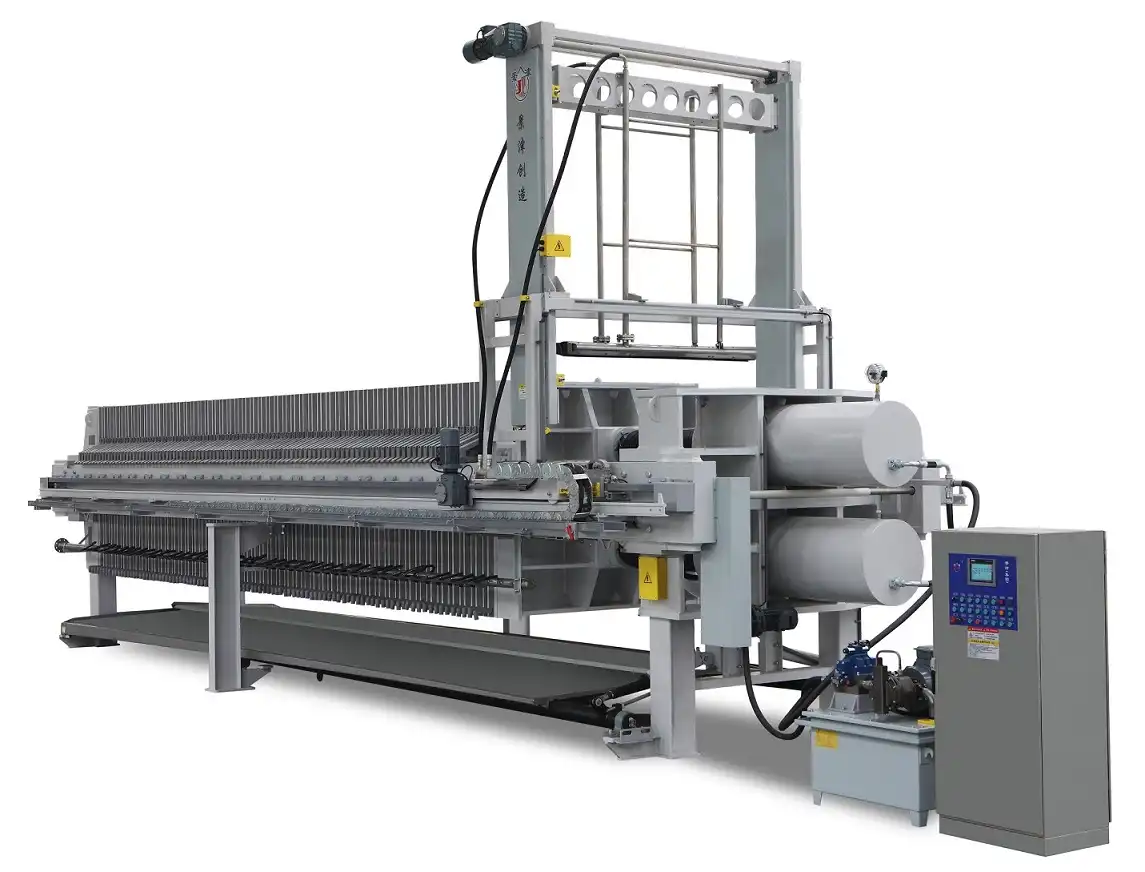
Industrial Sludge Types That Demand Different Filter Press Configurations
Understanding Different Industrial Sludge Types and Their Characteristics
- Understanding Different Industrial Sludge Types and Their Characteristics
- Filter Press Configurations Tailored to Industrial Sludge Types
- Selecting the Optimal Filter Press Configuration: Comparison and Decision Criteria
- Procuring the Right Sludge Filter Press: Brand, Supplier, and Transaction Guidance
- Conclusion
- FAQ
- Partner with Jingjin for Proven Sludge Dewatering Solutions
- References
Every business site that deals with garbage has to deal with a unique problem: each sludge stream is different. The sludge filter press you pick needs to be able to handle the properties of your sludge in order to get the best drainage, lower dumping costs, and stay in line with regulations. Picking the wrong setup loses money, causes more downtime, and leaves you with cakes that are too wet and don't meet environmental standards. This guide shows you the important connection between the type of sludge and the design of the filter press. This will make sure that your investment works well in real-life situations.
Understanding Different Industrial Sludge Types and Their Characteristics
The types of industrial sludge vary by industry. Each kind dewaters differently due to its physical and chemical properties. Knowing these variances helps process engineers and buy managers plan for filter issues and pick equipment that will perform effectively under changing feed circumstances.
Municipal Wastewater Sludge
Municipal treatment plants produce biological sludge. Compressible, gel-like, and rich in organic content. Solids range from 1% to 4% before thickening. Extracellular polymeric compounds retain water, making mechanical drainage difficult without polymer conditioning. Particles are generally fewer than 100 microns; therefore, filter cloths with tight weaves prevent blinding and maintain cake form.
Mining and Mineral Processing Tailings
Mining creates tailings slurries. They comprise rough mineral particles of various densities and shapes. Solids can reach 30%–50% in thicker meals. Because silica, alumina, and metals are present, robust, non-rusting construction materials are needed. Because the particle sizes span from large sands to extremely fine clays, the cake has trouble passing through and needs high-pressure systems to overcome capillary resistance in the last squeezes.
Chemical and Pharmaceutical Sludge
Sludges from chemical production contain colors, dyes, resins, and reaction byproducts. High-density, solvent-containing compounds can be dangerous. Process type greatly affects solids percentage. The challenge is cleaning the filter cloth without clogging it and washing it sufficiently to remove any leftover chemicals. Filter plates must be manufactured of stronger polyethylene that won't corrode and can tolerate 2–12 pH substances.
Food Processing and Beverage Industry Waste
Food and beverage plants produce high-fat, oil, protein, and carb organic sludges. These recyclable materials degrade fast, making scent control difficult. The solids concentration is normally 2%–6%. The sticky texture and microscopic particle suspension of sludge make separation difficult without suitable conditions. Hygiene standards require equipment with stainless steel contact surfaces and self-washing.
When procurement professionals and engineers know how these variables impact filtering, they can anticipate performance issues. This ensures that filter presses can manage fluctuations and keep cakes dry in challenging settings. Sludge characteristics and equipment selection affect operational costs. If the two are mismatched, too much polymer is utilized, cycle durations are long, and equipment wears out rapidly.
Filter Press Configurations Tailored to Industrial Sludge Types
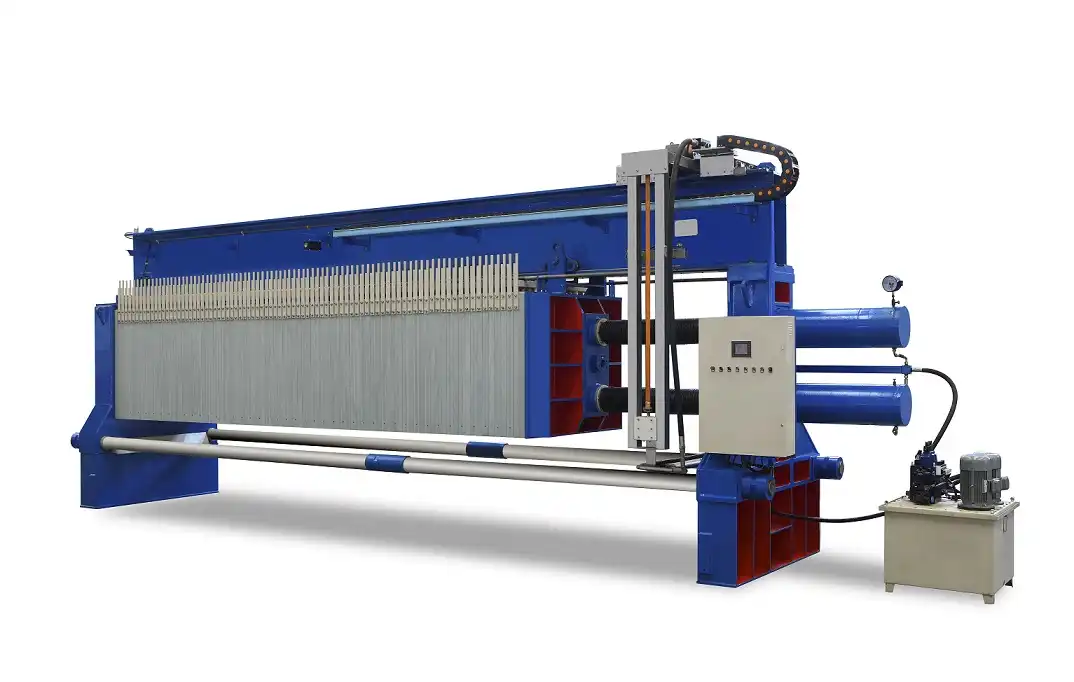
The design of the sludge filter press has a big effect on how well it removes water, how much energy it uses, and how often it needs to be maintained. Modern filter press technology has a number of different designs, each of which is best for a different set of operating problems and sludge features.
Plate and Frame Filter Presses
Cake-forming voids are created by switching filter plates and hollow frames in plate and frame designs. This setup is ideal for thick cakes and extensive washing. It's ideal for chemical sludges with precious particles or harmful residues that need many washings. When working with sticky or binding materials, the open chamber permits visual inspection and easier hand cleaning. The cake width may reach 30 mm to 50 mm per chamber, reducing batch operation cycles and labor costs.
Recessed Plate Chamber Presses
Recessed plate designs employ fewer plates than plate-and-frame kinds because they embed the space into the plate surface. This arrangement is ideal for high-volume wastewater usage in cities and enterprises that need minimum maintenance. The streamlined design simplifies automatic laundry and reduces leaky sealing regions. Chamber levels are commonly 30–50 mm, balancing cake thickness and filtering area effectiveness.
Membrane Filter Presses
Flexible membranes are bonded to hollow plates in membrane filter presses for a second squeezing phase following cake formation. The membrane pushes out cake moisture when inflated with water or compressed air at up to 16 bar pressure. This reduces end moisture by 5–10% compared to ordinary presses. This setup is needed for mining waste and industrial sludges since cake moisture influences transport costs. It gives mineral concentrates 50%–70% dry solids and biological sludges 25%–35%. The membrane squeeze cycle enables you to wash the cake with minimum water loss, which helps pharmacies recover precious precipitates.
Automatic versus Manual Operation
Based on operation size and worker count, automatic or manual filter presses are chosen. Manual press operators must access plates, remove cakes, and restart the press each cycle. These systems are excellent for low-volume specialized usage with changeable feed characteristics. Hydraulic plate shifting, pre-programmed cleaning procedures, and cake release by vibration or air blowback are features of automated presses. This reduces labor expenses and allows the machine to run alone on off-shifts. PLC-integrated controllers monitor pressure profiles, filtrate clarity, and cycle time. Data is logged for process optimization and regulatory reporting. Automatic systems are worth the extra money in areas that treat over 100 cubic meters of sludge daily.
This book helps B2B buyers and engineers match sludge with the optimum filter press technology for optimal performance and cost-effectiveness in a variety of industries using real-world examples.
Selecting the Optimal Filter Press Configuration: Comparison and Decision Criteria
When picking the right dewatering equipment, you need to think about how well it works technically, how much energy it uses, how much money it makes, and any operating limits that are unique to your building and the sludge.
Filter Press versus Centrifuge and Belt Press
Before choosing equipment, it's important to know how the qualities of the sludge affect how well the sorting technology works. Filter presses are better at drying cakes than centrifuges and belt filter presses. This is especially helpful when the cost of dumping is higher than the cost of shipping or when the cake still has some moisture in it that makes it hard to handle later on. Centrifuges work best when they are run continuously with feeds that are low in solids, but they use more material and energy per tonne of dry solids. Belt presses have average performance and lower capital costs, but they need skilled workers and make cakes with more water than membrane filter presses can handle (30–40% dry solids vs. 20% to 25%).
The choice depends on certain practical needs. When mining companies have to move dewatered tailings over long distances, they like to use filter presses to reduce the weight of the hauling. Centrifuges are more expensive to run, but municipal plants with limited room and constant feed streams may choose them. Chemical companies that want to recover valuable solids focus on filter press designs that allow for multi-stage countercurrent washing that can't be done with continuous equipment.
Capacity and Cycle Time Optimization
To find the right size filter press, you have to figure out the filtering area by using the sludge feed rate, solids content, and desired cycle time. Usually, a membrane filter press can go through rounds of filling, filtering, membrane squeeze, and cake release in two to four hours. To figure out how much filtration area is needed, empirical data from trial tests or maker performance charts that link the type of sludge to the specific cake resistance are used. Variable-frequency drives on feed pumps, automatic pressure profiles to prevent blinding, and heat recovery from hydraulic systems are all parts of designs that use less energy.
New best practices for the sludge filter press include checking the turbidity of the filtrate in real time to get the best polymer doses, automating plate-opening sequences that are timed to cake moisture sensors, and using predictive maintenance algorithms to look at pressure curves and find cloth blinding before it affects production. These technologies increase output by 10 to 15 percent while lowering polymer use and making cloth last longer.
Procurement Considerations
Filter presses have initial capital costs that run from $150,000 for small manual units to over $2 million for large automatic membrane systems that handle cakes and condition the air at the same time. The level of difficulty of installation depends on the infrastructure of the site. Fully loaded equipment weighing 50 to 200 tonnes needs strengthened foundations and extra systems for hydraulic power, compressed air, and process control integration.
Maintenance includes replacing the filter cloth every 12 to 24 months, based on how rough the sludge is, servicing the hydraulic seals, and checking the plates every so often for cracks or bending. Because replacement parts are so specialised and long periods of downtime can have a big effect on operations, suppliers must be reliable. When choosing a maker, it's important to look at their installed base, spare parts inventory, field service reaction times, and expert support skills. This will help your business succeed in the long run and allow you to charge more for better products than cheaper ones that don't have as much support.
Procuring the Right Sludge Filter Press: Brand, Supplier, and Transaction Guidance
To buy sludge filter presses effectively, you need to compare global names and suppliers based on their dependability, product range, and service skills that match your short-term and long-term support needs.
Leading Manufacturers and Technology Providers
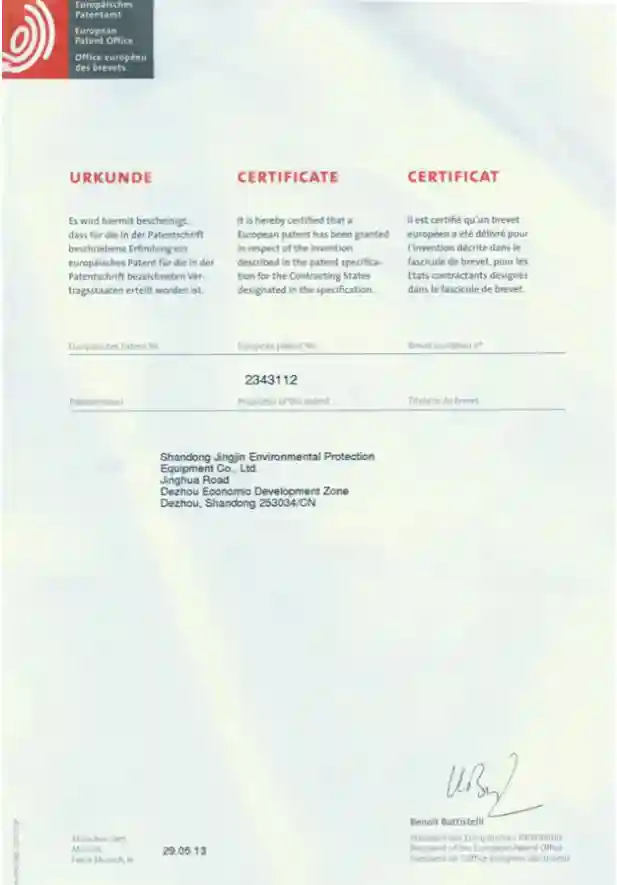
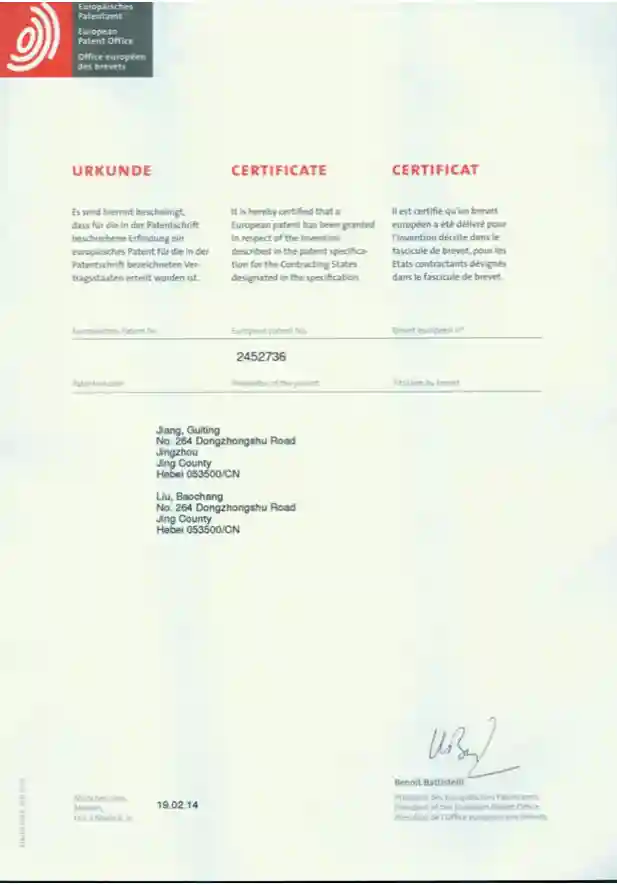
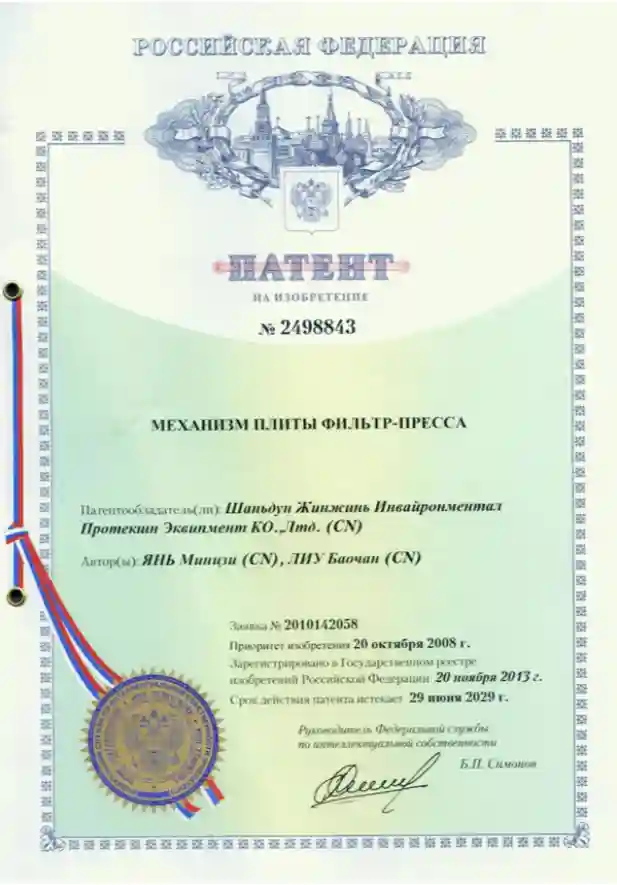
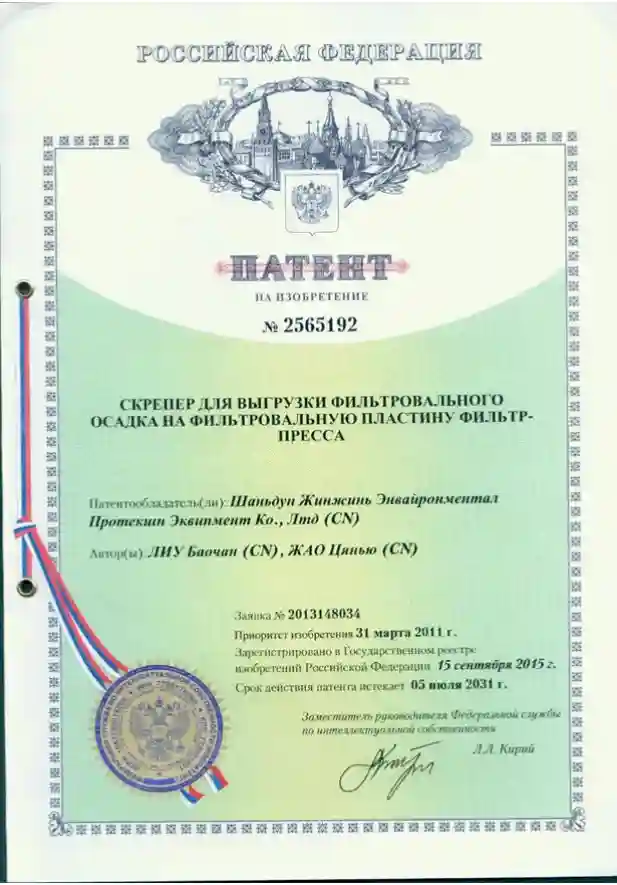
Since its founding in 1988, Jingjin Equipment Inc. has been one of the world's top makers of filter press systems, with customers in 123 countries and more than 136 patents protecting its own technologies. The company's main selling points are its unique membrane designs, its ability to make thousands of units every year, its full product line that includes filter plates, cloths, and automation controls, and its global service network that helps placements all over the world. The engineering team at Jingjin creates unique solutions for difficult problems in mining, chemical processing, and treating wastewater in cities. These solutions are backed by detailed paperwork and expert support for the entire lifecycle of the equipment.
Other well-known names include European ones that are known for precise engineering and high prices, as well as local companies that offer cheaper options with different levels of technical skill and support after the sale. When evaluating providers, you need to look at their installed base in your business, read case studies that show how well they've done in similar situations, and make sure they can provide spare parts and field service within acceptable response times.
Price Benchmarking and Procurement Options
In 2024, the prices of new filter presses will depend on the type of equipment, the amount of automation, and how the maker positions itself. For 50m² to 150m² of filtration space, manual chamber presses with simple settings cost between $150,000 and $400,000. Large setups that process 500 to 2,000 cubic meters of water every day cost between $500,000 and $2,000,000 for automated membrane systems with PLC controls and built-in extra equipment. The length of the lead time depends on how customised the product needs to be and how much work is already in the production queue.
People who want to save money may look into markets for used or rebuilt tools, where depreciation cuts the cost of buying by 40% to 60%. This choice works for test projects or short-term increases in capacity, but it needs to be carefully inspected mechanically, and the remaining service life of wear parts must be confirmed. Specialised equipment lease companies offer rental programs that give you options while you figure out if a project is worth pursuing or when demand changes with the seasons. The monthly rates are usually between 2% and 3% of the value of the equipment itself.
Installation, Warranty, and After-Sales Support
Installation costs are an extra 15% to 25% of the equipment's purchase price. They cover preparing the base, rigging and placement, plumbing and electrical integration, and expert help from the maker during commissioning. Full warranties cover flaws in materials and workmanship for 12 to 24 months, and you can get longer coverage for important parts like hydraulic cylinders and control systems.
Quality of after-sales help for the sludge filter press has a direct effect on how well an operation does in the long run. Leading sellers keep trained techs working in regional service centers, keep important spare parts in stock so they can be sent out right away, and offer online diagnostic support through safe internet connections to equipment PLCs. Annual service contracts that include regular maintenance visits, priority parts delivery, and 24-hour emergency response help make sure that the system is always up and running. They also support long-term investments with premium suppliers instead of just looking for the lowest initial purchase price.
Conclusion
If you don't match the configuration of your filter press to the properties of your sludge, your dewatering investment may not work as well as expected or may become a source of constant operating dissatisfaction. To get the desired dryness, municipal biological sludge needs to be squeezed through a membrane, while sharp mine tailings need strong construction and the ability to handle high pressure. For chemical sludges, you need materials that don't rust and good washing systems. For food processing wastes, you need forms that are easy to clean quickly. Understanding these connections, along with careful supplier evaluation and lifecycle cost analysis, will help your facility separate solids and liquids more efficiently, lower disposal costs, meet environmental compliance goals, and get value back from waste streams that were once seen as liabilities.
FAQ
Q1: What filter press configuration works best for high-clay municipal sludge?
Municipal sludge with a lot of clay, small particles, and a gel-like appearance needs membrane filter presses to get rid of enough water. The second part of squeezing forces out capillary-bound wetness that regular chamber presses can't get rid of. Before filtering, it's important to prepare the polymers correctly. To neutralise negative surface charges and allow flocs to form, cationic polymers are usually added at a rate of 4 to 8 kg per tonne of dry solids. With 12 to 16 bar of membrane squeeze pressure, the cake can be dry to the target level of 22% to 28% dry solids.
Q2: How often should filter cloths be replaced in abrasive mining applications?
In mine tailings dewatering, filter cloth usually lasts between 6 and 18 months, but this depends on how sharp the particles are, how much pressure is used, and how well it is maintained. Automated high-pressure washing after each run keeps particles from getting embedded, which greatly increases the service life. By keeping an eye on the cleanliness of the filtrate and the changes in cycle time, you can tell when the cloth is breaking down before it fails completely. Keeping extra cloth on hand and training staff to replace it quickly reduces the amount of downtime that happens during changeovers.
Q3: Can automatic filter presses handle variable feed conditions from batch chemical processes?
Modern automatic filter presses with PLC controls can handle different feed conditions by having cycle sequences that can be programmed and monitoring the process in real time. Using pressure monitors and flow meters, adaptive control methods can change the rates of filling, the time of filtration, and the timing of the squeeze based on how fast the cake is forming instead of set times. Because of this, automated systems can be used for batch chemical operations even if the feed isn't always the same, as long as they are properly integrated with upstream preparation systems that make sure the polymer dose is always the same compared to the solids loading.
Partner with Jingjin for Proven Sludge Dewatering Solutions
To solve the specific drainage problems at your plant, you need equipment that is built to last and has been used in factories for decades. When you work with Jingjin Equipment Inc., they can make filter press options that are perfect for your sludge, output size, and operational needs. Our engineering team uses their more than 35 years of experience and 136 patented technologies to create systems that make cakes as dry as possible, keep disposal costs as low as possible, and make sure they follow all the rules in municipal, mining, chemical, and food processing settings. As a top sludge filter press maker that serves 123 countries, we offer full help, including system design, installation supervision, operator training, and ongoing technical support. Get in touch with our experts at [email protected] to talk about your drainage needs and get full performance specs that are perfect for your situation.
References
1. Vesilind, P. A. (2003). Wastewater Treatment Plant Design. Water Environment Federation Manual of Practice No. 8. Alexandria, VA: Water Environment Federation.
2. Wakeman, R. J., & Tarleton, E. S. (2005). Solid/Liquid Separation: Principles of Industrial Filtration. Oxford: Elsevier Advanced Technology.
3. Sutherland, K. (2008). Filters and Filtration Handbook (5th ed.). Oxford: Butterworth-Heinemann.
4. Tiller, F. M., & Kwon, J. H. (1998). Role of porosity in filtration: XIII. Behavior of highly compactible cakes. AIChE Journal, 44(10), 2159-2167.
5. Cheremisinoff, N. P. (1998). Liquid Filtration (2nd ed.). Boston: Butterworth-Heinemann Series in Chemical Engineering.
6. Svarovsky, L. (2000). Solid-Liquid Separation (4th ed.). Oxford: Butterworth-Heinemann.
jingjin
Founded in 1988, Jingjin specializes in filter presses and liquid-solid separation solutions, serving over 130 countries worldwide, and is a standard-setter in China's filter press industry.
Get the Filter Press guide
Enter Your Email for Technical assistance for the Filter Press.
Recommended Blog
How to Choose the Best Dewatering Press Machine Capacity for Your Business Needs
Essential Maintenance Tips for Press Filters in Industrial Plants
High Efficiency Jingjin Filter Press Applications in Chemical Manufacturing
Cutting Sludge Disposal Volume by 60% With the Right Filter Press Setup
What Materials Are Used to Make Filter Press Cloths? A Comprehensive Guide