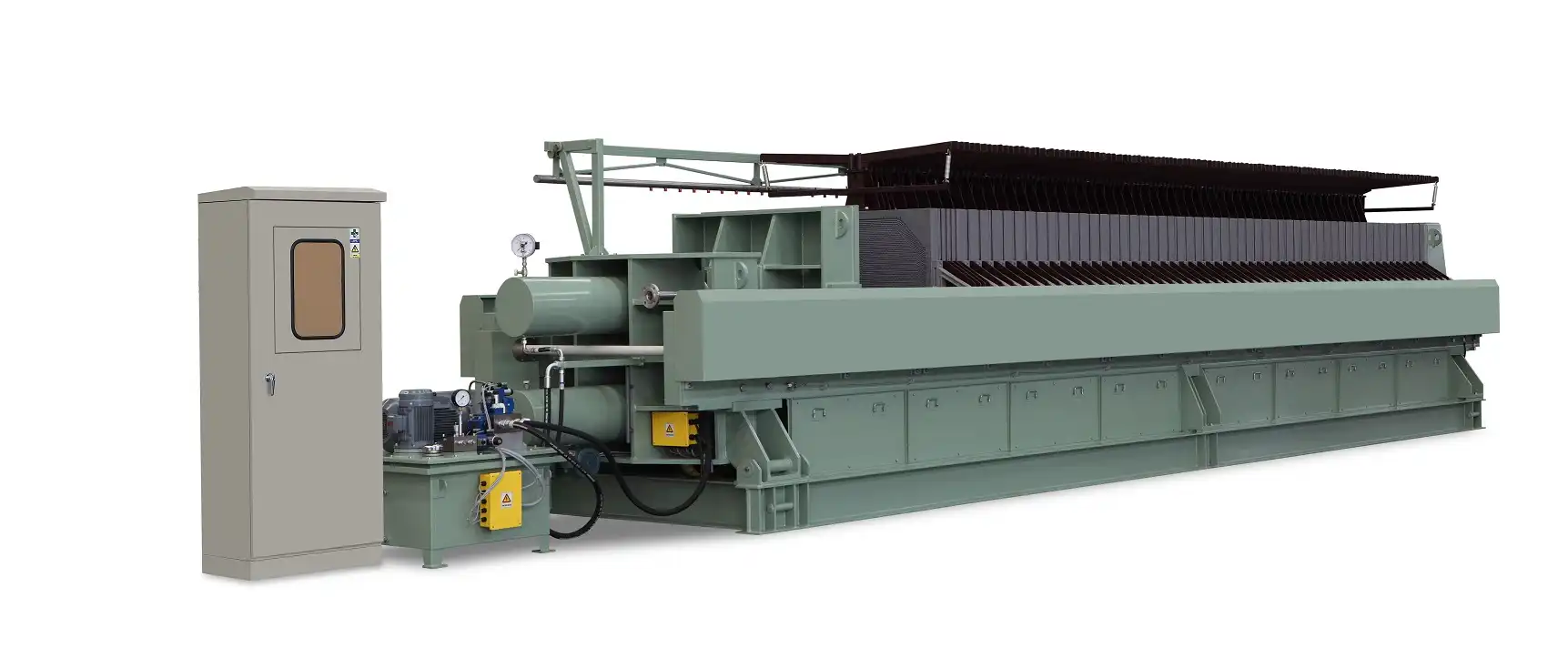
Membrane Plate Filter Press for Industrial Filtration
Understanding Membrane Plate Filter Press Technology
- Understanding Membrane Plate Filter Press Technology
- Advantages and Applications of Membrane Plate Filter Presses
- Comparing Membrane Plate Filter Press with Other Filter Press Types
- How to Choose and Procure the Right Membrane Plate Filter Press?
- Maintenance Tips and Ensuring Long-Term Performance
- Conclusion
- FAQ
- Partner with Jingjin for Your Industrial Filtration Needs
- References
For optimal solid-liquid separation efficiency in difficult industrial conditions, the membrane plate filter press is revolutionary. This innovative filtration technology reduces filter cake moisture, cycle times, and operational costs, solving process engineers' and plant managers' biggest problems in wastewater treatment, mining, chemical manufacturing, and pharmaceuticals. Understanding how this technology works and why it outperforms traditional systems may help procurement teams make sound investment decisions that boost compliance and profitability.
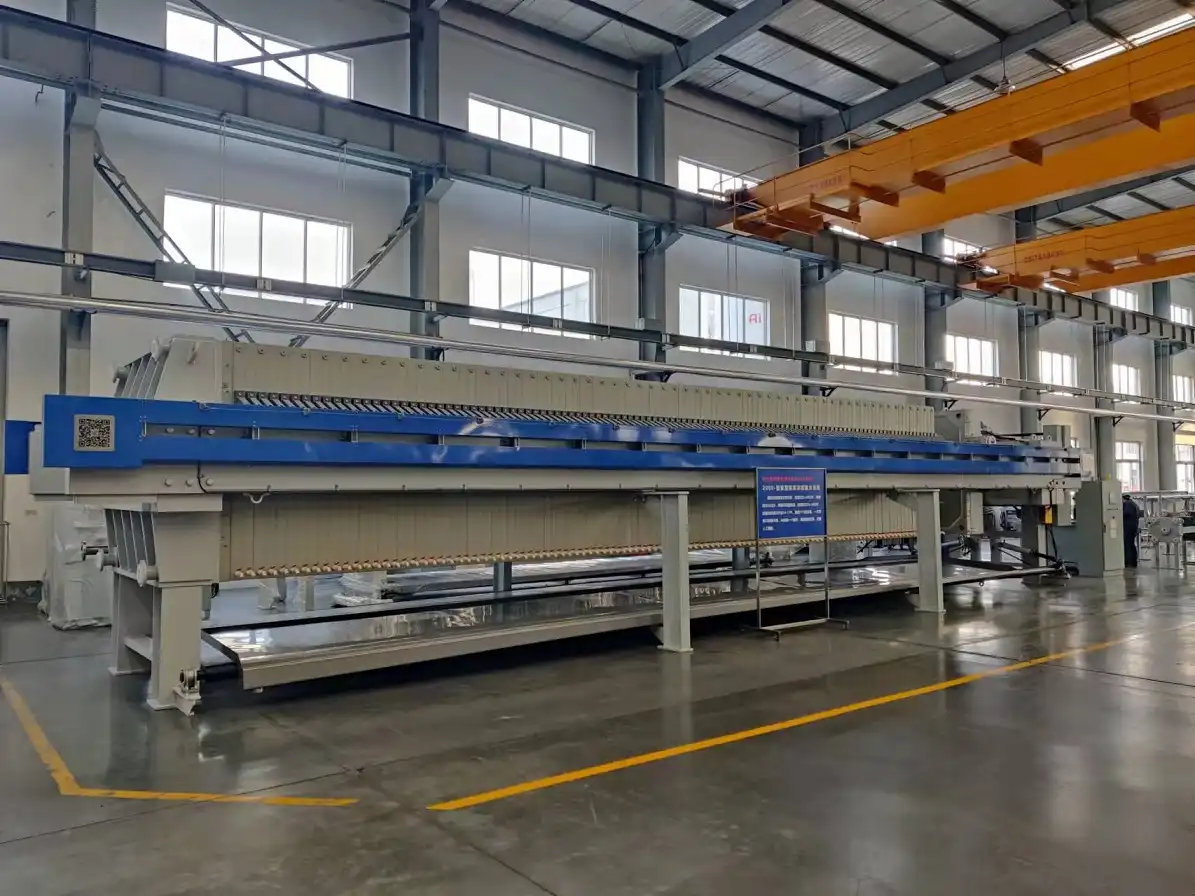
Understanding Membrane Plate Filter Press Technology
How Membrane Plates Differ from Standard Chamber Plates
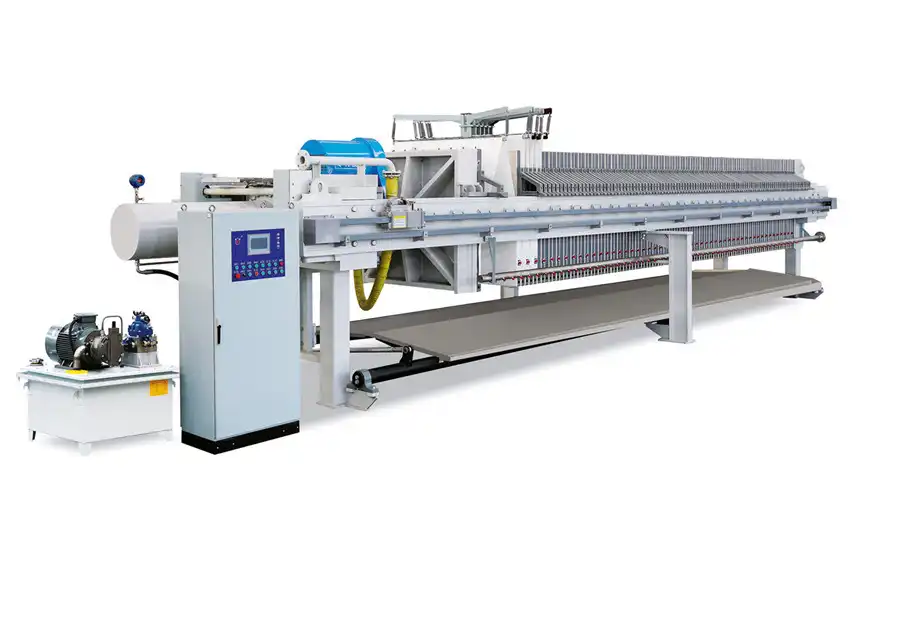
Jingjin has seen membrane plate design revolutionise batch pressure filtering. Traditional recessed chamber presses condense particles using feed pump pressure only. Membrane plates have a thermoplastic elastomer or reinforced polypropylene diaphragm glued to the plate surface. This elastic membrane offers a dual-action filtration process that traditional systems cannot match.
Slurry enters filter chambers between plates during operation. Filtration via the filter cloth collects solids. At full chambers, the feed pump stops. Compressed air or water inflates the membranes beneath the filter cloth, compressing the filter cake. This secondary compression process removes interstitial moisture from the cake structure, lowering moisture content by 10-20% compared to chamber presses.
The Step-by-Step Filtration Process
The cycle has efficient stages. The hydraulic system seals the plate pack initially. As filtrate drains through cloth and plates, the feed pump fills chambers with slurry at 6-15 bar. Automatic pressure sensors detect chamber capacity due to a resistance increase.
At 16-30 bar, the inflating medium enters the membranes to begin the squeeze phase. Mechanical compression lowers chamber capacity, driving cake matrix liquid out. Duration varies with the subject but is usually 5-15 minutes. The technique may wash away soluble contaminants after compression, with the expanded membranes distributing flow evenly throughout the cake surface. Dry cakes discharge neatly when membranes collapse, and plates separate automatically.
Modern Design Innovations Enhancing Performance
Modern membrane filter press systems use programmable logic controllers to automate the whole process and ensure repeatability. Jingjin's innovative plate designs avoid fabric blinding and sustain flow rates throughout long campaigns with strengthened drainage channels. In harsh chemical conditions, corrosion-resistant polypropylene compositions and stainless steel contact surfaces prolong service life.
Advanced safety interlocks keep membranes pressurised and plates closed, safeguarding workers from excessive pressure. Real-time monitoring shows cycle metrics, helping operators optimise performance and spot abnormalities before they cause costly downtime. Remote diagnostics let engineering teams fix problems and alter control parameters without site visits, saving time and money.
Advantages and Applications of Membrane Plate Filter Presses
Industrial activities using the membrane plate filter press boost performance in numerous ways. These advantages boost financial returns and operational robustness, making the initial investment advantageous for long-term value facilities.
This equipment's main real-world benefits:
Excellent Cake Dryness: Membrane squeeze produces 10-20% less moisture than chamber presses. Municipal wastewater plants processing activated sludge reduce cake moisture from 75% to 55-60%, halving disposal quantities. This moisture decrease reduces shipping costs, increases landfill capacity, and allows composting and thermal treatment that need drier feedstock.
Reduced Cycle Times: Eliminating inefficient tapering boosts throughput. Dewatering copper or zinc concentrates speeds up cycles by 30-40%, boosting daily tonnage without a footprint. More frequent batch rotation improves asset utilisation and production flexibility during high-demand periods in pigment and dyestuff chemical facilities.
Washing Efficiency: Squeezing optimises cake permeability for washing. Pharmaceutical companies recovering active compounds obtain 95%+ purity with 25-30% less wash water than traditional presses. Uniform compression ensures solvents and contaminants flush entirely rather than channelling through favoured pathways.
By finishing feed pumping earlier, membrane systems use less electricity per tonne processed. Aggregate washing processes save 15-20% energy and reduce carbon footprint, which is significant as North American environmental restrictions tighten.
These advantages vary by application, but all boost ROI. Payback times for wastewater treatment plants facing escalating sludge disposal tipping prices are under three years. Mining businesses in water-scarce areas recover process water better, lowering freshwater intake and regulatory risk. Chemical producers with high-quality standards reduce product loss and fulfil discharge permits.
Real-world examples show these benefits. A Midwest municipal plant switched from chamber presses to Jingjin membrane systems and saved $180,000 in sludge disposal while enhancing regulatory compliance. A Nevada gold mine raised tailings dry enough for dry stacking, avoiding the requirement for a new tailings pond and permitting delays. A speciality chemical facility reduced batch durations from 4.5 to 2.8 hours, adding a weekly production shift without capital expansion.
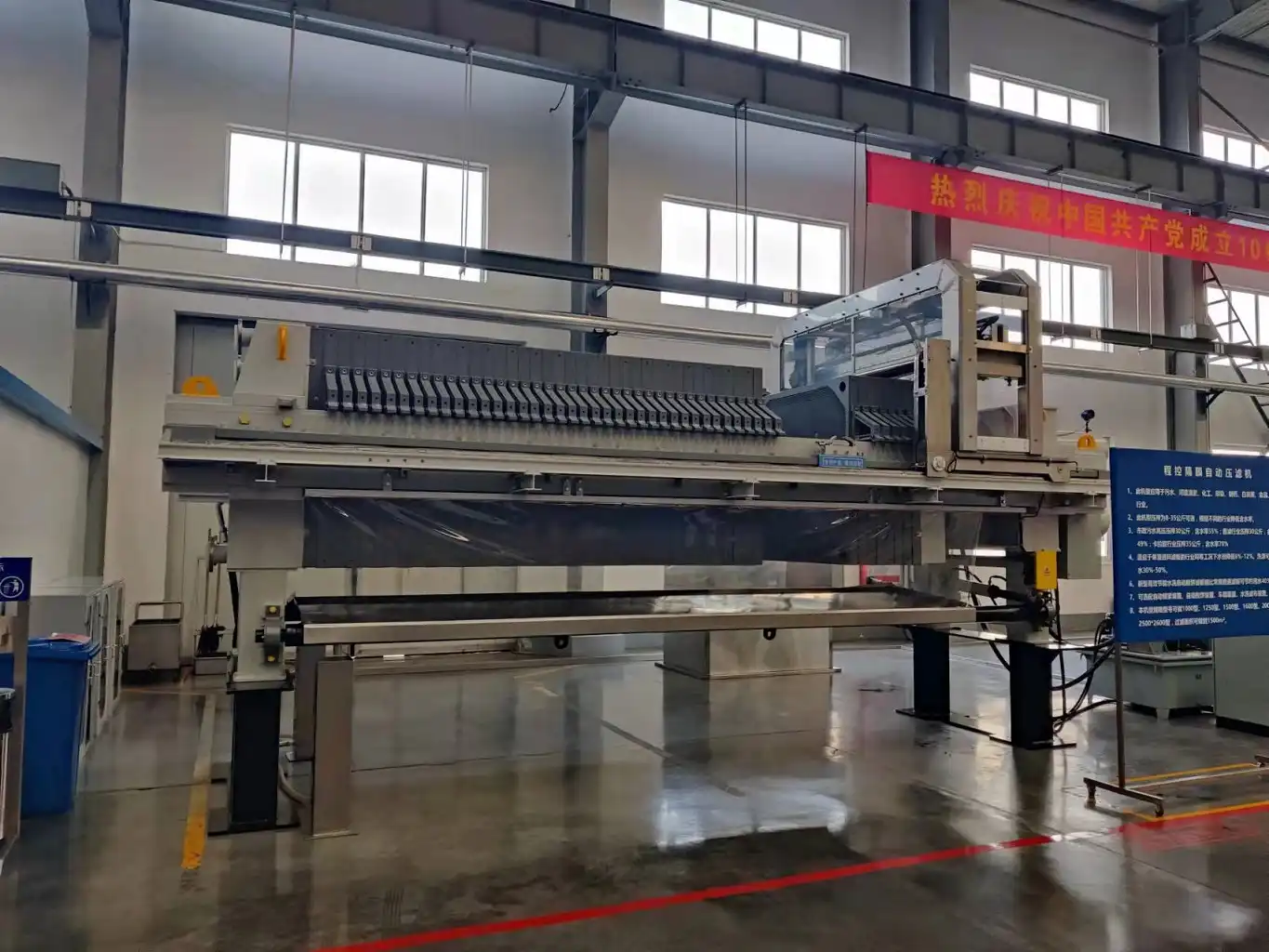
Comparing Membrane Plate Filter Press with Other Filter Press Types
Filtration Quality and Cycle Time Differences
Understanding performance distinctions helps procurement teams align equipment capabilities with process requirements. Recessed chamber presses represent the baseline technology, relying entirely on feed pressure to build cake density. They produce cakes with 60-75% moisture and require 3-6-hour cycles for difficult materials. Chamber presses suit applications where moisture content is less critical or disposal costs remain low.
Membrane systems achieve 45-60% moisture and complete cycles in 2-4 hours for identical feeds. The 20-40% time advantage increases plant capacity proportionally. Projects facing space constraints or needing higher throughput without facility expansion find membrane technology particularly compelling. The quality improvement matters greatly where downstream processes demand drier feedstock or disposal regulations specify maximum moisture thresholds.
Energy Consumption and Durability Considerations
Chamber presses consume more energy per ton because feed pumps run longer to achieve the final density. Membrane systems shift work to the squeeze phase, using pneumatic or hydraulic power more efficiently. Over a 10-year service life, energy savings offset much of the premium cost associated with membrane plates.
Durability comparisons favour membrane designs when properly maintained. High-quality membranes from established manufacturers like Jingjin typically withstand 3,000-8,000 cycles before replacement becomes necessary. Plate frames and hydraulic components last 15-20 years with routine maintenance. Chamber presses exhibit similar structural longevity but may require more frequent cloth replacement due to longer filtration times, which can accelerate wear.
Total Cost of Ownership Analysis
Evaluating true ownership costs requires examining capital expense, operating costs, and lifecycle maintenance. Membrane systems command 25-35% higher initial purchase prices than equivalently sized chamber presses. Operating cost savings—from reduced energy, lower disposal volumes, and faster cycles—typically recover this premium within 2-4 years for high-throughput operations.
Maintenance demands for the membrane plate filter press remain comparable, with membrane inspection and replacement representing the primary additional task. Facilities running continuous operations benefit most from membrane technology's faster cycles and higher cake quality, while intermittent users may find chamber presses adequate. Procurement managers should model scenarios using actual operating hours, disposal costs, and energy rates to identify the optimal choice for their specific situation.
How to Choose and Procure the Right Membrane Plate Filter Press?
Defining Essential Technical Criteria
Selecting appropriate equipment begins with quantifying process requirements precisely. Calculate the required filtration area based on solids loading, desired cycle time, and feed characteristics. Determine target cake moisture based on disposal requirements or downstream processing needs. Assess available footprint and overhead clearance, as automatic plate shifters require vertical space.
Chemical compatibility matters significantly. Slurries containing acids, solvents, or oxidising agents demand corrosion-resistant materials such as stainless steel frames or specialised elastomers. Temperature limitations of standard polypropylene membranes restrict applications to 70-80°C, while specialised compounds extend capability to 100°C. Abrasive materials like mining slurries require reinforced membranes and wear-resistant cloth to achieve acceptable service life.
Evaluating Manufacturers and Suppliers
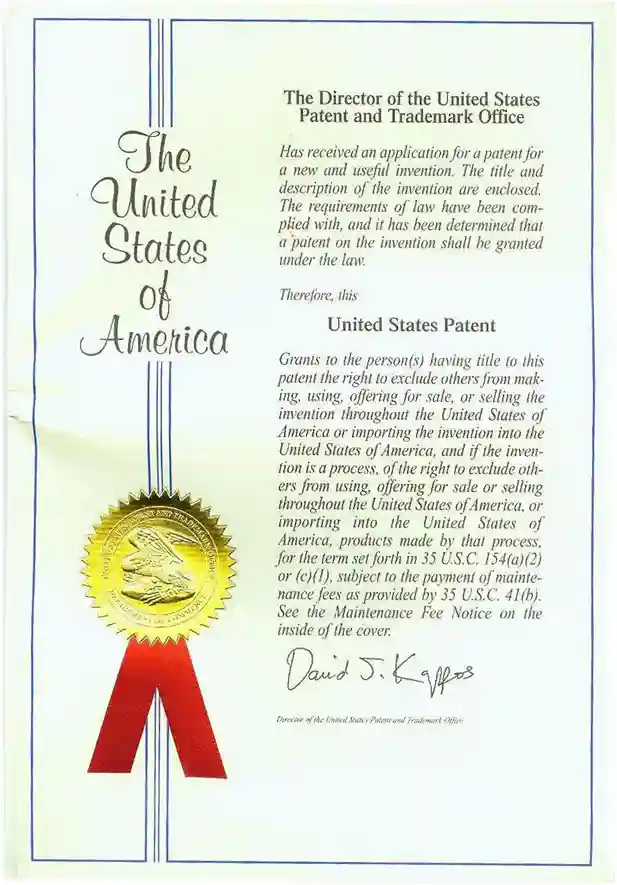
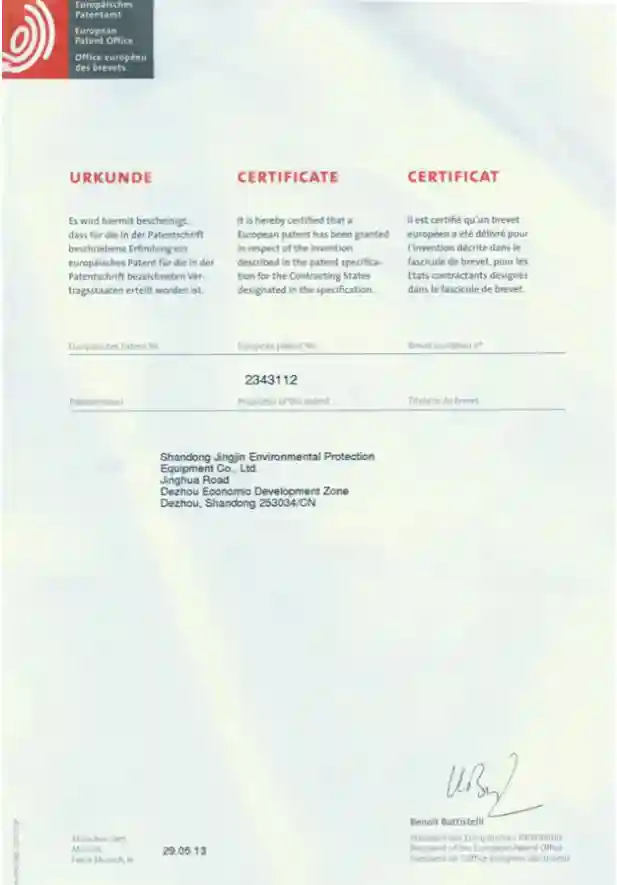
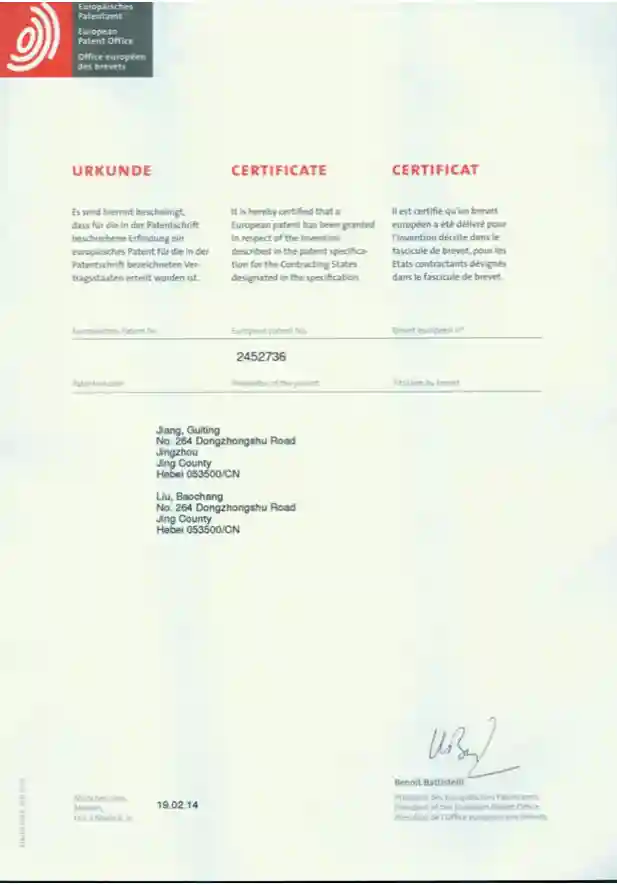
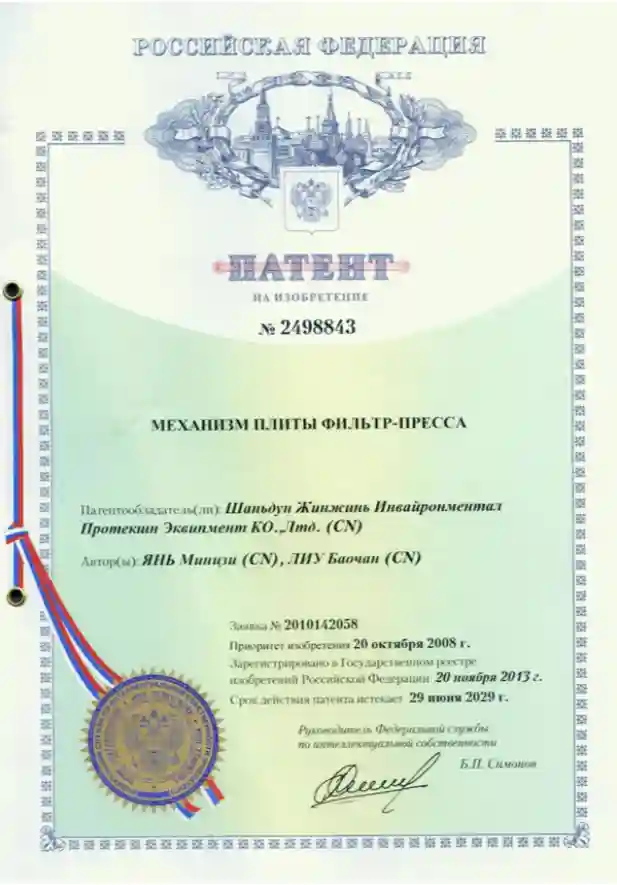
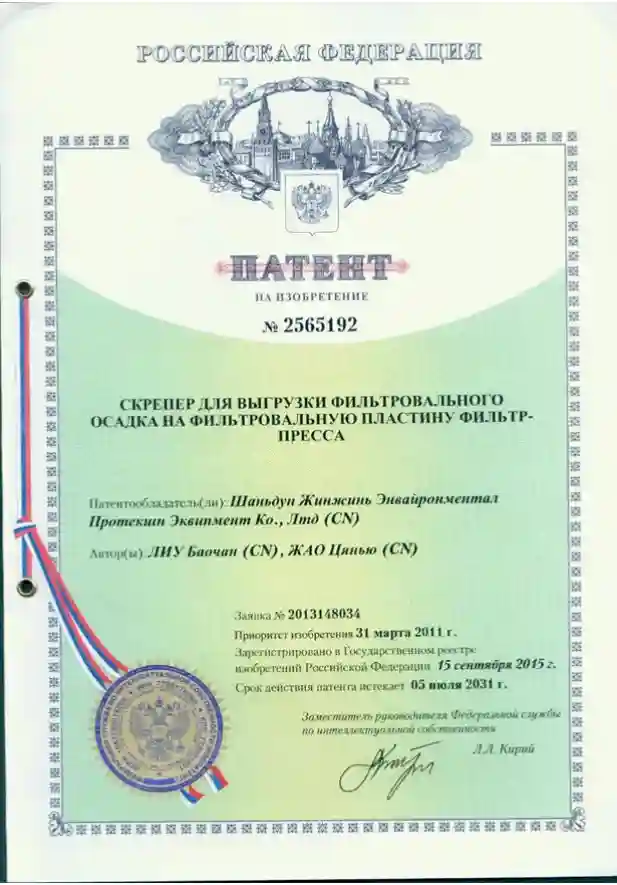
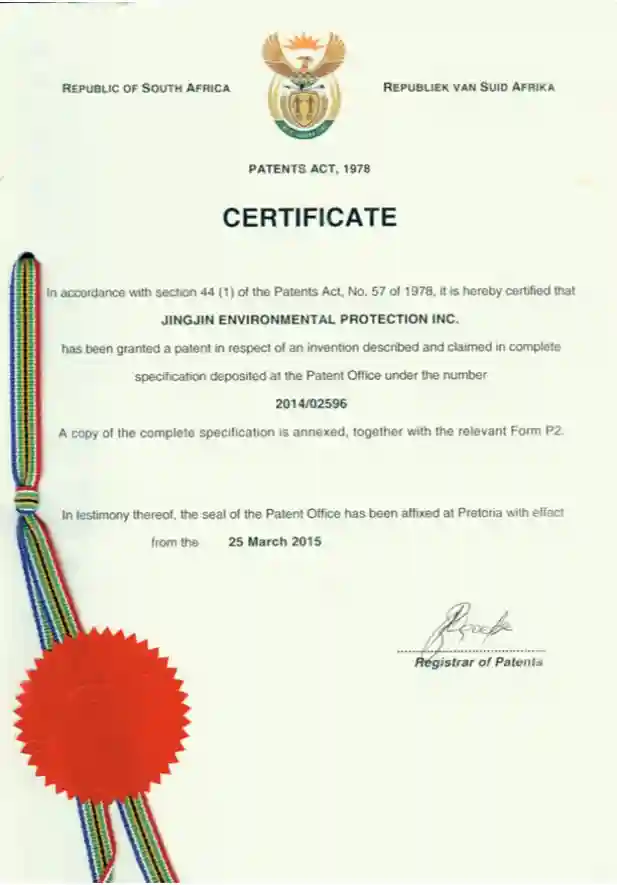
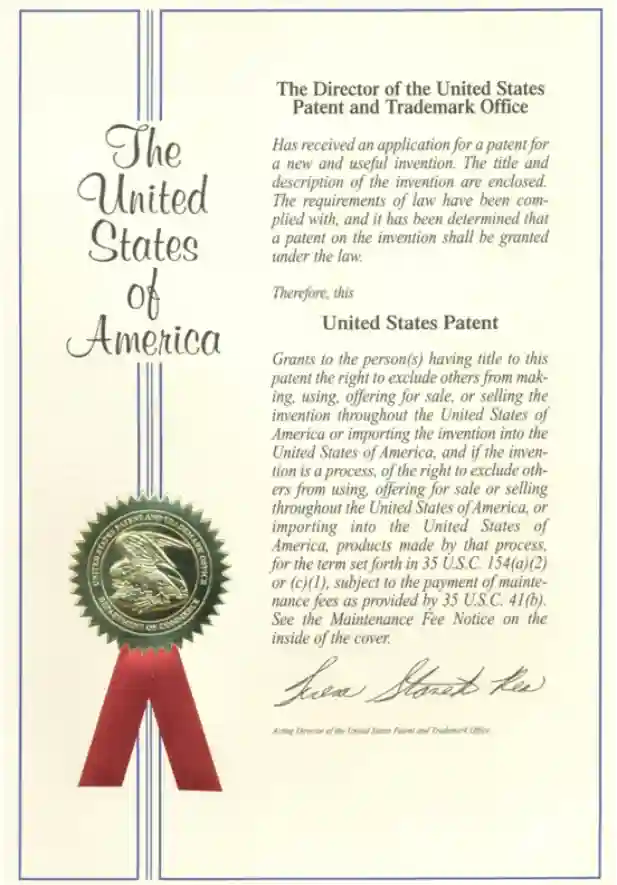
Market-leading manufacturers distinguish themselves through proven technology, comprehensive support, and customisation capabilities. Jingjin Equipment, founded in 1988, operates one of the world's largest filter press manufacturing facilities, producing systems for clients in 123 countries. With over 136 patents covering plate designs, membrane materials, and automation systems, Jingjin delivers innovation backed by decades of field experience.
Warranty terms signal manufacturer confidence in equipment reliability. Industry-standard coverage spans 12-18 months, with extended programs available for critical applications. After-sales support infrastructure—including spare parts availability, field service responsiveness, and technical assistance—proves essential for maintaining uptime. Manufacturers maintaining North American service centres and inventory reduce lead times for consumables like membranes and filter cloths.
Customisation capabilities allow suppliers to tailor systems for unique process challenges. Jingjin's engineering team collaborates with clients to specify plate sizes, materials, automation levels, and ancillary equipment like cake conveyors or wash water systems. This consultative approach ensures that delivered equipment integrates smoothly into existing operations rather than forcing process compromises.
Practical Procurement Considerations
Pricing for industrial membrane filter presses varies widely based on capacity and specification. Systems processing 50-100 cubic feet typically range from $150,000-$300,000, while large mining installations exceed $1 million. Requesting detailed quotations from multiple qualified membrane plate filter press suppliers enables meaningful cost comparison while clarifying included scope, such as installation support, operator training, and startup services.
Lead times during 2024 average 16-24 weeks for standard configurations, with custom designs requiring 24-32 weeks. Supply chain conditions affecting steel, electronics, and membrane materials can extend schedules, making early engagement critical for project timelines. Some suppliers offer rental programs for temporary projects or equipment trials, allowing operations to validate performance before capital commitment.
Maintenance Tips and Ensuring Long-Term Performance
Routine Cleaning and Inspection Best Practices
Establishing disciplined maintenance routines maximises equipment lifespan and preserves filtration efficiency. Daily inspection of membrane inflation pressure, hydraulic pressure, and cycle times identifies performance degradation early. Weekly cloth rinsing prevents blinding and maintains permeability, particularly with sticky or fine particles. Monthly examination of membranes for cuts, swelling, or delamination catches damage before catastrophic failure occurs during operation.
Quarterly frame inspections verify structural integrity and proper plate alignment. Misalignment causes uneven compression and leaking, damaging membranes and reducing cake quality. Annual overhauls should include hydraulic cylinder rebuilding, valve servicing, and electrical component testing. Implementing a computerised maintenance management system tracks component history and schedules preventive tasks, reducing unexpected failures.
Troubleshooting Common Issues
The squeeze phase leaks usually imply membrane deterioration, misaligned plates, or worn sealing surfaces. If you can pinpoint the leak, you can replace membranes, modify plate guides, or resurface sealing regions. Insufficient squeezing pressure or air blow-down causes incomplete cake discharge. Increasing inflation or blow-down duration typically fixes it.
Poor cake quality despite proper operation in a membrane plate filter press suggests feed variability or chemical incompatibility. Adjusting flocculant dosing, modifying feed concentration, or changing filtration aids often restores performance. Slow cycle times may indicate a blinded cloth requiring cleaning or replacement, or undersized equipment for actual solids loading. Consulting with equipment suppliers like Jingjin provides expert troubleshooting support when internal efforts prove insufficient.
Proactive Parts Replacement and Training
Maintaining spare parts inventories minimises downtime when components fail. PLC modules, membranes, filter cloths, and hydraulic seals are essential spares. Vendor-managed inventory agreements assure parts availability and reduce stock capital. Negotiating blanket purchase orders secures pricing and supply in constrained markets.
Operator training greatly improves equipment performance and lifetime. Startup/shutdown, cycle optimisation, periodic maintenance, and safety are included in extensive training. Skilled operators see abnormalities early, preventing significant repairs. Refresher courses every 18-24 months update abilities as staff change.
Conclusion
Membrane plate filter press technology is a proven dewatering solution for industrial applications that need dependability, efficiency, and cost. The membrane squeeze mechanism produces drier cakes, faster cycles, and better washing performance than standard chamber presses, reducing waste costs, improving throughput, and improving regulatory compliance. Selecting the proper system needs a thorough examination of process requirements, manufacturing capabilities, and overall ownership costs. Jingjin's experience, patented breakthroughs, and worldwide support infrastructure make us a trusted partner for municipal wastewater, mining, chemical processing, and pharmaceutical manufacturing enterprises seeking long-term filtering success.
FAQ
Q1: What types of slurries work best with membrane plate technology?
Membrane systems excel with slurries, producing compressible filter cakes that retain significant interstitial moisture after initial filtration. Municipal biosolids, mineral concentrates, chemical precipitates, and pharmaceutical intermediates benefit most from the secondary squeeze. Highly incompressible materials like coarse sand may not justify the added complexity, as chamber presses achieve similar results.
Q2: How does membrane inflation pressure affect filtration efficiency?
Higher squeeze pressures expel more moisture but risk membrane damage and excessive cake compression that impedes washing. Optimal pressures typically range from 16 to 25 bar, determined through testing with actual process materials. Automated control systems adjust pressure based on material characteristics and cycle phase, maximising efficiency while protecting equipment.
Q3: What factors influence lead times when ordering equipment?
Customisation level, manufacturing capacity utilisation, and component availability drive delivery schedules. Standard configurations ship faster than engineered systems requiring custom plate sizes or specialised materials. Engaging suppliers early in project planning and providing detailed specifications accelerates engineering and procurement, helping meet project milestones reliably.
Partner with Jingjin for Your Industrial Filtration Needs
Achieving optimal solid-liquid separation in your facility requires equipment engineered for reliability, efficiency, and long service life. Jingjin Equipment brings over 35 years of filtration expertise, with advanced membrane plate filter press systems deployed successfully across municipal wastewater treatment, mining operations, chemical plants, and pharmaceutical facilities worldwide. Our comprehensive product ecosystem includes filter plates, specialised cloths, automation systems, and genuine replacement parts—all supported by responsive technical service and applications engineering.
Whether you're upgrading ageing equipment, expanding capacity, or developing a new facility, Jingjin's team collaborates closely to specify systems matching your exact process requirements and budget parameters. As a leading membrane plate filter press manufacturer, we deliver customised solutions backed by proven technology and reliable support. Contact our filtration specialists at [email protected] to discuss your application and request a detailed quotation that addresses your unique separation challenges with confidence.
References
1. Wakeman, R.J. & Tarleton, E.S. (2005). Solid/Liquid Separation: Principles of Industrial Filtration. Elsevier Advanced Technology.
2. Purchas, D.B. & Sutherland, K. (2002). Handbook of Filter Media (2nd Edition). Elsevier Science & Technology.
3. Svarovsky, L. (2000). Solid-Liquid Separation (4th Edition). Butterworth-Heinemann.
4. Tiller, F.M. & Hsyung, N.B. (1993). "Unifying the Theory of Thickening, Filtration, and Centrifugation." Water Science and Technology, 28(1): 1-9.
5. Cheremisinoff, N.P. (1998). Liquid Filtration (2nd Edition). Butterworth-Heinemann Engineering.
6. Rushton, A., Ward, A.S., & Holdich, R.G. (1996). Solid-Liquid Filtration and Separation Technology. VCH Publishers.
jingjin
Founded in 1988, Jingjin specializes in filter presses and liquid-solid separation solutions, serving over 130 countries worldwide, and is a standard-setter in China's filter press industry.
Get the Filter Press guide
Enter Your Email for Technical assistance for the Filter Press.
Recommended Blog
Chemical Filtration Solutions: Using Press Filter Machines for Optimal Results
Automated Filter Press Systems: Revolutionizing Industrial Filtration Processes
Essential Maintenance Tips for Press Filters in Industrial Plants
Essential Maintenance Tips to Prolong the Life of Your Press Filter Machine
China Sludge Dewatering Factories for Turkey Wastewater Projects
Top Durable Filter Press Plates for Food Processing: Materials and Benefits