How to Maintain a Feed Pump in Filter Press Systems for Longevity and Reliability
How to Maintain a Feed Pump in Filter Press Systems for Longevity and Reliability
Understanding Filter Press Feed Pumps and Their Maintenance Needs
- Understanding Filter Press Feed Pumps and Their Maintenance Needs
- Step-by-Step Guide to Maintaining Filter Press Feed Pumps
- Best Practices for Installation and Setup to Ensure Optimal Pump Performance
- Comparing Maintenance Approaches: Manual vs. Automated Systems
- Troubleshooting and Resolving Common Filter Press Feed Pump Problems
- Conclusion
- FAQ
- Partner with Jingjin for Reliable Filter Press Feed Pump Solutions
- References
Maintaining a filter press feed pump appropriately decides whether your dewatering process functions smoothly or breaks down expensively. These specialized pumps must offer high flow rates during chamber filling and switch to low flow with high discharge pressure when resistance rises. Proper lubrication, cleaning, and seal, impeller, and bearing checks enhance pump life and decrease unexpected downtime. Pressure delivery and cake formation are optimized across every filtration cycle by choosing the correct maintenance plan for your slurry, whether abrasive mining tailings or corrosive chemical feeds.
Understanding Filter Press Feed Pumps and Their Maintenance Needs
Solid-liquid separation systems depend on feed pumps to convey slurry into filter chambers and provide pressure for dense, dry cakes. These pumps adjust dynamically during the filtering cycle, unlike fixed-duty pumps.
Types of Feed Pumps Used in Filtration
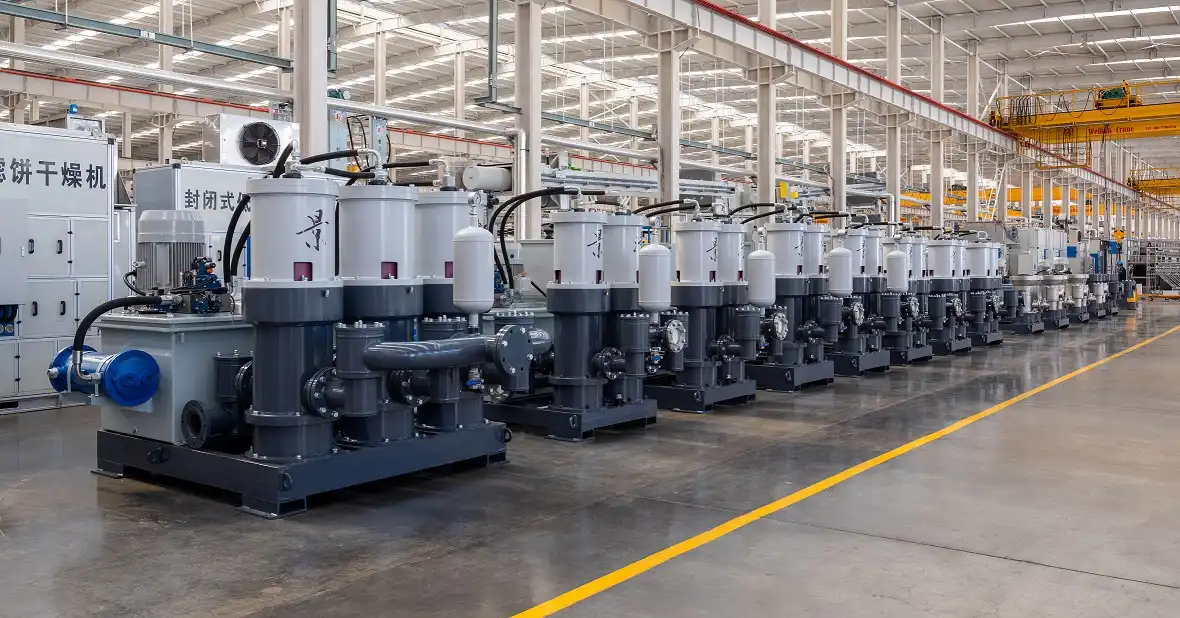
Some industrial applications require particular pump arrangements. Variable frequency drives allow piston diaphragm pumps to adjust pressure precisely, making them perfect for cake-moisture management. For pharmaceutical and food manufacturing shear-sensitive slurries, progressive cavity pumps distribute steadily without pulsation. Centrifugal pumps work well for fast-filling but lack 8-30 bar pressure for thorough dewatering. Air-operated double diaphragm pumps simplify smaller tasks but use more energy due to compressed air.
Why Maintenance Directly Impacts Your Bottom Line?
Maintenance directly affects profits. Neglected pumps cause operational chaos. Worn impellers diminish pressure, leaving cakes wet and raising disposal expenses. Slurry leaks from seal failures pose safety and environmental risks. Bearing wear causes shaft misalignment and vibration that affects pipework and instruments. In municipal wastewater plants, preventive maintenance decreases unexpected downtime by 60-75%, lowering treatment costs per ton of sludge.
Common Failure Modes and Their Root Causes
Abrasive slurries with sand, mining tailings, or metal particles wear impellers and casing liners faster. Uneven bearing loads degrade component life from years to months in misaligned installations. Operating without prescribed lubrication intervals causes bearing seizures and pump replacement. Corrosive slurries and seal materials are chemically incompatible, causing gasket failure and expensive emergency repairs.
Step-by-Step Guide to Maintaining Filter Press Feed Pumps
Structured maintenance standards turn reactive repairs into predictable service schedules, helping procurement managers budget and operations teams plan shutdown interventions.
Establishing Inspection Intervals and Parameters
Daily visual examinations should guarantee no exterior seal or gland packing leaks. Discharge pressure and flow rate are monitored weekly to detect performance decline before failure. Monthly portable sensor vibration analysis identifies bearing wear and shaft imbalance. Quarterly teardown inspections analyze impeller clearances and identify erosion patterns that suggest operational difficulties beyond normal wear. Temperature monitoring warns of lubrication issues. Bearing housings above 15°C over manufacturer standards indicate poor lubrication or contamination. Impeller damage or internal recirculation is indicated by discharge pressure changes above 10%.
Cleaning and Lubrication Best Practices
Slurry accumulation on impeller vanes causes imbalance and hydraulic inefficiency. Flushing systems with clean water after batching avoids hardened deposits. To prevent chamber solidification, cement slurries and chemical precipitate pumps must be flushed immediately after operation. Operating circumstances determine bearing lubrication. Continuous mining applications require grease addition every 500 hours; intermittent wastewater service increases this to 1,000 hours. Over-greasing damages seals and increases friction like under-greasing. Modern filter press feed pumps with single-point lubrication simplify and provide constant application.
Identifying and Replacing Wear Components
Impellers wear more in abrasive service. Blade thickness and vane tip clearance determine replacement time. Replace impellers before clearances reach manufacturing limitations to avoid efficiency loss and shaft damage. In tailings applications, high-chromium alloy impellers last longer, whereas 316L stainless steel resists corrosion. Replace mechanical seals when the leakage exceeds typical weeping or seal faces reveal scoring during examination. Double mechanical seals with barrier fluid systems survive longer but require reservoir and fluid monitoring. OEM-certified parts guarantee dimensional correctness and material compatibility more than generic parts.
Best Practices for Installation and Setup to Ensure Optimal Pump Performance
Proper installation ensures years of steady service. Commissioning shortcuts cause maintenance issues.
Foundation and Alignment Requirements
Pump foundations must be rigid and not vibrate buildings. Equipment mounting requires fully cured concrete pads. Baseplate and foundation gaps are grouted to prevent movement during operation. For linked systems, pump-motor shaft alignment must be within 0.05 mm. Misalignment breaks bearings and shafts regardless of maintenance.
Selecting Pumps Matched to Your Process
Slurry properties determine pump choice. Solid concentrations exceeding 30% by weight prefer piston diaphragms over centrifugals. Mining applications handling quartz-bearing slurries require strong iron or ceramic components. Thickening sludges demand bigger pump displacement volumes to reach goal flow rates. Pressure depends on filter press feed pump design and cake dryness. Municipal sludge dewatering uses 6-10 bar, whereas coal preparation factories need 15-20 bar for optimal moisture removal. Motor efficiency ratings and hydraulic design optimization help choose energy-efficient pumps that balance capital cost and lifetime operating costs.
Energy Efficiency and Sustainability Considerations
Variable frequency drive integration matches pump speed to process needs rather than restricting discharge flow, saving energy. Automation that adjusts pump output depending on chamber fullness helps cycle between filter presses. These systems use 20-40% less energy than constant-speed setups. Pumps with steep head-flow curves may handle filtering cycle pressure changes without complicated controls. Hydraulic characteristics lower capital expenditures and retain operating flexibility. Premium efficiency motors pay for themselves in 18–24 months by reducing electricity demand.
Comparing Maintenance Approaches: Manual vs. Automated Systems
Modern monitoring technology changes maintenance from calendar-based to condition-driven, yet manual methods are still useful.
When Manual Maintenance Strategies Work
Manual inspection techniques generally ensure dependability in smaller operations processing predictable slurries under steady settings, including the filter press feed pump. Single-shift facilities can plan off-hours inspections without affecting output. Operations teams with experienced technicians who notice small pump sound, vibration, or temperature changes generally find issues before the instrument's alarm. Small municipal plants and isolated mining locations may not have budgets for automated monitoring. Here, intensive manual inspection and comprehensive record-keeping offer sufficient dependability for the filter press feed pump. Limited by technician competence and human mistakes during busy moments.
Benefits of Automated Monitoring and Predictive Maintenance
Sensor networks measure pressure, temperature, vibration, and power usage for predictive maintenance. Scheduled repairs during planned shutdowns instead of emergency reactions are possible because algorithms predict issues weeks before breakdown. Integration with plant-wide control systems gives operations managers real-time equipment health dashboards. Using automated monitoring across twelve filter press feed pumps, a big chemical processing complex achieved exceptional results. Unplanned downtime reduced 73% in the first year. Maintenance labor expenses dropped 35% as technicians focused on real issues rather than needless checks. Stocking spare parts based on wear trends rather than general suggestions saved $180,000 annually. Preventing production losses paid for the system in nine months.
Troubleshooting and Resolving Common Filter Press Feed Pump Problems
Problem-solving reduces production disruption and additional harm from degraded equipment.
Diagnosing Performance Issues Through Symptoms
An unusual vibration pattern indicates a problem. Low-frequency vibration indicates impeller damage or imbalance, whereas high-frequency vibration indicates bearing failure. Directional vibration measurement identifies shaft, coupling, or foundation concerns. Changes in noise indicate interior circumstances. Grinding noises imply bearing failure or rotating-stationary contact. Cavitation causes crackling sounds due to poor suction or air entrainment. Heat above typical operating temperatures indicates lubrication failure, internal recirculation, or mechanical friction. Without pressure change, a flow rate drop implies impeller wear or an internal clearance rise. Pressure drop with normal flow signals discharge system or control valve issues. Both situations happening concurrently indicate severe internal damage necessitating an emergency shutdown.
Practical Solutions and Prevention Methods
Different therapies work for seal leaks depending on severity. Minor weeping may merely require gland manipulation or packing. Check the shaft sleeve quality and seal chamber dimensions before replacing seals for continuous leaking. Seal flush systems prevent slurry from entering seal faces, prolonging component life fivefold in abrasive conditions. Early detection of bearing issues allows in-place repair. Normal temperature is usually restored by adding lubrication and checking the cooling system performance. Advanced degradation necessitates bearing replacement and root cause analysis. Recurrence is prevented by checking alignment, lubrication, and contaminants.
Knowing When to Call for Professional Service
Experts should handle complex issues beyond in-house skills. Despite good maintenance, repeated failures suggest design or application flaws needing engineering examination. Shaft machining, precise balancing, and metallurgical failure analysis require expertise outside maintenance departments, such as for a filter press feed pump. OEM-certified service providers have factory training, specific tools, and engineering assistance that independent repair shops lack. Preemptive agreements with skilled service providers provide fast reactions to crises. Inexperienced facilities may rest easy with preventive maintenance contracts from experienced vendors.
Conclusion
The functionality and cost of filter press systems depend on the filter press feed pump's dependability. Structured maintenance with frequent inspections, lubrication, component replacement, and appropriate installation enhances equipment life and reduces emergency repairs. Pump types and maintenance demands help balance manual inspection techniques against automated monitoring investments. Pump maintenance preserves your filtering investment and maintains dewatering performance in abrasive mining slurries and corrosive chemical feeds. Engineering knowledge, OEM components, and service support from experienced equipment suppliers ensure dependable operations over years of rigorous service.
FAQ
1. How often should feed pumps be inspected?
Operating circumstances and pump type determine inspection frequency. Continuous mining requires weekly comprehensive inspections and daily operating checks for abrasive slurries. Monthly comprehensive inspections are usual for moderate-solids municipal wastewater applications. Piston pumps need more diaphragm checks than centrifugal ones. Inspection findings show tendencies that optimize schedules.
2. What distinguishes maintenance between different pump types?
Centrifugal pumps focus on bearing lubrication, impeller wear, and seal condition. Progressive cavity pumps measure rotor-stator wear and align drives. Piston diaphragm units need hydraulic fluid monitoring, diaphragm inspection, and valve seating checks. Each design has unique maintenance requirements that operators must understand.
3. Do automated systems eliminate manual maintenance?
Automatic monitoring improves manual maintenance. Though sensors detect problems, qualified technicians still make physical repairs. Automating maintenance time and prioritization reduces wasteful interventions and identifies key issues early. Technology and skilled workers are more reliable than either alone.
Partner with Jingjin for Reliable Filter Press Feed Pump Solutions
Jingjin Equipment Inc. solves solid-liquid separation problems with 35 years of filtering experience. Our product portfolio comprises unique filter press feed pumps for filter press applications in mining, wastewater treatment, chemical processing, and industry. Each pump uses modern materials and established hydraulic designs to withstand abrasive slurries and sustain pressure during filtration cycles.
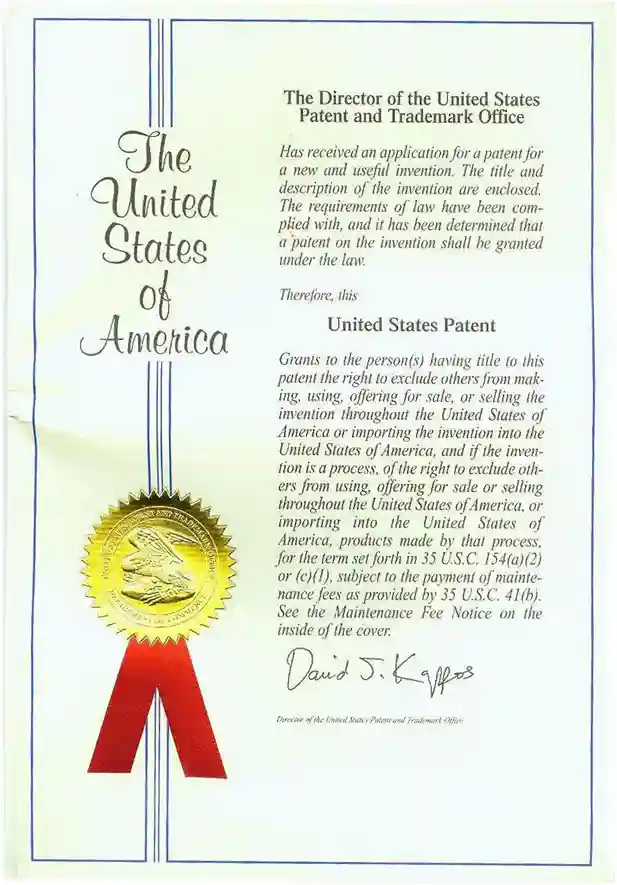
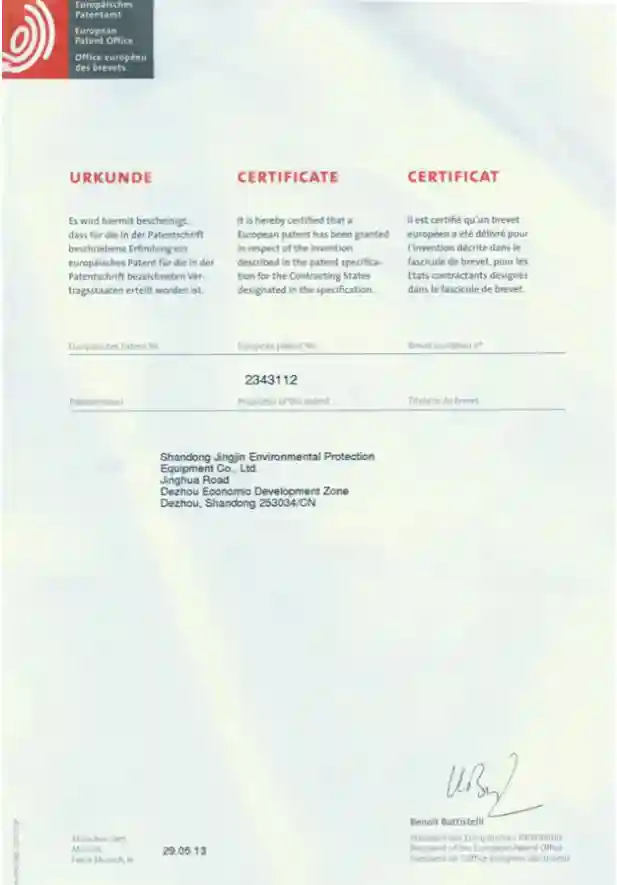
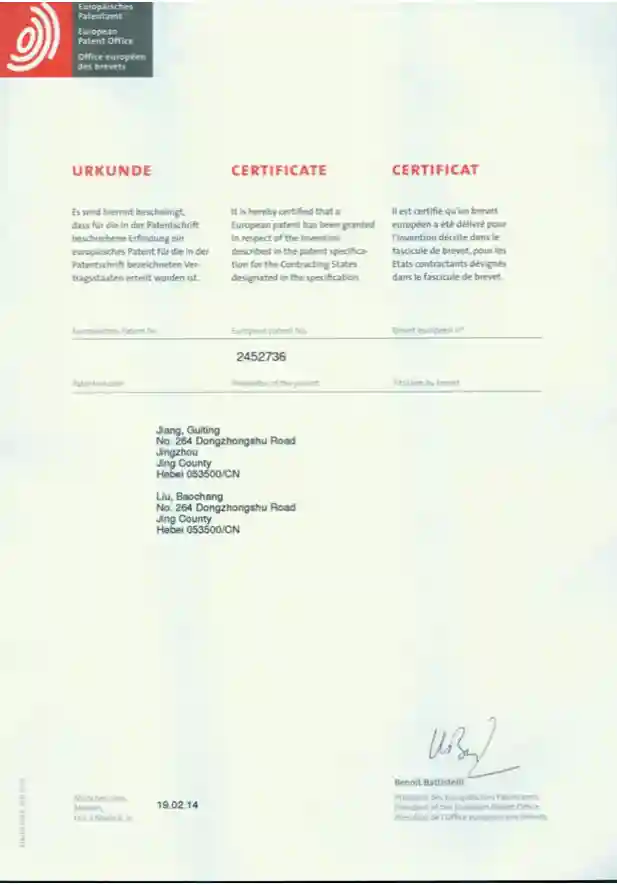
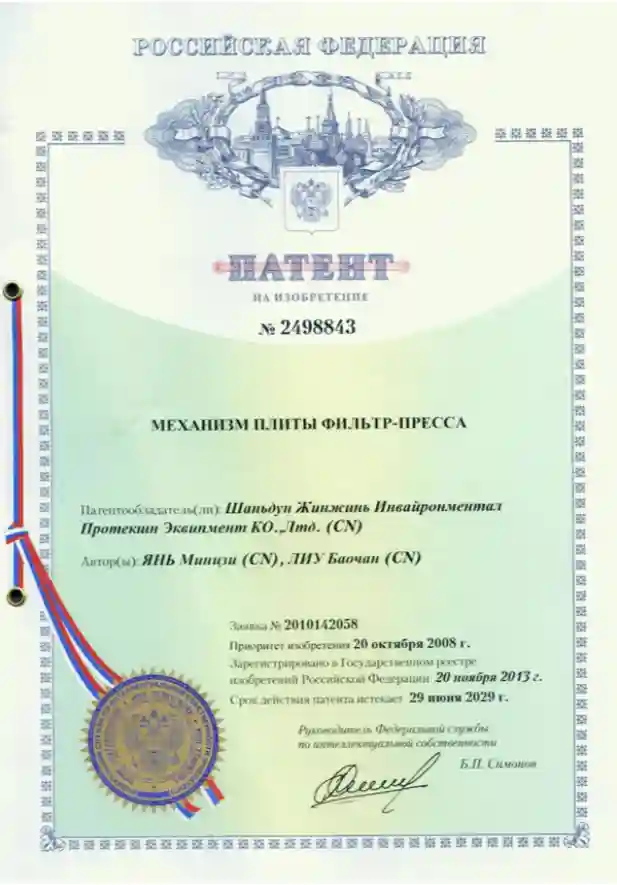
As a leading filter press feed pump manufacturer serving 123 countries, we know how important equipment reliability is to your operations. Our engineers advise on pump selection based on slurry properties, pressure, and operating limits. Jingjin has 136 patents and vast field expertise to meet worldwide industry needs for technological depth and production scale.
Discuss feed pump needs with our experts at [email protected]. We'll help you choose equipment and create maintenance practices to maximize uptime and save lifetime costs.
References
1. Rushton, A., Ward, A.S., and Holdich, R.G. (2000). Solid-Liquid Filtration and Separation Technology, 2nd edition. Weinheim: Wiley-VCH.
2. Svarovsky, L. (2001). Solid-Liquid Separation, 4th edition. Oxford: Butterworth-Heinemann.
3. Tarleton, E.S. and Wakeman, R.J. (2007). Solid/Liquid Separation: Equipment Selection and Process Design. Oxford: Elsevier Advanced Technology.
4. Hydraulic Institute and American National Standards Institute (2010). Centrifugal Pump Design and Application, ANSI/HI 9.6.3. Parsippany, NJ: Hydraulic Institute.
5. Karassik, I.J., Messina, J.P., Cooper, P., and Heald, C.C. (2008). Pump Handbook, 4th edition. New York: McGraw-Hill Professional.
6. Wahlberg, M.S. (2003). Practical Handbook of Processing and Recycling Municipal Waste. Boca Raton: CRC Press.
jingjin
Founded in 1988, Jingjin specializes in filter presses and liquid-solid separation solutions, serving over 130 countries worldwide, and is a standard-setter in China's filter press industry.
Get the Filter Press guide
Enter Your Email for Technical assistance for the Filter Press.
Recommended Blog
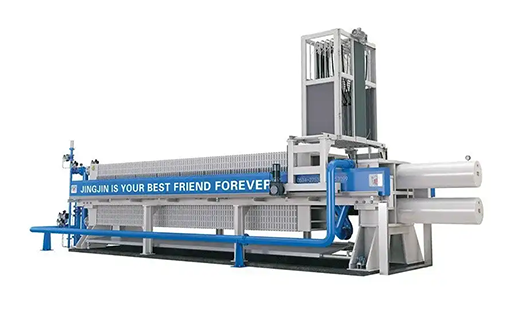
Low Cost Jingjin Filter Press Options for Efficient Sludge Dewatering
How to Choose the Best Dewatering Press Machine Capacity for Your Business Needs
Cost-Effective Filter Press Cloth Options for Wastewater Treatment
Filter Press Cloth for Food and Beverage Industry: Ensuring Safety and Quality

What Is a Filter Press Feed Pump Used For? Understanding Its Essential Role
Durable Filter Press Machines for Food Processing: Features and Benefits