Membrane Plate Filter Press Maintenance Guide
Introduction
- Introduction
- Understanding Membrane Plate Filter Press Maintenance
- Common Maintenance Issues and Troubleshooting
- Step-by-Step Maintenance Procedures
- Optimizing Membrane Plate Filter Press Performance Through Maintenance
- Best Practices for Cleaning and Membrane Care
- Conclusion
- FAQ
- Partner with Jingjin for Superior Membrane Plate Filter Press Solutions
- References
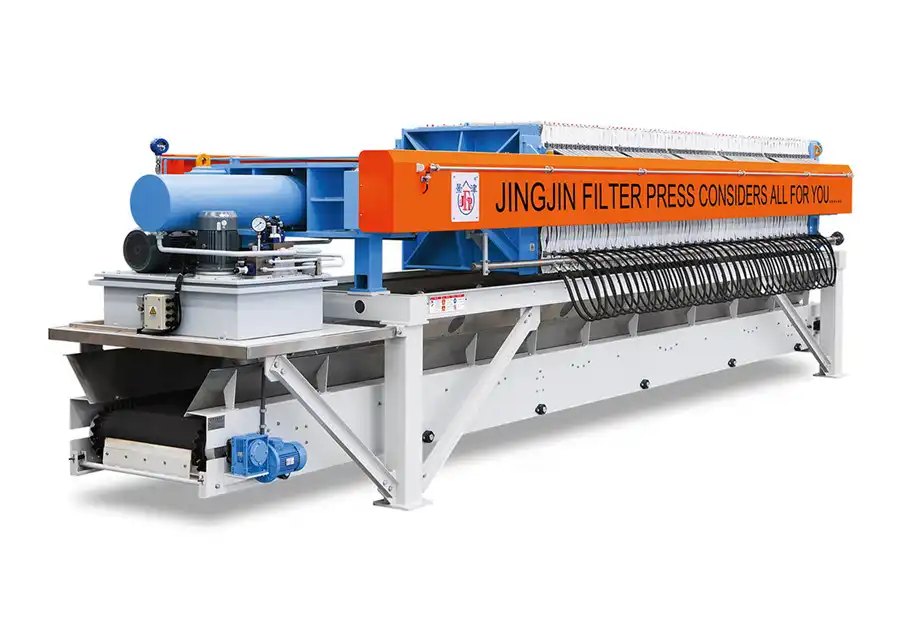
To keep a membrane plate filter press in good shape, you have to pay close attention to its special squeeze-cycle structure and elastic diaphragm parts. In contrast to regular chamber presses, this machine uses flexible membranes to apply secondary compression, which removes interstitial moisture and makes cakes much drier. Regular maintenance guarantees a longer membrane life, stable hydraulic function, maximum draining efficiency, and less downtime for operations. Using organized maintenance routines will protect your investment and help you meet strict environmental standards in areas like mining, chemical processing, and wastewater treatment.


Introduction
When it comes to separating solids from liquids, membrane plate filter presses work better than standard filtration systems in places like mines, wastewater treatment plants, and chemical factories. These high-tech machines have flexible diaphragms that physically squeeze filter cakes after the first filtration. This lowers the moisture content by another 10–20% and makes dumping much cheaper. Proper upkeep increases the life of machinery, keeps filtration working well, and stops expensive, unexpected shutdowns that mess up production plans.
This detailed guide is for B2B procurement managers, process engineers, wastewater treatment workers, and EPC project managers who need repair plans that they can actually follow. We focus on the real problems you face every day, like lowering the moisture level of the sludge, stopping membrane failures, minimizing repair breaks, and making sure you're following the rules. By following these best practices, your team will be able to increase output, lower running costs, and keep dewatering performance stable in tough industrial settings.
Understanding Membrane Plate Filter Press Maintenance
Core Components and Their Functions
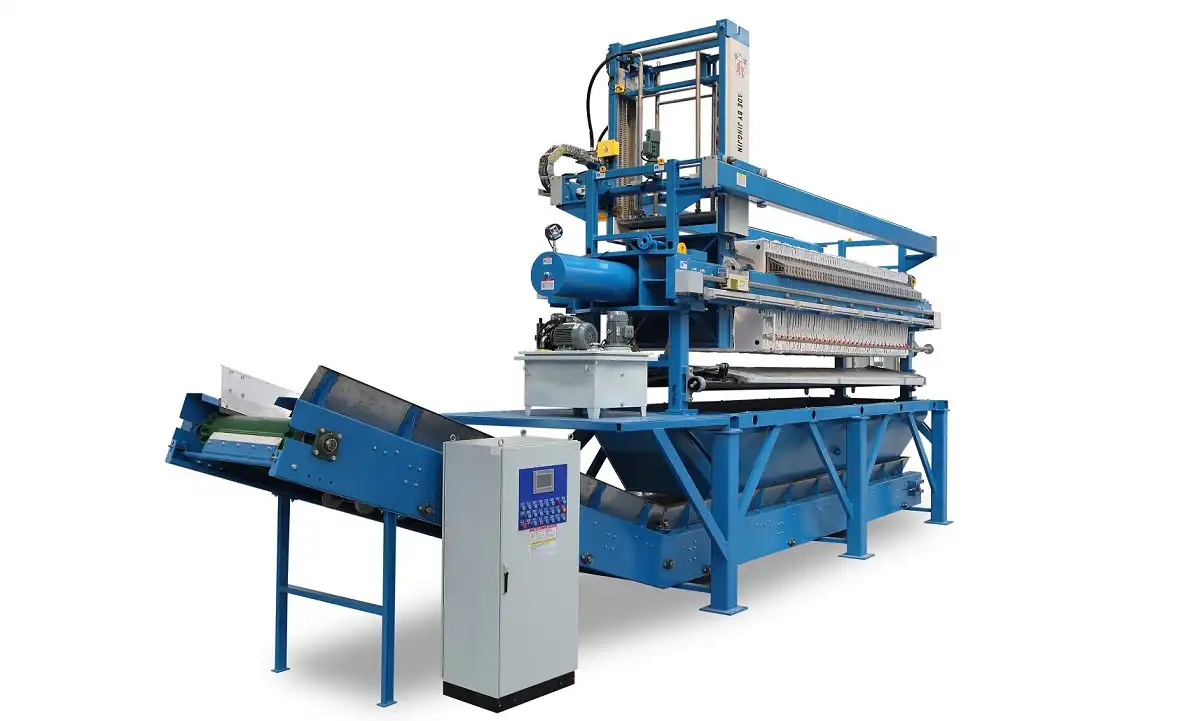
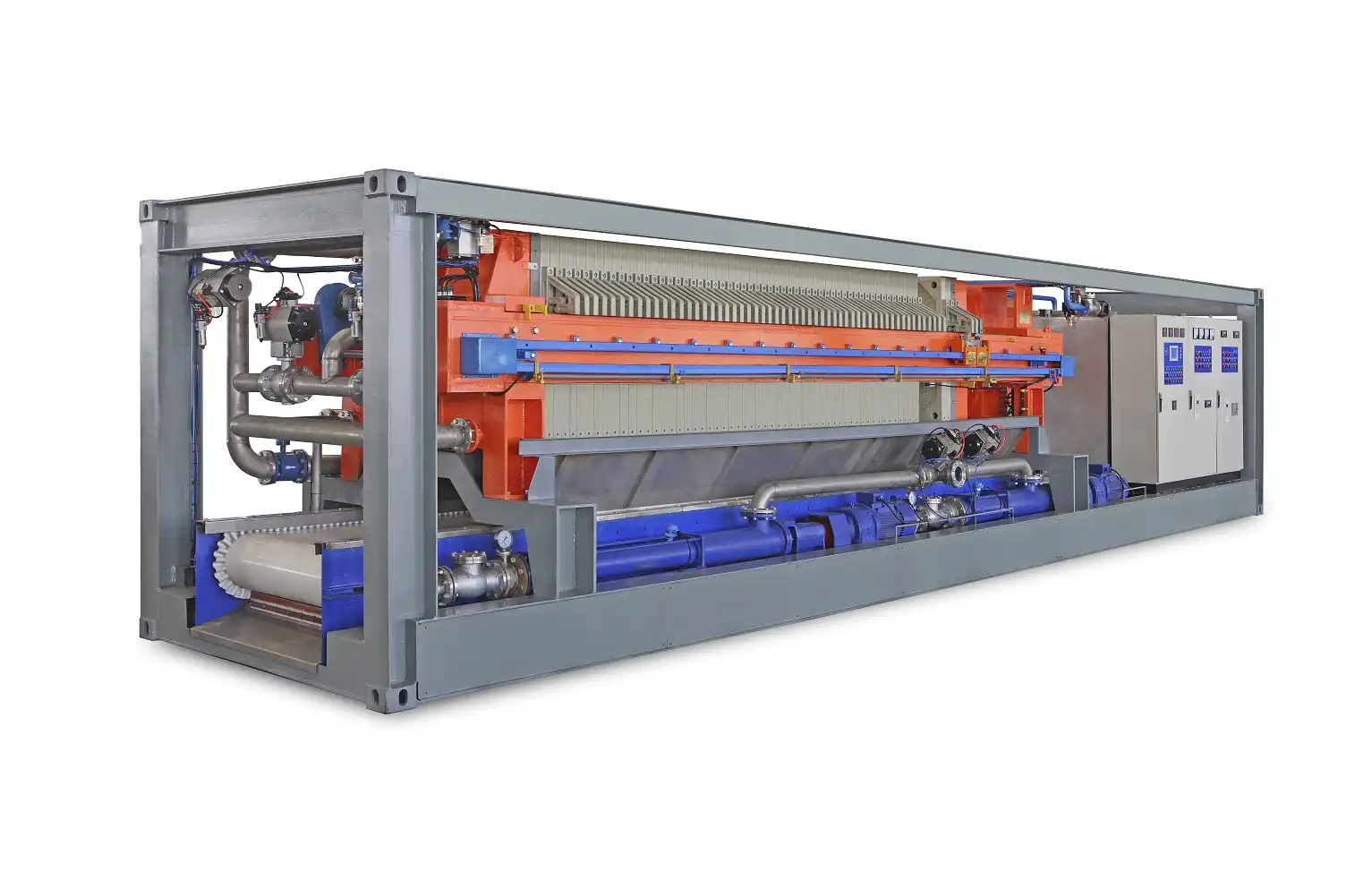
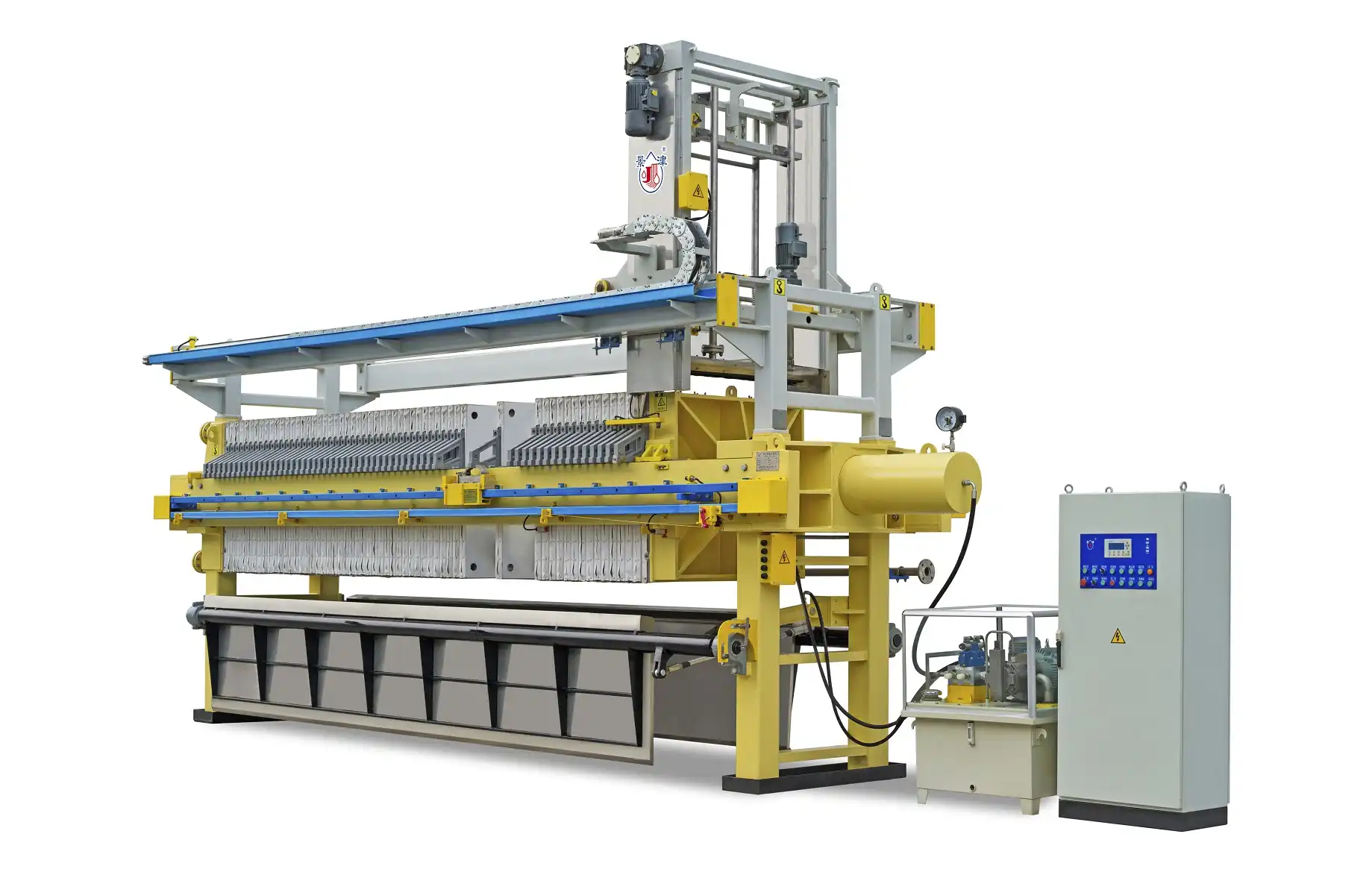
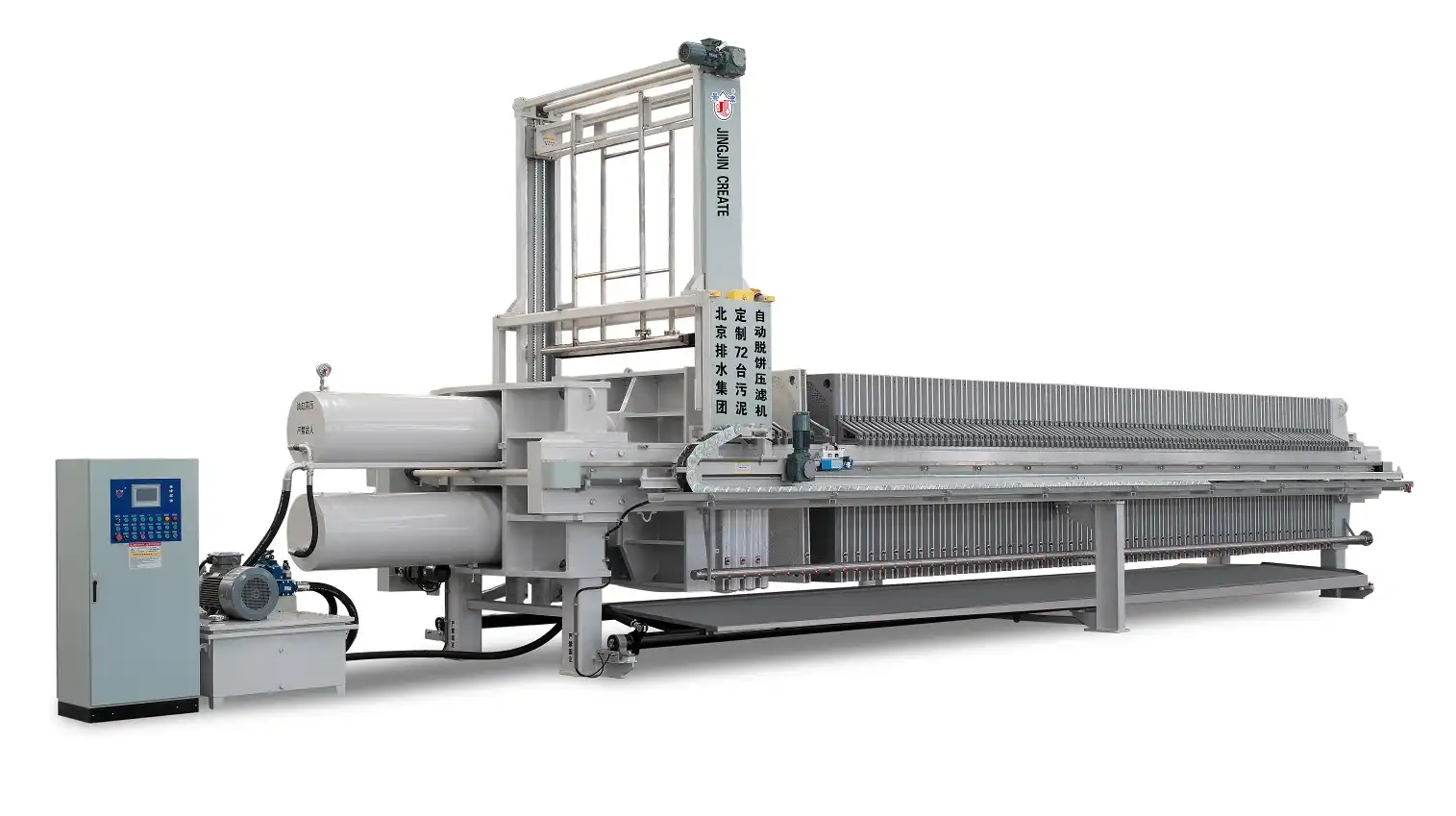
There are several built-in features in a membrane plate filter press that all need to work together. Flexible membranes made of thermoplastic rubber or strengthened polypropylene are built into the filter plates themselves. During the squeeze process, these membranes get bigger so that the filter cake gets smaller. The hydraulic system, which usually works at pressures between 16 and 30 MPa, gives the plates the force they need to close tightly during filter processes. Slurry is pumped into the chambers by the feed mechanism, and squeezing starts when compressed air or water is pumped behind the walls by the expansion system.
Why Regular Maintenance Matters?
When you don't do regular maintenance, the membrane breaks down, the hydraulic seal fails, and the cake forms unevenly. These problems have a direct effect on your bottom line because they make cycle times longer, use more energy, and make cakes that are wetter and cost more to move and throw away. Filtration works better when it is maintained regularly because it finds small problems with wear before they become big problems. Process engineers at mine operations say that routine repair cuts down on unplanned downtime by up to 60% and, under ideal conditions, increases the service life of membranes from 2,000 cycles to over 8,000 cycles.
Common Maintenance Challenges in Industrial Settings
The surfaces of membranes in wastewater treatment plants are often contaminated by biofilms and chemical precipitates. Mining operations have to deal with rough particles that wear down closing surfaces and sharp mineral pieces that damage membranes. Chemical companies that work with corrosive slurries need to keep an eye out for problems with material compatibility that speed up membrane breakdown. When maintenance teams are aware of these application-specific problems, they can change how often they check and clean things to fit their unique working conditions. This keeps equipment from breaking down too soon.
Common Maintenance Issues and Troubleshooting
Membrane Wear and Rupture
When a membrane fails, it usually shows up as cloudy filtrate, sharp drops in pressure during the squeeze phase, or tears that can be seen under a microscope. Chemical damage from slurries that don't mix, mechanical wear from too many cycles, and physical damage from foreign items in the feed stream are some of the root reasons. A mining company that was handling copper tailings found that adding upstream magnetic separators got rid of the metal pieces that were puncturing the membrane too soon, which increased the membrane's life by 40%.
Hydraulic System Leaks and Pressure Loss
Leaks in the hydraulic system waste energy, make the work area dirty, and lower the force needed to close the plate. Keep an eye out for oil pooling under the power pack, numbers on the pressure gauge going down, or plate closure that isn't reliable. Most of the time, these signs are caused by worn cylinder seals, broken hoses, or fittings that are too loose. To start systematic repair, each part of the hydraulic circuit is separated, and each component is pressure-tested separately to find the source of the leak. Only then are the damaged parts replaced.
Plate Sealing Surface Damage
There is "spraying" during high-pressure filtration of the membrane plate filter press when slurry gets out between the plates because the plate-covering surfaces are scratched, gouged, or warped. This damage usually happens because the plate wasn't handled properly when the cloth was changed, abrasive particles got stuck on the closing surfaces, or the hydraulic closing pressure wasn't even. After putting in place a required pre-closure inspection routine that included cleaning all sealing surfaces with compressed air and making sure that the hydraulic pressure was the same across the plate pack, a chemical company cut the damage to the sealing surfaces by 75%.
Operational Faults and Sensor Errors
These days' presses have customizable logic controls with interlocks that stop dangerous actions like opening the press while the membranes are still inflated. Sensor problems or cable problems can cause fake alarms or, even worse, stop safety interlocks from working. All pressure monitors, limit switches, and emergency stop circuits are tested every three months to make sure that safety systems work properly. Keeping track of when sensors were calibrated and keeping extra sensors on hand cuts down on the time needed to fix problems that happen during production runs.
Step-by-Step Maintenance Procedures
Daily Maintenance Activities
Before starting each shift, operators should visually check the membrane surfaces for tears, check the amount of hydraulic oil, and make sure that the filtrate discharge lines can flow easily. Cleaning the plate sides of leftover cake stops buildup that could damage the membranes during the next cycle. By keeping an eye on changes in feed pressure, you can find filter cloth blindness before it makes cycle times much longer. These daily checks don't take long—less than 15 minutes—but they find problems early on.
Weekly and Monthly Protocols
As part of weekly maintenance, the hydraulic cylinder guide rods are oiled, the tightness and position of the filter cloth are checked, and the emergency stop is tested. As part of monthly maintenance, the quality of the hydraulic fluid is checked for contamination, the consistency of the membrane inflation pressure across all plates is measured, and the feed pump strainers are cleaned. By writing down these tasks, you can make a maintenance history that shows trends, like which plates need more frequent attention or how the hydraulic seals work changes during different seasons.
Quarterly Deep Inspections
Maintenance teams should do full reviews of the membrane's state every three months. For this, a sample of plates needs to be taken off for a close look in good lighting, the flatness of the sealing surface needs to be measured with precise tools, and the hydraulic system needs to be put through hydrostatic pressure-holding tests. If the pressure drops more than 0.5% in one hour, it means that the seal is breaking down and needs to be fixed right away. As part of the three-month checks, the PLC backup is checked, and all logged alarms are looked over to find problems that keep happening.
Annual Overhaul Requirements
The most thorough thing you can do is to clean once a year. As a safety step, repair all hydraulic seals during this planned shutdown, no matter how good they look. To make sure the structure is solid, test the main beam and thrust plate welds with ultrasound waves. If a membrane has been through more cycles than it should have or if the surface is checking, even if it's not leaking yet, it should be replaced. Use approved reference standards to calibrate all pressure sensors and flow meters. This full repair usually takes three to five days, but it makes sure that the machine will work well for another year.
Optimizing Membrane Plate Filter Press Performance Through Maintenance
Reducing Cycle Times and Increasing Throughput
Systems that are well taken care of finish filter cycles 20–35% faster than systems that aren't. When clean membranes expand, they apply the same amount of pressure to the whole surface of the cake. This even squeezing quickly gets rid of any remaining moisture without having to squeeze for a long time. A wastewater treatment plant for a city showed that cleaning the membranes once a month cut the average cycle time from 145 minutes to 98 minutes, which increased daily flow by almost 50% without buying any new equipment.
Improving Filtrate Quality and Cake Dryness
Changing the filter cloth on a regular basis stops the fibers from breaking down, which lets small particles get into the filtrate streams. When hydraulic systems are well taken care of, they give the design closing pressure needed to stop edge leaks during high-pressure filtration. Together, these things make sure that the cake is always dry enough to meet the requirements for dumping. One mine cut the amount of water in the tailings cake from 28% to 19% by fixing uneven hydraulic pressure and changing old cloths on time.
Energy Consumption and Operational Savings
Energy costs go down straight away when you do preventative repair. Leak-free hydraulic systems work well without having to run pumps all the time to keep the pressure up. For a membrane plate filter press, to get the desired squeeze force, clean membranes need less expansion pressure. When cycle times are optimized, feed pumps run for fewer hours per ton produced. When you add in the lower costs of disposal from cakes that are drier and the lower costs of emergency repairs, thorough maintenance plans usually pay for themselves within six months.
Benchmark Comparisons
Data from business processes shows that there are clear differences in how well things work. Facilities with documented preventive maintenance plans have more than 95% of their equipment available, while only 78% of facilities with reactive maintenance methods do. Cakes made with well-kept presses tend to have 5–8 percentage points less wetness. The yearly cost of maintenance for proactive programs is about 3–4% of the value of replacing the equipment. On the other hand, the cost of maintenance for reactive programs is 6–9%, which includes emergency fixes and lost production. These standards make the business case for systematic repair even stronger.
Best Practices for Cleaning and Membrane Care
Chemical Cleaning Protocols
Surfaces of membranes build up organic films, mineral scales, and chemical residues that make it harder for water to move in later rounds. Chemical cleaning gets rid of these deposits without hurting the membranes. Standard polypropylene membranes can handle acidic cleaners (pH 2–3) for getting rid of mineral scale and alkaline liquids (pH 11–12) for breaking down organic waste. The amount of time between cleanings varies on the type of feed. For example, wastewater applications need to be cleaned once a month, while mining activities may go up to every three months. To keep normal PP membranes from breaking down, cleaning fluids should always be circulated at temperatures below 70°C.
Backflushing Techniques
In some setups, flow is reversed through filter cloths and membranes between rounds by automatic backflushing systems. This method washes membrane surfaces and loosens particles stuck in fabric fibers. To backflush effectively, you need to apply clean water or filtrate at pressures 0.5 to 1 bar higher than the feed pressure for 30 to 60 seconds. Chemical companies that work with pigments say that controlled backflushing cuts the number of times they have to clean by 40% while keeping the cake release qualities the same.
Material-Specific Membrane Maintenance
Different types of membranes need different ways to be cared for. Standard PP membranes can be used in temperatures up to 70°C and can withstand most acids and bases, but they break down when exposed to UV light for a long time. Keep extra membrane plates in a covered place out of direct sunlight. EPDM rubber coverings can handle temperatures up to 100°C and oxidizing chemicals, but when installed outside, they need to be checked for ozone breaking. Specialized PVDF membranes are much more expensive, but they can withstand harsh chemicals and temperatures better than other membranes. This is why they are mostly used in difficult service conditions.
Maximizing Membrane Service Life
How long a membrane in a membrane plate filter press lasts is directly related to how well it is used. Don't raise the inflation pressure above what the maker recommends, as this will speed up tiredness. Do all the filtration processes before you start squeezing. Trying to squeeze spaces that aren't fully filled causes uneven stress concentrations. As soon as the plate is opened, take the cakes off right away so that any leftover material doesn't dry on the membrane surfaces. By following these best practices and cleaning the membranes regularly with chemicals, a fine chemical maker increased the average number of rounds from 3,500 to 7,200.
Conclusion
Systematic upkeep of your membrane plate filter press saves your investment in the equipment, keeps it working at its best, and keeps long-term operating costs low. Your facility will have higher output, drier cakes, and better regulatory compliance if it has daily checks, organized cleaning routines, and planned component replacements. The tips in this guide are based on the real problems that sewer managers, process engineers, and plant operations heads face in mining, municipal, chemical, and industrial settings. Preventative maintenance cuts down on unexpected downtime, increases the service life of membranes, and gives measured results by lowering energy costs and disposal costs.
FAQ
1. How often should I replace membrane filter plates?
Changing the membrane relies on how often it is used and the chemicals that are around it. Most high-quality membranes can be used 2,000 to 10,000 times before they need to be replaced. Cycle count, not date and time, is a better way to keep track of membrane age. Check membranes every three months for surface cracks, lack of flexibility, or small tears. If you notice these signs on a membrane, you should replace it before it completely fails. This will keep filtrate streams clean and protect nearby parts from damage.
2. What is the best inflation medium: compressed air or pressurized water?
For high-pressure squeeze activities above 8 bar, pressurized water is safer because water can't be compressed, so if the membrane breaks, it doesn't release an explosion of energy. Compressed air works well for devices with lower pressures, but it can be dangerous when membranes break. Inflation of water also makes the pressure more even across membrane surfaces, which makes the regularity of cake dryness better. Because water inflation is safer and better at its job, most industry setups choose it.
3. Can I retrofit existing chamber presses to a membrane configuration?
It is possible to retrofit if your hydraulic system has enough shut-off pressure, and you can add expansion medium pipes. A cheap way to upgrade is to use mixed-pack setups that switch between membrane plates and normal recessed plates. Make sure that your press frame can handle the extra work and that the cycle times allow for the squeeze phase. Retrofits usually improve performance by 60–70% compared to full membrane presses, but they cost less money to buy.
Partner with Jingjin for Superior Membrane Plate Filter Press Solutions
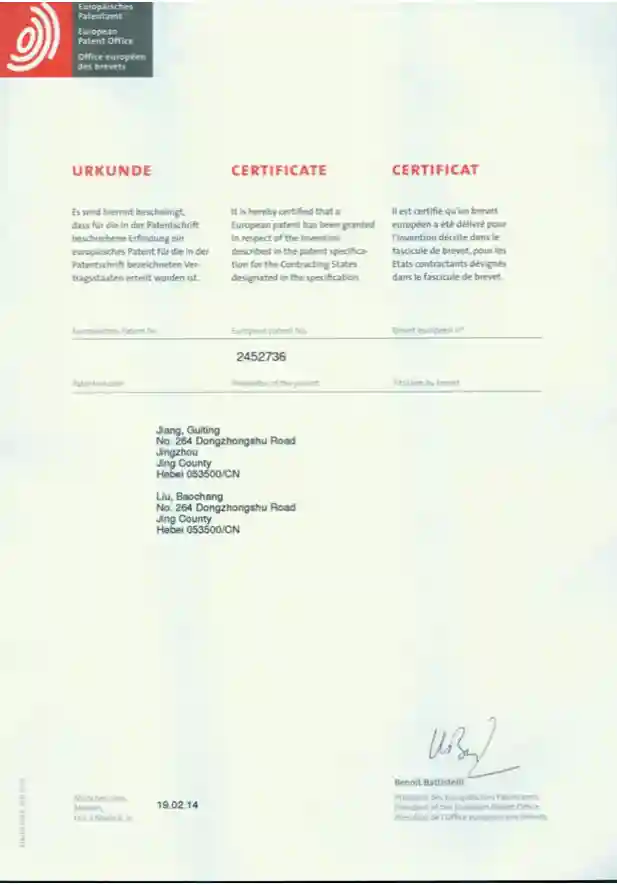
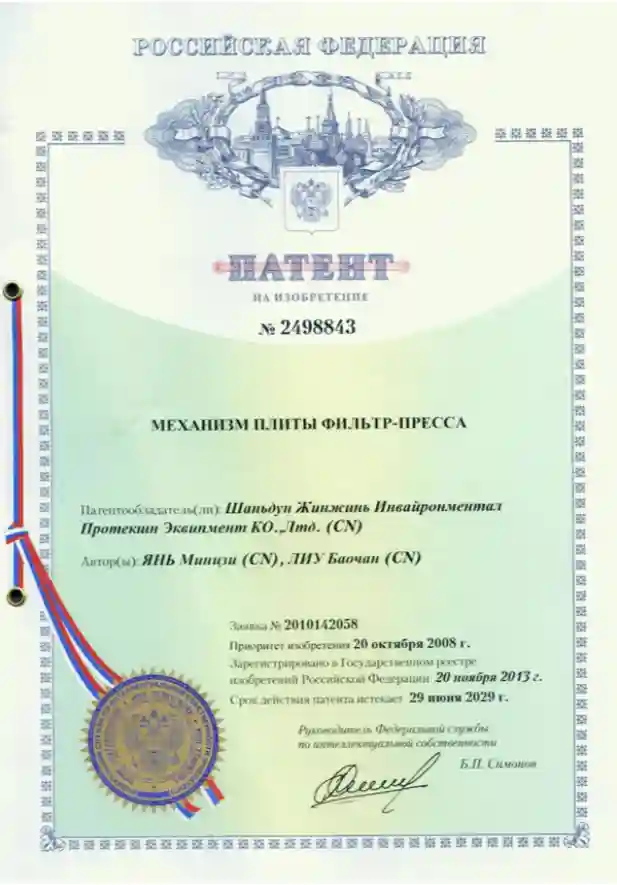
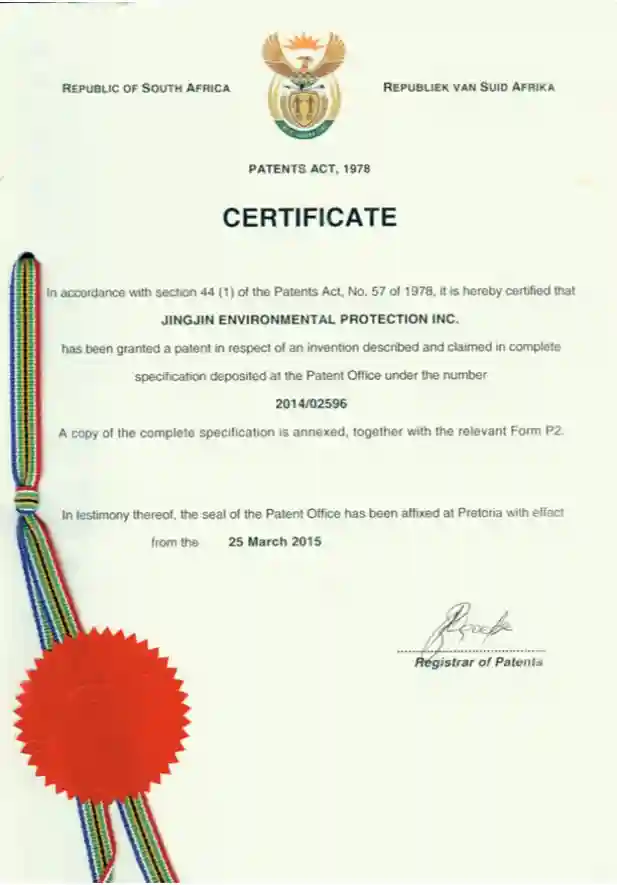
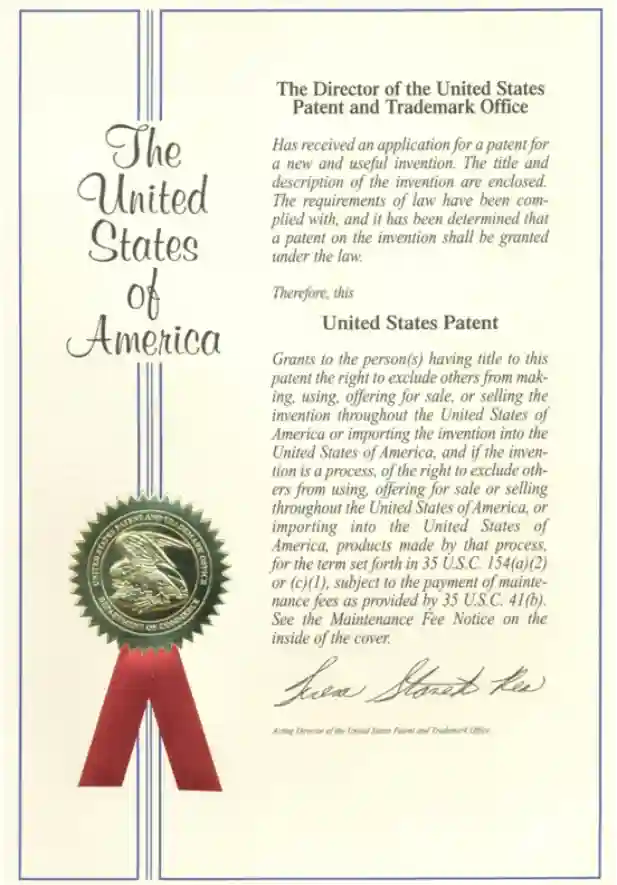
Jingjin Equipment Inc. can help you with your filter needs. They have more than 136 patents and more than 35 years of experience separating solids from liquids. As the top maker of membrane plate filter presses, we send high-capacity systems that don't rust to 123 countries for demanding uses in mining, chemical processing, wastewater treatment, and other industries. Genuine replacement membranes, hydraulic parts, and filter cloths, along with technical advice from expert engineers, are all part of our full upkeep support. We keep up a large production capacity so that extra parts can be sent to you quickly so that your downtime is kept to a minimum.
If you need a full press system, parts to fix an old one, or expert advice on maintenance, Jingjin is ready to help you get the most out of your dewatering. You can email our technical team at [email protected] to talk about your unique application needs, get full care instructions, or get a personalized quote. Find out how working with a reliable membrane plate filter press provider can help your business run more smoothly and ensure that your equipment will last for a long time.
References
1. Smith, J.R. and Thompson, M.K. (2021). Industrial Filter Press Operations and Maintenance Best Practices. Industrial Press Technology Publishers.
2. Chen, L., Rodriguez, P., and Ahmed, F. (2020). "Membrane Filter Plate Longevity in High-Solids Applications." Journal of Solid-Liquid Separation Engineering, Vol. 34, No. 2, pp. 127–145.
3. International Filtration Standards Committee (2022). Guidelines for Hydraulic System Maintenance in Pressure Filtration Equipment. IFSC Technical Report 2022-07.
4. Williams, D.A. (2019). Cost-Effective Maintenance Strategies for Wastewater Treatment Equipment. Municipal Engineering Press.
5. Kumar, S. and Nakamura, T. (2023). "Chemical Cleaning Protocols for Polymeric Filtration Membranes." Chemical Processing & Equipment Quarterly, Vol. 18, No. 1, pp. 56–73.
6. European Association of Separation Technology (2021). Membrane Filter Press Performance Optimization: A Technical Guide for Process Engineers. EAST Publication Series No. 45.
jingjin
Founded in 1988, Jingjin specializes in filter presses and liquid-solid separation solutions, serving over 130 countries worldwide, and is a standard-setter in China's filter press industry.
Get the Filter Press guide
Enter Your Email for Technical assistance for the Filter Press.

Recommended Blog
Cost-Effective Press Filter Solutions for Wastewater Treatment Plants
Chemical Filtration Solutions: Using Press Filter Machines for Optimal Results

What Is a Filter Press Feed Pump Used For? Understanding Its Essential Role
Dewatering Press Machines for Middle East Desalination Plants