Filter Press Cloth for Food and Beverage Industry: Ensuring Safety and Quality
Filter Press Cloth for Food and Beverage Industry: Ensuring Safety and Quality
Understanding Filter Press Cloth in the Food and Beverage Industry
- Understanding Filter Press Cloth in the Food and Beverage Industry
- Choosing the Right Filter Press Cloth: Criteria and Industry Comparisons
- Maintenance and Cleaning of Filter Press Cloth for Sustained Performance
- Real-World Applications and Case Studies in Food and Beverage
- Procurement Guide: How to Buy Filter Press Cloth for the Food and Beverage Industry
- Conclusion
- FAQ
- Partner with Jingjin for Superior Filtration Solutions
- References
Complex, multi-process filtering systems are needed for food and beverage safety. Separate solids and liquids using filter press cloth. Constant filtering improves food safety and efficiency. Some textiles continuously remove liquid contaminants. This assures processed food, dairy, and drink safety, flavor, and clarity.

Understanding Filter Press Cloth in the Food and Beverage Industry
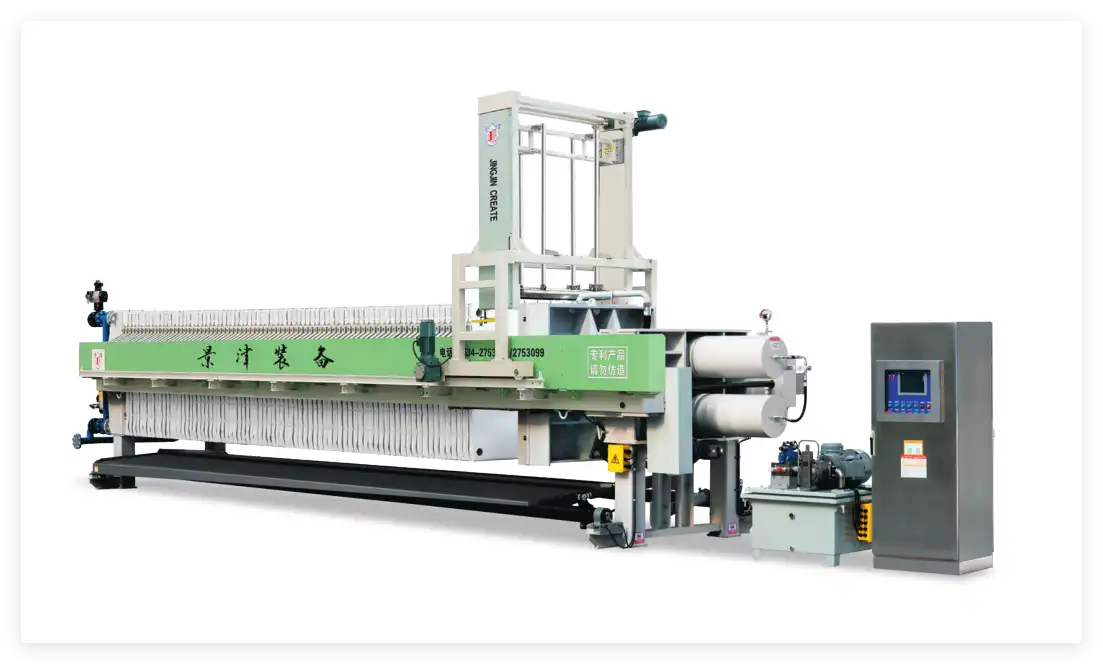
Food industries' liquid-solid separation methods have improved using filter presses. These devices filter particulates and clean fluids using specific cloth. Pressure forces liquid through fabric threads, trapping impurities by shape and size.
Defining Filter Press Cloth and Its Working Mechanism
The most significant feature of any filter system is the filter press cloth, which impacts material separation and process efficiency. Liquid enters the filter press chamber and is pressed through the cloth. Solids create a "filter cake."
This approach depends on fabric surface treatment, weave pattern, and fiber composition. Food-grade filter cloths now feature unique pore patterns for clarity and flow. Pressure differentials tear fabric; therefore, material choice matters.
Types of Filter Cloth Materials for Food Applications
Food and beverage production requires chemical cleaning, high-heat safety, and repetitive usage. This market is largely synthetic polymers and natural textiles. Advantages and usage vary.
Sour fruit juice and hot liquids are ideal for chemical- and heat-resistant polyester filter fabric. Under pressure, its pore size distribution is consistent, ensuring predictable filtration. Polypropylene prevents bacterial growth in alkaline cheesemakers. Woven fabric closes pores, while needles clear small particles. Dirt- and flow-containing non-wovens save time and energy.
Food-Grade Certifications and Safety Standards
Certification is your greatest filter since food processors must comply. Extractable substances are required for FDA-approved filter cloths. This prevents food manufacturing dangers. EU regulations apply to liquid- or heat-sensitive products.
These certifications test material under various processing conditions. Mechanical stress, temperature cycles, and chemicals strengthen filter textiles. Approval reviews chemical or processing aid movement that may impact food safety or flavor.
Choosing the Right Filter Press Cloth: Criteria and Industry Comparisons
Review performance characteristics that affect product quality and process time to choose the optimal filtering medium. Process engineers must balance fabric screening and emptying. Following industry rules, they must create a cheap filter press cloth.
Key Selection Criteria for Food and Beverage Applications
Filter cloth efficiency is the proportion of liquid stream target particles eliminated. Think about porosity—how fast liquid flows through the material. Overuse of permeability may lower filtering quality but boost productivity.
Temperature cycling, chemical cleansers, and mechanical stress resistance provide durability. Chemical compatibility is needed for long-term effectiveness in food-handling areas using hot caustic solutions or acidic sanitizers. Hot liquids, frying oils, and steam cleaning necessitate temperature resistance. All food ingredients must be legal. Beyond FDA certification, businesses must examine organic, kosher, and allergy control criteria, restricting availability.
Performance Comparison with Alternative Filtration Media
While filter paper is cheaper and clearer for one-time use, it is wasteful and must be renewed, raising costs. Nonreusable filter paper is too costly for big enterprises. Manufacturers strive to reduce environmental impact owing to removal expenses.
Replacement is simpler using filter bags than press cloths. But they filter and retain less pressure. Bags minimize pressure difference, slowing capacity and processing. Surface-wide filter bag cleaning might be difficult. Membrane filtration clears and lowers particles, but costs more to install and maintain. Unlike cheap beverages, membrane systems function for pricey specialty items.
Supplier Evaluation and Procurement Considerations
Technological competence and product development from reputed manufacturers may assist you in handling processing challenges. Responsible providers have substantial testing facilities to fulfill demand. Product-wide technical support helps processors clean.
Seasonal and low-storage processors must consider lead times and minimum orders. As global supply chain issues rise, many companies are expanding their suppliers to reduce delays. Working with many skilled providers provides you with operational independence and quality. Industry-specific and ISO 9001 certifications guarantee supplier quality and food safety. Quality control and regulation need raw-part-to-delivery traceability.
Maintenance and Cleaning of Filter Press Cloth for Sustained Performance
The appropriate treatment influences filter fabric performance and lifespan. Food industries need unique cleaning solutions to protect consumers and operate. These recommendations may help processors design maintenance programs that fulfill standards and extend equipment life.
Best Practices for Cleaning and Maintenance
Physically washing filter cloths eliminates most solids without chemicals. With proper nozzles and flow rates, high-pressure water cleaners may remove filter cake. Use low-to-high pressure to prevent cloth-piercing. Ultrasonic cleaners deep-clean textile fibers. Small particles that don't wash off lengthen chemical cleaning intervals. Control power and frequency to protect the fabric.
Cleaning chemicals must be food- and material-safe. Alkaline cleansers remove cooked protein and fat, whereas acidic cleaners remove mineral deposits and scale. Consider which cleaning chemicals work best for various materials and how to rinse them to avoid contamination.
Routine Inspection and Contamination Control
Visible fabric wear may impact food safety or filter performance. Regular weave, surface, and dimensional stability testing may disclose issues before production. Inspection data may enhance replacement plans by detecting process problems.
Contamination control goes beyond screening. Clean and store garments between usages. Cleaning and drying remove microbiological and chemical contaminants that might hinder processing. Non-food products should be handled carefully to prevent contamination.
Microbiological testing cleans filter cloths. Raw material or large-scale enterprises with environmental hazards require these activities. Tests frequently find issues and fix them up.
Real-World Applications and Case Studies in Food and Beverage
Many food and beverage firms employ difficult filter press cloth technology. Example: Choosing and implementing the correct filtering technology may improve product quality and efficiency.
Juice and Wine Clarification Processes
Juice purification is complex because filter press cloth must remove pulp, pectin, and other particles while retaining flavor and nutrients. Cloud-reducing cloths clean apple juice. Control filter temperatures to prevent vitamin oxidation and heat damage, which may affect flavor and nutrition.
Tannins, tartrates, etc., reduce wine clarity. Some top vineyards employ many filters with various materials to preserve wine quality. Maintain filtration temperature to prevent tartaric acid crystals.
Remove pulp and particles from citrus juice using acid-resistant cloth. Strong acids and essential oils make working circumstances challenging and require particular supplies and cleaning. Top businesses filter and retain tastes and scents.
Dairy Product Filtration and Quality Enhancement
Milk clarification and protein particle size-controlled separation are dairy processing. To maintain protein and fat and eliminate bacteria and somatic cells, milk is filtered. Pasteurization enhances product safety and usefulness.
Whey is removed, and proteins are restored by filtering cheese. Production is achievable since protein crystals don't obstruct specialty textiles. Better filtration methods are possible because whey protein extraction improves the economy and ecology.
Greek yogurt demand has risen for high-efficiency protein concentration devices that protect microorganisms and nutrients and remove water. Food wetness is maintained without burning probiotics using filter press technology. This application illustrates how filter technology aids product and market development.
Edible Oil and Syrup Processing Applications
To refine edible oil, phospholipids, free fatty acids, and other impurities that impair taste, stability, and shelf life must be eliminated. High-temperature filter presses eliminate impurities, improving oil quality and reducing losses. Oil filter press systems filter heavy liquids at processing temperatures.
Corn syrup has numerous suspended particles that food producers must remove for clarity and sanitation. High-capacity filters fulfill fluid color, clarity, and impurity standards. Automatic cleaning reduces industrial downtime.
Premium oils need high-quality filters for clarity and dependability. Viscous cold-pressed oils adhere to tiny particles, changing their look and stability and making them difficult to work with. Selecting filter cloth materials and operation conditions helps manufacturers reach quality and financial objectives.
Procurement Guide: How to Buy Filter Press Cloth for the Food and Beverage Industry
Strategically buying filtering media needs technical knowledge, supplier experience, and TCO. Food makers must balance filter supply, short-term cost, and long-term performance.
Direct Manufacturer vs. Distributor Sourcing Strategies
Manufacturer-direct technical knowledge and customization solve operational challenges. Direct linkages provide idea exchange and access to cutting-edge technology and resources. Manufacturers provide greater technical support, including on-site training and performance improvement, than their goods.
Distribution networks speed part delivery to distant or fast-changing processors. Distributors stock emergency and demand kits. Similar items and services from local wholesalers may streamline procurement and save the company expenses.
System hybrids that combine manufacturer directness and local distributor assistance help large firms. The maker's knowledge may be employed for big purchases and local aid for everyday replacements. Quality and service are maintained via clear communication.
Pricing Factors and Cost-Benefit Analysis
Materials affect value and cost. Quality materials survive longer, justifying the expense. See how material cost, performance, replacement, cleaning, and filtering affect production.
Woven design, surface treatment, and perfect proportions cost more but work better. Standards may promote quality, waste, and reliability. Filter press cloth processors must trade off quality and market position. Big, replaceable enterprises need bulk pricing. Most bulk or yearly contracts save money and assure quality. Smart supplier links assess utilization and save money.
Critical After-Sales Support and Service Considerations
Companies need application engineering and troubleshooting to optimize filtering. Processing units may get technical help to improve filter media performance and lifespan. Critical usage requires local technology since downtime affects the economy.
Warranty covers material flaws and shows vendor confidence. When applicable, complete warranties should cover material quality and performance. Processing companies get fair product failure compensation via clear guarantee criteria and timely claim processing.
After several delays, multinationals require supply chain dependability. Multiple manufacturing locations and good transportation help suppliers weather shortages. Strategic stock levels and inventory management may improve supply security and reduce procurement costs.
Conclusion
The new food and drink production employs filter press cloth technology to easily fulfill quality and safety criteria. Filter media selection, maintenance, and strategic supplier relationships may enhance product quality, regulatory compliance, and operational costs. Filter press cloth technology will improve filtering and dependability, helping manufacturers compete as quality and environmental standards rise.
FAQ
1. What certifications should filter press cloth have for food applications?
FDA food contact requirements apply to filter press cloth. Securing goods against contamination. USDA-approved products are needed by organic companies, while EU food companies need conformity. Corporate standards allow kosher/halal licenses.
2. How often should filter press cloth be replaced in food processing?
Quality, cleanliness, and method affect replacement frequency. High-volume operations with good cleaning last 6–12 months, but specialist applications may need more frequent replacements to maintain quality. Monitor filter performance to optimize replacement tactics.
3. What cleaning methods are safe for food-grade filter cloth?
Without chemicals, super-pressured water removes most solids. Acids remove minerals and alkalize protein and fat. Rinsing between production cycles reduces illness, and chemicals clean food.
Partner with Jingjin for Superior Filtration Solutions
For 35 years, Jingjin Equipment Inc. has made high-quality food and drink filter press cloths. Custom woven and non-woven food-grade filter media is available. Jingjin's FDA-approved materials, global certification, and processing meet your quality and stability needs. Our application-specific technical experts help you meet standards and improve your filtration system. Contact [email protected] to learn how we can help your company produce filter press cloth.
References
1. Thompson, R.K. "Advanced Filtration Technologies in Food Processing: Materials and Applications." Journal of Food Engineering Technology, Vol. 45, 2023, pp. 234-251.
2. Martinez-Rodriguez, A. "Food Safety Standards for Filtration Media: Regulatory Compliance and Quality Assurance." International Food Safety Review, 2023, pp. 89-107.
3. Chen, L. and Williams, M. "Performance Evaluation of Synthetic Filter Cloths in Beverage Clarification Processes." Food Processing Technology Quarterly, Vol. 18, No. 3, 2022, pp. 145-162.
4. Anderson, J.P. "Maintenance Protocols for Industrial Filtration Systems in Food Manufacturing." Process Equipment Maintenance Journal, 2023, pp. 78-94.
5. Kumar, S. "Economic Analysis of Filter Press Technology in Large-Scale Food Processing Operations." Industrial Processing Economics Review, Vol. 32, 2023, pp. 203-219.
6. Roberts, D.M. and Taylor, K. "Emerging Trends in Food-Grade Filtration Materials: Sustainability and Performance Considerations." Food Technology Innovation Report, 2023, pp. 156-173.
jingjin
Founded in 1988, Jingjin specializes in filter presses and liquid-solid separation solutions, serving over 130 countries worldwide, and is a standard-setter in China's filter press industry.
Get the Filter Press guide
Enter Your Email for Technical assistance for the Filter Press.
Recommended Blog
China Filter Press Equipment Pricing for Industrial Buyers
How to Choose the Right Filter Press Manufacturer: Key Factors to Consider
A Step-by-Step Guide to Maintaining and Replacing Filter Press Plates
Top Durable Filter Press Plates for Food Processing: Materials and Benefits
Step-by-Step Guide: How to Maintain a Filter Press for Optimal Performance
Comparing Jingjin Filter Press with Other Brands: Which One Suits You Best?