Durable Filter Press Machines for Food Processing: Features and Benefits
Understanding Filter Press Machines in Food Processing
- Understanding Filter Press Machines in Food Processing
- Advantages of Durable Filter Press Machines for Food Processing
- Comparing Filter Press Machines with Alternative Filtration Solutions
- Choosing the Right Durable Filter Press Machine for Food Processing
- Maintenance and Best Practices to Maximize Filter Press Machine Durability
- Conclusion
- FAQ
- Partner with Jingjin for Your Filtration Needs
- References
In food processing, the filter press machine is essential for solid-liquid separation. This heavy-duty dewatering machine meets food makers' strict hygiene standards. To accomplish efficient filtering in applications ranging from juice clarifying to vegetable oil refining, durable filter press machines combine corrosion-resistant construction, hygienic design features, and automated controls. These devices assist food processors in maximizing yields and product quality by solving operational issues such as excessive product loss, disposal costs, and regulatory compliance.
Understanding Filter Press Machines in Food Processing
How Filter Press Technology Works
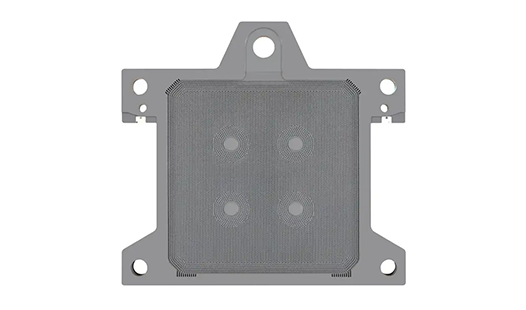
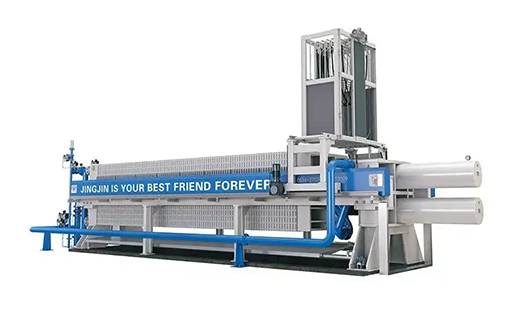
A filter press machine separates by pressure. Pumping slurry into chambers between recessed plates with filter cloths. As input pressure rises—usually from 0.6 MPa to 2.5 MPa depending on application—liquid permeates the medium and particles form a thick cake. Food processors may recover important ingredients, concentrate goods, and eliminate waste with this method. The hydraulic clamping device ensures cake formation and prevents bypass that might impair filtrate clarity by maintaining plate stack pressure.
Types of Filter Presses for Food Applications
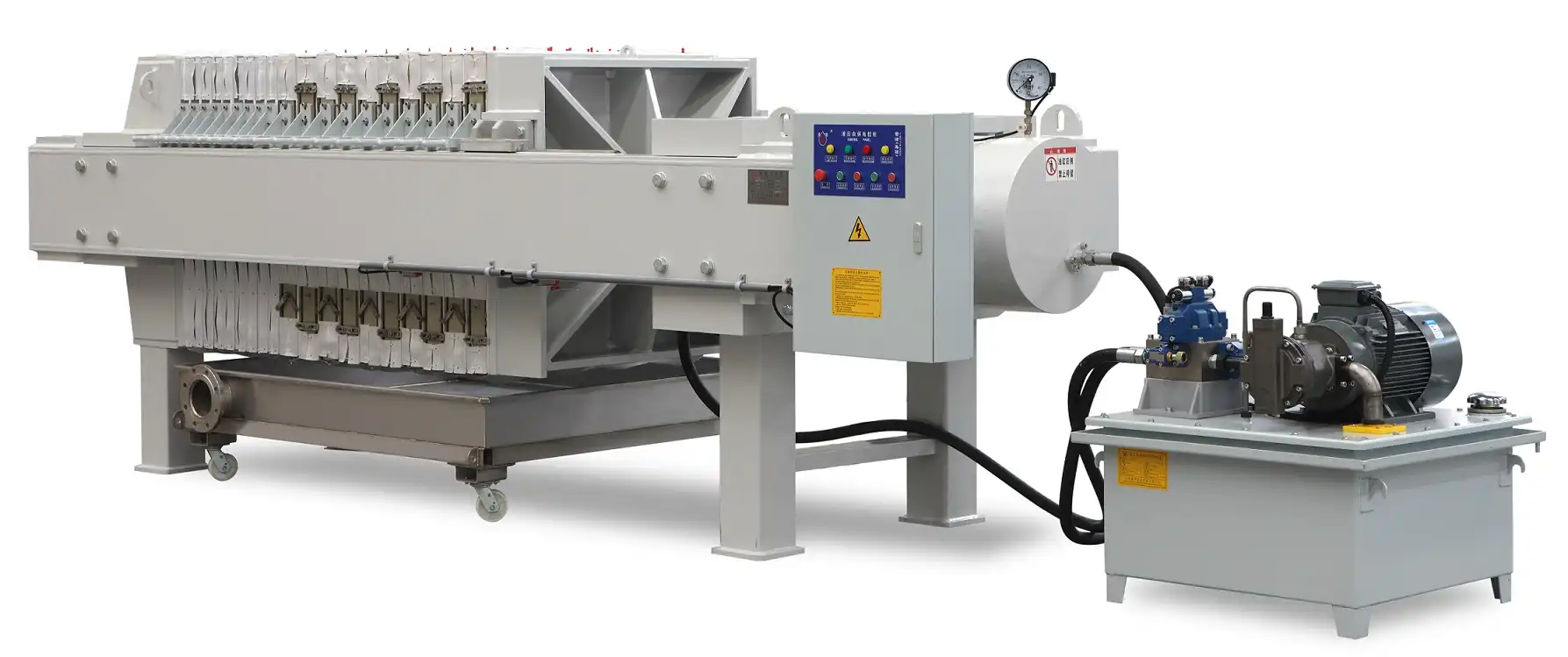
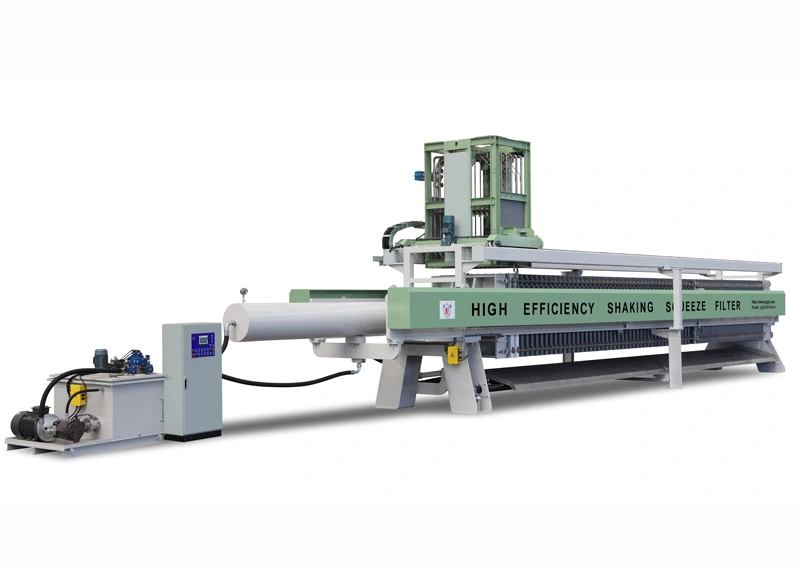
Food processors can choose several configurations based on production capacity and automation. Manual filter press machines are best for small-batch businesses that value flexibility and inexpensive capital. Semi-automatic systems combine cost and efficiency with hydraulic plate shifting and programmed cycle controls. PLC-controlled fully automatic filter press machines with auto-washing, vibration discharge, and remote diagnostics are perfect for continuous production scenarios where labor efficiency and uptime are key. Advanced membrane squeeze technology uses secondary hydraulic pressure using flexible membranes to reduce cake moisture by 10-15% over chamber-only versions.
Critical Components Influencing Performance
The basic components of any filtration system determine its dependability. Reinforced Polypropylene or food-grade stainless steel filter plates are chemical-resistant and structurally sound. When handling food, plates must meet FDA contact regulations. Particle capture efficiency and filtrate clarity depend on polypropylene, polyester, or monofilament filter cloths. Brand-name hydraulic systems clamp precisely, avoiding leakage during high-pressure cycles. Automation controls allow operators to design feed rates, pressure ramps, and washing sequences, decreasing human error and ensuring food production batch-to-batch uniformity.
Advantages of Durable Filter Press Machines for Food Processing
Investing in robust filtration equipment directly impacts both operational filter press machine efficiency and financial performance in food processing environments.
Superior Material Construction for Longevity
Durability begins with material choice. Q345B low-alloy carbon steel frames with epoxy coatings withstand corrosion from acidic fruit juices and alkaline cleaning solutions in top-tier filter press machines. PVDF or pharmaceutical-grade polypropylene filter plates can tolerate 90°C and chemical degradation from pH 1 to 14. This structure allows equipment to last 5-8 years or longer with regular maintenance. By avoiding the frequent replacement costs and production disruptions, processors decrease capital investment and boost profits.
Enhanced Dewatering Efficiency Reduces Operating Costs
Modern filter press machines surpass belt presses and decanter centrifuges in many culinary applications by drying cakes to 15-20% residual moisture. This advanced dewatering capability saves money. Food processing wastes like discarded grains and pomace are cheaper to transport and dispose of using dryer cakes. Processors can utilize concentrated solids for animal feed or composting. Clear filtrate recovery can reduce freshwater consumption and wastewater treatment loads by up to 95%, meeting environmental laws and utility costs that affect operating margins.
Food Safety and Product Purity
No compromise on food safety. Smooth surfaces, self-draining designs, and tool-free disassembly make durable filtering systems easy to clean and prevent microbial growth. High-efficiency particle capture maintains product requirements, preventing costly recalls and brand damage. FDA 21 CFR-certified materials reassure procurement managers that equipment fulfills regulations. Clean-in-place processes provide a competitive advantage for allergen-sensitive items and organic certifications, justifying costly equipment.
Comparing Filter Press Machines with Alternative Filtration Solutions
Performance Against Vacuum Filtration
In certain applications, vacuum filters allow continuous operation and greater processing rates, but food processing limits them. Filter press machines reduce product waste in high-value applications like specialty oils and fruit concentrates by improving cake dryness. The enclosed pressure filtration system protects delicate substances from oxidizing and contains volatile scents better than open vacuum systems. Vacuum filters take up less area than press filters, but their rotational drum operations and cloth replacement processes make them more expensive to maintain.
Advantages Over Centrifugal Separators
Centrifuges work well with liquid-liquid separation and low-solids streams, but struggle with compressible food solids. High-speed mechanical stress can destroy sensitive particles, lowering plant protein isolation and natural colorant extraction yields. Centrifuges use more energy per ton of solids treated, especially at equivalent dryness. Filter press machine technology gently separates products while saving power. Filter press machines are easier and cheaper to maintain than centrifuge bowls or scroll conveyors.
Manual versus Automated Operation
Labor expenses, production volume, and process control must be considered for the filter press machine while choosing manual versus automated systems. Manual operation suits processors with variable batch sizes or many product lines that need frequent equipment cleaning. Automatic filter press machines justify their greater initial cost in continuous operations by reducing personnel and improving cycle uniformity. PLC controls reduce operator timing differences, assuring proper dewatering every cycle. Remote monitoring warns maintenance workers of possible faults before they fail, safeguarding production schedules. Automation pays out in 18–36 months in multi-shift plants.
Choosing the Right Durable Filter Press Machine for Food Processing
Matching Capacity to Production Requirements
Correct capacity specification reduces underutilization and production bottlenecks. Use slurry production rates, feed solids concentration, and goal cycle duration to calculate filtration area. To maintain two-hour cycle timings for filling, pressing, and cake discharge, a juice processing facility producing 500 gallons per hour of press liquor at 8% solids may need 80-120 square meters of filtering space. Oversizing by 20-30% allows for seasonal volume increases and throughput loss as filter cloths age. Validate sizing assumptions with experienced suppliers, utilizing pilot testing or reference installations in similar food processing applications.
Material Compatibility and Hygiene Standards
All touch surfaces must be food-grade. Check FDA, EU, or local rules for plate materials, gaskets, valve components, and hydraulic fluid (where food contact is conceivable). Cleaning with powerful sanitizers or processing acidic materials requires stainless steel 304 or 316L. Electropolished or 2B mill finishes with roughness below 0.8 micrometers can be cleaned and minimize bacterial adherence. Request material certifications and compliance documents during purchase. A reliable manufacturer tracks all food-contact component batches.
Supplier Selection and Total Cost of Ownership
Supplier capabilities affect long-term satisfaction beyond equipment specs. Over three decades of filtering experience and installations in 123 countries make Jingjin a reliable company with extensive service networks. Assess vendors on engineering assistance for system integration, spare parts availability with realistic lead times, technician training, and equipment and performance warranties. Lifecycle cost analysis should include energy usage (kW per cubic meter processed), cloth replacement intervals (12-24 months), and preventative maintenance. Finance or leasing alternatives may enhance cash flow during facility expansions or equipment improvements.
Maintenance and Best Practices to Maximize Filter Press Machine Durability
Establishing Preventive Maintenance Protocols
Routine maintenance prolongs equipment life and performance. Daily checks should check hydraulic pressure, plate alignment, and filter cloth rips or blinding. Acidic and alkaline chemical washes remove mineral scale and organic fouling from filter cloth surfaces weekly. Monthly maintenance includes hydraulic fluid, pump seal, and valve function testing. Comprehensive plate condition evaluations, seal replacement, and pressure sensor calibration are performed annually. Performance trend data from maintenance actions helps predict problems before they become costly filter press machine breakdowns.
Leveraging Automation for Reliability
Maintenance becomes predictive with modern automation. Pressure sensors activate automated wash cycles before throughput drops when resistance patterns indicate fabric blinding. Pump vibration monitoring detects bearing wear early enough to arrange replacement during scheduled downtime rather than emergency shutdowns. During commissioning or processing new product formulations, equipment makers can analyze operational data and propose modifications via remote diagnostics. PLC cycle records allow operators to connect filtering performance with upstream process factors, enabling continuous improvement that maximizes equipment utilization and product yields.
Energy Optimization Strategies
Reduced energy use lowers operational expenses and supports business sustainability. Feed pump variable frequency drives match power draw to flow, avoiding energy loss during low-demand cycle stages. Consider clamping force demands rather than maximum specifications when designing hydraulic power units to prevent oversizing fines. Despite higher starting costs, membrane squeeze systems cut cycle durations by 20-30% and increase throughput per kWh. High-cleaning facilities can save money by pre-warming wash water with hydraulic oil coolers. Schedule high-energy filtering processes at off-peak power rates to save more in time-of-use markets.
Conclusion
Strategic investments in durable filter press machines solve food processing problems. They assist processors in satisfying regulatory requirements and increasing revenue by providing greater dewatering efficiency, high hygiene standards, and dependable performance across varied applications. When product quality and operational consistency are paramount, pressure filtration is the best option because of its durable construction materials, superior automation, and established separation technology. Processors acquire a long-term partner that can adapt to changing production demands and regulations by choosing equipment from reputable manufacturers with extensive support networks.
FAQ
1. Which food processing applications benefit most from filter press technology?
Filter press machines are ideal for high-solids recovery and product purity. They separate pulp and generate crystal-clear drinks while recovering pectin in juice clarifying processes. Refined vegetable oils fulfill high-quality standards after pressure filtering removes soap stocks and phospholipids. Dairy processors concentrate whey protein and make cheese with filter presses. Plants that digest starch efficiently separate gluten from water. Dewatering wasted grains reduces brewery disposal expenses. Pressure filtration gently separates compressible solid suspensions in liquid matrices in food processes.
2 How does automation improve machine reliability and production throughput?
Automatic filter press systems remove operator variability that reduces cycle efficiency. Every cycle, PLC regulates feed, press, wash, and discharge precisely to maximize dewatering. Automated textile washing eliminates premature blindness and throughput loss. Misoperations can destroy equipment, but safety interlocks prevent it. Staff receive real-time maintenance warnings before failures create unintended downtime. Compared to human operation, an automated system may accomplish 25-30% more cycles each day. Automation investments in operational excellence facilities are justified by reduced labor and increased safety.
Partner with Jingjin for Your Filtration Needs
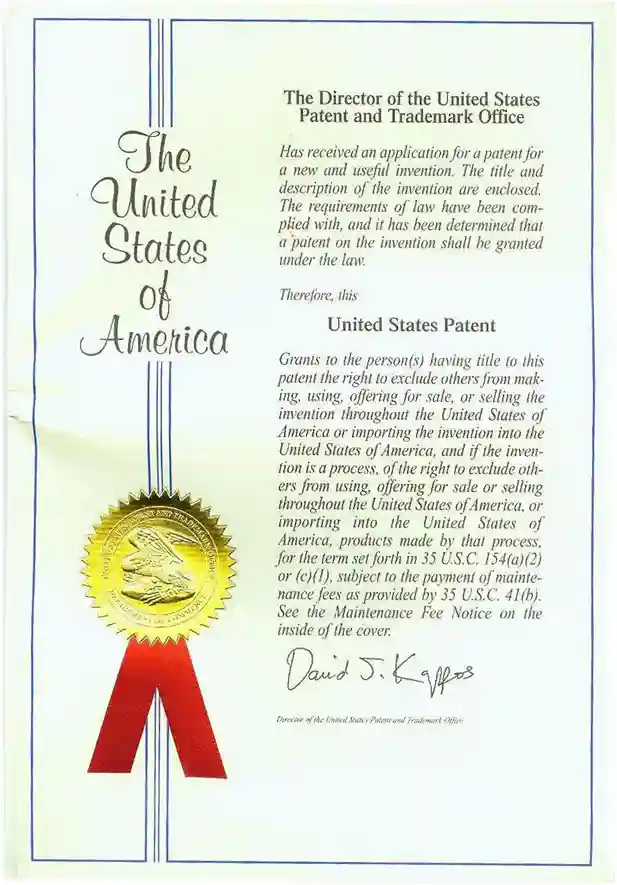
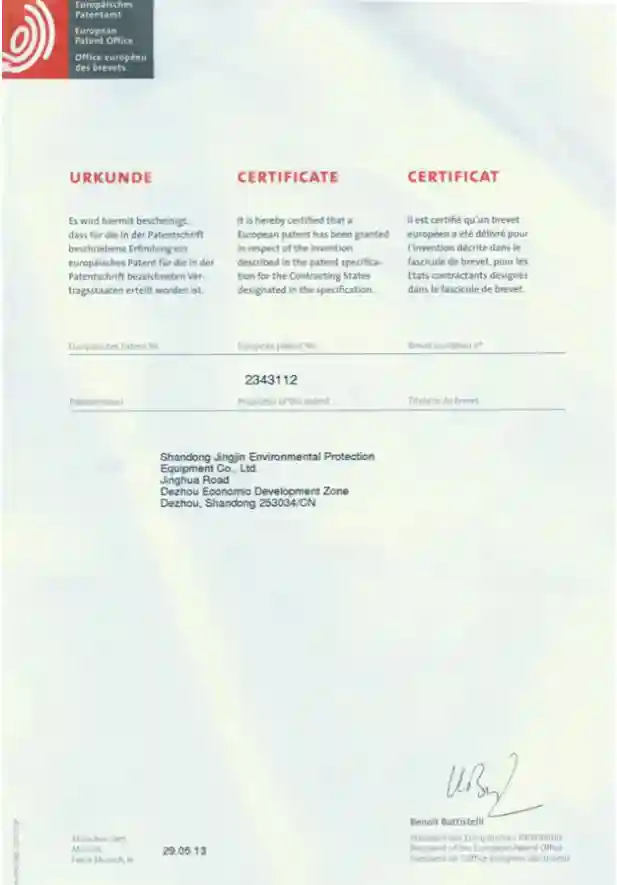
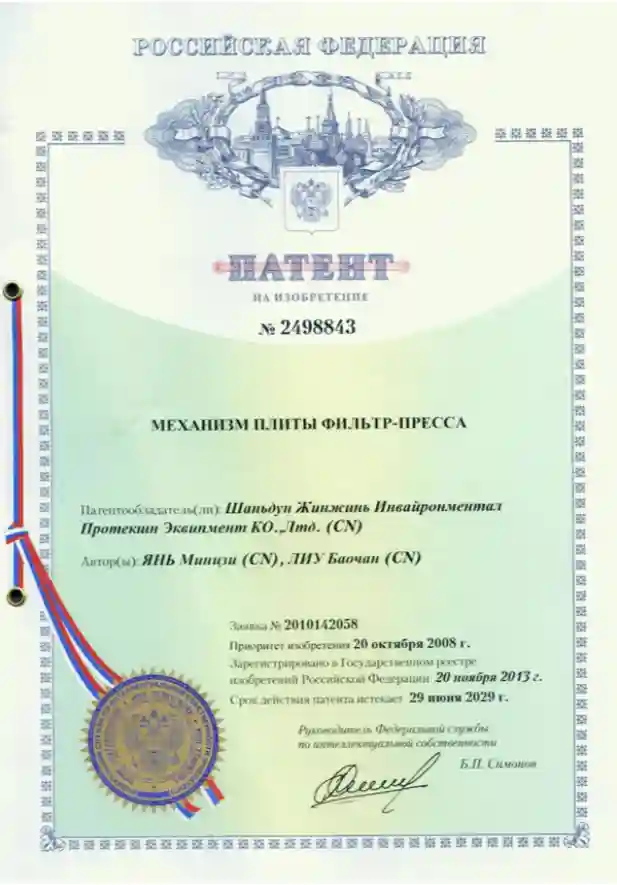
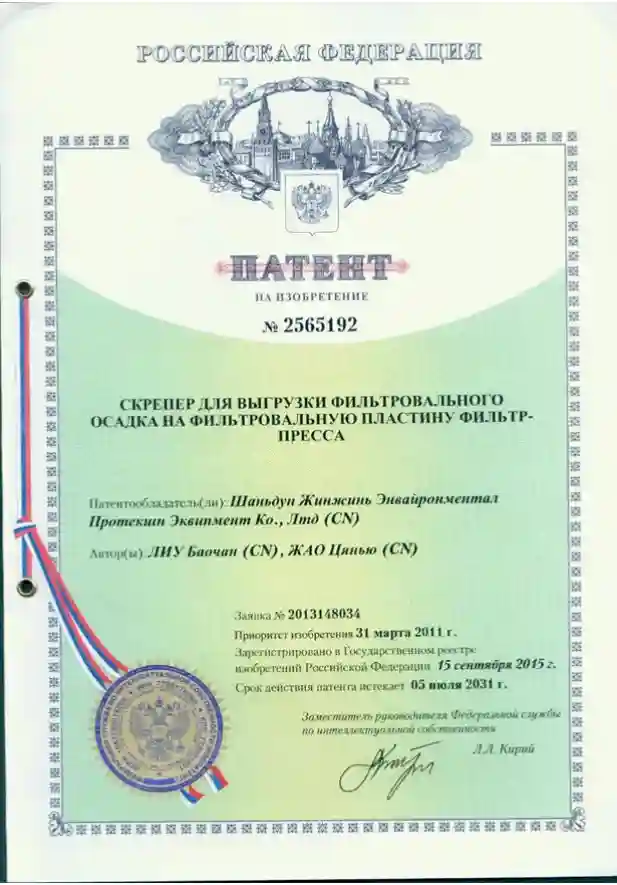
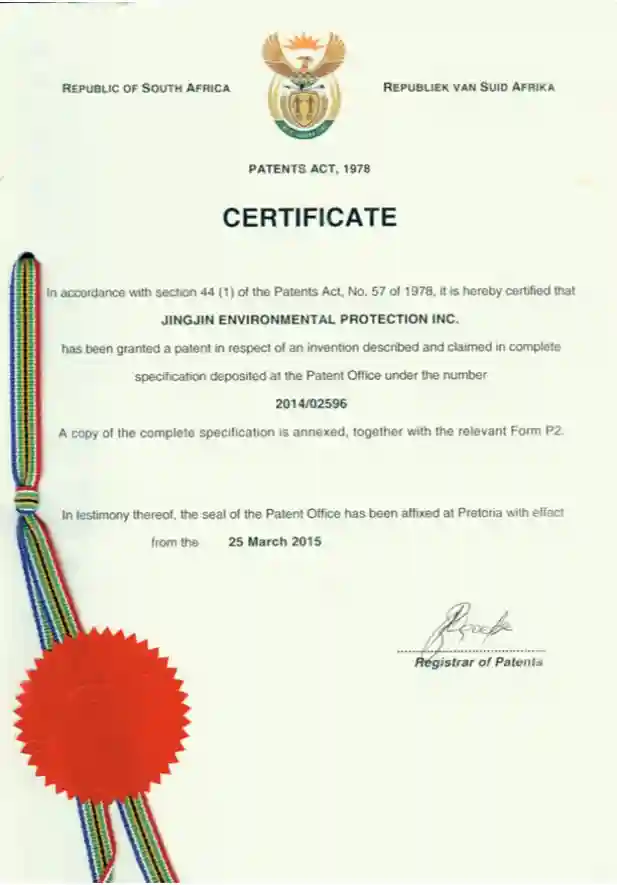
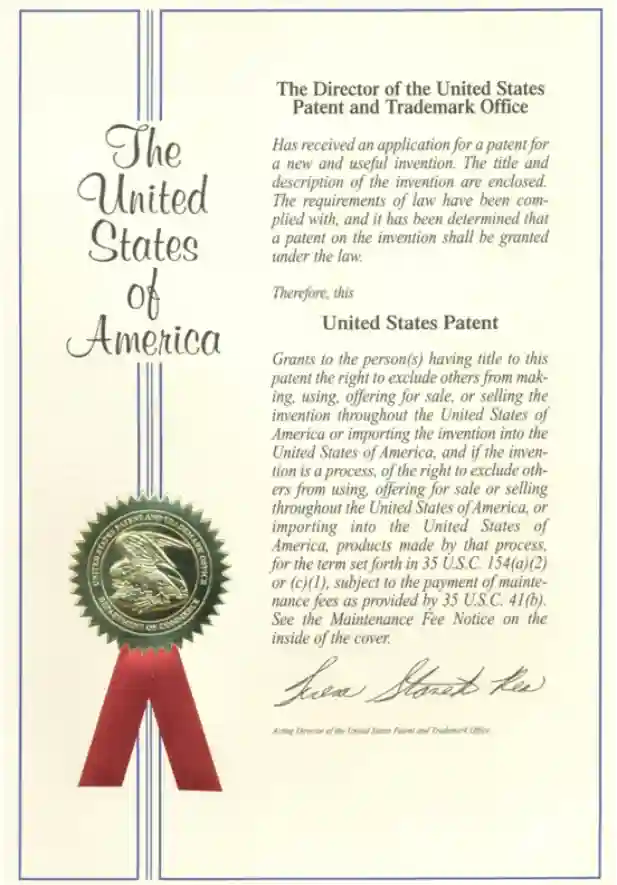
Finding a dependable filter press machine manufacturer decides whether your investment performs as promised. Food processors worldwide benefit from Jingjin Equipment Inc.'s 35 years of solid-liquid separation technological experience. Our wide range comprises food-grade filter press machines with hygienic design, corrosion-resistant materials, and automation levels to meet your production needs. With 136+ patents for membrane squeeze technology, plate design, and control system advances, we provide proven systems with installations on six continents.
Our full-service strategy includes capacity sizing, commissioning, and technical support. Our global service network provides fast replacement parts delivery and factory-trained technician help. Talk to our filtration experts at [email protected] about your application needs and equipment alternatives. Qualified candidates receive lifetime cost analysis, finance advice, and reference site visits. Compare technology, understand maintenance, and assess the total cost of ownership with our Food Processing Filtration Guide. Let us show you why major food producers use Jingjin for mission-critical separation filter press machines.
References
1. Singh, R.P., & Heldman, D.R. (2021). Introduction to Food Engineering (6th ed.). Academic Press. Chapter 8: Filtration and Membrane Separations in Food Processing.
2. Wakeman, R.J., & Tarleton, E.S. (2005). Solid/Liquid Separation: Principles of Industrial Filtration. Elsevier Science Ltd. Section on Pressure Filtration Equipment.
3. Cheryan, M. (2019). Handbook of Food Bioengineering: Food Processing Technologies. Academic Press. Volume discussing mechanical separation unit operations.
4. Sutherland, K. (2008). Filters and Filtration Handbook (5th ed.). Butterworth-Heinemann. Technical specifications and selection criteria for industrial filter presses.
5. Fellows, P.J. (2017). Food Processing Technology: Principles and Practice (4th ed.). Woodhead Publishing. Coverage of solid-liquid separation equipment in food manufacturing.
6. American Filtration and Separations Society. (2020). AFSS Technical Manual: Best Practices for Filter Press Operation in Food and Beverage Industries. Industry standards and maintenance protocols.
jingjin
Founded in 1988, Jingjin specializes in filter presses and liquid-solid separation solutions, serving over 130 countries worldwide, and is a standard-setter in China's filter press industry.
Get the Filter Press guide
Enter Your Email for Technical assistance for the Filter Press.
Recommended Blog
China Screw Dewatering Machine for International Resellers
Understanding Technical Specifications of Press Filters: A Complete Guide
Integration of Press Pump and Filter Press Systems for Enhanced Performance
High Capacity Filter Presses for Mining: Enhancing Mineral Processing Efficiency