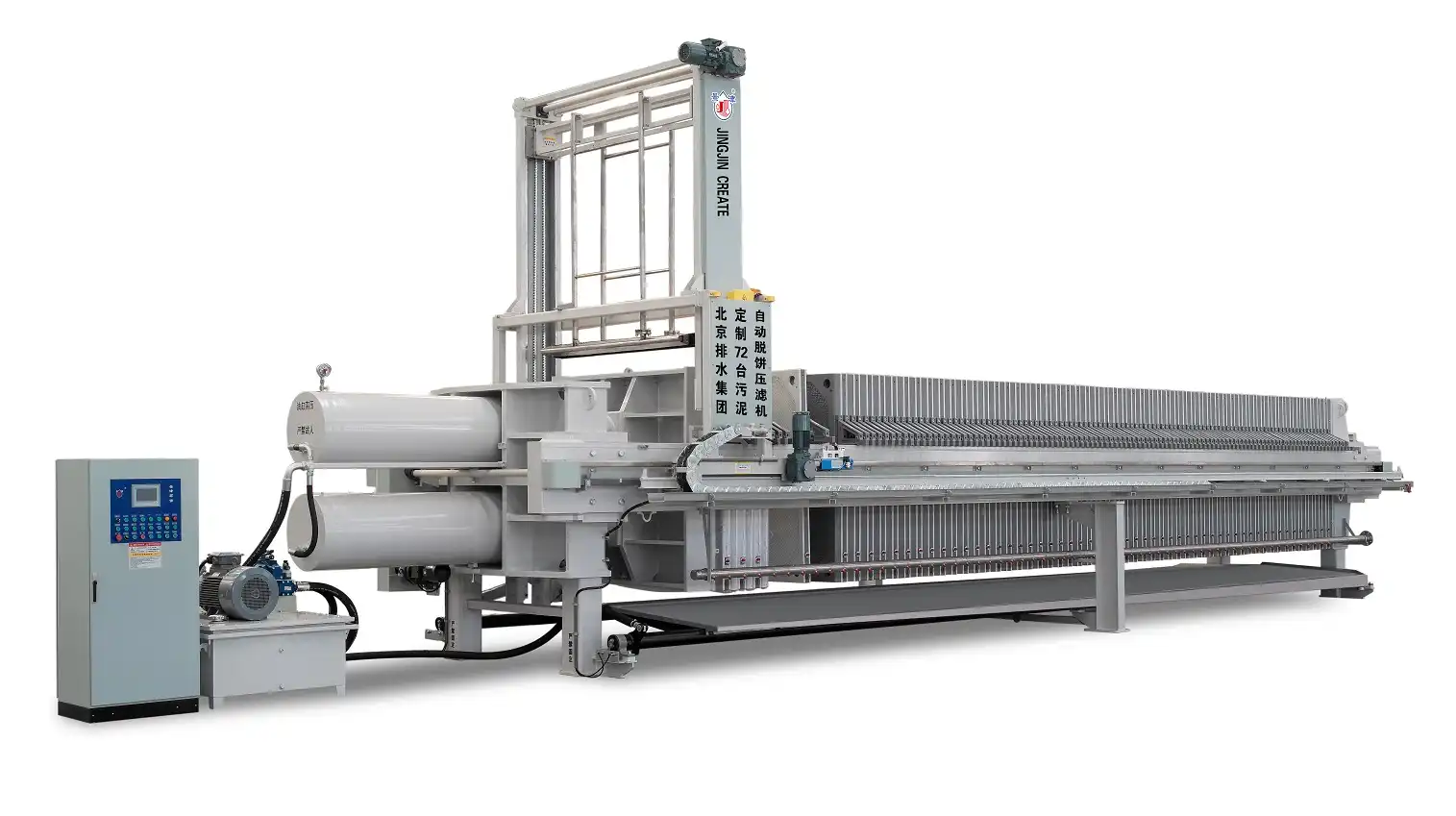
How a Membrane Squeeze Filter Press Enhances Dewatering
Understanding Membrane Squeeze Filter Press Technology
- Understanding Membrane Squeeze Filter Press Technology
- Evaluating Membrane Squeeze Filter Press vs. Other Filtration Solutions
- Maximizing Performance: Operation and Maintenance Best Practices
- Procurement Considerations: How to Choose the Right Membrane Squeeze Filter Press
- Future Trends and Innovations in Membrane Squeeze Filter Press Technology
- Conclusion
- FAQ
- Partner with Jingjin for Advanced Membrane Squeeze Filter Press Solutions
- References
Advanced filtering technology helps wastewater treatment plant and mining process engineers reduce sludge moisture content. Using elastic membranes in filter plates that inflate with high-pressure fluid to crush the filter cake, a membrane squeeze filter press revolutionizes dewatering. Standard chamber presses cannot remove interstitial moisture; this squeeze phase may result in cake dryness 10-20% lower. The consequence is lower transportation costs, better disposal efficiency, and better environmental compliance, which influence procurement decisions in municipal wastewater and chemical manufacturing.
Understanding Membrane Squeeze Filter Press Technology
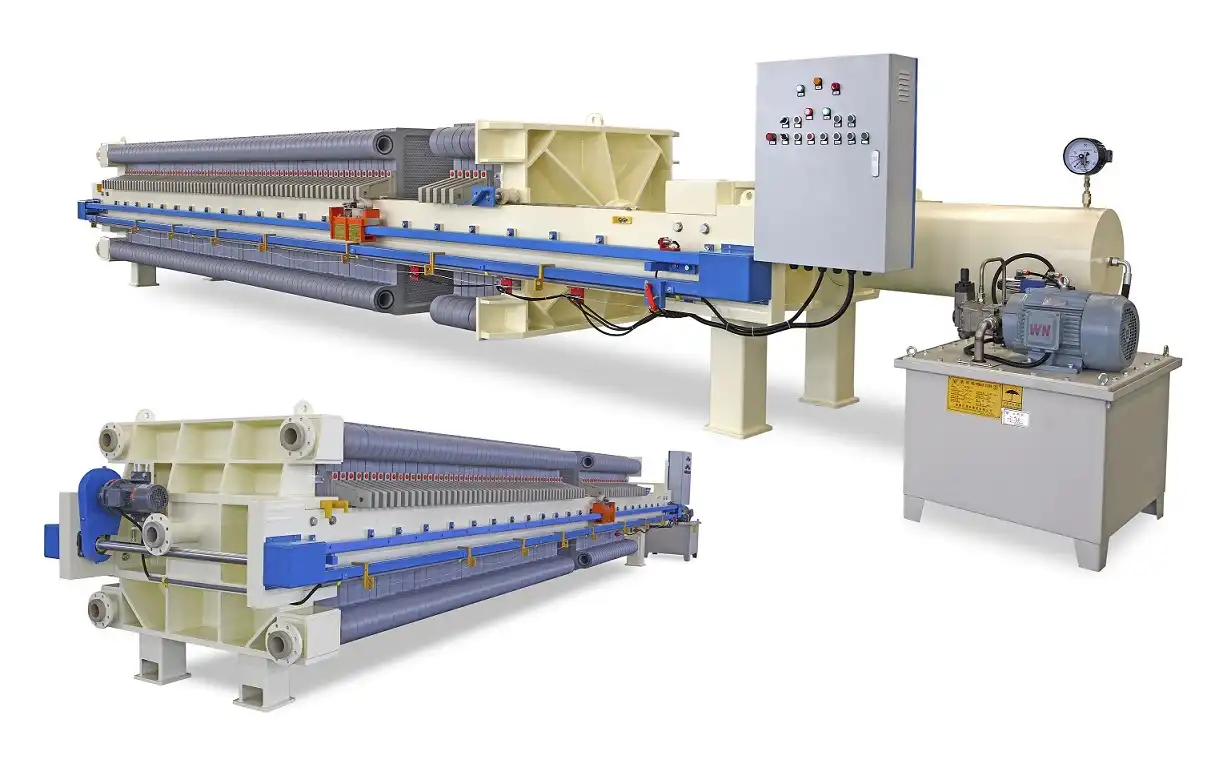
Dual-phase separation is the novelty of this dewatering device. Initial filtering involves pumping slurry into chambers between filter plates, where particles concentrate on filter cloths, and filtrate flows out. The squeeze step involves injecting pressurized air or water behind flexible membranes on each plate to bulge inward and exert consistent pressure over the cake surface when the chambers are full.
Operating Principles That Deliver Superior Results
Biological sludge and fine mineral tailings lose their colloidal structure due to mechanical compression. In standard recessed chamber presses, feed pumps achieve 0.8 MPa, but the squeeze cycle adds 1.6 to 3.0 MPa. Passive drainage cannot remove cake moisture from interior pores like this pressure gradient. The method works well with compressible solids whose cake structure responds to mechanical stress.
Key Design Features Engineered for Industrial Demands
Modern systems use heavy-duty hydraulic sealing mechanisms to withstand squeezing forces. For high-temperature or corrosive applications, plates are made of reinforced polypropylene or PVDF. Slurry chemistry and operating temperatures determine membrane materials like EPDM synthetic rubber, TPE thermoplastic elastomer, or chemical-resistant NBR. Automation controls feed, filter, squeeze, and discharge the cake while optimizing squeeze duration and pressure ramp rates for individual materials with little user interaction. Understanding these technical characteristics helps procurement teams assess how the technology solves operational problems. Faster cycle times increase throughput without plant expansion. Lower cake moisture reduces shipping costs and sometimes allows direct cremation or safe landfilling without stabilizing chemicals.
Evaluating Membrane Squeeze Filter Press vs. Other Filtration Solutions
Dewatering technology selection demands a thorough comparison. Chamber presses, belt filter presses, and centrifugal decanters have different capacities, but the membrane squeeze filter press excels in difficult situations.
Operational Comparison: Where Squeeze Technology Excels
Chamber filter presses produce 65-75% moisture cakes in municipal sludge applications using just feed pressure. Belt presses yield 75-80% moist cakes from continuous operation, but struggle with tiny particles. Centrifuges handle varied feed rates effectively but are energy-intensive and maintenance-intensive. Although material characteristics vary, membrane squeeze filter presses typically attain below 60% moisture in sludge and 15-20% in mineral concentrates. Instead of passive drainage, the mechanical squeeze action actively expels moisture, improving performance. Pressurized material processing cycle times favor squeezing technology. The initial half of a standard cycle deposits 80% of solids, while gradual consolidation consumes the rest. The squeezing process cuts batch time by 20-50% and improves dryness. Multiple-cycle daily operations increase throughput without capital growth.
Total Cost of Ownership and ROI Considerations
Membrane components and improved hydraulic systems raise membrane squeeze filter press prices by 25-40% relative to chamber versions. ROI estimates must include operational savings. High-volume shipping costs can be decreased by 50% using lighter cakes. Fees for landfill tipping decrease correspondingly. Many facilities find that cakes satisfying incineration moisture standards become fuel supplements instead of disposal liabilities. The main consumable cost is membrane replacement, with excellent EPDM or TPE membranes lasting 3,000–10,000 cycles depending on chemical exposure and squeeze severity. Membrane expenses per ton of dry solids treated are low compared to moisture savings. Squeezing energy consumption increases somewhat owing to hydraulic pump action, shorter cycle lengths, and removing subsequent drying stages frequently reduces energy consumption.
Maximizing Performance: Operation and Maintenance Best Practices
Operational discipline and preventative maintenance ensure equipment longevity and dewatering performance. Neglected systems break prematurely and reduce production, whereas well-maintained ones last decades.
Routine Maintenance Protocols for Extended Equipment Life
Membrane preservation is crucial. To prevent chemical attack during idle periods, leftover solids should be washed from membrane surfaces with clean water after each manufacturing shift. We inspect weekly for surface cracks, edge delamination, and persistent deformation that indicates end-of-life. Stopping early weariness requires correct squeezing pressure and not over-inflating. To avoid replacement downtime, keep spare membrane sets in stock. The health of the hydraulic system affects the closure force and the stability of the squeezing pressure. Fluid levels, filter quality, and cylinder seal integrity are checked monthly. Pressure and flow meters must be calibrated periodically to meet squeeze settings. Analysis and replacement avoid costly pump and valve failures because contaminated hydraulic fluid increases precision component wear. Cake release and filtrate clarity depend on the filter cloth condition. Fine particles or chemical precipitates blind cloths, slowing cycle times and reducing output. Permeability is maintained by washing clothes between batches or using automated techniques. Using filtration rates to track cloth longevity helps plan replacements before performance degrades.
Troubleshooting Common Dewatering Inefficiencies
Examining the reasons for unexpected cake moisture increases speeds up resolution. Insufficient squeezing pressure, short squeeze time, membrane squeeze filter press, and premature membrane wear cause comparable symptoms. Verifying membrane manifold squeeze pressure, not hydraulic system pressure, reveals supply line or valving pressure losses. Extension of squeeze hold time by 2-3 minutes frequently restores target dryness if feed parameters change. Uneven cake thickness across the plate pack implies feeding channeling or inadequate chamber filling. Distribution problems are solved by adjusting feed pump rates, slurry conditioning, or plate sealing surfaces. Poor fabric selection or release agent application normally causes cake adhesion issues during discharge, but high squeeze pressure can compress cakes so tightly that they defy gravity discharge. Data-logging monitoring systems spot performance patterns before they become failures. Set baseline performance by tracking squeeze pressure, cycle length, and filtrate volume for each batch. Deviations, including membrane deterioration, fabric blinding, and upstream slurry conditioning that impact filterability, require examination.
Procurement Considerations: How to Choose the Right Membrane Squeeze Filter Press
Technical parameters and supplier capabilities must be assessed to choose equipment that meets operational and financial needs. As production changes, procurement personnel must combine urgent dewatering demands with long-term flexibility.
Assessing Your Specific Dewatering Requirements
Slurry properties determine equipment size. Filtration area depends on solids concentration, particle size, and compressibility. The squeeze technique benefits compressible cakes more than granular, free-draining solids. Laboratory filter press testing with representative samples determines the best moisture content, cycle time, and squeezing pressure for your application. Equipment size is determined by throughput. A mineral processing plant processing 500 cubic meters of sludge every day needs far more capacity than 50 cubic meters. Whether a 50-square-meter unit or a 500-square-meter industrial system matches the operating tempo depends on batch size and cycle frequency. Plate pack length may be limited by building space, preferring vertical or overhead arrangements.
Evaluating Suppliers and Manufacturers
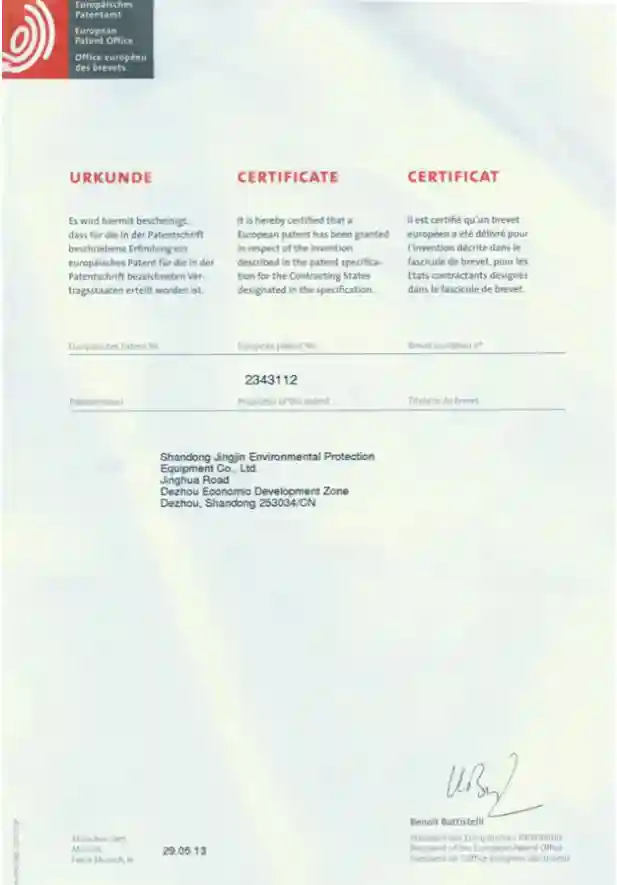
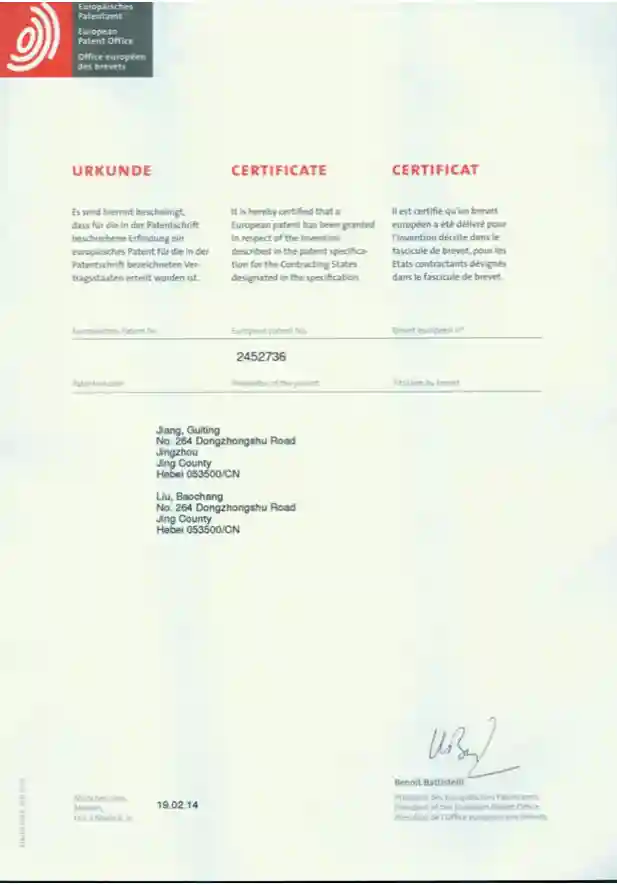
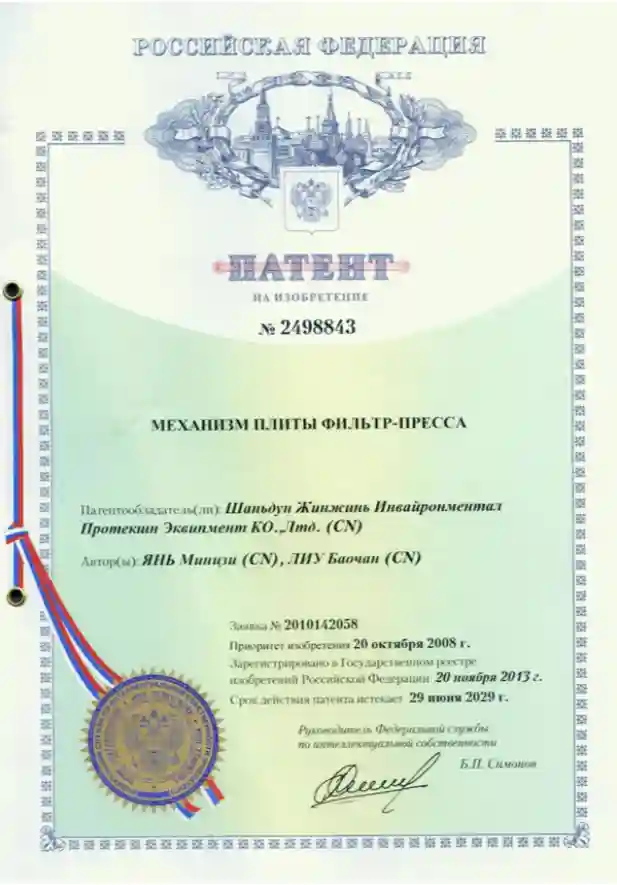
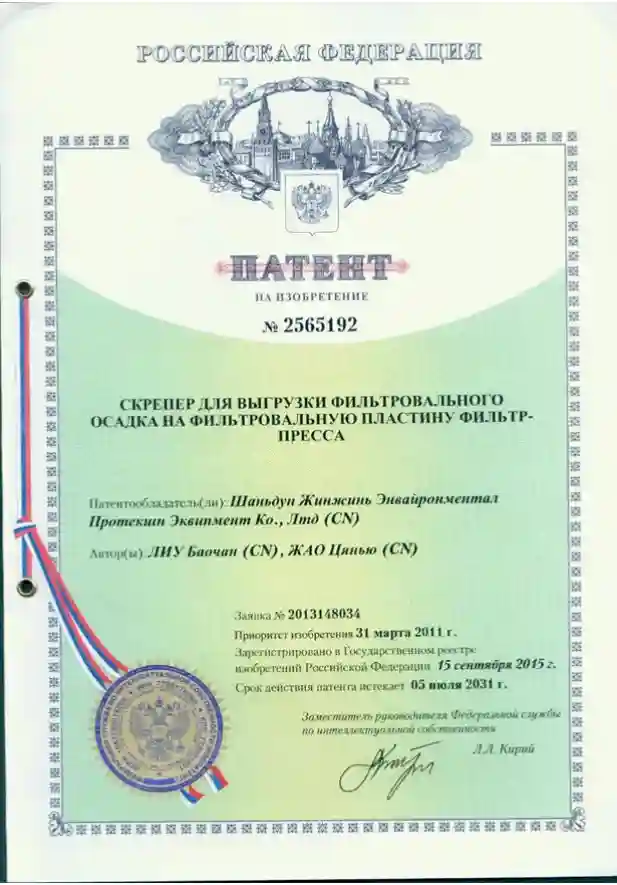
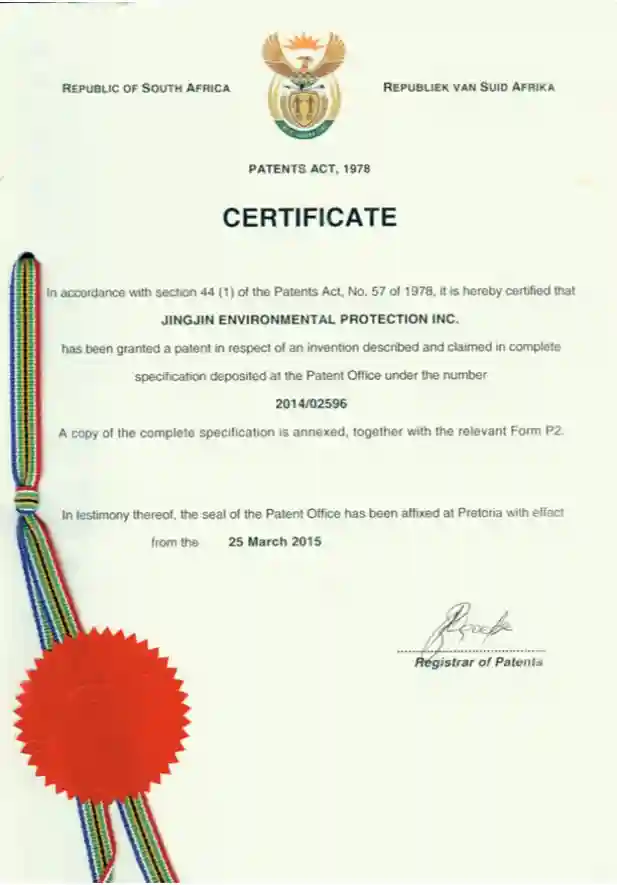
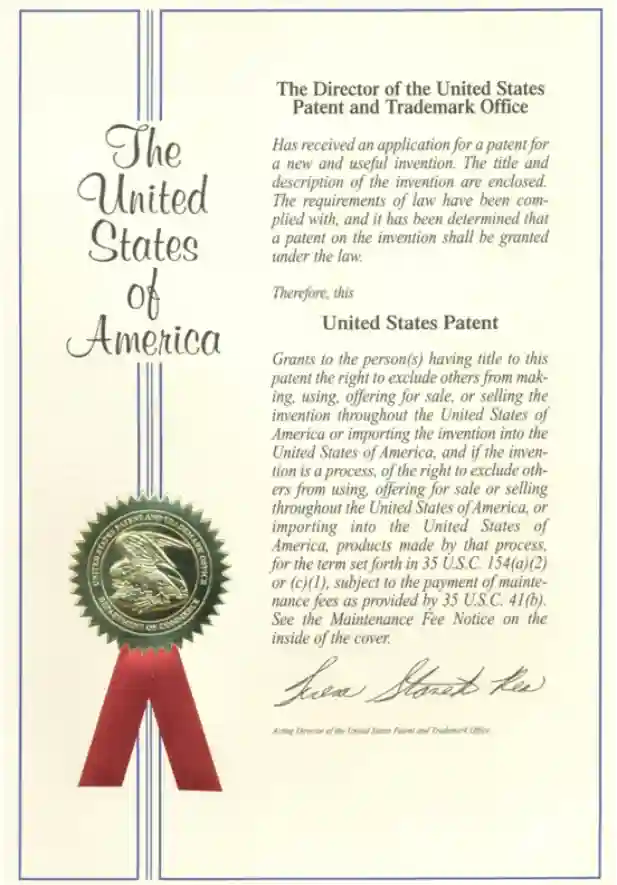
Established producers have decades of application and technical expertise. Jingjin Equipment Inc., founded in 1988, has installed systems in 123 countries, learning about regional material variances and regulations. This worldwide footprint important when buying equipment for multinational projects that require multilingual paperwork or different safety requirements. Patent portfolios show innovative commitment. Manufacturers with over 136 patents, including Jingjin, enhance membrane compositions, plate sealing mechanisms, and automation. These modest improvements improve field dependability and performance. How soon issues are fixed depends on after-sales assistance. Manufacturers with regional service facilities, local spare parts, and remote diagnostics reduce downtime. During supplier selection, warranty terms, technician training, and replacement parts availability should be considered alongside equipment specs. Customization meets special needs. Standard catalog models work well for many applications; some businesses require customized plate materials, membrane compounds, or integrated cake washing systems. In-house engineering and fabrication suppliers offer customized solutions rather than requiring operational concessions to fit off-the-shelf goods.
Future Trends and Innovations in Membrane Squeeze Filter Press Technology
Innovation in dewatering with the membrane squeeze filter press is driven by digital technology, sustainability, and growing application industries. Forward-thinking procurement methods for the membrane squeeze filter press analyze how new capabilities will improve operational performance throughout 20-30-year equipment lifecycles.
Industry 4.0 Integration and Predictive Maintenance
Modern systems use smart sensors to continuously monitor squeezing pressure, hydraulic performance, membrane temperature, and cycle parameters. Predictive analytics on cloud systems estimate membrane replacement needs before failure. Machine learning algorithms analyze previous performance to find ideal squeeze durations and pressures for different feed circumstances and automatically change parameters to maintain cake dryness despite upstream process variability. Remote monitoring lets equipment makers detect flaws without inspection. Technicians using operational data quickly determine if performance decline is caused by worn membranes, hydraulic drift, or process modifications. This link helps facilities with many presses centralize monitoring and maintenance scheduling.
Sustainability Advances: Energy Efficiency and Water Recovery
As global environmental restrictions tighten, technologies reduce energy use and maximize water reuse. Instead of running at full capacity, hydraulic pump variable-frequency drives optimize power use during cycle phases. Heat recovery systems use hydraulic fluid thermal energy for building or process preheating, increasing plant energy efficiency. Advanced cake washing methods save 30-40% of wash water. Chemical product purity and wastewater reduction are improved by counter-current washing and membrane squeeze integration, which displaces mother liquor more thoroughly with less dilution. Water-scarce locations benefit from direct recycling of headworks due to filter quality improvements, closing water loops, and lowering freshwater usage.
Conclusion
Advanced dewatering technology affects solid-liquid separation companies' operating efficiency, disposal costs, and environmental compliance. Membrane squeeze filter presses deliver measurable advantages—achieving cake moisture reductions of 10-20% compared to conventional equipment, shortening cycle times by up to 50%, and working with biological sludge to abrasive mineral concentrates. Purchasing experts considering filtering equipment should choose providers with established technology, extensive support infrastructure, and operationally tailored customisation. In a more regulated industrial world, squeeze press technology positions facilities for long-term success as automation, sustainability, and application breadth improve.
FAQ
1. What is the expected lifespan of filter press membranes?
Operating pressure, squeezing frequency, and chemical exposure affect membrane lifetime. Quality EPDM or TPE membranes last 3,000–10,000 cycles. Extreme temperature, acidic or alkaline slurries, increases deterioration, lowering the lifetime toward the lower range. Clean membranes after each shift and minimize over-inflation to extend service life.
2. Which slurry types benefit most from membrane squeeze technology?
Mechanical squeezing works well for compressibles. Municipal wastewater, paper mill biosolids, pharmaceutical filter cakes, and fine mineral tailings reduce moisture significantly. Free-draining materials like coarse sand and crystalline salts passively filter low moisture and benefit less from squeezing. Laboratory testing evaluates if your slurry warrants the technology.
3. Can existing chamber presses be retrofitted with membrane plates?
Retrofitting involves major changes. Discharge forces are higher with membrane plates than with recessed chamber plates, hydraulic systems must be upgraded. Squeeze medium manifolds and control logic complicate installation. In most facilities, purpose-built equipment is cheaper than retrofits, partial conversions, or mixing membrane and chamber plates work in transitional situations.
Partner with Jingjin for Advanced Membrane Squeeze Filter Press Solutions
Industrial-grade dewatering systems from Jingjin Equipment Inc. meet your demanding needs. Our membrane squeeze filter press technology, improved over 35 years of manufacture and field-proven in mining, municipal wastewater, chemical processing, and pharmaceutical sectors, provides the cake dryness and throughput dependability your facility needs. Over 136 patents protect proprietary innovations, extensive customization accommodates specialized materials and operating conditions, and a global service network supports clients in 123 countries. Jingjin is your membrane squeeze filter press manufacturer and long-term filtration partner. Our engineering staff at [email protected] may discuss your dewatering difficulties, provide technical requirements, or test your products in the lab. Jingjin's complete approach—combining modern equipment, consumables, and continuing support—optimizes solid-liquid separation processes and lowers TCO.
References
1. Tarleton, E.S. and Wakeman, R.J., Solid/Liquid Separation: Equipment Selection and Process Design, Butterworth-Heinemann Advanced Manufacturing Series, 2006.
2. Svarovsky, L., Solid-Liquid Separation, 5th Edition, Butterworth-Heinemann Chemical Engineering Series, 2000.
3. Wakeman, R., "The Influence of Particle Properties on Filtration," Separation and Purification Technology, Vol. 58, No. 2, 2007.
4. Cheremisinoff, N.P., Handbook of Water and Wastewater Treatment Technologies, Butterworth-Heinemann Environmental Engineering Series, 2002.
5. Rushton, A., Ward, A.S., and Holdich, R.G., Solid-Liquid Filtration and Separation Technology, 2nd Edition, Wiley-VCH Process Engineering, 2000.
6. Anlauf, H., "Recent Developments in Centrifuge Technology," Separation and Purification Technology, Vol. 49, No. 3, 2006.
jingjin
Founded in 1988, Jingjin specializes in filter presses and liquid-solid separation solutions, serving over 130 countries worldwide, and is a standard-setter in China's filter press industry.
Get the Filter Press guide
Enter Your Email for Technical assistance for the Filter Press.
Recommended Blog
Affordable Filter Press Machines for the Chemical Industry: What to Look For
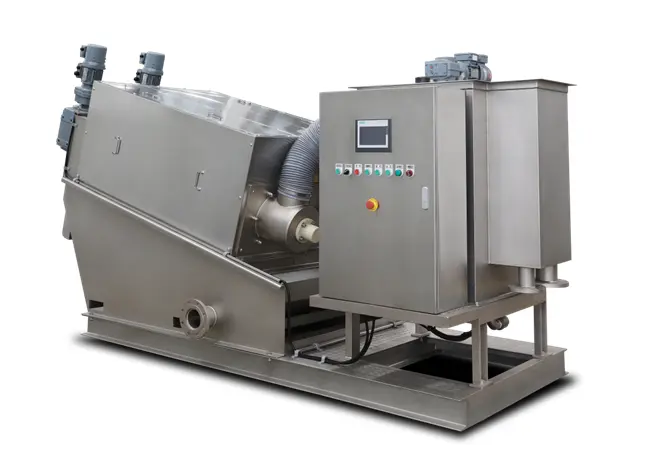
China Screw Dewatering Machines for Asia Infrastructure Projects
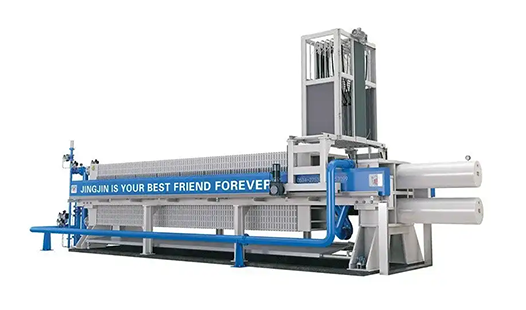
High Efficiency Jingjin Filter Press Applications in Chemical Manufacturing

Top Benefits of Using a Filter Press in Industrial Wastewater Filtration
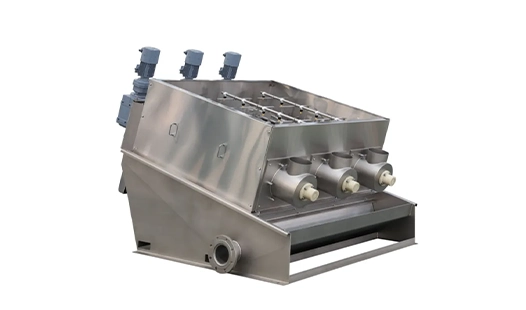
Durable Multi Disk Sludge Dewatering Machines with Low Maintenance Needs