Step-by-Step Guide: How to Maintain a Filter Press for Optimal Performance
Step-by-Step Guide: How to Maintain a Filter Press for Optimal Performance
Understanding Your Filter Press System Components
- Understanding Your Filter Press System Components
- Daily Inspection Procedures
- Weekly Maintenance Protocols
- Monthly Deep Cleaning Requirements
- Filter Cloth Care and Replacement
- Troubleshooting Common Issues
- Seasonal Maintenance Considerations
- Record Keeping and Performance Tracking
- Partner with Jingjin for Superior Filter Press Solutions
- References
In business settings, keeping your filter press equipment in good shape directly affects how well it works, cuts down on downtime, and increases its useful life. This detailed care guide includes everything you need to do to keep your filter system working at its best, from daily checks to replacing parts on a regular basis. If you follow these tried-and-true maintenance steps, your dewatering system will always work well, break down less often, and give you the most out of your investment in solid-liquid separation technology, whether you're working with mine slurry, wastewater sludge, or chemical processing applications. Regular maintenance keeps the high level of filter efficiency that your processes need and avoids expensive fixes.
Understanding Your Filter Press System Components
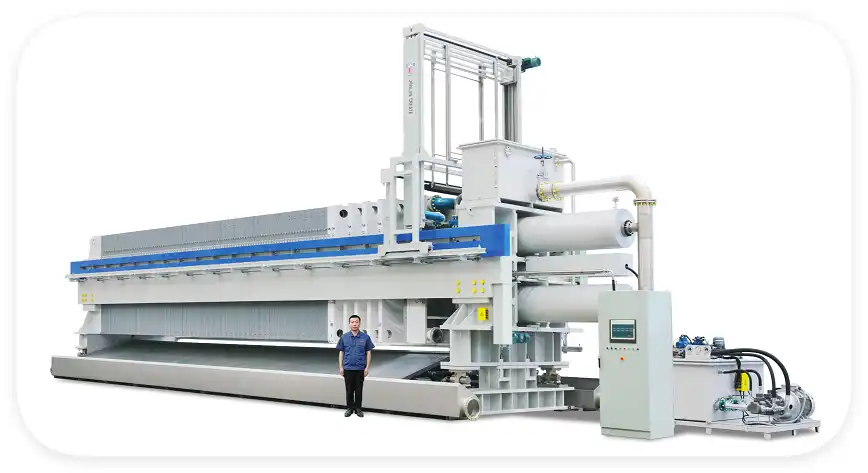
Modern filter systems have many parts that are all linked to each other and need to be maintained in an organized way. The hydraulic press device creates the compression force needed to make a cake and separate the solids. When you use pressure filtering, filter plates provide the structure, and filter media keeps particles in place while the separation process is happening.
The state of the filter cloth has a direct effect on the quality of the liquid and how the cake releases. If the filter media is damaged or old, particles can get around the separation zone, which lowers the total performance of the system. The arrangement of the plates and frames affects the size of the room and the number of batches that can be processed at once.
Under controlled pressure, feed pumps and pipe systems move the slurry to the filter tanks. During the draining stage, valve systems control the flow rates and pressure levels. Knowing how these links work together helps workers spot possible repair problems before they slow down production.
Key performance factors, such as pressure differences, cycle times, and cake thickness readings, are tracked by monitoring systems. These data points show patterns that point to worn-out parts or inefficient operations that need to be fixed.
Daily Inspection Procedures
Visual checks done at the start of each work shift keep small problems from getting worse and causing major machine breakdowns. Make sure that none of the hydraulic lines have any leaks or low pressure that might affect the pressing force during the filter cycle.
Check the sides of the filter press cloth for tears, holes, or too much cake growth that gets in the way of the cake escaping properly. Clean cloth surfaces help cakes form evenly and cut down on spin times. To keep the filtrate stream from getting contaminated, replace any broken filter media right away.
Check the line and closing sides of the plates for damage or wear patterns. Plates that aren't lined up right cause uneven pressure application, which makes separation less effective. Cleaning the sealing surfaces gets rid of the buildup of dirt and dust that stops the chamber from closing properly.
Keep an eye on the feed pump's performance, such as its pressure numbers, flow rates, and any strange noises or movements. When there are problems with the pump, the slurry doesn't spread out evenly, which can leave the chamber unfinished or make it hard for cakes to form.
Check drainage systems for clogs or limits that make it hard to get rid of cakes. Proper cake release keeps material from building up and cuts down on the time needed to clean between rounds. Write down all of your notes in maintenance logs so that you can look for patterns and plan preventative actions.
Weekly Maintenance Protocols
Full maintenance once a week takes care of places that need more attention than daily checks can give. Clean all of the filter cloth completely using the right cleaning products for the job. Chemical leftovers and small particles slowly make cloth less permeable and make cycle times longer.
Check the amount of hydraulic fluid and the state of the pressing system. If hydraulic fluid is contaminated or broken down, it makes pushing force less consistent and can damage pump parts. As directed by the maker, replace filters and oil as needed.
Check the plate sides for damage like scratches, rust, or bending that could affect how well they close. Small surface imperfections can be fixed by cleaning the plate properly, but major damage needs to be replaced or fixed up.
Check all of the safety features, like the interlocks, emergency stops, and pressure release valves. When safety systems work right, they protect people and things, both during normal activities and in emergencies.
According to the repair plan, use the right oils to grease any moving parts. Too much oil draws dirt and debris, while not enough lube speeds up wear. Follow the application points and amounts given by the maker.
Check the power links and make sure the system works. Loose links make operations less consistent and could be dangerous. Clean the electrical casings and make sure the control components have enough airflow.
Monthly Deep Cleaning Requirements
Monthly maintenance filter press includes cleaning the whole system and carefully checking each part to find issues before they get worse. Take out all of the filter media so that you can clean it very well in an ultrasonic bath or with pressure washing tools made for your fabric.
Take apart and clean the heads, pumps, and flow control devices that are part of the feed distribution system. Buildups of deposits make flow patterns less flexible and cause uneven slurry spread across filter surfaces. Cleaning the parts makes sure that the cake forms evenly and that the draining works well.
Check and clean the attachment parts, hydraulic cylinders, and seals. Replace seals that are worn out before they break and let dirt or pressure into the system. When you take care of your seals properly, you can avoid expensive hydraulic fixes and unplanned downtime.
Look at the building's frame sections, support bolts, and base ties, among other things. Vibration and operating stresses can make links loosen up or put stress in one place. Tighten the hardware and fix any alignment problems right away.
Pressure monitors, flow meters, and temperature sensors are some of the test instruments that need to be calibrated. Correct process control and finding performance trends depend on accurate data. Use approved reference standards to calibrate devices according to the manufacturer's instructions.
Filter Cloth Care and Replacement
Filter media is an important reusable part that needs to be carefully managed to get the best performance and value for money. Set up change plans for the clothes so that they can be cleaned and inspected thoroughly between uses. Rotating the cloth in the right way keeps the filter quality stable and increases its life.
Choose the right cleaning agents based on the materials you're using and the properties of the cake. Alkaline cleaners get rid of organic matter and biological growth, while acidic cleaners get rid of mineral deposits. Stay away from harsh agents that break down fabric threads or weaken fabric.
Use normal test methods to keep an eye on how permeable the cloth is. Loss of permeability means that pores are getting blocked or fibers are breaking down and need to be replaced. Set conditions for substitution that are based on readings of leakage instead of random time periods.
Keep extra filter media in a clean, dry place that is out of the sun and away from chemicals. The right way to store cloth keeps it from wearing out too quickly and makes sure that new cloth works as intended. Keep enough supplies on hand to avoid delays in production.
Write down how the cloth worked, including when it was installed, how often it was cleaned, and why it needed to be replaced. Performance data helps make cleaning processes better and repair plans more accurate. Keep an eye on the prices of various types of cloth and sellers to find the most cost-effective options for your needs.
Troubleshooting Common Issues
A lot of water in the sludge usually means that the pressing time wasn't long enough, the filter press pressure wasn't high enough, or the filter media was worn down. Slowly extend the spin time while keeping an eye on cake formation. Make sure the hydraulic system is under pressure and fix any leaks that are affecting the pushing force. If the filter cloth is damaged or worn out too much, it should be replaced.
Longer cycle times are usually caused by cloth that gets clogged, not enough feed pressure, or the wrong percentage of slurry. Follow the right steps for your application to clean filter media completely. Check the feed pump is working and make sure the pressure settings are within the amounts that are suggested. Keep an eye on the properties of the feed liquid and make changes to the processes upstream if needed.
When cake discharge is poor, it means that the cake wasn't pressed enough, the wrong cloth was chosen, or there are technical problems with the discharge systems. Make sure all of the pressing rounds are done and check the pressure settings. Look at the surface properties of the cloth and think about other types of media for tough discharge jobs. Check and fix tools used to remove cakes, like vibrators, scrapers, and conveyor systems.
Filtrate quality problems mean that the cloth is damaged, the plates aren't closing properly, or the cake isn't forming properly. Right away, replace any broken filter media. Check the position of the plates and the state of the sealed surface. Check the right ways to prepare the slurry and feed it.
Seasonal Maintenance Considerations
Extreme temperatures can damage equipment and make it necessary to change how it is maintained. Hydraulic fluids get thicker in cold weather, which can change how the pressing system responds. For predicted temperature ranges, use the right fluid grades, and for extreme situations, think about heating systems.
High temperatures make it more important to do maintenance more often because they speed up the breakdown of lubricants. When it's hot outside, check the oil state more often. Make sure that electrical parts and hydraulic systems have enough air flow.
Changes in humidity can damage electrical systems and cause uncovered parts to rust. Protect electrical boxes with the right tools and make sure they stay sealed properly. Protect metal areas from rust by taking the right steps.
Because processes change with the seasons, they may need different upkeep methods. Throughout the year, mining activities often have to deal with ore that have different properties. The amount and makeup of wastewater at treatment plants change with the seasons. Change the repair plans to account for these changes in how things work.
Record Keeping and Performance Tracking
Keeping detailed records of repair helps you make decisions based on data and spot trends that affect how well your equipment works. Write down the dates of all maintenance tasks, the steps that were taken, the parts that were changed, and any notes that were made during checks.
Keep an eye on key performance markers like cycle times, cake wetness levels, and measures of liquid quality. Plot these factors over time to see how they change over time, which can show problems that are getting worse or chances to make things better.
Keep track of the important extra parts you have on hand, like filter cloth, seals, and wear parts. Set restock points that keep you from running out of stock and keep your moving costs as low as possible. Keep an eye on how well suppliers do and the quality of their parts to find your best sources.
Figure out how much upkeep will cost, taking into account labor, supplies, and time lost from work. To find ways to make things better, compare real costs to budgets and industry standards. Make a case for upgrading tools or making process changes by using cost data.
Check how well upkeep is being done by looking at how often equipment breaks down, how much it costs to fix, and how available the equipment is. Instead of making up plans, use real performance data to change how often and how the work is done.
Partner with Jingjin for Superior Filter Press Solutions
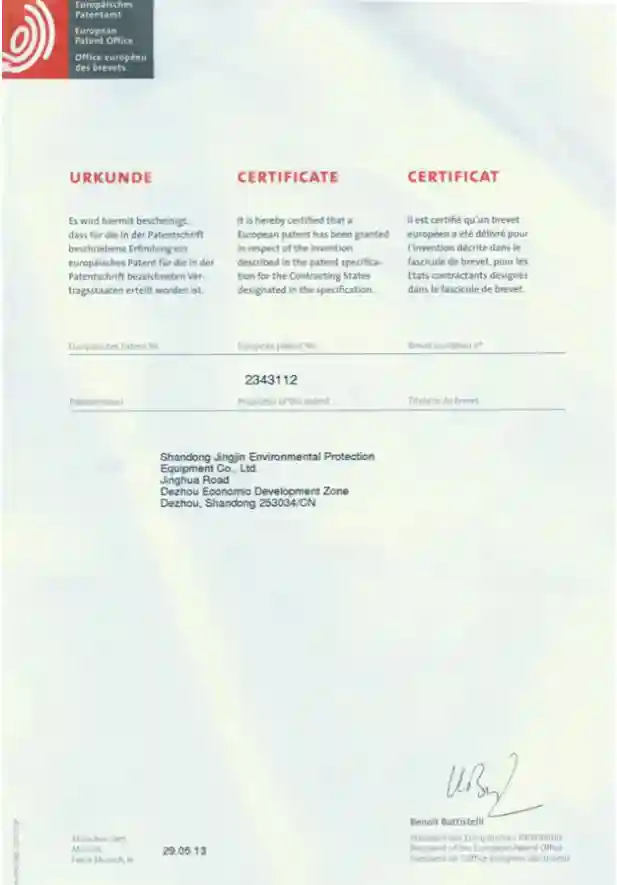
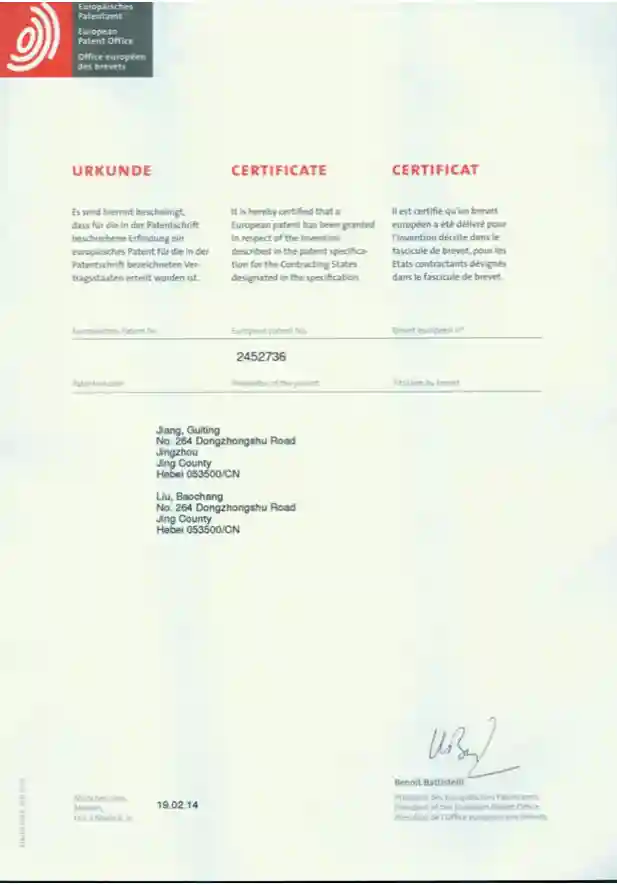
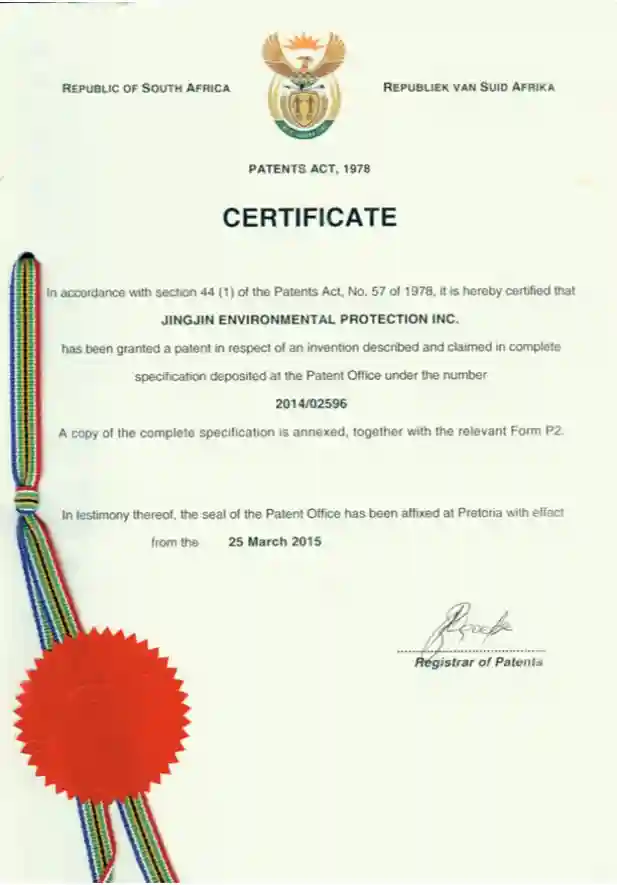
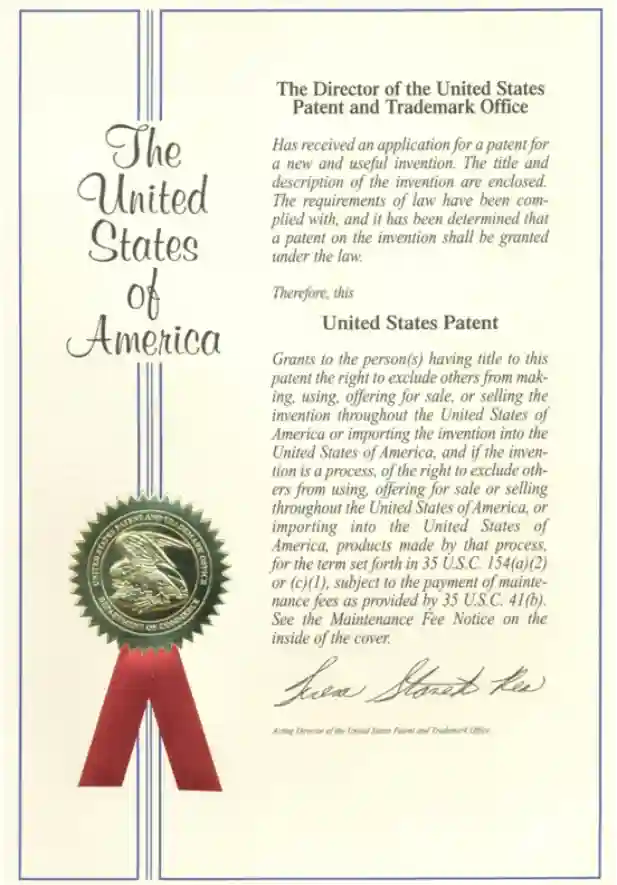
If you need a reliable filter press maker, look no further than Jingjin Equipment Inc. They have over 35 years of technical excellence and more than 136 patents to back up their solid-liquid separation technology. With a service network that spans 123 countries, our full range of support services makes sure that equipment works perfectly in all kinds of difficult industrial settings, from mines to wastewater treatment plants. You can email our filter experts at [email protected] to talk about your unique needs and get advice for your next project.
References
1. Perry, R.H. and Green, D.W. (2019). Perry's Chemical Engineers' Handbook: Solid-Liquid Operations and Equipment Maintenance Practices. McGraw-Hill Professional.
2. Wakeman, R.J. and Tarleton, E.S. (2017). Solid/Liquid Separation: Equipment Selection and Process Design for Filter Press Systems. Butterworth-Heinemann.
3. Svarovsky, L. (2018). Solid-Liquid Separation Technology: Maintenance and Optimization Strategies for Industrial Applications. Academic Press.
4. Cheremisinoff, N.P. (2020). Handbook of Water and Wastewater Treatment Technologies: Filter Press Maintenance and Performance Optimization. Marcel Dekker.
5. Matteson, M.J. and Orr, C. (2019). Filtration: Principles and Practices of Filter Press Operation and Maintenance. CRC Press.
6. Tiller, F.M. and Yeh, C.S. (2018). Industrial Filtration Equipment: Design, Operation, and Maintenance Guidelines for Optimal Performance. Wiley-VCH.
jingjin
Founded in 1988, Jingjin specializes in filter presses and liquid-solid separation solutions, serving over 130 countries worldwide, and is a standard-setter in China's filter press industry.
Get the Filter Press guide
Enter Your Email for Technical assistance for the Filter Press.


Recommended Blog
China Filter Press Supply Chain from Coastal Industrial Parks
Why Vietnam Wastewater Plants Choose China Multi Disk Screw Press?
Understanding Technical Specifications of Press Filters: A Complete Guide
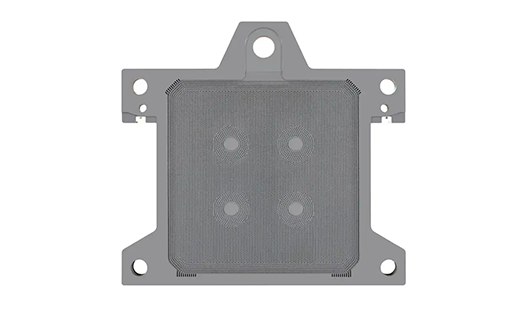
Top Durable Filter Press Plates for Food Processing: Materials and Benefits

What Is a Filter Press Feed Pump Used For? Understanding Its Essential Role
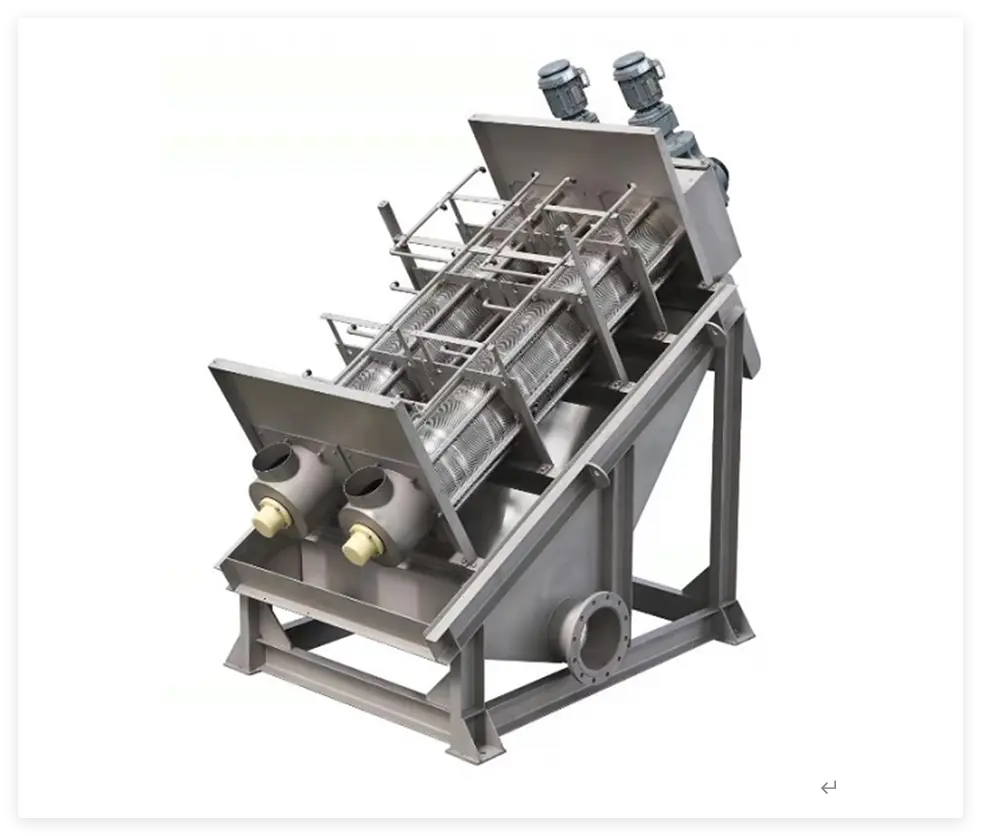
Where Indian EPC Contractors Buy Multi Disk Screw Press in China?
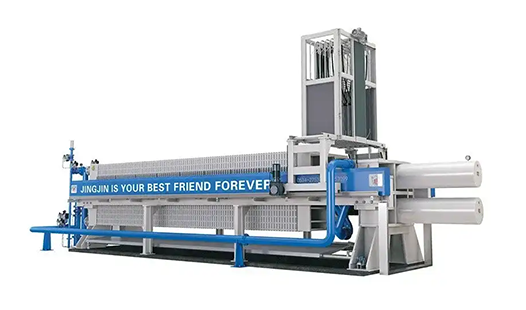
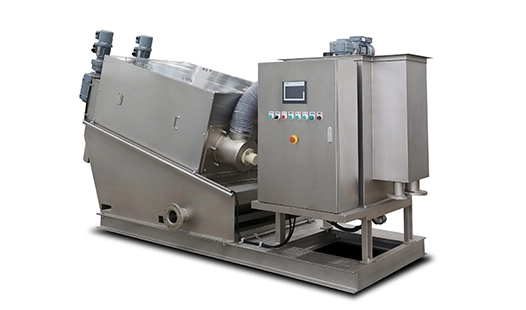
Top China Screw Dewatering Machine Suppliers for Asia Markets