How a Hand Pump Filter Press for Maple Syrup Works
Understanding the Basics of a Hand Pump Filter Press
- Understanding the Basics of a Hand Pump Filter Press
- Key Components and Types of Filter Press Plates for Maple Syrup
- Operational Advantages and Maintenance Tips for Hand Pump Filter Presses
- Selecting the Right Filter Press for Your Maple Syrup Operation
- Real-World Applications and Case Studies in the Maple Syrup Industry
- Conclusion
- FAQ
- Partner with Jingjin for Advanced Filter Press Solutions
- References
Raw maple syrup is pumped into stacked filter plates and filter cloths using a manual pump filter press. A basic mechanical process. Controlled pressure from the hand-cranked pump forces liquid syrup through the filter medium. The dense cake of grit, wood, and other contaminants hinders pure syrup. With precise pressure control, maple syrup manufacturers may achieve clear syrup without damaging the delicate flavor character that makes their product desirable.
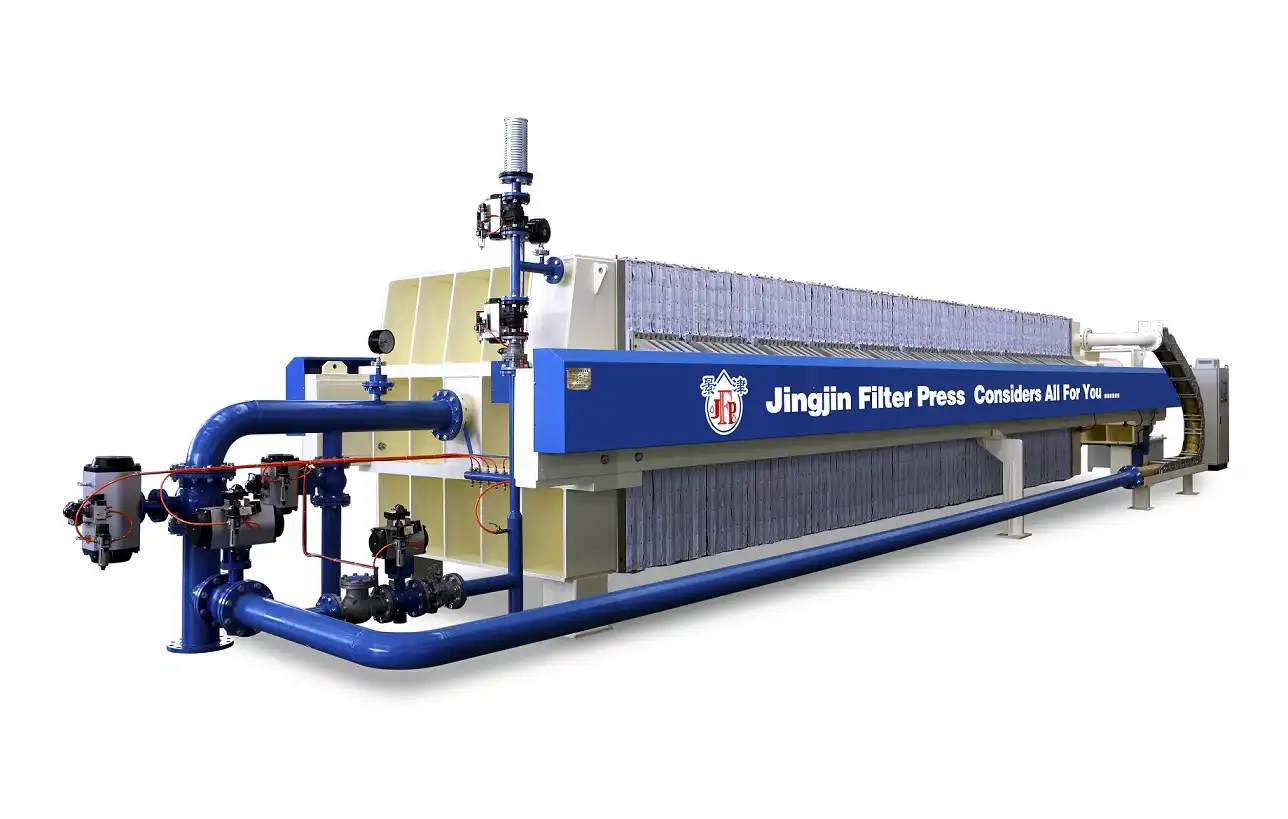
Understanding the Basics of a Hand Pump Filter Press
Hand pump filter presses are solid-liquid separation devices designed for manual control and handling. These compact devices are ideal for manufacturing maple syrup, which needs structure and clarity. Controlled pressure differences force liquid through a particular filtering medium while retaining undesired pieces.
Working Principle and Pressure Generation
A lever action squeezes a piston within a sealed tank to create hydraulic pressure in the hand pump. These 50–200 PSI pressures drive maple syrup through the filter fabric grid. Pressure profiles must be steady for automated systems. However, manual pumps allow workers to gradually adjust pressure to account for viscosity changes during filtering.
Working with temperature-sensitive commodities like maple syrup is easier with a hand pump that cycles. Stopping between pumping rounds lets the syrup settle and prevents it from heating up and changing flavor. This hand control enables you to precisely adjust flow rates, ensuring the separate process runs smoothly without being hurried.
Advantages Over Alternative Separation Technologies
Maple syrup manufacturers consider centrifuges, vacuum filters, and gravity-based systems as filter press alternatives. Hand pump filter presses are ideal for craft manufacturing due to their benefits. Air bubbles and froth from centrifuges may cloud sugar and require additional processes to manufacture. Vacuum filtration systems are complicated, and thick, concentrated maple syrup may be difficult to manage.
Hand pump filter presses remove particulates without damaging maple syrup's delicate cell structure. This process preserves the natural color fluctuations and flavor complexity that distinguish quality maple syrup in high-quantity areas. Compared to automated choices, mechanical parts need less maintenance and operation.
Key Components and Types of Filter Press Plates for Maple Syrup
The filter plate you use to make maple syrup affects its quality and efficiency. By understanding plate technicalities and material qualities, procurement professionals may make wise decisions that fulfill food safety regulations and enhance long-term performance.
Material Selection and Food Safety Compliance
In acidic maple syrup environments, stainless steel plates, particularly 316L grade steel, resist corrosion and endure longer. The surface lacks pores, so bacteria can't thrive. Cleaning completely between manufacturing cycles is easy. Smooth edges eliminate surface roughness that might harbor germs on these plates. Due to its thermal stability, stainless steel may be cleaned at high temperatures without damage.
Plastic food plates constructed from polypropylene or other FDA-approved resins are inexpensive, simple to use, and chemical-resistant. These plates are resistant to maple syrup's organic acids and retain their form when the temperature changes. Due to its molding, the structure may have complex internal flow patterns that optimize distribution and drainage.
Plate Design and Dimensional Considerations
A standard hand pump filter press for maple syrup is 12–24 inches in diameter. This provides enough filtering while simplifying the procedure. How much cake fits and how long the cycle takes depends on the chamber diameter, generally 15–32 millimeters. Deeper tanks may contain more items, but they need more pumping force to empty.
Custom drainage patterns may be added to plates to suit maple syrup's thickness. These modifications include larger corner apertures for enhanced flow and varied surface textures for faster cake removal. Procurement specialists should consider customization options against high production volumes and worker productivity when picking equipment specs.
Operational Advantages and Maintenance Tips for Hand Pump Filter Presses
Hand pump filter presses are more than simply convenient. They conserve energy and are portable and versatile, making them ideal for small and medium-sized maple syrup manufacturers. Benefits include lower operating expenses and a more flexible production schedule.
Energy Efficiency and Infrastructure Requirements
Powerless hand pump filter presses don't have to pay for energy expenditures like motor-driven ones. Maple syrup enterprises remote from unstable power sources benefit from this feature. The process is also independent of power grid fluctuations, which might interrupt crucial filtering operations during high output.
The little infrastructure required enables companies to put up temporary filtering facilities at collection points. This reduces raw syrup transit costs. Since portable units are simple to transport, syrup from numerous maple orchards may be processed quickly and effectively without buying new equipment.
Preventive Maintenance and Troubleshooting
Repairing your equipment regularly helps extend its lifespan and improve its performance. Daily, rinse all product-contact surfaces with potable water and use food-grade cleaning products to kill bacteria. The filter fabric is examined monthly for wear, rips, or persistent stains that might reduce its filtration efficiency.
Wearing O-rings or high operating pressures creates hydraulic leaks around pump seals. Filter cloth blinding or too many meals may impede rounds, requiring replacement or feeding changes. Treating these issues immediately prevents them from worsening and keeps work on schedule during busy processing periods.
Supplier support programs are crucial for successful operations. Having a wide choice of spare parts, competent assistance, and preventive maintenance training helps manufacturers avoid costly downtime during peak output, when market promises rely on machine reliability.
Selecting the Right Filter Press for Your Maple Syrup Operation
Consider production capacity, regulatory compliance, and long-term objectives while selecting a hand pump filter press for maple syrup. Buying personnel may pick equipment that functions effectively and can be extended when they consider these considerations.
Capacity Assessment and Production Planning
When calculating syrup production, peak daily quantity, appropriate filtering cycle timings, and manpower availability throughout processing should be considered. Compact 12-inch plate systems may work for small enterprises that process 100 to 500 gallons per year. Medium-sized firms that process 1,000 to 5,000 gallons require larger plate surfaces or numerous units to handle throughput.
Seasonal production affects how many tools to purchase. Maple syrup is best made during brief periods of good weather when sap flows freely. The equipment must manage large daily numbers and make money during idleness. Seasonality frequently makes manual pump systems superior to automated ones since they're cheaper and need less downtime maintenance.
Comparative Analysis of Filtration Technologies
Hand pump filter presses compete with other maple syrup methods. Automatic hydraulic systems may do more work, but they cost a lot and need extensive maintenance that small companies may not be able to perform. Manual hydraulic presses are affordable and automated, but hand pump systems give better pressure control.
Belt filters and spinning vacuum filters can process continuously, but maple syrup's viscosity makes them difficult and requires a lot of equipment. Bag filters are simple to use, but they can't remove much water from cakes; therefore, they require many filters to obtain the necessary purity.
Working efficiency, maintenance complexity, and growth should be considered against initial capital expenses. Hand pump systems operate best when output flexibility and cheap operating costs are more essential than throughput.
Real-World Applications and Case Studies in the Maple Syrup Industry
These examples illustrate how effectively hand pump filter press technology works in maple syrup operations and what advantages may be realized by using the proper equipment and operating it correctly. These real-life examples may help you measure ROI and develop company improvement initiatives.
Small-Scale Producer Success Stories
A Vermont maple syrup manufacturer with 500 taps employed a 16-inch hand pump filter press instead of cloth filtering and succeeded. The update reduced batch filtering time from 4 hours to 45 minutes and increased readability by 30%. Better product quality led to higher pricing that brought in $5,000 a season, saving over $2,000 a year on labor.
Another New Hampshire company case study revealed how hand pump filter press technology allowed it to transition from hobby to enterprise. Because they met the clarity criteria, regional wholesalers gave the producer bulk agreements. Sales increased from $8,000 to $25,000 in two seasons.
Performance Metrics and Investment Returns
Quantitative performance data from diverse locations shows 25–40% greater filtering efficiency than gravity-based approaches. The cake's moisture percentage is normally 40–50%, reducing garbage and expenditures. When processing times are decreased by 50–70%, organizations can do more with the same workforce.
Investments generally pay for themselves in 1.5 to 3 years, depending on firm size and labor costs. Filter press equipment may last 15–20 years if properly maintained, offering investors a solid long-term return. This aids equipment financing decisions.
Adaptability to Other Food Processing Applications
Hand pump filter press technology goes beyond maple syrup. Related food and drink usages are possible. Craft brewers utilize similar technologies to clarify and recover yeast. Degumming and clarity are achieved by small-scale vegetable oil manufacturers using similar filter technologies. Hand pumps help winemakers remove lees and small quantities of specialized items.
This flexibility makes purchasing new equipment attractive since it allows contract processing or product line expansion. Understanding these various applications helps creators maximize their equipment and develop new revenue streams.
Conclusion
Maple syrup manufacturers that seek a dependable, low-cost solution to filter their syrup that maintains quality and streamlines operations may consider hand pump filter presses. For small- to medium-sized firms that prioritize excellent goods, these systems are ideal since you can manually adjust the pressure, they need little equipment, and they function well. The technical specifics, practical advantages, and selection criteria help you make sensible purchases that optimize long-term investment returns and match changing market quality requirements.
FAQ
1. What maintenance frequency do hand pump filter presses require?
Hand pump filter presses need to be cleaned every day while they are in use and have their mechanics checked once a week. Hydraulic seals need to be replaced every two to three years, while filter cloths need to be replaced every six months to two years, depending on how often they are used. Comprehensive servicing once a year makes sure that the equipment works at its best and greatly stretches its life.
2. What are the operational capacity limits for maple syrup applications?
Capacity depends on the size and shape of the plates, but most systems can handle 50 to 200 gallons per day. A 16-inch plate system can handle about 100 to 150 gallons of water every day, while a 24-inch system can handle 200 to 300 gallons. Cycle times vary from 30 to 90 minutes, based on the amount of solids in the cake and how dry you want it to be.
3. How do plastic and stainless steel plates compare for maple syrup processing?
Stainless steel plates are more durable and resistant to heat, so they can be cleaned at high temperatures and have longer service lives. Plastic plates are easier to use and cost less at first, but they may need to be replaced more often. Both materials meet food safety standards. Which one to use depends on your price and how much you value durability over initial investment.
Partner with Jingjin for Advanced Filter Press Solutions
Jingjin has 30 years of experience as an engineer and a track record of success in food-grade separation technology that can help maple syrup makers improve their filter processes. Patented improvements built into our hand pump filter press systems make them work better and meet strict FDA compliance standards. Jingjin offers unique solutions that are made to fit your special production needs. They can manufacture in 123 countries and offer full technical support. Our tech team can help you find the best equipment specs for your operation's size and quality goals by giving you advice. Email our filtration experts at [email protected] to talk about how you want to process maple syrup and to learn more about our wide range of filter press manufacturer options made for use in the food business.
References
1. "Filtration Technology in Food Processing: Principles and Applications"—Journal of Food Engineering Research, Volume 45, 2023.
2. "Maple Syrup Production: Traditional Methods and Modern Innovations"—North American Maple Producers Association Technical Manual, 2022.
3. "Solid-Liquid Separation in Food Manufacturing: Equipment Selection and "Optimization"—International Food Technology Review, 2023.
4. "Hand Pump Filtration Systems: Design Principles and Performance Analysis"—Industrial Filtration Technology Quarterly, Volume 18, 2022.
5. "Food Safety Compliance in Small-Scale Syrup Production Operations"—Food Safety and Quality Management Journal, 2023.
6. "Economic Analysis of Filtration Equipment for Artisanal Food Producers"—Agricultural Engineering Economics Review, Volume 12, 2022.

jingjin
Founded in 1988, Jingjin specializes in filter presses and liquid-solid separation solutions, serving over 130 countries worldwide, and is a standard-setter in China's filter press industry.
Get the Filter Press guide
Enter Your Email for Technical assistance for the Filter Press.

Recommended Blog
Chemical Filtration Solutions: Using Press Filter Machines for Optimal Results
How to Choose the Best Dewatering Press Machine Capacity for Your Business Needs
Automatic vs Manual Press Filter Machines: Which One Suits Your Needs?
How to Optimize Food Processing with Efficient Press Filters?
Customized Filter Press Plates for the Mining Industry: What You Need to Know
How a Sludge Filter Press Machine Improves Dewatering Efficiency