How to Choose a Chamber Filter Press for Industrial Sludge Treatment
Introduction
- Introduction
- Understanding Chamber Filter Press Technology
- Critical Factors to Consider When Choosing a Chamber Filter Press
- Procurement Considerations for Industrial Buyers
- Operational Best Practices and Maintenance Tips
- Making the Final Decision: How to Choose the Best Chamber Filter Press
- Conclusion
- Frequently Asked Questions About Chamber Filter Presses
- Contact a Trusted Chamber Filter Press Manufacturer for Your Sludge Treatment Needs
- References
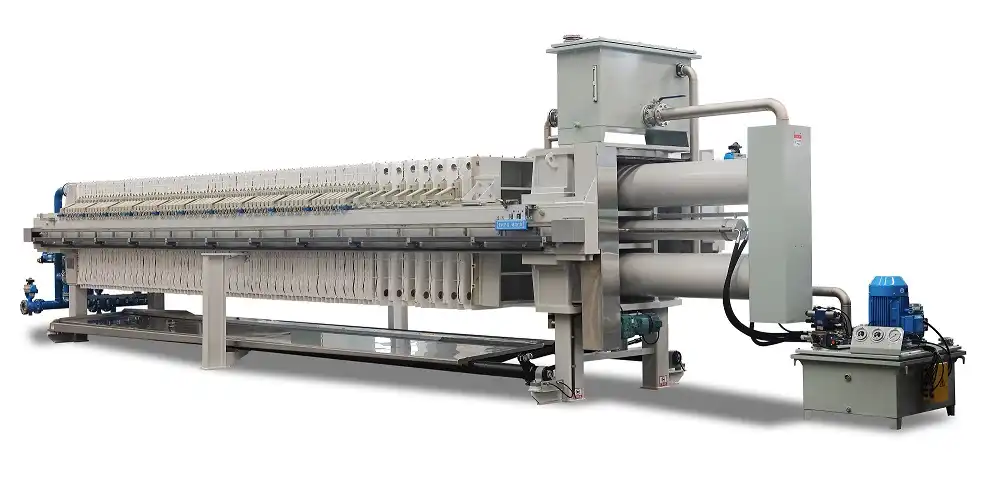
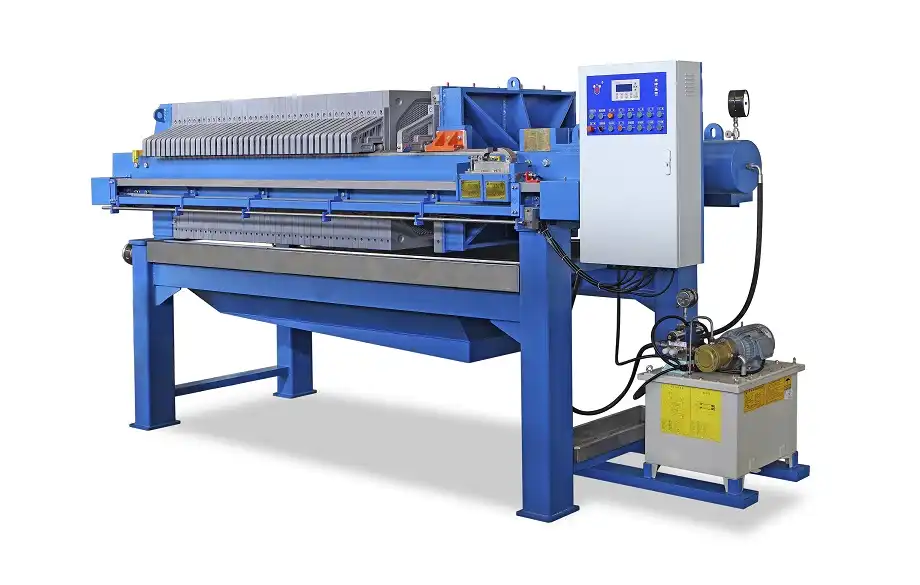
Choosing the right chamber filter press for industrial sludge treatment directly impacts your operational costs, regulatory compliance, and environmental footprint. At its core, a chamber filter press uses recessed filter plates compressed into sealed chambers where pressurized slurry is fed, allowing liquids to pass through filter media while capturing solids as a dry cake. The choice depends on sludge characteristics, required cake dryness (typically 20–35% moisture), throughput demands, automation level, and total cost of ownership. Matching these parameters to your facility's needs ensures efficient dewatering, minimal downtime, and long-term value.
Introduction
Not only is efficient sludge removal necessary for business, but it's also required by law and gives you a competitive edge. More and more pressure is being put on industries like mining and local wastewater treatment to lower the costs of disposal, meet strict standards for release, and get back important resources. It has become clear that chamber filter presses are the best way to dewater industrial sludge because they are reliable, can handle tough materials, and can capture a lot of solids.
This guide is for procurement managers, process engineers, plant operations directors, and EPC contractors who want to know how to choose the best pressure filtration system in the real world. If you are in charge of a wastewater treatment plant, a chemical manufacturing plant, or the dewatering of mine waste at remote sites, knowing the technical and operational details of filter press technology can help you make decisions that are in line with your budget and operational goals.
Understanding Chamber Filter Press Technology
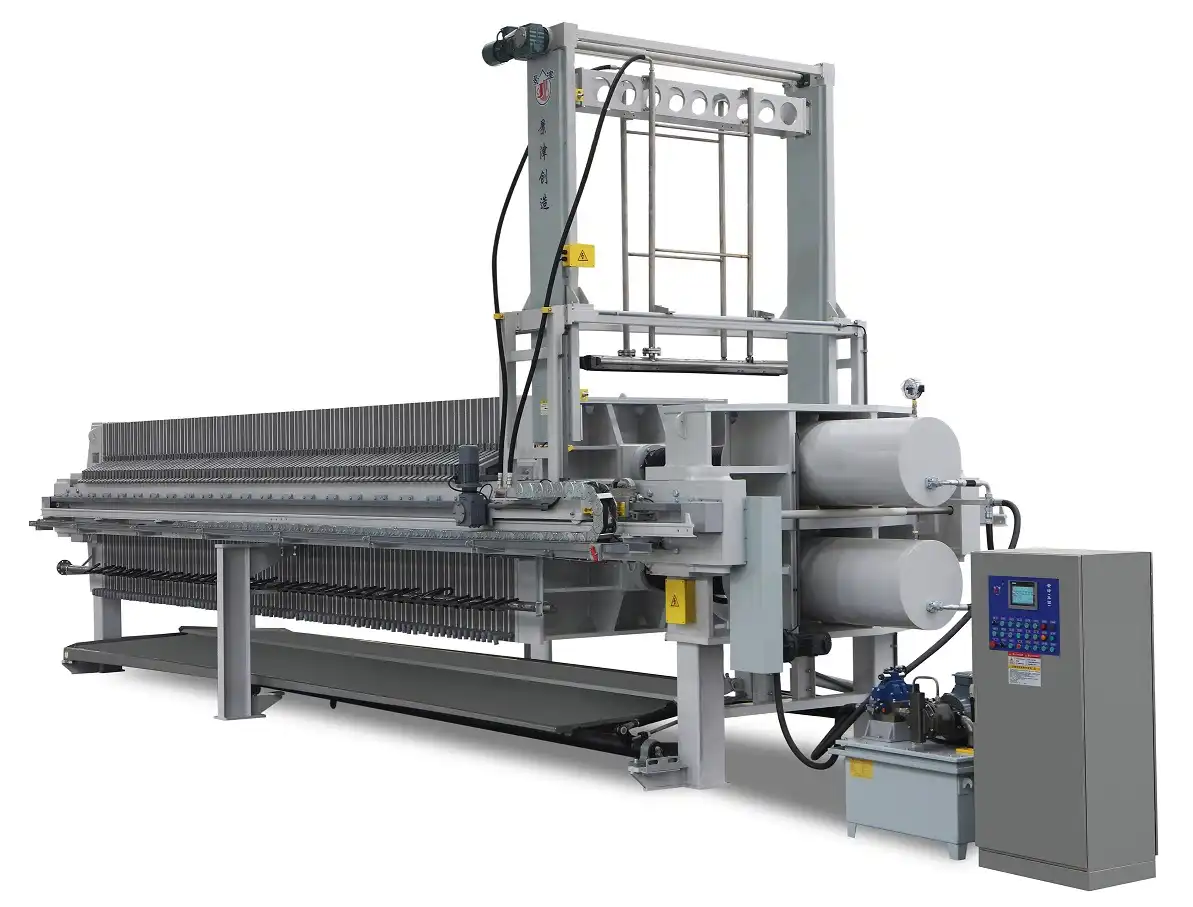
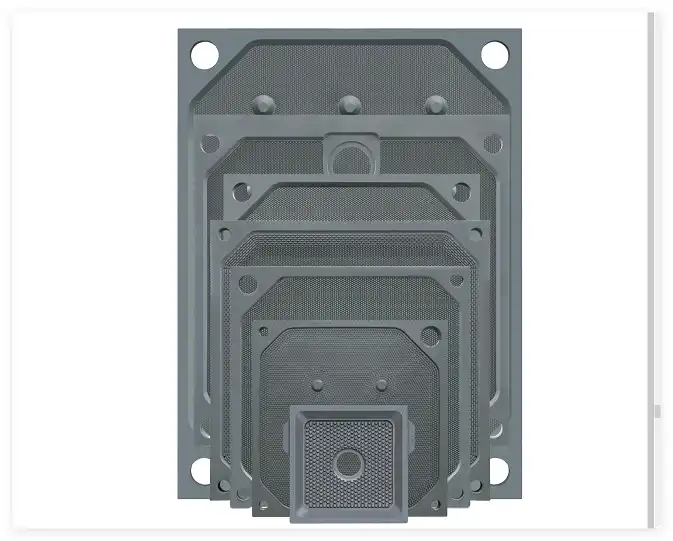
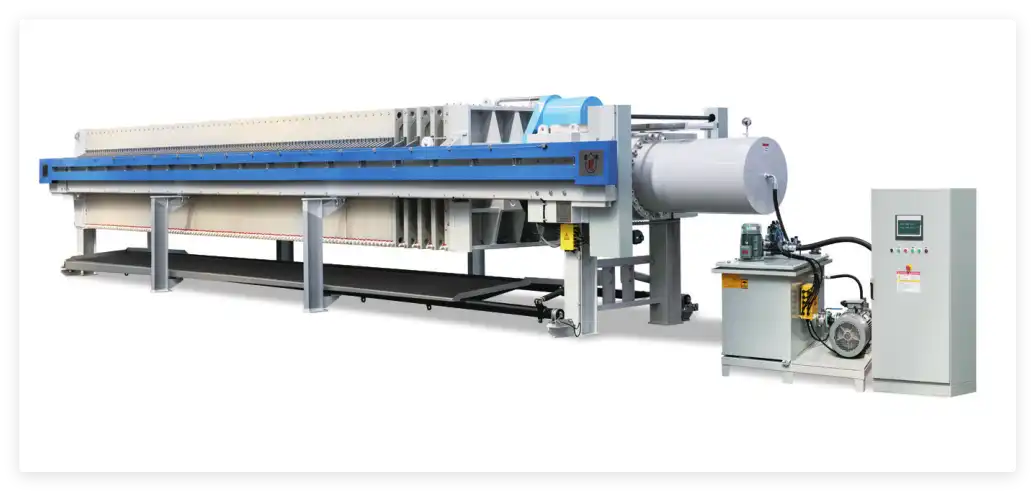
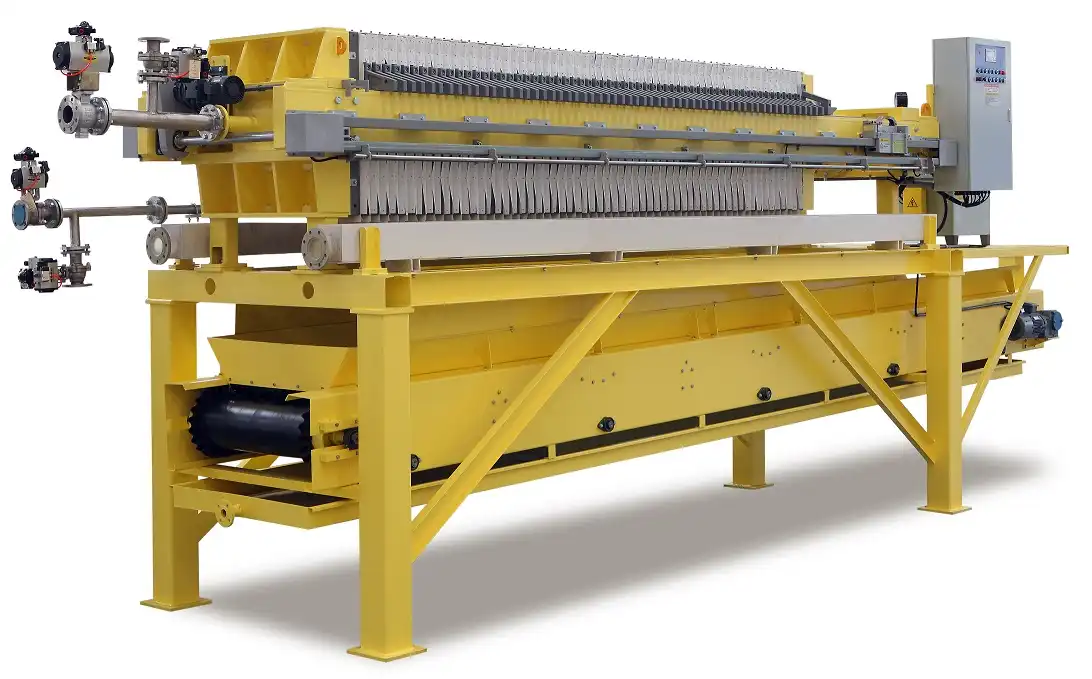
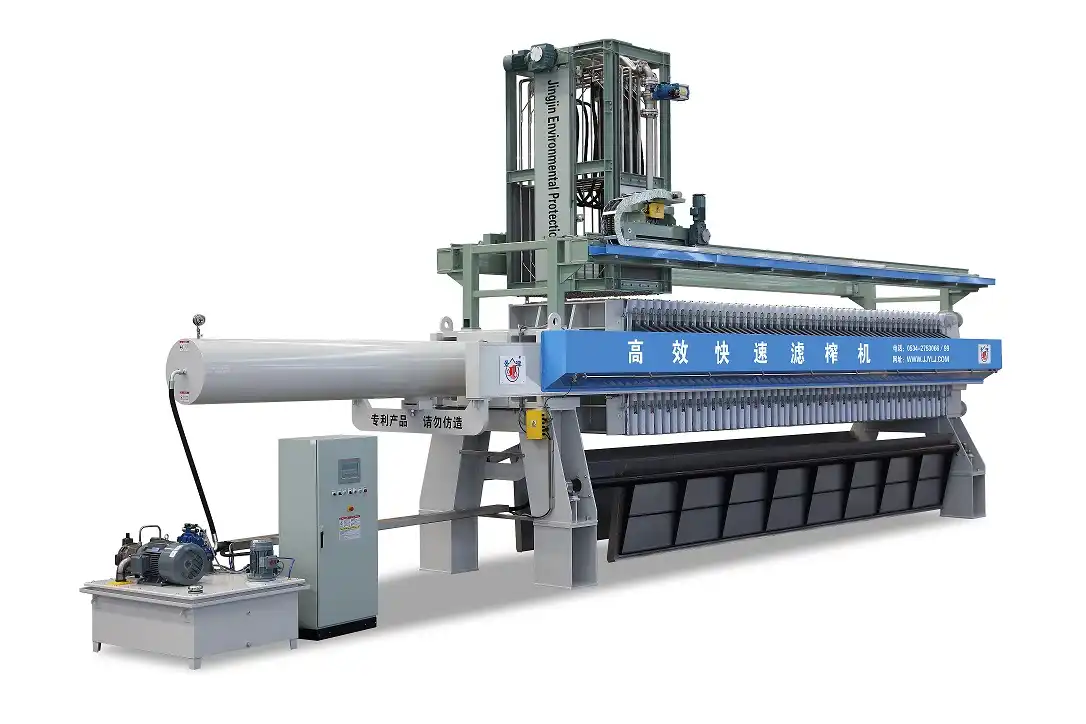
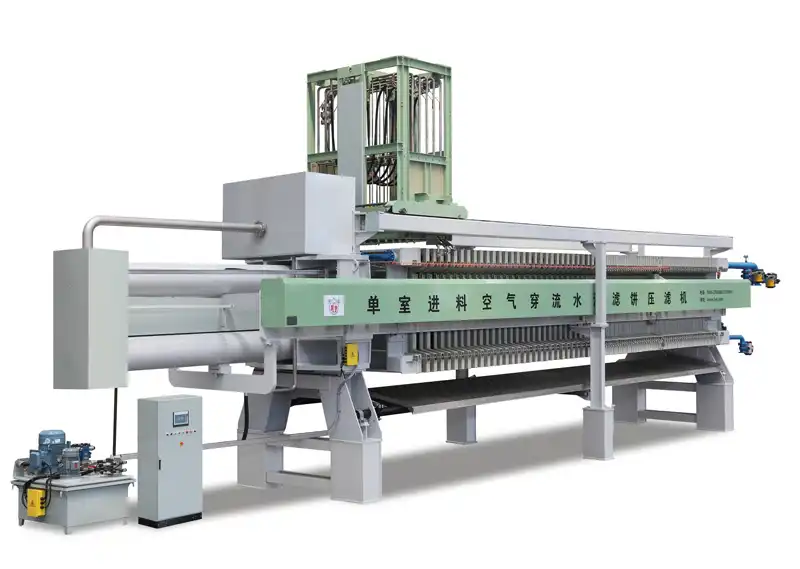
Mechanical pressure is used in chamber filter presses to separate solids from liquids. The device is made up of a strong frame and several hollow polypropylene or cast-iron filter pieces. When the hydraulic ram pulls down on these plates, they separate into their own sealed spaces. High-pressure slurry—usually between 0.6 and 2.0 MPa—is pumped into these tanks. This forces the liquid phase (filtrate) through special filter cloths while keeping the solids to form a cake-like filter.
Chamber filter presses are different from plate-and-frame or membrane systems in that their plates are set back, which keeps the chamber volume constant and makes cake release easier. Chamber systems only need feed pressure, while membrane presses need inflation phases. This makes them more durable and cost-effective for standard industrial uses. When compared to vacuum or belt filters, chamber presses can handle higher solids amounts and lower cake moisture content. This makes them perfect for slurries that are abrasive, acidic, or high in temperature.
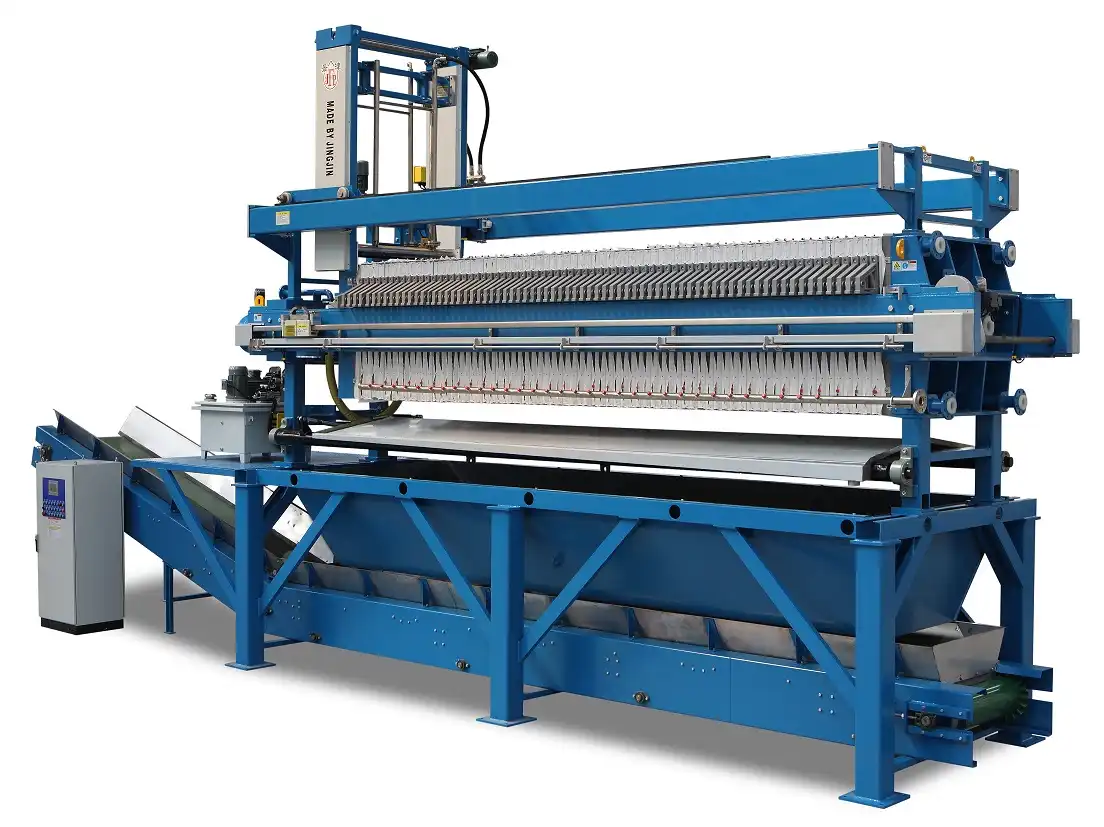
There are four parts to the operating cycle: closing, filling, dewatering, and release. Programmable logic controllers (PLCs) now control these steps in automation systems, which cut down on labor costs and make sure that the quality of the cakes stays the same. In wastewater treatment plants for cities that deal with biological sludge, chamber presses often get cakes with 25% cake moisture, which cuts the amount of waste that needs to be thrown away by 70% compared to gravity thickening. When used in mining to handle copper or gold tailings, they allow dry stacking, which gets rid of the risks that come with tailings dams.
Critical Factors to Consider When Choosing a Chamber Filter Press
To choose the best filtering system, you need to carefully look at the features of the sludge and the process goals. By understanding these factors, you can avoid expensive mistakes and make sure the equipment does what it's supposed to do.
Define Your Sludge Characteristics
Equipment requirements are based on the qualities of the sludge. Some important factors are the concentration of solids, the spread of particle sizes, the ability to be compressed, and the chemical make-up. Activated sludge from cities acts differently from mining waste or filter cakes used in pharmaceuticals. Bench-scale filterability tests, which measure the cake's specific resistance to filtering and its moisture under different pressures, give real-world information that can be used to size the equipment. For abrasive slurries with silica or mineral concentration, you need plates and filter cloths that don't wear down easily. For corrosive chemical sludges, you need materials like reinforced polypropylene (RCPP) or stainless steel construction.
Evaluate Required Cake Dryness and Throughput
The working pressure and processing time are affected by how dry the cake needs to be. Biological sludge might need 1.0 MPa and 90-minute cycles to reach 20% moisture, while coal washery slurries might reach 18% moisture at 1.6 MPa and 120 minutes. The amount of slurry that needs to be filtered is measured in cubic meters per hour or tons of dry solids per day. Each chamber with a plate size of 1,500 mm has an area of 2.0 to 2.5 square meters for filtration. This means that a plant that processes 50 cubic meters of sludge every day might need 80 to 120 chambers, based on the cycle time and cake thickness.
Assess Automation and Integration Needs
Operators of manual filter presses have to open plates, take cakes out, and reset the system. This takes time and puts people in dangerous environments at risk of injury. Automatic chamber filter press systems have hydraulic plate shifters, customizable wash cycles, and automatic cake release. This cuts cycle time by 30% and lets the system work without lights. PLC-driven systems keep track of pressure curves, the quality of the filtrate, and the length of each cycle. This helps with planned maintenance and regulatory reporting. Integration with thickeners upstream and conveyors downstream makes moving materials smooth and reduces the need for human work.
Compare Operating Pressure and Plate Materials
Operating pressure has a direct effect on how dry the cake is, but it also has an effect on how much energy is used and how long the equipment lasts. Standard systems work at 0.8 to 1.2 MPa, which is good for most commercial and city uses. High-pressure units that reach 2.0 MPa can handle materials that are hard to dry, like kaolin or titanium dioxide, but they need strong hydraulic systems and plates. Plate materials need to be able to handle both chemical and mechanical stress. Virgin polypropylene doesn't corrode easily in pH levels 2 to 12, and glass-filled blends make it stiff for high-pressure cycles. Frames made of cast iron or stainless steel can handle temperatures above 80°C.
Procurement Considerations for Industrial Buyers
There's more to buying an air filtering system than just comparing technical specs. Reliable providers, full help, and clear terms will protect your investment and keep your business running.
Identify Reputable Filter Press Manufacturers
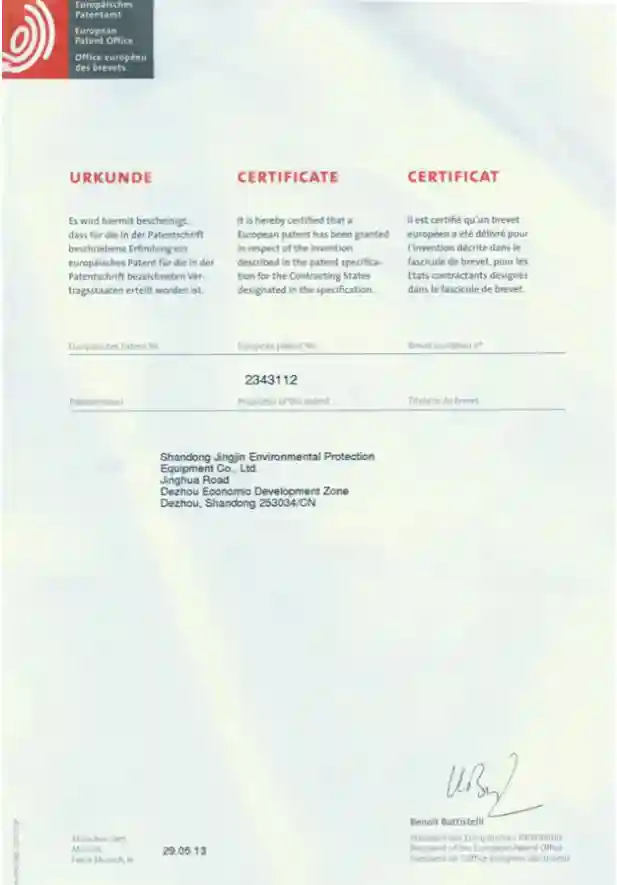
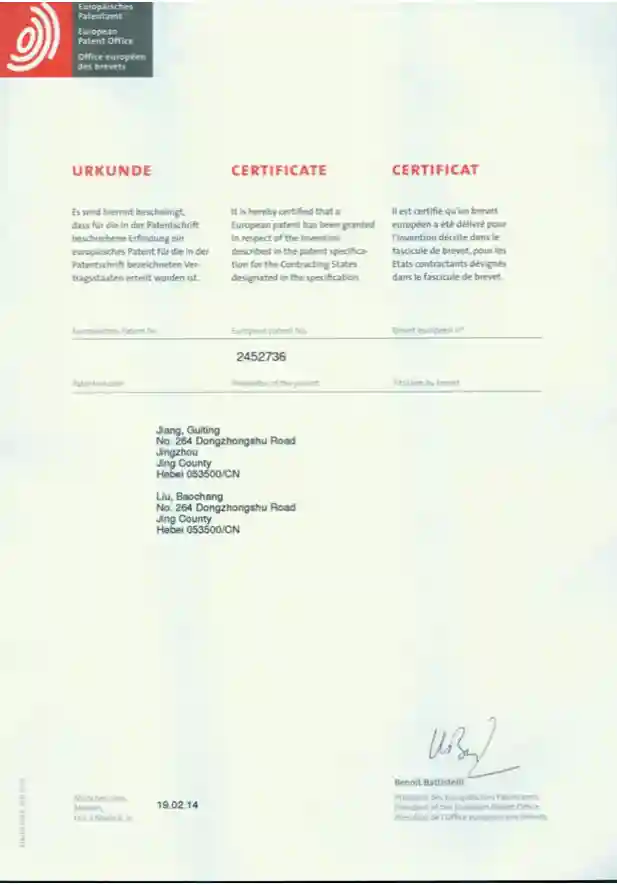
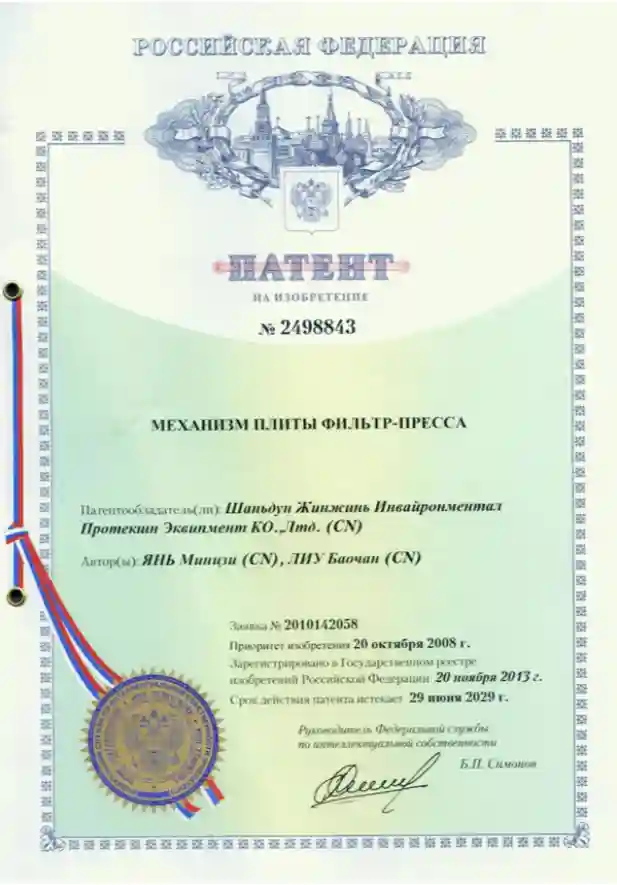
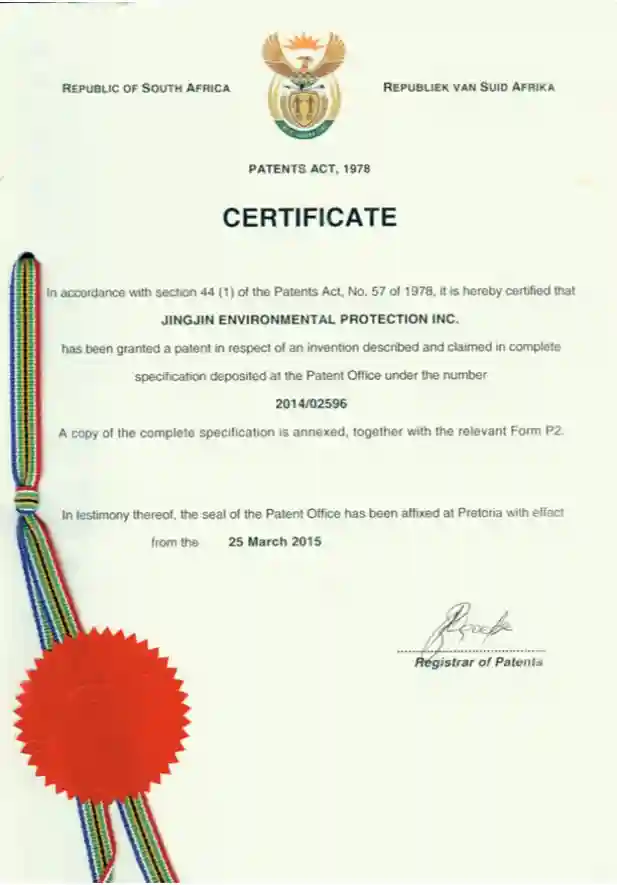
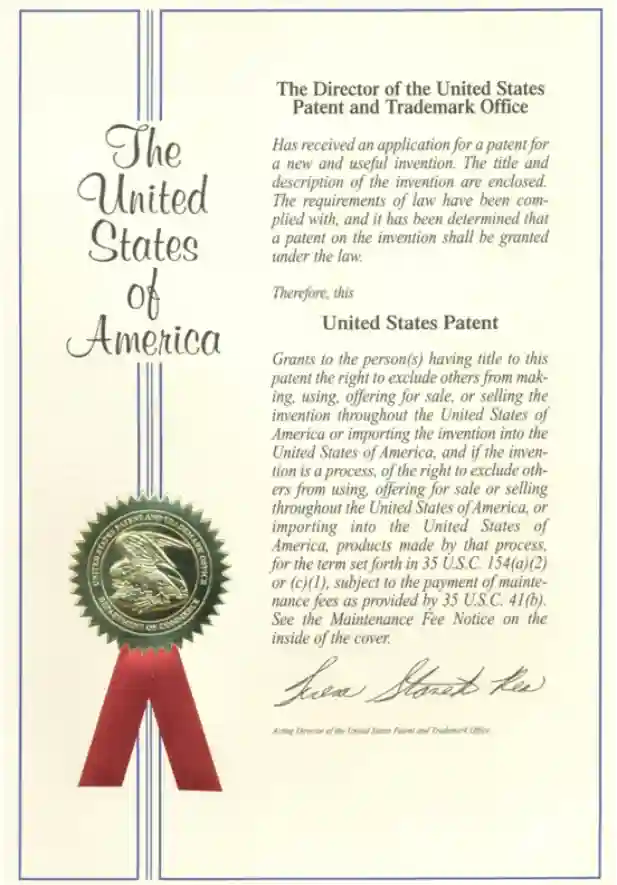
You should look for makers that have a history of doing good work in your field. Suppliers that have been around for a while usually have ISO 9001 quality certifications, multiple patents that show they are innovative, and case studies from similar applications. A company that has customers in more than 100 countries shows that it can provide global help and has experience working with a wide range of regulatory settings. Ask for examples from clients and ask to see systems that are already up and running. Avoid sellers whose prices seem too low to be true; using low-quality materials or hydraulics that aren't designed well can cause a lot of breakdowns and early plate failure.
Evaluate Customization and Engineering Support
Standard catalog models don't always work perfectly in complex industrial settings. Reliable suppliers offer engineering advice to help you choose the right plate configurations, filter cloths, and wash systems for your sludge. Customization options include coatings that don't rust, electrical systems that won't blow up in dangerous areas, or connecting to existing SCADA networks. It is important for suppliers to give thorough process formulas, P&ID models, and performance guarantees that are backed up by trial testing or computational fluid dynamics modeling.
Review Warranty, Spare Parts, and Service Networks
Most equipment warranties last between 12 and 24 months, but make sure you carefully read the fine print to see what is covered. It is important to cover hydraulic pistons, PLC panels, and filter plates. More important is the availability of repair parts. Important items like filter cloths, sealing gaskets, and hydraulic seals need to be available within days, not weeks. Downtime is kept to a minimum by global service networks with regional stores and factory-trained techs. Find out how long it takes for emergency help to get to you and if you can do diagnostics from afar using the internet.
Plan for International Logistics and Installation
It can weigh 20 to 30 tons to ship a 1,500 mm filter press with 100 cells, and it needs to be specially packed for ocean freight. Check the Incoterms (CIF or DDP, which stands for "Delivered Duty Paid") to see who pays for customs fees, treatment at the port, and shipping costs within the country. Installation by factory engineers guarantees proper alignment, hydraulic tuning, and training for the operator. Set aside money for one to two weeks of starting support so that your team can learn how to start up, fix problems, and follow maintenance plans.
Operational Best Practices and Maintenance Tips
Without proper operation and maintenance, even the best-designed filter system won't work as well as it should. Setting up strict routines protects your investment and boosts output.
Follow Structured Operating Procedures
Before starting up a filter press manufacturer's system, the hydraulic fluid levels, filter cloth tension, and plate alignment must be checked. To keep plates from breaking, feed pumps should slowly raise their speed. During the first few minutes, check the clarity of the filtrate—a cloudy discharge means that the cloth is blinding or not sealing properly. Keep the feed pressure steady throughout the cycle; pressure spikes mean there are blockages that need to be looked into right away. During shutdown, tanks are depressurized, plates are opened one at a time to avoid mechanical stress, and feed lines are flushed to keep sludge from forming.
Implement Preventive Maintenance Schedules
Once a week, the quality of the filter cloth should be checked for tears or clogs that make it less permeable. Hydraulic systems need to have their oil analyzed once a month to find any pollution or wear. Every three months, check the plate sealing surfaces for damage like wear or chemical etching, and quickly replace any damaged gaskets. Every year, you should test the hydraulic cylinders thoroughly, recalibrate the pressure sensors, and check the PLC programming for any changes. Keep detailed records of your repair work. By keeping track of cycle times, pressures, and cake moisture trends, you can see when performance is dropping before it breaks.
Train Operators and Address Common Issues
Operators who are skilled can spot early danger signs and act accordingly. If the feed pressure is high and the water flow is low, it means that the cloth is blinding and needs to be cleaned with chemicals or replaced. Uneven cake thickness across chambers means that the feed isn't going to all the right places or that feed ports are blocked. Leaks in the hydraulic system, which are often caused by old seals, let pressure drop and leave the plate open. By giving workers hands-on training and solving guides, you can help them fix small problems quickly and avoid needless downtime and support calls.
Making the Final Decision: How to Choose the Best Chamber Filter Press
When you look at technical needs, price limits, and the supplier's skills together, you can make an informed buying choice. A structured evaluation process lowers risk and makes sure that the choice of equipment is in line with long-term goals.
Weight Technical Performance Against Total Cost of Ownership
The buying price is only 30–40% of the total cost over the life of the item. Over time, the costs of energy use, labor, replacing filter cloth, and disposal add up. A more expensive automatic method with less cake moisture might cut waste costs by $50,000 a year, making the extra cost worth it in three years. Figure out how much it costs to make one ton of dry solids by taking into account cycle time, energy use, and consumables. Ask suppliers for thorough economic models that show payback times and net present value over the 10- to 15-year life spans of the tools.
Match Equipment to Industry-Specific Requirements
Heavy-duty frames, wear-resistant plates, and the ability to handle high pressure are worth the extra cost for mining operations that deal with abrasive tailings. Automating municipal wastewater plants is a good way to cut down on labor and make sure that they always follow the rules for discharge permits. Chemical companies that work with dangerous or flammable materials need designs that can't explode and closed-loop filter systems. Pharmaceutical plants need to be built in a way that is clean, with CIP (clean-in-place) systems and the ability to track all materials. By understanding these details, you can be sure that the tools you choose meet both technical and legal requirements.
Use a Procurement Checklist and Evaluation Matrix
Make a system for comparing suppliers based on how well they meet the following criteria: technical specs (25%), price and payment terms (20%), warranty and service support (20%), delivery and installation (15%), ability to customize (10%), and client references (10%). Give scores based on facts found in the records, not on sales pitches. This matrix makes it easy to compare things clearly when there are a lot of people involved, and it helps top management or project backers understand why decisions were made.
Conclusion
To pick the right chamber filter press for treating industrial sludge, you need to carefully consider the features of the sludge, the amount of output you need, your automation needs, and the costs over its entire life. Suppliers with a good reputation, years of experience, large support networks, and the ability to customize their products can give you systems that work well with your business and last for decades. You can get filter equipment that lowers disposal costs, meets regulatory requirements, and supports long-term industry operations by setting clear technical standards, figuring out the total cost of ownership, and working with experienced makers.
Frequently Asked Questions About Chamber Filter Presses
1. What is the expected lifespan of a chamber filter press?
With regular upkeep and new plastic plates, a good system should last between 10 and 15 years. Frames and hydraulic parts often last longer than 20 years. Plates may only last 5–7 years in abrasive or acidic environments, but frames will last much longer. Filter cloth should be replaced every 6 to 18 months, depending on the application, and gaskets should be replaced at the right time to avoid premature wear. Manufacturers that offer long warranties and strong spare parts programs help equipment last longer and have less unplanned downtime.
2. Can chamber filter presses handle sludge with varying solid contents?
Yes, feed pressure, cycle time, and chamber volume can all be changed to make chamber systems work with solids from 2% to 20%. For lower concentrations, it takes longer cycles to make the cake thick enough, and for higher concentrations, it may be necessary to treat the cake first to make sure it can be pumped. Automatic systems change settings based on real-time feedback, so cake quality stays the same even if feed changes. Because of this, they are perfect for plants that change from season to season or batch to batch.
3. How often do chamber filter press plates need replacement?
Quality plates last between 3 and 7 years when used properly, in the right conditions, with the right chemicals, and with regular sealing maintenance. Uneven chamber filling that causes pressure differences, going over the maximum hydraulic pressure, or chemicals that don't work well together breaking down polypropylene can all cause it to fail too soon. Regular checks that find surface cracks or bending allow replacing it before a catastrophic failure. Keeping detailed records of service helps you figure out when to replace something and set your budget accordingly.
Contact a Trusted Chamber Filter Press Manufacturer for Your Sludge Treatment Needs
Since its founding in 1988, Jingjin Equipment Inc. has been one of the best chamber filter press manufacturers in the world, sending solid-liquid separation systems to customers in 123 countries. Jingjin creates unique filter systems for the mining, chemical processing, building, and wastewater treatment industries. They have over 136 patents and decades of experience as engineers. Our large production capacity lets us offer reasonable prices without lowering the quality of our work, and our global service network lets us help you with technical issues no matter where your business is situated. Contact our team at [email protected] to talk about the specifics of your sludge, look at case studies from similar situations, and get a full technical plan.
References
1. Wakeman, R.J., and Tarleton, E.S. (2005). Solid/Liquid Separation: Principles of Industrial Filtration. Elsevier Advanced Technology.
2. Svarovsky, L. (2000). Solid-Liquid Separation (4th ed.). Butterworth-Heinemann.
3. Tiller, F.M., and Kwon, J.H. (1998). "Role of Porosity in Filtration: XIII. Behavior of Highly Compactible Cakes." AIChE Journal, 44(10), 2159-2167.
4. Sutherland, K. (2008). Filters and Filtration Handbook (5th ed.). Elsevier.
5. American Water Works Association. (2012). Wastewater Treatment Plant Design (5th ed.). McGraw-Hill Professional.
6. Society for Mining, Metallurgy & Exploration. (2016). SME Mining Engineering Handbook (3rd ed.). Society for Mining, Metallurgy, and Exploration.
jingjin
Founded in 1988, Jingjin specializes in filter presses and liquid-solid separation solutions, serving over 130 countries worldwide, and is a standard-setter in China's filter press industry.
Get the Filter Press guide
Enter Your Email for Technical assistance for the Filter Press.

Recommended Blog

What Is a Filter Press Feed Pump Used For? Understanding Its Essential Role
What Are Filter Press Plates and How Do They Work? A Comprehensive Guide
How to Troubleshoot Common Filter Press Machine Issues Quickly and Effectively
How to Choose the Right Screw Dewatering Equipment for Your Paper Mill Sludge