Membrane Plate Filter Press Maintenance Guide: Tips to Maximize Longevity and Performance
Membrane Plate Filter Press Maintenance Guide: Tips to Maximize Longevity and Performance
Understanding Membrane Plate Filter Press Maintenance Essentials
- Understanding Membrane Plate Filter Press Maintenance Essentials
- Common Membrane Plate Filter Press Maintenance Challenges and Solutions
- Maintenance Best Practices to Maximise Longevity and Performance
- Upgrading Your Maintenance Approach: Latest Innovations and Techniques
- Conclusion
- FAQ
- Partner with Jingjin for Superior Membrane Filter Press Solutions and Support
- References
Maintaining a membrane plate filter press properly is important for keeping it working at its best, cutting down on costs, and making the equipment last longer. This guide gives process engineers, wastewater managers, and plant operations leaders useful information about maintenance basics, common problems, best practices, and new methods that will help them get the most out of their filtering investments. Taking good care of these high-tech solid-liquid separation systems has a direct effect on how well they remove water, how long the cycle lasts, and how well they follow environmental rules. These are all very important issues for many industries, from mining and wastewater treatment to chemical processing and building.

Understanding Membrane Plate Filter Press Maintenance Essentials
Core Operating Principles and Maintenance Priorities
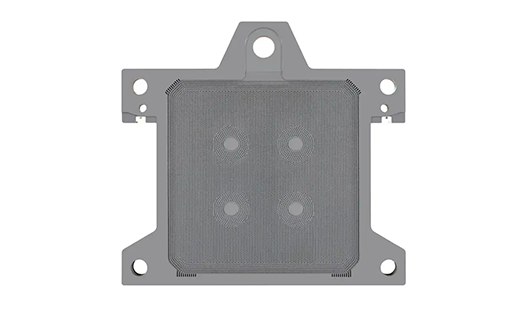
The membrane plate filter press has two separate stages: the first stage is the filtration cycle, in which slurry is pumped under pressure to make a filter cake; the second stage is the squeeze phase, in which a flexible diaphragm expands to squeeze the cake even more and remove moisture from between the layers. This two-action system gets much lower leftover moisture than regular chamber presses, which lowers the cost of disposal and raises output.
The main goals of maintenance are to keep the membrane diaphragm in good shape, make sure the closing surfaces stay in good shape, and make sure the hydraulic system works reliably. Each filter plate has closing bands that need to stay flexible and lined up so that leaks don't happen. The membrane, which is usually made of thermoplastic elastomers or reinforced polypropylene, goes through many rounds of swelling and deflation, which puts stress on the material.
Maintenance teams can predict wear trends and find important inspection points when they know these operating basics. The hydraulic closing system applies pressure to the plate pack to seal it. It needs to be checked on a regular basis to make sure it keeps up the right closing force without going over safe limits.
Risks of Neglecting Routine Care
Putting off upkeep causes a chain reaction of problems. Delamination or rupture of the membrane can happen due to tiredness, which means that the cake has more moisture and isn't squeezed all the way. When gaskets get worn, slurry can leak out and contaminate clean filtrate, which makes separation less effective. Plate warping from bad handling or uneven pressure distribution makes sealing surfaces that aren't level, which causes "spraying" during high-pressure phases.
Not only does disregard hurt performance, it also raises safety threats. When a membrane breaks under high pressure, the pressure can suddenly drop, putting workers in danger and damaging plates next to it. If a hydraulic system fails because of not enough lubrication or dirty fluid, plates can move around without being managed, which can cause crush risks.
These risks show how important it is to set up a proactive maintenance program that includes daily checks, part repairs, and regular checks on how things are working. These kinds of programs protect financial investments and make sure that OSHA safety rules and rules about environmental pollution are followed.
Common Membrane Plate Filter Press Maintenance Challenges and Solutions
Membrane Wear and Fatigue
Most of the time, membrane breakdown is the problem with membrane plate filter presses. Depending on chemical exposure, temperature changes, and squeeze pressure, good membranes can usually handle 2,000 to 10,000 expansion rounds before they need to be replaced. Overpressing the suggested pressure limits, being exposed to harsh chemicals that don't work well with the membrane material, or having rough particles in the slurry can all cause premature wear.
Every week, operators should check membranes for cracks, blisters, or loss of flexibility on the surface. Early signs of wear can be seen by looking at the plates while they are being cleaned. When membranes can't go back to their original flat shape after compression, they need to be replaced so they don't tear while they're working.
Operating costs are lower when changeable membrane designs are chosen over welded setups for the membrane plate filter press. Because membranes can be replaced, plates can be quickly installed in the field without having to be sent back to the maker. This cuts down on downtime and stocking costs.
Plate Deformation and Gasket Leaks
Even though filter plates are made to last, they can bend if the hydraulic pressure is uneven, if they aren't stacked correctly during storage, or if high-temperature slurries put too much stress on them. Plates that aren't straight can't seal properly, which can contaminate the filtrate and make the cake less dry.
Leaks in gaskets can be caused by elastomers that are getting old, chemicals attacking them, bad fitting, or foreign matter getting stuck in the sealing gap. By checking the seal often when the filter cloth is changed, you can find stiffening, cracking, or compression set early on. When gaskets lose their elasticity or show signs of damage, they should be changed.
It is very important to keep the flatness of the sealed surface within a range of ±0.1 mm. During routine repair, operators can use accurate measuring tools to check the geometry of the plates. To keep things running smoothly, plates that are too big or too small should be polished or replaced.
Real-World Case Study: Mining Tailings Application
A copper mine in Arizona had a lot of membrane ruptures, which made the cycle less efficient and raised the cost of upkeep. The investigation showed that the pressure in the squeeze medium was higher than the membrane's rated capacity because the pressure controls were not set correctly. The facility increased the lifespan of the membranes by 60% and cut down on unexpected downtime by 40% after recalibrating the system to keep the squeeze pressure within the 6–12 bar design range and upgrading to strengthened membranes rated for abrasive slurries. This case shows how choosing the right materials and managing pressure can have a direct effect on the results of upkeep.
Maintenance Best Practices to Maximise Longevity and Performance
Establishing structured repair routines makes equipment last a lot longer and stops expensive unplanned shutdowns. The steps below cover daily tasks, weekly checks, and long-term safety plans that are specifically made for industrial filtering settings.
Daily Inspection and Cleaning Protocols
At the start of each shift, operators should do quick eye checks to see if there are any slurry leaks around plate seals, any strange noises coming from the hydraulic system, and that the PLC is working correctly. Filter cloths need to be cleaned very well after each cycle of filtration to get rid of any cake particles that might be stuck in the fabric and make it less permeable. Clothes can be made to work again by washing them with high-pressure water or automatic cleaning systems.
Any cake building that sticks to the membrane surfaces during discharge should be cleaned off. The buildup of material makes the pressure uneven during the next squeeze cycle, which speeds up membrane wear. If you use soft brushes or low-pressure water spray, you can clean the membrane completely without hurting the surface.
Every day, the amounts of hydraulic fluid must be checked, and any drops that can't be explained must be looked into right away because they could mean there are leaks. Hydraulic fluid that is contaminated speeds up the wear of parts and should be changed as directed by the manufacturer.
Weekly and Monthly Preventive Maintenance
As part of weekly checks, gaskets should be carefully looked at for signs of wear and tear, plate alignment within the pack should be checked, and safety interlocks should be tested. The safety logic of the PLC control system must be checked to make sure that risky operational processes don't happen. This includes low feed pressure protection and anti-squeeze-open interlocks.
Regular maintenance is needed on the hydraulic system's lubrication spots, such as the cylinder rods and guide rails. Using oils that the maker recommends ensures they work with seals and keeps parts from breaking down too soon. Too much oil can attract dust and other particles, so operators should stick to the amounts and times that are recommended.
As part of the hydraulic system's monthly upkeep, the highest closing pressure is held for one hour, and the pressure drop is checked to make sure it stays below 0.5%. This test finds slow leaks and seal wear before they become practical problems.
Scheduled Part Replacements and Monitoring
Unexpected problems can be avoided by replacing worn parts before they break. Depending on how rough the slurry is and how well it cleans, filter cloths for the membrane plate filter press usually need to be replaced every 500 to 1,500 rounds. Keeping a supply of spare cloth on hand ensures that the cloth can be changed quickly during planned repair times.
Instead of waiting for failure, membranes should be changed based on the number of cycles they have been through and how they look. Using repair logs to keep track of each plate's cycle history lets you make choices about replacement based on facts. Gaskets usually need to be replaced once a year or when a hardness test shows that they have lost their flexibility.
By adding pressure sensors to the squeeze medium line, the membrane expansion pressure can be tracked in real time. When pressure rises slowly, it means that the membrane is stretching or there are leaks in the seal. Sudden pressure jumps mean that there are blocks or problems with the valves. Data analytics systems can find trends in these factors, which lets maintenance workers fix problems before they happen.
Upgrading Your Maintenance Approach: Latest Innovations and Techniques
Condition Monitoring and Predictive Maintenance Technologies
IoT sensors are built into modern filter press systems to keep an eye on things like hydraulic pressure, cycle times, the quality of the filtrate, and the curves of membrane swelling. These sensors send information to cloud-based analytics systems, which use machine learning techniques to find problems and predict when parts will break.
On hydraulic pumps, vibration monitors find worn bearings before they break in a big way. Monitoring the temperature of hydraulic fluid shows when the cooling system isn't working properly or when there is too much friction. Filtrate turbidity sensors find cloth breakthroughs or gasket leaks in real time, so they can be fixed right away.
Compared to reactive methods, predictive maintenance cuts down on unexpected downtime by 30 to 50 per cent. Maintenance teams are notified when parameters are getting close to failure limits. This lets them schedule repairs for planned breaks in production rather than having to shut down in an emergency.
Partnering with Quality Suppliers for Parts and Service
Genuine OEM parts made for specific working situations are very important for keeping equipment in good shape. While aftermarket parts may be cheaper at first, they often don't have the quality of materials or accuracy in measurements that are needed for solid performance. Reliable suppliers give thorough information about material certifications, pressure ratings, and chemical compatibility that helps buyers make smart choices.
Full-service agreements with makers or approved dealers make sure that you can get technical help, parts quickly, and support in the field. These relationships are especially helpful when setting up new systems, upgrading old ones, and fixing problems with efficiency that are hard to understand.
Environmental Sustainability and Energy Efficiency
The way maintenance is done has a direct effect on how well the setting works. Clean membrane systems lower the amount of water in the cake, which lowers the amount of waste that needs to be thrown away and the pollution that comes from transporting it. Hydraulic systems that work properly use less energy because they work at their most efficient level without having to make up for leaks or friction losses.
Cleaning the filter cloth on a regular basis keeps the permeability high, which allows lower feed pressures and lower energy use to happen, especially for a membrane plate filter press. By checking how much compressed air is being used to see if the membranes are inflating, leaks that lose energy and put stress on the air compressor can be found. These changes to operations are in line with the company's goals for sustainability and with stricter environmental laws.
Conclusion
Using complete upkeep plans for membrane plate filter presses has a direct effect on how well they work, how long they last, and the total cost of ownership. Regular part replacements, systematic cleaning routines, and daily checks keep the separation working well and avoid costly unexpected downtime. Adopting predictive repair technologies and working with providers with a lot of knowledge are two more ways to improve reliability and return on investment. Proactive maintenance protects your investment and helps you follow environmental rules, no matter if your business deals with industrial waste, sewage sludge, or unique chemicals. Facilities achieve long-term operating success and a competitive edge in tough industrial settings by putting equipment care first and using industry knowledge.
FAQ
1. How often should membrane plates be replaced?
Replacement of the membrane is based on the number of cycles, the chemicals that are exposed, and the working pressure. Most good membranes can handle 2,000 to 10,000 rounds. Businesses that use harsh chemicals or gritty slurries should expect their products to last less long. By keeping track of cycle numbers and doing visual checks every 500 cycles, replacement choices can be made based on data before the seals break.
2. What causes premature membrane failure?
Some of the most common reasons are applying too much squeeze pressure, the membrane material not reacting properly with the process slurry, not cleaning well enough, which lets cake build up, and thermal stress from high-temperature applications. Normal polypropylene membranes can handle temperatures between 70°C and 80°C. For higher temperatures, you need special elastomers like EPDM or PVDF construction.
3. Can maintenance practices improve compliance with environmental regulations?
When systems are kept up, they regularly get lower cake moisture content, which lowers the amount of waste that needs to be thrown away and meets the requirements for dumping acceptance. Regularly checking the quality of the filtrate makes sure that the release parameters stay within the allowed limits, which keeps violations and fines from happening. Documentation of preventive repair also shows practical care during audits by regulators.
Partner with Jingjin for Superior Membrane Filter Press Solutions and Support
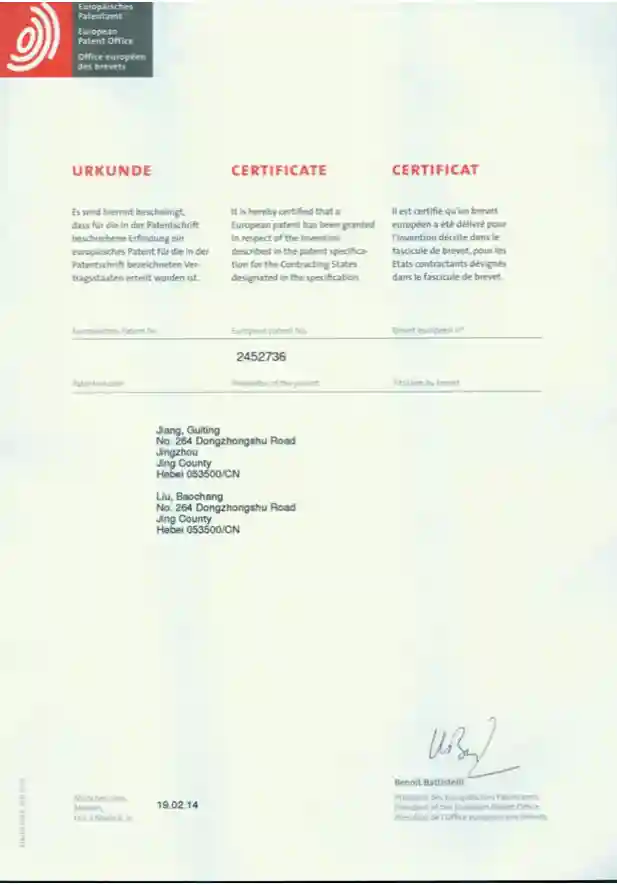
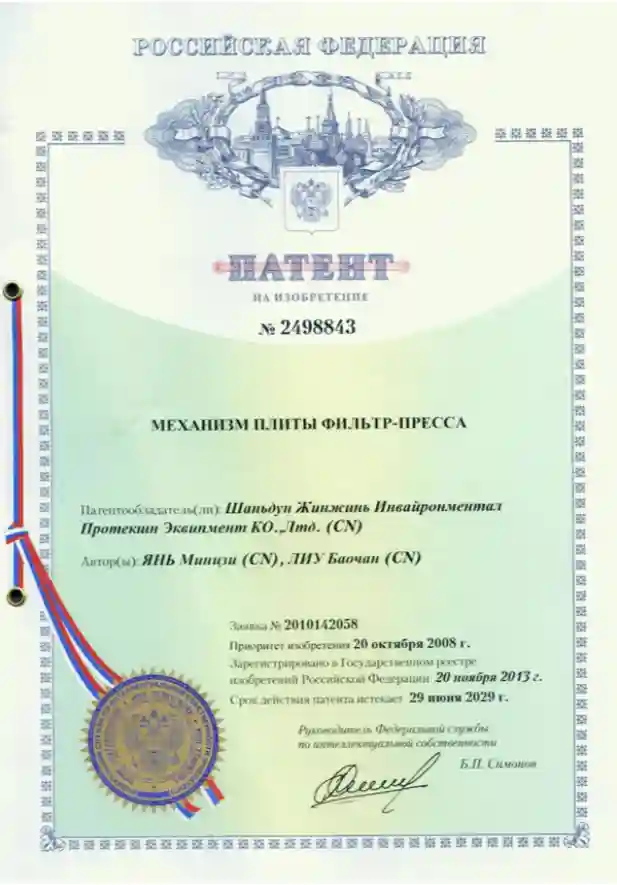
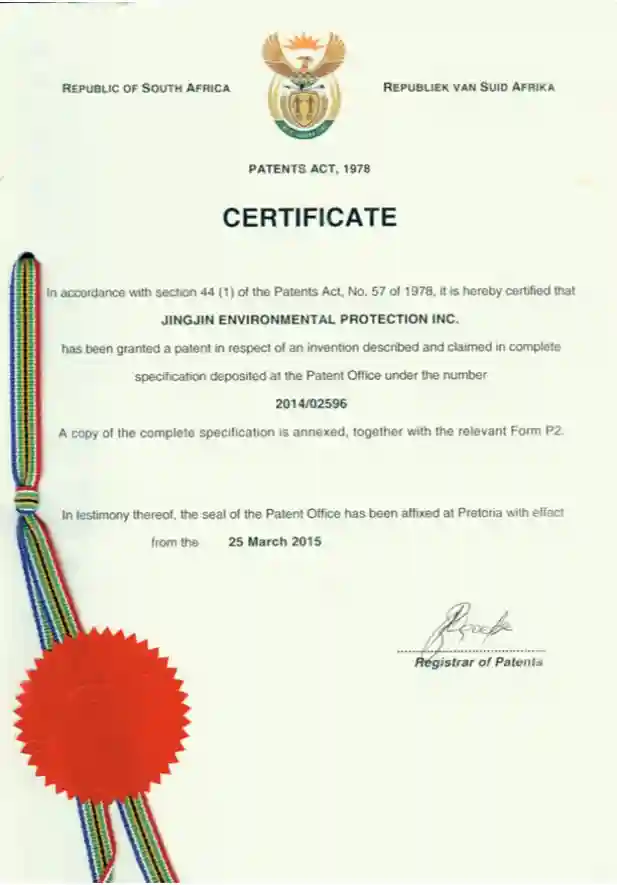
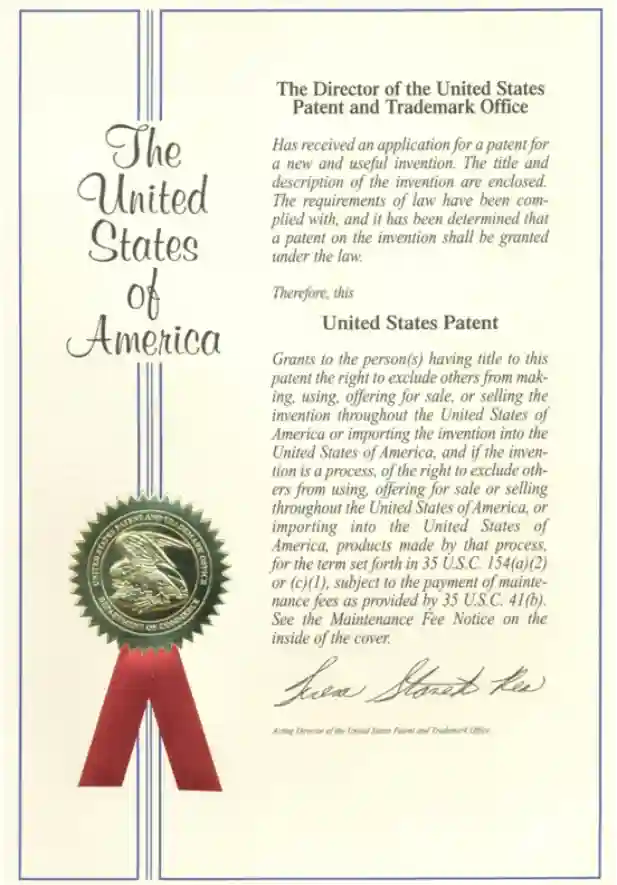
Reliable upkeep starts with high-quality tools that are made to last in the industrial setting. Since 1988, Jingjin Equipment Inc. has been a top maker of membrane plate filter presses. Their filtration systems are backed by more than 136 patents and have been used successfully in 123 countries. Genuine replacement parts, customized service agreements, and expert technical advice for mining, wastewater, chemical processing, and building uses are all part of our full support. Our team has the knowledge and global support infrastructure to help you be as successful as possible in your operations, whether you need to improve a current system or choose tools for a new one. Email us at [email protected] to talk about your filtering problems and get a personalised care plan that will protect your investment and make it work better.
References
1. Perry, R.H., Green, D.W., and Maloney, J.O. (2008). Perry's Chemical Engineers' Handbook (8th ed.). McGraw-Hill Professional.
2. Svarovsky, L. (2000). Solid-Liquid Separation (4th ed.). Butterworth-Heinemann.
3. Wakeman, R.J., and Tarleton, E.S. (2005). Solid/Liquid Separation: Principles of Industrial Filtration. Elsevier Science.
4. Tiller, F.M., and Kwon, J.H. (1998). "Role of Porosity in Filtration: XIII. Behavior of Highly Compactible Cakes." AIChE Journal, 44(10), 2159-2167.
5. Purchas, D.B., and Sutherland, K. (2002). Handbook of Filter Media (2nd ed.). Elsevier Advanced Technology.
6. Shirato, M., Murase, T., and Kato, H. (1987). "Fundamental Analysis of Constant Pressure Filtration." Journal of Chemical Engineering of Japan, 20(3), 283-289.
jingjin
Founded in 1988, Jingjin specializes in filter presses and liquid-solid separation solutions, serving over 130 countries worldwide, and is a standard-setter in China's filter press industry.
Get the Filter Press guide
Enter Your Email for Technical assistance for the Filter Press.

Recommended Blog
What Materials Are Used to Make Filter Press Cloths? A Comprehensive Guide
China Multi Disk Screw Press vs India: Cost & Performance 2026
What Is a Multi Disk Screw Press and How Does It Work in Industrial Dewatering?
Screw Dewatering Machine Cost from China for Asia Importers
High Capacity Filter Presses for Mining: Enhancing Mineral Processing Efficiency
Filter Press Cloth Maintenance Tips: Prolonging Lifespan and Efficiency