Selecting a Frame Filter Press for Pharmaceutical Filtration: Spec-by-Spec Breakdown
Selecting a Frame Filter Press for Pharmaceutical Filtration: Spec-by-Spec Breakdown
Understanding the Role of Frame Filter Presses in Pharmaceutical Filtration
- Understanding the Role of Frame Filter Presses in Pharmaceutical Filtration
- Critical Specifications to Evaluate When Selecting a Frame Filter Press
- Comparing Frame Filter Press Types and Alternatives for Pharmaceutical Use
- Maintenance, Safety, and Troubleshooting for Frame Filter Presses in Pharma Environments
- Procurement Considerations and Supplier Evaluation for Pharmaceutical Frame Filter Presses
- Conclusion
- FAQ
- Partner with Jingjin for Pharmaceutical Frame Filter Press Solutions
- References
When drug companies look at different ways to separate solids and liquids, picking the right frame filter press becomes very important. These specialised systems use strict cleanliness rules and pressure-driven filtering to make sure that the filter cakes that are needed for making active pharmaceutical ingredients (APIs) are dry and free of contaminants. Instead of centrifuges, which can damage small particles, or vacuum filters that don't have enough pushing force, a pharmaceutical frame filter press that is set up correctly gets better cake dryness while keeping product purity throughout every batch cycle.
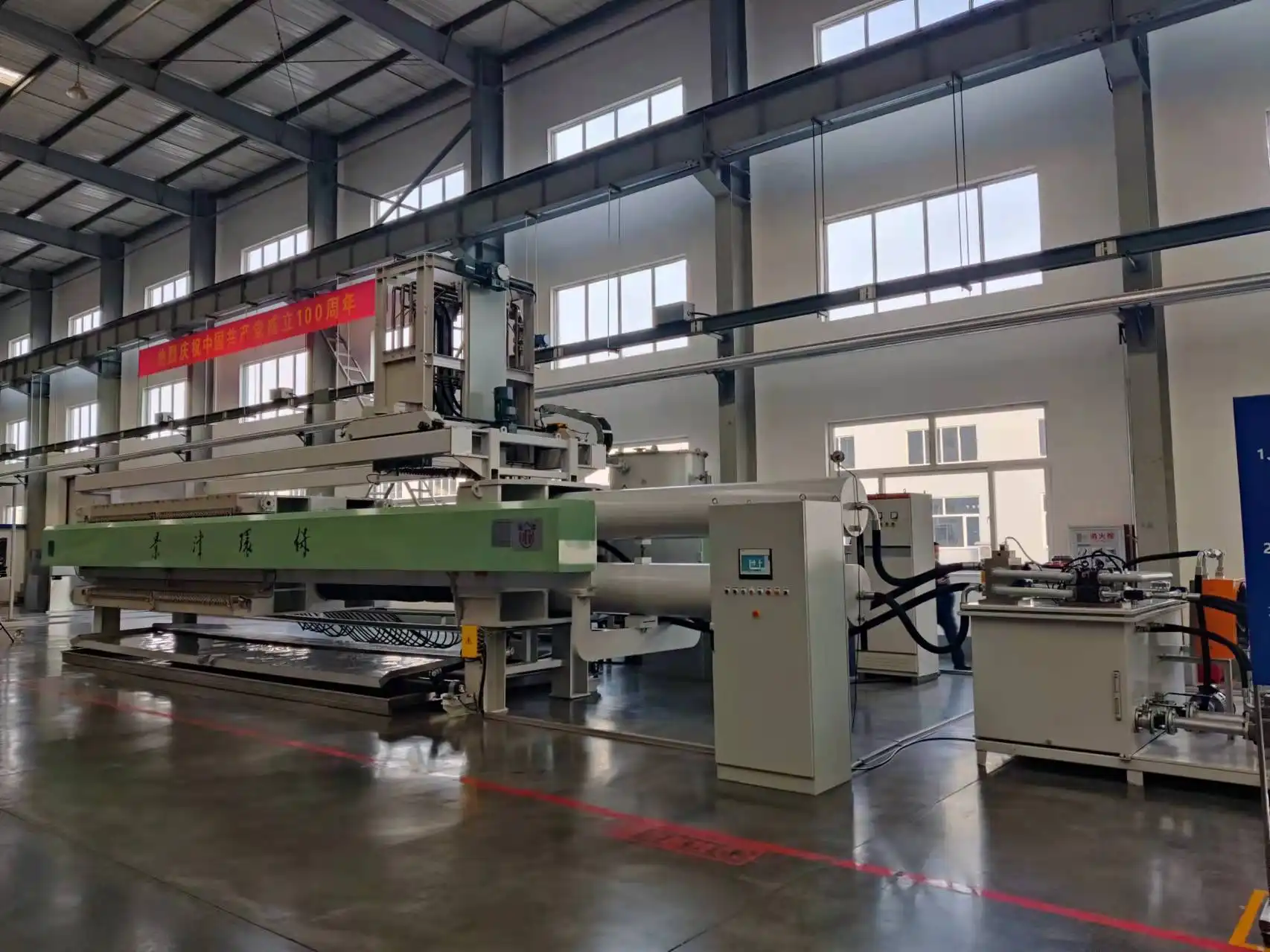
Understanding the Role of Frame Filter Presses in Pharmaceutical Filtration
Pharmaceutical production settings have their own problems that standard filtration tools can't solve. Different methods are needed to separate solids and liquids because of the high value of process materials, the risk of contamination, and the close scrutiny from regulators.
How Pressure Filtration Supports Pharmaceutical-Grade Purity
Controlled pressure application is the main idea behind how it works. Slurry goes into tunnels made by filter plates and frames moving back and forth. Pressure pushes the liquid through filter cloths while keeping the solids. This system creates a clear filtrate that meets USP water standards and filter cakes that can go straight to the next step in the process. The closed-system design keeps airborne pollution from happening, which is very helpful when working with clean intermediates or strong chemicals that need to be kept contained.
This technology helps with many steps of the production process for pharmaceuticals. To crystallise an API, the mother liquor must be removed quickly and without losing any of the result. Making vaccines rests on carefully separating matter in a way that keeps cells intact. When sterile filtration of injectable formulas is needed, the barrier must be completely intact. Pressure filtration meets this need by ensuring that the membranes are compatible with each other.
Pharmaceutical-Specific Design Adaptations
To meet pharmaceutical needs, standard industry plate-and-frame designs are changed in big ways. To keep germs from growing, surface finishes have Ra values below 0.8 micrometers. Drainage paths have curved shapes that get rid of dead zones where leftovers could build up. The materials used for gaskets meet FDA 21 CFR 177 standards and can withstand being sterilised several times with steam at 121°C.
Integration of clean-in-place (CIP) is another important change. Pharmaceutical frame filter presses have spray ball assemblies that clean all areas that come into contact with the product. Automated valve sequencing makes sure that all areas are cleaned completely during confirmed cleaning cycles, and conductivity tracking makes sure that the rinse is complete. This feature cuts down on the time it takes to switch between product campaigns while still keeping the records that regulatory checks need.
Critical Specifications to Evaluate When Selecting a Frame Filter Press
Choosing what to buy depends on how well the equipment's features match the needs of your process. A number of technical factors have a direct effect on both the total cost of ownership and the operating performance.
Material Selection and Regulatory Compliance
The materials used to produce filtering plates must fulfill pharmaceutical requirements and manage your process chemicals. 316L stainless steel resists corrosion from pH 2 to 12. It works for acidic API washes and alkaline cleaning. Electropolished finishes are easy to clean and don't pit, which can harbor bacteria. Some manufacturers specify reinforced polypropylene for non-sterile usage where weight and cost are more essential than metal construction.
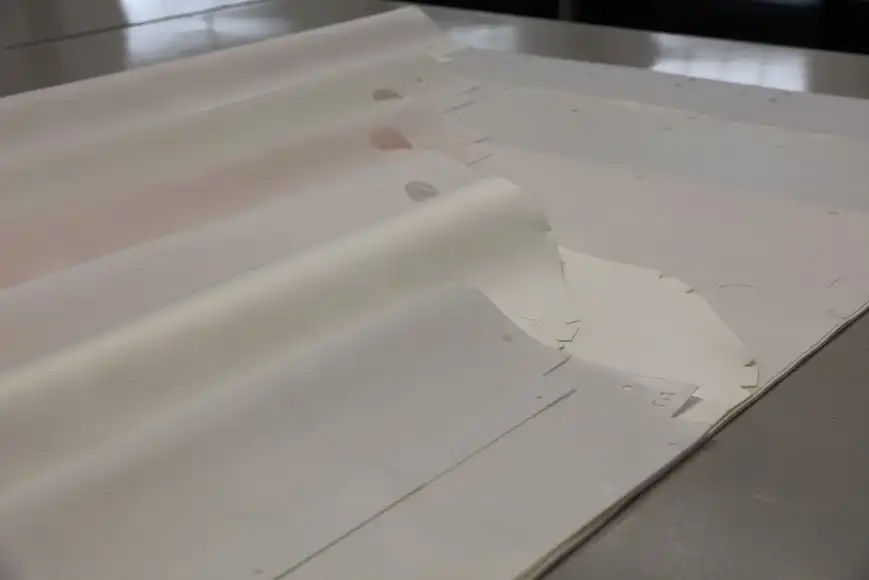
Selecting the correct filter cloth is crucial. Smooth edges of monofilament polypropylene textiles make filter cakes easy to remove and prevent blinding. Polyester has superior tensile strength for membrane squeeze cycles. Cloth hole sizes are commonly 1–25 micrometers to balance filter clarity and cycle duration. Ensure your fabric materials are certified. ISO 10993 biocompatibility testing is essential for liquid formula materials.
Capacity Matching and Cycle Optimization
Filtering area size determines throughput. Lab-scale 0.5-square-meter systems to industrial versions exceeding 100 square meters are available. Look at the slurry solids %, cake thickness, and cycle duration to calculate the requisite area. A pharmaceutical factory that processes 500 liters per batch at 15% solids needs 20–30 square meters of filter area for 60–90 minute cycles.
The hydraulic clamping force must close all plate connections. Not enough force lets sludge through, contaminating the filtrate and lowering production. Modern pharmaceutical frame filter presses employ closed-loop servo-hydraulic systems to hold 25–35 bars. This precision prevents plate damage and maintains sealing during hundreds of daily rounds. Progressive cavity pumps flow smoothly and protect the crystal structure, whereas diaphragm pumps retain powerful chemicals better.
Automation and Process Control Integration
In a manual frame filter press, the user must unload the cake and wash the cloth, which might pollute and vary batches. Automation procedures regulate feeding, filtration, membrane squeezing, cake release, and cloth cleaning. Pharmaceutical quality systems use PLCs to track pressure curves, cycle times, and filtrate volumes.
Distributed control systems (DCS) enable real-time process monitoring. Pressure sensors can detect filter cloth blinding before it stops spinning. Flow meters detect membrane breaches that make cakes less dry. The press's steam sterilisation is maintained using temperature sensors. Filtration becomes an optimized component of your program for growth with this link.
Comparing Frame Filter Press Types and Alternatives for Pharmaceutical Use
Knowing about the different technologies that are out there can help you find the best options for your business needs. Each configuration has its own benefits that match the goals of the business.
Plate-and-Frame Versus Recessed Chamber Designs
Traditional plate-and-frame arrangements swap filter plates and open frames in filtering rooms. By adjusting chamber numbers, the filter area may be adjusted to meet different batch sizes, making this design adaptable. The open frame allows changing the filter cloth easily and lets you see inside the cake. The design requires accurate plate alignment and additional labor while hand-discharging the cake.
Recessed chamber presses build the frame hole into each plate, reducing parts and simplifying maintenance. The design reduces leak sites, making the covering more dependable. Automatic cloth washing systems function better in deep designs since the spray covers all surfaces. Pharmaceutical facilities that value uptime and reproducibility are increasingly preferring recessed chamber designs, despite their higher initial cost.
Membrane Squeeze Technology Enhancement
In typical frame filter presses, pump pressure drives liquid through filter cakes. Squeezing the membrane creates flexible diaphragms that expand against the cakes as they are formed, generating mechanical pressure. This method removes 30–50% more moisture than regular compression. This is a big benefit for critical APIs where the yield percentage counts.
Membrane systems require additional considerations. Diaphragm materials must endure repeated bending. Steam sterilises pharmaceutical-grade silicone, while EPDM rubber is non-sterile. Up to 15 bars of inflation pressure requires a sturdy plate structure and additional hydraulic power. High-value pharmaceutical applications with high disposal or downstream drying costs benefit from these investments since they boost efficiency and dry cakes.
Alternative Separation Technologies
Continuously working vacuum drum filters are suitable for high-volume usage. However, their maximal pressure differential of 0.8 bar cannot dry flexible medical cakes. Air enters the process, causing pollutants that clean rooms can't tolerate. Vacuum filtration is rarely used in pharmaceuticals despite its simplicity and affordability.
Centrifuges clarify watery slurries. Centrifugal pressures can damage shear-sensitive crystals, reducing API quality. Pharmaceutical procedures require containment security that continuous centrifuges can't give, and group basket centrifuges are too small. Because centrifuges are harder to create and maintain, they enhance other technologies rather than replacing them.
Maintenance, Safety, and Troubleshooting for Frame Filter Presses in Pharma Environments
Maintaining efficiency requires strict upkeep plans that are in line with Good Manufacturing Practice (GMP) rules. If you pay attention to regular maintenance, you can avoid the unplanned downtime that throws off production plans for pharmaceuticals.
GMP-Compliant Cleaning and Sanitization Protocols
Pharmaceutical frame filter presses must be cleaned using a certified method between campaigns. Automatic CIP procedures begin with room-temperature rinses to remove bulk residues. Organic material is removed by hot caustic circulation at 80°C. Scale is removed and alkalinity neutralized by acid rinses. Final flushes with filtered water will continue until conductivity tests demonstrate no cleaning chemical remains.
Steam-in-place (SIP) sterilization follows cleaning for safe objects. All product parts that touch the press must reach 121°C for at least 30 minutes. During approval, temperature mapping identifies chilly places that need design adjustments. Documentation tools record sterilisation cycle time-temperature profiles. The audit trail regulatory checks needed are created.
Proactive Troubleshooting and Corrective Actions
Most operational issues have established causes and may be prepared for. Lack of hydraulic pushing power or a faulty gasket causes slurry to leak between plates. Check hydraulic pressure gauges to ensure the system closing force. Check gaskets for cuts, compression set, or chemical damage to replace them. Cake residue prevents gasket compression; thus, wipe plate closing sides thoroughly.
Reduced filtrate clarity indicates filter cloth damage or blinding. Remove the garments to check for rips, strained regions, and blocked pores under strong lighting. Reduce cloth replacement time or harden washing directions. If premature blindness persists, consider finer fabric grades or examine if upstream process changes are making solids difficult to screen. In squeeze-equipped presses, membrane failure causes extended cycle durations despite sufficient pressing pressure. Replace the membrane before it stops producing.
Operator Safety and Regulatory Compliance
High-pressure filter equipment is risky and demands engineering and process controls. Pressure release valves prevent hydraulic systems from overpressurizing, which is dangerous. When the machine is under pressure, interlocked barring prevents plate movement. Operator stations include emergency stop buttons that shut down the system immediately.
Pharmaceutical businesses must meet OSHA's restricted space requirements while repairing presses. Lock-out/tag-out prevents equipment from starting accidentally during service. Processing hazardous chemicals requires breathing protection and regulated access to places within worker exposure limits. Good pharmaceutical frame filter presses protect operators from material. Sealed cake discharge systems, continuous liner technology, and automated cloth cleaning protect operators from material.
Procurement Considerations and Supplier Evaluation for Pharmaceutical Frame Filter Presses
Comparing technical specs is only one part of a strategic equipment purchase. A successful procurement process matches the needs of the job at hand with those of the business in the long run.
Aligning Equipment Features with Production Objectives
To start, write down your process needs in the form of numbers. How many batches do production plans for now and the future call for? What standards for cake dryness do steps further down the line need? What rules for cleaning and sanitising do the tools need to follow? These needs can be turned into concrete evaluation criteria by expressing them in terms of filter area, working pressure, material compatibility, and automation level.
Instead of just looking at the buying price, figure out the total cost of ownership. Consider energy usage, spare parts availability, filter cloth change frequency, and upkeep labour needs. A cheaper press that needs to be manually discharged of cake may need 30% more work over its lifetime than an automatic option. Membrane-equipped systems cost 40–60% more, but they make cakes drier, so there is no need for any further drying steps. Use net present value analysis to look at these trade-offs over the expected working life of the tools.
Evaluating Supplier Capabilities and Support Infrastructure
There are big differences between pharmaceutical frame filter press makers in how well they can handle complicated projects. Look for providers that can provide engineering tools that can test your real process materials in a pilot project. Before spending a lot of money on full-scale systems, lab and pilot-scale equipment lets you test filter rates, cake properties, and cleaning efficiency. This testing lowers the risk of the buying process and creates data that can be used to back up regulatory applications.
Check out the supplier's experience with regulations and quality control systems. ISO 9001 approval is a basic guarantee of regular ways of making things. Suppliers who work with pharmaceutical companies should show that they know what the FDA's 21 CFR Part 11 rules are for electronic records and what the GAMP standards are for validating automation. You can speed up the validation process by asking for paperwork packages that include material approvals, factory acceptance test procedures, and installation qualification forms.
Infrastructure for after-sales help is important throughout the span of an item. Make sure that the seller keeps an inventory of spare parts like hydraulic parts, gaskets, membranes, and filter cloths, and that the wait times are reasonable for your repair plans. Check to see if there are any field service techs who are trained to work on pharmaceutical systems that can help with start-up commissioning, operating troubleshooting, and regular performance optimisation. Global pharmaceutical companies should look at the supplier's international service network to make sure that help is consistent across multiple production sites.
Customization Options and Negotiation Strategies
Standard catalogue equipment rarely meets the needs of pharmaceuticals without being changed. Early on in the procurement process, talk about the ability to customise. For example, better surface finishes, specialised metals, integrated containment systems, and custom automation sequences all need engineering time and communication between production and engineering. Suppliers who can build and make things themselves can reply more quickly than those who use outside companies.
To negotiate good business terms, you need to know what drives the seller. If you commit to buying a lot of units for various jobs, you may be able to get lower prices than if you bought just one unit. Longer payment terms or performance-based goals link the risk of the provider to the success of the project. Maintenance service contracts that come with new tools are often more cost-effective than service contracts that you buy separately. Always ask for full lists of extra parts with prices; this makes lifetime cost modelling more accurate and keeps you from being surprised when you buy something in the future.
Conclusion
In conclusion, for pharmaceutical filtration, you need equipment that combines technical performance with operational dependability and compliance with the rules. To start the design process, you need to know what your specific process needs are, such as the material's properties, your throughput goals, your purity standards, and your cleaning procedures. When looking at frame filter press options, you need to think about things like plate materials, filtration capacity, automation, and more advanced features like membrane squeeze technology. When you compare suppliers, you have to look at their tech support, quality processes, and long-term service infrastructure. A good pharmaceutical frame filter press procurement matches the equipment's powers with output goals and builds relationships with providers that offer long-term technical support. Spending time and money on carefully reviewing specifications and suppliers will pay off over many years by supporting your most important pharmaceutical manufacturing processes reliably.
FAQ
Q1: What pressure range do pharmaceutical frame filter presses typically require?
In pharmaceutical uses, the feed pressure is usually between 6 and 20 bar, based on how easy it is to compress the cake and how dry you want it to be. Membrane squeeze systems add extra pressure that can reach 15 bar of mechanical tension. Higher pressures make drainage better, but they also need stronger hydraulic systems and heavier-duty plate design.
Q2: How frequently should filter cloths be replaced in a pharmaceutical service?
Replacement times depend on how rough the process is and how well the cleaning routine works. Most pharmaceutical companies change their clothes every 200 to 400 rounds or when the quality of the water gets worse. Using strict, controlled washing increases the life of the service. Keeping extra cloth on hand keeps work from being interrupted when something breaks too soon.
Q3: Can existing frame filter presses be retrofitted with membrane squeeze capability?
Retrofitting relies on how the frame filter press was built in the first place. Plates need to be able to handle the width of the membrane and the pressure of the swelling. For hydraulic systems to handle more squeezing force, they need to have their capacity increased. Because it is harder to build and costs more, buying purpose-built membrane presses is usually the better option than adapting old equipment.
Partner with Jingjin for Pharmaceutical Frame Filter Press Solutions
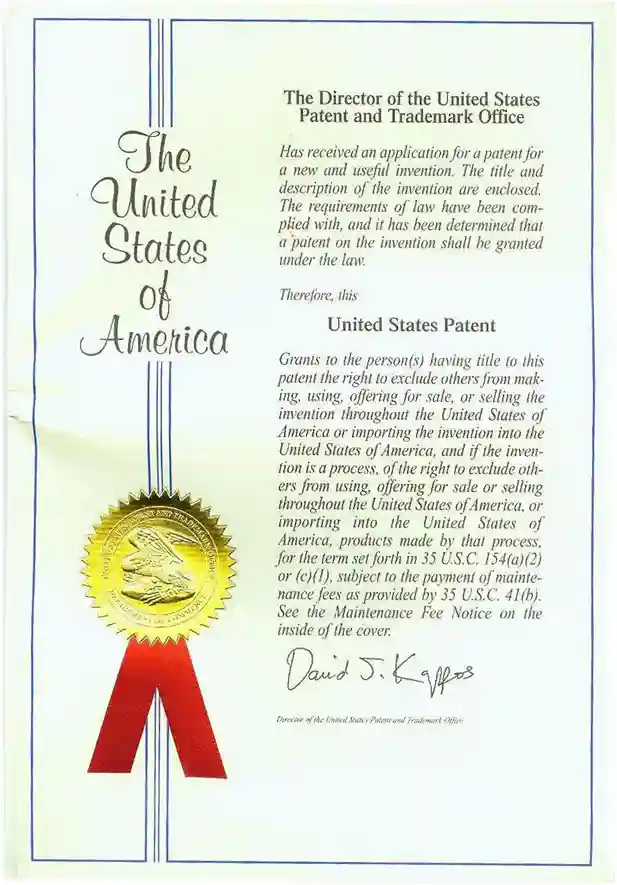
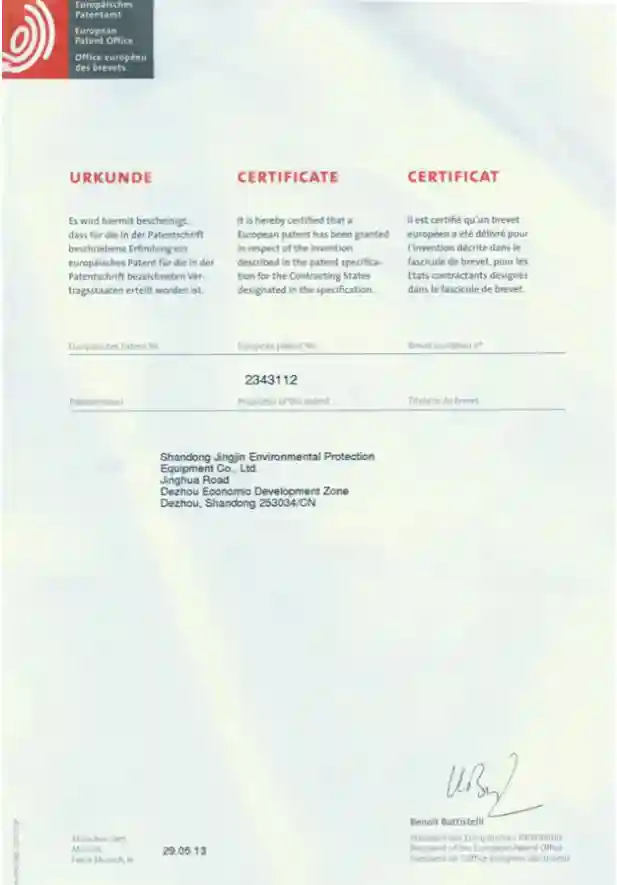
Pharmaceutical companies looking for a dependable frame filter press provider can get all of their needs met by Jingjin Equipment Inc. We have more than 35 years of experience in solid-liquid separation engineering and more than 136 patents covering advanced filter technologies. We sell pharmaceutical-grade systems to customers in 123 countries. Our pharmaceutical frame filter presses are made of electropolished 316L stainless steel, can do automatic CIP/SIP, and come with all the paperwork you need to show that they meet FDA and EU GMP standards.
Vertically integrated production at Jingjin makes everything from filter plates to specialised cloths. This makes sure that the quality of your equipment stays high and that extra parts are always available. Our engineering team tests processes, designs systems, sets up and starts up new systems, and provides ongoing technical support that is specific to the needs of pharmaceutical production. Get in touch with our pharmaceutical filtration experts at [email protected] to talk about your specific separation problems and find out how Jingjin's proven filtration technology can help your API production, vaccine production, or clean processing operations run more smoothly.
References
1. Tarleton, E.S. & Wakeman, R.J. (2007). Solid/Liquid Separation: Equipment Selection and Process Design. Butterworth-Heinemann.
2. Pharmaceutical Engineering Society. (2018). "Baseline Guide: Filtration and Separation Technologies in Pharmaceutical Manufacturing." ISPE Good Practice Guide.
3. Meltzer, T.H. & Jornitz, M.W. (2006). Pharmaceutical Filtration: The Management of Organism Removal. PDA/DHI Publishing.
4. American Society of Mechanical Engineers. (2019). "Pressure Vessel Design Standards for Pharmaceutical Applications." ASME BPE-2019.
5. Purchas, D.B. & Sutherland, K. (2002). Handbook of Filter Media (2nd ed.). Elsevier Advanced Technology.
6. United States Food and Drug Administration. (2021). "Guidance for Industry: Sterile Drug Products Produced by Aseptic Processing—Current Good Manufacturing Practice." FDA Center for Drug Evaluation and Research.
jingjin
Founded in 1988, Jingjin specializes in filter presses and liquid-solid separation solutions, serving over 130 countries worldwide, and is a standard-setter in China's filter press industry.
Get the Filter Press guide
Enter Your Email for Technical assistance for the Filter Press.


Recommended Blog
Affordable Multi Screw Press Machines for Wastewater Treatment: What to Look For
Best Filter Cloth for Sludge Dewatering: Features and Buying Guide
The Essential Guide to Filter Press Plates in Industrial Filtration
Cutting Sludge Disposal Volume by 60% With the Right Filter Press Setup
Where Indian EPC Contractors Buy Multi Disk Screw Press in China?
China Screw Dewatering Machines for Vietnam Food Factories
How to Choose a Chamber Filter Press for Industrial Sludge Treatment
3 Overlooked Advantages of Plate Frame Filter Press in Fine Chemical Filtration
How Global EPC Firms Manage Filter Press Procurement in China?