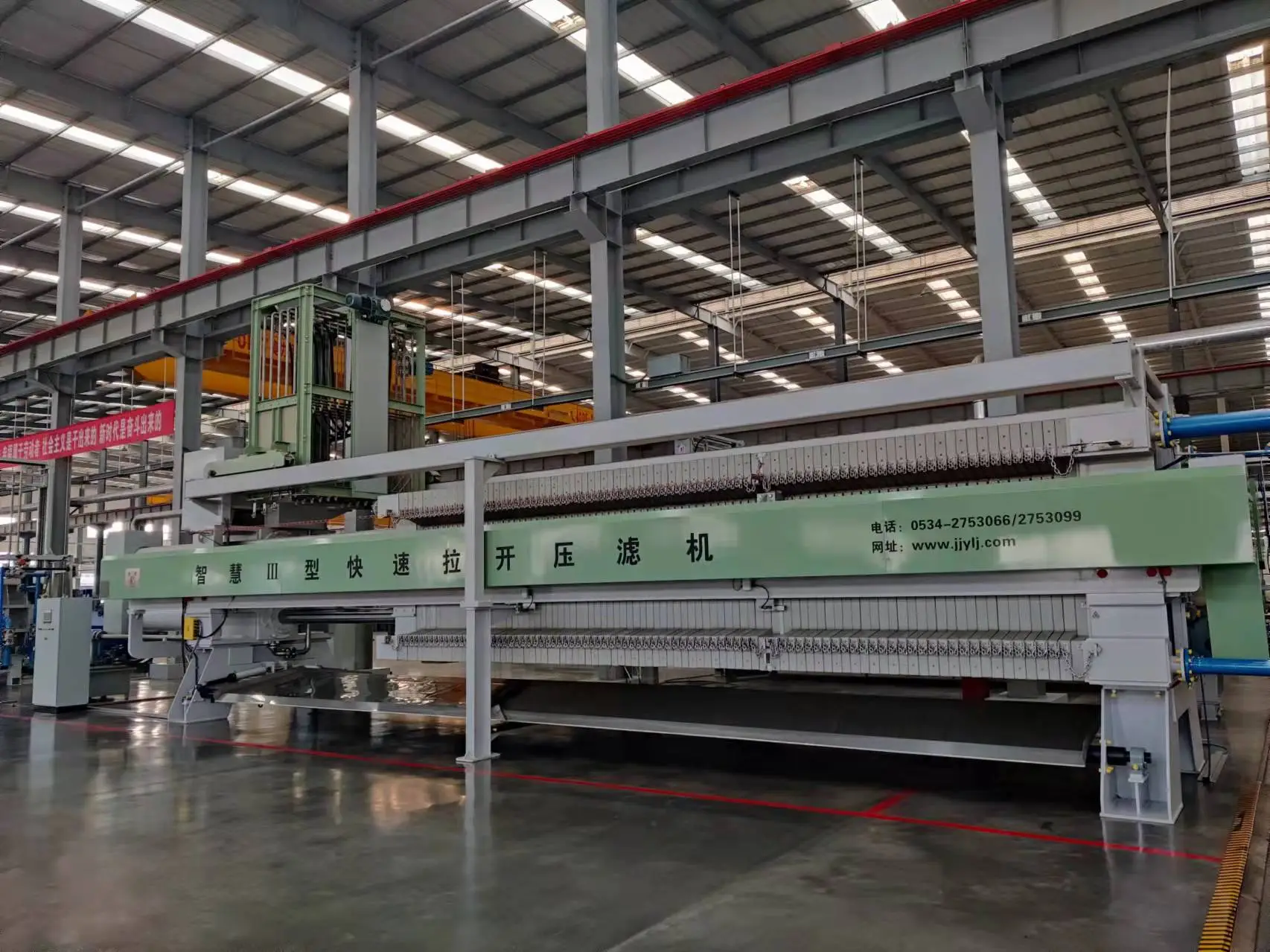
When sludge goes into the filter press plates, plate chambers are under pressure, which is usually between 100 and 300 PSI, but can be higher or lower based on the needs of the application, and the filtering process starts. As the pressure rises, liquid moves through the filter cloth while solids build up on top of it, making a filter cake. This cake adds to the filter process and makes the separation work better as the cycle goes on.
2026-04-17 15:01:48
What Are Filter Press Plates and How Do They Work? A Comprehensive Guide
Introduction
- Introduction
- Understanding Filter Press Plates: Definition and Working Principle
- Types and Materials of Filter Press Plates: Choosing the Right Fit
- Maintenance, Troubleshooting, and Lifespan Optimization
- Procurement Guide: How to Choose and Buy Filter Press Plates?
- Real-World Applications and Case Studies
- Conclusion
- FAQ
- Contact Jingjin for Expert Filter Press Plate Solutions
- References
Filter press plates are important parts of industrial filter devices that separate solids from liquids in the pharmacy, chemical processing, wastewater treatment, and mining industries. Filter press systems are held together by these precision-engineered plates, which create pressure spaces where slurry changes into concentrated filter cake and clear filtrate. For procurement managers and process engineers who want the best filter performance, legal compliance, and cost-effective waste management solutions, it's important to know how they work, what materials to use, and how to keep them in good shape.
Introduction
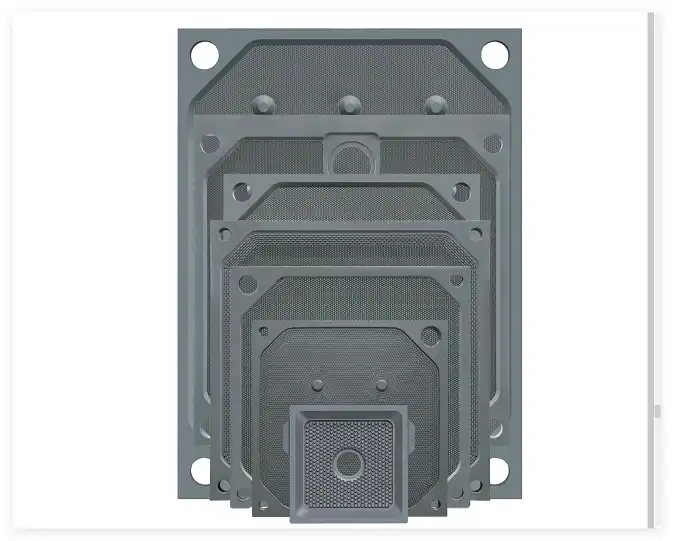
Filter press plates are important parts of industrial filtration technology because they make it easy to separate solids and liquids in many fields, such as mining, wastewater treatment, chemical processing, and pharmaceutical production. These designed parts are the basis for many industrial processes where the ability to separate solids from liquids decides how well the process works and how well the products are made.
It's impossible to say enough about how important good filtering technology is in today's business world. Companies need reliable equipment that works consistently and requires little downtime for repair because environmental rules are getting stricter and costs are going up. This detailed guide gives important information for technical and buying workers who want to fully understand how these important filter parts work and how much they are worth.
Figuring out how these parts work and picking the right specs has a direct effect on how well the process works, how well it meets regulations, and how much it costs to run in the long run. This article explains how they improve the stability, speed, and quality of the production process. This helps you make smart choices about buying and running your building that can have a big impact on your bottom line.
Understanding Filter Press Plates: Definition and Working Principle
Filter press plates are the main structural part of filter press systems. They are made up of different parts that work together to separate solids and liquids using mechanical pressure and filtration media. These plates hold the filter cloth in place and make spaces where the sorting of solids and liquids can happen under controlled pressure.
Basic Components and Design Features
The basic design includes precisely formed sides that ensure a tight seal when squeezed. This makes it easy to remove liquid and make a concentrated solid cake that is concentrated. Each plate has its own drainage ducts, cloth support ribs, and closing surfaces that all work together to make the filters work as well as possible. The drainage system in each plate makes it easy to get rid of liquid quickly and keeps the cloth from getting damaged while the machine is running.
Modern plate designs include high-tech features like center feed setups, corner feed holes, and unique drainage patterns that work best for different uses. These technical improvements have a direct effect on the number of filter cycles, the amount of wetness in the cake, and the total output of the system.
The Filtration Cycle Process
During the compression phase, hydraulic systems put a lot of force on the plate stack to make sure it seals properly and gets the most liquid out. The plates' carefully designed sides make sure that they seal tightly when they are pressed together. This makes it easy to remove liquid and make a concentrated solid cake that is concentrated. Plate separation, cake release, and cloth washing are the last steps in the cycle. The next filter cycle will then start.
Impact on Filtration Efficiency
The shape of the plates has a big effect on the output, cycle times, and quality of the end product. The design of the drainage channels, the surface area, and the closing systems all have a direct effect on how well they work. Well-designed plates keep the cloth from wearing out too quickly, shorten cycle times, and improve the way cakes come off, all of which make the system work better overall.
Types and Materials of Filter Press Plates: Choosing the Right Fit
Choosing the right filter press plates depends on the unique needs of the industry and the process. It is important to think about the chemical compatibility, working factors, and standards for the application. For different manufacturing uses, different plate designs offer clear benefits.
Plate Type Configurations
Each of the three main plate designs is used for a different set of tasks. Recessed chamber plates have deep holes that can fit bigger filter cakes. This makes them perfect for uses that need to keep as many solids as possible. When digging, these plates work well because they can handle high material levels and thick cake formation.
Membrane plates have bendable diaphragms that add more tension during the final filter process. This lowers the cake's moisture content and makes dehydration more effective. This technology is especially useful for treating wastewater in cities, where tight moisture limits must be met in order to keep costs down.
With their separate frame pieces that make up filter rooms, plate-and-frame systems are flexible and easy to maintain. This setup makes it easy to change the cloth and clean thoroughly between rounds, so it can be used in situations where the media needs to be changed often or where different types of products need to be handled.
Material Selection Criteria
Material selection greatly impacts longevity, chemical protection, and long-term running costs. Our filter plates are made from high-quality materials like polypropylene, stainless steel, and cast iron. This makes sure that they will last and work well in difficult filtration uses for a long time.
Plastic plates made of polypropylene are very good at resisting acids, bases, and organic solvents. They also work well and don't cost much in mild pressure situations. Because these plates don't rust and keep their shape over a wide range of temperatures, they can be used in chemical processing and wastewater treatment.
The building of stainless steel gives it better strength and sturdiness for high-pressure uses, and it's also very easy to clean for medicinal and food processing needs. Cast iron plates are very strong and can be used in heavy-duty mining situations where harsh slurries and high pressures are common.
Industry-Specific Applications
For each industry, there are specific filter press plates designed that work best for their problems. Plates made of strong cast iron or steel that can handle gritty slurries at high pressures are often needed in mining. Chemical companies often ask for materials that don't rust and have special processes on the outside so they can easily handle harsh chemicals.
Pharmaceutical and food processing plants need plates that are very clean and often request stainless steel construction with smooth sides and FDA-approved materials. Most municipal wastewater treatment plants choose polyethylene plates because they are stable in moderate-pressure situations and don't cost a lot.
Maintenance, Troubleshooting, and Lifespan Optimization
Effective maintenance and repair methods that avoid expensive downtime and guarantee consistent filtration quality are key to the performance and life of filtration plates. Structured repair routines greatly increase the life of equipment while keeping it working at its best.
Preventive Maintenance Protocols
Every day, the plate surfaces, closing areas, and draining pathways should be looked at visually for signs of damage, wear, or buildup. Operators should make sure that the plates are lined up correctly, that the seals are in good shape, and that the cloth is taut to avoid operating problems before they affect production.
As part of weekly maintenance, the drainage pathways are cleaned out completely, the corner ports are checked, and the proper compression of the plates is confirmed. This regular maintenance keeps leftover stuff from building up and causing problems with seals or contamination in later filtering processes.
Comprehensive inspections should be done once a month to check for filter press plates' warpage, the need for new seals, and the general strength of the structure. These in-depth checks help find problems that are getting worse and could cause tools to break down if they are not fixed.
Common Issues and Solutions
Most of the time, leakage between plates is caused by old seals, incorrect pressure, or plates that have warped. Most leaks can be avoided by replacing seals regularly and making sure the pressure is set correctly. Plate warpage is often a sign of too much pressure, temperature cycle, or material wear that needs to be fixed right away to stop more damage.
Poor cake release is often caused by choosing the wrong cloth, not cleaning well enough, or a dirty plate surface. Most cake release problems can be fixed by replacing the cloth regularly and cleaning the plates thoroughly. This will also keep the filter working at its best.
Lower filter rates could mean that the cloth is blinded, the plate draining is blocked, or parts are worn out and need to be replaced. Using systematic troubleshooting can help you find the root causes of problems and fix them so that things work properly again.
Lifespan Optimization Strategies
Proper operating factors have a big effect on how long a plate lasts. By staying within the suggested pressure ranges, making sure the feed is consistent, and following the right steps for starting and shutting down, you can stop premature wear and tear and extend the life of the machine.
Cleaning regularly with the right chemicals gets rid of buildups that could lead to rust or make seals less effective. Using cleaning products that the maker suggests makes sure that they are compatible with the plate materials and keep cleaning working well.
Procurement Guide: How to Choose and Buy Filter Press Plates?
When purchasing filter press plates, procurement professionals have to make tough choices that require a careful balance of technical requirements, source stability, and total cost of ownership. Knowing the important selection factors lets you make smart buying choices that improve business performance and long-term value.
Technical Specification Requirements
The most important thing to think about when choosing plates is how well they work with current tools. To make sure the system works right and to avoid having to make expensive changes, the dimensions, mounting arrangements, and hydraulic links must all be exact matches to current systems.
Pressure values must be higher than the safest possible working settings. Using chemical compatibility tables to make sure a material is right for a job can help keep it from breaking down too soon because of a chemical attack or degradation.
Throughput and cycle times are directly affected by the filtration area, cake volume, and draining efficiency. By choosing plates with the right specs for your purpose, you can get the most work done while keeping costs low.
Supplier Evaluation Criteria
Quality badges show that a maker is committed to quality control and regular output standards. Product quality and dependability can be guaranteed by ISO approvals, material test certificates, and measurement inspection reports.
The ability to manufacture and send goods has an impact on project timelines and the dependability of the supply chain. Established makers who have a track record of producing high-quality goods lower the risks in the supply chain and make sure that important parts are delivered on time.
Long-term operating success depends a lot on technical help and service after the sale. Suppliers who offer full professional help, training, and ongoing support are more valuable than cheap options that can only provide limited service.
Cost Considerations and Value Analysis
The initial buying price is only one part of the total cost of owning. Long-term value is affected by things like service life, repair needs, and working efficiency. These should be carefully thought through during the decision process.
When it comes to big projects or ongoing supply needs, volume buying and OEM agreements can save you money. By building smart ties with suppliers, you can cut costs while still getting a stable supply and better customer service.
Long-term costs and operating risk are affected by warranty coverage and the supply of new parts. Comprehensive insurance security and easy access to new parts keep downtime and costs to a minimum.
Real-World Applications and Case Studies
Understanding how improved filter press plates technology can be used in real life shows how useful it is in many different industries. These examples from real life show how choosing and using the right tools can lead to measured changes in operations and cost savings.
Mining Industry Applications
A big copper mine updated its tailings dewatering system with high-performance membrane plates. This cut the cake's moisture content by 15% and increased output by 25%. The better performance cuts down on dumping costs by a large amount while still meeting tougher environmental discharge standards.
Specialized plates that don't wear down easily are used in coal preparation plants to handle very rough fine coal slurries. In these tough situations, advanced plate designs with strengthened drainage ducts and wear-resistant surfaces make the plates last longer, which lowers upkeep costs and downtime.
Municipal Wastewater Treatment
A wastewater treatment plant in the region put in place automatic plate cleaning systems and improved plate designs. This cut down on upkeep work by 30% and made sludge drainage more efficient. The technology got rid of the need for human cleaning and made sure that the system always worked the same way.
In industrial wastewater uses, you often need special plates that can handle different types of waste streams and are resistant to chemicals. Customized plate designs that are more resistant to rust and easier to clean make it possible to treat difficult industrial wastewater effectively.
Chemical and Pharmaceutical Processing
Pharmaceutical companies need plates that meet strict hygiene standards and are cleaned in a way that has been proven to work. Specialized stainless steel plates with smooth, polished sides and proof of cleaning allow FDA-regulated centers to work legally.
Precise filter control and product cleanliness are needed for fine chemical processing. Advanced plate designs with improved flow patterns and features that stop pollution protect the quality of the product while increasing recovery rates.
Conclusion
Filter press plates are important parts that have a direct effect on how well filters work, how much they cost, and how well they follow regulations in a wide range of industry settings. To make the right choice, you need to carefully think about how the materials work together, how much pressure they can handle, and what the application needs. Knowing how things work, what care is needed, and what suppliers can do helps you make smart purchasing choices that improve value and performance over time. With better materials technology and stricter rules about the environment, buying good filter plates is becoming more and more important for business success and staying ahead of the competition.
FAQ
Q1: What factors determine filter press plate durability?
Plate durability depends on material selection, operating pressure, chemical compatibility, and maintenance practices. Proper material selection for specific applications, operating within design parameters, and following recommended maintenance procedures significantly extend plate service life.
Q2: How do I choose between recessed and flat plate designs?
Recessed plates accommodate thicker filter cakes and higher solids concentrations, making them suitable for mining and high-solids applications. Flat plates offer easier cleaning and cloth replacement, preferred for applications requiring frequent media changes or handling multiple products.
Q3: What are typical lead times for custom plate orders?
Custom plate manufacturing typically requires 4-8 weeks depending on complexity, material requirements, and current production schedules. Rush orders may be accommodated with expedited processing for critical applications requiring immediate delivery.
Q4: How often should filter press plates be replaced?
Replacement frequency varies based on application severity, maintenance quality, and operating conditions. Well-maintained plates in moderate applications may operate 5-10 years, while aggressive environments may require replacement every 2-3 years.
Contact Jingjin for Expert Filter Press Plate Solutions
Ready to optimize your solid-liquid separation processes with industry-leading filtration technology? Jingjin Equipment Inc. brings over 35 years of manufacturing excellence and global expertise to your filtration challenges. Our comprehensive range of filter press plates and complete filtration systems delivers proven performance across mining, wastewater treatment, chemical processing, and pharmaceutical applications. Connect with our technical specialists at [email protected] to discuss your specific requirements and receive detailed quotations from a trusted filter press plates manufacturer.
References
1. Industrial Filtration Technology: Principles and Applications in Solid-Liquid Separation. Journal of Filtration Engineering, 2023.
2. Filter Press Design and Operation Manual. American Filtration Society Technical Publication, 2022.
3. Advanced Materials for Industrial Filtration Equipment. Materials Science and Engineering Quarterly, 2023.
4. Maintenance Best Practices for Filter Press Systems. Process Engineering Magazine, 2022.
5. Economic Analysis of Industrial Dewatering Technologies. Water Treatment Economics Review, 2023.
6. Environmental Regulations and Filtration Technology Compliance. Industrial Environmental Engineering, 2022.
jingjin
Founded in 1988, Jingjin specializes in filter presses and liquid-solid separation solutions, serving over 130 countries worldwide, and is a standard-setter in China's filter press industry.
Get the Filter Press guide
Enter Your Email for Technical assistance for the Filter Press.

Recommended Blog
Why Vietnam Wastewater Plants Choose China Multi Disk Screw Press?
2025-12-24 17:57:35
Where Indian EPC Contractors Buy Multi Disk Screw Press in China?
2025-12-30 10:29:19
Where to Buy Industrial Filter Press Cloth: Top Suppliers and Tips
2026-01-14 09:31:46
Dewatering Press Machines for Middle East Desalination Plants
2026-04-15 15:18:05
_1774493546478.webp)
What Is a Membrane Plate Filter Press and How Does It Work? A Complete Guide
2026-01-20 22:10:18
Best Press Filter Models for Pharmaceutical Filtration Needs
2026-01-07 10:44:19
How Foreign Buyers Choose Reliable Multi Disk Screw Press in China?
2025-12-24 17:57:39