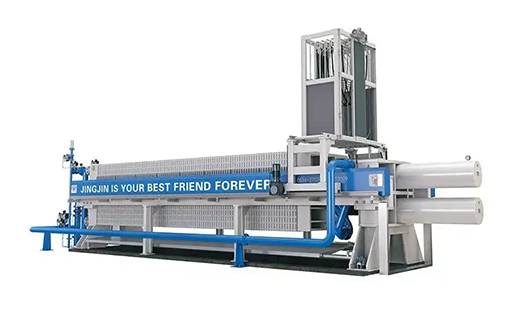
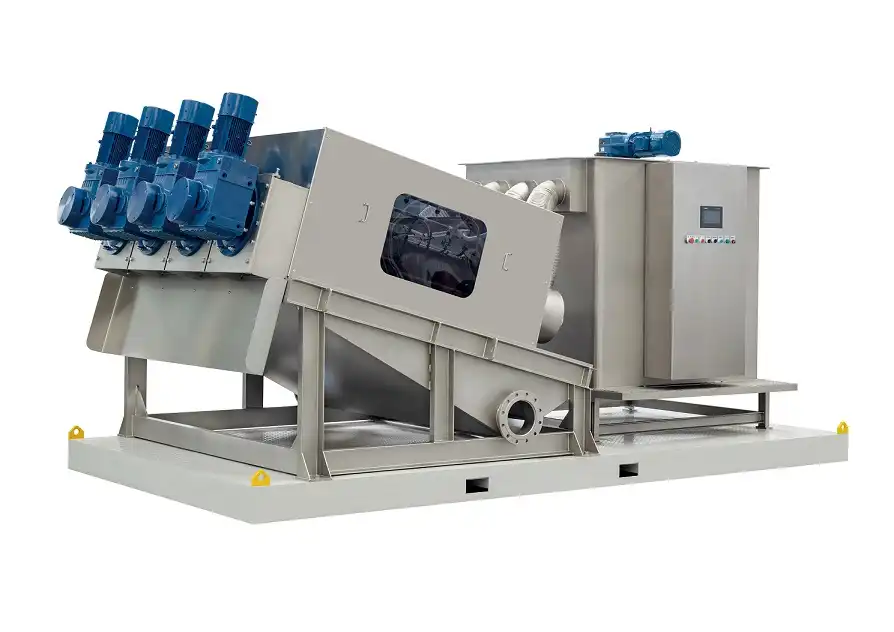
How to Troubleshoot Common Filter Press Machine Issues Quickly and Effectively
How to Troubleshoot Common Filter Press Machine Issues Quickly and Effectively
Introduction
It is very important to know how to fix common filter press machine problems when slurry sprays between the plates of your production line or when the cake's moisture level goes too high. Quick analysis and fixes keep your business running easily and protect your bottom line. This book talks about the most common issues that happen with solid-liquid separation systems and gives useful, tried-and-true methods that reduce downtime and get systems back to working quickly.
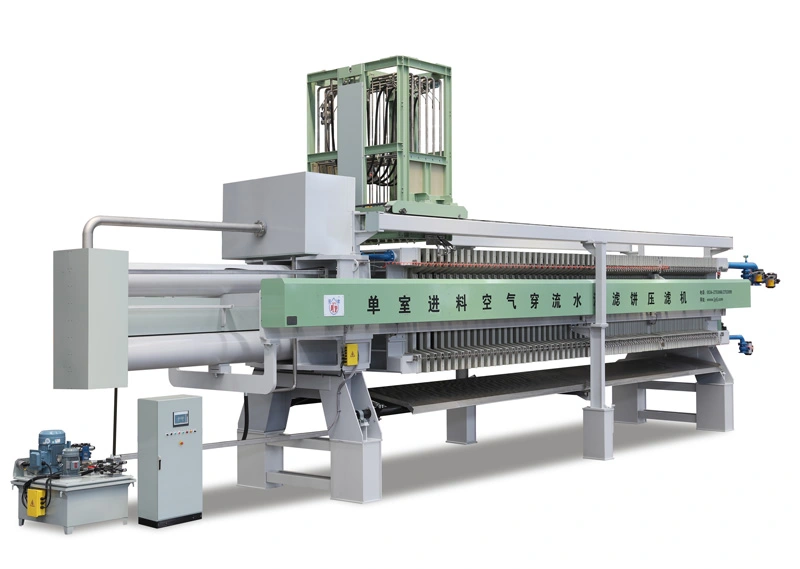
Introduction
In the United States, wastewater treatment plants, mines, chemical processing plants, and pharmaceutical production lines all use filter press machines to separate solids from liquids. These strong systems regularly make high-quality filters and dry cakes that are easier to dispose of and follow strict environmental rules. However, even the most reliable filter equipment sometimes has problems that need to be fixed right away.
Unplanned downtime has a big effect on the bottom line of an entire business. When the press stops, it can slow down the whole process train, cause packages to be late, and give workers no choice but to make expensive repairs right away or accept lower-quality output. Maintenance managers at wastewater treatment plants, process engineers in material processing plants, and plant leaders in chemical manufacturing all have to solve problems quickly without putting safety or compliance at risk.
This useful troubleshooting guide is for operations directors, wastewater managers, and B2B buying experts who need organized ways to find and fix filtering issues. Whether you are in charge of a chamber press that processes mine waste or a membrane system that processes medicinal slurries, you need to know what's going wrong and fix it quickly to protect your equipment investment and keep operations running smoothly.
Understanding Common Filter Press Machine Issues
Frequent Operational Challenges
One of the most obvious and annoying fails is leaking between plates. When slurry shoots out of the plate pack during filtration, the process stops right away. This problem usually happens because of dirt or dust on the sealing surfaces, not enough hydraulic closing pressure, or filter cloths folding at the sides when the plate closes. Because each cause needs a different set of solutions, it is very important to get a correct evaluation.
Impact on Operations and Costs
When filter equipment doesn't work right, production stops right away. When feed tanks get backed up, they force changes to be made upstream, and wet cakes make it more difficult and expensive to get rid of waste. When cake moisture levels go above what is allowed, facilities that work with dangerous materials are inspected more closely by regulators. This could lead to compliance issues and fines.
When problems aren't fixed, maintenance costs go up very quickly. Small seal leaks that can be fixed by replacing a gasket turn into rusted plate surfaces that need to be fixed at a high cost. Calls for emergency service outside of normal business hours cost more, and sending parts quickly adds more costs that could be avoided with preventative maintenance.
Loss of throughput quality affects processes further down the line and the end product's specs. For economical shipping and smelting, mining activities need certain amounts of cake moisture. Chemical companies count on constant purity of the filtrate to keep new batches from being contaminated. Figuring out how problems with tools affect quality helps troubleshooters decide what to do first.
Root Causes Worth Examining
Parts that are put under a lot of pressure and cycled over and over again naturally wear down. Microcracks form in filter plates when they are heated up or when pressure is applied unevenly. As hydraulic cylinder seals age, they become harder, which lets air leak inside. When repair teams know about standard wear patterns, they can replace parts before they break.
How operators use technology, including the filter press machine, has a big effect on how long it lasts and how well it works. When you clean plates quickly, you leave behind dust that hurts the surfaces that seal. When the feed valves are not sequenced correctly, pressure spikes happen that break plates. Comprehensive training for operators cuts down on mistakes made by people and increases the life of tools.
Reliability is directly linked to the quality of the parts. Poor-quality filter cloths go blind early, and hydraulic oil that doesn't meet specifications breaks down seals. Using original OEM parts and approved products keeps the design working well and makes sure that the guarantee covers problems when they happen. One of the most common filter press machine problems involves these root causes.
Step-by-Step Troubleshooting Guide for Filter Press Machines
Symptom Recognition and Initial Assessment
To effectively fix it, you must first carefully observe the equipment before touching it. Strange noises like grinding, screaming, or hydraulic whine during the closing cycle are signs of specific technical issues. Problems with the feed system can be seen in the behavior of the pressure gauge. Unstable changes mean that air is getting in, while a regular drop means that the pump is wearing out or there are supply problems.
A visual check can find many problems before they get worse. While the press is running, walk around it and make note of any slurry leaking from the plate edges or hydraulic oil pooled under the cylinders. Watch for folding or tearing as you check the position of the filter cloth in the plates that can be seen. Use pictures and timestamps to record problems and create problem logs for the filter press machine.
Diagnosing Specific Problems
To deal with high cake wetness, you should first compare the performance of the feed pump to its design curves. Using calibrated gauges, check the release pressure at the press's inlet. Readings below the standard mean that the pump is wearing out or that the supply line is blocked. Next, look at the filter time. For membrane presses to reach the desired dryness, they need enough squeeze cycles with the right air pressure.
The state of the filter cloth has a big effect on the moisture readings. Take off the sample cloths and look closely through a microscope for blocked pores that are full of fines. Time the flow of water through pieces of cloth to test its permeability. Chemical washing with the right acid or alkaline solutions can often bring back capacity without having to replace the whole cloth.
If the hydraulic pressure drops quickly while the machine is running, check the cylinder rod seals right away for oil leaks and the hydraulic lines for damage on the outside. There is a small leak inside the valve block, so the system can hold pressure at first, but not when it's loaded. Pressure decay testing finds out if the leak is coming from the cylinder, the valves, or the pipelines.
When slurry sprays between plates during filling, the machine must be shut down right away to avoid safety risks and material loss. Once the system is no longer under pressure, open the press and carefully clean all of the closing surfaces with the right tools that won't damage the important surfaces. Make sure that the clothes fit properly in the plate holes and don't fold or twist. Use pressure gauges to measure the hydraulic closing force and compare it to the manufacturer's specs. If the force isn't enough, even clean surfaces won't close properly.
Practical Field Solutions
Differential pressure between feed eyes leads to uneven stress distribution, which breaks plate webs before they should. In this case, the feed ports get partly blocked by dried cake or other foreign items. During regular maintenance, take off the plates and use high-pressure water to clean all of the feed passages very well. By catching debris before it gets to the press, installing inline strainers in the feed lines stops the problem from happening again.
Fixed-speed feed pumps have trouble with sludge that has different densities. Installing variable frequency drives lets you change the flow dynamically. High flow during the initial filling makes the cake rise quickly, and then lower flow with higher pressure finishes draining. This optimization cuts down on cycle time and makes the cake drier, which leads to instant gains in output.
Extreme temperatures change the materials used for the plates of a filter press machine and how well they seal. Plain plastic plates can successfully handle slurries up to 70°C. For higher-temperature feeds, you need materials that are strengthened with glass fiber or cast iron plates that can handle temperatures of 95°C and above. By matching the materials of the filter press machine to the real-world conditions of use, thermal bending that leads to leaks and early failure can be avoided.
Troubleshooting goes from guesswork to data-driven analysis when you keep thorough repair logs. Performance baselines are set by writing down cycle times, pressure profiles, and cake features. When problems happen, quickly finding differences and likely causes by comparing current data to past trends speeds up analysis and repair.
Maintenance Tips to Prevent Common Filter Press Machine Issues
Routine Inspection Protocols
Daily walkaround checks find problems as they start to happen before they cause downtime. Check the amount of hydraulic fluid and look for leaks in the cylinder rods, valve blocks, and where the hoses join. Check the pump for strange sounds that could mean cavitation or bearing wear. Check that the pressure gauge readings match what you would expect for your process. Write down any changes in readings that could mean the instrument needs to be calibrated or that performance has changed.
Every week, more thorough checks look at the state of the filter cloth. Look for tears, areas with a lot of wear, or places where the cake doesn't come off easily. When you rotate the clothes every so often, the wear will be spread out evenly across the plate pack. Use flashlights to look at the sides of plates that are sealed to find scratches, dried cake buildup, or cracks that need to be fixed for the filter press machine.
Component Care and Replacement
Filter plates are a big expense that needs to be handled carefully. When used according to the manufacturer's instructions, reinforced plastic plates should last between 5 and 8 years. Differential pressure from closed feed eyes or thermal stress from changes in temperature are the main causes of early cracks. By teaching workers how to handle things properly during upkeep, dropped plates and damage from impacts can be avoided.
The choice of filter cloth has a direct effect on how well it separates things and how much it costs to run. Matching the cloth weave and material to the particle size distribution of your slurry will help the cake form and the filtrate be clear. Using original substitute cloths makes sure that they fit right and are compatible with the chemicals. Aftermarket choices might save you money at first, but changes in performance often cancel out those savings by lowering productivity or shortening the service life.
Parts of hydraulic systems need extra care because they can be dangerous. When piston seals get worn, the pressure drops, which stops the plates from closing properly. This makes the operation dangerous. Unexpected failures can be avoided by replacing seals before they fail based on cycle counts or date plans. When you use OEM seal kits, you can be sure that the right materials and sizes are used to keep the design safety factors.
Leveraging Technology for Proactive Maintenance
Maintenance can now be scheduled based on conditions instead of a calendar with the help of automation systems that log data. These days, PLC systems automatically keep track of cycle times, pressure profiles, and filter flow rates. By looking at trends, you can see how performance is slowly getting worse. For example, longer cycle times or lower peak pressures are signs of problems that need to be fixed before they become catastrophic.
Maintenance teams can keep an eye on how equipment is working without having to be there all the time, thanks to remote tracking. Alarm systems let workers know right away when factors go beyond what is considered normal, so they can act quickly. This technology is especially helpful for businesses that have more than one location and have centralized engineering teams that serve sites that are spread out.
Predictive repair algorithms look at practical data to figure out when parts will break weeks in advance. Vibration monitors on hydraulic pumps can tell when bearings are wearing out, thermal imaging can spot problems with electrical connections before the insulation breaks, and filter press machine monitoring can predict failures in filtration systems. These high-tech diagnostic tools are worth the money because they cut down on emergency fixes and make better use of extra parts inventory.
Conclusion
Systematic analysis and knowledge of your press's setup and process needs are both important for effective troubleshooting. Quickly fixing problems keeps output high and keeps servicing costs low. By teaching operators and keeping thorough records of their performance, you can turn frustrating trial-and-error troubleshooting into quick, data-driven problem solutions. The most reliable technology is the one that balances preventative upkeep with quick responses to new problems. The filter press machines that work for your business are big investments that need to be taken care of right away. When problems are bigger than what can be fixed in-house, hiring skilled service providers stops long periods of downtime and saves long-term performance. In the end, the solid-liquid split your process needs is achieved by regularly checking and maintaining the health of your equipment.
FAQ
1. Why does my filter cake show higher moisture content than the specifications?
High wetness usually means that there isn't enough feed pressure, not enough squeeze time in membrane presses, or masked filter cloths that are blocking flow. Compare how well your feed pump is working to the design curve and take a reading of the real chamber pressure. Chemical washing with the right acid or alkaline solutions can often make clothes permeable again. Membrane systems need the right amount of inflation pressure and time—check the PLC settings to make sure the squeeze cycle parameters match the design requirements for the filter press machine.
2. What causes sudden hydraulic pressure drops during operation?
Some common causes are old piston seals that let oil leak inside, broken hydraulic valve blocks, or oil lines that are breaking down. Check the hydraulic station's check valves and all of its seal parts right away. Pressure decay testing helps figure out where the leak is coming from—at the cylinders, the valves, or the links. Fixing hydraulic problems quickly stops safety interlocks from shutting down and keeps the right plate closing force.
3. How often should filter press components be replaced?
Depending on the chemicals they are exposed to and the temperature, RPP filter plates usually last between 5 and 8 years. Instead of being replaced on a set plan, filter cloths need to be replaced based on permeability testing. This usually happens when chemical washing is no longer enough to recover proper flow rates. For new installs, hydraulic oil needs to be changed after the first month. After that, it needs to be changed every six months or 2,000 working hours. When you replace a component, you should make sure that the manufacturer's suggestions are balanced with your unique working conditions and data from performance monitoring.
Partner with Experienced Filter Press Manufacturers
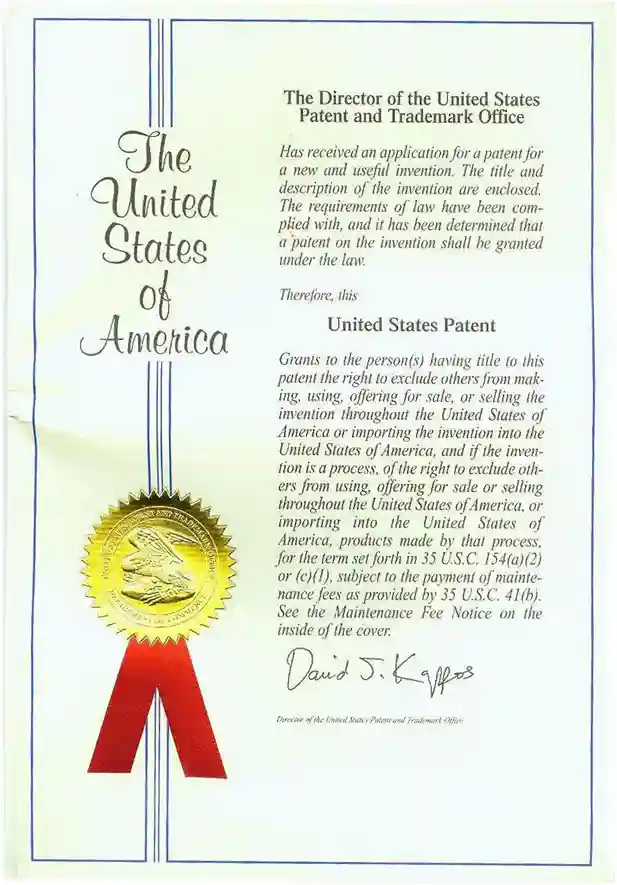
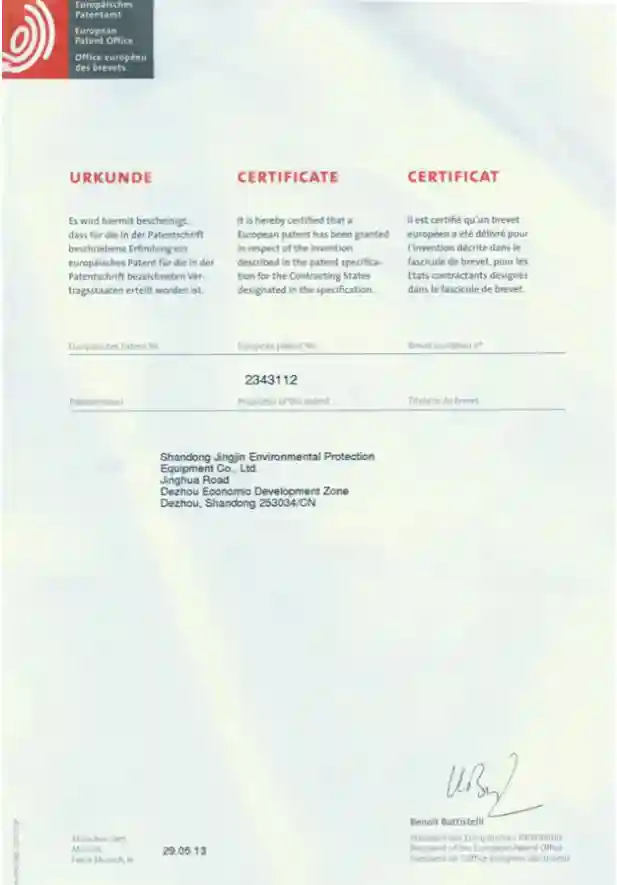
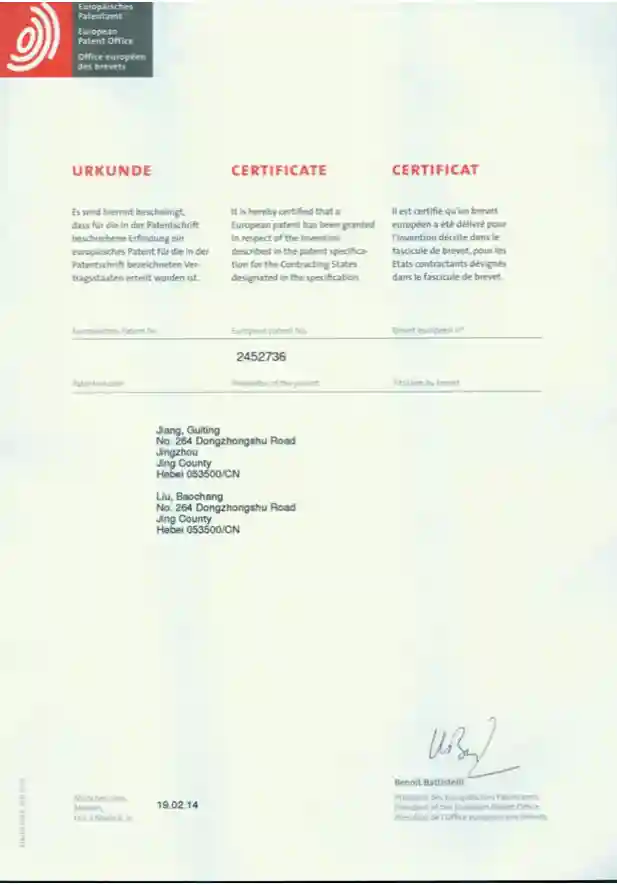
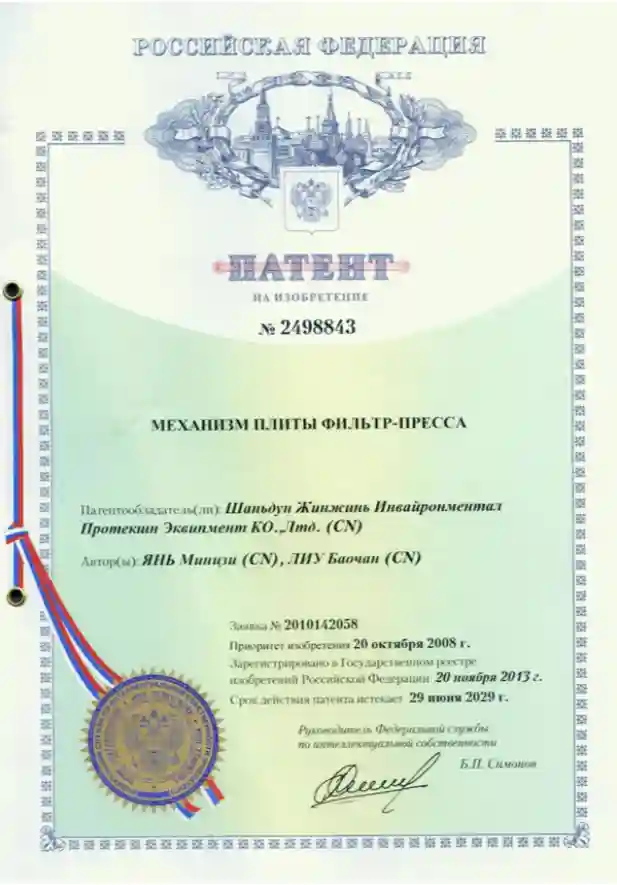
Jingjin Equipment Inc. has engineered reliable solid-liquid separation solutions since 1988, supporting operations in 123 countries with proven filtration technology. Our filter press machine portfolio spans chamber and membrane configurations from 1 m² to 2,000 m² filtration area, built to withstand demanding environments in mining, chemical processing, wastewater treatment, and pharmaceutical production. With over 136 patents protecting innovations in membrane squeeze technology, hydraulic systems, and automation controls, we deliver equipment that minimizes troubleshooting requirements through superior design and manufacturing quality.
Our technical support team assists clients in diagnosing complex operational issues, backed by decades of field experience across diverse applications. Whether you need replacement components manufactured to exacting tolerances, complete system upgrades incorporating the latest automation, or emergency service response, Jingjin's global network provides the support your operation deserves. As a leading filter press machine supplier, we maintain a comprehensive spare parts inventory and offer customized solutions matching your specific process requirements.
Contact our engineering team at [email protected] to discuss your filtration challenges and explore how our proven technology reduces downtime while improving separation efficiency.
References
1. Perry, R. H., & Green, D. W. (2019). Perry's Chemical Engineers' Handbook (9th ed.). McGraw-Hill Education.
2. Svarovsky, L. (2000). Solid-Liquid Separation (4th ed.). Butterworth-Heinemann.
3. Wakeman, R. J., & Tarleton, E. S. (2005). Solid/Liquid Separation: Principles of Industrial Filtration. Elsevier Science.
4. Sutherland, K. (2008). Filters and Filtration Handbook (5th ed.). Elsevier.
5. American Filtration and Separations Society. (2017). Handbook of Filter Media Technology. Technical Publications Division.
6. Cheremisinoff, N. P. (1998). Liquid Filtration (2nd ed.). Butterworth-Heinemann Series in Chemical Engineering.
jingjin
Founded in 1988, Jingjin specializes in filter presses and liquid-solid separation solutions, serving over 130 countries worldwide, and is a standard-setter in China's filter press industry.
Get the Filter Press guide
Enter Your Email for Technical assistance for the Filter Press.

Recommended Blog
China Multi Disk Screw Press vs India: Cost & Performance 2026
Integration of Press Pump and Filter Press Systems for Enhanced Performance
Screw Press Sludge Dewatering Machine for Municipal Wastewater
Chemical Resistant Filter Cloth for Mining: What You Need to Know
Custom Filter Presses for the Chemical Industry: Choosing the Right Solution
What Materials Are Used to Make Filter Press Cloths? A Comprehensive Guide
Filter Press Cloth Maintenance Tips: Prolonging Lifespan and Efficiency