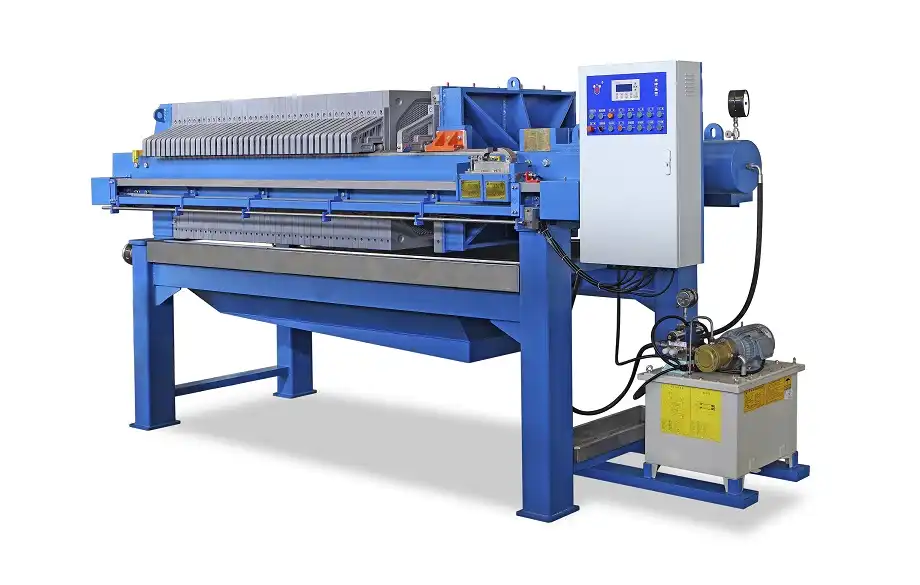
Diaphragm Pump for Filter Press Material Compatibility
Understanding Diaphragm Pumps in Filter Press Systems
- Understanding Diaphragm Pumps in Filter Press Systems
- Material Compatibility: Core Considerations for Diaphragm Pumps in Filter Press Applications
- Selecting the Right Diaphragm Pump for Your Filter Press Needs
- Installation, Maintenance, and Troubleshooting Tips to Optimize Diaphragm Pump Performance
- Future Trends and Innovations: Enhancing Material Compatibility and Pump Technology
- Conclusion
- Frequently Asked Questions
- Partner with Jingjin for Reliable Filtration Solutions
- References
Material fit is essential for filter press diaphragm pumps to work well and last. Chemical processing and wastewater treatment system performance, maintenance costs, and compliance depend on pump parts' and process fluids' complex interactions. Engineers and procurement managers may improve solid-liquid separation performance and reliability by knowing how materials react to slurries, chemicals, and working conditions.
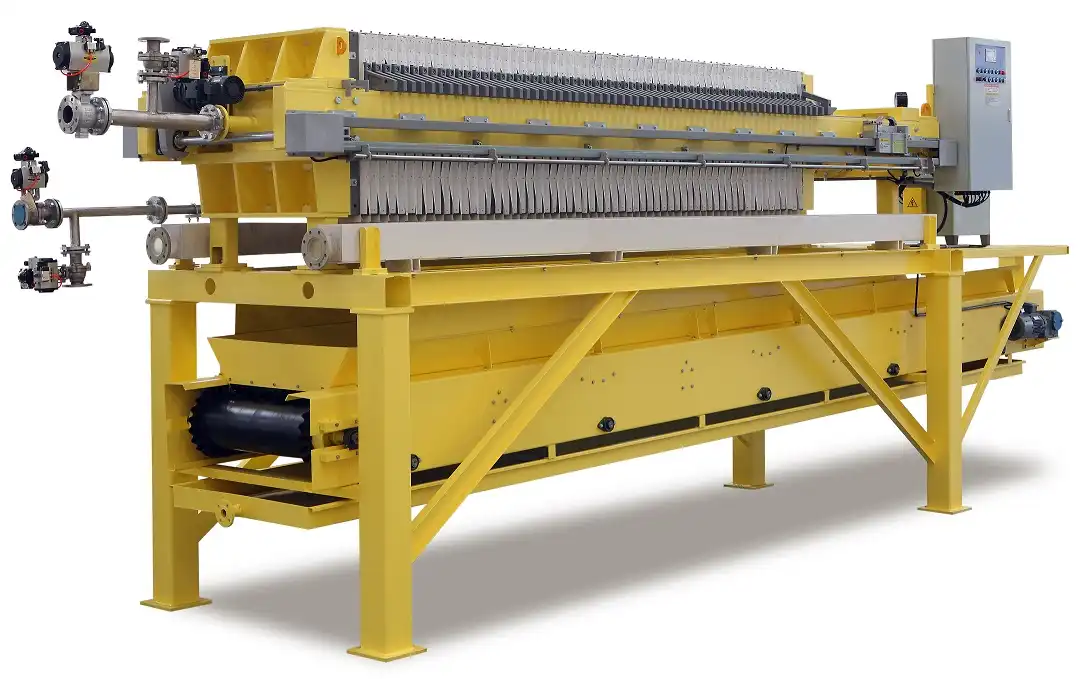
Understanding Diaphragm Pumps in Filter Press Systems
Diaphragm pumps are the most important feature of modern filtration systems because they accurately separate particles and liquids. These devices suction and release using flexible fabric. This keeps slurries and chemicals flowing smoothly.
Diaphragm pumps transfer membranes to modify chamber sizes. The pump body and diaphragm separate during suction. Intake check valves draw fluid in under negative pressure. Fluid enters filter press chambers via exit valves during compression. This positive displacement system maintains flow rates under pressure changes. This pump is perfect for precision chemical dosing or slurry feeding.
Diaphragm pumps are utilized several times in contemporary filter presses. The main functions are slurry to press chambers, coagulants or flocculants to separate, and cake cleaning with wash water. Due to its ability to handle abrasive particles and breakdown chemicals, diaphragm pumps may meet industrial filter fluid needs.
Air-operated double diaphragm (AODD) pumps are safe and can run empty, making them the most common industrial pumps. Compressed air powers two diaphragms that move back and forth, avoiding the need for electricity in dangerous regions. Since there are no moving seals, they need less maintenance and are chemically compatible with the right materials.
Electric diaphragm pumps are suitable for chemical administration because they correctly control flow by speed. These pumps have more complicated control systems, but they work better when addition ratios affect filter performance. If process conditions change, electronic instruments may modify automated systems in real time.
Pump components are made of several materials; thus, chemical compatibility must be checked. Titanium, Hastelloy, and 316L/904L stainless steels resist corrosion. Chemical-handling plastics include polypropylene, PVDF, and PTFE. Extreme chemical conditions use NBR, EPDM, Viton, and Kalrez elastomers.
Material Compatibility: Core Considerations for Diaphragm Pumps in Filter Press Applications
Chemical interaction between pump materials and process fluids causes expensive failures and successes. Material selection is problematic in industrial slurries due to their complicated chemistry and changing temperatures and pressures.
PTFE is the best chemical protection since it works with most acids, bases, and organic solvents. The medical and food industries that require purity may use it since it is inert. PTFE is only suitable for low to moderate pressures below 150 PSI due to its composition.
Rubber has several uses due to its flexibility and chemical resistance. Oil-based fluids work well with nitrile butadiene rubber (NBR), but strong oxidizers break it down quickly. EPDM is chemical- and water-resistant. Not fond of oils or volatile solvents. Because of its flexibility and chemical resistance, thermoplastic elastomer Santoprene is used in low-risk chemical settings.
Stainless steel parts are durable and chemically resistant. With grade 316L, most water-based solutions and mild acids work. Another hot acid and chlorinated chemical-resistant metal is Hastelloy C-276. When used with acids and bases at normal temperatures, polypropylene is chemically resistant and affordable in many industrial applications. PVDF (polyvinylidene fluoride) is break-resistant and chemical-resistant for harsh chemical processing.
Incompatible materials cause system efficiency concerns. Chemical assaults weaken, split, grow, or disintegrate a material. Chemical reactions accelerate at higher temperatures, destroying room-temperature materials. Chemical antagonism increases with concentration. Concentrated chemicals break down weak-solution materials.
Airline fuel system integration skills may let us use filters effectively. When handled poorly, strong chemicals may lower elastomer service life by 90%, according to studies. Selecting the right materials may extend service life. These results apply to continuous chemical-exposure filter press operations.
Prevention relies on thorough compatibility evaluation during planning. Chemical compatibility charts may help, but process fluid testing is better for pre-installation concerns. Regular material tests identify chemical attacks early, enabling replacement before major failure.
Selecting the Right Diaphragm Pump for Your Filter Press Needs
Pump selection depends on fluid quality, operating conditions, and cost. When material appropriateness limits options or raises tool prices, decision-making is tougher.
With slurry chemistry studies, pump selection starts. High or low pH indicates acid or base interaction, requiring ingredients. Oxidizers are needed for chlorine and H₂O₂. Elastomers form or break down when exposed to benzene, thus verifying organic solvent aromatic concentration.
Thermal cycles affect temperature and material ratings. Temperature changes that create expansion and contraction stresses in several uses may fatigue the material. Materials must be qualified for chemicals and high temperatures since they inflict more harm than each alone.
Pressure and flow determine pump shape. Under pressure, metal is better than plastic. Flow determines diaphragm size and frequency. Cavitation may damage chemically compatible pump parts, so monitor suction. Net positive suction head (NPSH) estimates optimize intake.
Centrifugal pumps transport fluid quickly and need minimal maintenance, but they suffer from abrasive slurries and viscous fluids. They cannot run dry; hence, they cannot be used in batch filtering with empty feed tanks. You can't utilize as many materials as diaphragm pumps since the rotating fan and volute must be the same.
When the tubes are changed, peristaltic pumps work with numerous substances but can only handle so much pressure and flow. Pulsating flow from chemical separation may hamper the hand pump filter press for maple syrup. Tube alterations increase operational costs, offsetting chemical compatibility.
High-pressure piston pumps improve flow control but need complex closing mechanisms that make them chemically incompatible. Wear patterns from repeated use produce leak paths. It selectively damages active molecules. In harsh chemical conditions, piston pumps need more maintenance than diaphragm pumps.
Installation, Maintenance, and Troubleshooting Tips to Optimize Diaphragm Pump Performance
Well-selected materials benefit from good installation and upkeep. Early failures lower system reliability. Consider material-specific requirements and chemical exposure regulations while doing these operations.
Placement of the pump transmits vibrations and stress, reducing diaphragm life. Operating vibrations may cause pipe connection fatigue in rigid mounting systems. Flexible attachments support pump loads without vibration. Construction of suction pipes requires inlet conditions since they may damage materials regardless of compatibility.
Connecting techniques depend on the material and chemicals. Sealed threaded or flanged connections are common in metallic systems. Thermal expansion must be addressed while solvent welding or compressing plastics. Elastomeric parts must be assembled without tension since strained materials diminish chemical protection.
Checking materials and fittings before starting. An inspection shows damage or impurities that might affect performance. Pressure testing with benign fluids provides system solidity before process chemicals. Documenting the initial state aids maintenance decisions.
Material-chemical interactions affect preventive maintenance plans. Strong chemicals need more regular examinations to identify material breakdown. Different temperatures may generate thermal stress effects that don't exist in steady-state performance. Sluggish wear patterns indicate demanding maintenance.
Diaphragm inspection methods vary by material and accessibility. Cracks and chemical attacks are visible, but inner deterioration may be undetected. Hand manipulation of the flexible part shows pre-failure stiffening. Ultrasonic thickness shows material loss before breaking.
Material-chemical compatibility is important while cleaning. Cleaning solvents may damage process chemicals. Elastomers that can't withstand acidic process fluids may disintegrate with alkaline washing. Steam cleaning destroys food and medicine microorganisms, but it needs heat-resistant materials.
Leaks usually indicate diaphragm damage or misalignment. Leaks from pump case joints indicate seal or heat degradation. Pump cylinder leaks reduce flow and contaminate process fluids. Systematic pressure testing finds leaks for repair.
Pulsation affects the hand pump filter press for maple syrup performance by causing uneven flow and pressure. Applications get the right dampening from the accumulation size estimates. Valve timing changes minimize motion but must be done carefully to maintain pump efficiency. Multiple pumps at different times lessen system vibration.
Pressure drop studies assess pump and system design. Diaphragm wear reduces pump performance and requires more air or power to sustain flow. Limited flow generates cavitation, which destroys pump parts and decreases performance. Backpressure may exceed pump capacity due to discharge system adjustments.
Future Trends and Innovations: Enhancing Material Compatibility and Pump Technology
Diaphragm pumps evolve with materials development and smart system integration. These enhancements should boost performance, reduce maintenance, and fulfill process requirements.
Composite diaphragms use the best and worst of many materials. Chemically compatible fabric-reinforced elastomers tear less. Structure and process fluids are separated by multi-layer designs. Chemically harsh environments can use high-strength materials.
Nanotechnology can make a material's surface chemically resistant without changing its properties. Chemical-resistant molecular fluoropolymer layers make materials flexible. Not widely available, self-healing polymer systems may prolong harsh applications.
Advanced metallurgy makes chemical-process alloys. Powder metallurgy controls composition for the best corrosion protection. Traditional machining can't create complex shapes like additive manufacturing. This may boost pump performance and save material.
Pump performance is tracked in real time using IoT. Pressure tracking detects performance loss, while vibration monitors spot problems early. Chemical reaction heat in temperature data may indicate compatibility issues.
Actual performance, not date, is used to predict predictive maintenance using sensor data. Machine learning detects failure patterns, enabling prevention. Remote monitoring lets experts inspect a pump without visiting.
Organizational integration with filter press control systems improves pump and press performance. Automatic flow adjustment for press conditions optimizes filter rates and prevents overfeed. Dosing coordination reduces waste and costs by using the right chemicals.
Technological advances may make diaphragm pumps smart in linked filter systems. Advanced materials and smart tracking may improve industrial reliability and performance.
Conclusion
Material fit is still the most important factor when choosing filter press diaphragm pumps in many commercial settings. The complex relationship between pump materials and process fluids affects performance, maintenance, and compliance. Understanding chemical resistance, temperature impacts, and pressure limitations helps you make smart decisions that improve short-term performance and equipment life. Correct installation, preventive maintenance, and troubleshooting maximize the benefits of choosing the right materials and avoid costly mistakes. Smarter materials and monitoring systems promise better filtering.
Frequently Asked Questions
1. What materials work best for acidic slurries in filter press applications?
PVDF pumps are mechanically robust and acid-resistant, while PTFE pumps can handle most acids. Hastelloy C-276 is good for extreme acidic metal building. Acid type, amount, and temperature determine the best material.
2. How do I prevent diaphragm failure in abrasive applications?
Choose sturdy diaphragms. Check the system often and ensure flow to avoid cavitation. For light chemical contact with significant abrasion, use polyurethane.
3. Can one pump handle multiple chemical types in sequential batches?
Consider the process's most aggressive chemical when selecting materials. Cleanliness between batches prevents cross-contamination, but residual chemicals may compromise compatibility. That gas's pumps work better in harsh conditions.
4. What maintenance schedule works best for chemical processing applications?
Chemical strength and company operation determine inspection frequency. A diaphragm may be evaluated every three months for mild chemicals but monthly for severe ones. Material trends can help determine repair intervals from real-world experience.
Partner with Jingjin for Reliable Filtration Solutions
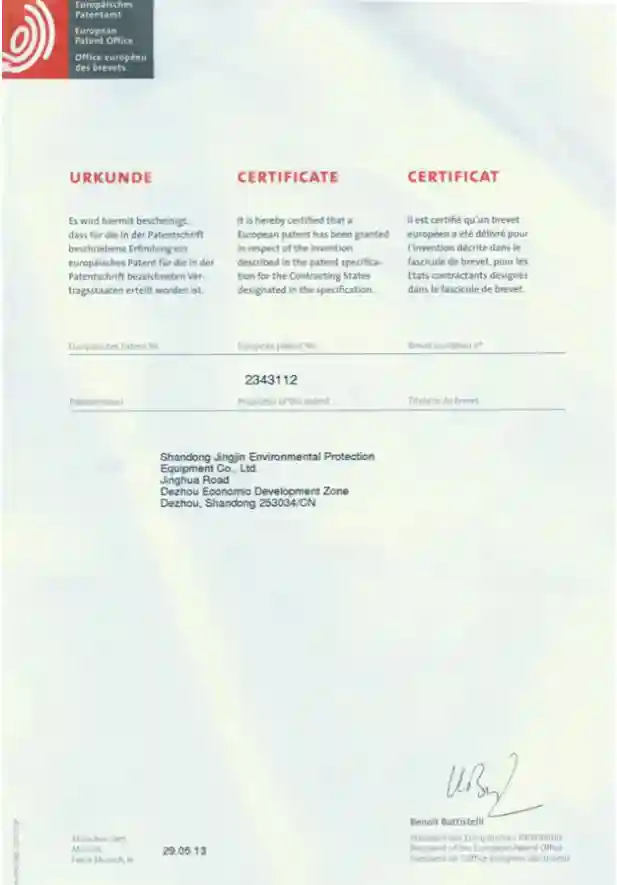
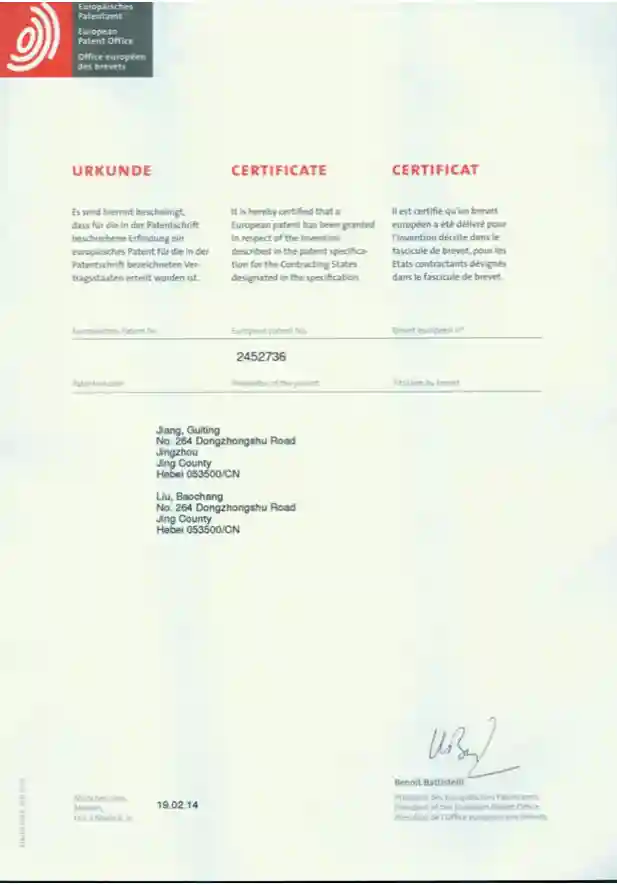
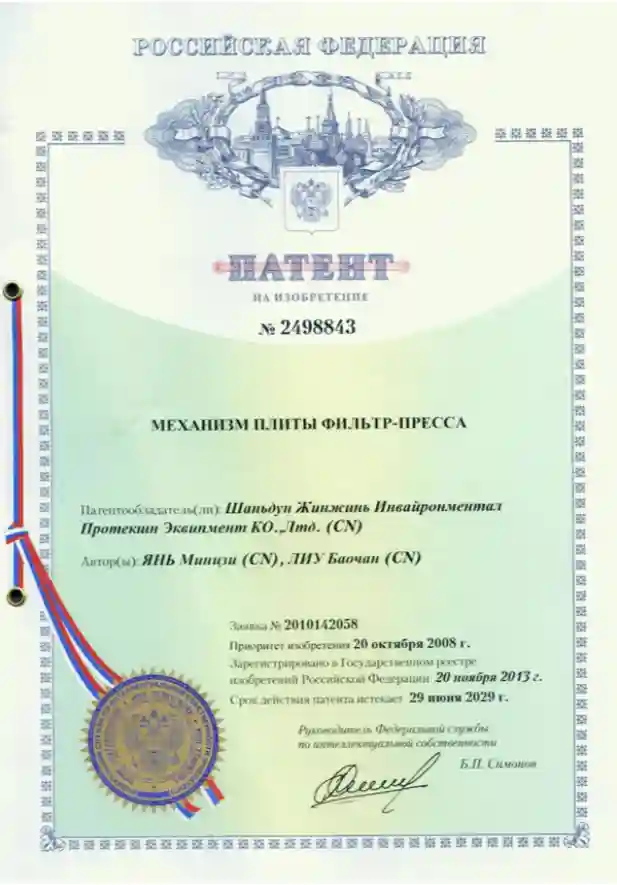
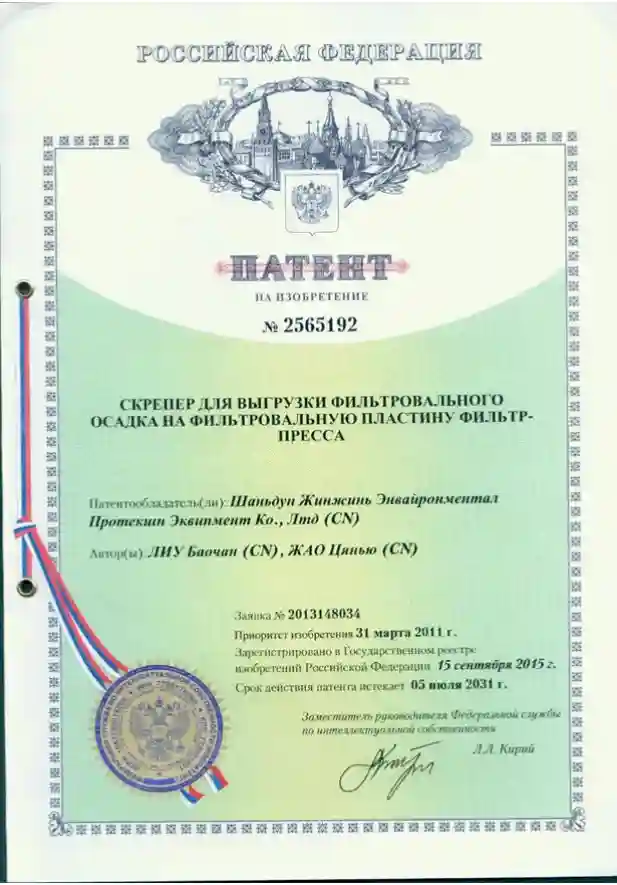
With 136 patents and 35 years of design experience, Jingjin Equipment Inc. can solve your solid-liquid separation problems. Our entire filtration system uses cutting-edge filter press technology and precisely calibrated diaphragm pumps to meet your material needs. Our technical staff can help you choose pumps and set up systems for extreme medicinal or mining slurries. Learn why world-class enterprises choose Jingjin for mission-critical filter press duties by contacting our filtration specialists at [email protected].
References
1. Chemical Engineering Progress, "Material Selection Guidelines for Diaphragm Pumps in Chemical Processing," Vol. 118, 2022.
2. Industrial Water Treatment Association, "Best Practices for Pump Material Compatibility in Wastewater Applications," Technical Bulletin Series, 2023.
3. Society of Mining Engineers, "Equipment Reliability in Mineral Processing: Pump Selection and Maintenance," Annual Conference Proceedings, 2023.
4. American Chemical Society, "Corrosion Resistance of Engineering Materials in Industrial Environments," Journal of Chemical Engineering Data, 2022.
5. International Association of Equipment Manufacturers, "Predictive Maintenance Technologies for Industrial Pumping Systems," Equipment Today Magazine, 2023.
6. Process Engineering Magazine, "Advanced Materials for Chemical Processing Equipment: Performance and Selection Criteria," Special Technical Issue, 2022.
jingjin
Founded in 1988, Jingjin specializes in filter presses and liquid-solid separation solutions, serving over 130 countries worldwide, and is a standard-setter in China's filter press industry.
Get the Filter Press guide
Enter Your Email for Technical assistance for the Filter Press.
Recommended Blog
China Filter Press Equipment Pricing for Industrial Buyers
How to Optimize Food Processing with Efficient Press Filters?
Affordable Filter Press Machines for the Chemical Industry: What to Look For
Where to Buy High Quality Multi Disk Screw Press for Efficient Sludge Dewatering
How Jingjin Filter Press Enhances Wastewater Treatment and Sludge Dewatering