How to Choose the Right Screw Dewatering Equipment for Your Paper Mill Sludge
How to Choose the Right Screw Dewatering Equipment for Your Paper Mill Sludge
Understanding Paper Mill Sludge and Dewatering Challenges
- Understanding Paper Mill Sludge and Dewatering Challenges
- Key Technical Principles of Screw Dewatering Machines
- Comparison of Screw Dewatering Machines with Alternative Technologies
- How to Choose the Right Screw Dewatering Machine for Your Paper Mill
- Maintenance Tips and Long-Term Performance Optimization
- Conclusion
- Frequently Asked Questions
- Partner with Jingjin for Superior Screw Dewatering Solutions
- References
The optimal screw dewatering machine for paper mill sludge management depends on several technical and practical considerations. Paper mills produce fibrous sludge with cellulose fibers, lignin, and other materials that need specific water removal techniques. The correct screw dewatering equipment reduces moisture, minimizes dumping costs, and ensures compliance. This extensive reference covers sludge qualities, equipment specifications, performance indicators, and supplier evaluation criteria to help you make sensible procurement choices.
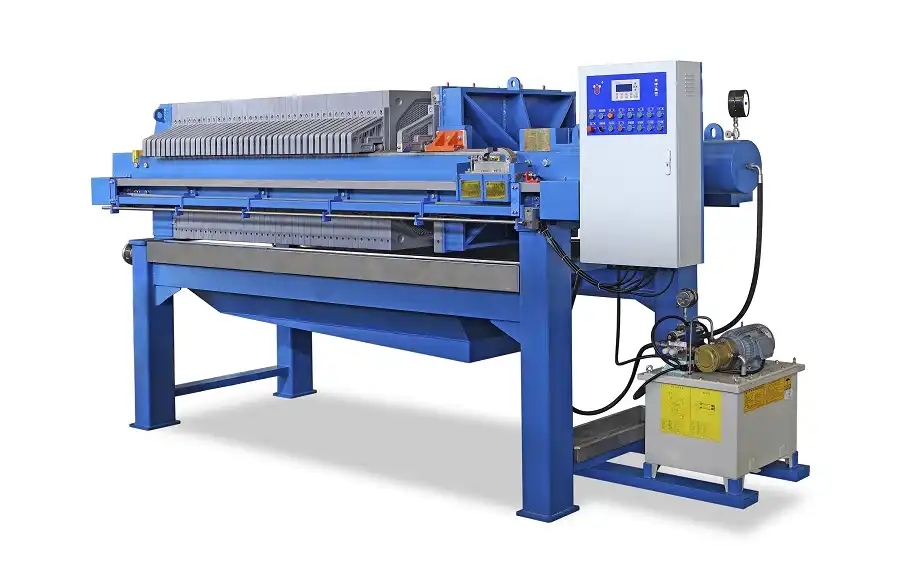
Understanding Paper Mill Sludge and Dewatering Challenges
Paper mills generate complex trash streams that are difficult to dewater. How the paper is created, the raw ingredients utilized, and the cleaning agents employed affect the sludge's composition.
Characteristics of Paper Mill Sludge
Paper mill sludge is permeable and water-retaining due to its high cellulose content. Particle forms and textures vary, and organic content is 60–85%. This makeup is difficult to dry since fibers become twisted and clogged.
Untreated paper mill sludge contains more than 90% moisture, making it heavy and space-consuming, increasing transportation and disposal costs. Sludge contains coating chemicals, adhesives, and cleaning residues that affect dewatering and need specific management.
Common Operational Challenges
Paper mills typically encounter major issues with sludge management. Belt presses and centrifuges often clog, halting output and requiring extra repairs. Sludge is brittle, making screens less effective in separating objects in typical systems.
It's hard to attain the correct dryness without the right instruments; thus, moisture removal is another issue. Dewatering failure raises dumping expenses since more water implies greater transportation and garbage fees. When sites don't meet federal dryness standards, environmental compliance difficulties arise.
Why Screw Press Technology Excels
Screw dewatering devices function well with coarse materials due to their mechanical architecture. The continuous screw mechanism works well with cellulose fibers and doesn't clog like screen-based devices. The slow compression technique removes moisture slowly while maintaining flow rates.
Instead of belt presses, which require frequent cleaning, these systems function continuously. The sturdy construction can withstand abrasive materials and chemical remnants in paper mill sludge, ensuring long-term reliability in harsh industrial situations.
Key Technical Principles of Screw Dewatering Machines
Understanding operation rules helps you pick and improve tools. Modern screw dewatering machine systems employ modern engineering to effectively separate materials while simplifying operations.
Core Mechanical Components
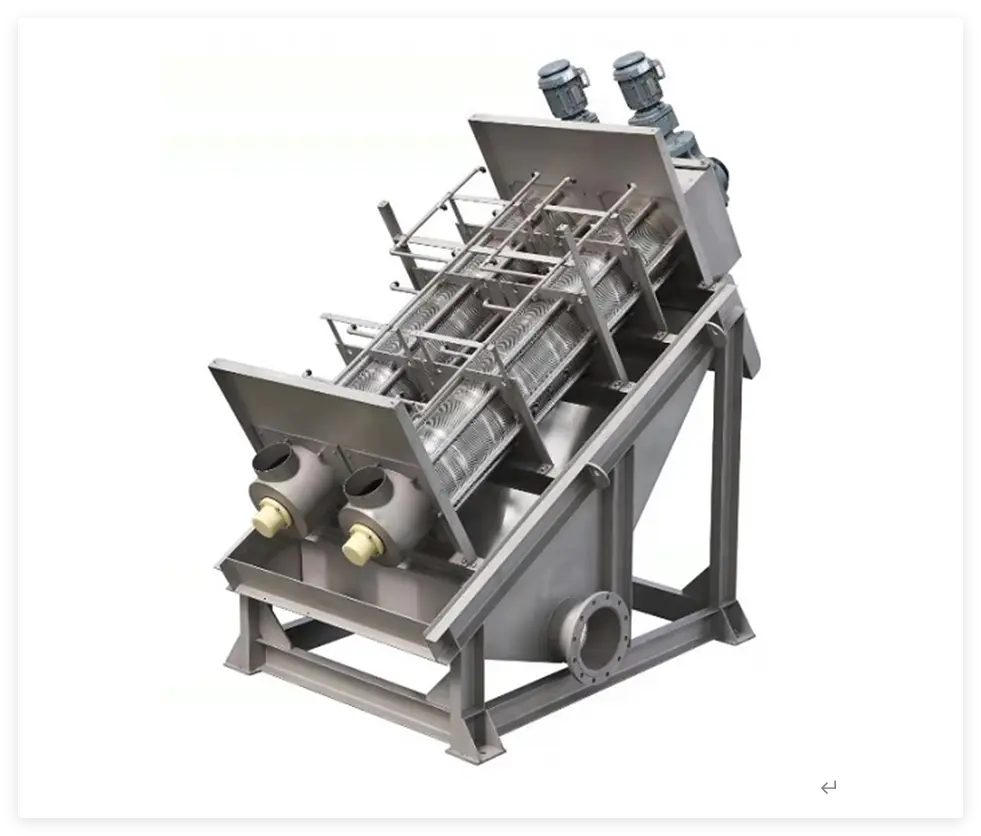
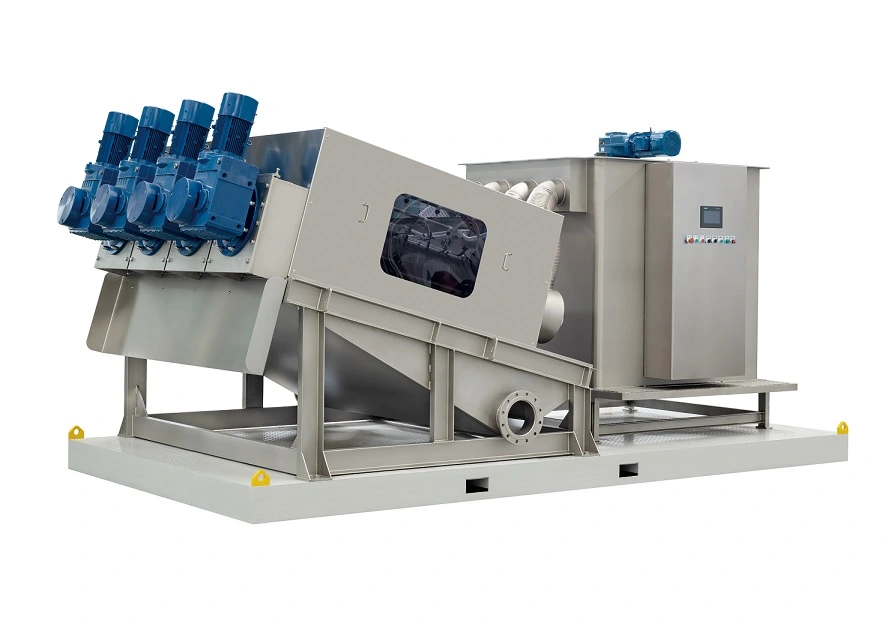
The middle screw shaft features a variable pitch form that creates multiple compression zones during dewatering. Several parts of the shaft have growing pressure differences. Moisture may be removed in stages, improving separation efficiency.
Carefully constructed perforations or wedge-shaped wires in the screening cylinder around the screw shaft enable liquid flow through while keeping particles in. Screen openings affect cake flow capacity and dryness; thus, they must be carefully selected depending on sludge behavior.
The discharge assembly controls cake width and backpressure via adjustable devices. Workers may adjust performance parameters for various sludge kinds to maximize moisture removal.
Performance Optimization Factors
Screw width, speed, and feeding method determine sludge capacity. Larger screws can handle more material but need more power and more space. Changes in operation generally optimize the feed rate-cake dryness relationship.
Energy consumption depends on motor size, gear reduction ratio, and operational load factor. Modern systems use variable frequency drives to adjust speed dependent on feed conditions. This saves electricity when output demands are minimal.
Processing Capabilities
Besides paper mill sludge, screw dewatering equipment works well with other waste. It handles city biosolids, food processing waste, and chemical manufacturing waste. The mechanical separation concept employs compression instead of chemicals or complex procedures, giving it flexibility.
Based on material qualities, the technology can handle feed with solids from 1% to 8% in the influent and 15% to 30% in the discharge cake. This broad operational range provides operations that produce varied quantities of sludge, additional flexibility.
Comparison of Screw Dewatering Machines with Alternative Technologies
Comparing dewatering technologies lets the firm choose the best one for its requirements and constraints. Each technology has perks and downsides that affect cash investment and company costs.
Performance Against Belt Press Systems
Water is drained naturally and then manually compressed by rollers and belts in the belt press. Belt presses are versatile but need a lot of chemical preparation and don't perform well with flexible materials. Regular belt cleaning makes maintenance harder and consumes more water.
Screw dewatering systems often eliminate polymer pretreatment. This reduces chemical costs and simplifies operations. Sealed belt press systems prevent waste contact and aromas from spreading, making the workplace safer than open ones.
Advantages Over Centrifuge Technology
Centrifuges separate items well, although they require more energy than screw systems when spinning fast. Maintenance of the complex mechanical elements requires particular knowledge and pricey replacement parts. Centrifuges create more noise and shake; thus, they may require special installation.
Easy maintenance is a major feature of the screw dewatering machine. Maintenance requires fundamental mechanical knowledge, not specialist expertise. Lower spinning speeds reduce part wear and extend part life, lowering the total cost of ownership.
Filter Press Comparison
Filter presses dry cakes well, although they operate in batches and are laborious. The expense of changing and cleaning the cloth makes operations more difficult, which may not function in areas where products are manufactured often.
Screw systems may operate constantly, which suits paper mills' consistent sludge output. Filter media removal reduces maintenance costs and downtime, helping with production planning.
How to Choose the Right Screw Dewatering Machine for Your Paper Mill
You must consider operating demands, performance criteria, and pricing to pick the appropriate tools. For long-term success, the decision process should integrate technical needs and supplier expertise.
Operational Requirements Assessment
The flow capacity, equipment size, and cost depend on the quantity of sludge generated. Peak flow conditions and typical production rates must be considered to avoid system overload during high output. Some equipment designs can handle a greater variety of influent solids; hence, feed consistency levels impact equipment choice.
Old structures that are challenging to convert frequently have limited tool options due to space constraints. The dewatering unit, feed pumps, conveyors, and power panels required for the system are included.
Critical Performance Metrics
Effective dewatering removes and processes water. The cake solids composition should meet disposal and transport requirements. Higher dryness reduces waste, although it may need larger tools or more handling processes.
Energy utilization affects running expenses and should be assessed based on predicted operation hours and local utility prices. With energy recovery and superior driving systems, new systems utilize less power than previous ones.
Supplier Evaluation Criteria
Equipment manufacturers should have extensive expertise with comparable usage and checkable performance statistics from similar configurations. Local service assistance influences repair speed and part availability, which is crucial for continuous operations.
Warranty and service agreements demonstrate the manufacturer's commitment to long-term support. It's best to safeguard capital purchases with mechanical and performance guarantees.
Cost Analysis Framework
Initial capital expenditures include tools, installation, and commissioning. Depending on system complexity and location, these costs might vary greatly. The work cost should include building alterations, utilities, and permit costs in addition to tools.
To calculate the return on investment, consider how much you could produce from drier cake ingredients, how much you could save on waste, and how frequently you would carry them. The payback period is generally 2–4 years, depending on how much it costs to remove and treat.
Maintenance Tips and Long-Term Performance Optimization
To maintain equipment performance, adopt strategic maintenance and operational optimization methods. Well-maintained systems perform consistently and cost less to replace and repair.
Preventive Maintenance Practices
Regular lubrication prevents bearing wear and drive system wear. Screw dewatering machine usage determines lubrication intervals. Frequently utilized machines require more maintenance than seldom-used ones. High-quality oils defend against filth and temperature fluctuations in industrial situations.
Regular checkups should concentrate on wear, vibration, and unexpected noises that may indicate issues. Slowly deteriorating screw steps and screen surfaces might impair performance if not monitored and repaired.
Common Issue Prevention
Mechanical wear occurs when screw threads contact the screen. Separation becomes less effective with time. Replacements may be arranged before clearance gaps degrade performance by regularly monitoring them. Wear patterns typically indicate machine issues like speed or feed preparation.
Seal failure is another typical maintenance concern, particularly in paper mills with strong chemicals. Use suitable seal materials and replace them often to keep the system clean and functional.
Performance Enhancement Strategies
Because workers know how to utilize equipment properly, it lasts longer and makes separation easier. Starting up, addressing faults, and following installation-specific safety requirements should be included in training.
Automation integration includes feed rate control, cake thickness change, and alarm systems to alert personnel of problems. These enhancements increase consistency, reduce effort, and prevent tool damage from operator errors.
Conclusion
Consider technical specifications, operational demands, and supplier expertise when choosing paper mill sludge screw dewatering instruments. Screw technique successfully removes moisture from coarse paper mill waste while keeping the machine operating. Energy economy, throughput, maintenance, and total cost of ownership are crucial. Correct implementation, including size, maintenance plans, and operator training, yields the optimum long-term performance and ROI.
Frequently Asked Questions
1. What are typical price ranges for screw dewatering equipment?
Industrial screw dewatering systems usually cost between $150,000 and $800,000, but this depends on how much they can process, what materials they are made of, and how automated they are. Smaller units that can handle 5–10 GPM usually cost between $150,000 and $300,000. Larger systems that can handle 50-plus GPM may cost more than $500,000. The price of the tools usually goes up by 20 to 30 percent because of the costs of installation, wiring work, and commissioning.
2. Can screw dewatering machines handle mixed industrial sludges?
Modern screw dewatering equipment works well with a variety of waste streams, such as sludges from both paper mills and cities. Making sure that traits that are compatible are taken into account is very important. These include the particle size distribution and chemical makeup. For mixed feeds to work at their best, operating factors like feed rate and backpressure settings may need to be changed.
3. What maintenance requirements should facilities expect?
Daily checks for lubrication, weekly checks for wear, and monthly checks for balance are all part of routine upkeep. Major maintenance like replacing screw flights, inspecting bearings, and replacing seals should be done every 6 to 12 months, based on how the machine is used. Maintenance costs each year are usually between 3 and 5 percent of the starting cost of the tools for systems that are used correctly.
Partner with Jingjin for Superior Screw Dewatering Solutions
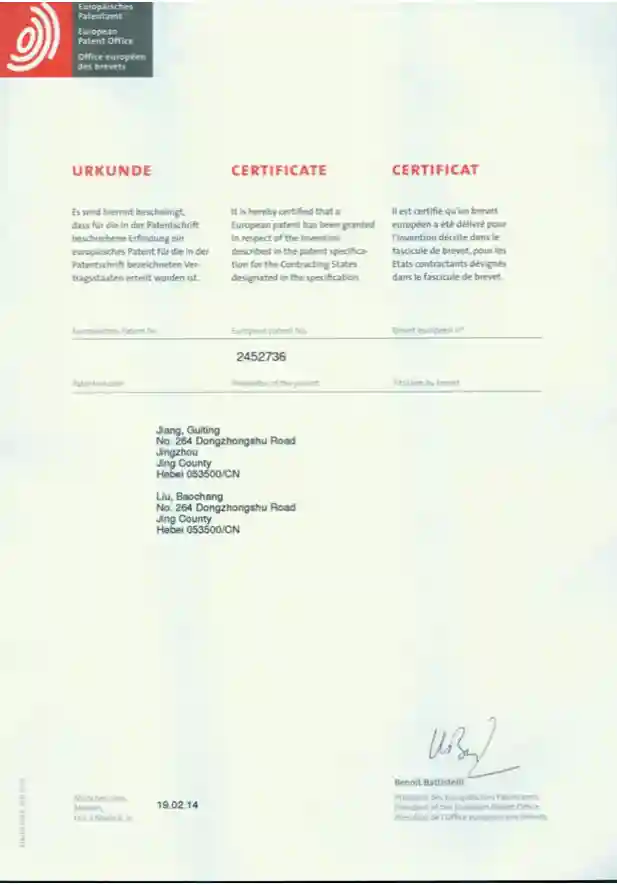
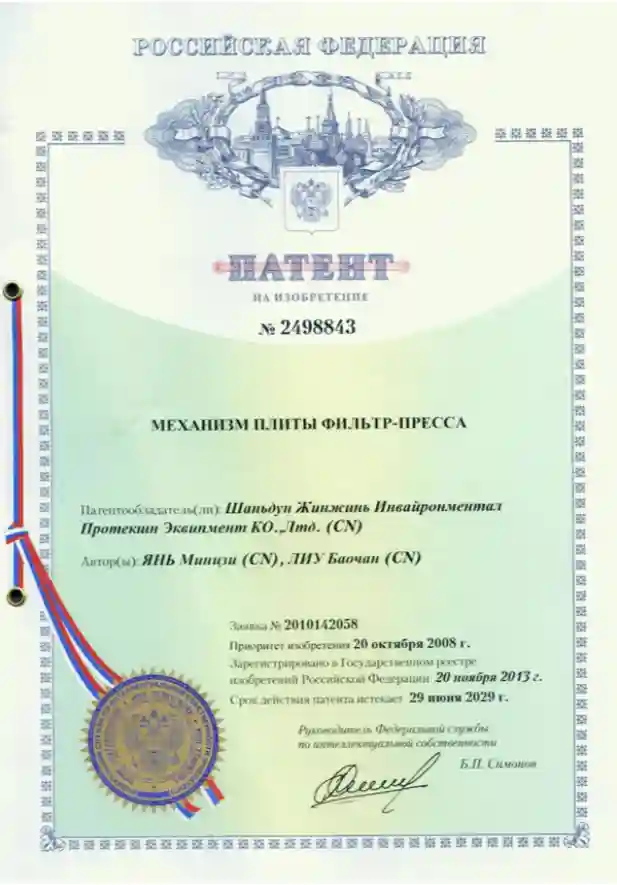
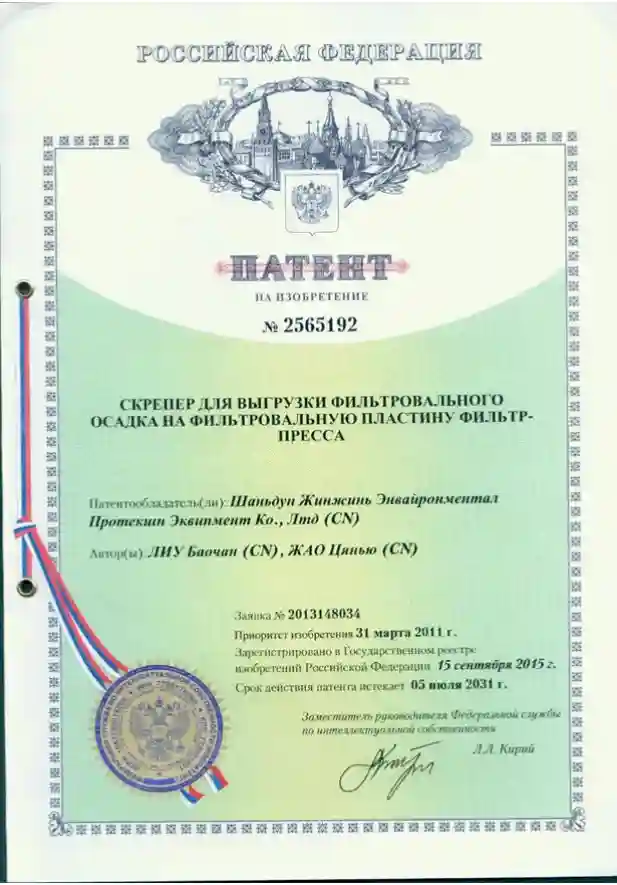
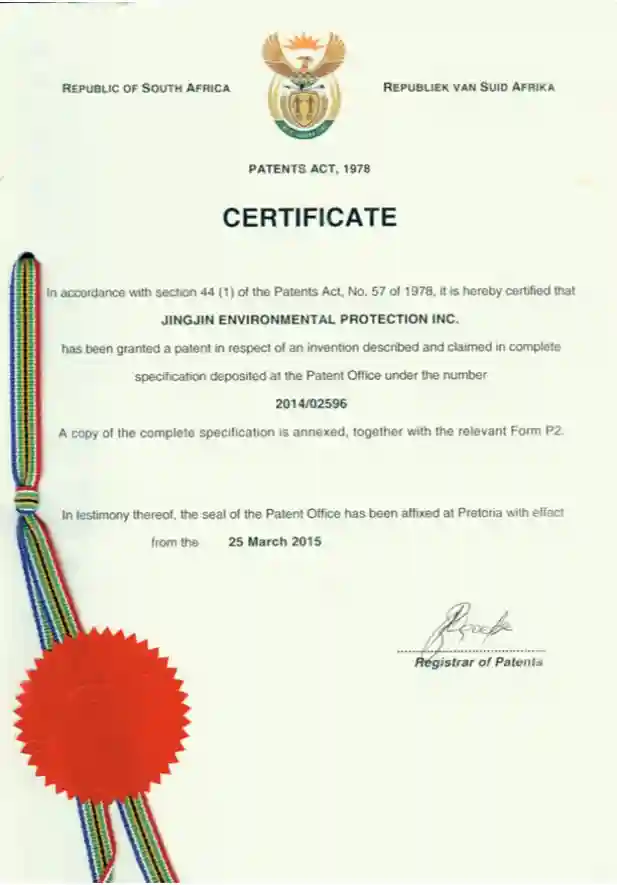
The greatest screw dewatering machines are developed by Jingjin Equipment Inc. for difficult paper mills. With over 35 years of manufacturing expertise and 136 patents, Jingjin delivers proven technology that eliminates moisture efficiently and cheaply. Our screw dewatering machine providers span 123 nations to fulfill your facility's demands. Contact [email protected] now to discuss innovative sludge management options that can save disposal expenses. Discover why Jingjin is the greatest industrial draining tool worldwide: it's dependable and effective.
References
1. Water Environment Federation. "Industrial Waste Treatment Design Manual." McGraw-Hill Professional, 2018.
2. Tchobanoglous, George, et al. "Wastewater Engineering: Treatment and Resource Recovery." McGraw-Hill Education, 2019.
3. American Water Works Association. "Sludge Dewatering Technology Assessment for Municipal Applications." AWWA Research Foundation, 2017.
4. Environmental Protection Agency. "Biosolids Technology Fact Sheet: Screw Press Dewatering. "EPA Office of Water, 2020.
5. International Water Association. "Advances in Sludge Dewatering Technology for Industrial Applications." IWA Publishing, 2019.
6. Water Research Foundation. "Performance Evaluation of Mechanical Dewatering Technologies in Paper Mill Applications." WRF Technical Report, 2021.
jingjin
Founded in 1988, Jingjin specializes in filter presses and liquid-solid separation solutions, serving over 130 countries worldwide, and is a standard-setter in China's filter press industry.
Get the Filter Press guide
Enter Your Email for Technical assistance for the Filter Press.
Recommended Blog
Maintenance Tips for Dewatering Press Machines to Maximize Lifespan
A Step-by-Step Guide to Maintaining and Replacing Filter Press Plates
China Filter Press Procurement Strategy for International Buyers
Why Brazil Food Plants Import Multi Disk Screw Press from China?
How to Choose the Right Screw Dewatering Equipment for Your Paper Mill Sludge
How to Optimize Food Processing with Efficient Press Filters?
Energy Saving Multi Screw Sludge Press: How It Reduces Operational Costs
How Foreign Buyers Choose Reliable Multi Disk Screw Press in China?
Best Filter Cloth for Sludge Dewatering: Features and Buying Guide