Beyond Sludge: Why Wastewater Plants Are Adding Filter Presses for Resource Recovery
Beyond Sludge: Why Wastewater Plants Are Adding Filter Presses for Resource Recovery
Understanding the Role of Filter Presses in Wastewater Treatment
- Understanding the Role of Filter Presses in Wastewater Treatment
- Benefits of Using Filter Presses for Resource Recovery Beyond Sludge Dewatering
- Comparing Filter Press Technology to Alternative Dewatering Solutions
- Common Challenges and Maintenance Tips for Filter Presses in Wastewater Plants
- Procurement Guide: Acquiring Filter Presses for Wastewater Treatment
- Conclusion
- FAQ
- Partner with Jingjin for Proven Filter Press Solutions
- References
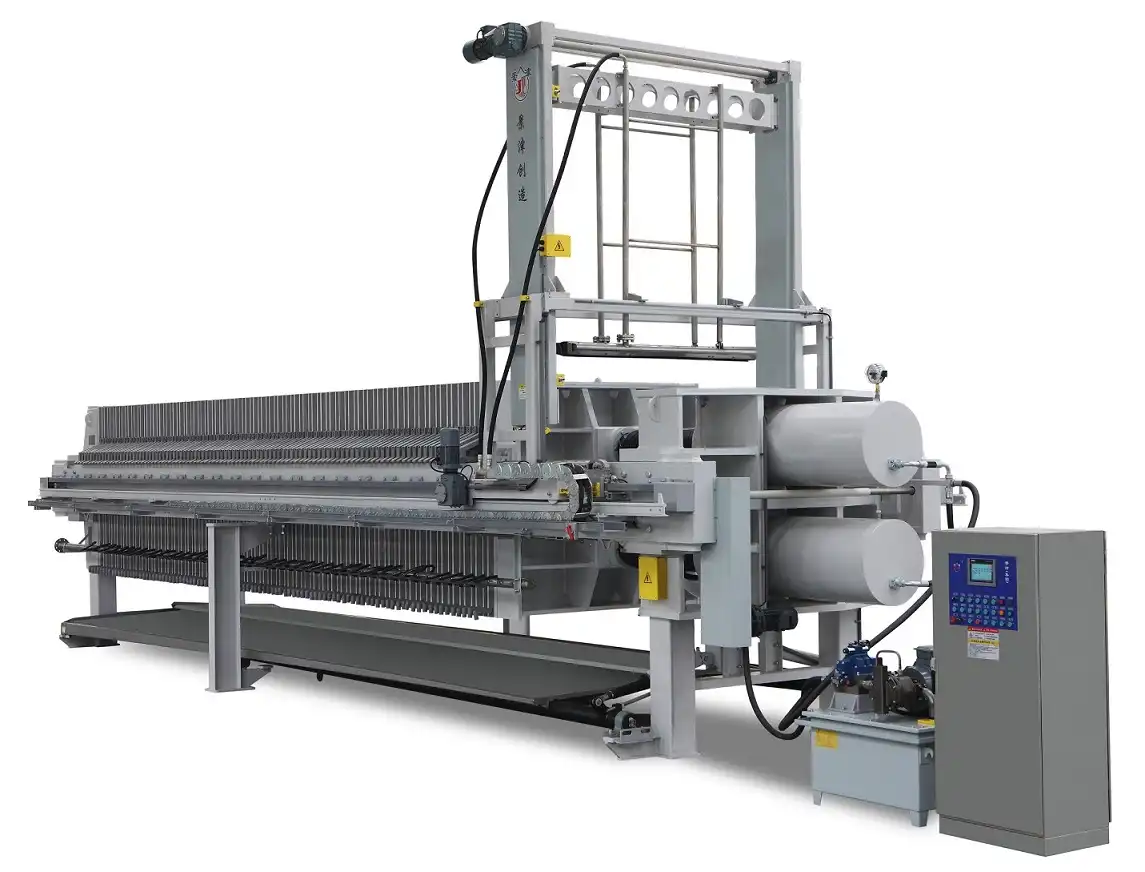
Wastewater treatment plants in all kinds of industries are going beyond the old way of getting rid of gunk and starting to use resource recovery methods instead. The filter press in wastewater treatment, a motorized solid-liquid separator that turns liquid sludge into dry, stackable cakes while recovering high-quality filtrate for reuse, is at the center of this change. Filter presses use mechanical pressure on filter plates and special cloth media to cut the amount of sludge by up to 90%. This greatly reduces the cost of removal and supports the principles of the circular economy. As regulations get stricter and dumping fees go up, process engineers and facility managers see dewatering equipment not only as a way to get rid of waste, but also as important infrastructure for getting back water, energy, and raw materials that are in waste streams.
Understanding the Role of Filter Presses in Wastewater Treatment
How Pressure Filtration Works
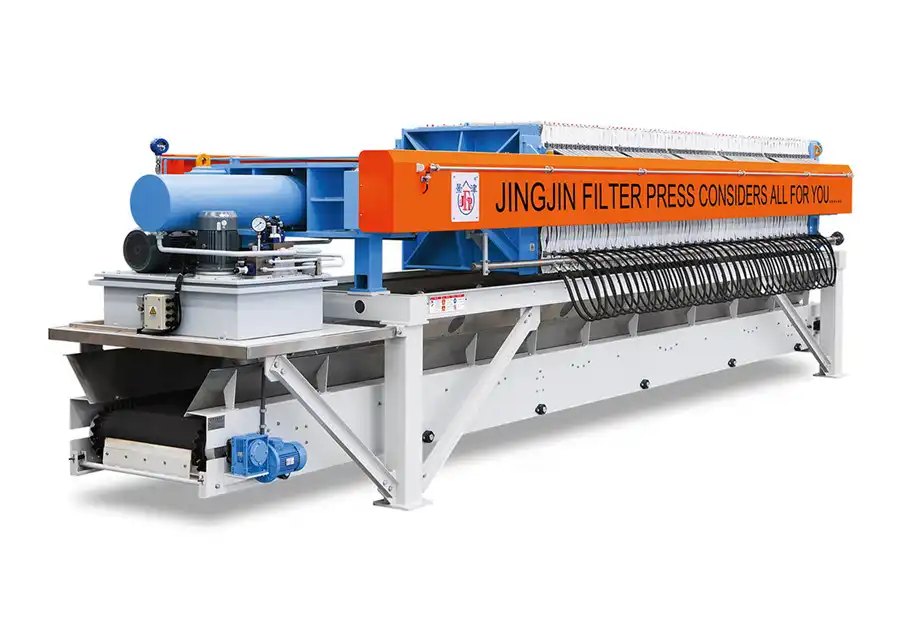
The procedure begins when chemically treated sludge enters the press chamber through a central feed hole. Hydraulic rams seal dozens of filter plates with porous filter cloth. At 6–20 bar feed pressure, liquid is forced through the fabric, and solids cake in each cylinder. Sludge cycles typically 90–180 minutes, depending on the kind. After the cake is dry (typically 25%–75% solids), the plates separate and the cakes fall off by gravity or a machine. When working with changing or difficult sludges, this irregular batch approach dewaters better than continuous methods.
Types of Filter Press Configurations
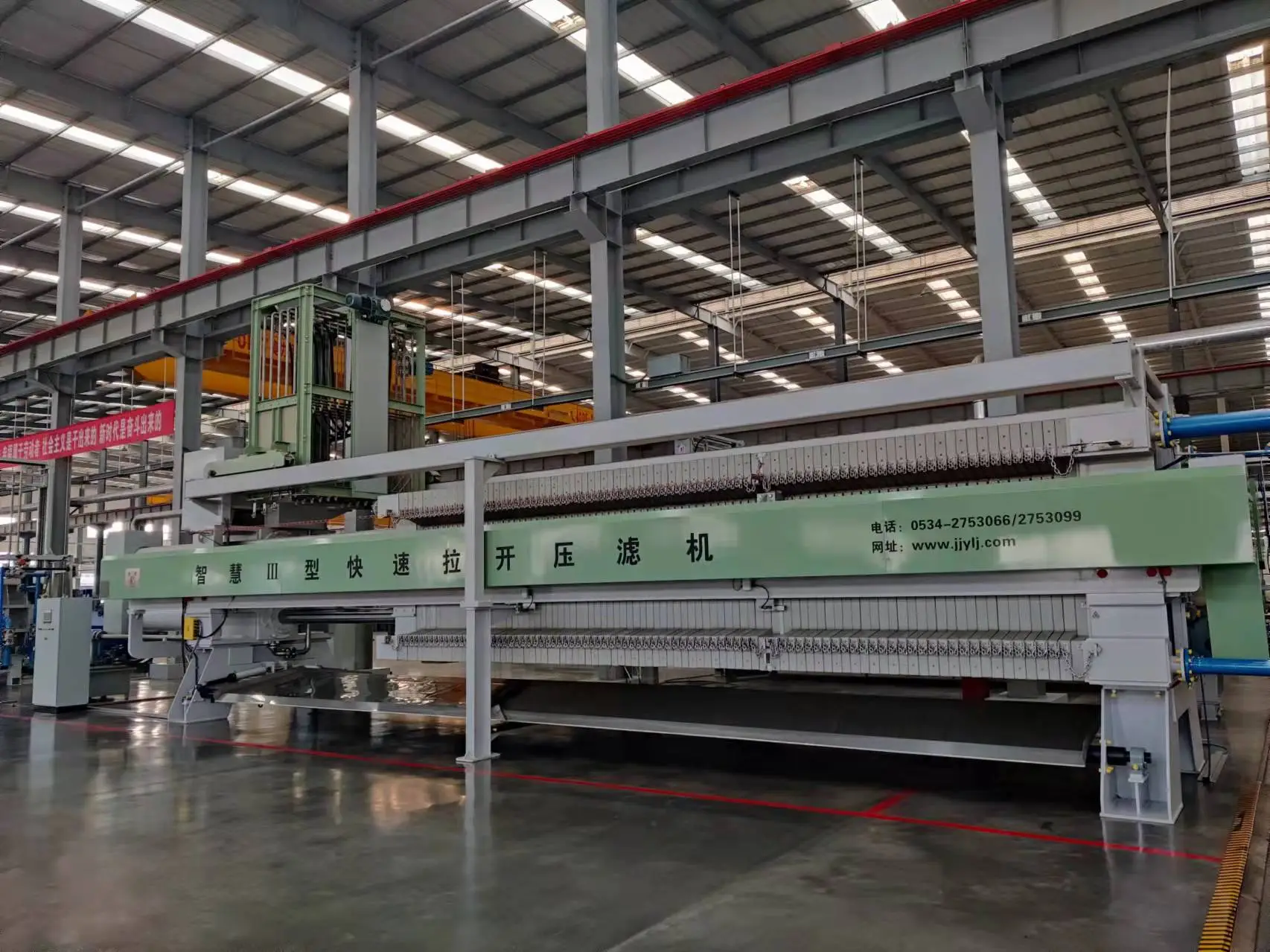
In cities with simple tasks and a somewhat dry cake, plate-and-frame systems perform effectively for sludge removal. Industrial wastewater treatment chamber filter presses are most frequent. Their recessed plate design simplifies cake removal and boosts throughput. The most costly is a membrane filter press. After the initial fill cycle, flexible membranes squeeze the cake from both sides, drying it by 5–10% and eliminating most of the dampness. Goal cake solids, floor space, staff, and capital budget determine the layout you choose. Automated systems with PLC controls, plate changers, and built-in laundry stations decrease human labor and enhance operations.
Design Parameters That Drive Performance
The filter media you choose affects the filtering rate and cake release. Multifilament polyester performs well for abrasive mining slurries and monofilament polypropylene for municipal sludge filtration. Plate material must resist chemicals. For most municipal and food-processing purposes, reinforced polypropylene works, but acidic electroplating waste and medical waste require stainless steel 316L. The plant's water processing demands determine its square meter filtration area. The size can range from 10 m² for trial operations to 1,000 m² for urban wastewater treatment plants.
Pressure application balances filter speed and energy usage. Under 6 bars, fabric lasts longer, uses less power, and runs slower. High-pressure systems (16–20 bar) dry and process cakes faster, making up for their higher pricing in high-volume commercial applications. Hydraulic seals must not leak after thousands of compression cycles, and structural frames must not bend under massive clamping stresses.
Benefits of Using Filter Presses for Resource Recovery Beyond Sludge Dewatering
Water Reclamation and Reuse
In the past, the only goal of draining was to meet the moisture requirements of the dump. In modern setups, the quality of the filtrate is a top priority for process recovery. A filter press in wastewater treatment always makes runoff that is clear and has less than 50 mg/L of suspended solids. This means that the water can be directly discharged or used to feed cooling towers, control dust, or water plants. A medium-sized city plant that deals with 100 dry tons of sludge every day can reuse more than 2,000 cubic meters of water every day, which is enough to meet the freshwater needs of a small industrial facility. This closed-loop method lowers the cost of getting water while also making it easier to get release permits and less vulnerable to drought limits.
Solid Byproduct Valorization
When correctly described, dewatered filter cakes can bring in a lot of money. Biosolids from cities that meet the Class A or Class B standards set by the EPA in 40 CFR Part 503 can be added to the soil to improve it. They add nitrogen and organic matter and can be used on farms or in industrial compost mixes. Industrial cakes that are high in metal hydroxides from mining or electroplating can be used as fuel for secondary metal recovery. This turns dangerous trash into goods that can be sold. When pressed to 60% or more solids, even harmless construction slurries can be used as aggregates or to cover landfills. This means that new materials can be replaced and green building points can be earned.
Energy and Carbon Footprint Reduction
Mechanical dewatering only needs 30–50 kJ per kilogram of water removed, while heat drying methods need 3,000–4,000 kJ per kilogram of water evaporated. This 100-fold energy edge means less greenhouse gas pollution and lower costs to run the business. Belt presses and scroll centrifuges can work continuously, but they have trouble getting rid of more than 20% solids when there are tough sludges, so expensive drying further down the line is needed. Filter presses can usually get 30% to 40% solids from biological sludges and 50% to 70% solids from industrial slurries, so there is no need for any heat treatment at all. Over the life of 15 years, the energy savings will pay for several new pieces of equipment.
Regulatory Compliance and Liability Mitigation
To keep dams from breaking in terrible ways, environmental officials around the world require that mine waste be dry-stacked. Zero Liquid Discharge (ZLD) rules in areas with limited water make it possible for facilities to get rid of all liquid waste. Compliance is possible with filter presses because they make stacked cakes that pass paint filter tests (the standard way to check for "no free liquids") and clear process streams to meet standards for release or reuse. Avoiding fines, permit violations, and possible legal problems is a good enough reason to spend capital, even if the cost savings from dumping don't seem very big. The equipment can handle rapid changes in the makeup of the sludge, which keeps compliance even when process upsets weaker technologies.
Comparing Filter Press Technology to Alternative Dewatering Solutions
Operational Efficiency and Cake Dryness
Centrifuges are great for projects with limited room because they can process things continuously and take up little space. But because they depend on high-speed spinning, the cakes they make can only be 18–25% dry for city sludge, and their complicated mechanical systems need to be maintained by people who know what they're doing. Belt filter presses are in the middle. They can get 20% to 28% solids with modest energy use, but the cake thickness limits and belt wear cause ongoing costs. Screw presses are easy to use and don't use much power, but they rarely get more than 22% dryness.
When maximum dryness allows group operation, the filter press in wastewater treatment is the best choice. When a centrifuge works the same sludge at 22% solids, a membrane unit will give 35% solids, which cuts the amount of waste that needs to be disposed of by almost half. When it comes to tough materials, like paper mill sludge, paint pigments, and pharmaceutical leftovers, this performance gap gets bigger. However, blind continuous equipment can safely handle these materials in filter presses because they work in batches and apply high pressure to squeeze them.
Maintenance Demands and Equipment Longevity
Centrifuge maintenance requires daily bearing checks, three-month bowl replacements, and specialist sound analysis, which isn't always possible on-site. Hydraulic filter presses require simple maintenance: check oil levels, change seals every 18–24 months, and clean pressure sensors. The filter cloth, which lasts 1,000 to 3,000 cycles depending on roughness and chemical exposure, is the major consumable. Automatic washing and proper clothing tensioning might extend this time. If built of suitable materials and stored outside away from UV light, plates endure more than 10 years.
Cost Implications and Payback Periods
Costs range from $150,000 for a manual filter press to over $3 million for a fully mechanized 500 m² membrane system. Centrifuges cost the same as other machines, but worn components and specialist manpower increase annual care costs by 40% to 60%. Belt presses sound like a fantastic deal, but since dumping costs over $80 per wet ton in most U.S. cities, they're hard to justify. Add trash savings, water reuse, energy consumption, and asset value to calculate the total cost of ownership. By reducing waste, filter presses pay for themselves in 24–36 months in mining and heavy industry. This duration lowers to 12–18 months with resource recovery revenue.
Common Challenges and Maintenance Tips for Filter Presses in Wastewater Plants
Addressing Plate Leakage and Hydraulic Issues
If liquid leaks out between plates during the fill cycle, it means that the clamping pressure is not high enough or the gaskets are wearing out. Pressure in hydraulic systems should stay within 5% of what was designed; drops that don't go away could mean that the seals are worn out or the accumulator bladder has failed. By checking the binding sides of plates on a regular basis, you can find buildup that gets in the way of gasket contact. This problem is lessened by automated laundry systems that flush out leftovers after each run. Every day, filter press operators in wastewater treatment should write down the hydraulic pressures so they can see if the pressures are slowly dropping before a fatal leak happens.
Preventing Cloth Blinding and Optimizing Chemical Conditioning
Cloth blinding is likely when filter rates drop, even though the hydraulics are working fine. This happens when tiny bits get into the fabric and stop it up, especially when there is sludge that hasn't been properly conditioned. Getting the right amount of polymer—usually 2–8 kg per dry ton—makes flocs that are bigger, more porous, and easier to drain. Periodic washing with acid or caustic soda improves the breathability of fabric. The number of times this should be done can range from once a week in tough situations to three times a year in ideal ones. Keeping extra cloth on hand keeps output from stopping while replacements are being made, which can be done by skilled workers in 4–6 hours for medium-sized presses.
Troubleshooting Incomplete Cake Discharge
Sticking cake to clothes is annoying for workers and slows down production. Some of the things that can cause this are too much moisture, the wrong type of cloth, and not enough plate opening space. Automatic plate-shaking processes in membrane presses loosen cakes that won't move on their own. When working with sticky materials, switching to monofilament or satin-weave cloths makes them easier to remove. Making sure the press opens all the way so cakes can fall easily instead of dragging between the plates keeps the cloth from getting damaged and the machine running smoothly. Getting equipment makers involved early on when sticking happens often saves money on expensive cloth purchases that are made by trial and error.
Procurement Guide: Acquiring Filter Presses for Wastewater Treatment
Evaluating Filter Press Suppliers and Manufacturers
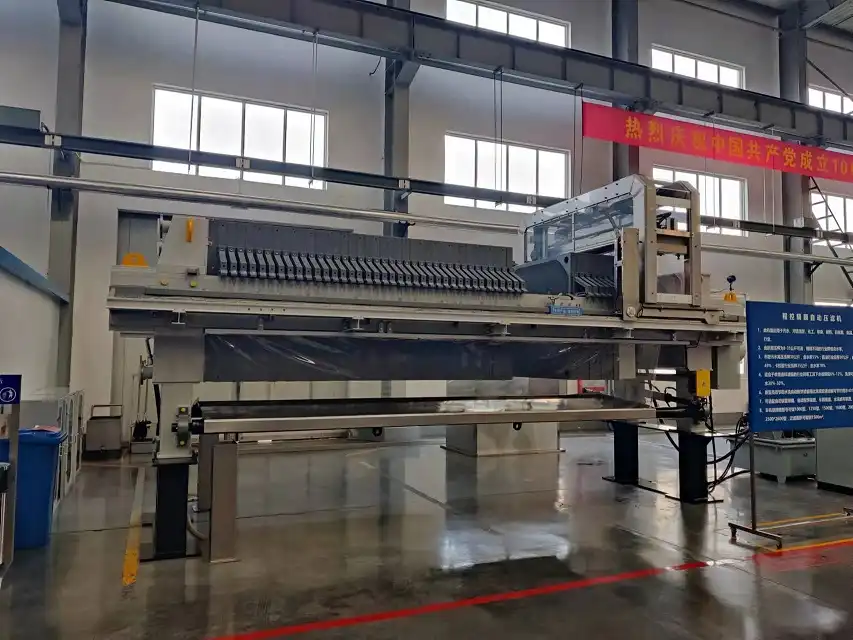
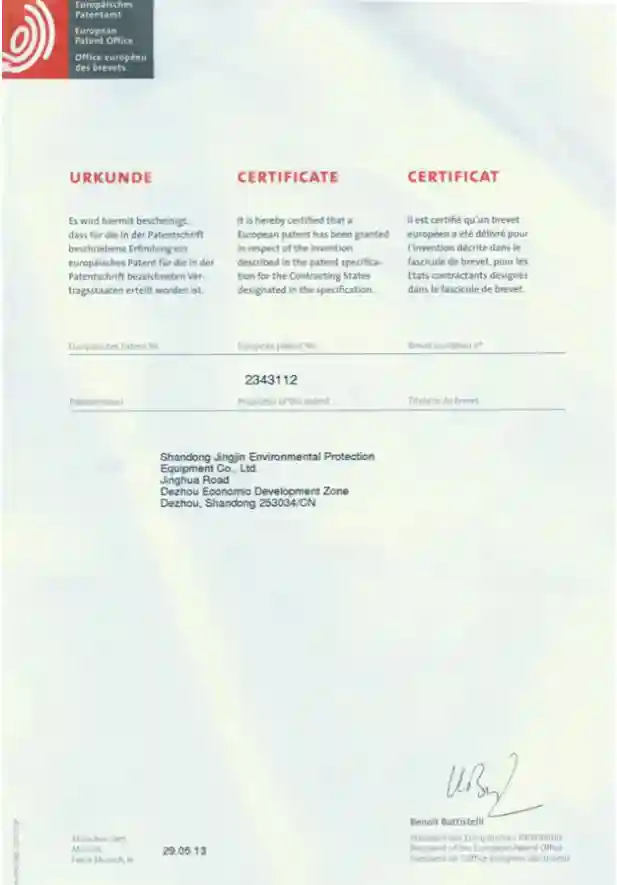
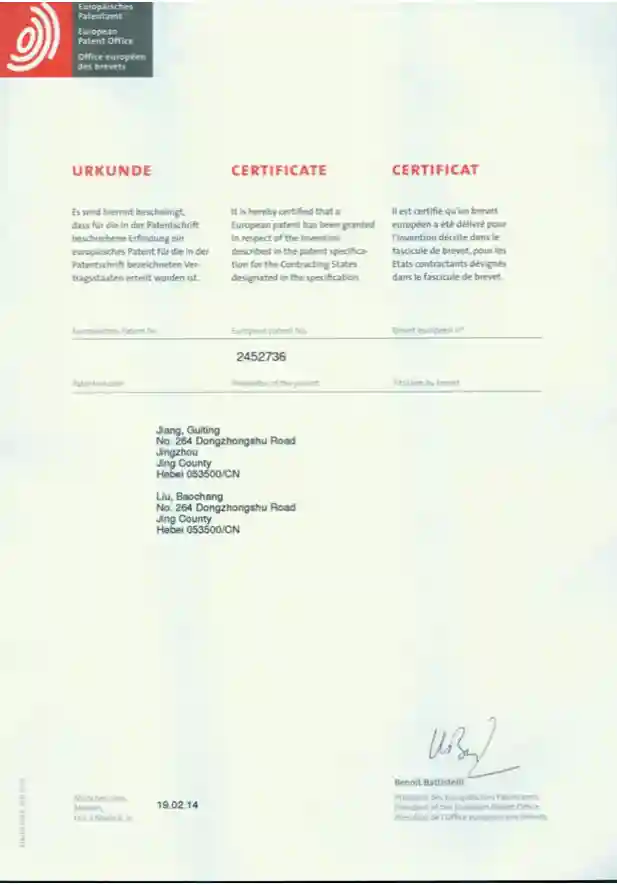
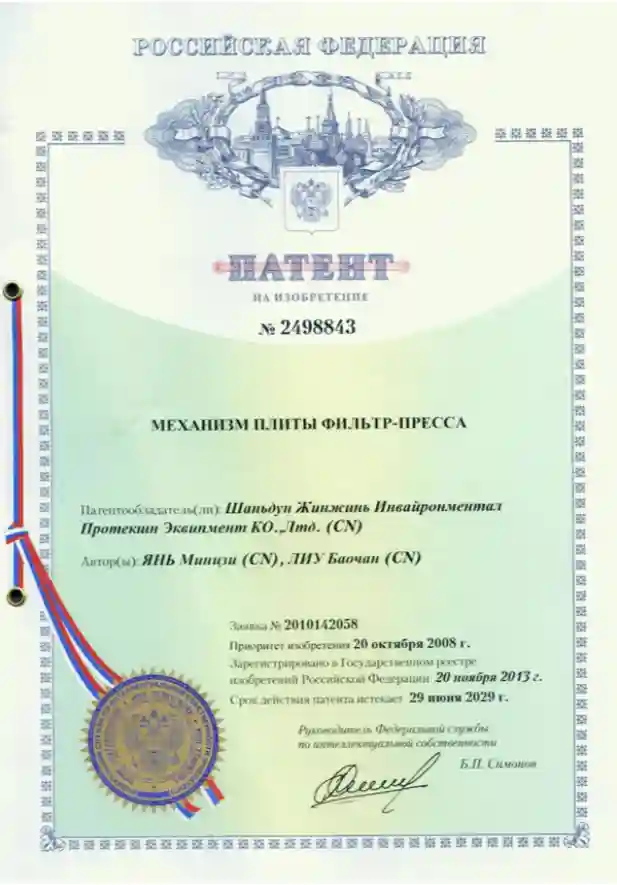
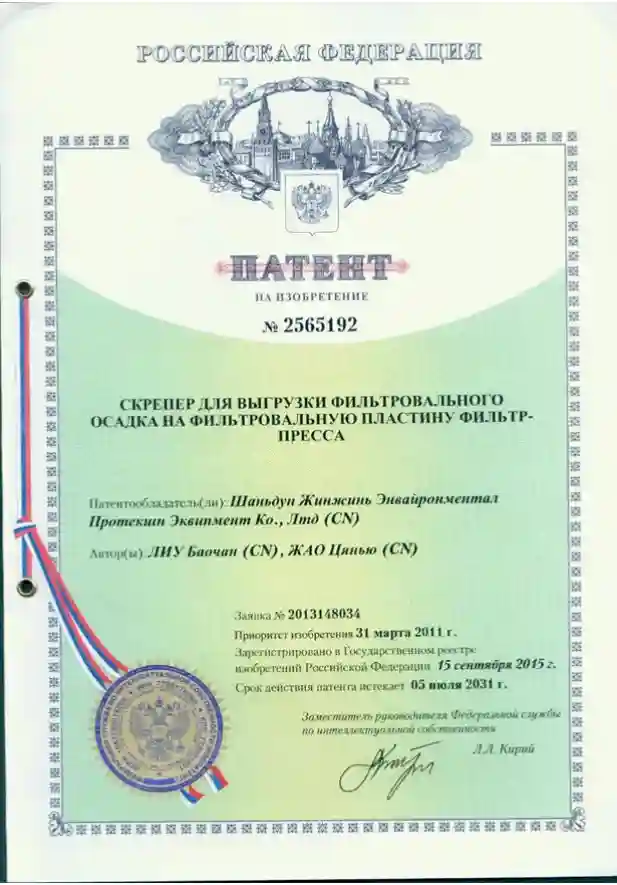
Finding the right provider means balancing the quality of the tools with its ability to provide long-term service. Jingjin Equipment Inc. was established in 1988 and is one of the biggest companies in the world that makes filter press in wastewater treatments. It has sites in 123 countries and has more than 136 patents in the field of solid-liquid separation technology. This big collection of intellectual property shows how plate design, membrane technology, and automatic control systems are always getting better. A large manufacturing capacity guarantees stable quality and low prices, and an ecosystem of filter plates, cloths, and replacement parts that work together makes upkeep easier.
Global service networks are very important for keeping downtime to a minimum. When repairs are needed right away, suppliers with area service centers reply faster than those whose only office is overseas. Premium suppliers are different from commodity suppliers because they offer technical help, such as remote troubleshooting, operator training, and process optimization advice. Checking out reference setups in related industries gives you a good idea of what to expect from the performance and shows you how quickly the provider is during the installation and service periods.
Comparing New, Used, and Rental Options
New instruments provide comprehensive warranties, the latest technology, and the ability to customize your technique. With correct setup and maintenance, your new filter press will last 15–20 years. Used equipment might be useful when capital expenditures are limited, and capacity is needed immediately. Professionals inspect the hydraulic system, plate life, and automation components. Reputable vendors repair secondhand presses to standards and give limited guarantees to balance risk with 40% to 60% savings.
Rental programs are ideal for short-term operations like dewatering during construction, replacing equipment, or testing a sample before committing. Monthly charges are normally 3% to 5% of the value of new equipment, although rentals are reasonable for stays under 18 to 24 months. Rental agreements should state who pays for repairs, how much moving costs, and what the buyer may do once the agreement expires.
Customization and After-Sales Support
Standard filter press settings perform 70% to 80% of the time, but challenging processes require changes. In electroplating and chemical processing, corrosion-resistant materials, including 316L stainless steel, rubber-coated plates, and specific polymer alloys, protect against acidic or caustic environments. Explosion-proof electrical systems fulfill liquid recovery and medical safety standards. Automatic clothes washers, infrared cake moisture sensors, and built-in conveyor release mechanisms improve efficiency but increase base costs by 15% to 30%.
After-sales service offers like annual checkups, speedier part availability, and cheaper emergency calls keep operations running smoothly. P&IDs, electrical diagrams, and maintenance guidelines allow in-house teams to do simple maintenance while the supplier handles complex issues. Customer training programs provide practical skills, reducing teams' reliance on outside aid as they acquire expertise.
Conclusion
The purpose of sludge dewatering technology has changed because of resource recovery in modern garbage management. Filter presses take garbage streams and turn them into recycled solids and water, as well as tools for regulatory compliance that go far beyond their usual dumping functions. To get the best cake dryness, operational stability, and versatility for use in a wide range of workplace settings, you need to carefully choose your suppliers, set up your systems correctly, and do regular maintenance. Facilities that adapt to this change will be able to compete better because their running costs will go down, they will be more environmentally friendly, and they will be able to handle stricter environmental rules.
FAQ
Q1: What cake dryness can we realistically expect from our municipal sludge?
With chamber filter presses, biological sludge from treating city wastewater usually gets to 25% to 32% solids, and with membrane units, it gets to 32% to 40%. The real effects rely on how the polymers are treated, how old the sludge is, and how much organic matter is in it.
Q2: How does the automation level affect labor requirements?
Manual filter presses need a person to be there the whole time to close the plates, control the feed, and empty the machine. Semi-automatic devices need to be watched at the beginning and end of each run. Fully automatic systems with PLC controls, automated laundry, and remote tracking can work for whole shifts without any help, only needing to be checked on every so often.
Q3: Can we process multiple sludge types in one press?
Yes, as long as the chemicals in the two streams are compatible. Cross-contamination can't happen when you flush with clean water between different things. Keeping different sets of clothes for materials that don't go together increases the life of the cloth and stops problems with contamination in the filter press in wastewater treatment.
Partner with Jingjin for Proven Filter Press Solutions
Wastewater managers and procurement specialists seeking reliable dewatering equipment backed by decades of engineering expertise benefit from Jingjin's comprehensive approach to solid-liquid separation for filter press in wastewater treatment. As a leading filter press manufacturer, Jingjin combines patented membrane technology, corrosion-resistant materials, and global technical support to maximize resource recovery while minimizing total ownership costs. Our application engineers analyze your specific sludge characteristics and throughput requirements to configure systems delivering measurable ROI improvements. Contact [email protected] today to request a free process assessment and detailed quotation tailored to your facility's unique operational challenges and sustainability goals.
References
1. U.S. Environmental Protection Agency (2021). Biosolids Technology Fact Sheet: Filter Press Dewatering. Office of Water, Washington, DC.
2. Water Environment Federation (2019). Design of Municipal Wastewater Treatment Plants, Manual of Practice No. 8, 6th Edition. McGraw-Hill Education.
3. Cheremisinoff, N.P. (2018). Handbook of Water and Wastewater Treatment Technologies. Butterworth-Heinemann, Oxford, UK.
4. American Society of Civil Engineers (2020). Dewatering Technologies for Municipal Wastewater Sludge. ASCE Press, Reston, VA.
5. International Water Association (2022). Resource Recovery from Wastewater: Principles and Application. IWA Publishing, London, UK.
6. Mining Engineering Magazine (2020). "Dry-Stack Tailings: Filter Press Technology Transforming Waste Management." Society for Mining, Metallurgy & Exploration, Vol. 72, Issue 4, pp. 45-52.
jingjin
Founded in 1988, Jingjin specializes in filter presses and liquid-solid separation solutions, serving over 130 countries worldwide, and is a standard-setter in China's filter press industry.
Get the Filter Press guide
Enter Your Email for Technical assistance for the Filter Press.
Recommended Blog
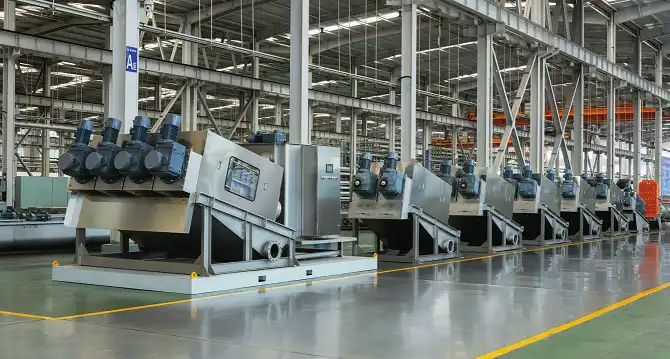
How Foreign Buyers Choose Reliable Multi Disk Screw Press in China?
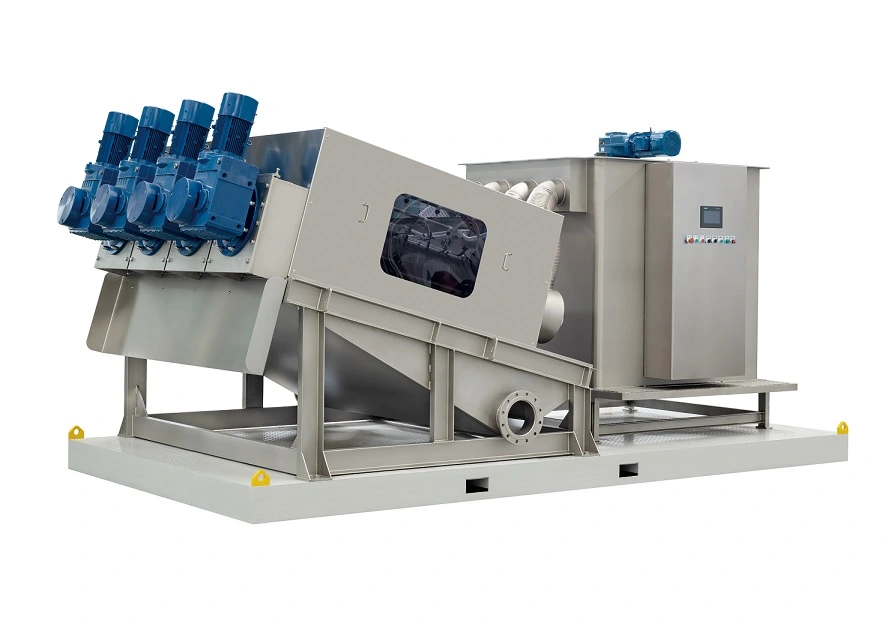
Screw Press Sludge Dewatering Machine for Municipal Wastewater
How to Choose the Right Screw Dewatering Equipment for Your Paper Mill Sludge
Membrane Plate Filter Press for Mineral Processing: Improving Filtration Results