Filter Press Fabric: The Basics and Some Tips
Understanding Filter Press Fabric: Definition, Types & Materials
- Understanding Filter Press Fabric: Definition, Types & Materials
- How Filter Press Fabric Works and Key Specifications
- Comparing Filter Press Fabric Options for Industry Applications
- How to Choose and Procure the Best Filter Press Fabric for Your Needs
- Best Practices, Tips, and Future Outlook for Filter Press Fabric Use
- Conclusion
- FAQ
- Contact Jingjin for High-Performance Filter Press Fabric Solutions
- References
The most important part of solid-liquid separation systems is the filter press fabric, also known as the filter press fabric. Picking the right one can make a big difference in how well your filtration works. If slurry is pushed through plate and frame, recessed, or membrane filter presses, this special kind of industrial cloth can do its job. The filtrate goes through the weave without any problems, but the solids build up into a thick cake. Choosing the right cloth will improve the dewatering process, lower the amount of water in the end product, make the filtrate cleaner, and reduce the number of annoying maintenance stops.


Understanding Filter Press Fabric: Definition, Types & Materials
What Exactly Is Filter Press Fabric?
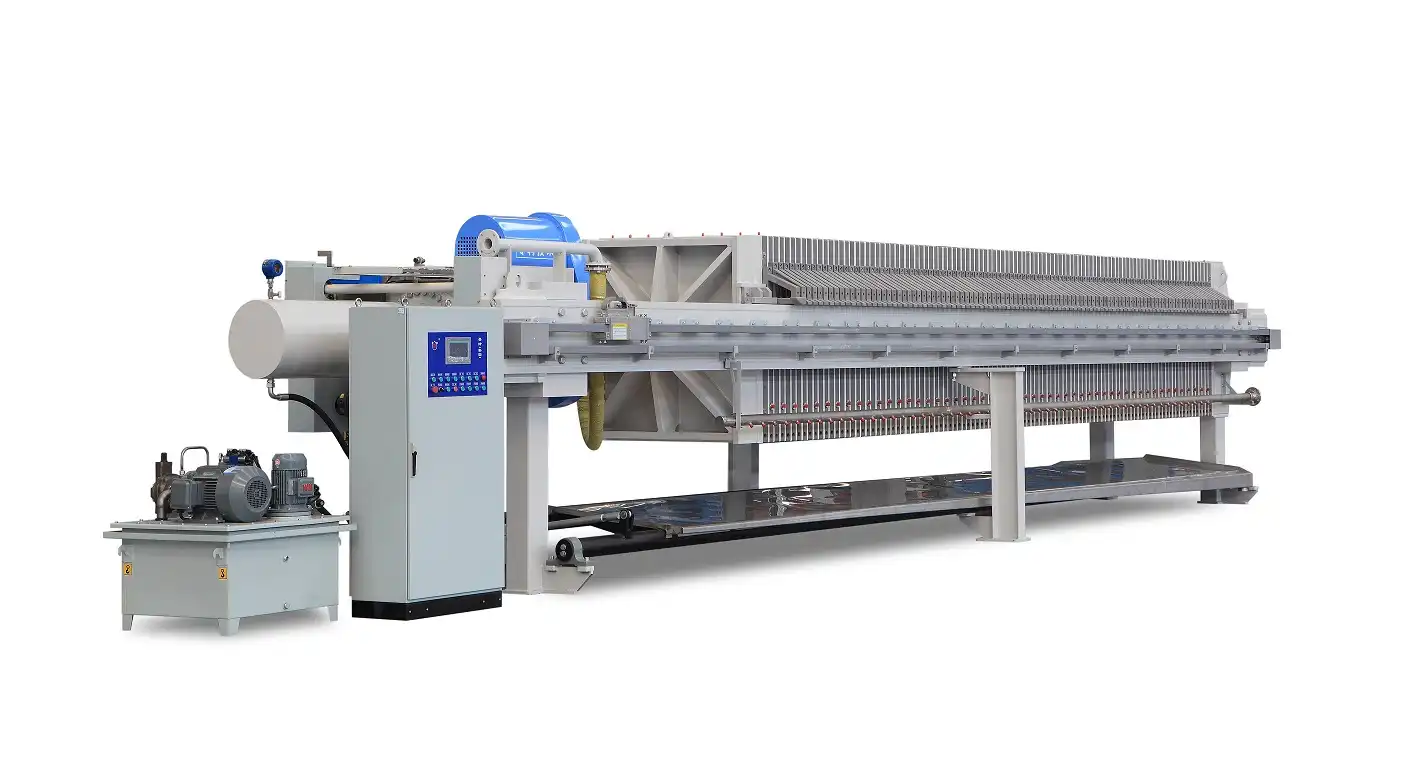
Filter press fabric is a highly designed fabric that is used as the main filtering medium in industrial filtration systems. It is put between the filter plates, and when your slurry is pumped in with hydraulic force, the carefully managed pore structure of the cloth lets the liquid escape while keeping the solids in. The quality of this fabric has a direct effect on how fast your press runs, how dry your cake gets, and how quickly the solids come out during discharge. If you don't choose the right fabric, the pores can get clogged up too quickly, which is called blinding. If solids stick to the fabric during discharge, it quickly turns into costly downtime.
Common Types of Filter Press Fabric
Wiles and buildings need to be different depending on the job. Knowing the differences will help you choose the right cloth type for the features of your slurry.
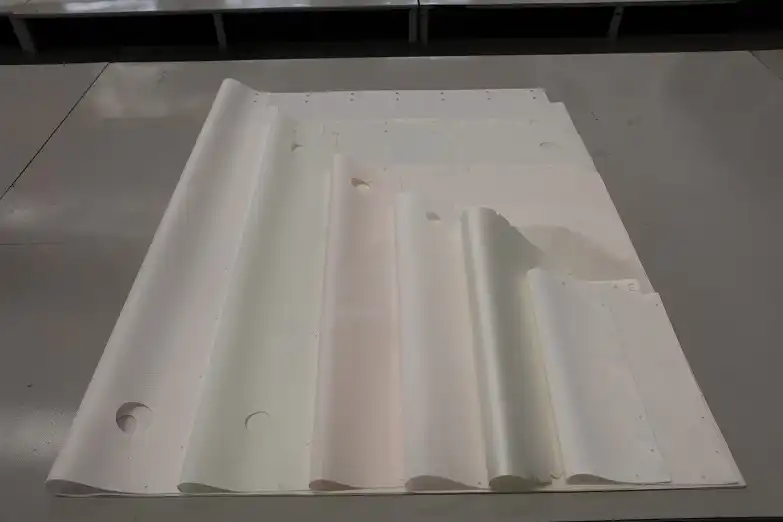
Industrial textiles are mostly woven due to their strength and dimensional stability. Plain weaves screen bigger particles cheaply and easily. Twill weaves are used in chemical operations because their diagonal ribs make them flexible and prevent cakes from falling off. Satin or sateen weaves smooth the surface and lengthen the float threads, making sticky or fine-particle slurries simpler to drain.
Needle-felt is formed of unstitched fibres. Fibres are hand-woven using barbed needles. Depth filtering makes these materials effective in catching microscopic particles throughout the cloth. They excel in coal slurry and other material preparation activities with broad particle sizes.
Elastomeric membranes are connected to base cloths in membrane textiles. In the final press step, pressurised air blows up the membrane, pressing down on the filter cake from behind and reducing moisture. This combo approach works well for cakes with minimal moisture and can afford the greater initial expense.
Learning which textiles separate things best will affect how well your business functions.
Materials: Polyester, Polypropylene, and Nylon
Material selection affects chemical compatibility, thermal protection, and mechanical durability. Polypropylene (PP) is robust in acidic or basic environments. It works nicely at pH 1–14. Although it can withstand most strong chemical slurries, its maximum continuous temperature is 200°F (93°C).
Polyester (PE or PET) is stronger and more heat-resistant than other materials. It works best in neutral to slightly acidic conditions at high temperatures, frequently up to 300°F (150°C). Mechanically robust, it doesn't get worn down by sharp mineral bits while digging.
In sectors like mining and metallurgy, where ore bits brush against the cloth, nylon is particularly durable. Matching nylon to your slurry's chemistry is tricky since nylon doesn't appreciate strong acids. Some sophisticated usages employ mono-multi-filament or hybrid architectures for the optimum strength, permeability, and surface smoothness.

How Filter Press Fabric Works and Key Specifications
The Filtration Cycle: How Fabric Performs Under Pressure
When your filter press is working, it closes, and slurry is pumped into the spaces between the plates and the filter press fabric that are next to each other. The fluid moves through the cloth weave because of hydraulic pressure, and the filtrate drains away through holes in the plates. As solids build up on the fabric's surface, the filter cake slowly forms. The cloth has to meet two different needs: it has to keep things in well while also letting a lot of air through so that cycle times are short.
People often think that the cloth filters everything on its own. In fact, the best particle retention usually happens in the first layer of solids, which is called the filter bridge. The fabric's job is to quickly build that bridge and keep the flow going even as the cake gets bigger. If you choose the right cloth, this bridge will form evenly, without channeling or blinding, which slows things down.
Key Technical Specifications
When looking at materials, there are a few things that can help you make a good choice. Air permeability is the amount of air that can pass through something. It is measured in liters per square decimeter per minute (L/dm²/min) at a set pressure drop. When permeability is high, cycles go faster, but when it's too high, fine particles can get out.
The Micron rating tells you what size particles the cloth can hold on to. This is just a rough estimate. The real retention relies on the shape of the particles, the pressure, and how quickly the filter bridge forms. The tensile strength and elongation numbers tell you if the cloth can hold up under the clamping force and hydraulic pressure without breaking or stretching. Testing materials according to ISO 13934 makes sure they meet basic mechanical standards.
Weave type and surface finish on the surface are very important for cake release. Calendered finishes, in which heat and pressure smooth the surface of the cloth, lower friction and stop objects that stick from sticking. By checking the heat shrinking, you can be sure that the fabric won't change shape when it's hot, which could lead to leaks around the plate seals.
Maintenance and Cleaning: Extending Fabric Life
Using high-pressure cleaning on a regular basis during cloth-washing processes gets rid of embedded fines and stops blinding. Some plants have automatic spray bars built into the press, while others take the fabrics out every so often to soak them in cleaning solutions. Scale or organic leftovers can be removed by acidic or alkaline washes, but you need to make sure that the chemicals won't damage the cloth.
Also, mechanical stability is important. Check the edges for tearing and make sure the fabrics line up properly with the plates' drainage holes and stay-bosses. Misalignment leads to mechanical tearing and failure before it should. Proper tensioning during installation stops the slack that causes cakes to form unevenly and twist. Many businesses don't pay attention to these details, but they are essential for cloth longevity and uniform performance.
Comparing Filter Press Fabric Options for Industry Applications
Different industries impose unique demands on filter fabrics, and a one-size-fits-all method rarely works well. Here's how the choice of cloth changes in some key areas.
Municipal and Industrial Wastewater Treatment
High flow and steady cake release are needed for sludge dewatering. Polyester fabrics that are woven with twill or satin weaves are the most common because they are strong, let air pass through, and have a smooth surface. Automated presses depend on fabrics that can easily remove cakes without any help from a person. This cuts down on work and makes things safer. Cheaper polypropylene fabrics work well when the sludge chemistry is harsh, but more durable polyester fabrics are usually worth the extra money in high-volume plants.
Mining and Metallurgy
Tailings and mineral concentrate filters subject fabrics to rough particles, thick slurries, and constant wear and tear. These harsh conditions can handle nylon or heavy-duty polyester with strengthened ends. Needle-felt materials are used in fine coal slurry, where they can filter out a wide range of particle sizes. Durability and resistance to wear and tear are what buyers look for, and the time it takes to change clothes directly affects production goals.
Chemical and Pharmaceutical Manufacturing
Precision and cleanliness are very important. Fabrics must not leak at all, have accurate micron rates, and be able to handle strong acids, liquids, or caustics. Multifilament structures or membrane systems make sure that the liquid is very clear so that the product can be recovered. It is normal to make changes, like using different weaves, coatings, or edge treatments for each step. There are strict rules for quality control, and tracking is often needed to follow the law.
Construction, Tunneling, and Aggregate Processing
According to your filter press cloth supplier, rugged materials with a lot of space can handle mud, slime, and wastewater in tough field conditions. To keep mobile or temporary filter units working, contractors look for ones that are cost-effective and can empty cakes quickly. When chemical protection is needed, polypropylene fabrics are the best value. On the other hand, polyester fabrics are better for uses that involve rough sand and gravel because they are more mechanically tough.
Woven vs. Needle Felt: A Practical Comparison
Woven fabrics are great for most uses because they keep their shape better, filter out more dirt, and are easier to clean. Needle felts are great at deep filtering and can handle particles of many sizes, but they are more difficult to clean and may get damaged more quickly when very fine slurries pass through them. Most of the time, knitted fabrics are cheaper per cycle because they last longer and are easier to maintain. However, needle felts can be worth the extra money in certain situations where surface screening alone is not enough.
How to Choose and Procure the Best Filter Press Fabric for Your Needs
Matching Fabric to Operational Demands
First, describe your slurry by its particle size, pH, temperature, solids concentration, and whether the solids are rough or sticky. These things determine the type of cloth, weave, and standards that must be met. Talk to fabric makers early on in the process of choosing tools. Manufacturers with a lot of experience can suggest fabrics that have worked well in similar situations, saving you the trouble of having to make a lot of mistakes.
Ask for examples of the fabric and do trial tests as often as you can. Bench-scale or test filter press trials show how the machine works in the real world, including the filtration rate, cake dryness, and discharge behavior that can't be fully predicted by a specification sheet. Keep track of the results and look at different fabric choices side by side to find the best deal between price and function.
Procurement Strategies: Bulk Orders and Supplier Evaluation
Wholesale fabric can cut unit costs, but only if it works and lasts. Examine their service reliability, expert support, and change willingness. Global merchants, notably Chinese brands, provide competitive costs and a vast selection. With over 30 years of filtering knowledge and a broad product line, Jingjin Equipment Inc. offers more than filter press cloth. They provide system design and technical assistance to ensure your filter line operates properly and is suitable.
Check the supplier's ISO 9001 quality management approval, manufacturing capacity, and repeat order wait times. Good relationships with suppliers allow you to request specific fabric combinations, accelerate shipments, and obtain professional support with performance issues.
OEM Partnerships and Customization
EPC contractors and equipment developers may finish projects faster with OEM fabric providers. OEM partners assist with design papers, sizing, and private marking. Customisation extends beyond material and weave. Edge strengthening, heat sealing, laser cutting to plate specifications, and speciality coatings or treatments can increase fabric fit and performance. For high-quality production, effective communication regarding working circumstances and performance goals is essential.
Best Practices, Tips, and Future Outlook for Filter Press Fabric Use
Extending Fabric Lifespan Through Proper Handling
When putting up or taking down fabrics, be careful not to tear or puncture them. Keep extra fabrics in a cool, dry place, out of direct sunlight and away from chemicals that could damage the fabric. Rotate your clothes every so often to keep your press from getting too worn down, especially when it's being used a lot.
Make sure the fabrics are properly stretched and placed on the plates during installation. Misalignment increases stress and speeds up the failure of edges. Make sure you use the right amount of fabric and that the stay-bosses go all the way through without over-compressing, which can damage the weave.
Optimizing Filtration Efficiency and Minimizing Downtime
Keep an eye on the cycle times and changes in cake wetness. Gradually worsening signal cloth, blinding or wear, which means it needs to be cleaned or replaced before it fails. Instead of waiting for damage to be seen, set up repair plans that are based on cycle counts or pressure trends.
Get the feed slurry's uniformity and pressure ramp rates just right. Rapid changes in pressure can tear fabrics or cause cakes to form unevenly. Adding flocculants or coagulants to the slurry improves particle bridging and lowers fabric loading, which indirectly increases the life of the fabric.
Cross-train workers on how to use the press correctly and check the cloth. Seeing early warning signs like pinholes, fraying edges, and stains from a chemical attack lets you take action before it's too late, which stops unplanned shutdowns.
Emerging Trends and Technological Advances
New developments in cloth technology focus on better surface treatments, hybrid designs, and eco-friendly materials. Nanotechnology coatings help cakes come off more easily and stop blinding without affecting their ability to pass through. Hybrid fabrics that use modern polymer membranes and woven support layers make cakes even drier, which lowers the cost of dumping and the damage they do to the environment.
Sustainability drives the creation of filter press fabric materials that can be recycled or made from living things. This is in line with companies' environmental goals and stricter rules. Digital tracking systems built into filter presses now keep an eye on fabric performance in real time. This lets replacement decisions be based on data and cuts down on waste from throwing away fabric too soon.
To meet the needs for better filtration, higher flow rates, longer life, and lower cost, manufacturers keep improving weave patterns and yarn constructions. By keeping up with these changes, you can be sure that your buying plan uses the newest technology to stay ahead of the competition.
Conclusion
Filter press fabric isn't just a consumable—it's an important part that determines how well the filter works, the quality of the product, and how long the machine operates. You can find the right fabric for your process if you know about the different types, materials, and specs of the fabric. When you compare options across industries, you can see that customized solutions work better than off-the-shelf options. Additionally, smart partnerships with buyers and suppliers can help you save money and improve performance. Fabric life can be extended and output improved by dealing with, maintaining, and keeping up with changes in technology. By using these tips, you can set up your business to get better solid-liquid separation, follow the rules, and make the most money possible.
FAQ
Q1: How often should I replace my filter press fabric?
How often you replace them depends on how rough the slurry is, how often you spin them, and how you do your repair. Fabrics may last six months to a year in harsh mining settings, but they can last longer than two years in softer wastewater treatment settings. Keep a close eye on cycle times and cake quality—gradual degradation means that something needs to be replaced before a major failure stops production.
Q2: Can I use the same fabric for different slurry types?
No, not usually. The particle sizes, chemical qualities, and temperatures of each mixture are different. It is possible that a cloth that works well for filtering acidic pigments will not work well in rough mineral tailings that are rough. To make sure that the fabric specs are right for each slurry, either try them to see if they work together or talk to your seller.
Q3: What are some signs that a cloth is old?
Check for pinholes, edges that are breaking, changes in color that mean chemicals have been used, and longer cycle times. If the clarity of the filtrate drops or the cake's moisture level rises without warning, the cloth could become opaque or lose its structural integrity. These problems are caught early with regular eye checks and performance tracking.
Contact Jingjin for High-Performance Filter Press Fabric Solutions
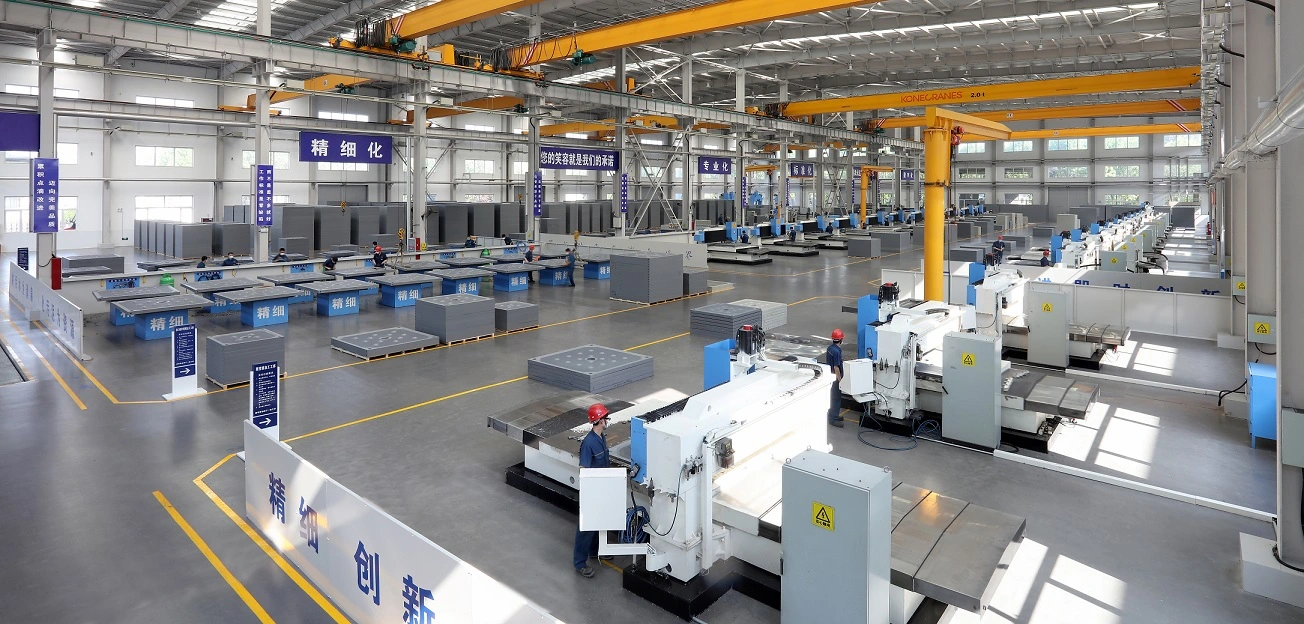
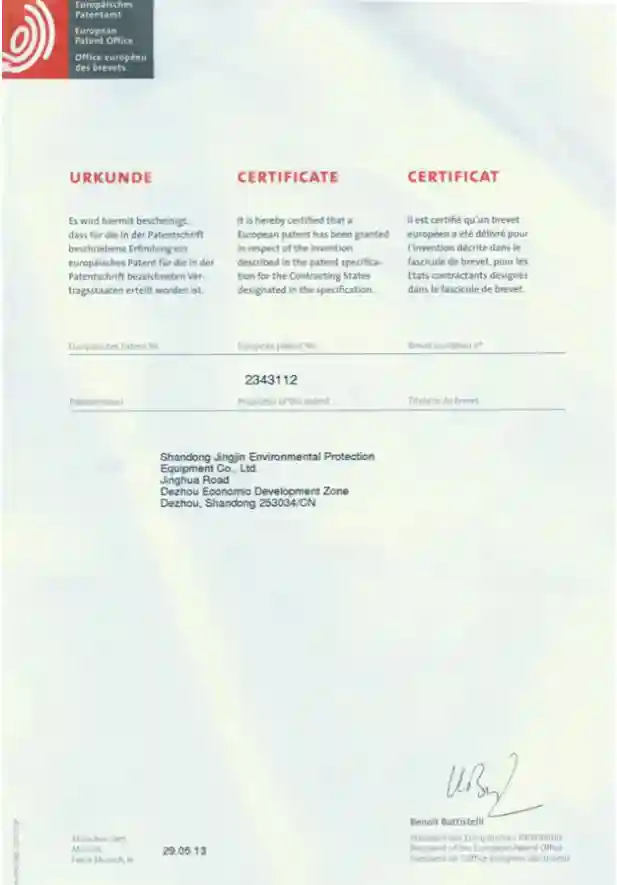
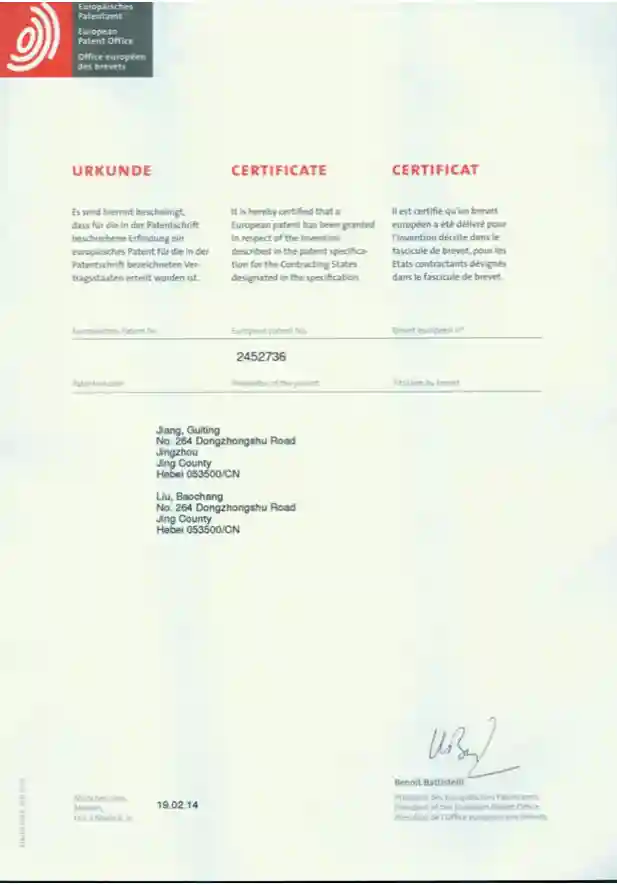
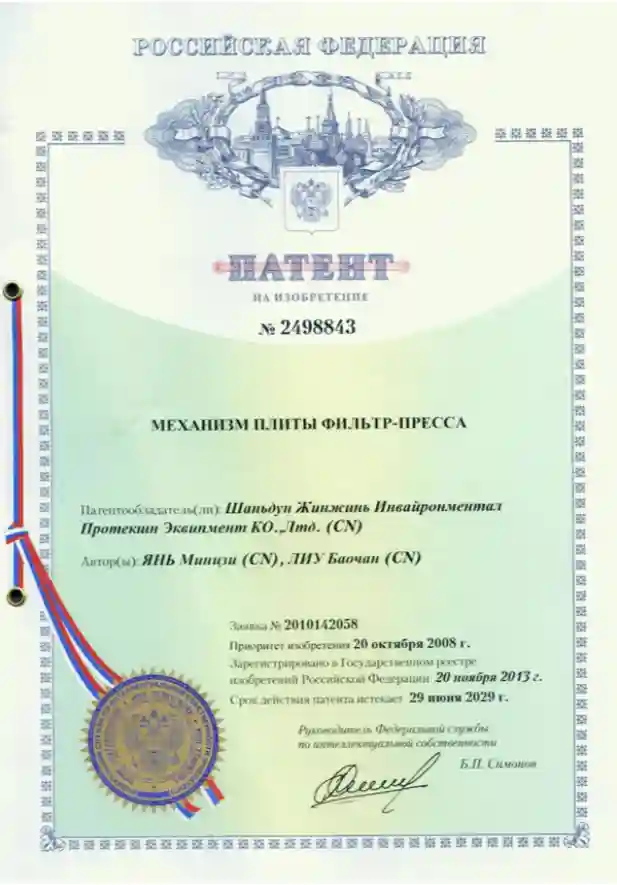
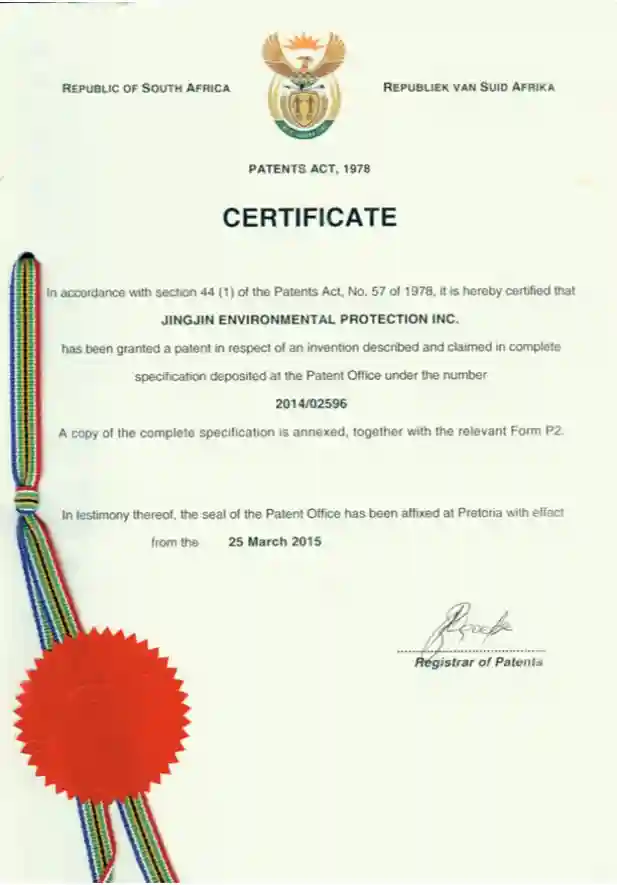
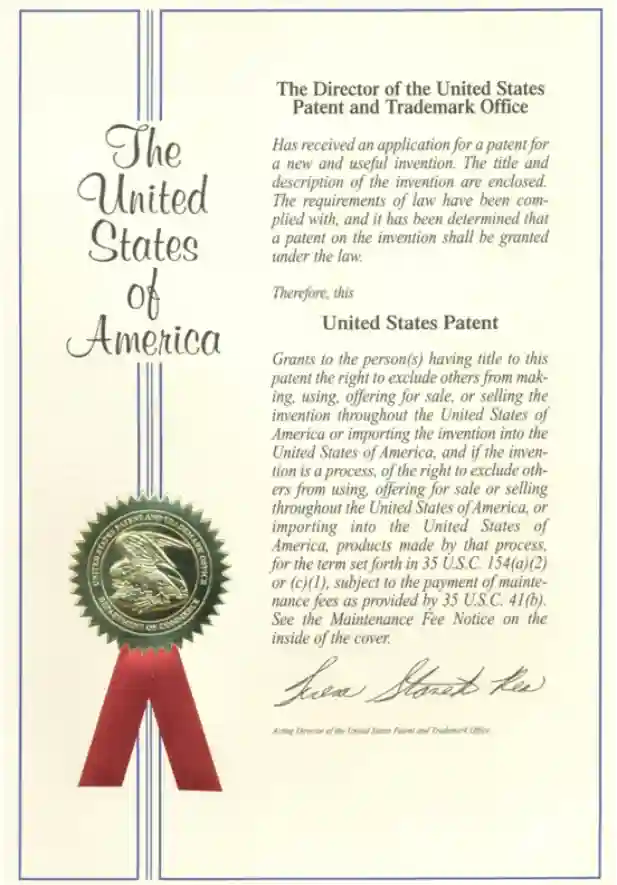
Picking the correct filter press fabric provider is very important for separating solids and liquids in a dependable and effective way. Since 1988, Jingjin Equipment Inc. has been a world leader in filtration technology. They offer tested filter press fabric solutions that are backed by more than 136 patents and have helped customers in 123 countries. We offer a wide range of woven, needle-felt, and membrane materials for use in building, mining, wastewater treatment, and chemicals. Jingjin makes sure that your filter system works at its best by producing large quantities, strictly controlling quality, and providing quick expert support. Email [email protected] to get fabric examples or talk about custom options that are made to fit your needs. Work with a reliable maker who is dedicated to doing a great job.
References
1. Smith, R.L. (2019). Industrial Filtration Technologies: Principles and Applications. New York: Technical Press Publishing.
2. Chen, Y. & Kumar, A. (2020). "Advances in Filter Press Fabric Design for Solid-Liquid Separation," Journal of Chemical Engineering and Processing, Vol. 58, pp. 112-128.
3. Thompson, M.E. (2021). Solid-Liquid Separation Equipment Selection and Operation. London: Engineering Media Group.
4. International Organization for Standardization (2017). ISO 9001:2015 Quality Management Systems – Requirements. Geneva: ISO Publications.
5. Martinez, P.J. & Lee, S.H. (2022). "Performance Evaluation of Filter Press Fabrics in Mining and Metallurgy," Minerals Engineering Review, Vol. 45, No. 3, pp. 204-219.
6. Wong, T.K. (2018). Wastewater Treatment Filtration: Equipment, Materials, and Best Practices. Boston: Environmental Engineering Publications.
jingjin
Founded in 1988, Jingjin specializes in filter presses and liquid-solid separation solutions, serving over 130 countries worldwide, and is a standard-setter in China's filter press industry.
Get the Filter Press guide
Enter Your Email for Technical assistance for the Filter Press.

Recommended Blog
What is a Dewatering Press Machine and How Does It Work? A Complete Guide
Understanding the Technical Specifications of Press Filter Machines
Essential Maintenance Tips for Press Filters in Industrial Plants

Common Problems with Filter Press Plates and How to Prevent Them