What is the difference between high pressure and low pressure tanks?
Introduction
- Introduction
- Understanding High-Pressure and Low-Pressure Tanks
- Key Differences Between High-Pressure and Low-Pressure Tanks
- How to Choose Between High-Pressure and Low-Pressure Tanks
- Comparative Analysis: High Pressure Tanks vs. Low-Pressure Tanks in Industrial Context
- Procurement Best Practices and Market Insights
- Conclusion
- FAQ
- Partner with Jingjin for Filtration and Separation Excellence
- References
To run your industrial filter and separation processes more efficiently, you need to know about the different types of pressure vessels. High pressure tanks work at very high pressures, usually between 200 and 700 bar (2,900 to 10,000 psi), and are designed to safely hold liquids or gases that are squeezed much higher than the pressure at normal levels. Low-pressure tanks, on the other hand, work with much lower pressures, usually between 0.5 and 15 psi. They are mostly used to store large amounts of fluids, slurries, and process feedstocks in places like wastewater treatment, chemical processing, and industrial separation systems.
Introduction
In many different types of industries, like mines, biopharmaceuticals, and wastewater treatment, pressure tanks are an important part of the infrastructure. Choosing the right pressure tank has a direct effect on operating safety, process efficiency, and long-term cost management, whether you're in charge of a facility that dewaters city sludge or filtering systems in a metallurgical plant.
It's not just a matter of technicality to tell the difference between high and low-pressure tanks; it's also a strategic procurement choice that affects how well you follow environmental laws, cuts down on maintenance downtime, and supports reliable solid-liquid separation outcomes. When looking for these important parts, process engineers, buying managers, and plant operations leaders have to deal with things like material compatibility, pressure tolerances, safety standards, and the total cost of ownership.
In this guide, we'll talk about how these tank types work and how they're different from each other. We'll also look at real-life examples in wastewater and chemical processing and give you useful information to help you make smart buying decisions that fit your facility's performance goals and budget.
Understanding High-Pressure and Low-Pressure Tanks
Defining High Pressure Tanks and Their Operating Principles
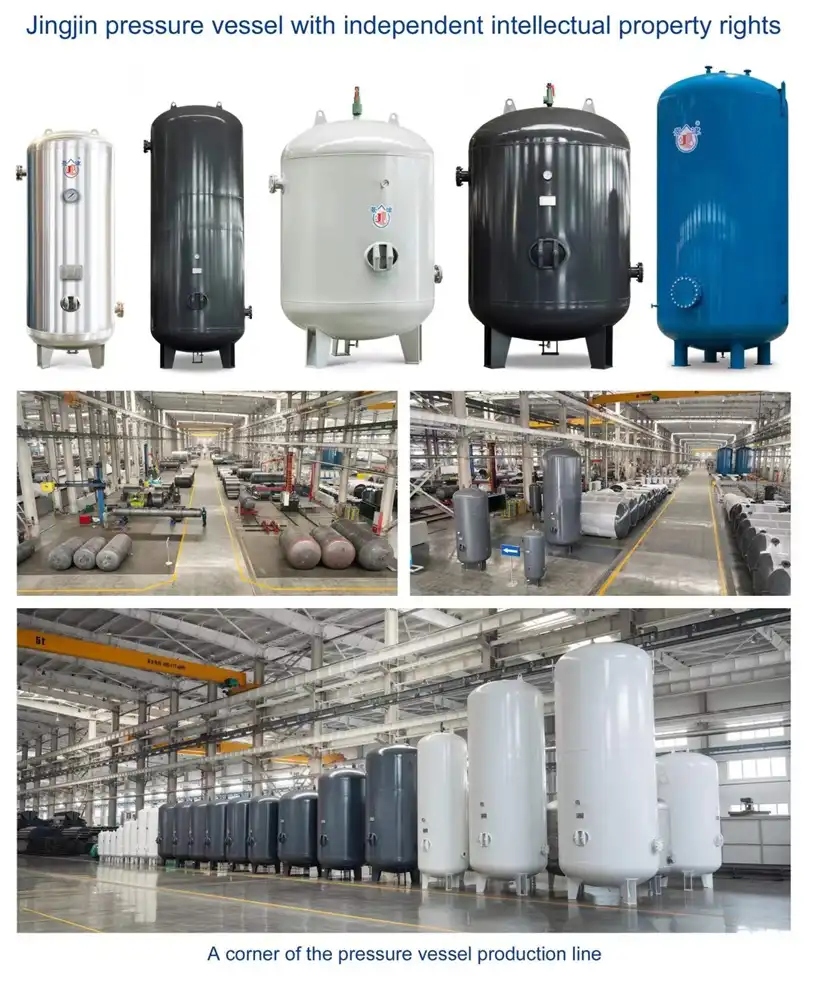
Pressure vessels, also known as high pressure tanks, are specialized industrial containers designed to hold gases or liquids at levels much higher than air pressure. They solve important problems in the industry, like the need for light mobile energy solutions and storage density limits. These tanks use advanced composite material engineering to greatly increase the energy-to-volume ratio. This makes it possible for both fixed industrial sites and mobile transportation systems to store high-density gases.
Defining Low-Pressure Tanks and Their Functional Role
Low-pressure tanks, on the other hand, are made for normal or slightly higher pressures. These tanks are often used to store process fluids, chemical feedstocks, dewatered sludge, and treated wastewater in places where wastewater is handled and solids are separated from liquids. When they are built, bulk capacity, resistance to corrosion, and ease of upkeep are given more weight than high-pressure containment. A lot of places that treat wastewater from cities and make chemicals depend on low-pressure storage to keep feed lines stable, control batch processes, and make sure that filtering and dewatering equipment keeps running.
Materials and Design Specifications
The types of materials used in each tank are very different from one another. Type I high pressure tanks are made entirely of metal, usually steel. Type III tanks have aluminum liners and composite overwraps. Type IV tanks have polymer liners with full carbon fiber support. These materials have high tensile strengths compared to their weights, a long wear life, and the ability to stay stable at high temperatures even when under a lot of mechanical stress.
Depending on the chemicals that need to be compatible and the climate, low-pressure tanks are usually made of carbon steel, stainless steel alloys, fiberglass-reinforced plastic (FRP), or polyethylene. When designing low-pressure vessels, the most important things are that they don't rust, that they stay stable in normal conditions, and that they can work with pumping and filter systems that are used in chemical and garbage processing plants.
Industry Safety Standards and Compliance Requirements
Professionals in procurement must make sure that the tanks they choose meet strict international quality standards. High pressure tanks must follow rules like ISO 11439, ASME Section VIII, ECE R110, and DOT-SP. This makes sure that the structure stays strong even when it's under a lot of mechanical stress and is exposed to the elements. Most low-pressure tanks are safe to use in atmospheric or near-atmospheric situations and meet API 650, UL 142, or regional standards like ASME Section VIII Division 1. To reduce risk and ensure long-term operating security, it is important to understand these legal requirements.
Key Differences Between High-Pressure and Low-Pressure Tanks
Operational Distinctions: Pressure Ranges and Performance Capabilities
The working pressure range is the most important difference between these tank types. With burst pressure safety factors usually 2.25 times the working pressure, high pressure tanks can handle working pressures up to 700 bar regularly. This feature makes it possible for users who need to store a lot of gas, like hydrogen fuel systems or compressed natural gas (CNG).
Low-pressure tanks work in a small range, usually between 0.5 and 15 psi, and can hold liquids, slurries, and process fluids at or close to atmospheric pressure. They are judged by how much volume they can hold, how well they work with different flow rates, and how well they fight chemical breakdown, not by how well they can handle extreme pressure.
Real-World Applications in Industrial and Wastewater Environments
High-pressure tanks are employed in many demanding conditions. Airlines employ propellant tanks, oil and gas companies use undersea accumulators, and chemical companies use high-pressure delivery systems. In industrial filtration, high pressure tanks can enable hydraulic systems to drive filter presses or store compressed air for membrane cleaning.
Most waste treatment and solids-liquid separation use low-pressure tanks. Municipalities store sludge, feed chemicals, and cushion effluent in them. Low-pressure tanks handle pigment slurries, resin batches, and process steps in chemical and fine chemical manufacturing. Mining and mineral processing store tailings, concentrate slurries, and washing feed streams at low pressure. Construction and mining businesses utilise these tanks to store mud, drilling fluids, and effluent until dewatering and disposal.
Advantages and Limitations: Strategic Decision-Making Considerations
Composite high pressure tanks repel corrosion, last longer (15,000 or more fill cycles), and are lighter and easier to carry. Mobile apps and venues that must withstand hydrogen embrittlement or temperature variations need these characteristics. However, it costs more upfront, involves more rigorous inspection, and can't be simply repaired if the structural composite layers break.
Low-pressure tanks are affordable, durable, and easy to maintain in fixed production setups. They suit various pumps, valves, and process instruments, are easy to fabricate in large quantities, and may be welded or patched. Its lower storage density and inability to withstand high pressures are issues. These issues seldom affect waste treatment or solid-liquid separation.
How to Choose Between High-Pressure and Low-Pressure Tanks
Assessing Pressure Requirements and Volume Needs
Before you buy anything, you should make sure you know exactly how much working power your process needs. Do a full process analysis to find out the highest and average working pressures, making sure to include safety gaps and following all the rules. Peak flow rates, batch sizes, and overflow capacity must all be taken into account when figuring out the volume needed to keep the process running smoothly during filter cycles and when there are changes upstream.
Evaluating Material Compatibility with Environmental Factors
Chemical affinity is very important. When working with acidic sludges, caustic cleaning agents, or chlorine effluents, wastewater managers need to choose materials that don't rust or react with chemicals. In these kinds of places, low-pressure tanks are often made of stainless steel or FRP. When working with hydrogen or toxic gases under high pressure, Type IV tanks with polymer covers are better at keeping the materials inside from breaking down or leaking.
Budgetary Constraints and Total Cost of Ownership
Purchasing managers have to find a balance between the prices of capital investments and their long-term effects. High pressure tanks cost more because they are made of more modern materials and need to be certified, but they last longer and need less upkeep. Low-pressure tanks cost less to buy at first, but based on the process setting, they may need to be inspected, re-coated, or have their liners replaced more often. To find the total cost of ownership, you need to add up the prices of installation, inspection, upkeep, and eventually getting rid of or recycling the item.
Supplier Selection: OEM Solutions and After-Sales Support
Important: Choose a seller you can trust who has a history of doing well in the same field. Check a supplier's qualifications for certifications, their ability to make things, their ability to customize them, and their worldwide service networks. OEM solutions include design, paperwork, and warranty support all in one package. This makes buying easier and ensures that the solution will work with the current filter and dewatering systems. Lead times, how quickly technical support responds, and the availability of extra parts all have a direct effect on operating dependability. This is especially true in demanding industrial settings where downtime means lost productivity and regulatory risk.
Comparative Analysis: High Pressure Tanks vs. Low-Pressure Tanks in Industrial Context
Material Properties: Carbon Fiber, Steel, and Composite Comparisons
Weight, strength, and resistance to rust are the most important things to consider when deciding between carbon fiber and steel high pressure tanks. Carbon fiber composite tanks are stronger than steel tanks but lighter, so they can be used in places where every kilogram counts, like in space travel and mobile devices. Steel tanks are more expensive for permanent placements where weight is not an issue, but they are better at resisting impacts and are heavy.
Steel or FRP should be used in low-pressure situations, depending on the chemicals that will be present and the weather. Steel is strong, lasts a long time, and is easy to fix. This makes it perfect for places like mines and wastewater treatment plants where mechanical hits happen often. FRP is lighter and better at resisting rust, making it a good choice for chemical processing plants that work with harsh fluids.
Lightweight Portability vs Heavy-Duty Robustness
The mobility and space effectiveness of high pressure tanks are prioritized. Type IV tanks with polymer liners and carbon fiber overwraps keep their structure strong while reducing weight. They are perfect for mobile filter units or temporary dewatering systems on building sites. Low-pressure tanks are built to be very strong, with stronger walls and more reinforced construction, so they can handle big loads, changes in temperature, and the weather outside for decades at a time.
Performance Metrics: Burst Pressure Ratings and Fatigue Resistance
When choosing a high-pressure tank, the burst pressure number is very important. Through hydraulic burst testing, most composite vessels are approved for burst pressures that are at least 2.25 times their working pressure. Resistance to fatigue is also very important. The best tanks can handle between 15,000 and 20,000 fill cycles, based on standards like NGV2 or ISO 11119.
Low-pressure tanks are designed to be structurally stable over time, even when loads are static or slowly changing. Instead of quick changes in pressure, fatigue resistance is affected by changes in temperature, process fluid density, and operation cycles. As part of quality control, weld consistency, liner continuity, and corrosion protection are given extra attention to make sure that the pipes will work reliably for 20 to 30 years in wastewater and chemical processing settings.
Procurement Best Practices and Market Insights
Efficiently Sourcing Certified High-Pressure and Low-Pressure Tanks
Doing your research is needed to find approved providers. Check the credentials first, like ASME stamps, ISO registrations, and reports from third parties that test the product. Hire providers who are open about how they make their products, offer site checks, and give you a lot of technical information. Online platforms and industry trade shows make it easier to find suppliers at first, but quality that stays the same, good communication, and on-time deliveries are what make relationships last.
Bulk Purchasing Strategies and Cost Optimization
When you buy in bulk from a high pressure vessel factory, you can save a lot of money, especially on low-pressure tanks that are used at multiple places or in large-scale wastewater treatment projects. Talk about volume savings, standard designs to cut down on engineering costs, and combined shipping to make operations run more smoothly. Make sure that your suppliers' delivery plans match up with your project's due dates so that you don't have to pay expensive storage or demurrage fees.
Pricing Structures and Delivery Logistics
The cost of high pressure tanks depends on how complicated the materials are, how strict the testing is, and what certifications are needed. Type IV polymer tanks and special finishes will cost more. The price for low-pressure tanks is clearer; it's mostly based on the amount of material needed, the amount of work that needs to be done, and the end that is desired. How tanks are delivered depends on their size and weight. For example, big low-pressure vessels may need special trucks, cranes, and site preparation, while smaller high pressure tanks can be shipped with regular freight.
When a company chooses a seller, it should focus on things like good customer service, a strong guarantee, and the trustworthiness of the certification. Long-term value and operational security are offered by suppliers with global service networks, multilingual expert help, and well-established after-sales programs. This lowers risk in important industrial uses.
Conclusion
Choosing between high pressure tanks and low-pressure tanks depends on how your process works, what materials are compatible, and where the tanks will be used. When you need to store a lot of gas in a small space, high-pressure vessels are the best choice. Low-pressure tanks, on the other hand, are a strong and cost-effective way to treat trash, process chemicals, and separate solids from liquids. Procurement managers and plant operations leaders can make smart choices that improve efficiency, make sure compliance, and support long-term dependability across a wide range of industrial sectors by looking at things like pressure tolerances, volume needs, lifecycle costs, and seller credentials.
FAQ
Q1: What safety precautions are essential when handling high pressure tanks?
Regular eye checks every three years and hydrostatic pressure testing every five years are required for high pressure tanks to maintain their safety. They need to have Pressure Relief Devices (PRDs) and Thermal PRDs that let gas out safely in case of a pressure spike or high heat. This keeps the pipes from bursting. To lower the chance of a catastrophic failure, the people who work with these boats should get special training on how to connect them, find leaks, and handle emergencies.
Q2: Can low-pressure tanks be upgraded to handle higher pressures?
It is usually not possible or a good idea to upgrade low-pressure tanks for higher-pressure service. Low-pressure containers are made with smaller walls, lower-quality materials, and welding rules that work best in or near atmospheric circumstances. If you try to raise the working pressure without re-engineering and approval, there are big safety risks, such as the structure collapsing or not following the rules. The safest and most suggested thing to do is to replace them with high pressure tanks that are rated correctly.
Q3: What inspection and maintenance intervals ensure compliance and extend tank lifespan?
Visual inspections of low-pressure tanks once a year, ultrasonic thickness tests to check for rust every so often, and regular care of coatings and liners are all good things to do. High pressure tanks need more stringent procedures, such as non-destructive testing with ultrasonic or X-ray to find delamination or fiber breakage in composite layers, helium leak detection to make sure gas loss stays within acceptable limits, and documented certification renewals in accordance with regulatory standards like ISO 11119 or ASME Section VIII.
Partner with Jingjin for Filtration and Separation Excellence
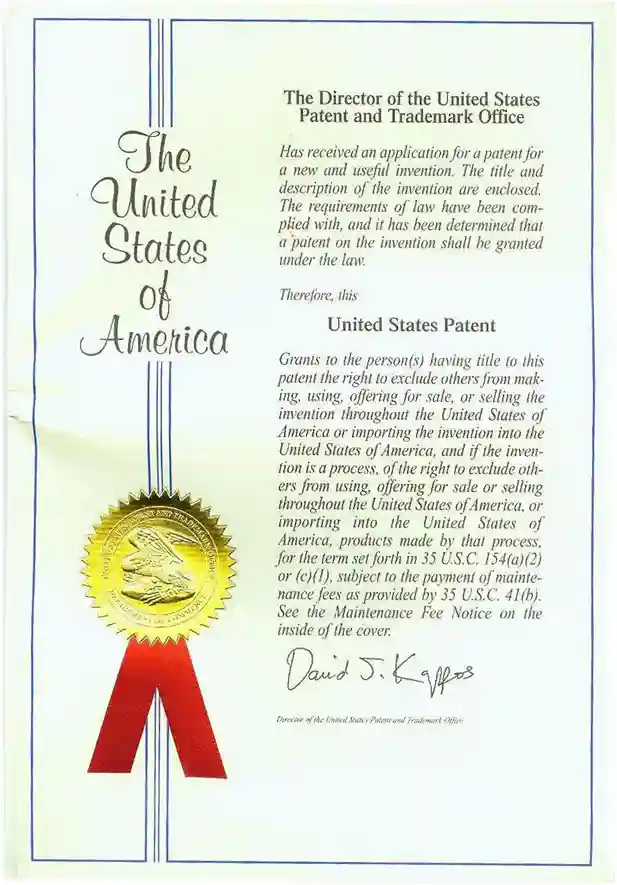
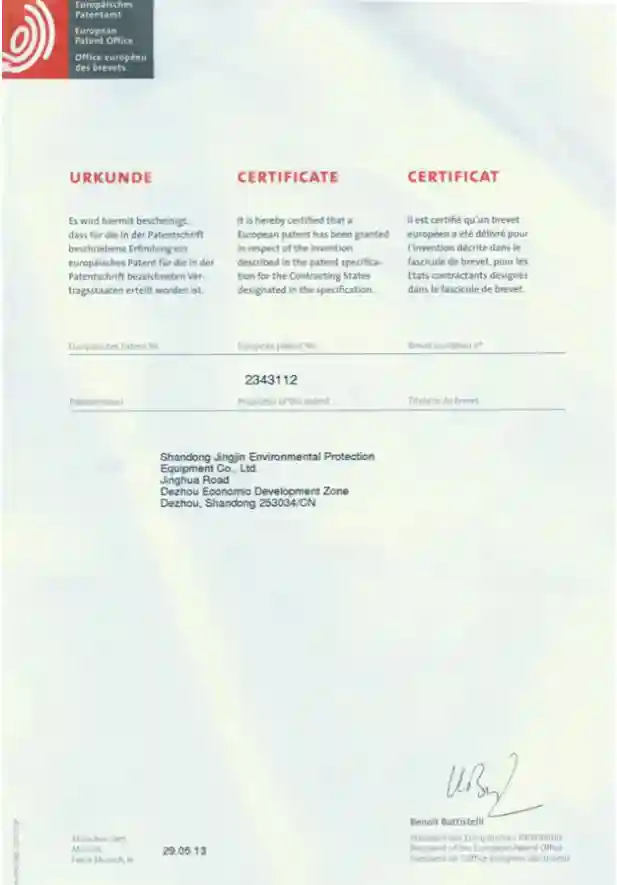
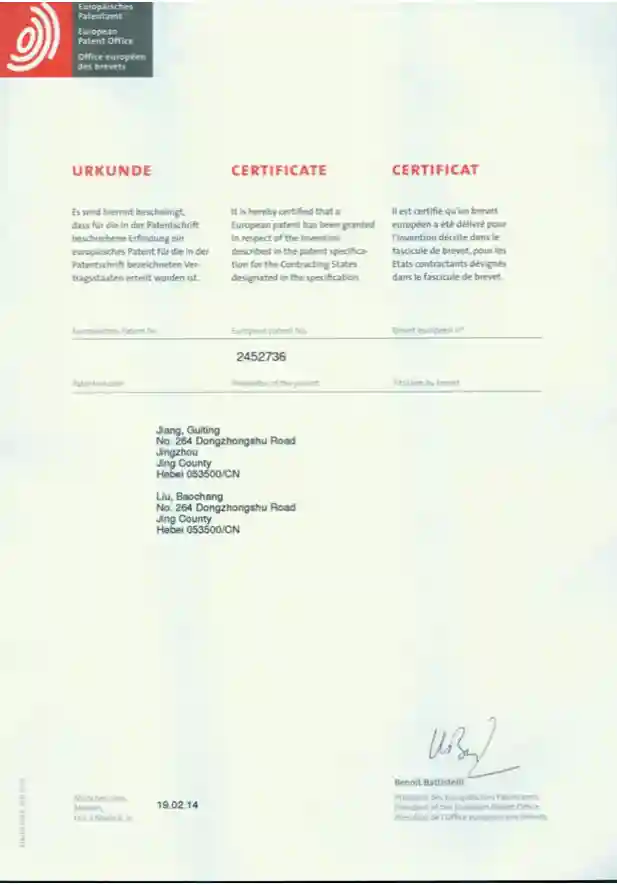
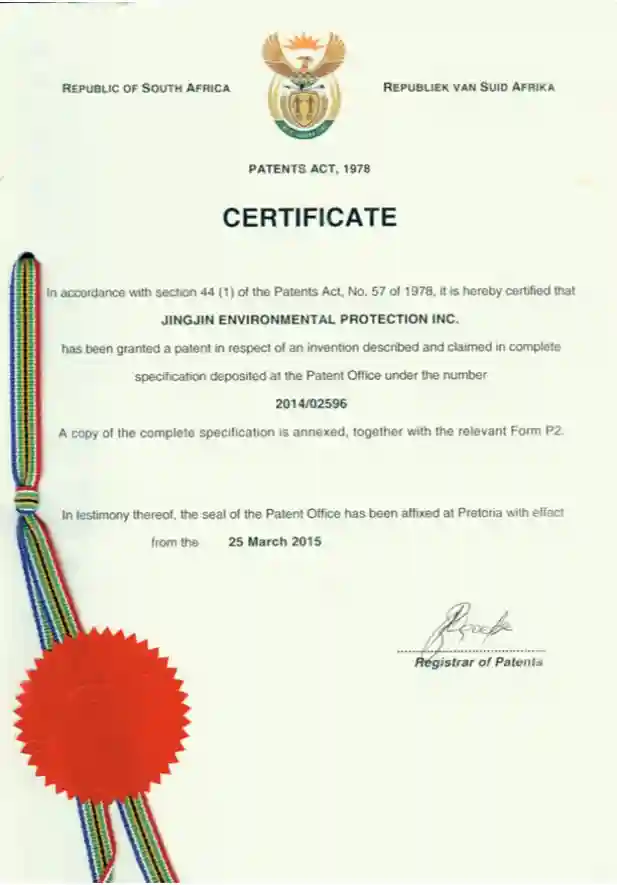
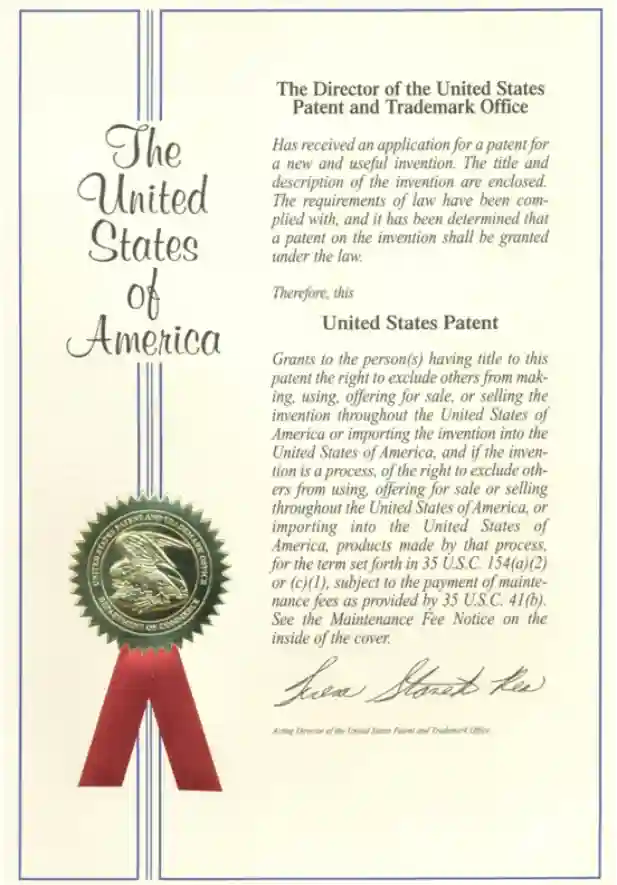
To get around the complicated world of pressure tanks and solid-liquid separation systems, you need a person you can trust who has a lot of experience in the field and a track record of success around the world. Jingjin Equipment Inc. has been in business since 1988 and is now one of the biggest companies in the world that makes filter press systems, filter plates, filter cloth, and other separate products. They have customers in 123 countries. We offer heavy-duty, high-efficiency filter technology for use in mining, chemical processing, environmental engineering, and wastewater treatment. We have over 136 patents and the ability to make a lot of these products.
Whether you're looking for strong low-pressure storage options that can work with draining systems or exploring high pressure tanks to support advanced filtration processes, our engineering team can help. We offer unique designs, strict quality control, and reliable support after the sale. Jingjin's full product ecosystem and global service network make sure that your operations are stable over the long term, operate very efficiently, and follow strict environmental rules.
Get in touch with us right away to talk about your project needs with our experts. You can email us at [email protected] or look through our full catalog to find out why procurement managers and plant operations leaders all over the world choose Jingjin as their partner for high pressure tanks and filter technology.
References
1. American Society of Mechanical Engineers. (2021). ASME Boiler and Pressure Vessel Code, Section VIII: Rules for Construction of Pressure Vessels. New York: ASME Press.
2. International Organization for Standardization. (2020). ISO 11439: Gas Cylinders – High Pressure Cylinders for the On-Board Storage of Natural Gas as a Fuel for Automotive Vehicles. Geneva: ISO.
3. Perry, R. H., & Green, D. W. (2019). Perry's Chemical Engineers' Handbook (9th ed.). New York: McGraw-Hill Education.
4. American Petroleum Institute. (2018). API Standard 650: Welded Tanks for Oil Storage (13th ed.). Washington, D.C.: API Publishing Services.
5. European Committee for Standardization. (2014). EN 286-1: Simple Unfired Pressure Vessels Designed to Contain Air or Nitrogen – Part 1: Pressure Vessels for General Purposes. Brussels: CEN.
6. Sinnott, R. K., & Towler, G. (2020). Chemical Engineering Design: Principles, Practice and Economics of Plant and Process Design (6th ed.). Oxford: Butterworth-Heinemann.
jingjin
Founded in 1988, Jingjin specializes in filter presses and liquid-solid separation solutions, serving over 130 countries worldwide, and is a standard-setter in China's filter press industry.
Get the Filter Press guide
Enter Your Email for Technical assistance for the Filter Press.


Recommended Blog
Screw Dewatering Machine Cost from China for Asia Importers

Feed Pump Flow Rate for Filter Press: How to Calculate and Optimize It
Why Vietnam Factories Prefer China Membrane Plate Filter Press?