Filter Press Fabric for Efficient Mining Filtration
Understanding Filter Press Fabric in Mining Filtration
- Understanding Filter Press Fabric in Mining Filtration
- Key Performance Factors of Filter Press Fabric in Mining Applications
- How to Choose the Best Filter Press Fabric for Mining Filtration
- Procurement Guide for Filter Press Fabric in the Mining Industry
- Maintaining Filter Press Fabric for Long-Term Efficiency in Mining
- Conclusion
- FAQ
- Partner with Jingjin for Superior Filter Press Fabric Solutions
- References
Choosing the right filter press fabric is very important for mining activities that need to separate solids from liquids. This very fine industrial cloth is the most important barrier in filter presses. It keeps solid particles inside while letting filtrate flow through under pressure. Mining engineers know that picking the right filter media has a direct effect on throughput, cake moisture content, and general plant efficiency. This means that choosing fabric is more of a strategic choice than a simple buy.
Understanding Filter Press Fabric in Mining Filtration
The Core Functionality of Filter Press Fabric
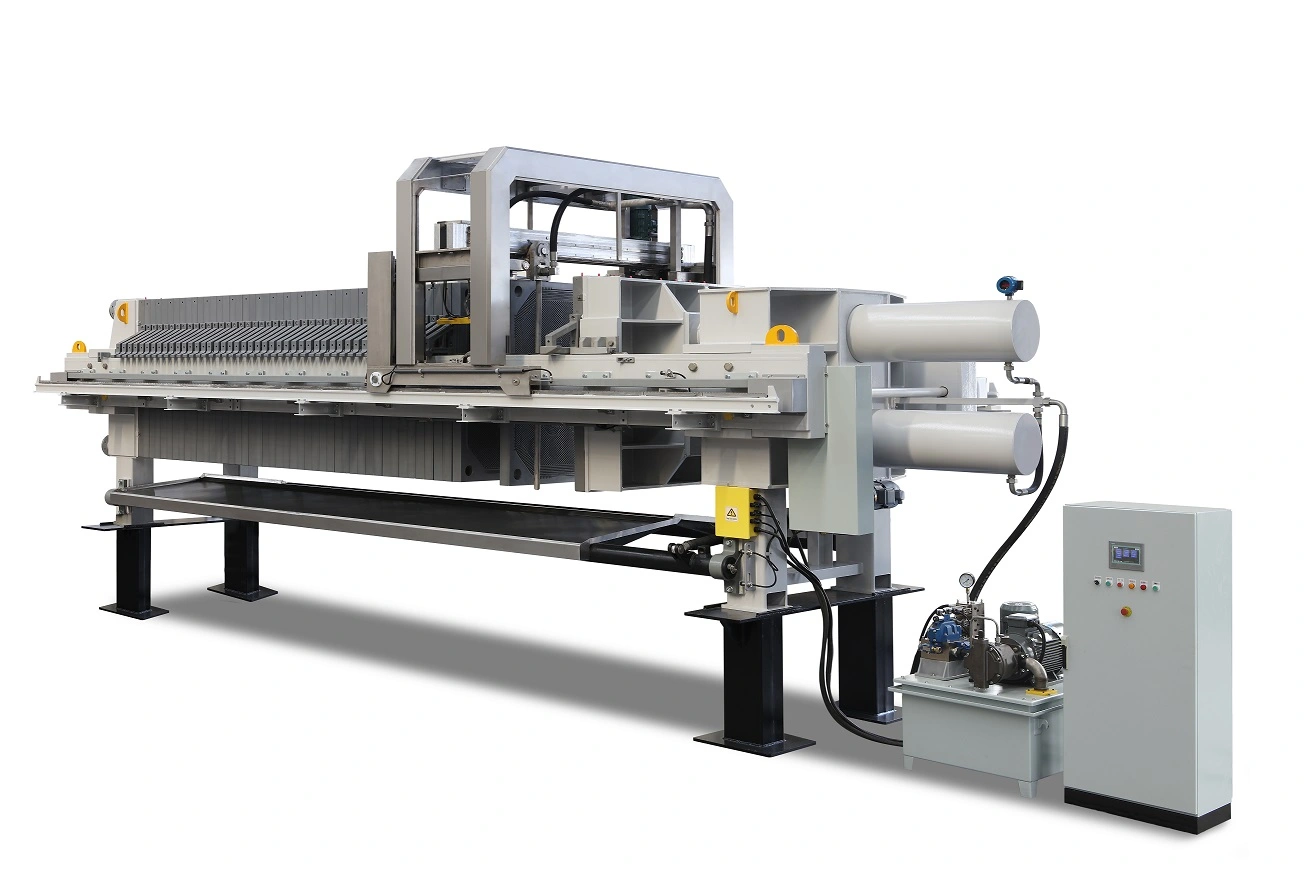
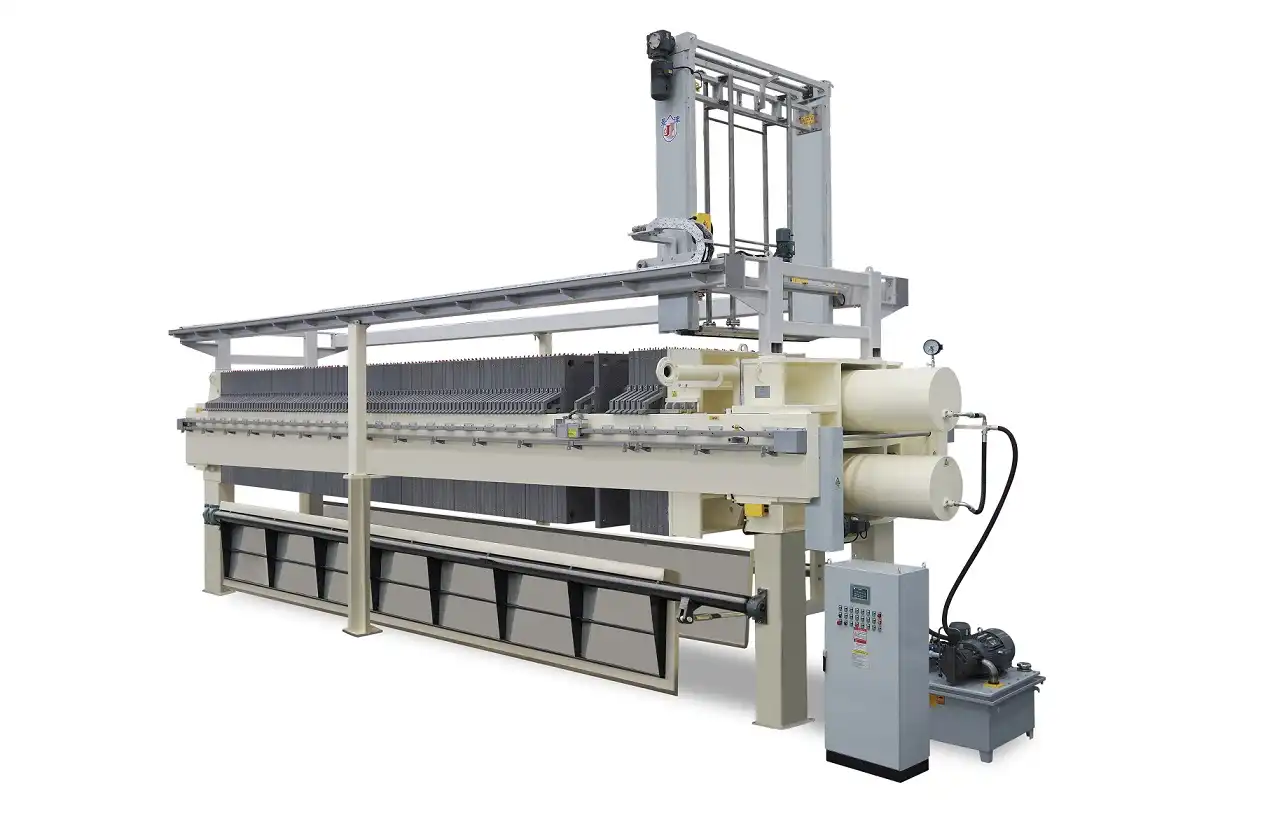
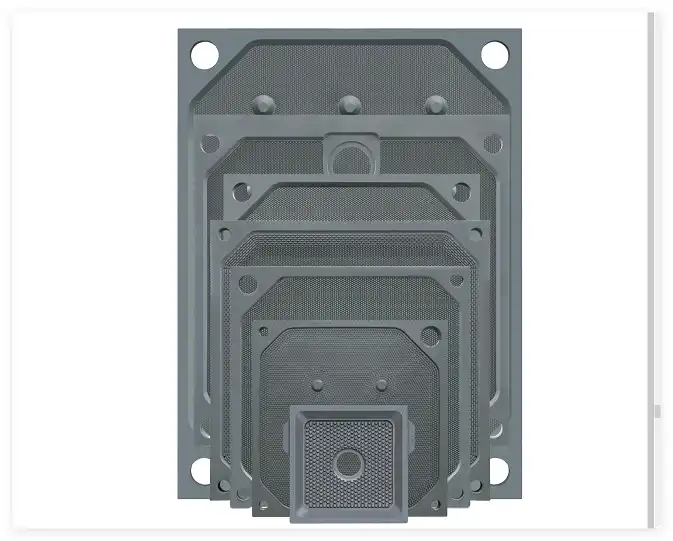
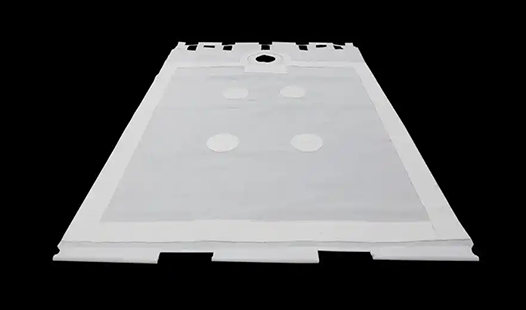
Plate-and-frame, recessed-chamber, and membrane filter press methods all use filter press fabric as their main way to separate materials. When slurry goes into the press under high hydraulic pressure, the fabric holds on to the solids but lets the liquids pass through. As this process goes on, it builds up a filter cake on top of the fabric until the press is full. How well the fabric handles particle capture, filtrate clarity, and cake discharge depends on its weave structure and material qualities.
The division process solves several important practical problems. "Blinding," which is when pores get clogged too soon, slows down output and makes cycle times longer. Solids stick to the fabric surface firmly when cake release isn't good, making discharge harder and requiring manual help. When high tightening forces cause a mechanical failure, it costs a lot to fix or replace the part. These problems are lessened by modern fabric engineering, which chooses the best materials and weave designs.
Types and Materials of Filter Press Fabric
It is helpful for mining activities to know the difference between woven, non-woven, and hybrid structures. Woven materials are the most common type used in mines because they are very strong and don't stretch. While non-woven materials are great for deep filtration, they don't usually last long enough for abrasive mine slurries. Composite fabrics combine the best features of surface and deep filtering, keeping particles in better while allowing for reasonable pressure drops.
The choice of material has a big effect on how well a fabric works in mine settings. Polypropylene is very resistant to acids and bases, which means it can be used for chemically active waste. Polyester is very strong when pulled apart and stays the same temperature over time. It can also survive high-pressure processes without changing its shape. When working with sharp rock pieces and high-density mineral concentrates, nylon is better at resisting wear and tear. Depending on the slurry properties, working temperature, and chemical contact, each material has its own benefits.
Technical Specifications for Mining Applications
A fabric's air permeability measures filtrate flow. Litres per square decimetre per minute at various pressures are typical. Transparency speeds filtering but may make particle retention tougher. The micron rating indicates the smallest particle size the cloth can consistently pick up. This rating might be 1 to 500 microns, depending on the application. Tensile strength, measured in pounds per square inch (Nelsons), indicates how well the fabric resists hydraulic closure and cake weight.
Division is greatly affected by weave patterns. Plain weaves keep tiny particles in with tight, uniform pores. Twill weaving captures particles while letting more air through. The smooth surfaces of satin weaves make cakes simpler to remove. This speeds discharge and prevents residue. Many modern mine textiles feature calendered finishes, which are heat-set to crush fibres on the surface to provide smooth, non-stick surfaces that improve cake discharge.
Key Performance Factors of Filter Press Fabric in Mining Applications
Advantages of High-Quality Filter Press Fabric
Buying high-quality filter press fabric has real practical benefits that make up for the higher costs up front. Better filter results in a cleaner filtrate with fewer suspended solids, which lets water be reused and cuts down on the need for fresh water. Less cake wetness means less weight to move and less money to pay to get rid of. This is especially important for mining operations that deal with thousands of tons of tailings daily. Longer service life means that things don't need to be replaced as often, which saves money on materials and time spent on replacements.
Another great benefit is that operations can continue without interruption. Quality materials don't wear out too quickly and keep working the same way after hundreds of filter rounds. This dependability cuts down on unplanned maintenance that gets in the way of production plans. Automated filter presses need fabrics that are designed to release cakes cleanly because uneven discharge causes system faults and requires help from an operator. It's also better for the environment when filtering systems regularly make low-moisture cakes that meet the rules for disposal.
Common Operational Challenges and Solutions
Mining filter managers often run into three main fabric problems. Fine particles get into the structure of the fabric and block internal routes. This causes the pressure drop to rise over time and cycle times to lengthen. Regular cleaning with the right chemicals and high-pressure water washing can return permeability, but the fabric needs to be replaced when cleaning doesn't work anymore. Preventing early clogging can be done by choosing fabrics with the right micron grades for the particle sizes that will be present.
Most of the time, tears happen because the closing edges are under too much mechanical stress or because of sharp particles in violent slurries. In tough situations, reinforced edge stitches and materials that don't wear down easily make fabrics last longer. Chemical harm shows up as fiber breakdown, loss of mechanical strength, and changes in size. It is important to match the fabric material to the chemical environment. For example, using polyester in highly alkaline conditions or polypropylene in acidic slurries keeps the fabric from breaking down too quickly. Regular checks help find early signs of wear and tear before they become too big to fix.
How to Choose the Best Filter Press Fabric for Mining Filtration
Critical Procurement Criteria
Material fit is the most important factor in the decision process. Look at the pH, temperature ranges, and chemical makeup of the slurry to find good filter press fabric materials. Minerals that are rough and contain quartz or other hard bits need nylon or polyester that has been strengthened. Process waters that are acidic from sulfide ore handling need polypropylene or polyester mixes that are resistant to acid. Temperature changes can affect the stability of dimensions. Fabrics need to stay in the same tension across all operating temperature ranges to avoid leaking or breaking.
Filtration accuracy needed for filtration depends on what comes after and the limits for release into the environment. Finer micron rates catch smaller particles, but they also cause more pressure drop and make cycle times longer. The filtering process goes faster with coarser rates, but the clarity requirements may not be met. To find the best balance between particle retention and flow optimization, you need to know how the particles are distributed in the feed slurry and how much solids are allowed in the filtrate. A cost-effectiveness analysis should look at the total cost of ownership, which includes the purchase price, the expected service life, the upkeep needs, and how the cake's moisture content affects the cost of removal.
Comparative Material Analysis
Polyester filter press fabrics work very well in neutral to slightly acidic conditions and can handle temperatures up to 150°C. The high tensile strength of the material makes it suitable for challenging high-pressure uses, and its dimensional stability stops the fabric from stretching, which can lead to seal leaks. Polyester has a middling resistance to wear, which means it works well for tailings with round particles but not so well for ore grades that are sharp and angular.
Polypropylene works well in situations that are strongly acidic or alkaline. It can handle pH levels from 1 to 14 without breaking down. Because it's cheaper than polyester, it's good for replacing a lot of things at once, but it can't be used in very high-pressure systems because it's not as strong when pulled apart. Because the material has less wear resistance, it needs to be carefully looked at when working with very rough slurries. Nylon is better at resisting wear and tear than other materials when it comes to ore processing. But because it is sensitive to acidic conditions, it can only be used in neutral or alkaline settings. Because the material is more expensive, it is the best choice for businesses that value long-term cost savings over initial cost.
Custom-Engineered Solutions
Standard stock materials work well for many mining tasks, but custom-engineered options are better for more complicated tasks. Manufacturers can change the weave patterns to get the best permeability for different particle sizes. When you mix different types of fibers, you get different performance properties. For example, acid-resistant polypropylene warp threads and abrasion-resistant nylon weft threads work together to make fabrics that can handle harsh chemical and abrasive conditions. Surface processes improve the way cakes release or make materials more resistant to chemicals beyond what the base material can do.
Working with skilled manufacturers lets you customize the fabric to meet specific operating needs. Engineers can come up with the best solutions by getting specific information about the slurry's chemical makeup, particle size distribution, temperature ranges, and goal cycle times. Pilot testing makes sure that the fabric works well before it is used on a large scale. This lowers the risk of choosing materials that aren't right for production settings.
Procurement Guide for Filter Press Fabric in the Mining Industry
Sourcing from Trusted Suppliers
To find trustworthy filter press fabric suppliers, you need to look at a number of trustworthiness signs. Established makers with decades of experience in the field usually have strict quality control procedures and a lot of technical know-how. Companies that serve the mining industry around the world are aware of the strict performance standards and laws that apply in each area. Original equipment maker (OEM) partnerships make sure that the specs of the fabric fit the tolerances of the press design. This prevents compatibility problems that lead to leaks or failure before they happen.
Authorized wholesalers add value by keeping goods in stock locally, which cuts down on the time it takes to get replacements. They usually keep technology support staff on hand who know how to use regional mining software and can help with choosing fabrics and fixing problems. Checking the certificates of suppliers, like ISO 9001 quality management systems, shows that they are committed to using consistent manufacturing methods. Asking for case studies or references from mining uses that are similar can help you understand how the fabric works in real life and how reliable the provider is.
Commercial Considerations
The price of filter press fabric changes a lot depending on the type of material, the difficulty of the weave, and the size of the order. When you buy in bulk, you save a lot of money. Orders that are bigger than the minimum manufacturing amounts often get discounts of 15–30% compared to small-lot prices. Standard catalog sizes are available right away, while custom-engineered fabrics need 4 to 8 weeks to make because they need to be made in a special way. Planning to change fabrics during planned repair breaks keeps production from being interrupted by late deliveries.
Comparing unit prices is not as good an economic study as looking at the total cost of owning. Premium fabrics that cost 40% more at first but last twice as long are a better deal because they require less repair work and can be used for longer periods of time. Forecasting volume based on past replacement intervals allows for smart buying that takes advantage of bulk prices while lowering the costs of keeping too much inventory on hand. When you establish a relationship with a seller and make regular orders, you can often get better prices and faster production schedules.
Maintaining Filter Press Fabric for Long-Term Efficiency in Mining
Cleaning Protocols and Best Practices
Cleaning methods that get rid of built-up mining sludge without hurting the filter press fabric structure are the first step in proper upkeep. Between filtering rounds, high-pressure water cleaning at 1000 to 1500 psi can get rid of most mineral deposits. Adding the right cleaning agents makes it easier to get rid of tough stains. For example, acidic solutions break down carbonate scale, and alkaline soaps remove organic binders in mineral slurries. To keep fibers from breaking down, chemical selection must take fabric material suitability into account.
Ultrasonic cleaning is a more advanced way to restore valuable fabrics that have lost their ability to let water through after regular washing. High-frequency sound waves are used to loosen particles that are stuck deep inside fabric holes. The process doesn't use mechanical stress, which can damage fibers. As per safety rules, workers must wear the right gear when handling cleaning chemicals and setting up control systems to keep the environment from getting dirty from wash water that contains mine waste and cleaning agents.
Extending Service Life Through Preventive Care
Your filter press cloth supplier recommends regular checks to detect fabric issues before they ruin the filtration system. Weekly visual examinations reveal damaged seams, worn patches, and chemically worn colouring. You can tell if the cloth is expanding or changing size by measuring its stiffness across the filter plates, which makes the closure less effective. Cycle times, pressure drop patterns, and cake moisture content might indicate when performance is declining and a new fabric is needed.
Strategic replacement scheduling uses fabric and failure risk. Replacing textiles at 70–80% of their projected service life prevents breakdowns during manufacturing. When mining firms adopt preventative maintenance plans instead of reactive replacement, unplanned downtime lowers by 20–30%. Having enough spare fabric allows for immediate replacement if it fails, reducing manufacturing losses.
Conclusion
Choosing the right filter press fabric is a strategic choice that has a direct impact on the efficiency, environmental compliance, and prices of the mining process. Knowing about the different kinds of fabrics, their materials, and how they work lets you make smart purchases that balance the cost of the purchase at first with its value over time. Superior fabrics made for specific mine uses provide measured benefits by improving filtration efficiency, lowering upkeep needs, and increasing service life. Mining companies that do well work with suppliers that have been around for a while and can offer professional advice, solid product quality, and quick help throughout the fabric lifecycle.
FAQ
Q1: How often should mining operations replace filter press fabric?
How often should the mining industry change the filter press fabric? Replacement times depend on a number of factors, such as how rough the slurry is, how much pressure is being used, and how often it is cleaned. In normal mining situations, they should last between 6 and 12 months, but in harsh settings with very rough particles or very strong chemicals, they may need to be replaced every 3 to 6 months. Instead of just following time-based plans, it's better to keep an eye on performance measures. For example, longer cycle times, higher pressure drops, or decreasing cake moisture are all signs that the fabric needs to be replaced. Operations that work with less rough materials and good cleaning methods can sometimes make fabric last longer than 18 months.
Q2: Can filter press fabric handle highly acidic mining sludges?
Acid protection depends on the fabric material choice. Polypropylene fabrics can handle pH levels as low as 1 without breaking down too much. This means they can be used in acidic sulfur ore processing and acid mine drainage. Acid-resistant polyester mixes work just as well but have better mechanical qualities. Standard polyester and nylon don't stand up well to acid and break down quickly in places that are very acidic. Giving suppliers specific information on the chemistry of the slurry ensures that they make the right material suggestions that keep chemical attacks from causing early failure.
Q3: What certifications verify filter press fabric quality?
If a company has ISO 9001 certification, it means they have written quality control systems that make sure work processes are always the same. Material certifications make sure that the function and makeup of the fibers meet the requirements. Reports from outside testers on tensile strength, air flow, and chemical protection give accurate information about how well something works. Asking for certificates of conformance with every fabric order makes it easier to track goods and makes sure they meet the requirements of the buyer.
Partner with Jingjin for Superior Filter Press Fabric Solutions
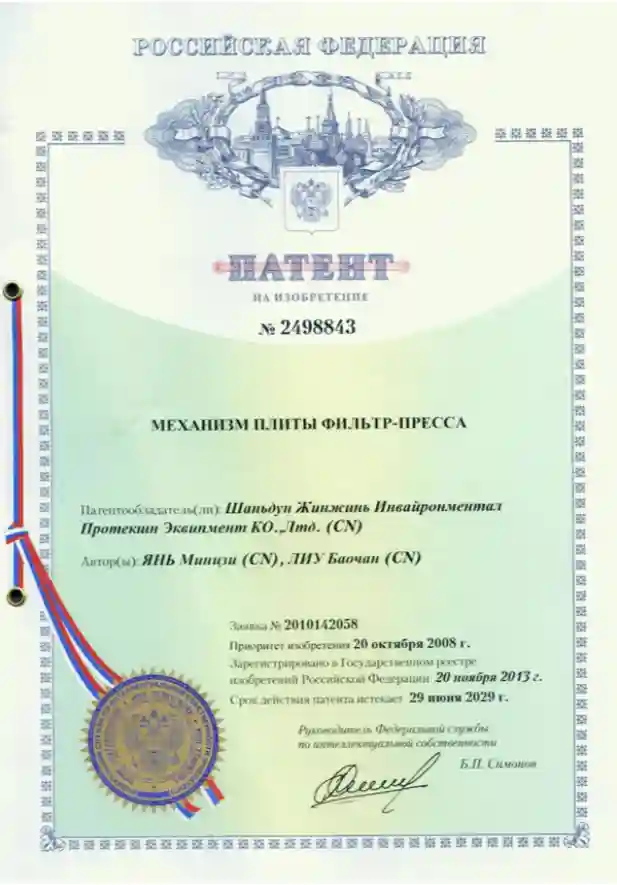
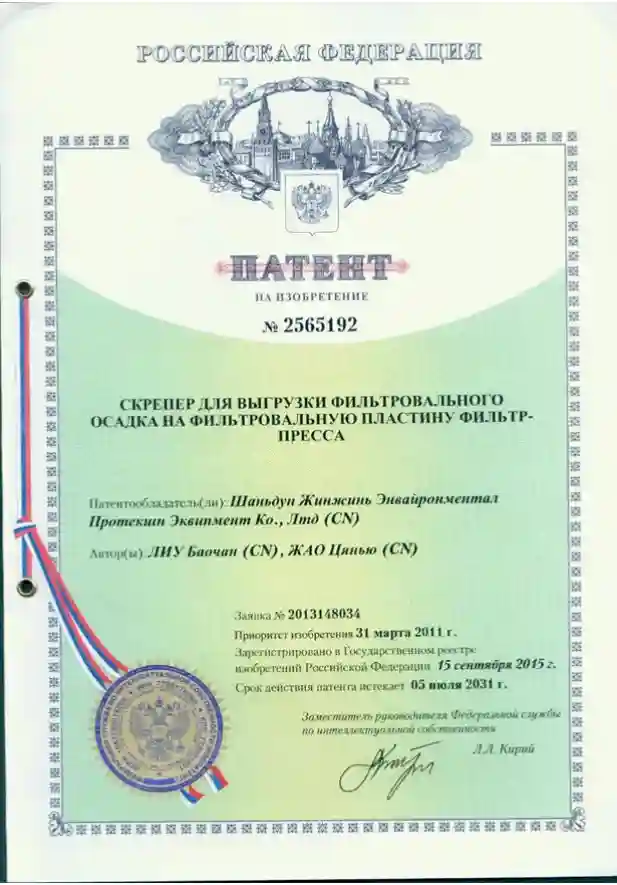
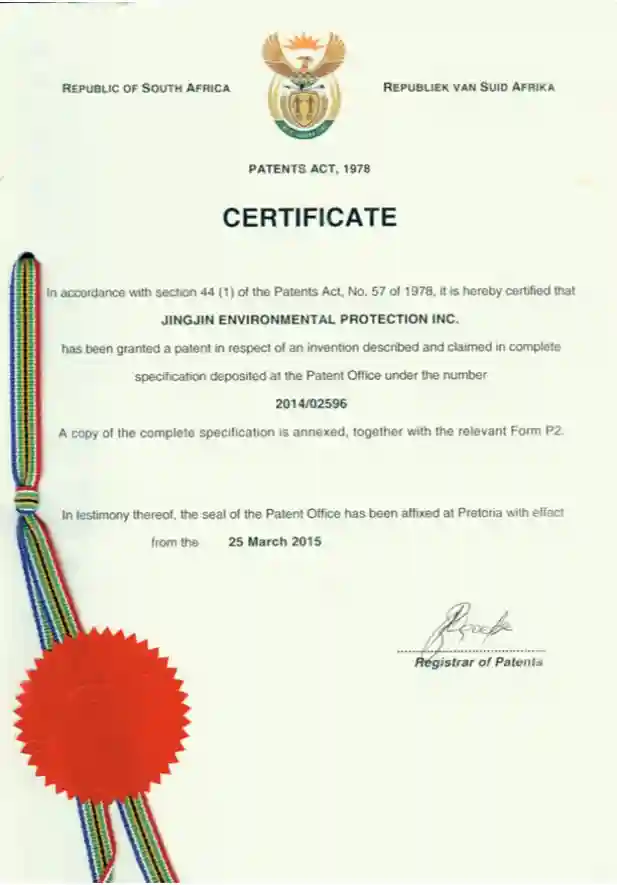
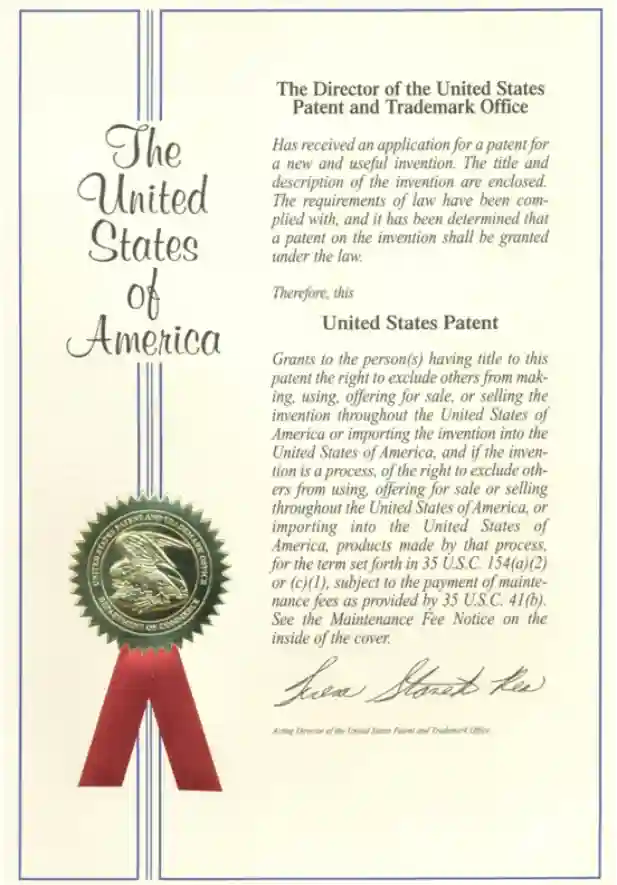
Jingjin has a lot of experience making specialized filter press fabrics, which helps mining operations that need reliable filtering media. Our research team works with our experts to choose fabrics that are best for the type of slurry, the conditions of use, and the performance goals. We can make products for 123 countries and have over 136 patents that protect our filtration technology. We offer safe products with full expert support. Email our team at [email protected] to talk about your mine filtration problems and ask for fabric examples that show how good our work is. Jingjin offers full solid-liquid separation options that cut down on long-term costs and improve operational efficiency.
References
1. Smith, J.R., and Thompson, M.L. (2021). Industrial Filtration Fabrics: Materials, Performance, and Applications in Mining. Mining Engineering Press.
2. Anderson, K.P. (2020). Solid-Liquid Separation Technologies for Mineral Processing. International Journal of Mineral Processing, 45(3), 234-251.
3. Chen, W., and Davis, R.H. (2019). Filter Press Technology: Design, Operation, and Maintenance for Heavy Industry. Industrial Press Inc.
4. Williams, S.T. (2022). Advanced Materials for Filtration Applications in Harsh Environments. Journal of Industrial Textiles, 38(2), 112-130.
5. Martinez, L.A., and Roberts, C.J. (2020). Optimizing Filter Press Performance in Mining Operations: A Practical Guide. Society for Mining, Metallurgy & Exploration.
6. Taylor, D.M. (2021). Textile Engineering for Solid-Liquid Separation: Weave Structures and Performance Characteristics. Textile Research Journal, 91(7), 890-907.
jingjin
Founded in 1988, Jingjin specializes in filter presses and liquid-solid separation solutions, serving over 130 countries worldwide, and is a standard-setter in China's filter press industry.
Get the Filter Press guide
Enter Your Email for Technical assistance for the Filter Press.
Recommended Blog
China Filter Press Equipment Pricing for Industrial Buyers
What Is a Multi Disk Screw Press and How Does It Work in Industrial Dewatering?
Affordable Press Filter Machines for Wastewater Treatment: Best Options in 2026