Plate Wear and Damage: Causes and Prevention Strategies
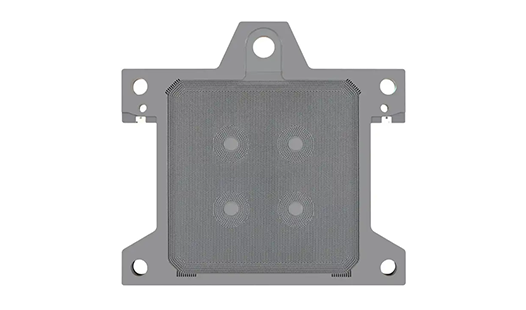
One of the most common problems with filter press plates is that they break away and wear out over time. This needs to be fixed right away or it could seriously hurt the filtering system and need to be replaced, which will cost a lot of money.
Common Causes of Plate Wear:
- The slurry has parts that are rough.
- Processes with very high pressure
- Changes in corrosion caused by
- During the repair process, treating things wrong
Prevention Strategies:
If you want to keep your filter press plates in good shape and make them last longer, you might want to do the following things:
- Find the right materials for the plates by choosing plates that are made of materials that can handle the conditions you have chosen for filtering. In the case of polyethylene plates, they are very resistant to chemicals, while cast iron plates are better for uses that involve rough materials because they last longer.
- Making sure that the filter press is used in the right pressure range will help get the best working pressure. These steps will keep the plates from being put under too much stress.
- Setting up regular inspections and teaching staff the right way to handle plates is important. Therefore, you will be able to spot early signs of wear and make sure that the right repair steps are taken.
- Use coats that protect: One effective way to make plates more resistant to wear and chemical attack is to coat them with certain materials.
If you take care of these issues, your filter press system may last a lot longer. This will also greatly reduce the amount of plate wear that happens.
Cake Release Issues: Improving Filtration Efficiency
To keep the efficiency of filter press processes high, it is very important to have a cake release that works well. Sometimes, filter cakes stick to the plates or don't discharge properly, which can make the cycle last longer and make the filtering process less effective.
Factors Contributing to Poor Cake Release:
- Inadequate plate surface finish
- Improper cloth selection
- Overcaking or undercaking
- Insufficient air blow or core blow pressure
Solutions for Improved Cake Release:
If you want to make cake release work better and your filtering process run more smoothly, you should think about the following strategies:
- To get the best design on the plate surface, choose plates with surface treatments or texture patterns that make it easier for the cake to come off. Several new plate designs have non-stick coverings or surfaces that were made to make the process of unloading easy.
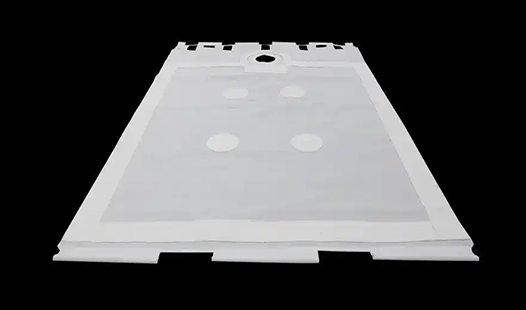
- In order to pick the right filter cloth, you should make sure that the filter cloth's specs match the needs of your application. Cake release can be greatly affected by several things, such as the fabric's weave pattern, its breathability, and its composition.
- To get the best cake shape, you should change the cycle times, feed rates, and pressure. Make small changes to the screening settings. It's possible that this will need to be tested with different settings to find the best mix between how thick the cake is and how well it releases.
- If you want to improve air blow systems, make sure that your filter press has either a core blow system or an air blow system that works. Having the right air pressure and spread may make it much easier to release the cake.
- Adding vibration helps: For really tough jobs, it's a good idea to think about adding plate vibration devices to help with cake release.
When these factors are taken into account, it is possible to greatly improve the speed of cake release and the general efficiency of filters.
Leakage and Sealing Problems: Ensuring Proper Containment
There could be leaks between the filter press plates, which could make the filtering less effective, contaminate the liquid, and even lead to safety hazards. If you want to keep the purity of your filtering process, you need to take care of any closing issues that come up.
Common Causes of Leakage:
- Plate seals that are broken or worn out
- Plates not lined up correctly
- A pressure spread that isn't even
- The way the plate is bent or warped
Strategies to Prevent Leakage:
The following steps should be taken to make sure that your filter press system is properly covered and contained:
- A daily check for leaks and repair of caps: Set up a regular repair schedule to check plate seals for signs of wear, rust, or damage on a frequent basis. When cracks or other signs of wear are seen, seals should be changed right away.
- Make sure the plates are perfectly lined up before and after each upkeep task and while they are being put together. This will make sure the plates are lined up correctly. When plates aren't lined up right, pressure might be spread out unevenly, which could damage the seal.
- Change the device that closes the filter press so that it puts the same amount of pressure on all the plates. This will improve the closing pressure. And because of this, the covering stays the same during the whole screening cycle.
- At regular intervals, check the state of the plates for any signs of twisting, bending, or surface damage that might affect how the closing system works. To stop spills, take care of any problems right away.
- It is important to pick the right materials for the seal. When you choose the materials for your gasket, make sure they can handle the conditions of your business and close well. There are several important things to think about, such as the chemical protection, temperature tolerance, and tension set.
- Make sure the plates are completely cleaned in between rounds to get rid of any buildup or dirt that could stop the seal from working properly. This can be done by using the right methods for washing plates.
By paying attention to these parts of operating and maintaining a filter press, you can greatly reduce the number of problems with leaks and seals that happen. This will eventually improve the quality of the product and the filter press's ability to work more efficiently.
Conclusion
It is very important to keep the performance of filter press plates at their best so that solids and liquids can be separated effectively in many areas. By fixing common problems like plate wear, cake release issues, and leaks, operators can greatly increase the efficiency of filtering, cut down on downtime, and extend the life of equipment. To keep these problems from happening and make sure the filter press works perfectly, it is important to keep it in good shape, use the right materials, and make sure the settings are just right.
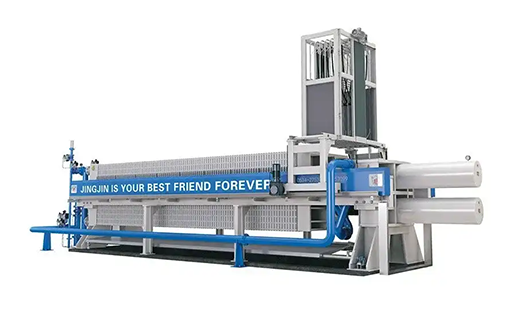
This is something that we at Jingjin Equipment Inc. are aware of: companies that use high-performance screening systems have trouble. We sell state-of-the-art filter press systems that are designed to meet the most specific sorting needs. Our company has been around for more than 30 years and does business in 123 countries around the world. Our range of filter plates, which are made with high-tech materials and exact engineering, last longer, release cakes more quickly, and lock better than ever.
If your business needs strong solid-liquid separation, Jingjin has the understanding and technology to help you improve your filtering processes, whether you are in the mining industry, wastewater treatment, chemical processing, or any other field. For the best results, our team of experts is ready to help you choose the right filter press plates and follow the best methods so that common problems happen less often and your operations run more smoothly.
FAQs
Q1: How often should filter press plates be replaced?
A: The lifespan of filter press plates varies depending on factors such as material, operating conditions, and maintenance practices. Generally, high-quality plates can last several years with proper care. Regular inspections should be conducted to assess wear and damage. Replace plates when they show signs of significant wear or deformation or when filtration efficiency noticeably decreases.
Q2: Can filter press plates be refurbished instead of replaced?
A: In some cases, filter press plates can be refurbished to extend their service life. This may involve resurfacing, recoating, or repairing minor damage. However, the feasibility and cost-effectiveness of refurbishment depend on the plate material, extent of wear, and specific application requirements. Consult with a filtration expert to determine if refurbishment is a viable option for your plates.
Q3: How can I improve filtration efficiency without replacing my current filter press plates?
A: Several strategies can help improve filtration efficiency with existing plates: 1. Optimize operating parameters such as pressure and cycle times. 2. Ensure proper plate cleaning and maintenance. 3. Use high-quality filter cloths suitable for your application. 4. Implement effective air blow or core blow systems for better cake release. 5. Consider adding plate vibration assistance for challenging materials. 6. Regularly inspect and replace seals to prevent leakage. By focusing on these areas, you can often enhance performance without immediate plate replacement.
High-Performance Filter Press Plates for Industrial Filtration | Jingjin
Want to make your filtration system better? Do you want to use reliable and functional filter press plates? At Jingjin Equipment Inc., you can choose from a large number of high-performance plates that were specifically made to meet the needs of industrial screening processes. The plates we make are made to last a very long time, let cakes slide off easily, and shut perfectly. This ensures the best filtering performance and the least amount of downtime for the business.
We can give you the right answer for your needs, whether it's for treating wastewater, handling chemicals, or drying out rocks. This is possible because we have options like plastic, stainless steel, and cast iron plates. To help you make your solid-liquid separation processes more effective, our skilled staff is ready to help you pick out the best filter press plates.
Check to see if screening that isn't ideal is slowing down your work. Please email Jingjin at [email protected] right away to talk about your filtering needs and find out more about how our state-of-the-art filter press plates can make your business more reliable and efficient.
References
1. Smith, J. (2022). "Advanced Filter Press Technology: Optimizing Solid-Liquid Separation." Industrial Filtration Quarterly, 45(2), 78-92.
2. Johnson, R., & Williams, T. (2021). "Maintenance Strategies for Prolonging Filter Press Plate Lifespan." Journal of Filtration Engineering, 33(4), 210-225.
3. Chen, L., et al. (2023). "Innovations in Filter Press Plate Design for Enhanced Cake Release." Separation Science and Technology, 58(7), 1145-1160.
4. Brown, A. (2020). "Troubleshooting Common Issues in Industrial Filter Press Operations." Filtration & Separation, 57(3), 22-28.
5. Garcia, M., & Lee, S. (2022). "Material Selection Criteria for Filter Press Plates in Corrosive Environments." Chemical Engineering Journal, 430, 132645.
6. Thompson, K. (2021). "Optimizing Filter Press Performance: A Comprehensive Guide." Industrial Water Treatment, 53(6), 45-52.