Why Pharmaceutical Plants Choose Membrane Filter Presses for GMP-Grade Dewatering?
Why Pharmaceutical Plants Choose Membrane Filter Presses for GMP-Grade Dewatering?
Understanding Membrane Filter Presses in Pharmaceutical Applications
- Understanding Membrane Filter Presses in Pharmaceutical Applications
- Why Membrane Filter Presses Are Ideal for Pharmaceutical Dewatering?
- Comparative Analysis: Membrane Filter Press vs Other Dewatering Technologies
- Selecting a Membrane Filter Press for Pharmaceutical Plants
- Best Practices for Operating and Maintaining Membrane Filter Presses in Pharma
- Conclusion
- FAQ
- Partner with Jingjin for GMP-Compliant Membrane Filter Press Solutions
- References
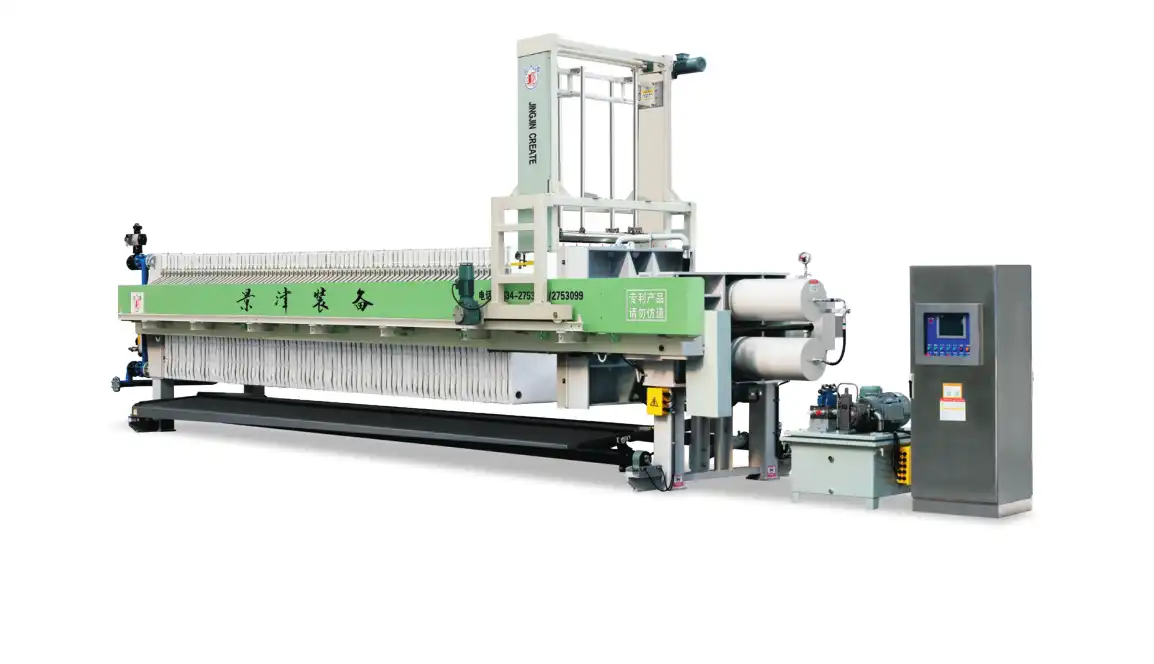
Pharmaceutical production follows rigorous GMPs. These criteria require quality and sanitation in every phase, including dewatering. Membrane filter presses have replaced other equipment for pharmaceutical industries seeking reliable, compliant solid-liquid separation. Elastic membranes inside filter plates allow a second squeezing following the initial filtering in these sophisticated devices. Traditional chamber presses generate substantially more cake moisture than this approach. This preserves product purity, saves disposal costs, and simplifies pharmaceutical production regulations.
Understanding Membrane Filter Presses in Pharmaceutical Applications
How Membrane Filtration Technology Works
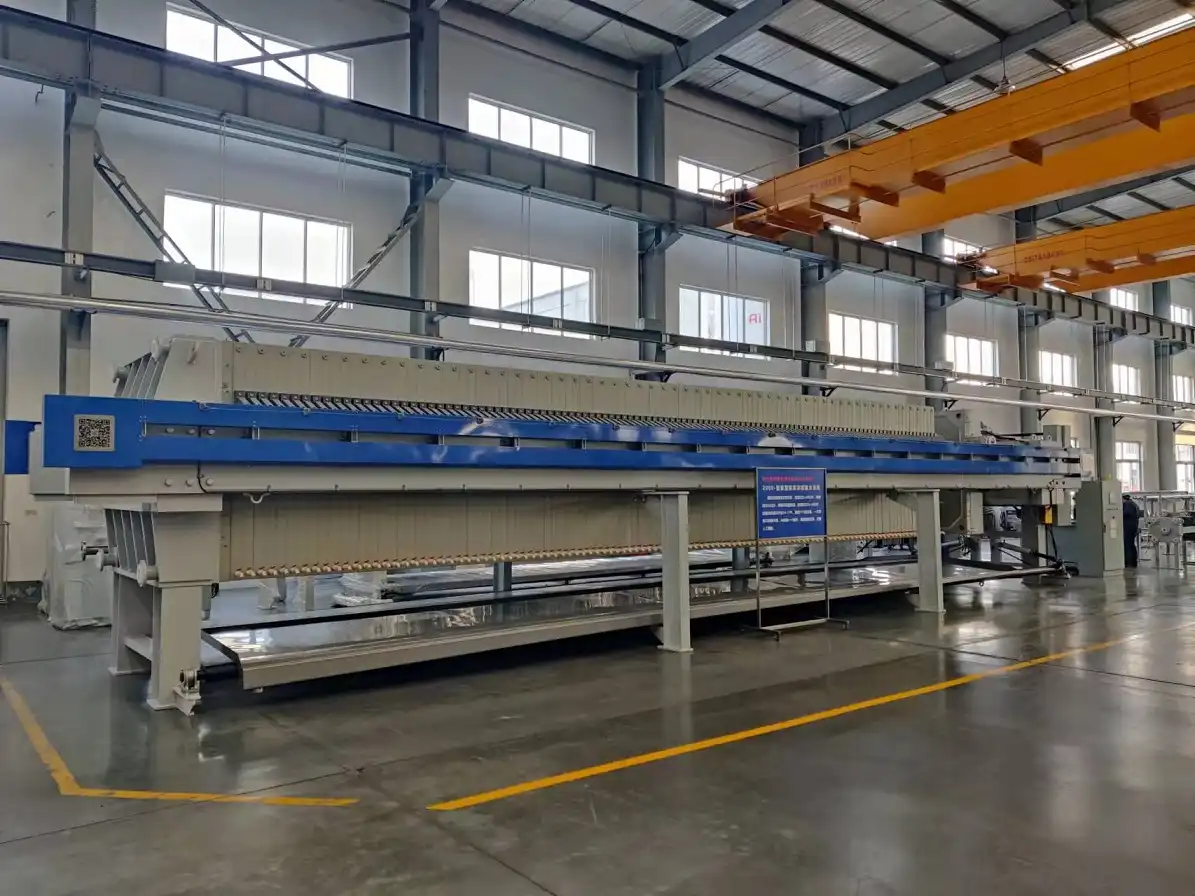
A membrane filter press has an elastic membrane between the filter plates and cloth. Slurry is pressed into the chambers as the machine runs, creating a filter cake. After feeding, high-pressure liquids or compressed air is pushed behind the membrane. This expands and compresses the cake. Squeeze filtering removes much of the cake's moisture. It reduces moisture by 10–25% compared to standard recessed chambers. This dries and stabilizes the cake, making it easier to handle and dispose of.
Supporting GMP Compliance Through Design
No contamination, uniform procedure, and thorough traceability are needed for pharmaceutical dewatering. How membrane filter systems are developed makes them ideal for these demands. Hygienic materials including polypropylene, food-grade synthetic rubbers (NBR, EPDM), and thermoplastic elastomers (TPE) resist chemical deterioration and leachates. Automatic control systems guarantee predictable cycle parameters in enclosed filter rooms, reducing airborne pollution. This reduces variance that might degrade product quality. These characteristics match GMP's guidelines for validating tools and documenting procedures.
Advantages Over Traditional Filtration Methods
Compared to plate-and-frame or chamber presses, the membrane filter press provides you with superior cake moisture and washing control. Only feed pressure leaves a lot of liquid in traditional presses. Membrane squeeze filtration evenly presses the cake surface, solving this issue. This eliminates channeling and removes all moisture. This characteristic is useful for bacterial fermentation broths, plant extracts, and pharmaceutical intermediates, where active ingredient purity is crucial.
Why Membrane Filter Presses Are Ideal for Pharmaceutical Dewatering?
Superior Cake Dryness and Product Quality
For medical uses, it's very important that the cake is just the right amount of dry. Remaining wetness can change the security of a product, the number of microbes that are present, and how well later processes work. Sometimes, membrane filtration systems can make the cake less than 60% wet, depending on the feed. They can sometimes drop it to 40%. This much drying out keeps delicate chemicals from breaking down, makes it easier to burn or safely get rid of the sludge, and lowers the cost of moving it. It helps keep active pharmaceutical ingredients safe during processing to be able to make cakes that are always dry.
Automation and Process Integration
These days, pharmaceutical production lines need to be able to work together without any issues and with little help from people so that mistakes and contamination are less likely to happen. It is possible for membrane filter presses to work with supervisory control and data acquisition (SCADA) systems and programmable logic controllers (PLCs). They can now set timers, watch the cycles live, and let them run on their own. The cake is cleaned well between batches by automatic washing systems. This keeps it from getting dirty when working with different product lines. This level of automation makes work go faster and easier, and it also helps facilities get ready for audits, which are both important for GMP-compliant facilities.
Hygiene and Cleaning Protocols
There are strict rules about how to clean and keep things clean in pharmaceutical settings. It is possible to clean membrane filter presses in place (CIP). In other words, cleaners and water can be used to flush plates, membranes, and filtrate channels without taking the machine apart. Plates that are easy to clean and have smooth, quick-release surfaces are better at keeping food clean. You can be sure that these features will keep the equipment clean while it safely switches between batches of goods. This is important for pharmaceutical processes.
Comparative Analysis: Membrane Filter Press vs Other Dewatering Technologies
Performance Benchmarks
Process engineers compare how well a technology filters, how much energy it uses, and how much of the product it recovers when they look at different drying technologies. When very little cake moisture is needed, membrane filter presses work better than centrifuges because rotational forces alone cannot squeeze the cake as much. Chamber presses that do not use membranes leave behind more water, which raises the cost of removal and makes drying take longer. Screw presses can work continuously, but they do not have the accuracy and cleanliness controls needed for pharmaceutical uses. The best mix is found between throughput, cake quality, and operational freedom in membrane technology.
Lifecycle Cost Considerations
The total cost of ownership includes more than just the original investment in cash. Membrane filter presses offer long-term savings through lower filter cake disposal costs, lower energy use during drying downstream, and longer equipment lives due to robust construction. With proper care, high-quality membrane plates from reliable makers can last between 50,000 and 100,000 cycles, which lowers the cost of repair. Automation and less downtime for cleaning and upkeep mean that fewer workers are needed, which increases the return on investment even more for pharmaceutical centers that are already working with limited funds.
Environmental and Regulatory Advantages
More and more, pharmaceutical plants are being pushed to make less waste and have less of an effect on the earth. By making filter cakes dry, membrane filter presses cut down on the amount of waste that needs to be incinerated or put in landfills. Less wetness also means less energy is used for thermal drying, which lowers the facility's carbon footprint. Regulatory agencies favor technologies that show they can save resources and reduce waste. This makes membrane filtration a strategic choice for facilities that want to go above and beyond basic compliance and show they care about the environment.
Selecting a Membrane Filter Press for Pharmaceutical Plants
Key Decision Criteria
When choosing membrane filter presses, procurement managers need to think about how much they can filter, how dry the cake needs to be, how big they are, and how automated they need to be. The number of plates in the pack and the size of each plate determine the capacity. Plates are usually between 15 mm and 50 mm thick to handle different cake amounts. Some automation choices are hydraulic closing systems, automatic plate moving, and PLC controls that are built in. Small designs that stack vertically may be preferred by facilities with limited floor space, while bigger plate packs and faster cycle times are better for high-throughput operations.
Evaluating Manufacturers and Suppliers
Leading producers around the world have decades of knowledge and a track record of success in pharmaceutical uses. Some companies, like Andritz, Alfa Laval, and Veolia, make membrane filter press models that are specifically made to meet GMP standards. These models come with paperwork packages that can be used to prove that the equipment works. To evaluate a provider, you need to look at their knowledge of pharmaceuticals, their ability to make changes, their supply of spare parts, and the size of their service network. Suppliers who offer installation support, user training, and quick expert help make sure that projects run smoothly and that operations are reliable in the long term.
Customization and Integration Support
Pharmaceutical processes often use slurries with special properties that need custom filter solutions. Membrane filter presses can be customized with different membrane materials, like PVDF for harsh uses, electrical parts that will not blow up in solvent-rich environments, and hygienic pipe connections that meet pharmaceutical standards. For new equipment to work with current batch management systems, filtrate recycling loops, and waste handling facilities, plant engineering teams and equipment providers must work together closely. When suppliers offer modular designs and different configuration choices, it is easier for them to fit into complex production settings.
Best Practices for Operating and Maintaining Membrane Filter Presses in Pharma
Operational Optimization Techniques
To get the most out of a membrane filter press, you need to find the best feed pressure, squeeze pressure, and cycle time. The first layer of cake is made when the feed pressure is between 0.6 and 1.0 MPa. Using the membrane to squeeze, the pressure runs from 1.2 to 2.5 MPa, based on how easily the cake can be compressed. Operators should keep an eye on the clarity of the filtrate and the structure of the cake discharge to spot changes that could mean the filter cloth or membrane is wearing out. Automated data logging lets you look at trends and plan repair ahead of time, which cuts down on unplanned downtime.
Scheduled Maintenance and Cleaning Protocols
Daily eye checks, weekly cleaning of filtrate outlets, and monthly checks of hydraulic seals and membrane stability should all be part of preventative maintenance plans. Based on the number of cycles or the loss of quality in the filtrate, filter cloths need to be replaced from time to time. Membranes can last tens of thousands of cycles if they are well taken care of and have the right pressure patterns. Cleaning procedures must follow GMP guidelines and use approved cleaning products and rinse methods to get rid of the risk of cross-contamination. Keeping specific records of repairs helps with regulatory checks and qualifying equipment.
Spare Parts and Supplier Support
A steady stock of spare parts is necessary to keep production breaks to a minimum. Filter cloths, membrane plates, hydraulic seals, and control system parts are some of the most important extra parts. Lead times and downtime costs can be cut by building ties with providers who keep local stock and offer quick responses. Service agreements that include regular training, yearly checks, and emergency support help keep operations running smoothly. Multinational pharmaceutical companies care a lot about suppliers with global service networks because they offer consistent support across multiple facility locations.
Conclusion
Pharmaceutical companies that care about GMP compliance, working efficiency, and environmental stewardship should consider purchasing membrane filter presses. The technology solves the main problems pharmaceutical companies have with solid-liquid separation by providing consistently dry filter cakes, meeting strict cleanliness standards, and working well with automatic production lines. Pharmaceutical facilities can meet the highest standards and work at their best with membrane filter systems because they lower the cost of waste, protect product quality, and make following the rules easier.
FAQ
Q1: How do membrane filter presses compare to centrifuges in pharmaceutical dewatering?
For compressible pharmaceutical products, membrane filter presses use mechanical squeezing to lower the end cake moisture content, which is more efficient than centrifugal force alone. Centrifuges may offer continuous operation but struggle with small particles and require higher energy input for similar dryness levels.
Q2: What maintenance practices are essential for GMP compliance?
It is important to do daily checks, follow cleaning routines with approved chemicals, write down preventative maintenance plans, and replace worn parts like filter cloths and seals. Compliance is always maintained by keeping thorough logs and re-qualifying equipment on a frequent basis.
Q3: Can membrane presses handle diverse pharmaceutical slurry types?
Yes, membrane filter presses can handle a lot of different slurry viscosities and solids ratios. Customization choices, such as choosing the membrane material (PP, NBR, EPDM, TPE, PVDF) and plate configurations, make it possible to handle fermentation broths, herbal extracts, and chemical intermediates effectively.
Partner with Jingjin for GMP-Compliant Membrane Filter Press Solutions
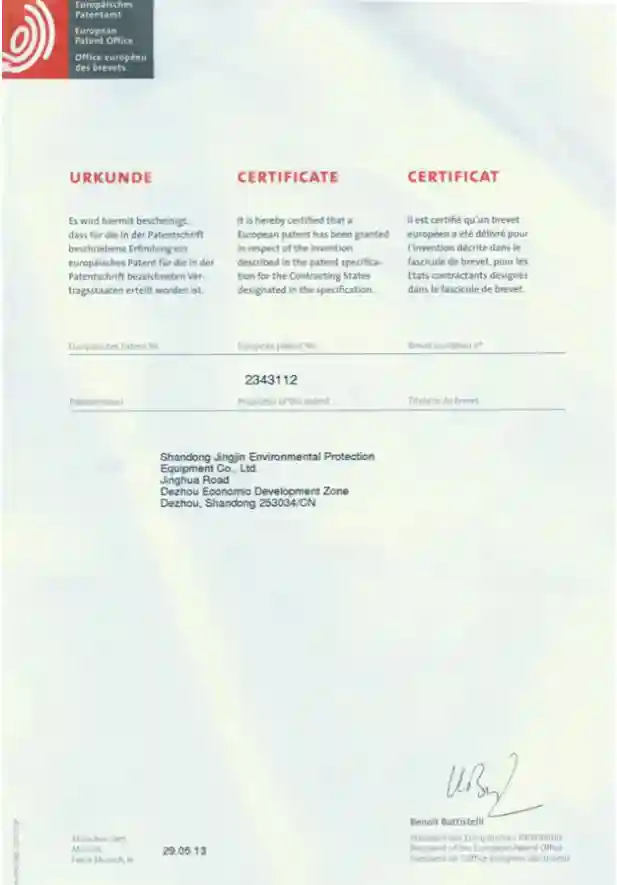
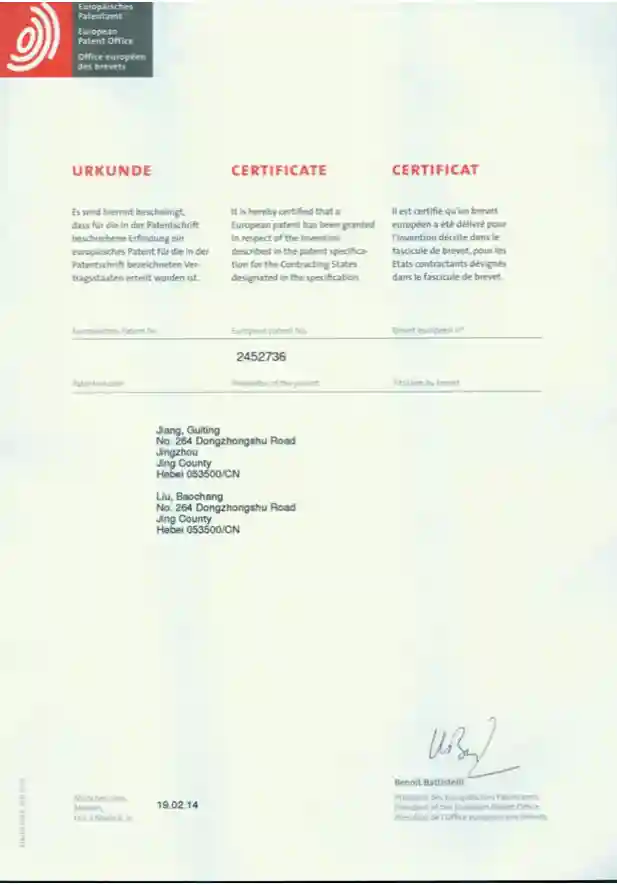
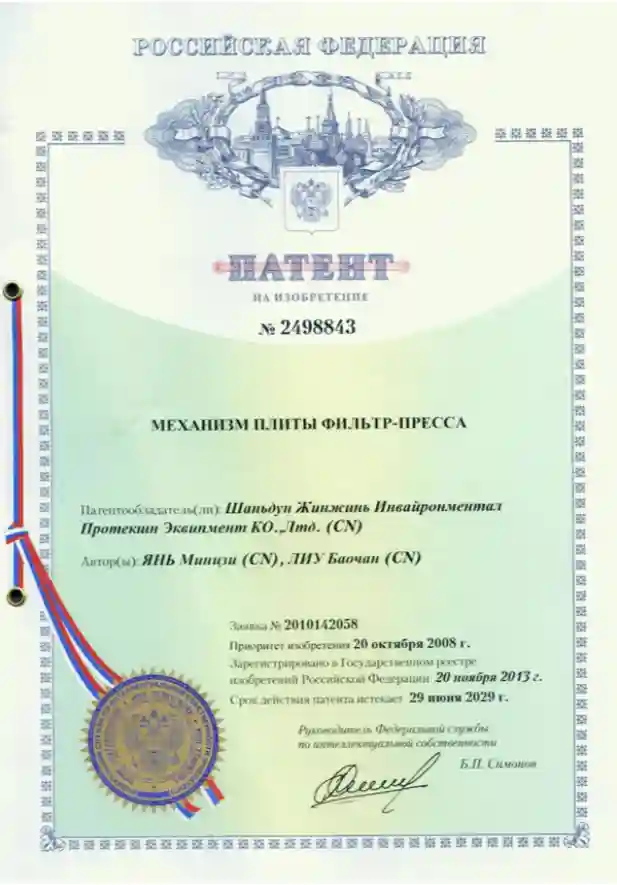
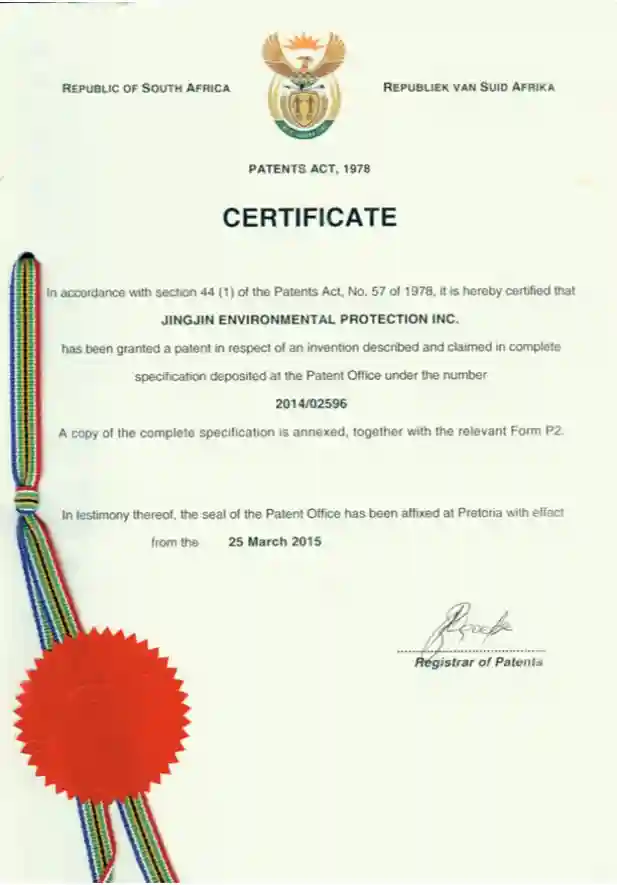
Since 1988, Jingjin Equipment Inc. has been a trusted maker of membrane filter presses. Their advanced filtration systems are used by pharmaceutical facilities in 123 countries and are designed to meet GMP standards and run smoothly. Our patented membrane technology, flexible designs, and full support services make sure that our products work well in pharmaceutical settings that are very demanding. Whether you need materials that do not rust, automated controls, or unique plate layouts, our team can help. We have over 136 patents and decades of experience in the field. You can talk to us about your pharmaceutical dewatering needs and set up a personalized meeting by emailing [email protected].
References
1. Wakeman, R.J., and Tarleton, E.S. (2005). Solid/Liquid Separation: Principles of Industrial Filtration. Elsevier Advanced Technology, Oxford.
2. Sutherland, K. (2008). Filters and Filtration Handbook (5th ed.). Elsevier, Oxford.
3. FDA Guidance for Industry. (2011). Process Validation: General Principles and Practices. U.S. Department of Health and Human Services, Food and Drug Administration.
4. Purchas, D.B., and Sutherland, K. (2002). Handbook of Filter Media (2nd ed.). Elsevier Science, Oxford.
5. Cheremisinoff, N.P. (1998). Liquid Filtration (2nd ed.). Butterworth-Heinemann, Woburn, MA.
6. ICH Harmonised Tripartite Guideline Q7. (2000). Good Manufacturing Practice Guide for Active Pharmaceutical Ingredients. International Conference on Harmonisation of Technical Requirements for Registration of Pharmaceuticals for Human Use.
jingjin
Founded in 1988, Jingjin specializes in filter presses and liquid-solid separation solutions, serving over 130 countries worldwide, and is a standard-setter in China's filter press industry.
Get the Filter Press guide
Enter Your Email for Technical assistance for the Filter Press.

Recommended Blog
Affordable Press Filter Machines for Wastewater Treatment: Best Options in 2026
Essential Maintenance Tips to Prolong the Life of Your Press Filter Machine
Maintenance Tips for Dewatering Press Machines to Maximize Lifespan


What Is a Filter Press Feed Pump Used For? Understanding Its Essential Role
How to Choose the Best Press Filter Machine for Juice Production
How to Choose the Right Filter Press Manufacturer: Key Factors to Consider
Filter Press Cloth for Food and Beverage Industry: Ensuring Safety and Quality