For your dewatering press machine to last as long as possible and work at its best in a variety of workplace settings, it needs to be properly maintained. To keep these high-tech solid-liquid separation systems from breaking down and costing a lot of money, they need regular maintenance to keep the quality of the output uniform. Whether you work in mining, chemical processing, or treating garbage, using the right repair methods can make your tools last decades longer and give you the best return on your investment. This detailed book gives tried-and-true maintenance tips for process engineers and building managers who need draining operations to work reliably and efficiently.
Understanding Dewatering Press Machine Maintenance Fundamentals
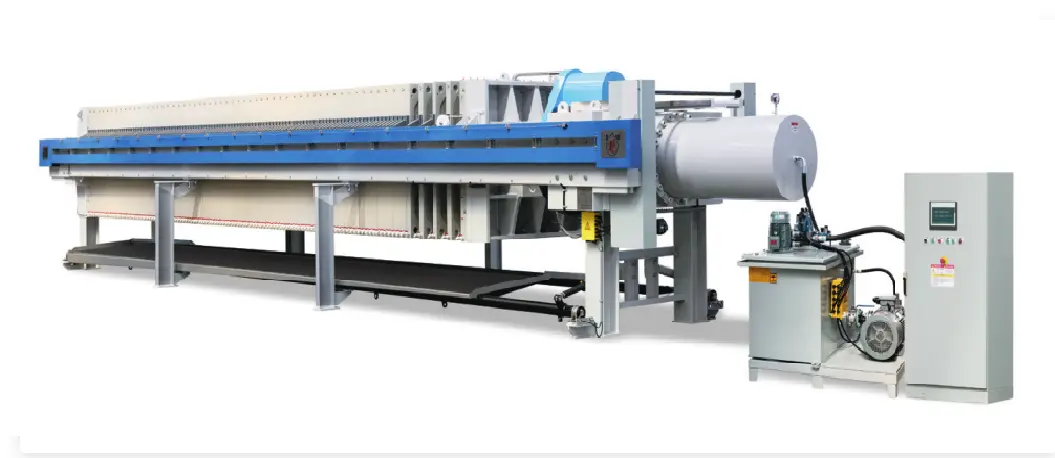
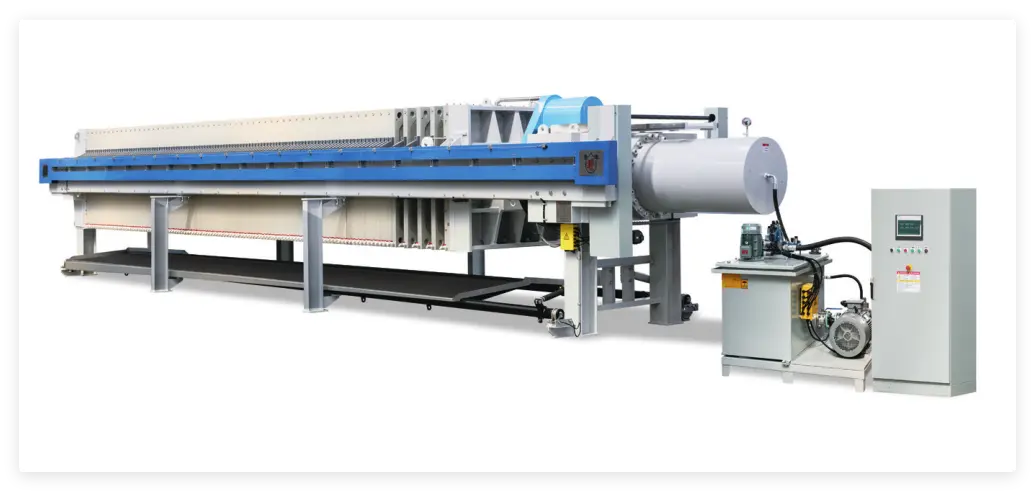
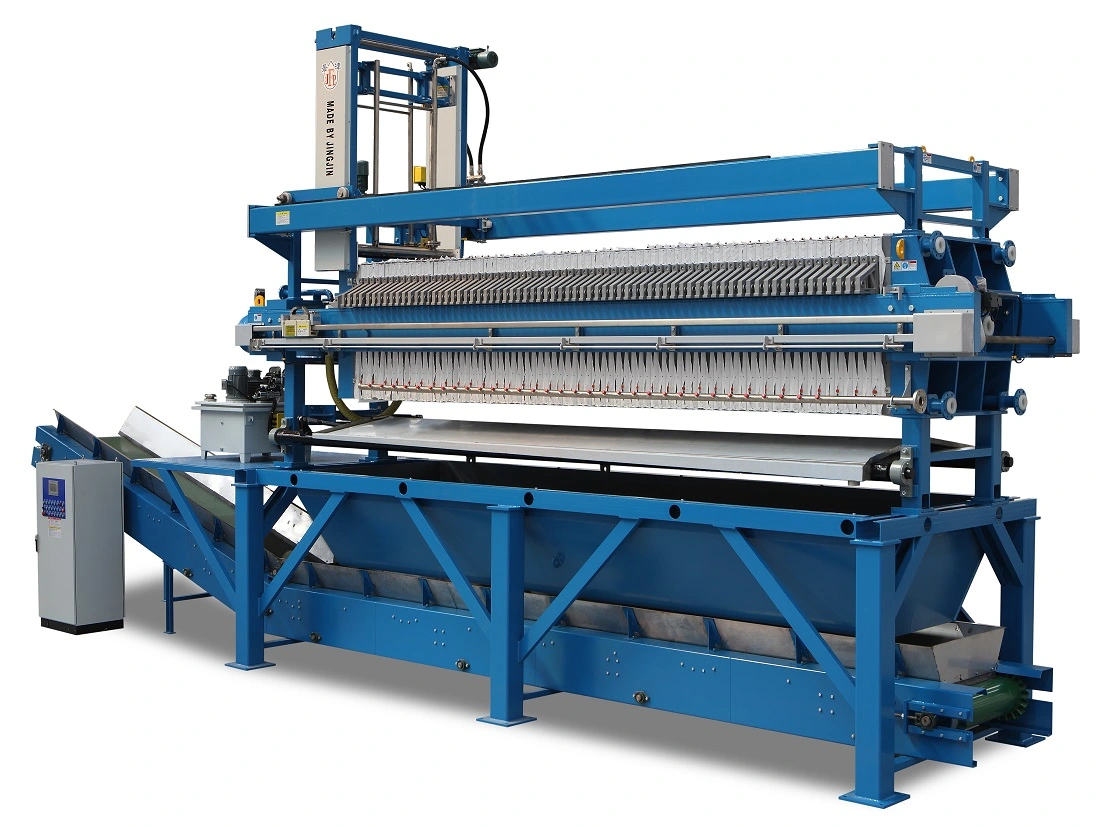
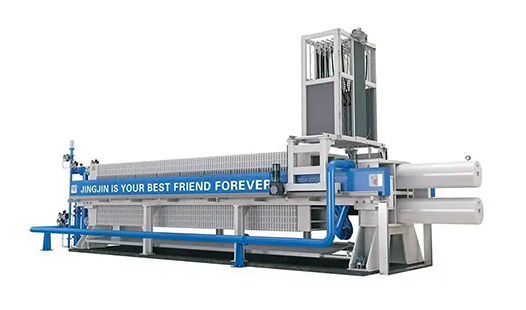
To do good repair on your dewatering equipment, you need to know about the important parts that make it work. Screw conveyors, filter tanks, hydraulic systems, and automatic controls are just a few of the technologies that are used in modern sludge drainage systems. There are many important parts in the splitting process, and each one needs special care to keep working at its best.
Key Components Requiring Regular Attention
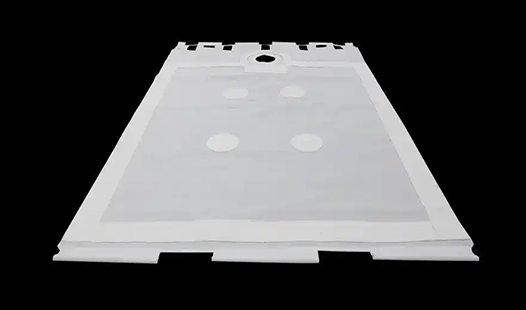
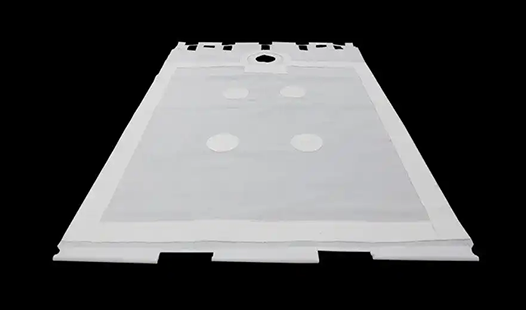
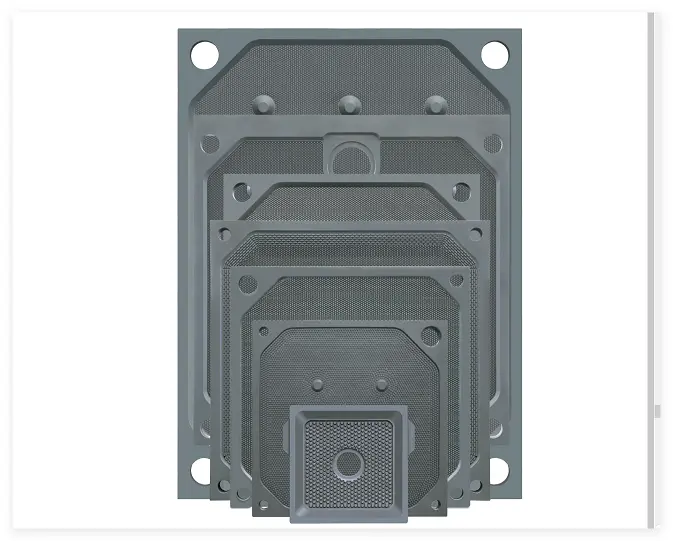
The technical parts of a drainage system are what make it work. They process materials all the time. Filtration screens separate liquids from solids, and screw conveyors move and squeeze sludge. For effective draining, hydraulic systems provide the pressure that is needed, and electrical controls keep an eye on and change working factors. Figuring out how these parts work together helps you figure out what needs to be fixed and where it might go wrong.
Common Operational Challenges
Industrial draining equipment has to deal with a lot of problems that affect how well it works and how long it lasts. Corrosive substances can damage seals and gaskets, and abrasive substances can wear down moving parts. Changes in temperature can change the viscosity of hydraulic fluid and the limits of parts. When repair teams are aware of these problems early on, they can take steps to stop them from getting worse before they become big issues.
Top 7 Maintenance Tips to Maximize Dewatering Press Machine Lifespan
Using an organized method to upkeep can greatly increase the life of technology while lowering the costs of running it. These seven essential tactics cover the most important parts of taking care of dewatering equipment, from regular cleaning to technologies that can predict when repair will need to be done.
Regular Cleaning and Debris Removal
Here are some basic ways to clean your washing equipment that will keep it safe:
- Taking out the solids that have built up on filter screens every day keeps them from getting clogged and keeps the flow rates at their best during the separation process.
- Deep cleaning screw conveyors once a week gets rid of buildup that can put stress on the machinery and lower the efficiency of the moving.
- By checking and cleaning hydraulic tanks once a month, you can stop the buildup of dirt that causes parts to wear out and systems to fail.
These cleaning procedures successfully stop most performance problems and greatly extend the life of components well beyond what is normally expected.
Systematic Lubrication Management
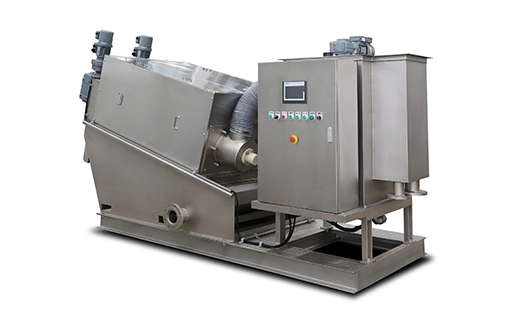
Lubrication lowers friction and wear on moving parts and keeps bearings from breaking down too soon. Multi-disk screw dewatering press machine systems need certain kinds of lubricants and times to apply them based on how they are used and what the maker says. Temperature tracking helps figure out the best times to lubricate, and bearing sound research shows when oil stops working as well.
Hydraulic System Monitoring
The force needed for solid-liquid separation comes from hydraulic systems, which need to be constantly checked on to keep working well. Readings from the pressure gauge show how healthy the system is, and checking the fluid level keeps the pump from cavitating. Regular study of the hydraulic fluid finds contamination before it damages parts, which extends the life of the system and keeps drainage working well.
How to Improve Dewatering Press Machine Efficiency Through Maintenance?
Maintenance that is done well leads straight to better operating performance and less energy use. Your draining operations will be much better if you understand speed measures and fix bottlenecks with focused upkeep tasks.
Performance Metric Assessment
Key performance measures, such as flow rates, cake dryness percentages, and energy use per ton handled, are tracked by maintenance systems that work. These measures show trends in the state of tools and help figure out when to do repairs. Baseline measurements set standards for performance, and regular tracking finds drops in efficiency before they affect output goals.
Bottleneck Identification and Resolution
Maintenance bottlenecks often happen where the filters meet, where material growth stops movement. Modern spiral extruded sludge thickeners have a unique moving ring design that solves this problem by cleaning the filter slits automatically. This means that they use less than 1% of the water that traditional equipment does. This ability to clean itself keeps performance stable while reducing the need for upkeep.
Predictive Maintenance Integration
Vibration, temperature, and pressure can all be monitored in real time thanks to advances in sensor technology. These systems let repair teams know ahead of time when something might go wrong, so they can fix it during planned breaks instead of having to deal with emergencies. Most of the time, predictive maintenance cuts down on repair costs by 25–30% while making tools more available.
Common Problems in Dewatering Press Machines and Preventive Maintenance Measures
Knowing the most common ways that dewatering press machines break down lets repair teams take steps to keep things from breaking down and stopping production. These problems are taken care of by proactive repair plans before they affect activities.
Mechanical Wear and Component Failure
Dewatering equipment is put under a lot of mechanical stress when it is used all the time, especially in mine and industry settings. Wear and tear on screw flights is caused by rough materials, and chemical contact damages covers. Regular inspections find wear patterns early, so replacements can be planned for times when maintenance is planned, instead of having to happen during emergency shutdowns.
Filtration System Blockages
One of the most common problems with solid-liquid separation methods is that filters get clogged up. Modern spiral extrusion sludge thickeners have a combined assembly design that makes them easy to install and maintain, which cuts down on the time it takes to clear a stoppage. Consistently preparing the feed material and checking the screens on a regular basis to find possible clogs before they affect output are examples of preventative measures.
Hydraulic System Failures
Leaks in the hydraulic system and pressure drops make draining less effective and pose safety risks. Schedules for replacing seals based on working hours stop most hydraulic failures before they happen, and pressure testing finds weak spots in the system before they become catastrophic. When hydraulic pressure goes below what it needs to be to work, emergency stop devices keep equipment from getting damaged.
Procurement Considerations for Long-Term Maintenance and Support
Strategic choices about what to buy have a big effect on how much it costs to maintain equipment over time and how reliable it is. Evaluating providers based on their ability to provide repair support guarantees continued working success after the equipment is installed.
Supplier Evaluation Criteria
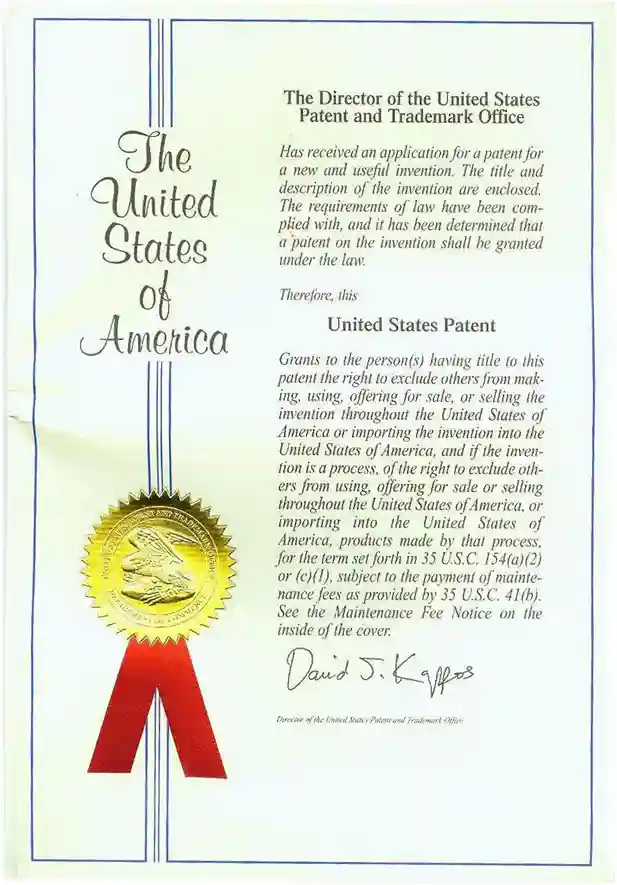
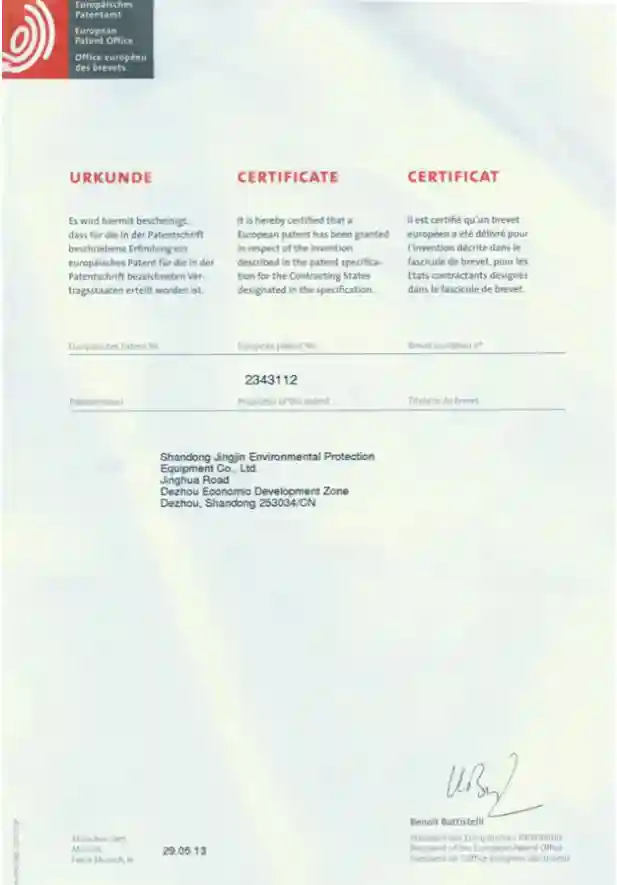
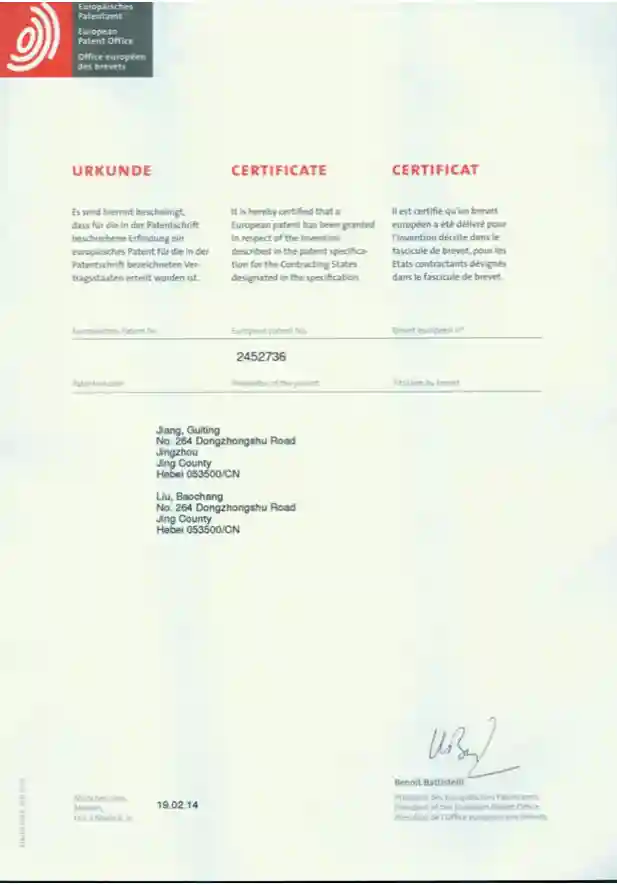
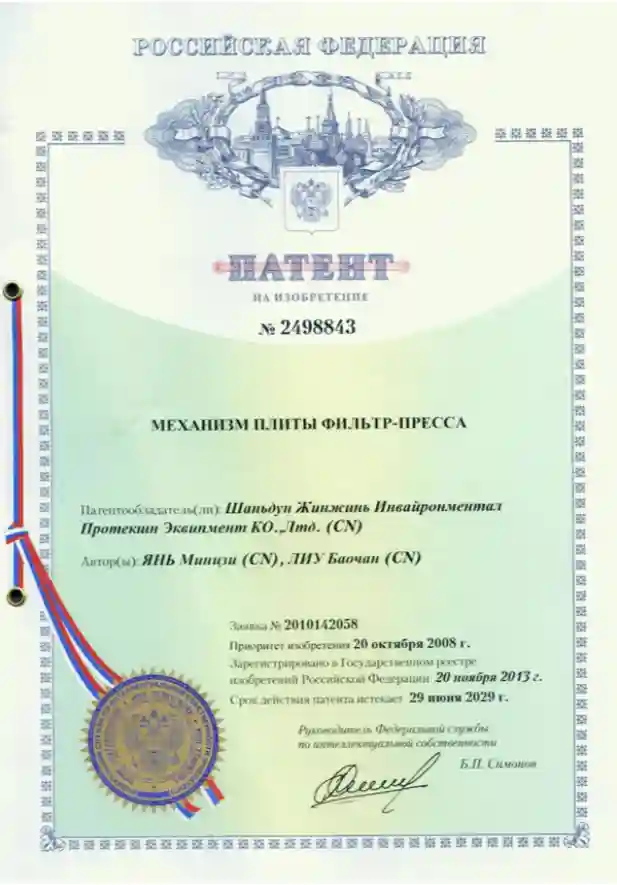
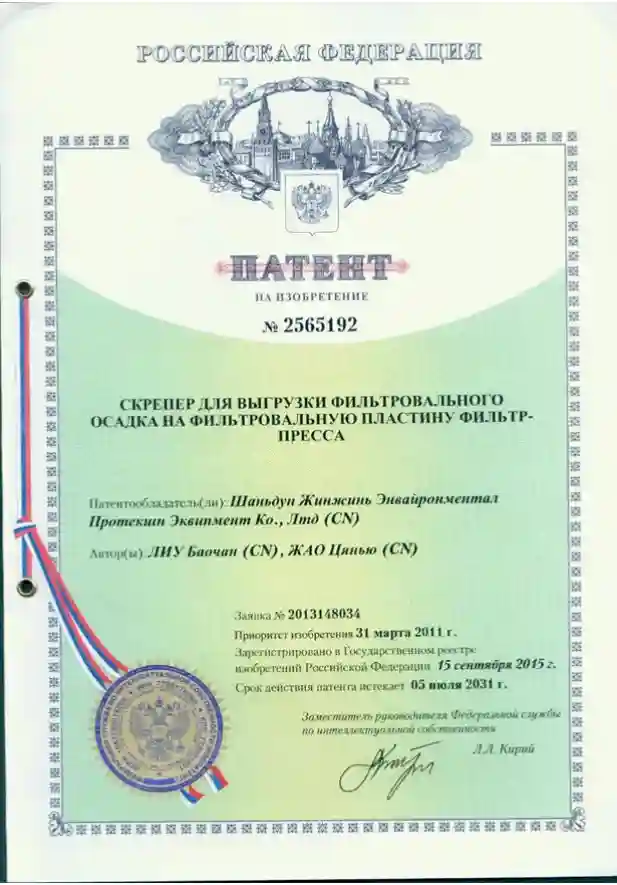
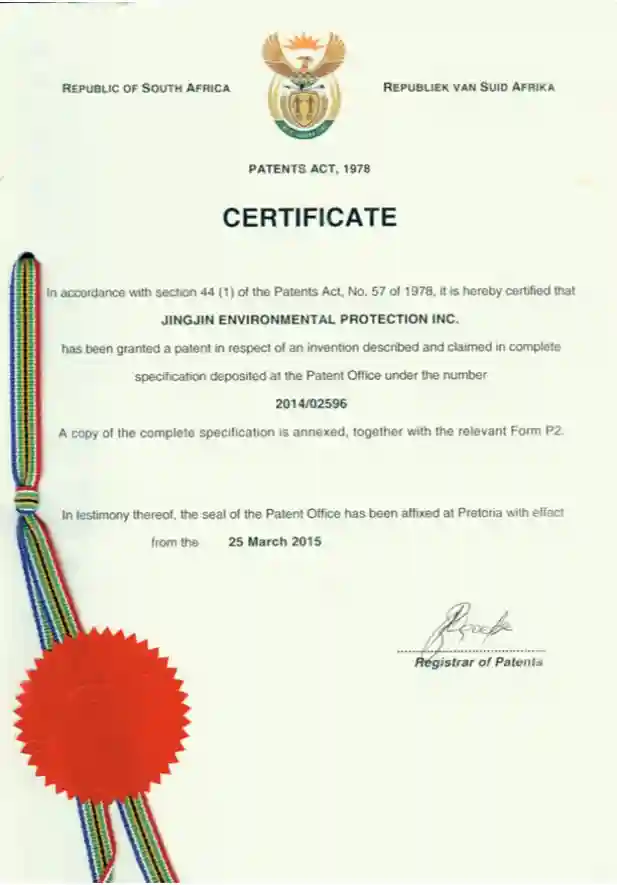
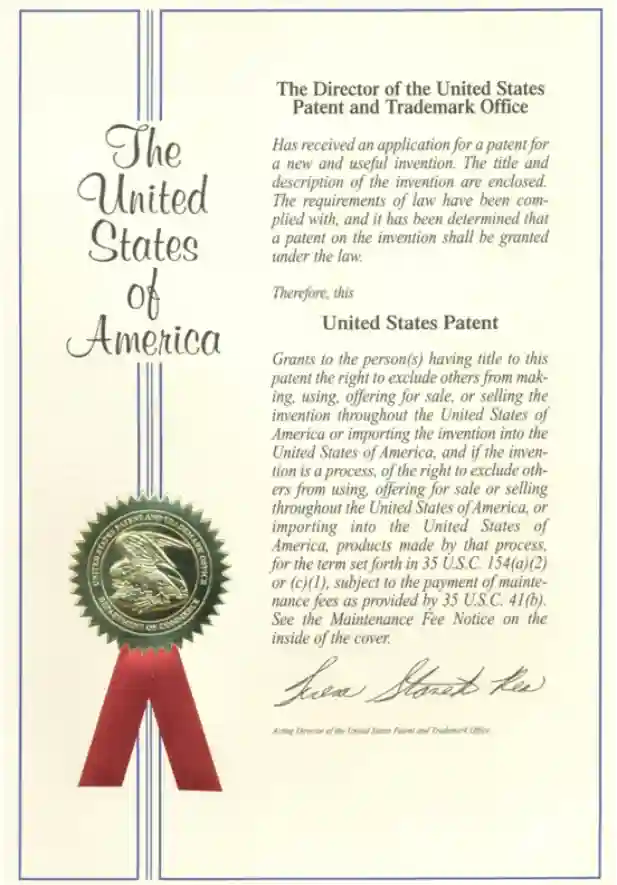
The best companies that make drainage equipment offer full repair support, which includes professional training, access to extra parts, and the ability to do work in the field. With over 136 patents and a footprint in 123 countries, Jingjin Equipment Inc. is a great example of the kind of provider support that makes sure a business will be successful in the long run. Their knowledge of spiral extruded sludge thickeners and multi-disk screw press technology lets them give customers tried-and-true answers to tough problems.
Service Contract Benefits
Comprehensive service agreements usually cover performance promises, schedules for regular maintenance, and emergency repairs. These contracts make costs predictable and guarantee that factory-trained techs will do expert repair. Options for longer warranties protect against unexpected repair costs and keep technology running at its best.
Conclusion
To make sure that your dewatering press machine lasts as long as possible, you need to commit to regular upkeep and planned replacement of parts. The seven repair methods in this guide make sure that equipment works well and costs as little as possible over its lifetime. Knowing the most common ways that things break down lets you take preventative steps that stop expensive breakdowns, and smart purchasing choices make sure that you have ongoing repair support. Modern equipment designs, like spiral extrusion sludge thickeners that can clean themselves, make servicing easier while also making the equipment work better. For draining operations to be successful, investments in preventative maintenance must be balanced with gains in working efficiency. This creates long-term machine performance that supports business goals.
Frequently Asked Questions
Q1: How often should I perform maintenance on my dewatering press machine?
A: Routine cleaning and inspections should be conducted daily for high-use applications, with comprehensive maintenance every 500-1000 operating hours depending on material characteristics and operating conditions. Critical components like seals and bearings typically require attention every 3-6 months, while major overhauls occur annually or based on performance monitoring results.
Q2: What are the most critical parts to monitor for wear and tear?
A: Focus monitoring efforts on screw flights, filtration screens, hydraulic seals, and drive bearings, as these components experience the highest stress during operation. Regular vibration analysis of rotating equipment and pressure testing of hydraulic systems provide early warning of potential failures before they impact production.
Q3: Can maintenance improve the energy efficiency of my dewatering press machine?
A: Absolutely. Proper maintenance typically improves energy efficiency by 15-25% through reduced mechanical friction, optimized hydraulic pressure, and clean filtration surfaces. Regular lubrication, alignment checks, and component replacement maintain peak operational efficiency while reducing power consumption per ton processed.
Get Expert Maintenance Support for Your Dewatering Operations
Get the most out of your dewatering press machine with Jingjin's complete repair services and top-notch industry knowledge. Our skilled expert team offers personalized maintenance plans, original extra parts, and help 24 hours a day, seven days a week to make sure that your equipment works perfectly every time. As a reliable provider of dewatering press machines with years of experience around the world, we provide the high-quality servicing that your businesses need. Email us at [email protected] to talk about your specific repair needs and find out how our solutions can help you keep your equipment in good shape while also cutting down on costs.
References
1. Smith, J.R. (2023). "Industrial Dewatering Equipment Maintenance: Best Practices for Extended Equipment Life." Journal of Water Treatment Technology, Vol. 45, pp. 123-138.
2. Anderson, M.K. & Liu, C. (2022). "Predictive Maintenance Strategies for Solid-Liquid Separation Systems." International Conference on Process Equipment Management, pp. 89-104.
3. Thompson, R.A. (2023). "Cost-Benefit Analysis of Preventive Maintenance in Municipal Wastewater Treatment Facilities." Water Engineering & Management, Vol. 170, No. 8, pp. 34-41.
4. Martinez, S.D. (2022). "Hydraulic System Reliability in Industrial Dewatering Applications." Mechanical Engineering Quarterly, Vol. 28, pp. 67-82.
5. Brown, P.L. & Wilson, K.J. (2023). "Advanced Monitoring Technologies for Dewatering Equipment Performance Optimization." Process Safety and Environmental Protection, Vol. 175, pp. 245-258.
6. Chen, H.Y. (2022). "Maintenance Management Systems for Critical Process Equipment: A Case Study Approach." Industrial Maintenance & Plant Operation, Vol. 84, No. 12, pp. 28-35.