Frame Filter Press vs Diaphragm Press: Structural Differences That Change Your Results
Frame Filter Press vs Diaphragm Press: Structural Differences That Change Your Results
Understanding the Structural Basics of Frame Filter Press and Diaphragm Press
- Understanding the Structural Basics of Frame Filter Press and Diaphragm Press
- How Structural Differences Affect Filtration Performance and Efficiency
- Comparative Advantages and Disadvantages for B2B Procurement Decisions
- Choosing the Right Filter Press for Your Industrial Needs: Practical Guidance
- Conclusion
- FAQ
- Partner With Jingjin for Your Solid-Liquid Separation Needs
- References
When choosing tools to separate solids from liquids, the difference between a frame filter press and a diaphragm press has a big effect on how well it works. The way each system is built affects not only how well it filters, but also how much moisture is in the cake, how long the cycle lasts, and how much it costs to maintain over time. In a standard frame filter press, plates and frames move back and forth to create chambers where solids can build up under pressure. This design works well in a wide range of commercial settings. On the other hand, diaphragm presses use flexible membranes inside the plate assembly to add another squeezing phase that removes wetness more strongly, making cakes that dry out faster.
Understanding the Structural Basics of Frame Filter Press and Diaphragm Press
Understanding how these two filter systems work mechanically helps buying teams guess how the design will affect performance in real life.
Core Components of a Frame Filter Press
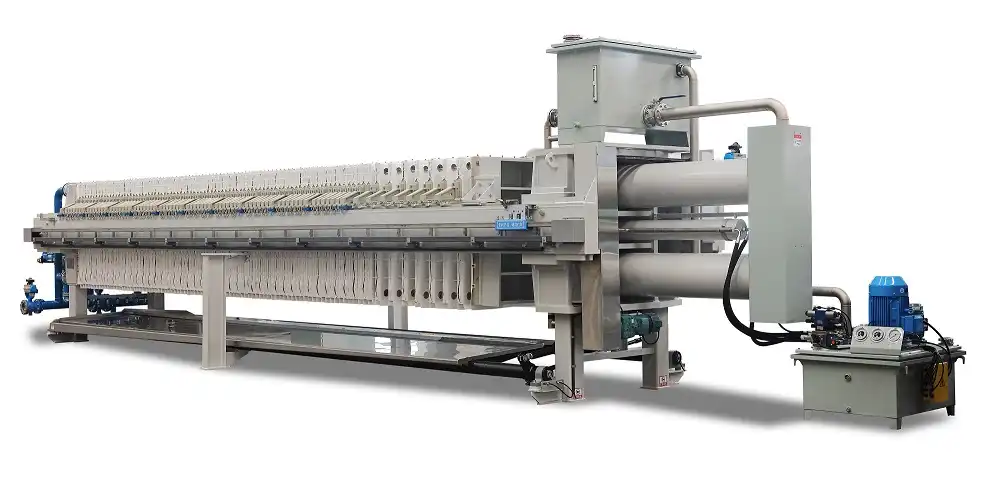
A plate and frame filter press is made up of several deep plates and empty frames that are attached to two parallel support beams. The hydraulic system clamps these parts together, making rooms that are completely sealed. Slurry comes in through a feed port, and as pressure builds (usually between 0.6 and 2.0 MPa), the liquid flows through filter cloths on each plate, trapping solid particles inside the frame spaces. This batch-operation design has been used regularly in businesses since the early 1900s. It is easy to maintain and can be changed to work with different types of slurry.
Diaphragm Press Mechanical Architecture
Diaphragm presses change the normal plate arrangement by adding rubber or polymer diaphragms that are attached to one side of special plates. When the first part of filtering is done, these diaphragms are inflated with compressed air or hydraulic fluid. This presses against the filter cake from both sides. Compared to regular frame presses, this secondary compression stage pushes more liquid out of the cake matrix, lowering the moisture content by 5 to 15 percentage points. The diaphragm mechanism needs precise engineering and better sealing systems, which raises the original cost but improves dewatering performance in a measured way.
Plate Configuration and Chamber Formation
The chamber dimensions and filtering area are determined by how the plates are arranged. In a standard frame filter press, solid plates are switched out for hollow frames, which makes clear filter pockets. Diaphragm systems use flat membrane plates all over, so there are no frames at all. Instead, rooms are made by contacting plates to plates. This difference in structure affects how evenly thick the cake is, how it discharges, and how the cloth is washed. These are all very important things to think about when working with sticky or rough slurries in mine waste, making pharmaceutical intermediates, or making chemical pigments.
How Structural Differences Affect Filtration Performance and Efficiency
There are clear differences between press types in terms of output, energy use, and product quality that can be measured.
Filtration Cycle Time and Cake Dryness
Frame presses finish their turn when the hydraulic pressure is equal, and the flow of liquid stops. This can take anywhere from 60 to 120 minutes, based on how easily the slurry can be compressed. For materials that aren't too easy to crush, the cake's moisture level is usually between 25% and 35%. After primary filtration, the squeeze phase is added by diaphragm presses. This adds 10–20 minutes to the total cycle time but lowers the final moisture level to 18–25%. This improvement is very important in fields where lower dumping costs, lighter shipping, or higher recovered product value make the longer cycle time worth it.
Maintenance Implications of Structural Design
Frame presses have easier mechanical systems with fewer parts that wear out. In rough situations, filter cloths need to be cleaned and replaced every 3–6 months, and hydraulic seals need to be checked once a year. The diaphragms in diaphragm systems make servicing more difficult because they have to handle being inflated and deflated many times and come into contact with process fluids. Good diaphragms made from thermoplastic polyurethane or strengthened elastomers usually last between 18 and 36 months before they need to be replaced. When operations teams know about these repair rhythms, they can properly pay for labour and spare parts, which helps keep unplanned downtime to a minimum.
Energy Consumption and Process Efficiency
Hydraulic pumps use energy in both types of presses, but diaphragm presses need extra compressed air or hydraulic fluid to expand the membranes during the squeeze phase. This extra energy need—which is usually 5–10% higher per cycle—has to be weighed against the money that can be saved by making cakes drier. Facilities that handle large amounts of sludge in city wastewater treatment or tailings drainage in mining operations often find that lower costs for hauling and dumping more than make up for higher working energy costs. This means that diaphragm technology is still economically advantageous, even though it is more complicated.
Comparative Advantages and Disadvantages for B2B Procurement Decisions
To compare the pros and cons of these filtration platforms, you have to think about the initial investment, the platforms' operating skills, and the long-term cost structures.
Strengths of Frame Filter Presses
Plate-and-frame methods have been used for a long time and have been shown to be reliable in tough industrial settings. Their strong construction can handle rough slurries found in coal mine washeries, tunnelling mud separation, and handling gravel. Procurement managers like how easy it is to keep track of parts and how they can upgrade old units with different plate materials, like strengthened polypropylene for acidic uses or stainless steel for food-grade processing. Frame filter presses are still a good choice for new businesses or those on a tight budget because they have lower capital costs. Chemical companies that make a lot of different products, so that the equipment can handle different slurry properties without having to be completely rearranged.
Advantages of Diaphragm Press Technology
When maximum drying efficiency directly affects profits, diaphragm presses are the best choice. Pharmaceutical companies that get back valuable catalysts, fine chemical plants that clean up speciality dyes, and environmental engineering companies that handle biosolids can all benefit from these systems' ability to dry cakes more quickly. When cycle times are shorter, daily flow goes up while the equipment's footprint stays the same. This improves return on investment even though the original costs were higher. The compressed cake structure also makes it easier to handle further down the line by making the cake less sticky and improving the performance of the conveyor during unloading operations.
Limitations and Considerations
Frame presses have a hard time meeting the low moisture goals needed for advanced uses. This means that extra thermal drying is sometimes needed, which costs more energy and makes the process more complicated. The more complicated hydraulic and gas systems in diaphragm presses make them harder to use. They need skilled workers to fix problems and keep them in good shape. The procurement teams need to check if the current building infrastructure, such as the ability to provide electricity and compressed air, can meet the needs of the diaphragm press without having to make expensive upgrades.
Choosing the Right Filter Press for Your Industrial Needs: Practical Guidance
Filtration technology should be matched to the needs of the business to get the best efficiency and cost-effectiveness over the life of the equipment.
Slurry Characteristics and Application Requirements
How well each type of press works with your material depends on its compressibility, particle size distribution, and stickiness. Biological sludge from wastewater treatment and other highly compressible slurries responds very well to diaphragm squeezing, which breaks down the porous cake structure and releases the stored liquid. Slurries that are granular and drain easily, like mineral solutions or sand washings, can be dried well in frame filter presses without needing extra compression. When working with sticky resins or thick pigments in chemical processes, diaphragm systems are often preferred because they keep cakes from sticking and make release easier.
Performance Metrics That Matter
When comparing equipment offers, people who work in procurement should look at a number of measurable factors. Throughput capacity is based on filtration area per unit footprint, which is very important in places with limited space. The cycle time and dryness of the cake are affected by the operating pressure. In general, higher-pressure methods work better. How much energy is used to handle one tonne of dry solids shows how much the business really costs to run, while the supply of spare parts and the average time between failures (MTBF) show how reliable the business will be in the long term. Leading companies like Jingjin offer thorough performance data based on more than 136 unique technologies and decades of experience in 123 countries.
Supplier Selection and After-Sales Support
Your investment will be safe if you choose a filtration equipment maker with strong technical resources and a global service system. When suppliers offer detailed instructions, user training, and quick technical help, it cuts down on the time it takes to set up and fix problems. Consumables like filter cloths, diaphragms, and hydraulic parts are easily accessible through well-established distribution networks in both the US and Europe. This means that regular repair requires little downtime. Suppliers with a good reputation keep certifications like ISO 9001 quality standards and ASME pressure tank codes, which show they are dedicated to safety and quality production.
Conclusion
The structural differences between frame filter presses and diaphragm presses produce quantifiable differences in filtering results that have a direct impact on your working efficiency and bottom line. In many situations, traditional frame systems are a reliable and cost-effective way to separate things. However, diaphragm technology can improve cake dryness and speed up cycles when the extra cost is worth it. You can choose tools with confidence if you know how the plate layout, compression mechanisms, and upkeep needs match up with your slurry's properties, throughput goals, and budget. When you work with experienced makers, you can be sure that you'll have access to tested technology, quick help, and the supply chain for consumables that you need for long-term operating success.
FAQ
Q1: What pressure range do these systems typically operate at?
Operating pressures for industrial filters are usually between 0.6 MPa and 2.0 MPa. Frame presses can safely handle this whole range, but diaphragm systems usually need higher minimum pressures—usually 1.0 MPa or more—to make sure the membrane inflates properly during the squeeze phase.
Q2: How do I determine whether my slurry needs diaphragm squeezing?
If the usual way of separating things makes cakes with more than 25% water, and the costs of handling or getting rid of them hurt your bottom line, diaphragm technology probably has benefits that can be measured. Doing trial tests with both types of presses using your real slurry gives you accurate performance data that you can use to make a choice.
Q3: Can I retrofit existing frame presses with diaphragm plates?
Retrofitting relies on how your present frame is built and how much weight it can hold. While some companies sell conversion kits, the hydraulic system, control panels, and plate support beams often need to be upgraded to handle the extra forces and air circuits that are needed for diaphragm operation.
Q4: What materials are suitable for corrosive chemical processing?
Plates made of reinforced polyethylene can stand up to pH levels between 1 and 14 and most acids, bases, and solvents. Stainless steel is good for settings that rust and for use in hot places above 80°C. Epoxy-coated frames shield fairly strong slurries from corrosion at a low cost.
Partner With Jingjin for Your Solid-Liquid Separation Needs
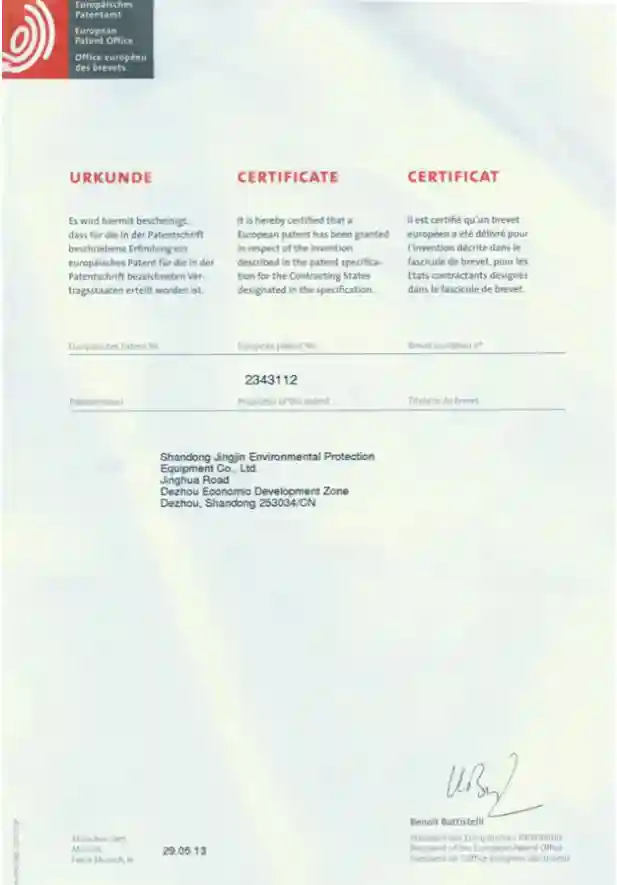
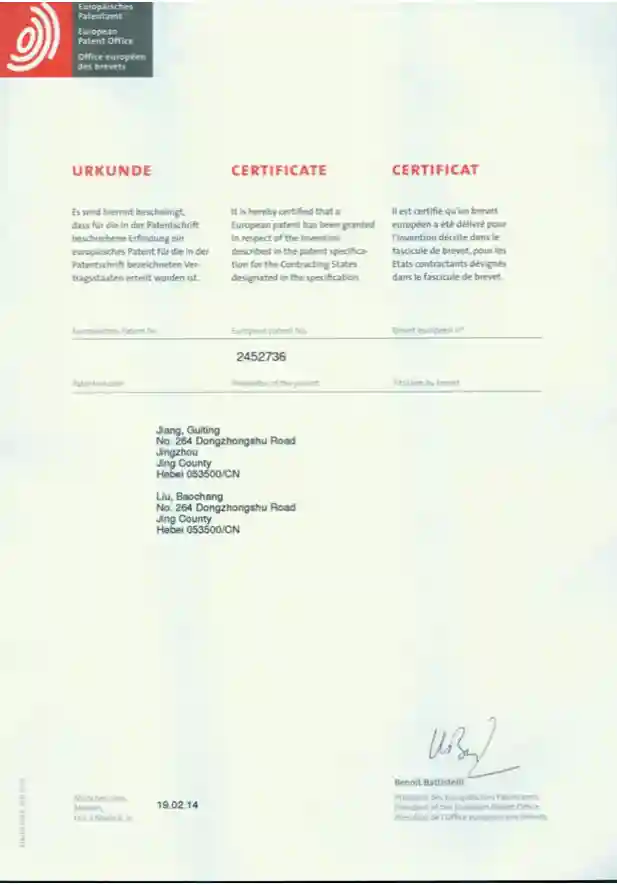
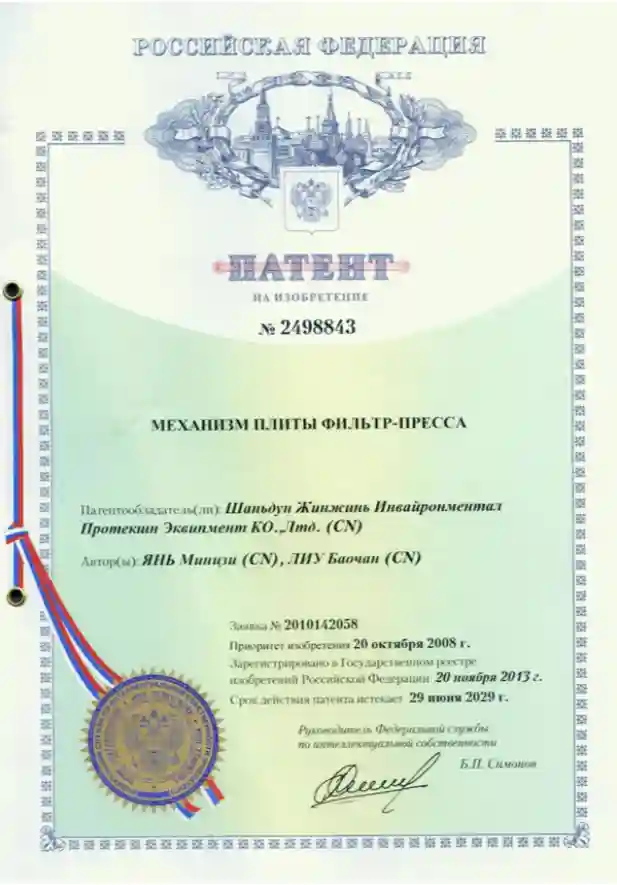
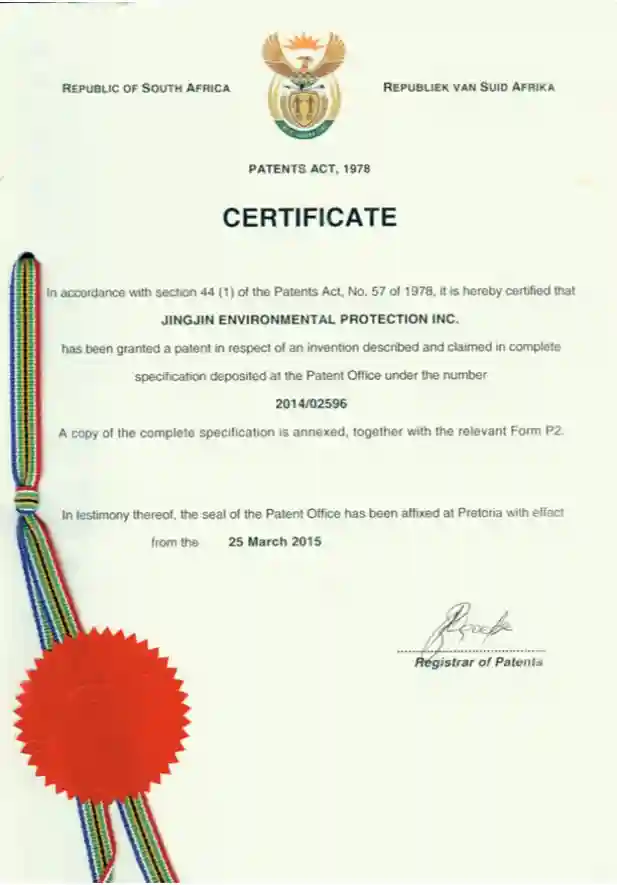
To choose the right filter equipment, you need to find a balance between technical performance, how the equipment will be used, and the long-term costs. Every client that works with Jingjin Equipment Inc. gets the benefit of over 35 years of manufacturing experience and more than 136 protected innovations. They offer tried-and-true frame filter press and diaphragm press solutions that are perfect for tough industrial uses. We make a lot of different kinds of products, like filter plates, specialised cloths, and new diaphragms. We also offer engineering services and ship our products all over the world, to customers in 123 countries. Our expert team can help you figure out the best setup for your needs, whether you're in charge of dewatering tailings in a mining operation, processing sludge in a city facility, or cleaning speciality chemicals. Contact our filtration experts at [email protected] right away to talk about your needs and find out how working with a top frame filter press maker can help your business run more smoothly and follow all the rules.
References
1. Svarovsky, Ladislav. Solid-Liquid Separation Technology. 5th ed. Butterworth-Heinemann, 2015.
2. Wakeman, Richard J., and E.S. Tarleton. Solid/Liquid Separation: Principles of Industrial Filtration. Elsevier Advanced Technology, 2005.
3. Cheremisinoff, Nicholas P. Handbook of Water and Wastewater Treatment Technologies. Butterworth-Heinemann, 2002.
4. Rushton, Albert, Anthony S. Ward, and Richard G. Holdich. Solid-Liquid Filtration and Separation Technology. 2nd ed. Wiley-VCH, 2000.
5. Tiller, Frank M., and C.D. Crump. "Recent Advances in Filter Cake Dewatering." Chemical Engineering Progress 81, no. 10 (1985): 49-54.
6. Anlauf, Harald. Wet Cake Filtration: Fundamentals, Equipment, and Strategies. Wiley-VCH, 2019.
jingjin
Founded in 1988, Jingjin specializes in filter presses and liquid-solid separation solutions, serving over 130 countries worldwide, and is a standard-setter in China's filter press industry.
Get the Filter Press guide
Enter Your Email for Technical assistance for the Filter Press.

Recommended Blog
How a Sludge Filter Press Machine Improves Dewatering Efficiency
How to Clean and Replace Filter Press Cloths for Optimal Performance
Best Filter Cloth for Sludge Dewatering: Features and Buying Guide

Which Filter Press Plate Material Lasts Longer: PP, PVDF, or Stainless Steel?
Why Vietnam Factories Prefer China Membrane Plate Filter Press?
How to Choose the Right Filter Press Manufacturer: Key Factors to Consider
High Durability Filter Press Cloth for Chemical Processing: Benefits and Uses