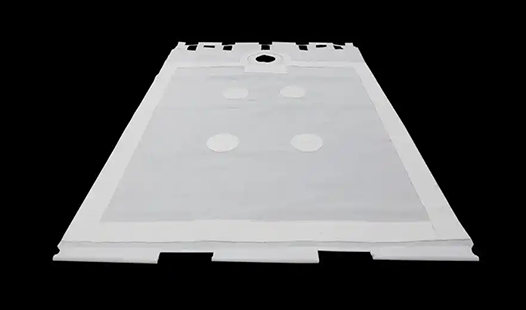
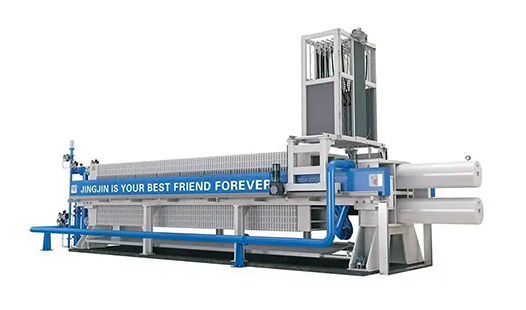
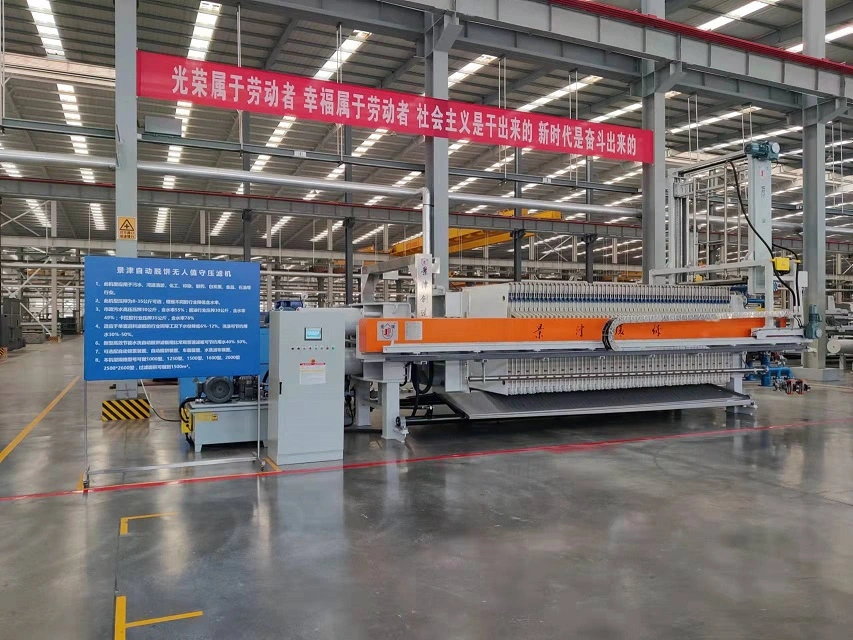
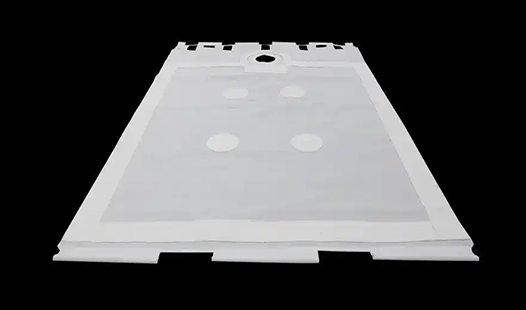
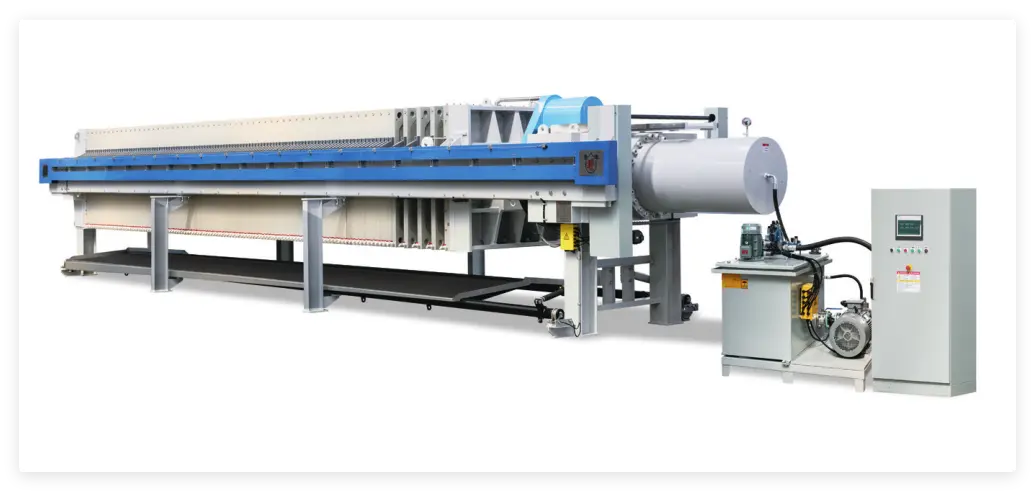
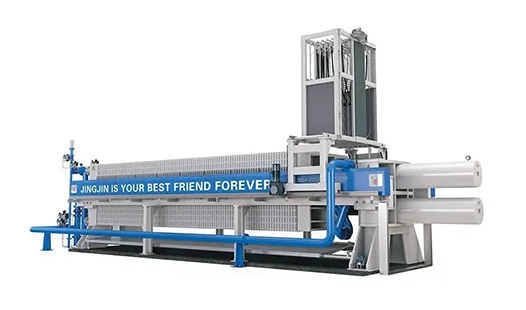
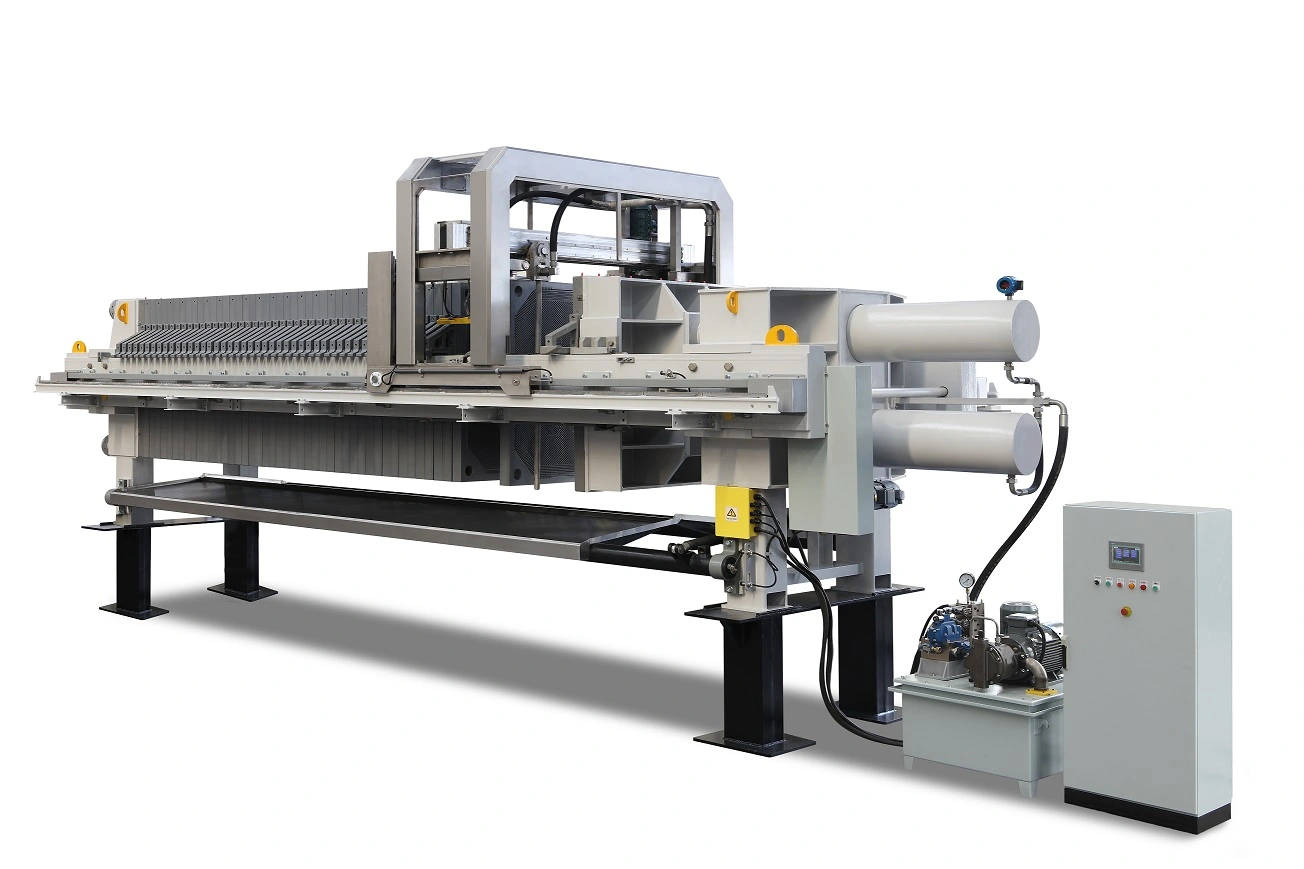
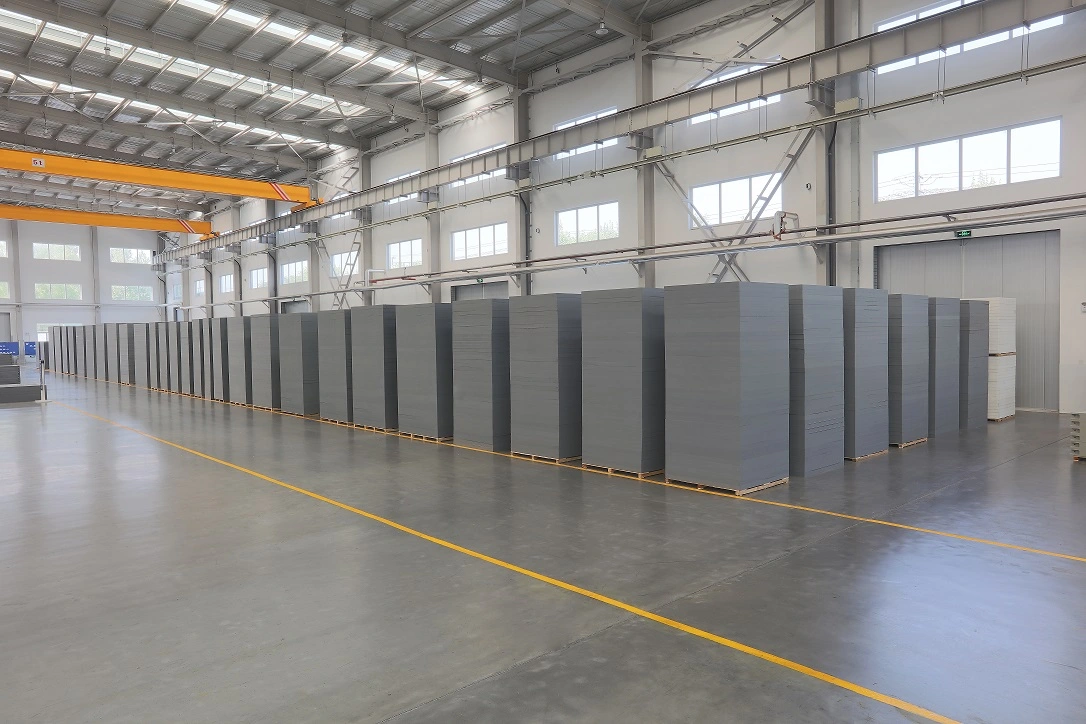
When selecting the appropriate filter press manufacturers, it is necessary to conduct a thorough analysis of a number of important variables that have a direct influence on the performance of your operations and the value of your investment over the long term. In a variety of sectors, including wastewater treatment, mining, chemical processing, and pharmaceutical manufacturing, filter press systems are used as extremely effective mechanical devices for the separation of solids and liquids. These filtration systems are made up of stacked filter plates that are alternated with filter cloths to produce chambers that are used for the processing of slurries under pressure. In order to achieve maximum dewatering performance, regulatory compliance, and cost-effective operations for your particular industrial applications, it is essential to make an educated selection of the manufacturer.
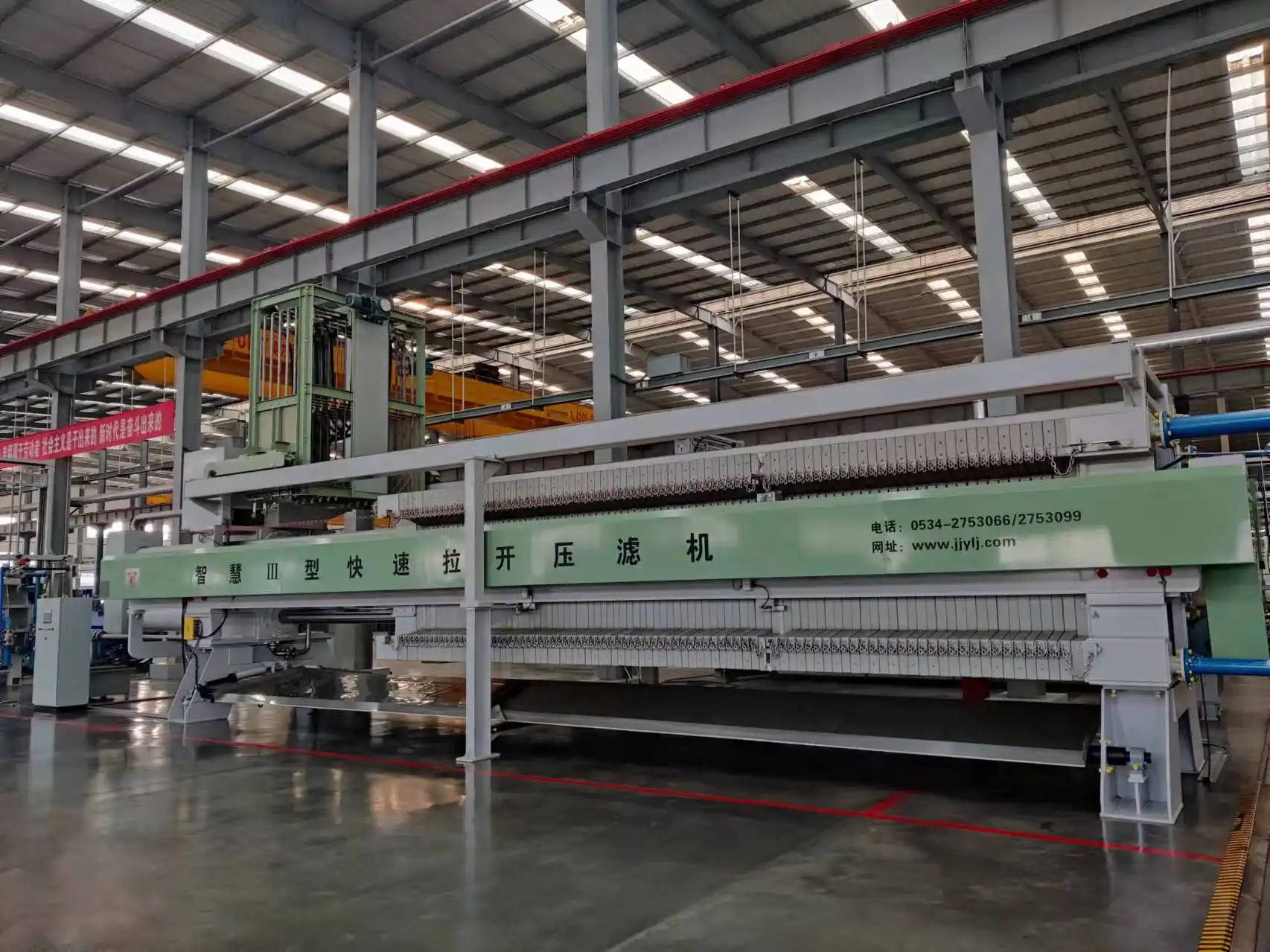
Defining Your Procurement Needs and Decision Scenarios
When it comes to effective filter press purchases, having a solid understanding of your particular operating needs is quite important. When it comes to separating equipment, several industries have different requirements for the specifications and performance qualities that they want.
Industry-Specific Requirements
In order to achieve consistent dewatering outcomes, wastewater treatment facilities need technologies that are able to handle sludge compositions that are varied. For mining operations to be successful, they need sturdy machinery that can tolerate severe conditions and effectively treat large quantities of tailings. In order to facilitate the handling of hostile chemicals, chemical industries often need materials that are resistant to corrosion and specialized plate designs that are specialized.
Capacity and Scale Considerations
There is a clear correlation between your operating size and the criteria for selecting manufacturers. Modular solutions, which provide flexibility and a cheaper initial investment, are advantageous for establishments operating on a smaller scale. The use of high-capacity automated systems that are equipped with sophisticated control systems is essential for large industrial facilities. It is helpful to locate manufacturers that specialize in suitable scale solutions if you have a thorough understanding of both your present and expected throughput.
Procurement Context Analysis
The priorities of the assessment of the provider are influenced by the type of your transaction. In order to achieve accurate specifications, replacement purchases enable the use of previously collected operating data. When it comes to new installations, detailed technical consultation and planning for system integration are required procedures. Availability and the capacity to produce replacements quickly are given priority above vast customization possibilities when it comes to emergency replacements.
Key Criteria to Evaluate Filter Press Manufacturers
By conducting a methodical examination of possible suppliers, you can guarantee that the capabilities of the filter press manufacturers fit with the requirements of your operations. The success of a long-term relationship is determined by a number of crucial aspects.
Technical Innovation and Product Quality
The most successful manufacturers put a significant amount of money into research and development, which ultimately leads to the creation of innovative plate designs, automated operating systems, and enhanced filtering efficiency. Automatic plate changing, membrane squeeze technology, and sophisticated monitoring systems are some of the characteristics that are included in modern filter presses. To guarantee longevity and consistent performance throughout a wide range of demanding industrial applications, quality construction that makes use of suitable materials is essential.
Manufacturing Standards and Certifications
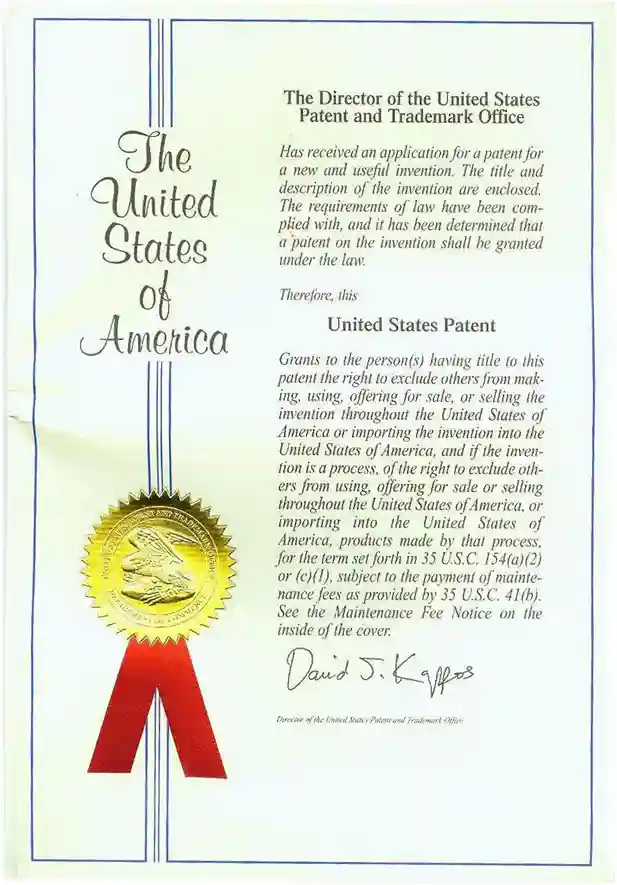
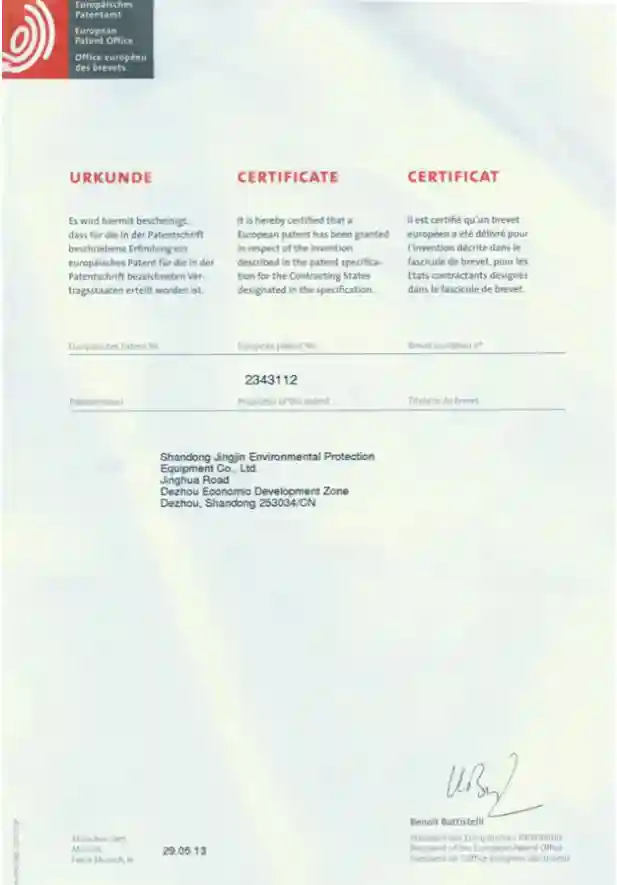
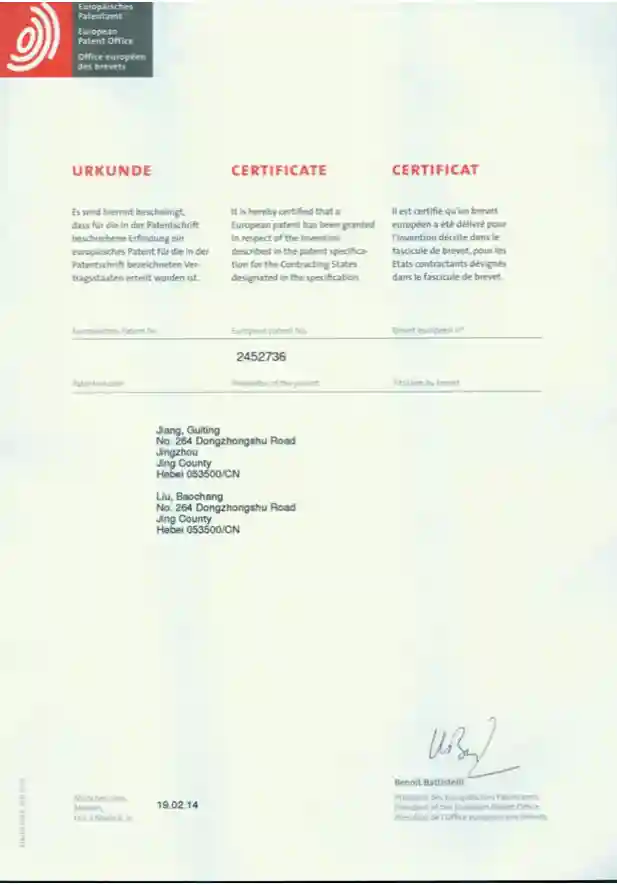
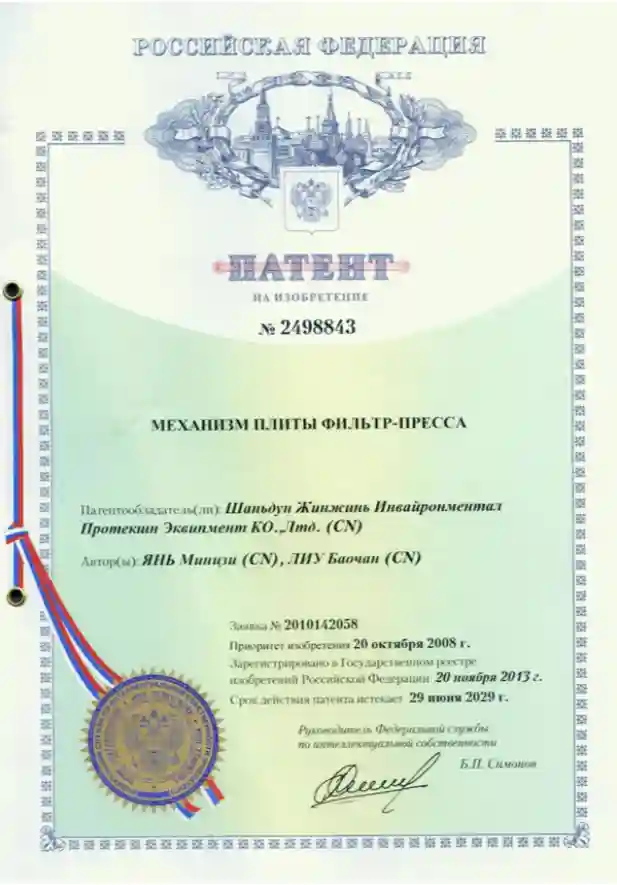
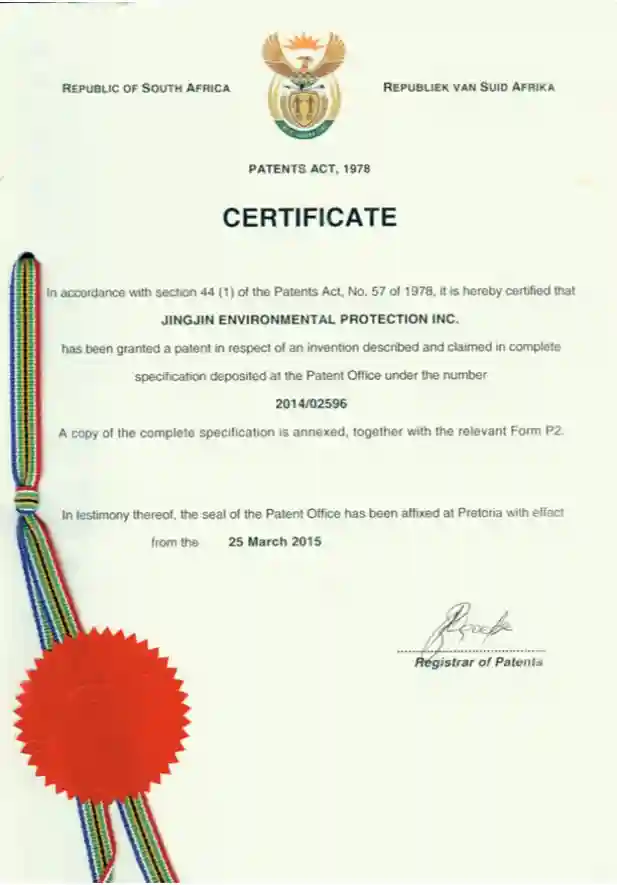
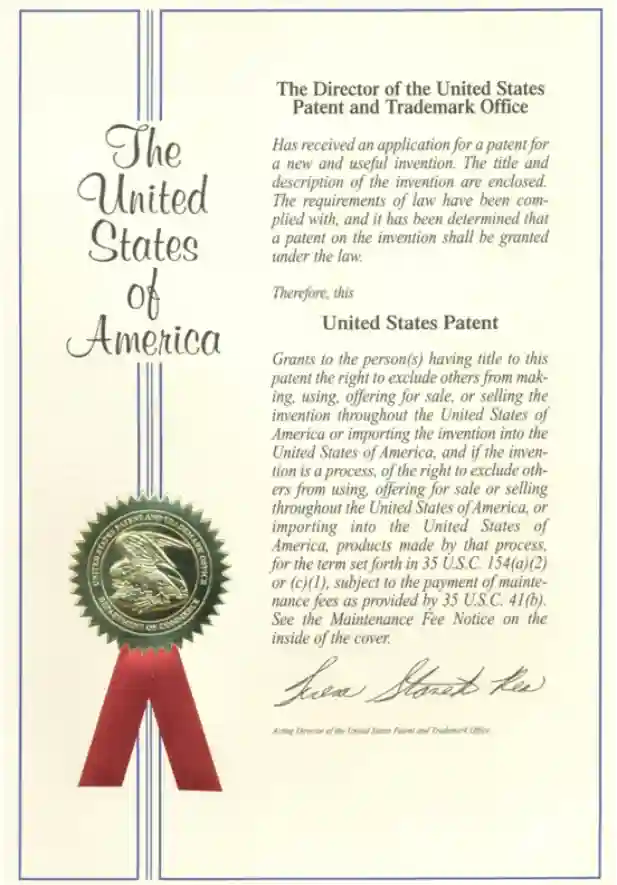
Manufacturing companies may demonstrate their dedication to quality and safety standards by obtaining industry certifications. Certification to the ISO 9001 standard confirms conformity with quality management system standards. The CE certification indicates that the product complies with European safety standards. Certifications from the API are absolutely necessary for oil and gas applications. These credentials provide confidence that the production process is consistent and that the ability to comply with regulations is there.
Customer Support and Service Infrastructure
The value of the equipment throughout its entire lifespan is strongly impacted by comprehensive after-sales service. Manufacturers that can be relied upon have a large inventory of spare parts, provide maintenance services that are prompt, and provide technical training programs. Reducing response times and minimizing business disruptions during maintenance or emergency repairs are two benefits that come from having a local service presence.
Comparing Leading Filter Press Manufacturers Across Regions
It is important to note that the capabilities of global manufacturing vary greatly from area to region, with each location providing specific benefits for certain procurement circumstances.
Regional Manufacturing Strengths
Filter press manufacturers in Europe have long placed a strong emphasis on precise engineering and cutting-edge automation technologies. Their products often include top-of-the-line materials and sophisticated control systems that are designed to meet the requirements of difficult applications. The United States of America places a strong emphasis on the development of sturdy construction and extensive service networks, which are especially useful for important industrial applications that need prompt support and response.
Technology Trends and Innovation
The current developments in the sector place an emphasis on environmental sustainability, energy efficiency, and the efficient integration of automation. Utilizing cutting-edge membrane technology, dewatering performance may be enhanced while simultaneously lowering cycle times. Connectivity to the Internet of Things allows features such as remote monitoring and predictive maintenance. System extension and configuration flexibility are both made possible by modular designs, which allow for the evolution of operating needs.
Supply Chain and Delivery Considerations
When it comes to delivery timelines, shipping costs, and continuing support logistics, regional proximity is a significant factor. When opposed to distributor channels, direct manufacturer partnerships often provide superior results in terms of communication, technical support, and warranty coverage. It is helpful to match procurement schedules with operational needs when one has a thorough understanding of the manufacturing capacity and lead times of the manufacturer.
Procurement and Transaction Best Practices
Through the use of systematic assessment and negotiating procedures, efficient procurement techniques maximize not only the initial purchase value but also the long-term operational results.
Request for Quotation Development
Requests for quotations that are comprehensive contain both thorough technical specifications and needs for capacity, as well as operating circumstances. The ability to accurately size the system and estimate its cost is made possible by the clear documentation of feed parameters, the target cake moisture content, and the expectations for cycle duration. A comprehensive understanding of the project's costs may be achieved by including the needs for installation, training, and warranties.
Negotiation Strategy and Terms
The conditions of the warranty, the delivery schedule, and the service promises are all included in successful discussions. These negotiations go beyond the original cost. Protection against equipment that does not perform according to expectations is provided by performance warranties. Options for funding and payment arrangements that are flexible may help increase the viability of a project. Extended warranty coverage helps to eliminate the uncertainty around long-term maintenance costs.
After-Sales Support Evaluation
There is a huge influence on the total cost of ownership brought about by comprehensive support services. The life of equipment may be extended by preventive maintenance procedures, which also improve its performance. Technical training guarantees that the system is operating correctly and provides the ability to resolve simple issues. Preventing unanticipated delays to operations and implications on budgets is accomplished via the availability of spare parts and transparent pricing.
Conclusion
In order to choose the most suitable filter press manufacturers, it is necessary to conduct a thorough analysis of the technical capabilities, service infrastructure, and possibilities for long-term collaboration. Industry-specific knowledge, manufacturing quality standards, and extensive support programs are some of the most important factors to take into account today. There is a considerable relationship between the capabilities of regional manufacturing and rising technological trends, and the appropriate selection of suppliers for certain applications. Jingjin is a great partner for challenging industrial filtering applications that need solutions that are dependable, efficient, and cost-effective for solid-liquid separation. This is because of our strong track record, innovative technology, and worldwide service network.
Frequently Asked Questions
Q1: What certifications should I look for when evaluating filter press manufacturers?
A: Key certifications include ISO 9001 for quality management, CE marking for European safety compliance, and industry-specific standards like API for oil and gas applications. These certifications demonstrate the manufacturer's commitment to quality control and regulatory compliance.
Q2: How do lead times vary between different manufacturers?
A: Lead times typically range from 8 to 16 weeks for standard systems, with custom configurations requiring 12 to 20 weeks. Regional manufacturers may offer shorter delivery schedules, while specialized applications often require extended engineering and manufacturing timeframes.
Q3: What factors drive significant pricing differences between filter press suppliers?
A: Pricing variations result from material quality, automation levels, manufacturing scale, and included services. Premium materials and advanced automation increase costs but provide superior performance and reliability. Comprehensive service packages may increase initial investment but reduce long-term operational expenses.
Partner with Jingjin for Superior Filtration Solutions
Jingjin Equipment Inc. is a major provider of filter press systems in the market, with decades of technical expertise and proven performance across a wide range of demanding industrial applications. We guarantee that our extensive product range and worldwide service network will provide you with the best possible solutions to meet your particular operating needs. Our technical staff offers experienced guidance and competitive prices that are customized to the requirements of your project, regardless of whether you need typical dewatering systems or filtering solutions that are developed specifically for your needs. Get in touch with us at [email protected] to have a conversation about your filtering requirements with our knowledgeable filter press manufacturers and to learn how our tried and tested technology may improve the efficiency of your manufacturing operations.
References
1. Smith, J.A. and Johnson, R.M. "Industrial Filtration Equipment Selection Criteria: A Comprehensive Guide for Process Engineers." Journal of Industrial Equipment Technology, Vol. 45, No. 3, 2023.
2. Thompson, K.L. "Comparative Analysis of Filter Press Manufacturing Standards and Quality Systems." International Manufacturing Review, 2024.
3. Williams, P.R., Chen, S., and Davis, M.J. "Evaluating Filter Press Manufacturers: Key Performance Indicators for Industrial Procurement." Equipment Selection Quarterly, Vol. 28, No. 2, 2023.
4. Anderson, L.K. "Regional Manufacturing Capabilities in Solid-Liquid Separation Equipment: A Global Perspective." Industrial Engineering Today, 2024.
5. Rodriguez, C.A. and Miller, T.S. "Best Practices in Filter Press Procurement: Lessons from Industrial Case Studies." Process Engineering Management, Vol. 52, No. 4, 2023.
6. Lee, H.W. "Technology Trends and Innovation in Filter Press Manufacturing: 2024 Industry Outlook." Filtration Technology Review, Vol. 19, No. 1, 2024.