5 Signs Your Filter Press Plates Are Failing Before Complete Breakdown
5 Signs Your Filter Press Plates Are Failing Before Complete Breakdown
Visible Physical Damage on Filter Press Plates
- Visible Physical Damage on Filter Press Plates
- Increased Filtrate Leakage or Reduced Filtration Quality
- Changes in Filtration Cycle Time and Pressure Behaviour
- Material Degradation and Chemical Resistance Decline
- Frequent Maintenance and Replacement Requirements Increasing Costs
- Conclusion
- FAQ
- Partner with a Trusted Filter Press Plates Manufacturer
- References
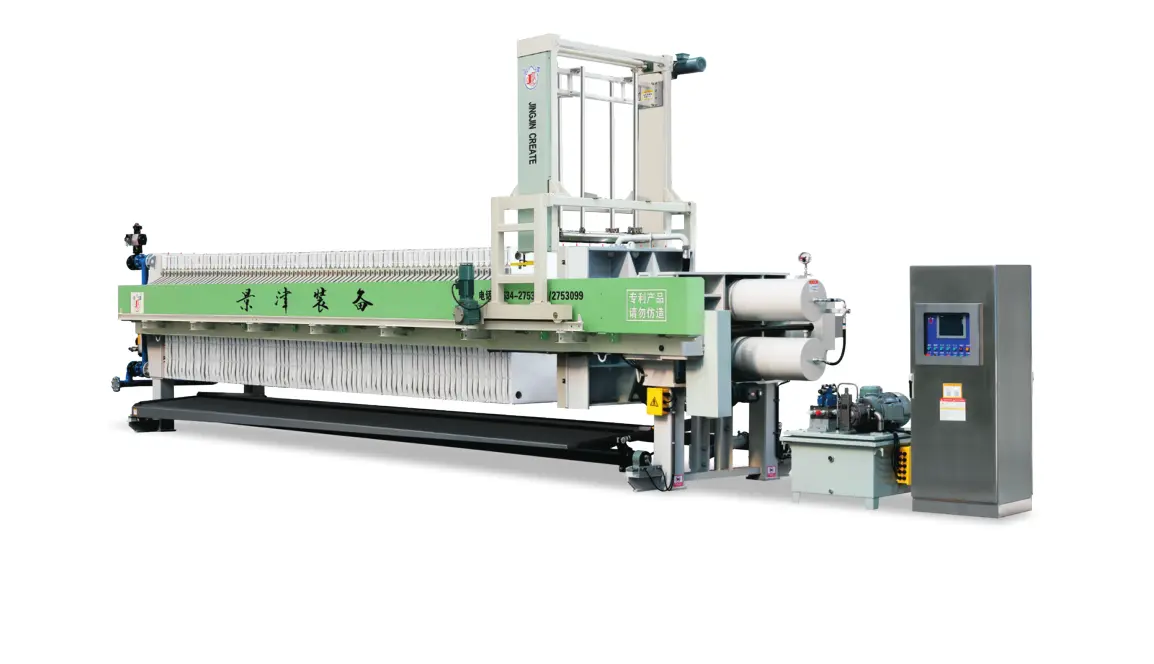
Filter press plates are the most important part of any solid-liquid separation device. They make sealed chambers that are useful for dewatering in building, mining, wastewater treatment, and chemical processing. When these important parts start to break, processes slow down, the quality of the filtrate drops, and unexpected downtime occurs. Finding early warning signs before a full breakdown protects your production plan, cuts down on the cost of emergency repairs, and keeps you in line with environmental regulations. When process engineers and plant managers know these signs of failure, they can switch from reactive fixes to proactive maintenance plans that make equipment last longer and work more reliably.
Visible Physical Damage on Filter Press Plates
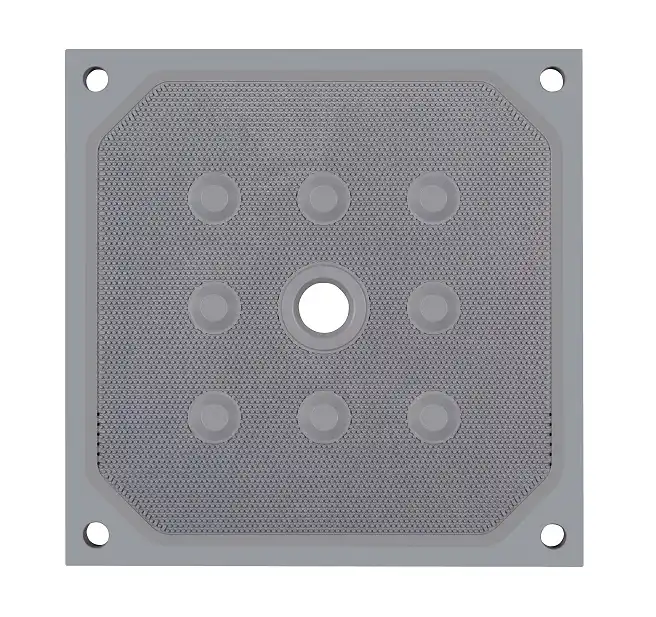
As you walk through your filter facility for a monthly check, you may notice that the plates have surface irregularities that weren't there last month. These obvious signs often show the first signs of a failing part, and catching them early can keep major breakdowns from happening.
Cracks and Surface Fractures
Cracks usually start as very small breaks where stress is concentrated, like near feed holes and drainage lines. The polypropylene or strengthened material goes over its tensile strength limits when there is too much pressure during the filter cycle. A copper concentrate dewatering plant in Arizona kept records of how a single cracked plate, which went three weeks without being noticed, tainted a whole batch and stopped production for six hours. Standard chamber plates can handle pressures between 6 and 16 bar, but membrane designs that can handle pressures up to 30 bar have to deal with a lot more stress. These flaws are found before they become full-blown structural failures by doing regular visual checks in the right lighting.
Warping and Dimensional Changes
Plates bend when they are heated above their recommended levels or when the feed isn't distributed evenly, creating thermal differences. Virgin polypropylene stays the same size up to 90°C, and special PVDF versions can handle up to 125°C in harsh chemical conditions. When plates are warped, they can't make good seals, which lets slurry get past the filter cloth and contaminate the filtrate stream. Measurement tools, such as straightedges or laser alignment systems, can tell how badly something is bending, which helps repair teams decide whether to keep using it or replace it right away.
Impact Damage from Improper Handling
Plates are taken off, cleaned, and then put back on during repair rounds. When you drop a plate or hit it against a metal surface, the contact damages it and makes it less stable. High-quality plates made with 4,000-ton injection moulding have an Izod impact strength of more than 40 kJ/m², which means they can handle mild shock loads. Damage that could have been avoided is cut down by teaching workers the right way to handle things and use safe storage racks.
Protocols for physical inspections should not only be done sometimes, but all the time. When purchasing new filter press plates, purchasing managers should ask for precision-milled sealing surfaces with flatness limits below 0.2mm. This lowers the risk of leaks and increases the equipment's useful life.
Increased Filtrate Leakage or Reduced Filtration Quality
A clean, clear filtrate means that the plate is working properly, while a messy release means that the seal is breaking down. To keep the pressurised slurry inside the filter chamber, the closing surface of each plate must perfectly touch its neighbour.
Deteriorating Seal Integrity
Multiple compression cycles, chemical contact, and abrasive particle weathering are all things that can wear down sealing surfaces. This is a big problem for municipal wastewater treatment plants that handle biological sludge because the fibrous material makes tiny surface flaws. CGR (Caulked, Gasketed, Recessed) plate designs solve this problem by having two sets of sealing devices that keep biohazards inside while the system is running. When the turbidity of the filtrate rises or solid particles show up in the outflow streams, the plate covering surfaces need to be checked right away.
Cross-Contamination Between Chambers
When seals are broken, slurry can move between rooms next to each other, which leads to uneven cake formation and uneven wet content. Cross-contamination is something that chemical companies that make dyes or pharmaceutical intermediates can't stand because it compromises the quality of their products and their ability to follow the rules. Virgin white polypropylene plates that are FDA-compliant remove the risk of contamination in sensitive applications, but only if the closing sides are clean.
Maintenance Strategies for Seal Restoration
Chemical cleaning gets rid of buildups that get in the way of plate-to-plate touch. Mild acids get rid of mineral scale and alkaline liquids break down biological matter. Setting up maintenance plans based on real cycle counts instead of random time intervals is the best way to figure out how often to clean. For example, plants that process very rough copper waste might need to be cleaned once a week, while food processing plants that handle less rough materials might only need to be cleaned once every month or three months.
Checking the quality of the filter gives you numbers that you can use to make decisions about upkeep. Measurements of turbidity, particle counts, and visual clarity make concrete records that show why plates need to be replaced before they completely break and stop operations.
Changes in Filtration Cycle Time and Pressure Behaviour
The screens in your control room tell you important things about the state of the plates. Pressure gauges and cycle timers show that performance is going down before any damage can be seen.
Abnormal Pressure Fluctuations
Healthy filtration processes have predictable pressure profiles: the pressure slowly rises during filling, stays steady during cake formation, and drops slowly during discharge. If there are sudden pressure spikes, it means that flow is being slowed down because of clogged drainage pathways or broken filter cloth. Instead, drops in pressure mean that the seal has broken, letting the slurry get around. Advanced SCADA systems that keep an eye on these factors send out alerts when readings deviate from set baselines. This lets people act quickly before small problems get worse.
Extended Cycle Times
When particles or chemical layers get stuck in the plates, they make removal more difficult and cycle times longer. A Nevada gold mining plant had 40% longer rounds for six months before they started inspecting and cleaning the plates on a regular basis. This waste cut daily flow by 25%, which had a direct effect on production goals. High-performance plate designs with hydrodynamically optimised drainage pathways reduce flow resistance as much as possible, but even the best designs need to be maintained.
Technology Solutions for Performance Monitoring
Assembling packs with automatic plate shifters is safer and more accurate because no one has to make mistakes. With membrane press technology, cakes can be mechanically squeezed again after the first round of shaping. This makes the cakes much drier while shortening the cycle time. These technologies only work at their best when the filter press plates keep their structural integrity and bond properly.
When process engineers look at new equipment, they should ask the makers for specific information on pressure and cycle time. In Jingjin's engineering paperwork, there are performance curves that show how the system should work in different situations. These curves set standards for ongoing tracking.
Material Degradation and Chemical Resistance Decline
Not every filter press plate can handle every chemical situation the same way. When used in harsh conditions, the choice of material has a direct effect on the service life.
Chemical Attack Symptoms
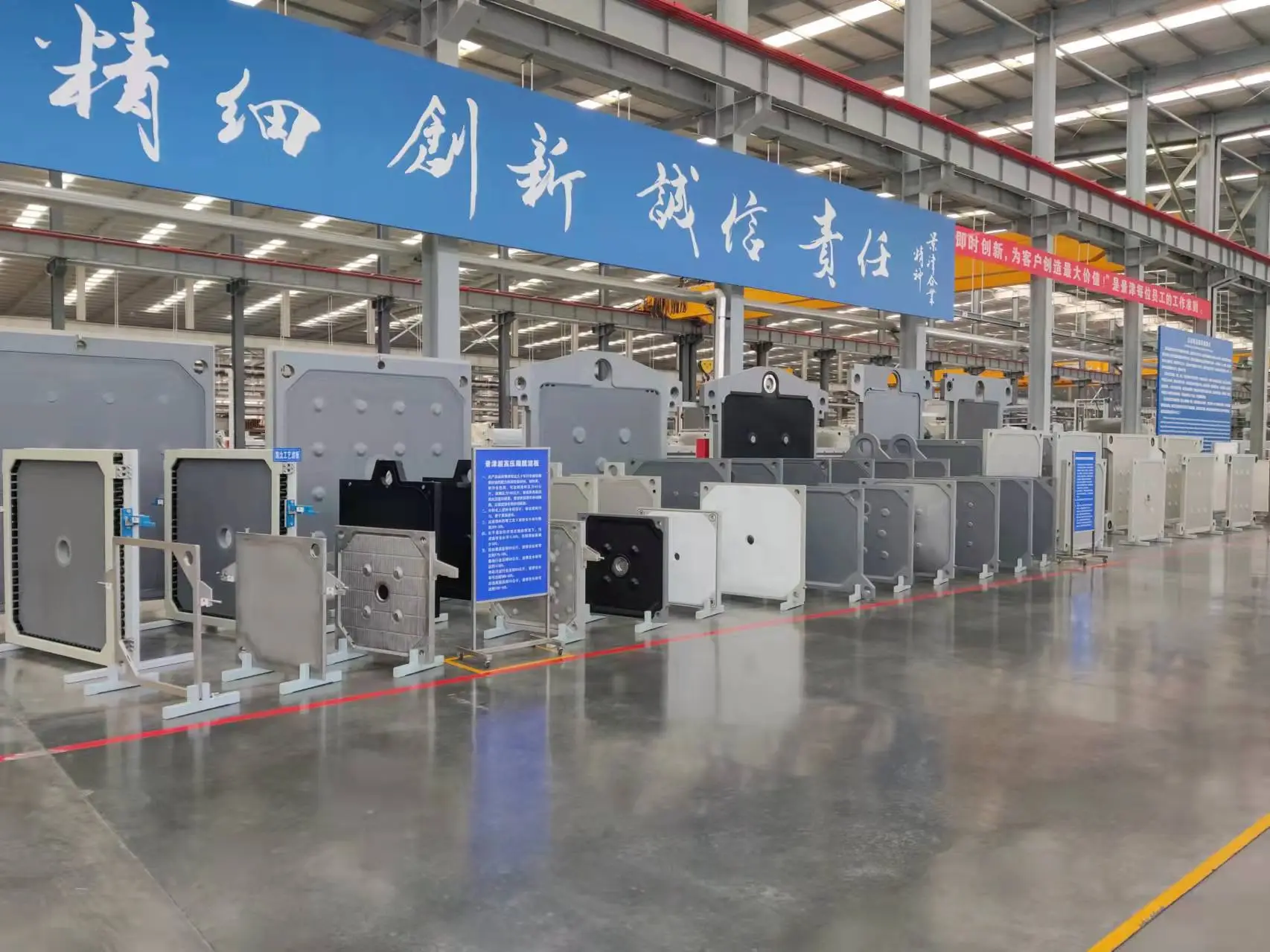
Chemical breakdown is shown by surface pitting, discolouration, and brittleness. Most common acids and alkalis don't damage polypropylene very much across a pH range of 1 to 14, but some uses need stronger materials. For hydrometallurgical processing with strong sulphuric acid, PVDF plates are needed. For high-temperature resin filtration, glass-fibre-reinforced polypropylene is better because it stays stable at high temperatures.
Material Selection Criteria
Instead of thinking that standard formulations are enough, procurement managers need to match plate material to the real process chemistry. When a dye company switched from using regular chemicals to speciality chemicals, they found that their old plates broke down within months of being exposed to the new solvents. This failure mode was removed by upgrading to materials that are chemically suitable. The right material standard is based on a detailed study of the slurry, which includes pH, temperature, solvent percentage, and abrasive content.
Lifecycle Value Assessment
Materials of higher quality cost more, but they last longer, which lowers the total cost of running. The best way to decide what to buy is to do a cost-benefit study that compares the original investment to the expected lifespan, maintenance needs, and downtime risk. If you take care of your plates, they should last five to ten years, which is worth the extra money compared to cheaper options that need to be replaced every 18 months.
Chemical resistance data sheets from reputable companies show exactly what chemicals work with each other. Jingjin's technical specs describe how well the material works when exposed to different chemicals, which helps people choose materials with confidence.
Frequent Maintenance and Replacement Requirements Increasing Costs
When replacements happen more often, or emergency fixes become common, there are problems that need to be fixed. Rising upkeep costs mean that equipment is getting close to the end of its useful life or that there are problems that need to be fixed.
Tracking Replacement Patterns
When maintenance records show that plates need to be replaced less often, it means that either the original choice of materials wasn't good enough or the way they are used is exceeding the plan parameters. A mineral processing plant that was keeping track of plate life found that the feed pressure sometimes went up to 22 bar, which was higher than the 16 bar rating of their plates. Failures before their time were stopped by adding pressure release systems and updating to higher-rated plates.
Preventive Maintenance Best Practices
If you store plates correctly, they will be safe from damage from the surroundings. Plates should be stored upright in racks that are made just for them, out of direct sunlight and away from temperature extremes. Plate materials need to be cleaned in a way that doesn't damage them; harsh acids can damage some plastics but are needed for others. Impact damage that leads to failure can be avoided by handling things carefully during upkeep.
Investment in Quality Components
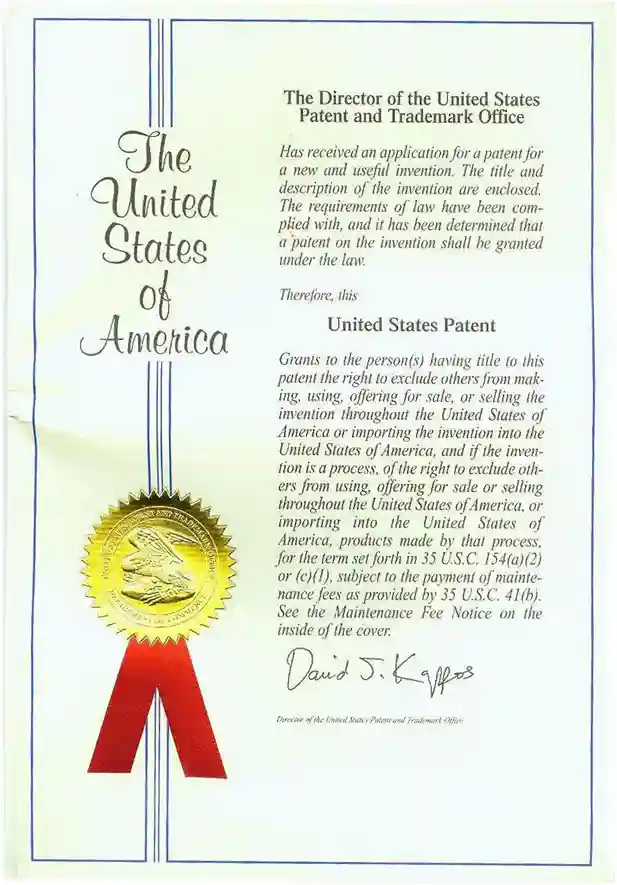
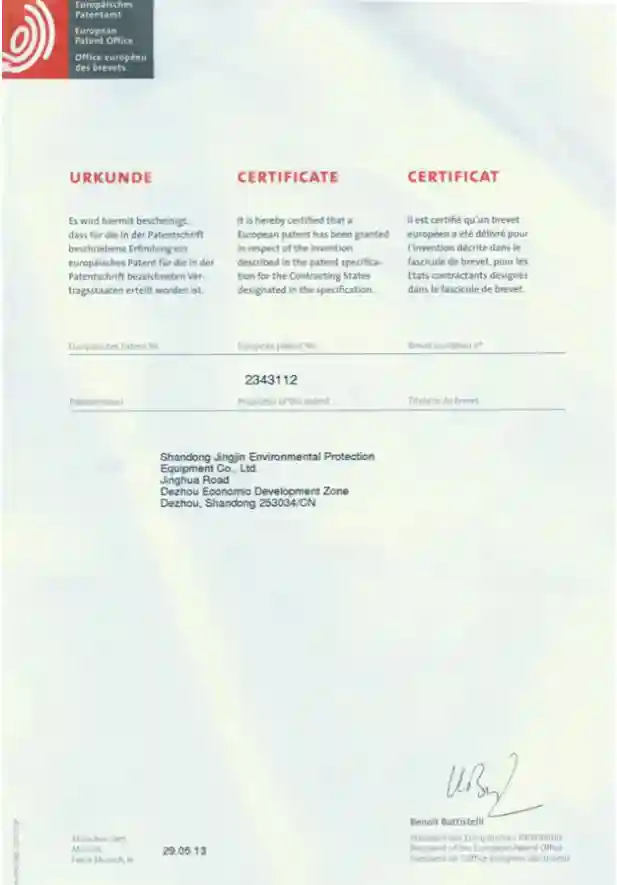
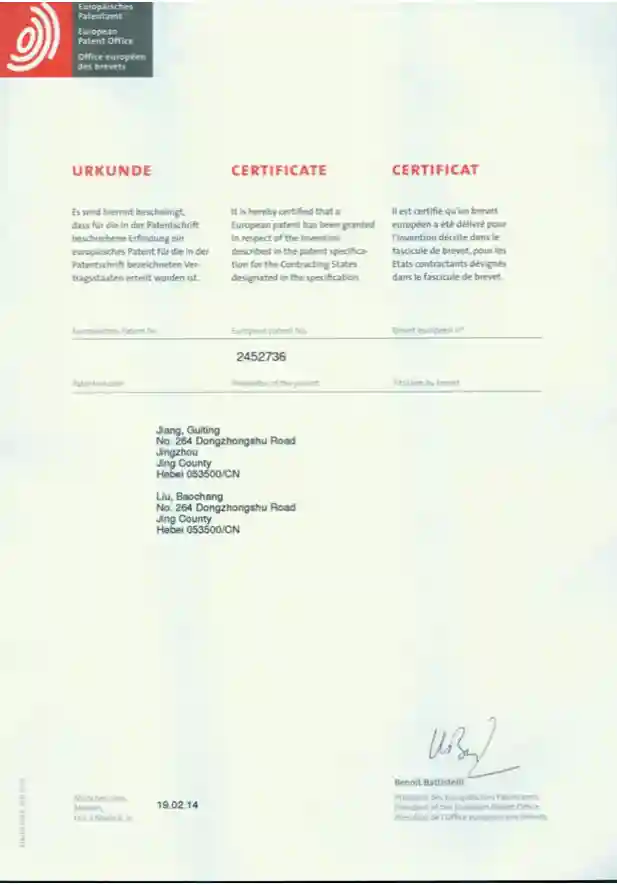
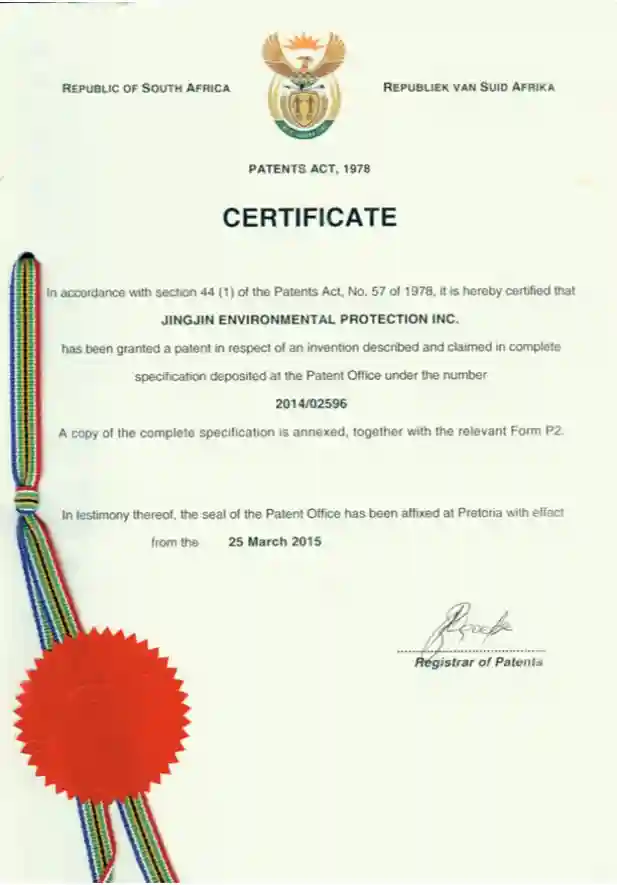
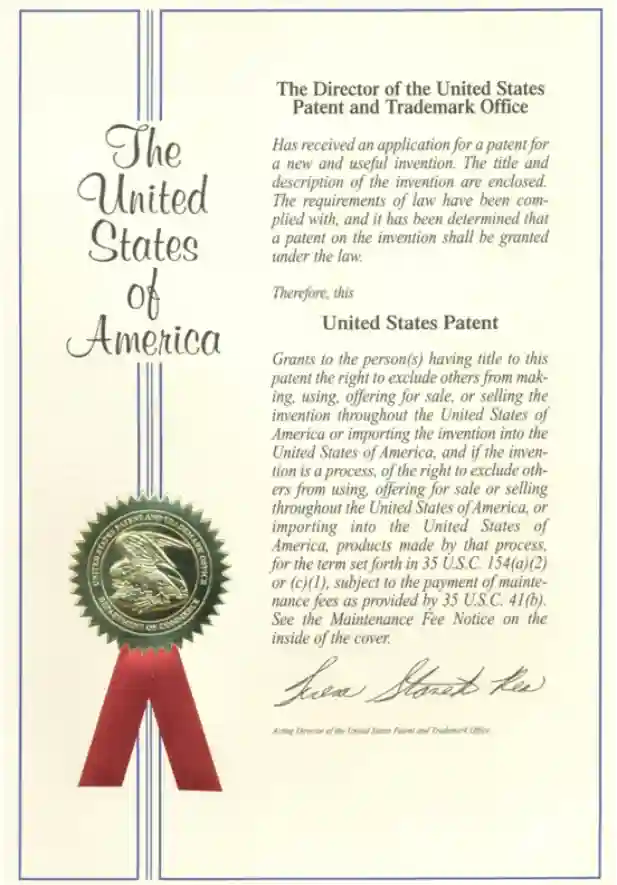
Spending money on good parts is essential. When budgets are tight, buying managers often choose the lowest-bidding sellers, but this doesn't always work out. Filter press plates made with precision injection moulding and sealing areas that have been finished by CNC offer uniform performance and longer life than cheaper options. With its large-scale production capacity and more than 136 patents, Jingjin is able to make components that meet strict quality standards for use in difficult industrial settings.
Analysing the economic benefit of expensive components can be seen by looking at the total cost of ownership instead of just the purchase price. Higher original investment is worth it because of predictable upkeep costs, less unexpected downtime, and steady production output.
Conclusion
Once you know these five danger signs, maintaining a filter press goes from being defensive crisis management to proactive asset preservation. Damage that can be seen, changes in the quality of the filter, changes in cycle time, material degradation, and more frequent maintenance are all early warning signs that something is about to break. When process engineers and plant managers use systematic checking routines, they find problems before they stop production or cause problems with environmental compliance. Reliable and cost-effective filtration operations are made by choosing plate materials that are compatible with the real process chemistry, setting up repair schedules that are based on data, and buying high-quality parts from well-known makers. Proactive methods cut down on emergency fixes, increase the life of equipment, and keep separation performance at its best in a wide range of industry settings.
FAQ
Q1: What causes filter press plates to crack during operation?
Cracking usually happens when there is too much pressure on the filter press plates, which is more than what they can handle, when the feed isn't distributed evenly, which creates stress spots, or when the working temperature is too high for the material. Most cracks can be avoided by keeping an eye on the temperature and regulating the pressure correctly.
Q2: How do I know when plates need replacement versus cleaning?
Visual inspection is what tells the difference. Chemical cleaning can get rid of surface layers and fouling that can be reversed, but structural damage like cracks, bending, or worn-out sealing surfaces needs to be replaced. Quality checking of the filtrate gives you more proof.
Q3: Can damaged plates contaminate my product?
Of course. If seals are broken, solid particles can get into filtrate streams through slurry bypass. Contamination can have very bad effects on chemical and medicinal uses, and may need to be thrown away and reported to the government.
Q4: What material should I choose for acidic slurry applications?
Polypropylene works well with most acids from pH 1 to 14 and up to 90°C. PVDF plates are better at withstanding chemicals up to 125°C, making them useful in places that are very harsh and have lots of acids at high temperatures.
Partner with a Trusted Filter Press Plates Manufacturer
To separate solids and liquids reliably, you need parts that were designed to work with your unique application. Jingjin Equipment Inc. has been making high-performance filter press plates for over 35 years and has been granted 136 patents. These plates are used in 123 countries in the mining, sewer treatment, chemical processing, and building industries. Our precisely moulded plates have sealing sides that have been finished with CNC, drainage holes that work better, and material formulations that are perfect for harsh chemical environments. Our engineering team can help you with any problem, whether you need raw polypropylene for pharmaceutical purity, PVDF for extreme chemical protection, or membrane configurations to make sure the cake is as dry as possible. Contact our filtration experts at [email protected] to talk about your separation needs and find out how working with a trusted provider of filter press plates can cut down on downtime, lower running costs, and guarantee long-term reliability.
References
1. Smith, J. & Anderson, K. (2021). Industrial Filtration Systems: Design, Operation, and Maintenance. Technical Press International.
2. Reynolds, M. (2020). "Material Selection for Chemical Process Equipment," Journal of Industrial Engineering, Vol. 45, No. 3, pp. 187-203.
3. Chen, L. & Wu, H. (2022). Solid-Liquid Separation Technology in Mineral Processing. Mining Industry Publications.
4. Thompson, R. (2019). "Predictive Maintenance Strategies for Filtration Equipment," Process Engineering Quarterly, Vol. 28, No. 2, pp. 76-91.
5. Garcia, P. & Martinez, E. (2023). Wastewater Treatment Equipment Lifecycle Management. Environmental Engineering Press.
6. Williams, D. (2020). "Cost Analysis of Filtration System Components," Industrial Maintenance and Plant Operation, Vol. 81, No. 7, pp. 42-58.
jingjin
Founded in 1988, Jingjin specializes in filter presses and liquid-solid separation solutions, serving over 130 countries worldwide, and is a standard-setter in China's filter press industry.
Get the Filter Press guide
Enter Your Email for Technical assistance for the Filter Press.


Recommended Blog
Filter Press Cloth Maintenance Tips: Prolonging Lifespan and Efficiency
Customized Filter Press Plates for the Mining Industry: What You Need to Know
Why Vietnam Factories Prefer China Membrane Plate Filter Press?
What Are Filter Press Plates and How Do They Work? A Comprehensive Guide
Where to Buy Reliable Multi Disk Screw Press for Industrial Effluent Separation?
Automatic vs Manual Press Filter Machines: Which One Suits Your Needs?