Affordable Press Filter Machines for Wastewater Treatment: Best Options in 2026
Affordable Press Filter Machines for Wastewater Treatment: Best Options in 2026
Understanding Press Filter Machines for Wastewater Treatment
- Understanding Press Filter Machines for Wastewater Treatment
- Criteria for Choosing an Affordable and Efficient Press Filter Machine in 2026
- Top Affordable Press Filter Machines for Wastewater Treatment: 2026 Edition
- Maintenance and Troubleshooting for Press Filter Machines
- How to Procure Press Filter Machines: Best Practices and Supplier Considerations
- Conclusion
- FAQ
- Partner with Jingjin Equipment Inc. for Reliable Filter Press Machine Solutions
- References
Wastewater treatment facilities facing 2026's stricter environmental rules must find affordable solid-liquid separation equipment. Municipal plants, mining enterprises, and chemical manufacturing need affordable press filter machines for efficient dewatering and low disposal costs. These powerful devices drain moisture from sludge using hydraulic or mechanical pressure to make dry cakes that minimize transportation costs and meet Zero Liquid Discharge requirements. To guarantee consistent performance in difficult industrial contexts, procurement teams weigh initial investment against long-term operating savings, energy usage, and supplier technical support when choosing a press filter machine.
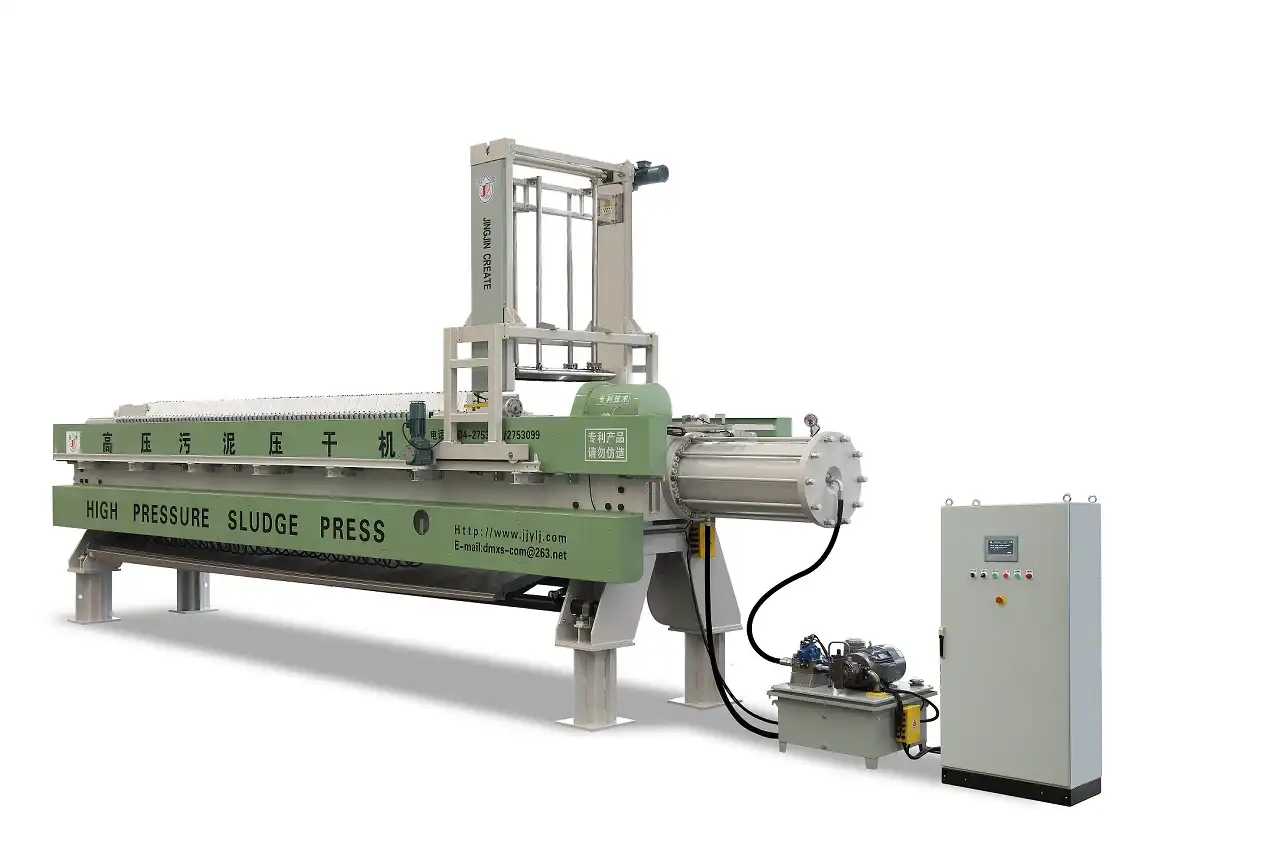
Understanding Press Filter Machines for Wastewater Treatment
Effective solid-liquid separation underpins sustainable wastewater management. Modern filtration systems address rapidly rising disposal prices, strict discharge licenses, and the requirement to reuse process water.
How Pressure Filtration Works
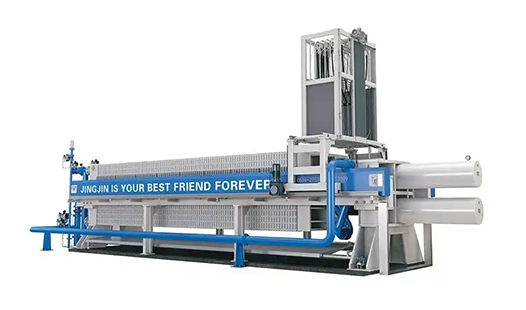
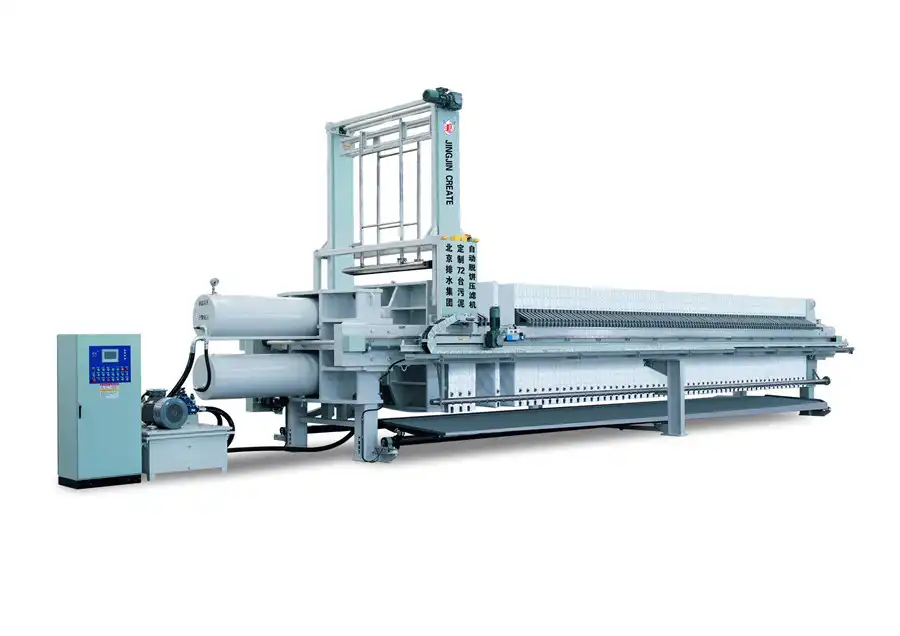
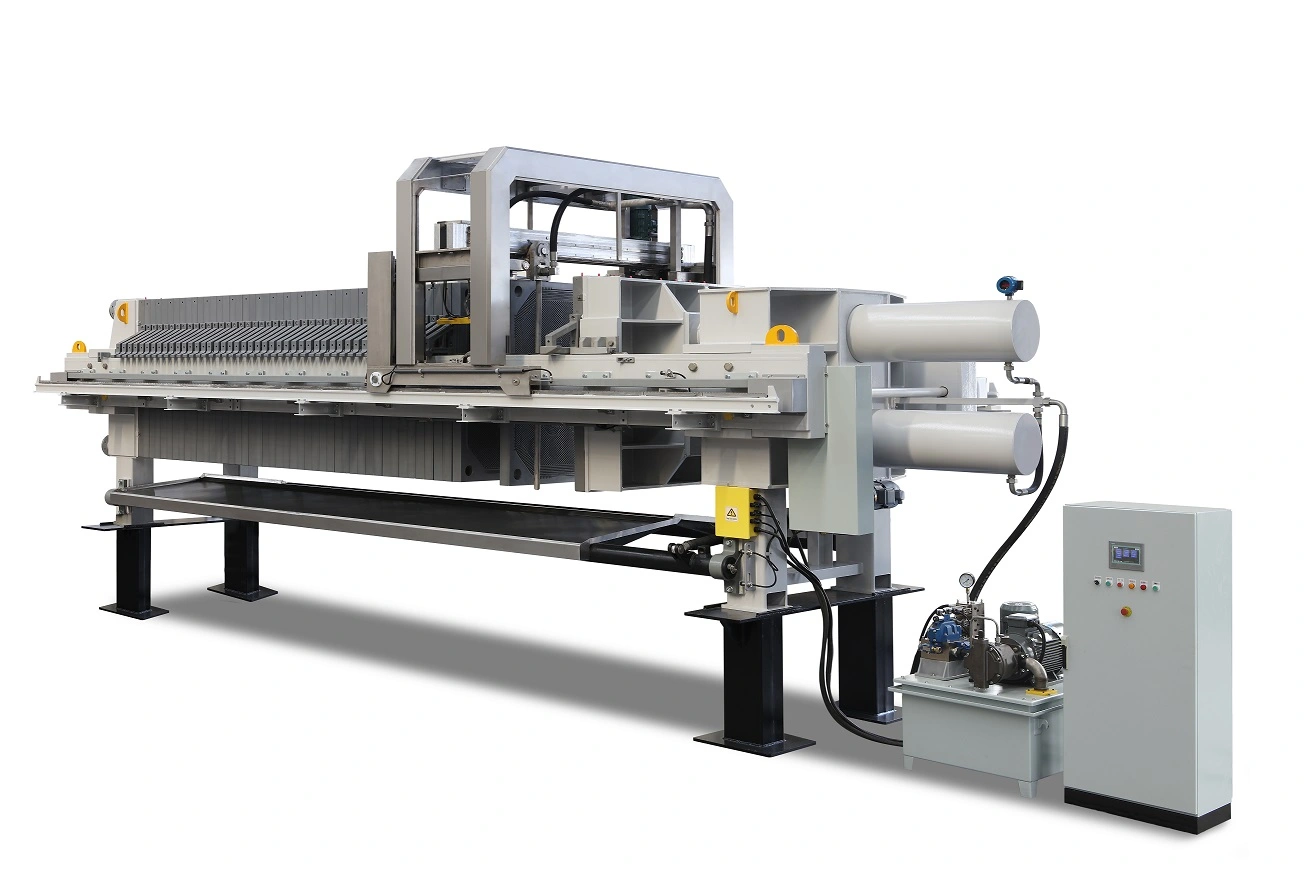
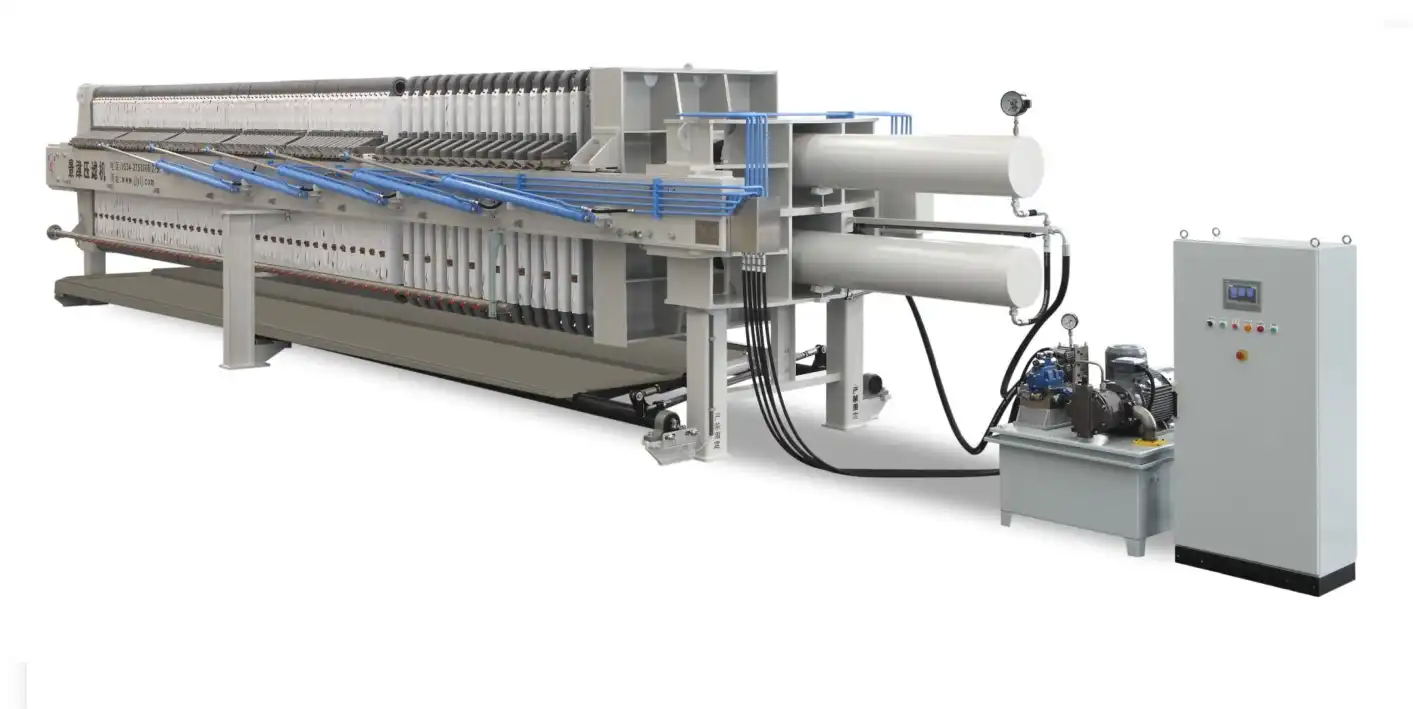
A press filter machine works using a simple yet strong mechanism. Chambers between recessed filter plates with specific cloths receive the slurry. Hydraulic rams compress plates, forming sealed compartments where feeding pressure—0.6 MPa in ordinary applications, 2.5 MPa in high-pressure variants—forces liquid through the medium. As filtrate drains, solids develop denser cakes in each chamber. Pressure-driven methods reduce discharge volume and weight by reducing moisture content.
Core Advantages for Industrial Operations
Using pressure filtration improves several operational metrics. Facilities regularly decrease sludge volume by over 85%, reducing truckloads and landfill tipping rates. Up to 95% of process water is reclaimed, enabling closed-loop operations and decreasing municipal water expenditures. Dry cakes are easier to handle and can be incinerated or composted. These benefits reduce sludge management costs and help companies meet changing environmental demands.
Criteria for Choosing an Affordable and Efficient Press Filter Machine in 2026
Equipment specifications should match operating reality and future demands for smart procurement.
Evaluating Operational Capacity and Slurry Characteristics
Throughput of press filter machines is determined by filtration area, ranging from 10 m² models for experimental batches to 2,000 m² systems for municipal sludge streams. Peak hourly flow rates, solids concentration, and particle size distributions must be considered by buyers of press filter machines. Fine-colloidal chemical sludges require greater pressures and plate geometries than fibrous mining tailings for press filter machines. Standard reinforced polypropylene plates in press filter machines may withstand up to 70°C, but high temperatures require glass-fiber reinforced or metallic frames to prevent thermal warping and sealing failure in press filter machines.
Balancing Performance Metrics Against Total Cost of Ownership
Purchase price is merely one of the lifelong economics factor. The membrane squeeze method achieves 45-60% moisture against 60-75% in traditional chamber designs, a difference that increases over thousands of cycles. Hydraulic system design and automation sophistication affect energy usage. Quality frame structure and plate material endurance in corrosive situations determine equipment longevity. Model disposal savings, water recovery value, and maintenance labor over five years to calculate payback timeframes and find value beyond the initial billing.
Top Affordable Press Filter Machines for Wastewater Treatment: 2026 Edition
Understanding how different models meet operational needs is crucial when choosing equipment.
High-Value Chamber Filter Presses
Industrial dewatering relies on chamber-style press filter machines, which are durable and affordable. The recessed plates provide chambers where cakes may be built to 30-40 mm thickness. The simple design reduces mechanical complexity, maintenance, and parts costs. Chamber press filter machines are common in iron ore, copper concentrate, and coal tailings mining because they handle abrasive slurries effectively. Biological sludges and compressible materials may retain more moisture than membrane alternatives, limiting dryness.
Customized Solutions for Specialized Applications
Standard catalog models work well for many applications, but other industrial processes require customized engineering. Chemical facilities with corrosive filtrates use PVDF or stainless steel wetted components to resist pH 1–14. To clean between product runs, food processing plants need hygienic designs with quick-release cloths. Tunneling contractors require skid-mounted devices that deploy quickly at remote sites. Engineering consults to match plate materials, frame dimensions, and automation levels to particular operating restrictions is a service that established manufacturers with strong application knowledge offer above commodity equipment vendors.
Maintenance and Troubleshooting for Press Filter Machines
Reliable functioning of press filter machines requires rigorous maintenance and quick problem-solving.
Essential Preventive Maintenance Routines
Standard inspections detect small faults before they become costly failures. Daily walkarounds should check plate alignment, sealing surface slurry leaks, and hydraulic pressure. Lubricate guide bars and thrust assemblies with suitable greases, check filter cloth for rips or straining, and test emergency stop circuits weekly. New installations need hydraulic oil changes after the first month to flush manufacturing waste, then every six months or 2,000 operating hours. These proactive actions prolong component life and filtering efficiency over thousands of cycles.
Common Operational Problems and Diagnostic Solutions
Slurry splashing between plates during filtering indicates significant sealing failures with different sources. Dry cake residue on plate sealing surfaces prohibits contact, necessitating extensive cleaning between cycles. Plates might separate under feeding pressure if the hydraulic closing pressure is insufficient. Check pump output and cylinder leaks. Worn filter cloths wrinkle at plate borders, producing worsening leak routes. Each symptom requires a comprehensive diagnosis to find fundamental reasons, not just symptoms. Abnormal plate shifting vibrations frequently indicate guide bar misalignment or carriage mechanism debris. Hydraulic leaks from degraded seals, broken hoses, or loose connections must be addressed immediately to minimize environmental discharges and preserve system pressure. Cloth blinding from fine particles requires chemical cleaning or replacement after long filtering durations. Recognizing these trends allows maintenance personnel to store extra parts and arrange repairs during scheduled downtime rather than emergency shutdowns.
How to Procure Press Filter Machines: Best Practices and Supplier Considerations
Strategic sourcing secures best-value equipment.
Understanding Lead Times and Delivery Logistics
Standard press filter machines take 8-16 weeks to make, depending on plate materials and automation complexity. Custom configurations with specialized components can take 20-24 weeks. In 2026, supply chain disruptions have mostly stabilized, but procurement teams should check lead times and build buffers into project schedules. Experienced suppliers help with freight forwarding, customs clearance, and final delivery coordination for international shipments to prevent delays and documentation problems that increase expenses.
Negotiation Strategies and Volume Purchasing
Multi-unit purchases or long-term supply agreements leverage better pricing and terms. When orders justify dedicated production runs, suppliers cut per-unit costs by 10-15%. Buyers are protected until equipment meets specifications via extended payment periods or performance milestones. Spare parts, consumables, and service contracts are generally better negotiated together than separately. Communicating project scope beforehand helps vendors develop full proposals rather than fragmented quotes.
Evaluating Supplier Credentials and Support Infrastructure
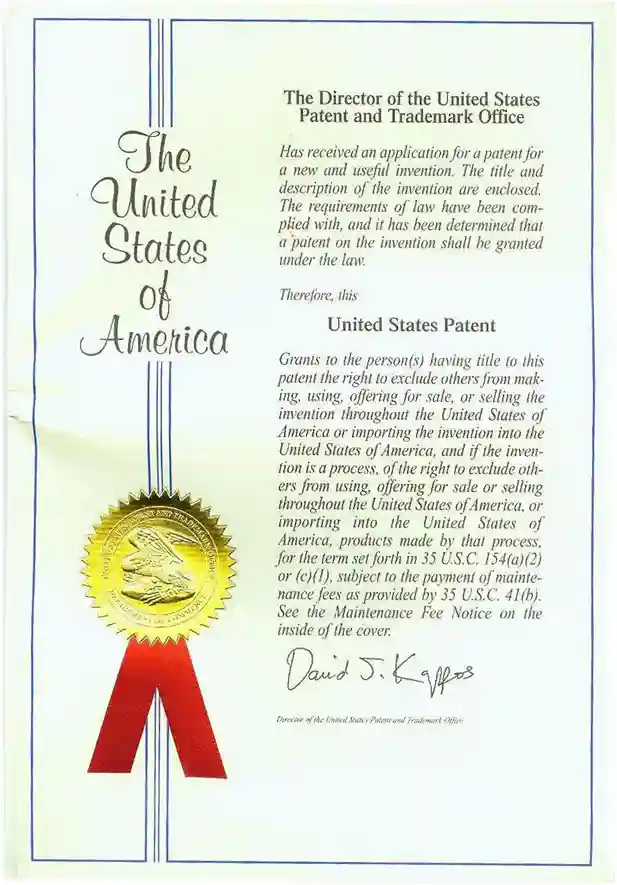
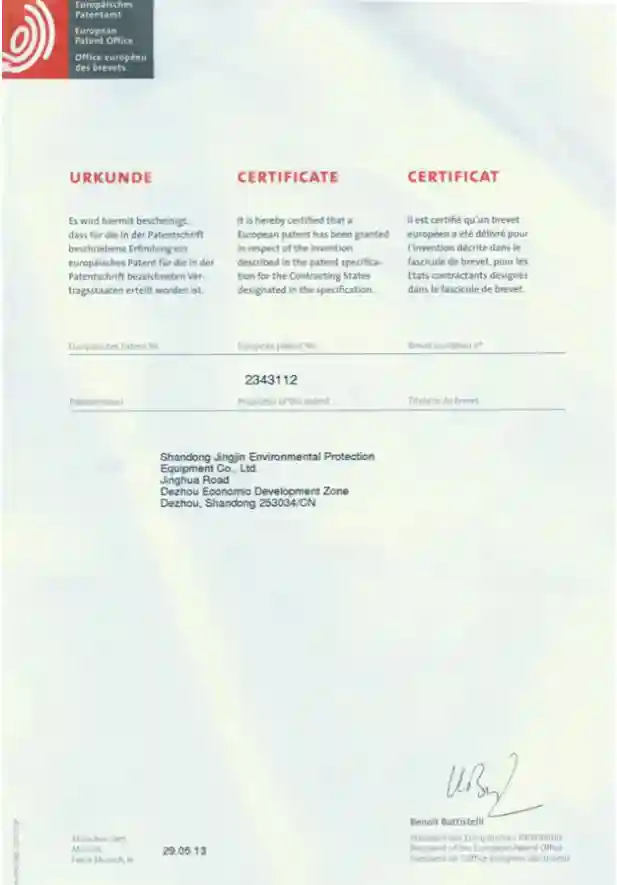
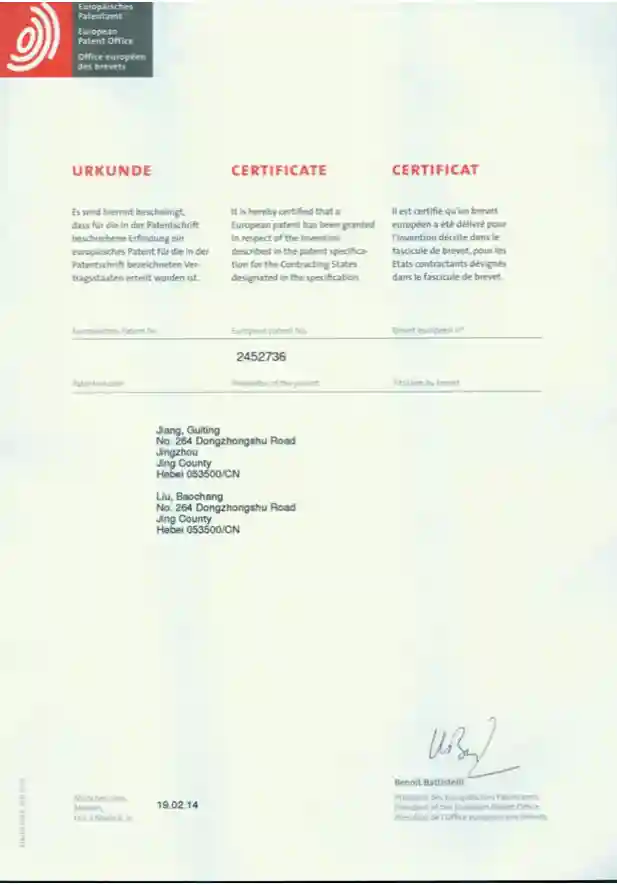
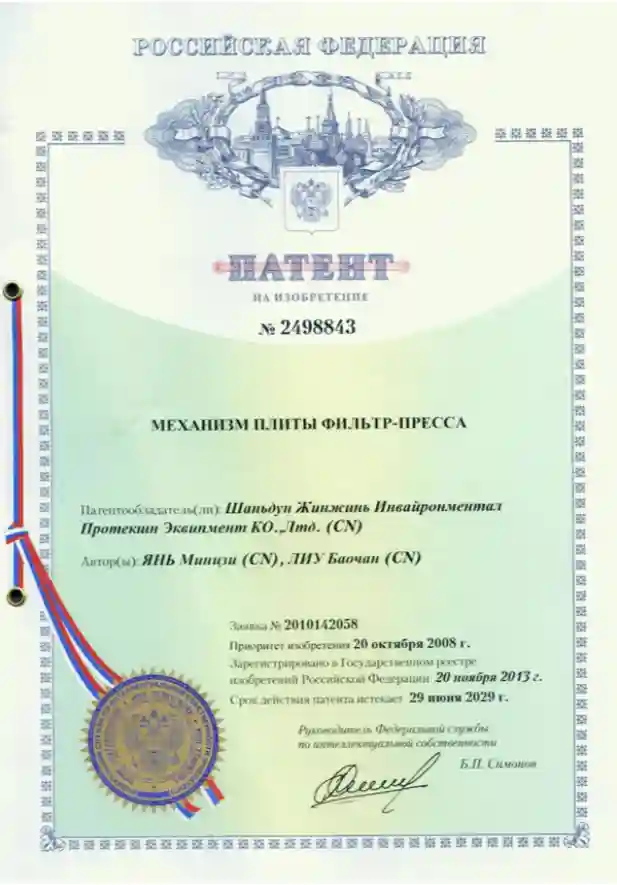
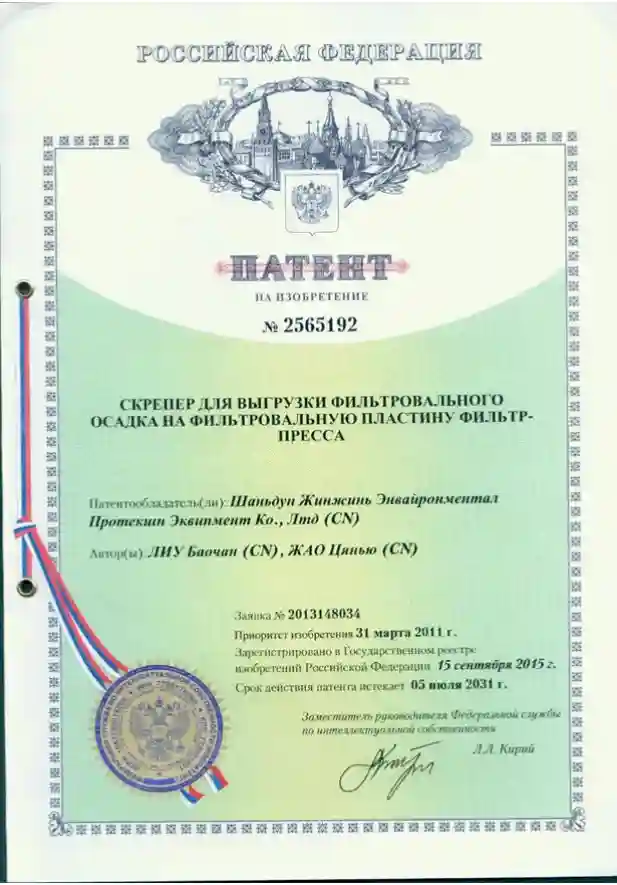
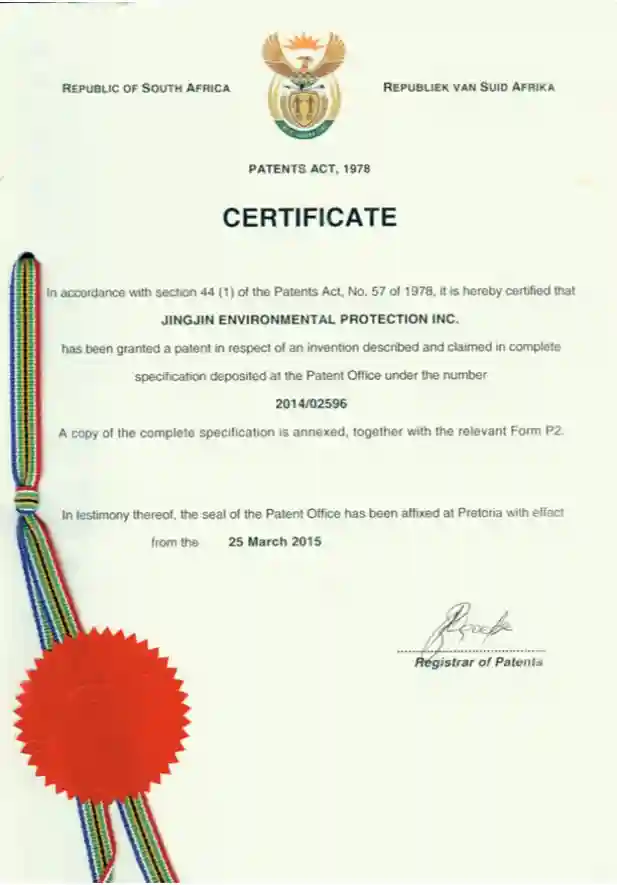
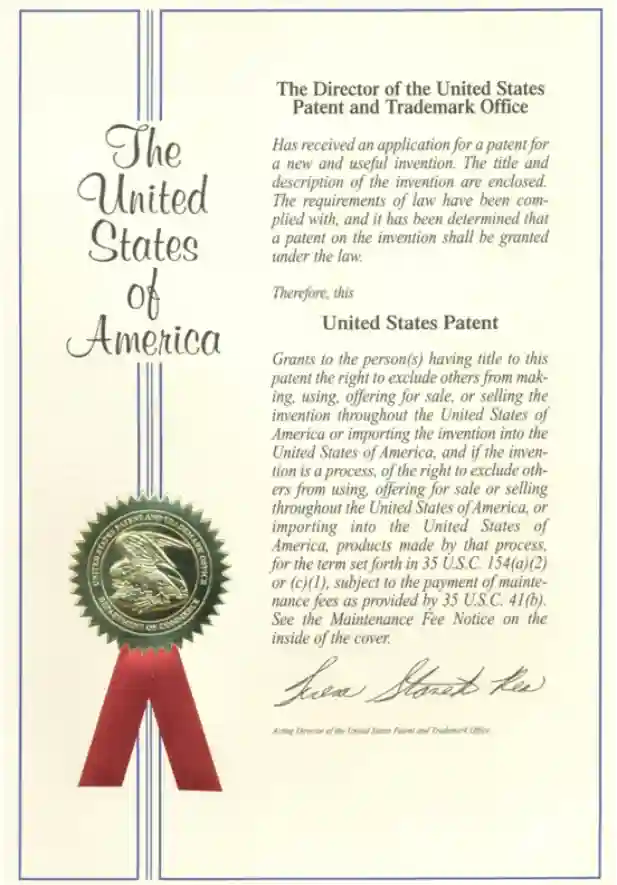
Manufacturer longevity and market presence suggest stability and parts availability essential for long-term ownership. Patent portfolios show innovation, not commodity manufacture. Suppliers with several fabrication sites can meet urgent requests and preserve inventory buffers. Global service networks with regional warehouses speed spare part delivery, reducing downtime. Customer recommendations in similar apps reveal real-world performance and support quality that sales material seldom catches.
Conclusion
Affordable press filter machines provide proven solid-liquid separation performance that immediately tackles wastewater treatment's biggest concerns in 2026. It's important to weigh filtering capacity against slurry characteristics, automation demands versus labor needs, and total ownership expenses beyond initial purchase prices when choosing equipment. The best procurements combine technical criteria with providers with strong support infrastructure and application experience. Modern pressure filtering technology ensures regulatory compliance and operational sustainability for municipal biosolids, mining tailings, and chemical process streams.
FAQ
What moisture content can membrane presses achieve compared to standard chamber designs?
Standard chamber press filter machines generate cakes with 60-75% residual moisture, depending on slurry and pressure. In most applications, membrane press filter machines use inflated diaphragms to deliver secondary squeezing pressure directly to produced cakes, lowering moisture content to 45-60%. The enhancement is especially useful for compressible biological sludges with bound water that resists filtering. This improved dewatering decreases disposal weights and volumes, saving money per ton or when downstream thermal processing uses drier input material.
How often should filter cloths be replaced in continuous operation?
Slurry abrasiveness, chemical exposure, and cleaning affect filter cloth longevity. Mining applications using sharp mineral particles may need replacement every 400-800 cycles, whereas municipal wastewater treatment cloths for biological sludge can last 1,200-1,800 cycles with adequate maintenance. Replacement is recommended after checking for rips, stretching, or localized blindness. Replace the cloth before catastrophic failure to save downtime and preserve filtering efficiency throughout its life.
Can existing filter presses be upgraded with membrane technology?
Chamber press filter machine frames can be retrofitted with membrane plates, depending on hydraulic system capacity and space. Upgrades to membrane plates require increased closure forces and inflating systems, which skilled technicians must evaluate. When original equipment lacks current safety measures or is worn, complete frame rebuilds may be cheaper than partial retrofits.
Partner with Jingjin Equipment Inc. for Reliable Filter Press Machine Solutions
Wastewater treatment requires engineering competence and industrial-scale capability. Since 1988, Jingjin Equipment Inc. has made press filter machine systems for 123 countries with over 136 patents. Our press filter machines are suitable for municipal sludge dewatering, mining tailings management, and chemical processing, with filtration areas ranging from 1 to 2,000 m² and pressure capacities up to 2.5 MPa. We offer entire solid-liquid separation ecosystems with filter plates, cloths, and technical services to meet your operating needs. For filtering advice from an experienced press filter machine provider devoted to long-term operating success, contact our technical staff at [email protected].
References
1. Water Environment Federation (2025). Industrial Wastewater Treatment Technology: A Practical Guide to Solid-Liquid Separation Systems, Alexandria, VA: WEF Press.
2. Sutherland, K. (2024). Filters and Filtration Handbook, Seventh Edition, Oxford: Butterworth-Heinemann.
3. American Water Works Association (2025). Wastewater Engineering: Treatment and Resource Recovery, Denver, CO: AWWA Publications.
4. Perry, R.H. & Green, D.W. (Eds.) (2024). Perry's Chemical Engineers' Handbook, Tenth Edition, New York: McGraw-Hill Education.
5. Minerals, Metals & Materials Society (2025). Mineral Processing and Extractive Metallurgy Review: Advances in Tailings Dewatering Technology, Vol. 46, Issue 2.
6. International Water Association (2024). Manual of Practice: Sludge Treatment and Disposal, London: IWA Publishing.
jingjin
Founded in 1988, Jingjin specializes in filter presses and liquid-solid separation solutions, serving over 130 countries worldwide, and is a standard-setter in China's filter press industry.
Get the Filter Press guide
Enter Your Email for Technical assistance for the Filter Press.
Recommended Blog
Top 5 High Capacity Press Filters for Efficient Sludge Dewatering
Understanding Technical Specifications of Press Filters: A Complete Guide
High Durability Filter Press Cloth for Chemical Processing: Benefits and Uses
Comparing Jingjin Filter Press with Other Brands: Which One Suits You Best?
Filter Press Cloth for Food and Beverage Industry: Ensuring Safety and Quality
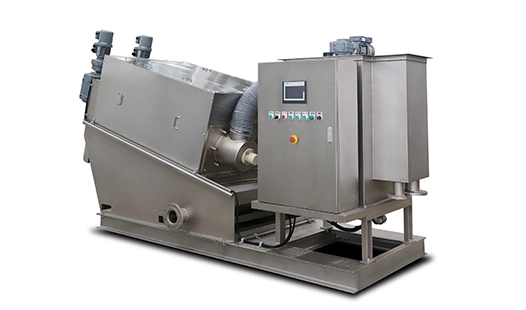
Screw Dewatering Machine Cost from China for Asia Importers