How to Choose the Best Press Filter Machine for Juice Production
Understanding Press Filter Machines in Juice Production
- Understanding Press Filter Machines in Juice Production
- Core Criteria for Choosing the Best Press Filter Machine for Juice Production
- Comparing Press Filter Machines with Other Filtration Solutions
- Maintenance, Warranty, and After-Sales Support for Press Filter Machines
- Case Studies: Successful Press Filter Machine Integration in Juice Production
- Conclusion
- FAQ
- Partner with Jingjin for Your Juice Production Filtration Needs
- References
Choosing the right press filter machine for your juice production line affects the quality, output, and bottom line of your business. This guide walks you through important choice factors, such as machine types, technical specs, and working issues. Whether you are in charge of a medium-sized fruit processing plant or a turnkey juice production system, you need to know about filtration pressure, cake dryness, and automation levels so that you buy the right tools for your raw materials and output volume. I've worked in food processing plants around the world for more than 30 years, and I've seen how the right filtering technology changes the clarity of juice, makes it last longer, and drastically lowers the cost of getting rid of waste.
Understanding Press Filter Machines in Juice Production
What Makes Press Filter Machines Essential in Juice Processing
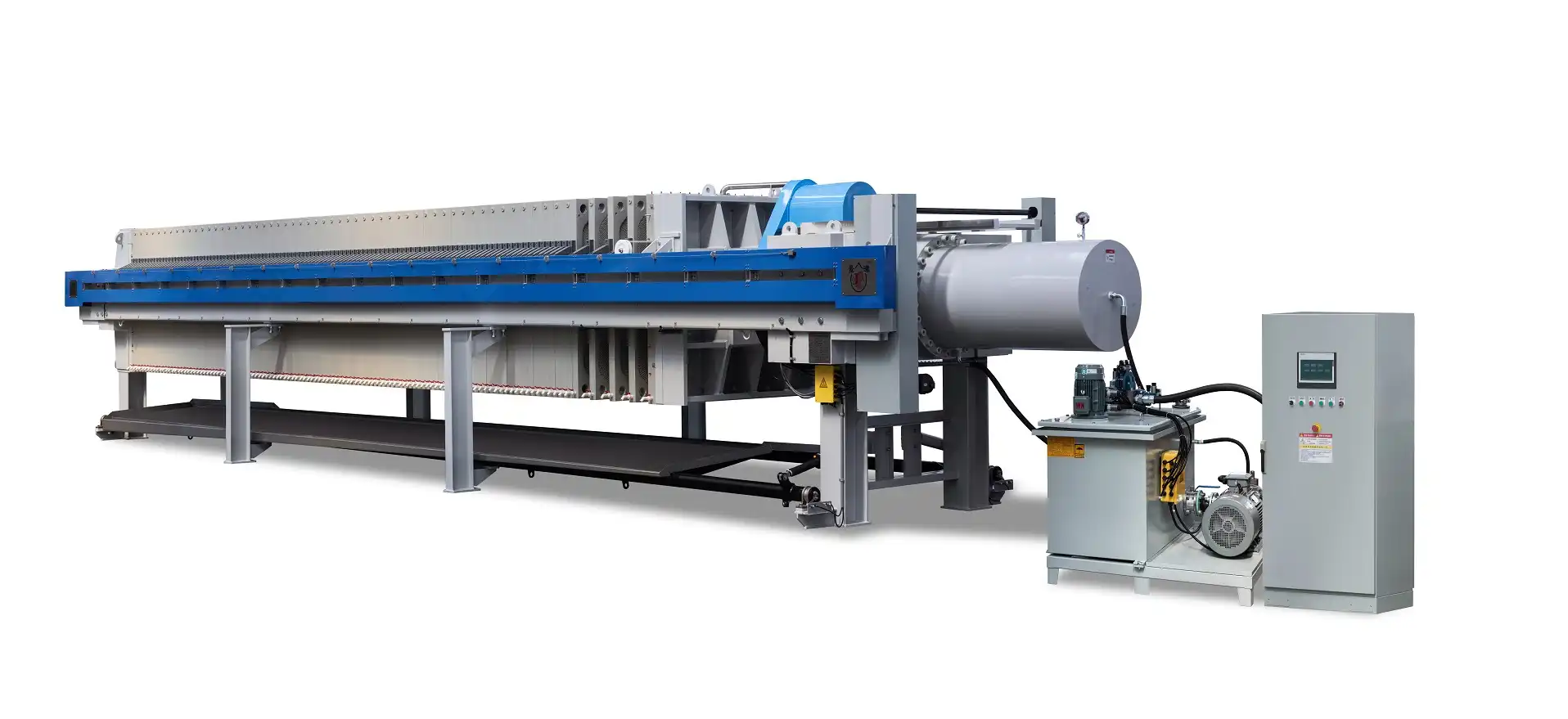
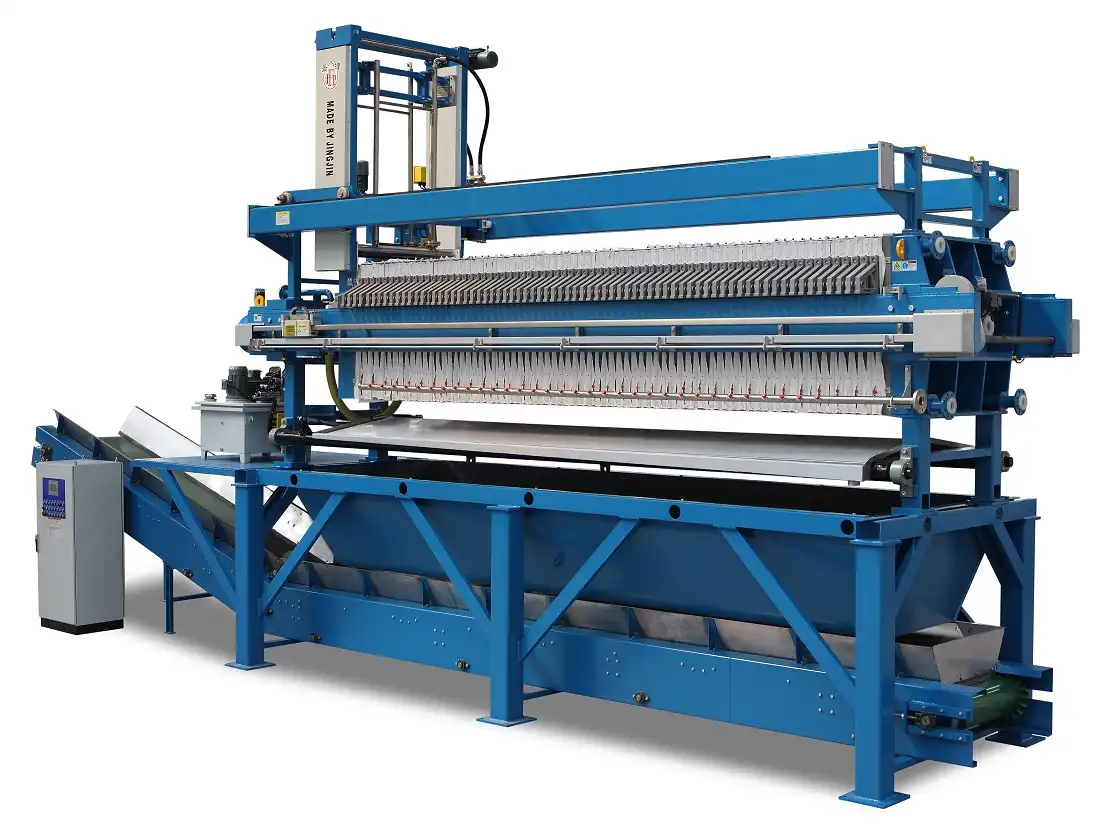
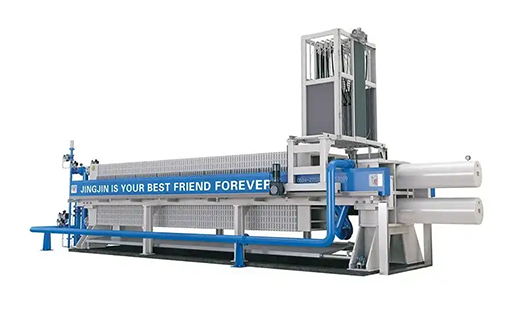
By controlling the pressure, press filter tools separate the flowing juice from the pulp, seeds, and solid bits. Slurry pumps move crushed fruit into spaces made between filter plates that are lined with a special kind of cloth. As the pressure rises—usually between 0.6 MPa and 2.5 MPa for juice applications—the solids pack down into a cake while the clear juice flows through the media. This mechanical separation keeps flavor compounds longer than heating methods and makes the liquid clearer than decanter centrifuges.
Types of Press Filter Systems for Juice Production
Plate-and-frame designs are most common in small to medium-sized businesses because they are easy to set up and require less cash. Because the cake has to be discharged by hand after each turn, it can only be used for batch production of less than 5,000 liters per shift. In membrane press filter machines, flexible diaphragm plates are added to squeeze cakes with secondary pressure. This lowers the apple pomace's moisture content from 65% to 45%. This extra dryness means that it costs less to ship, and there is a chance to make money by selling dried pulp as fiber supplements or animal feed.
Automated models have PLC control systems that handle the feeding sequence, pressure ramping, and hydraulic plate moving without any help from the user. A medium-sized fruit processor in Florida that I worked for cut down on labor costs by 40% when they switched from manual to fully automatic systems. Their three-shift business is now run by one worker who watches over several units from afar.
Key Advantages Driving Adoption in Modern Juice Manufacturing
One of the biggest benefits is that it saves energy. Press filtration uses mechanical pressure instead of constant spinning, so it uses about 60% less electricity than centrifuges of the same size. Being able to work with different kinds of fruit is very important. The same machine can handle slurries made of apple, grape, pineapple, and berries by changing the pressure curves and the size of the cloth mesh. Filtrate clarity often goes above and beyond industry standards, and turbidity levels below 50 NTU can be reached without having to go through extra steps of clarification. These technological benefits directly lead to lower operating costs and better quality products that sell for more on the market.
Core Criteria for Choosing the Best Press Filter Machine for Juice Production
Matching Production Scale with Throughput Capacity
Your hourly juice amount determines the size of the room and the number of plates. Small craft makers who process 500 to 2,000 litres of water every day can use 20 to 40 630 mm square plate units effectively. Industrial sites that take out more than 20,000 liters of water per shift need 80 to 120 plates that are 1,500 mm in size. To figure out an actual output, you need to know how fast your fruit filters. For example, apples filter faster than mangoes because their pulp is not as thick. A machine of the right size can finish runs in 90 to 180 minutes, which is a good balance between output and cash investment.
Critical Performance Specifications That Impact Juice Quality
The finished product's look and stability depend on how precisely it was filtered. Cloth mesh with a grade of 5 to 20 microns can catch small particles while still letting enough air flow through. Tighter meshes make juice that is very clear, but they make processes take longer and require higher pressures. Cake dryness rates directly affect how much it costs to handle trash. For example, cutting pomace moisture from 70% to 50% cuts the weight of dumping by almost half. The operating pressure needs to be right for the raw material. For example, tough citrus peels need 1.8 to 2.5 MPa, while soft berries do well at 0.8 to 1.2 MPa.
Material Selection for Hygiene and Equipment Longevity
For surfaces that come into touch with food, stainless steel construction (304 or 316 grade) is still required. This keeps the surfaces from rusting in acidic fruit juices and harsh cleaning agents. To find a good mix between longevity and cost, frame systems may use carbon steel with protective coatings. Filter plates made of strengthened polypropylene can handle temperatures up to 95°C, which makes them suitable for hot-fill juice processes. Cast iron parts should not come into direct contact with juice because they rust in acidic environments and add a rusty taste to the juice.
Automation Levels and Labour Cost Considerations
For manual methods, the user has to do a lot of work to open the plates, take out the cakes, and clean the cloth between cycles. In these situations, 25 to 35 percent of the cost of handling is labor. Plate moving and wash processes are done automatically in semi-automated machines, but cake discharge has to be done by hand. Fully automated solutions with vibrating discharge systems and CIP (clean-in-place) integration cut down on the amount of work that needs to be done each cycle to less than 15 minutes of guidance. Upgrading to technology usually pays for itself in 18 to 36 months, but this depends on how much is made and how much labor costs in the area.
Comparing Press Filter Machines with Other Filtration Solutions
Decanter centrifuges can run continuously, which is good for very large amounts, but they make cakes less dry (usually 55–60% wetness) and use more energy. Because they are so complicated mechanically, they also cost a lot to maintain. For example, replacing bearings alone can cost over $15,000 a year on commercial units. Belt filter presses work all the time, but they don't get very clear results and have trouble with dense materials like pineapple or passion fruit pulp.
Vacuum drum filters are very clear, but they need a lot of pre-treatment and produce a lot of wastewater during backwash cycles. Press filtration is the best way to separate solids from liquids while using very little water—usually less than 200 liters per cycle for cleaning cloths. When looking at return on investment, juice yield rates should be taken into account. Compared to belt presses, membrane press systems get 5-8% more juice from the same amount of raw material, which directly increases income per tonne of fruit processed.
When looking at energy costs, press filter machines use 0.8 to 1.2 kWh per cubic meter of juice they make, while centrifuges use 2.5 to 3.5 kWh for the same amount of juice. At normal U.S. business rates, this difference in efficiency saves $18,000 to $25,000 in power over five years of processing 5,000 liters of water every day. When comparing maintenance downtime, press systems are better because regular maintenance happens during normal production gaps, while unexpected shutdowns for 2–5 days are common for centrifuge fixes.
Maintenance, Warranty, and After-Sales Support for Press Filter Machines
Establishing Effective Maintenance Protocols
Blinding, which slows down flow rates and makes cycle times longer, can be avoided by checking the cloth every day. Every 50 to 100 cycles, washing with alkaline soaps (pH 10 to 11) improves permeability by getting rid of pectin and protein deposits. As part of regular upkeep, hydraulic systems need to have their oil changed every 2,000 hours of use and their seals checked every six months. Plate gaskets should be replaced every three to five years, but this depends on how acidic the juice is and how hot the machine is running. Keeping detailed service logs helps find patterns in performance before they become major problems that cost a lot to fix.
Evaluating Warranty Coverage and Supplier Reliability
Structures are covered by standard contracts for 24 to 36 months, and hydraulic systems are covered for 12 to 18 months. Wear parts like filter cloths, gaskets, and hydraulic seals usually come with a 90–180-day warranty. Carefully read the warranty's response time requirements—delays longer than 72 hours during harvest time pose too high a risk of losing product. Suppliers who offer preventive maintenance contracts make sure that parts are always available and that checks are planned ahead of time. This keeps emergency downtime to a minimum.
How resilient an operation is depends on how easy it is to get to the spare parts store. Critical parts are shipped within 24 to 48 hours by domestic sellers or those with U.S. warehouses, while it takes two to three weeks for foreign fulfillment. When looking at different suppliers, make sure to check how many installations they have in North America. Companies with 50 or more current installations have shown they can work in a variety of juice production settings. It's very important to have technical help available during busy working times. You can call 24/7 and talk to engineers who speak the language of your business to avoid costly troubleshooting delays.
Case Studies: Successful Press Filter Machine Integration in Juice Production
Mid-Scale Apple Juice Producer Boosts Yield Through Membrane Technology
A Washington State plant that could produce 12,000 liters of paper every day had problems with its old plate-and-frame method, which caused too much pulp waste and uneven clarity. They found that the juice from the same kinds of apples was extracted 7.2% more efficiently after putting a 60-plate membrane press filter machine with automatic pressure sequencing. The membrane squeeze cycle cut the moisture content of pomace from 68% to 48%, which saved $1,850 a month on trash disposal. Turbidity dropped from 120 NTU to typically less than 40 NTU, which made the juice much clearer and allowed them to sell it in premium organic stores for 15% more. Even though more money was needed at the start, the return on investment was reached in 26 months.
Full automation makes the large-scale multi-fruit processor work well.
A Florida plant that processed seasonal citrus, tropical fruits, and nuts had trouble finding workers and keeping the quality of the food consistent. Their purchase of two fully automated press filter systems that work with a PLC and have automatic cake release changed how things were done. Cycle times went from 165 minutes to 105 minutes after the pressure-rising methods were improved. The number of workers needed went from four shifts of four operators to one mechanic watching over both lines. Most importantly, cutting the time it took to switch equipment between types of fruit from 180 minutes to 45 minutes increased daily production by 22% without adding more floor space or making big changes to the infrastructure.
Conclusion
To pick the best press filter machine, you have to balance scientific requirements with practical needs and budget limits. Which method gives the best value depends on how much is being produced, the type of fruit, the amount of automation wanted, and the ease of maintenance. Membrane configurations work well for businesses that want to make sure the cake is dry and get the most out of it, while plate-and-frame methods work well for smaller producers who want to save money. Long-term dependability is ensured by carefully reviewing suppliers and focusing on insurance terms, parts availability, and expert support. The case studies show that carefully choosing the right tools has a direct effect on making money by increasing output, lowering labor costs, and producing higher-quality goods. When you decide to spend, you should make sure that the machine's powers perfectly match your production goals while still leaving room for growth in the future.
FAQ
Q1: What juice types work best with press filtration technology?
Press filter machines handle virtually all fruit juices effectively, including apples, grapes, citrus, berries, stone fruits, and tropical varieties. Fibrous materials like pineapple or mango require slightly different cloth specifications and pressure profiles compared to softer fruits. The versatility comes from adjustable operating parameters—pressure curves, cycle times, and filter media—that accommodate varying pulp consistencies and particle sizes.
Q2: How frequently should filter cloths be replaced in juice production?
Cloth lifespan depends heavily on juice acidity, operating pressures, and cleaning protocols. Under typical conditions with proper maintenance, clothes last 800-1,500 cycles before permeability degradation requires replacement. Citrus applications with high acidity may necessitate replacement every 600-800 cycles, while apple juice operations often exceed 1,200 cycles. Regular chemical washing and avoiding excessive pressures that stress fibers significantly extend useful life.
Q3: Can press filter systems be customized for specific fruit processing requirements?
Reputable manufacturers offer extensive customization, including chamber sizing, plate materials, automation levels, and specialized coatings. Configurations can incorporate heated plates for tropical fruits requiring temperature control, explosion-proof electrical systems for facilities processing high-sugar-content materials, and specialized discharge systems for particularly sticky pulps. Custom engineering ensures optimal performance for unique production environments and regional fruit varieties.
Partner with Jingjin for Your Juice Production Filtration Needs
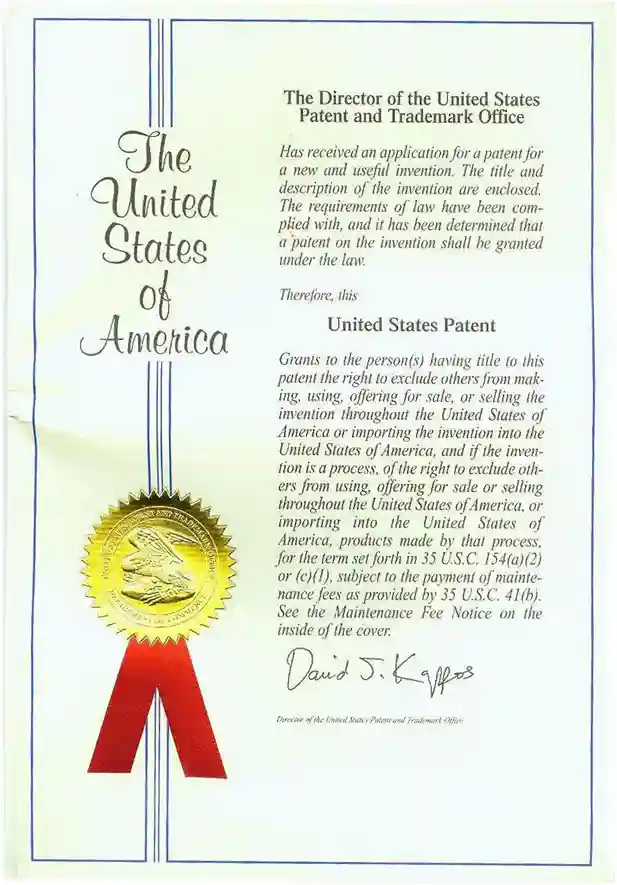
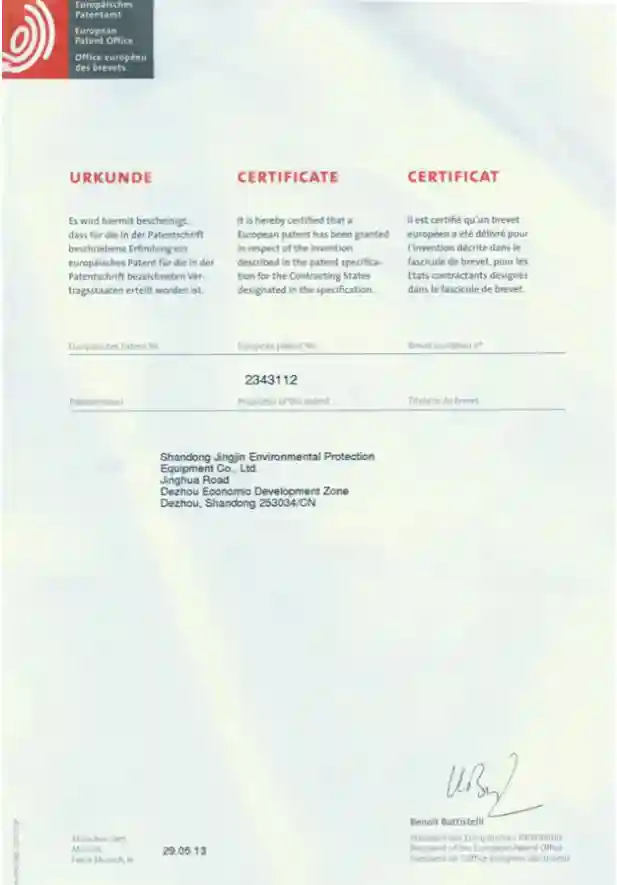
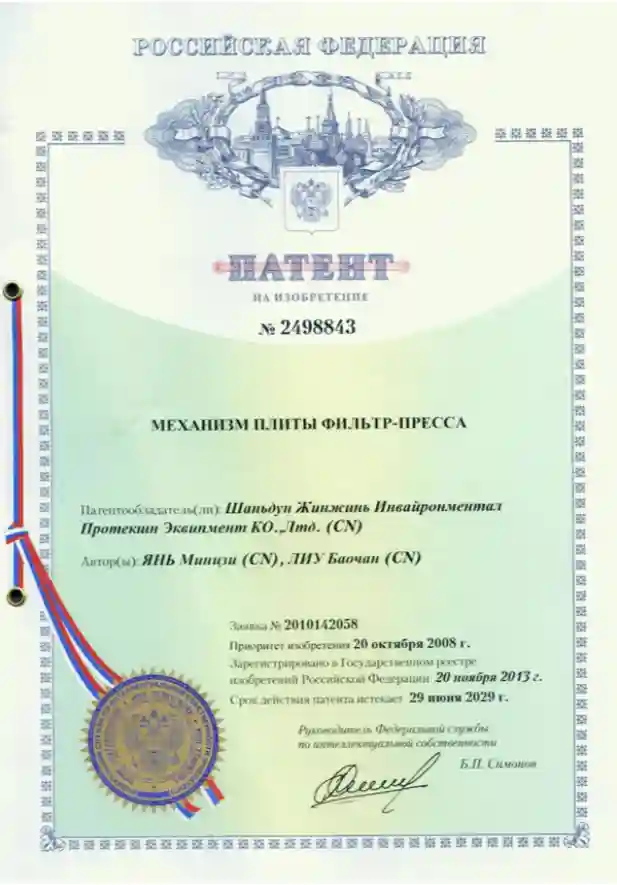
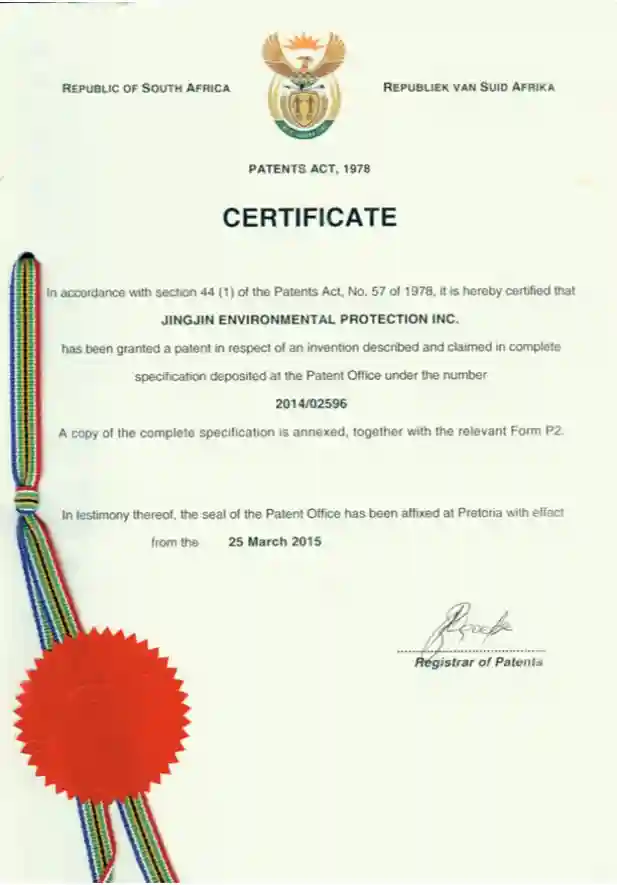
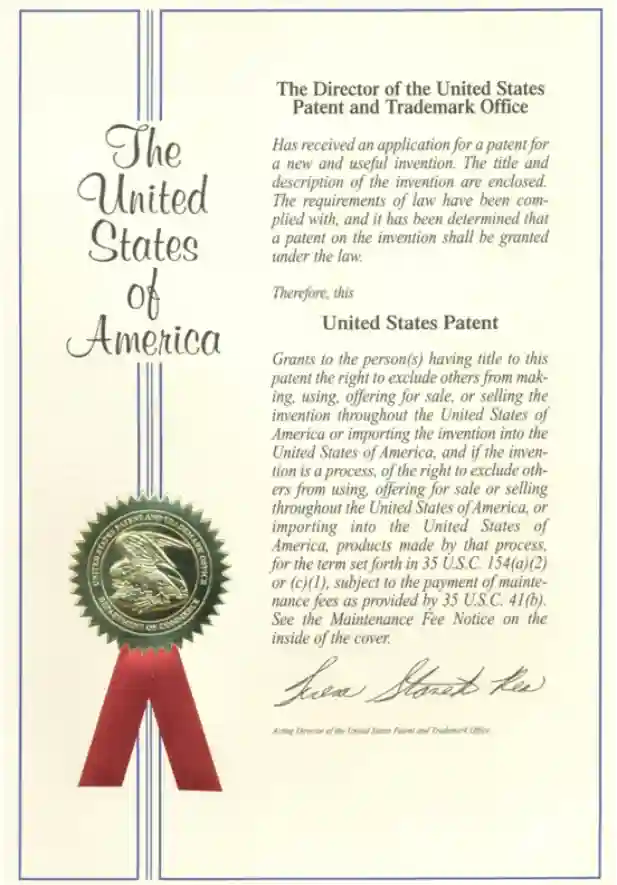
Jingjin Equipment Inc. brings over 35 years of specialized experience engineering press filter machine solutions for food and beverage manufacturers worldwide. Our juice processing systems incorporate 136+ patented technologies delivering superior cake dryness, extended cloth life, and industry-leading energy efficiency. As a global press filter machine supplier serving clients across 123 countries, we maintain extensive spare parts inventory in North America, ensuring rapid response when you need support most. Our engineering team provides complimentary consultation, analyzing your specific fruit types, production volumes, and facility constraints to recommend optimally configured systems. Comprehensive installation support, operator training programs, and flexible financing options remove barriers to upgrading your filtration capabilities. Contact our technical specialists at [email protected] or visit our facility to discuss how Jingjin's proven membrane press technology can increase your juice yields, reduce operational costs, and deliver the clarity your premium products demand.
References
1. Fellows, P.J. (2017). Food Processing Technology: Principles and Practice, 4th Edition. Woodhead Publishing, Cambridge, UK.
2. Arthey, D. & Ashurst, P.R. (2001). Fruit Processing: Nutrition, Products, and Quality Management, 2nd Edition. Springer Science & Business Media, New York.
3. Sinnott, R.K. & Towler, G. (2019). Chemical Engineering Design: Principles, Practice and Economics of Plant and Process Design, 6th Edition. Butterworth-Heinemann, Oxford.
4. Wakeman, R.J. & Tarleton, E.S. (2005). Solid/Liquid Separation: Principles of Industrial Filtration. Elsevier Advanced Technology, Oxford, UK.
5. Berk, Z. (2018). Food Process Engineering and Technology, 3rd Edition. Academic Press, London, UK.
6. Huang, H. & Ramaswamy, H.S. (2013). "Membrane Processing in Fruit Juice Manufacturing." Food Engineering Reviews, Volume 5, Issue 3, pp. 121-140.
jingjin
Founded in 1988, Jingjin specializes in filter presses and liquid-solid separation solutions, serving over 130 countries worldwide, and is a standard-setter in China's filter press industry.
Get the Filter Press guide
Enter Your Email for Technical assistance for the Filter Press.

Recommended Blog
How Overseas Distributors Choose Filter Press Suppliers in China?
How Global EPC Firms Manage Filter Press Procurement in China?
How to Choose the Right Membrane Plate Filter Press for Your Industrial Needs
Automatic vs Manual Press Filter Machines: Which One Suits Your Needs?
Comparing Industrial Feed Pump Specifications for Filter Press Systems
Customized Multi Disk Screw Press Solutions for Specific Sludge Processing Needs
How to Choose the Best Feed Pump for Filter Press in Water Treatment