Essential Maintenance Tips to Prolong the Life of Your Press Filter Machine
Understanding the Key Maintenance Challenges of Press Filter Machines
- Understanding the Key Maintenance Challenges of Press Filter Machines
- Essential Maintenance Tips to Maximize Press Filter Machine Efficiency
- Types of Press Filter Machines and Customized Maintenance Considerations
- Comparing Maintenance Needs: Press Filter Machine vs. Alternatives
- Leveraging Trusted Brands and Service Partners for Optimized Maintenance
- Conclusion
- FAQ
- Partner with a Leading Press Filter Machine Manufacturer for Superior Maintenance Support
- References
Successful press filter machine maintenance can save operational expenses and prolong equipment life by years. Mining, wastewater treatment, and chemical processing plants gain better filtering cycles, decreased downtime, and optimum dewatering performance through routine inspections, consumable replacements, and strategic troubleshooting. Proven maintenance procedures solve industrial issues like excessive cake moisture, mechanical breakdowns, and regulatory compliance. Preventing wear before it causes costly system breakdowns that interrupt production schedules is the main goal.
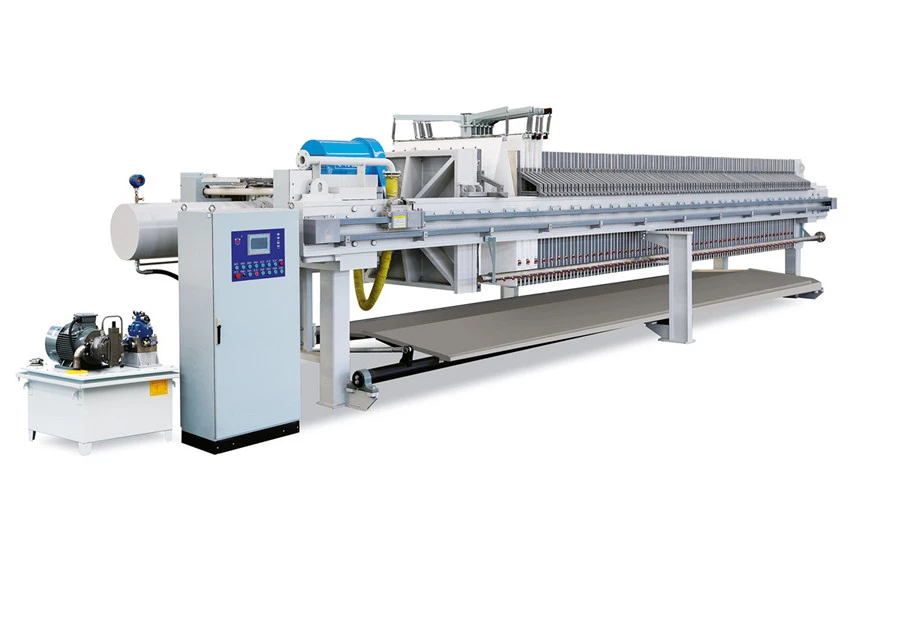
Understanding the Key Maintenance Challenges of Press Filter Machines
Recognizing Common Mechanical Failures
Continuous difficulties for operating teams include plate cracking, hydraulic cylinder leakage, and cloth blinding. Uneven feed distribution or differential pressure between chambers causes stress fractures in reinforced polypropylene or PVDF plates. Chemical processing plants with aggressive slurries at pH extremes report faster wear when protective coatings erode. Abrasive sludge wastewater treatment plants report quicker fabric clogging when particle size varies unexpectedly, lowering permeability and lengthening cycle times.
How Does Neglect Impact Filtration Performance?
Filtration accuracy significantly declines as maintenance schedules lapse. Blinded filter cloths hinder liquid flow, raising feed pressure that might overwhelm hydraulic systems. Delaying cloth cleaning by two weeks increased cake moisture content by 23% at one municipal wastewater facility, increasing disposal expenses. When worn seals let slurry bypass, tailings dewatering effectiveness diminishes, polluting filtrate and jeopardizing Zero Liquid Discharge downstream water recovery systems.
Root Causes Behind Equipment Wear
Material treatment greatly affects component lifespan. Unconditioned high-abrasive slurries promote plate surface erosion and cloth fiber degradation. High ambient temperatures diminish hydraulic oil viscosity, and corrosive atmospheres destroy bare steel frames despite epoxy coatings. Mechanical shocks from inappropriate pressure ramping during feed cycles harm alignment mechanisms and diminish hydraulic actuator life due to poor operator training. Understanding these factors allows proactive operational procedure modifications to preserve equipment integrity.
Essential Maintenance Tips to Maximize Press Filter Machine Efficiency
Daily Visual Inspections
Check hydraulic fluid levels and exterior oil leaks around cylinder rods and valve blocks before each shift. Check filter cloths for plate groove rips or displacement, which enable slurry bypass and lower cake quality. Emergency stop functions and pressure interlocks must work properly—safety system failures offer serious operating risks. Comparing the feed pump discharge pressure to the manufacturer's specifications might indicate seal failures or internal wear that needs quick treatment.
During plate opening and closing cycles, operators should record unexpected hydraulic station or drive mechanism noises. Misaligned guide bars cause grinding, whereas hydraulic whining indicates cavitation or air entrainment. Systematically recording these observations helps maintenance staff find patterns and plan repairs before breaks. These strict guidelines reduce unscheduled downtime and sustain throughput, which is crucial for plants with tight production deadlines or regulatory discharge periods.
Weekly and Monthly Maintenance Checklists
Weekly filter cloth cleaning should comprise high-pressure water jets or process-chemistry-specific chemical washes. Acidic washes (pH 2-3) dissolve inorganic scale in mining, whereas alkaline solutions (pH 11-12) remove organic wastewater foulants. Check fabric permeability after washing to ensure baseline restoration; prolonged declines indicate fiber degradation requiring replacement. Check hydraulic oil for discoloration or particle pollution, which increases component wear and lowers system responsiveness.
Monthly inspections should check structural integrity and mechanical calibration. The hydraulic pressing force should be within the manufacturer's range to avoid plate damage and high-moisture cakes. Check plate sealing surfaces for erosion or deposits that undermine chamber integrity and cause slurry leakage. Precision measuring equipment should be used to check frame alignment; even a little misalignment accelerates plate wear. To avoid premature bearing failures, lubricate guide bars and rollers according to OEM specifications with greases appropriate for your operating environment.
Quarterly Component Evaluations
Complete hydraulic system inspections every three months, including the press filter machine. Check pressure relief valves and flow control components for calibration to avoid overpressure. Replace hydraulic filters and examine debris—metal particles indicate seal damage; rubber fragments mean hose breakdown. Fix weak connections, moisture ingress, and component overheating in electrical control panels before they cause system failures during important production periods.
Assess filter plate condition using ultrasonic thickness or visible fracture detection. Plates nearing end-of-life have reinforcing ribs or feed hole hairline cracks. Chemical firms processing corrosive compounds should check plate material compatibility quarterly because strong solvents might destroy polymers not certified for the specified pH or temperature. Replace degraded plates to prevent catastrophic mid-cycle failures that contaminate product batches and need system shutdowns.
Annual Overhaul Planning
Plan extensive system overhauls during maintenance periods to minimize production effects. Replace filter cloths, hydraulic seals, gaskets, and O-rings regardless of condition because slight degradation impacts performance. Working with certified service technicians, remove and examine hydraulic cylinders, replacing old piston rods and reconditioning cylinder bores to original specifications. Adjust automated control systems, upgrading PLC software if it improves diagnostics or operations.
If your plant has excessive cake moisture, consider membrane press filter machines during overhaul planning. Compared to chamber designs, membrane squeeze technology compresses cakes with a secondary hydrostatic pressure of 15-25 bar to reduce moisture by 10-15%. This improvement reduces transportation quantities and improves regulatory compliance, giving quick ROI for businesses with rising disposal costs or strict dewatering requirements.
Types of Press Filter Machines and Customized Maintenance Considerations
Manual vs. Automated System Maintenance
Because of mechanical degradation from repeated opening and shutting cycles, manual press filter machines require additional human interaction and hands-on maintenance. To run well, clutches and screw drives need frequent lubrication and adjustment. Semiautomatic systems with hydraulic closure save human work but increase complexity due to pneumatic or hydraulic components requiring specific maintenance. These hybrid solutions let mid-scale companies balance automation and capital expenditure.
Programmable logic controllers, variable frequency drives, and sensor arrays monitor operating parameters in fully automated press filter machines. Automation decreases operator burden and increases process uniformity, but maintenance teams need electrical troubleshooting and advanced diagnostic tools. Pressure transducers, flow meters, and level switches must be calibrated regularly. Automated systems produce extensive operating data for predictive maintenance, recognizing component deterioration patterns before breakdowns and decreasing unplanned downtime.
Design-Specific Maintenance Approaches
Plate and frame arrangements facilitate cloth replacement but need precise alignment during reassembly: cloth-covered frames divide each chamber. Recessed plate designs eliminate frames by establishing chambers between consecutive plates, saving maintenance but requiring accurate plate alignment for sealing. Flexible diaphragms in plate recesses of membrane press filter machines require particular examination for membrane integrity since minor tears allow slurry entry that destroys internal components. Pressurizing chambers with water during membrane testing detects leaks early, avoiding costly repairs.
Mining chamber press filter machines can handle high-pressure, abrasive slurries. They evaluate frame welds, beam integrity, and foundation bolt torque to prevent catastrophic structural failures under 200-ton operating loads. Chemical processors monitor corrosion, use specialist coatings, or use exotic metals like Hastelloy for harsh circumstances. To avoid biofilm formation, wastewater treatment plants use antimicrobial or UV sterilization to preserve fabric permeability.
Industry-Specific Maintenance Considerations
All wetted components wear faster in mineral concentrate mining due to abrasive slurries. Wear-resistant coatings on feed pipes and pump impellers prolong component life. Automatic cake discharge systems reduce manual handling and hazardous material exposure in metallurgical operations. Maintaining extra plate sets and hydraulic assemblies reduces equipment idle time on critical-path projects for construction and tunneling firms handling drilling mud.
When commissioning large-scale filtration systems, environmental engineering organizations should create maintenance practices. Cycle timings, cake moisture, and filtrate clarity give baseline performance parameters for improvement. Pharmaceutical and food processing sectors require high-quality cleaning to prevent cross-contamination. Maintenance concerns include stainless steel construction, FDA-compliant materials, and regulatory audit and quality certification documents.
Comparing Maintenance Needs: Press Filter Machine vs. Alternatives
Centrifuge Maintenance Complexity
Centrifuges require precise balance and bearing maintenance due to their high spinning speed. Vibration monitoring devices monitor bearing condition; however, catastrophic breakdowns occur without warning if monitoring fails. Specialist equipment and prolonged downtime are needed for centrifuge bowl refurbishment, frequently requiring factory servicing. Discontinuous press filter machines allow skilled staff to replace cloths or plates on-site using simple equipment. When batch operation matches production needs, press filter machines have lower maintenance costs.
Vacuum Filter Operational Demands
Vacuum filters need regular pump maintenance, seal replacements, and media cleaning. Rotary drums have complicated cloth tracking systems that can misalign, damaging edges and reducing the filtering area. Vacuum limits cake dryness to 5-10% more than pressure filtering. Press filter machines outperform batch presses in facilities that need low cake moisture to save disposal expenses. However, vacuum filters are better for continuous processes with modest dewatering and easier interaction with upstream and downstream unit operations.
Belt Press Maintenance Trade-offs
Belt presses operate continuously with modest capital costs but struggle to reduce cake moisture without polymer conditioning additives. Belt cleaning and tensioning require regular care, while cloth renewal requires threading new belts through intricate roller arrays. Continuous flexing and abrasion shorten cloth life compared to press-filter machine applications. In applications requiring high cake dryness and minimum chemical use, press filter machines offset higher capital investment with reduced consumable costs and better moisture reduction. Process needs, space restrictions, and lifespan cost analysis determine technology selection.
Leveraging Trusted Brands and Service Partners for Optimized Maintenance
Selecting Quality Equipment Manufacturers
Established manufacturers offer decades of engineering expertise, established designs, and extensive support. Evoqua, Parkson, Metso, and Andritz have large parts inventories and worldwide service to reduce downtime. Their equipment meets DIN 7129 for plate geometry and JB/T 4333 for manufacturing quality, assuring operating safety under severe hydraulic loads. OEM parts assure fit and material compatibility, whereas aftermarket parts may fail prematurely or void warranties.
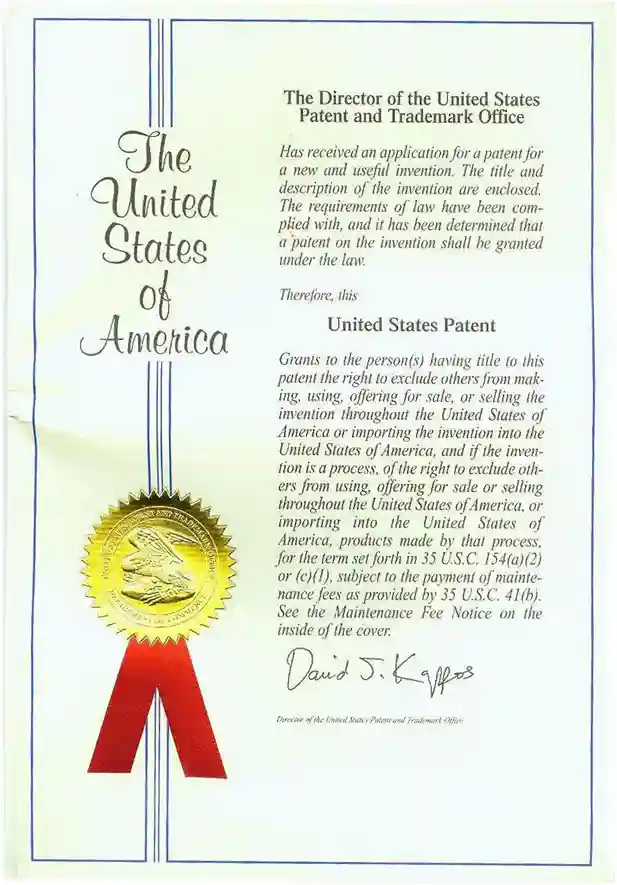
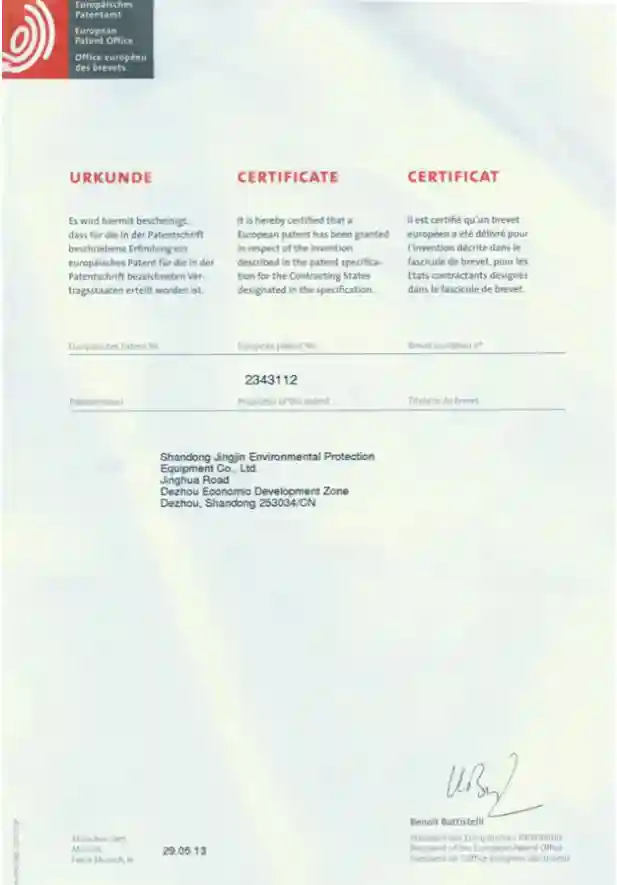
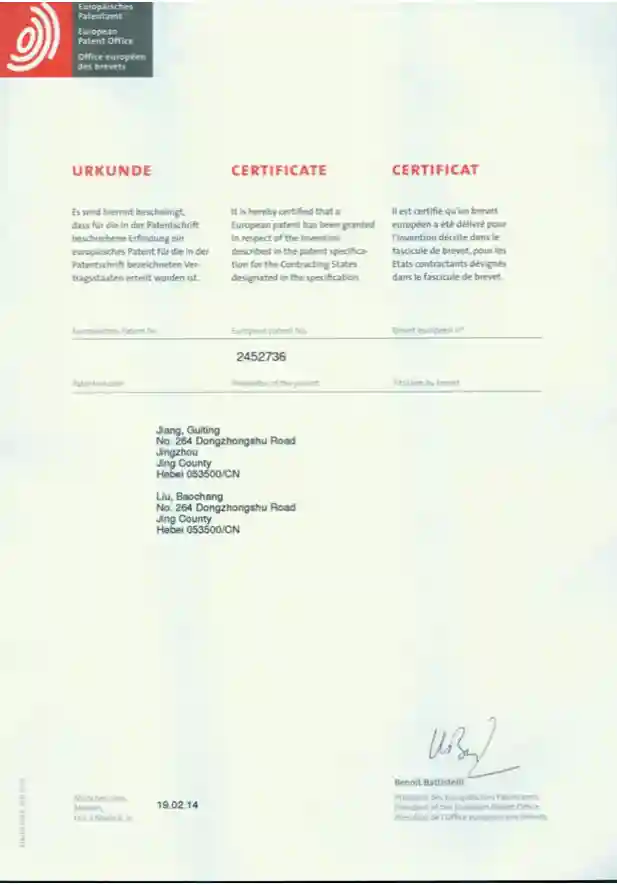
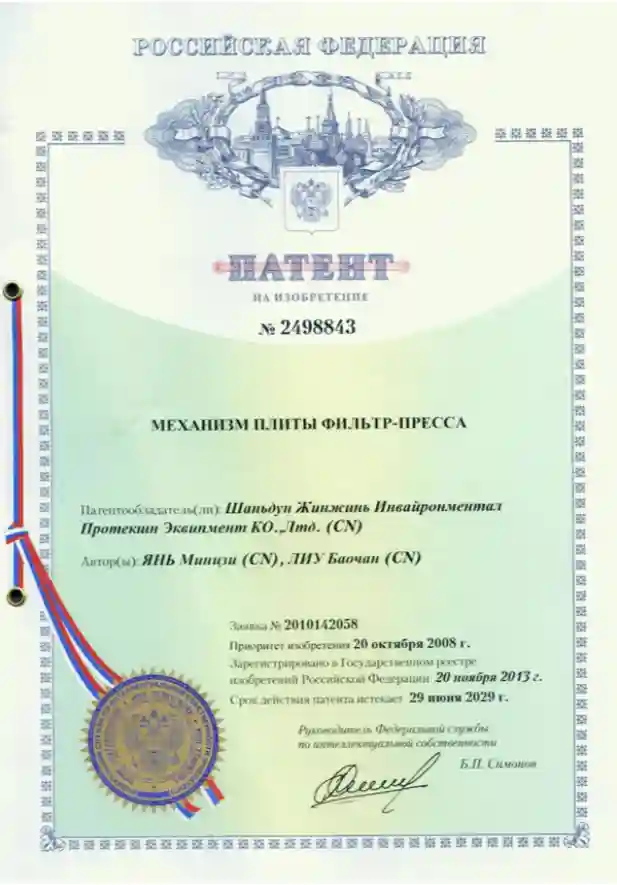
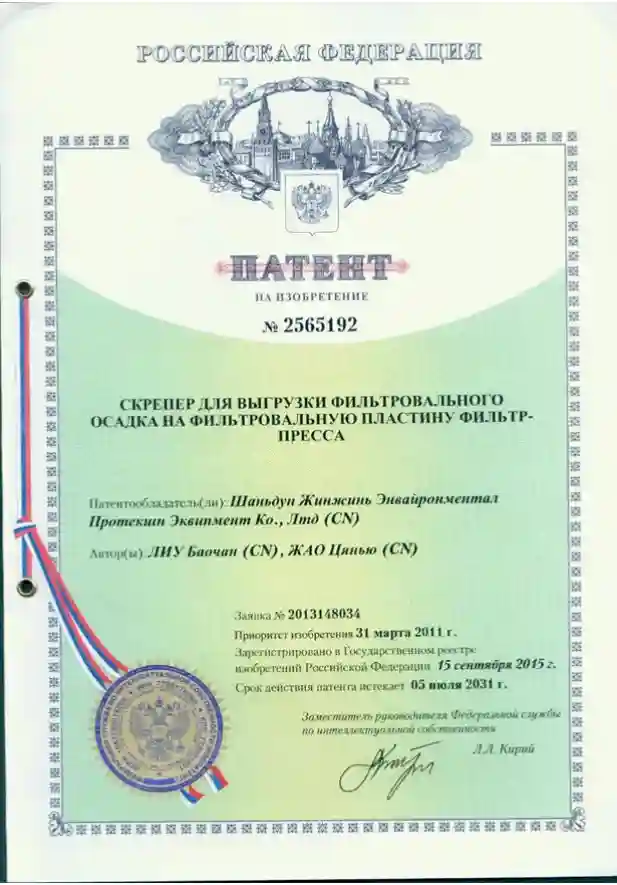
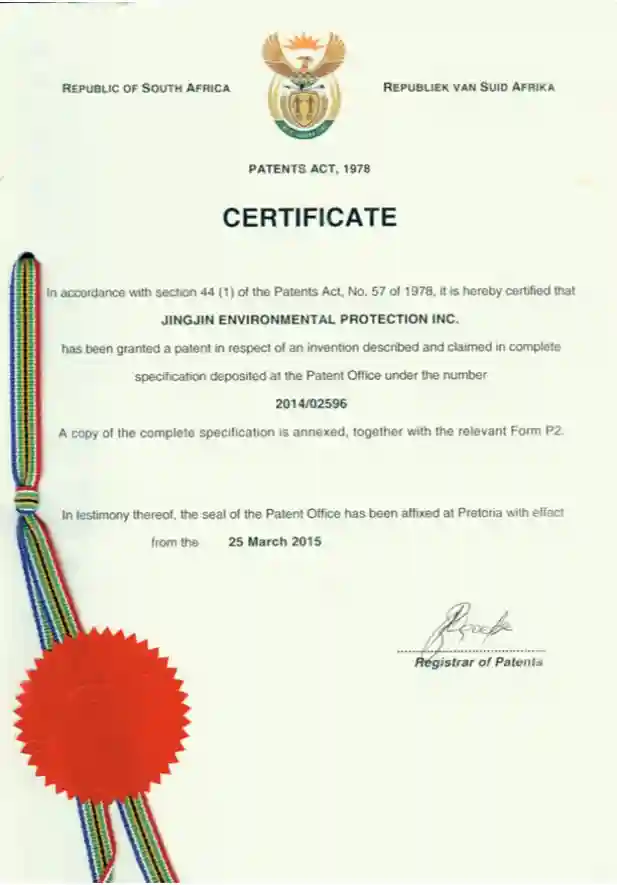
Jingjin Equipment Inc., formed in 1988, leads the industry with innovation and customer-focused engineering. Jingjin supports mining and pharmaceutical companies in 123 countries with over 136 patents on membrane squeeze technology, automated control systems, and specialty plate designs. Their comprehensive ecosystem of filter plates, cloths, and consumables streamlines procurement and assures compatibility, while their large-scale manufacturing capabilities ensure quality and fast delivery. This integrated strategy eliminates multi-vendor supply chain compatibility difficulties, simplifying maintenance.
Importance of Expert Installation and Ongoing Support
Long-term reliability starts with proper installation. Experienced experts level foundations, commission hydraulic systems, and configure control systems to your process specifications. Operators and maintenance workers learn from commissioning, decreasing routine service calls. Manufacturers with extensive training and maintenance documentation enable your team to maximize press filter machine uptime autonomously.
Technical help is essential for complicated difficulties and performance optimization, including for the press filter machine. Remote diagnostics, expedited parts shipping, and field service are available from responsive manufacturers. Jingjin's authorized dealer network covers important industrial locations, guaranteeing local service and lowering essential response times. Partnerships with manufacturers focused on long-term client success rather than transactional equipment sales provide valuable knowledge and continuous improvement activities that meet changing process needs.
Conclusion
Systematic maintenance improves press filter machine reliability and efficiency. Regular component replacements and daily inspections detect flaws early. Knowing your equipment type—manual, automated, chamber, or membrane—enables personalized maintenance to maximize lifespan. Lifecycle costs are clearer when comparing maintenance needs to other technologies, influencing equipment selection. Partnerships with recognized manufacturers provide quality parts, technical experience, and continuing support for sustainable performance. These techniques save disposal costs, ensure regulatory compliance, and safeguard industrial filtration capital expenditures.
FAQ
1. Why does my filter cake retain excessive moisture despite proper cycle completion?
This is common with high-compressibility, hard-to-dewater sludges and low feed pressure. Membrane press filter machines compress cakes beyond chamber designs with secondary squeeze pressure of 15-25 bar. Blinded filter cloths impede drainage, but pH-adjusted chemical washing dissolves foulants to restore permeability. Verify feed pump curves meet process requirements, and automated control sequences allocate enough squeezing time.
2. What indicates hydraulic system issues before complete failure occurs?
Holding phase pressure reductions indicate internal seal deterioration or valve block leaking, needing quick inspection. Cavitation or whining indicates air entrainment or low reservoir levels. Hydraulic oil discoloration implies heat deterioration or contamination, increasing component wear. Monitoring these indications allows preventive seal replacement and oil servicing, averting catastrophic cylinder failures that need system shutdowns and costly emergency repairs.
3. How can automated systems reduce maintenance burden?
Programmable controls optimize cycle settings automatically, eliminating operator error and pressure ramping stress. Integrated diagnostics warn maintenance teams of component health concerns before breakdowns. Variable frequency drives on feed pumps dynamically change flow throughout cycles, saving energy and extending seal life. Automated cake discharge systems reduce safety concerns and manpower while maintaining operating speed.
Partner with a Leading Press Filter Machine Manufacturer for Superior Maintenance Support
Optimal filtration involves more than equipment—it requires a manufacturer devoted to your success. Jingjin Equipment Inc. provides industry-specific maintenance assistance and 35 years of technical expertise. Our proprietary membrane squeeze technology provides industry-leading dewatering performance, and our worldwide service network provides fast parts and professional technical support wherever your facilities run. Jingjin offers filter plates, cloths, consumables, and engineering assistance from system design to decades of dependable operation.
Contact Jingjin now to learn how our press filter machine solutions and maintenance plans may improve solid-liquid separation. Contact [email protected] to speak to application engineers who understand your operating difficulties. For new projects or equipment upgrades, Jingjin provides reliable press filter machines and lifetime support. Let us decrease maintenance costs, increase equipment life, and improve dewatering outcomes that boost your bottom line.
References
1. Wakeman, R.J., & Tarleton, E.S. (2005). Solid/Liquid Separation: Principles of Industrial Filtration. Elsevier Advanced Technology.
2. Svarovsky, L. (2000). Solid-Liquid Separation (4th ed.). Butterworth-Heinemann.
3. Sutherland, K. (2008). Filters and Filtration Handbook (5th ed.). Elsevier Science.
4. Rushton, A., Ward, A.S., & Holdich, R.G. (1996). Solid-Liquid Filtration and Separation Technology. VCH Publishers.
5. Matteson, M.J., & Orr, C. (1987). Filtration: Principles and Practices (2nd ed.). Marcel Dekker.
6. Cheremisinoff, N.P. (1998). Liquid Filtration (2nd ed.). Butterworth-Heinemann.
jingjin
Founded in 1988, Jingjin specializes in filter presses and liquid-solid separation solutions, serving over 130 countries worldwide, and is a standard-setter in China's filter press industry.
Get the Filter Press guide
Enter Your Email for Technical assistance for the Filter Press.
Recommended Blog
China Filter Press Supply Chain from Coastal Industrial Parks
China Screw Dewatering Machine for International Resellers
Where European Distributors Source Press Filter from China?
How to Troubleshoot Common Filter Press Machine Issues Quickly and Effectively
Understanding Jingjin Filter Press Parts and Accessories: What You Need to Know
Low Cost Jingjin Filter Press Options for Efficient Sludge Dewatering
How Global EPC Firms Manage Filter Press Procurement in China?
Where to Buy Industrial Filter Press Cloth: Top Suppliers and Tips