Where to Buy Reliable Feed Pumps for Filter Press: A Buyer’s Guide
Introduction
- Introduction
- Understanding Filter Press Feed Pumps: Basics and Applications
- How to Choose the Right Filter Press Feed Pump for Your Needs?
- Top Brands and Suppliers for Reliable Filter Press Feed Pumps
- Maintenance and Troubleshooting Tips for Filter Press Feed Pumps
- Conclusion
- FAQ
- Partner with Jingjin for Reliable Filter Press Feed Pump Solutions
- References
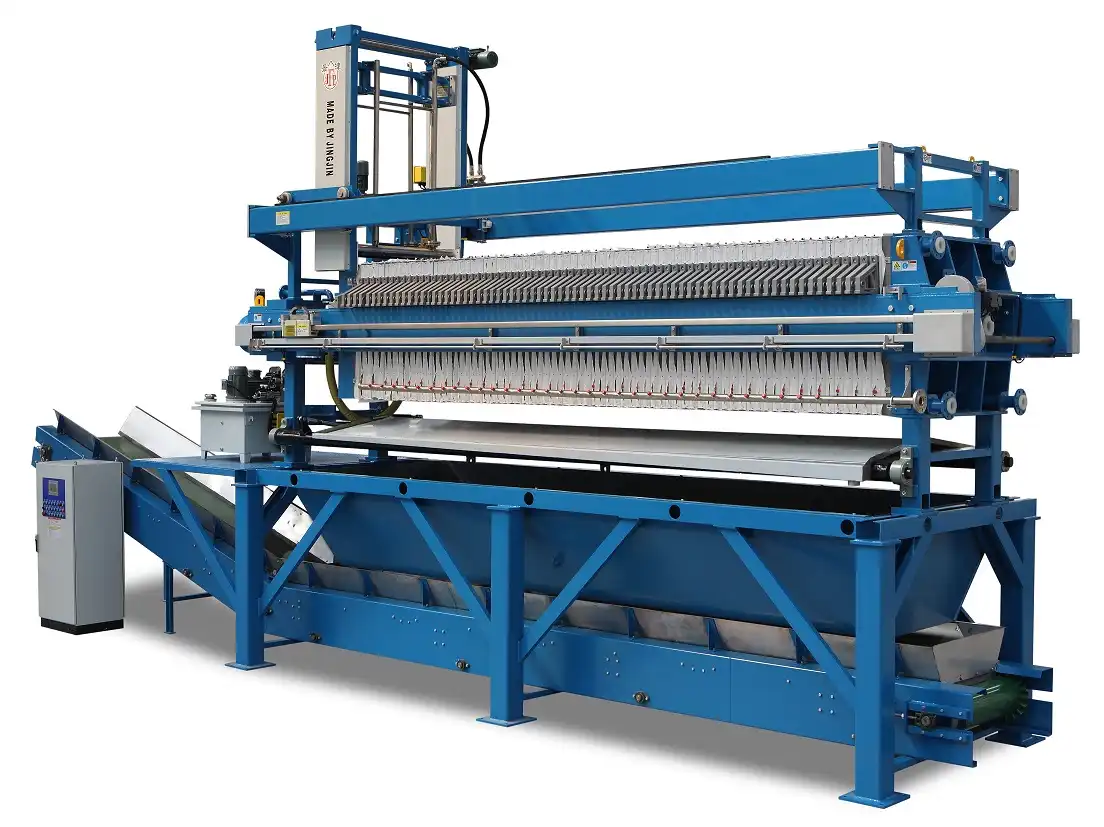
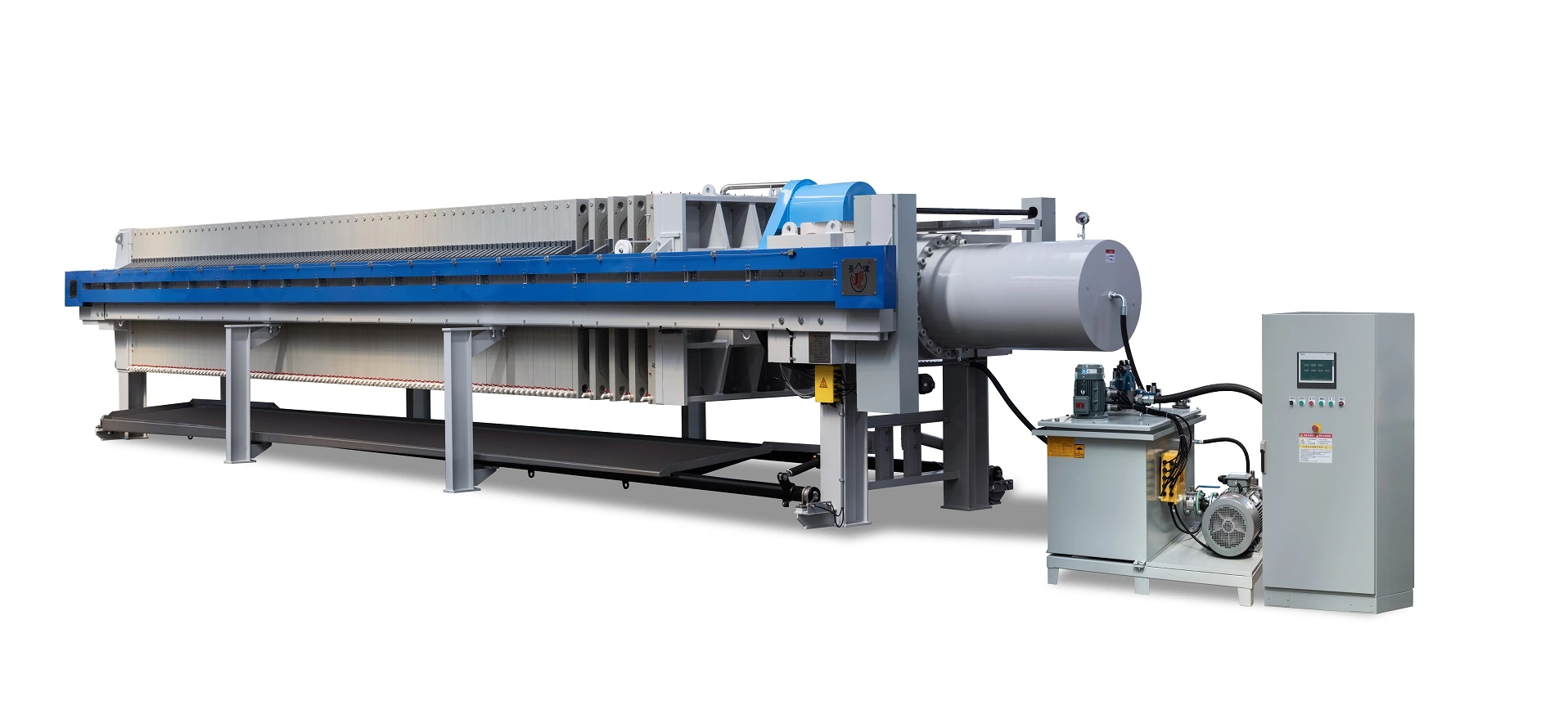
Procurement managers and plant engineers often have a hard time finding reliable slurry transfer solutions: they have to find suppliers who offer strong filter press pumps that are made to work with filter presses. To find the answer, you must first realize that a specialized filter press feed pump is very different from a normal centrifugal pump or a general-purpose slurry pump. From high-flow, low-resistance filling stages to high-pressure, low-flow cake compression stages, these units must be able to handle changing pressure demands without motor overload or seal failure. Trustworthy providers use tried-and-true hydraulic design, materials that don't wear down easily, and quick expert support to make sure that machines keep running in tough conditions like mining tailings management and city sludge dewatering.
Introduction
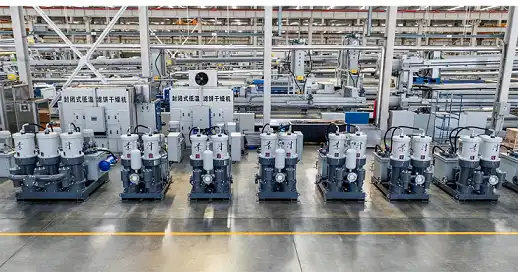
Getting the right pumping tools is important if you want your filter line to meet production goals or avoid costly downtime. Filter press feed pumps are very important to solid-liquid separation systems because they move slurry under controlled conditions that affect how dry the cake is, how well the cycle works, and how long the equipment lasts. Procurement managers, process engineers, and EPC project leaders all know that a pump that doesn't fit right can cause a lot of work to be done, not following the rules, and higher dumping costs. This guide explains the basics of feed pump technology, gives you advice on how to choose a good seller, and gives you useful information on how to keep your pump in good shape. My goal is to teach you enough about procurement to make sure you make decisions that improve business efficiency and lower the total cost of ownership.
Understanding Filter Press Feed Pumps: Basics and Applications
What Makes a Feed Pump Different?
A filter press feed pump is designed to move slurry from holding tanks into filter press chambers while creating the pressure (8 to 30 bar) needed to push liquid through filter cloths and make a solid cake that is tightly packed. Normal centrifugal pumps have a set duty point; these specialty units, on the other hand, change based on the filtering cycle. When they are first filled, they produce high flow rates at low pressures. As more filter cake builds up and hydraulic resistance rises, the pump changes naturally to a lower flow rate and a higher output pressure. This one-of-a-kind performance curve keeps the motor from burning out and the press running the whole time smoothly.
Core Functions in Industrial Processes
The main things that these pumps do are determine how useful they are. Slurry delivery makes sure that the material moves smoothly from storage or thickening tanks to press rooms, without any air spaces or uneven distribution. Creating pressure is what it takes to push water or other liquids through filter media, which has a direct effect on the cake's wet content and how easy it is to release. Controlling performance affects cycle time and cake quality, which in turn affects how the cake is handled later on, how much it costs to dispose of, and how well it meets environmental discharge limits. Process engineers know that improving these functions leads to faster filter processes, drier cakes, and less work needed to remove the cakes.
Industry Applications and Use Cases
Municipal and commercial wastewater treatment plants use these pumps to handle fibrous, viscosity-changing sewage sludge, making sure that the maximum dry solids content is reached so that dumping amounts and shipping costs are kept to a minimum. For mining and metallurgy companies to handle tailings slurries that are very rough and have specific gravities of up to 1.6, they need pumps made of high-chromium metals or elastomer linings that can last for a long time. Chemical and pharmaceutical plants that work with pigments, dyes, and resins need wetted parts made of corrosion-resistant stainless steel and transport that doesn't pulse to make sure the product is pure and the quality of each batch is the same. Contractors in the construction and mining industries who deal with drilling mud that is full of bentonite need large systems that can be set up quickly and work in rough conditions.
How to Choose the Right Filter Press Feed Pump for Your Needs?
Analyzing Slurry Characteristics
To choose the right filter press feed pump, you should first know what the physical and chemical qualities of your slurry are. The hydraulic load is based on the solid content, which changes how well the pump can keep the flow going as cake resistance rises. Material choices for impellers, cases, and seals are based on how abrasive they are. Coal ash and sand slurries need hardened metals or elastomer linings, while standard stainless steel can be used for food-grade uses that aren't very abrasive. Viscosity affects how well the pump pressure works and how much power it needs. Positive displacement designs are needed for thicker slurries. Corrosiveness determines how well two materials work together. For example, acidic or caustic slurries need special metals like CD4MCu or polymer coats to keep them from breaking down too soon.
Matching Flow Rate and Pressure Requirements
The filter press chambers should be full within the feeding time you choose, which is usually 20 to 30 percent of the whole cycle at the pump's highest flow rate. A 50-cubic-meter press that needs 10 minutes to fill needs a pump that can send out about 300 liters of water per minute. The press's keeping pressure must be met or surpassed by the discharge pressure. For wastewater from cities, this pressure ranges from 6 to 15 bar, and for mines, it can go up to 25 bar. When the H-Q (head-flow) curve is steep, pumps easily switch from high-flow filling to high-pressure holding without stopping or needing complicated control systems. Whether the process is ongoing or batch-based affects the size of the motor and how much cooling it needs, especially in hot or outdoor settings.
Comparing Pump Technologies
Piston diaphragm pumps are mostly used because they can precisely control the pressure and work with high solids concentrations without getting clogged. Variable frequency drives let you change the flow and pressure in real time, which makes the best use of energy and improves the quality of the cake. The double-membrane designs of these units keep hydraulic oil and slurry separate. This makes the seals last longer and reduces the chance of contamination.
Progressive cavity pumps are the best choice for shear-sensitive slurries used in food and medicine because they transfer fluids smoothly and without pulses. Their rotor-stator design can handle big particles, but they need to be replaced often when they are used with abrasives. Manufacturers say that stator wear life in mining tailing uses is between 2,000 and 4,000 hours. This is why lifetime cost analysis is so important.
Centrifugal pumps are great for quickly filling the cake at the start, but they don't always have the shut-off head that is needed for good cake compression. Specialized designs with high-performance curves can work without VFDs and directly online, which lowers the cost of capital. Their open or semi-open impellers can handle solids up to 20 millimeters in size, and the back-pull-out form makes servicing easier.
Air-operated double diaphragm pumps are easy to use and don't cost much to buy, but they use more energy because they need to run on compressed air. They work well for small-scale or intermittent tasks where ease of use is more important than speed.
Evaluating Supplier Support and Customization
In addition to material specs, a supplier's skills have a big effect on long-term happiness. If a manufacturer offers custom turbine designs, special finishes, and control integration that is made just for your process, they can solve problems that standard solutions can't. After-sales help, such as on-site commissioning, operator training, and quick access to extra parts, cuts down on downtime and makes sure that staff members are skilled. The warranty should cover more than just problems with the way the product was made. It should also promise performance under certain conditions. OEM connections that offer full system design, P&ID paperwork, and global service networks are very helpful for EPC contractors who are in charge of projects at multiple sites and in settings with different rules.
Top Brands and Suppliers for Reliable Filter Press Feed Pumps
Global Leaders and Regional Specialists
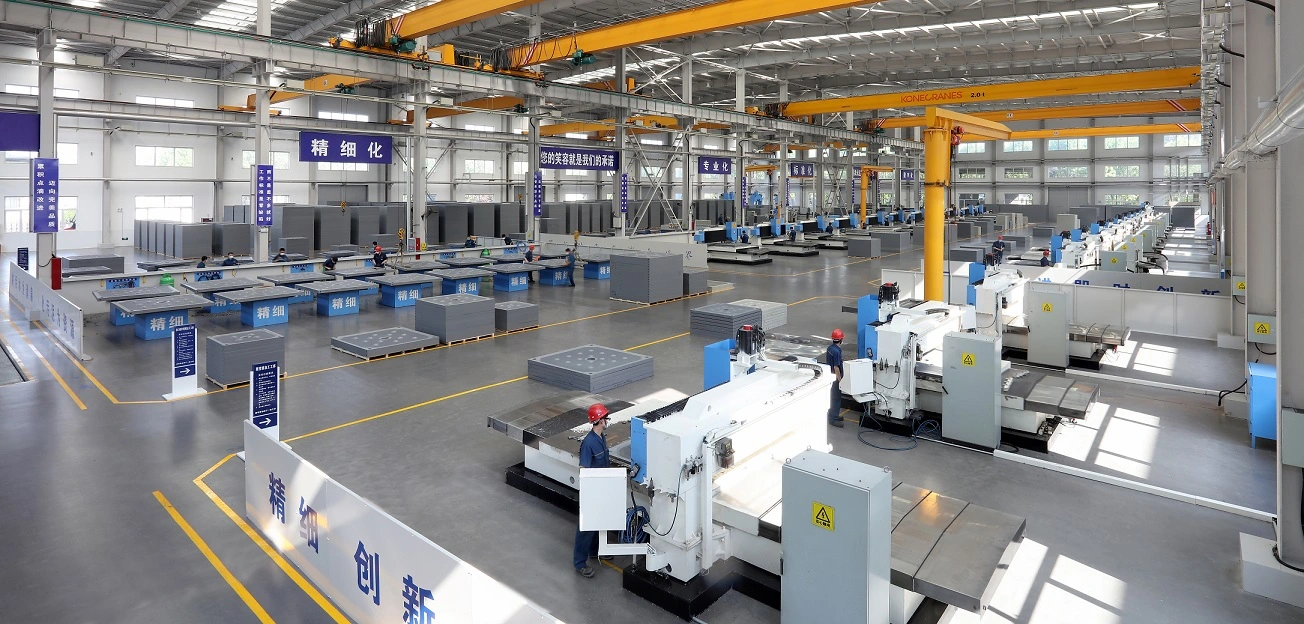
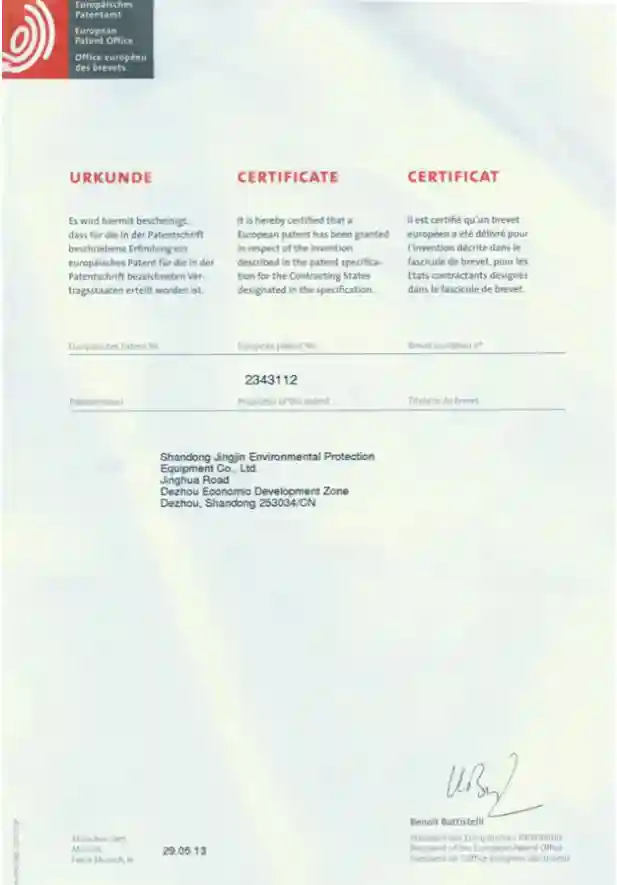
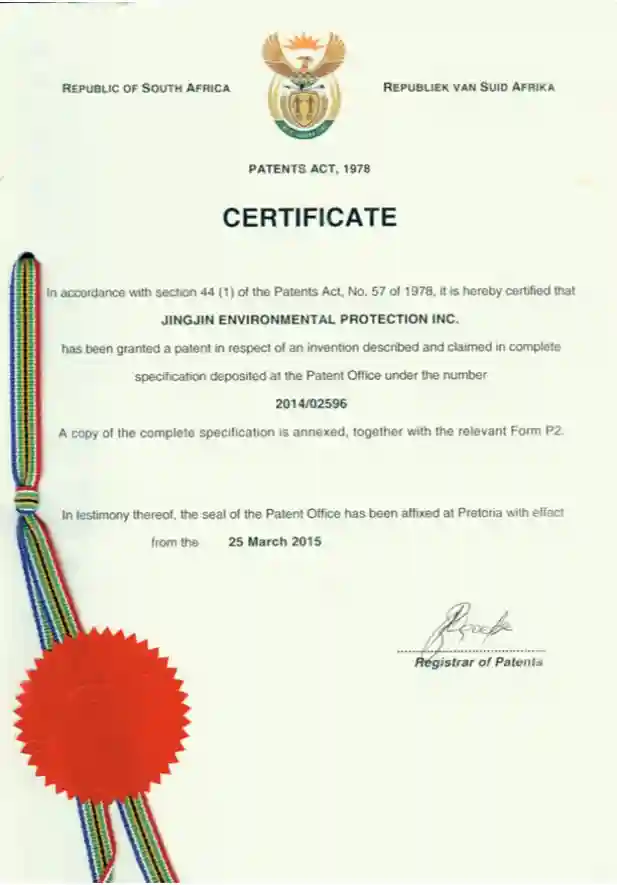
In 2024, the market for filter press feed pumps is dominated by well-known European companies that are known for their precise engineering and adherence to strict EU standards. These companies offer strong guarantees and a lot of technical information. North American providers stress quick shipping, regional service networks, and knowing the ANSI/ASME standards that are necessary for installations in the U.S. Chinese companies, like Jingjin Equipment Inc., are known all over the world for their large production capacities, low prices, and constant innovation backed by large patent portfolios. Jingjin has been in business since 1988 and has over 136 patents for filter systems and parts. It has customers in 123 countries.
Evaluating Certifications and Quality Assurance
Suppliers you can trust keep their ISO 9001 quality management certification, which shows that they have organized control over the manufacturing processes and can be tracked. Industry-specific certificates, like ATEX for use in explosive environments, FDA clearance for products used in food, and CE marking for sale in Europe, show that a company is serious about safety and following the rules. You can trust the specifications that are said to be accurate by looking at third-party performance test results and case studies from similar apps. Transparency from suppliers about the tracking of materials helps stop problems with fake parts that can hurt safety and performance, especially for important wear parts like impellers, seals, and the filter press feed pump.
Custom Solutions and OEM Partnerships
Often, complex industrial processes need custom pump designs that can't be met by normal catalog items. OEM makers that offer custom rotor designs, specialized metals, and combined control systems make it possible to optimize for different slurry properties and limited areas. Suppliers work together during the specification phase to look over process flow models, slurry analyses, and operating goals. This helps find solutions that balance cost, performance, and ease of maintenance. Long-term partnerships based on open communication and trust encourage ongoing growth. This is because suppliers get to know your business's problems and can suggest upgrades or changes that make things run more smoothly.
Maintenance and Troubleshooting Tips for Filter Press Feed Pumps
Establishing Routine Maintenance Protocols
Regular inspection plans that are in line with what the maker recommends and how the filter press feed pumps are actually being used are the first step in preventive maintenance. Visual checks should be done once a week to find external leaks, strange noises, and strange bearing temperatures. This way, problems can be caught early and fixed. By measuring the impeller clearance once a month, wear trends in abrasive applications can be found. This lets replacements be planned before performance loss affects cycle times. Bearings and glands should be oiled at set times, usually every 500 to 1,000 hours, to keep them from breaking down too soon. Cleaning the strainers and cleaning the seal chambers gets rid of the solids that have built up and can damage the machinery or cause the seal to break.
Addressing Common Operational Issues
It is normal for the flow rate to slow down during operation as the filter cake builds up resistance. A rapid drop in flow at the beginning of a cycle, on the other hand, could mean that the suction strainers are jammed, the impeller is damaged, or the pump speed settings are wrong. Leaks in the mechanical cover are usually caused by dry running at the batch end or the entry of rough particles. These risks can be reduced by adding double mechanical seals with external buffer fluids or switching to expeller seals that don't touch anything. Grinding, cavitation, or hitting sounds are signs of possible bearing wear, air entrainment, or solids jamming the mechanism. As part of the diagnostic checks, the suction pressure, the rotor, and the balance should all be checked and confirmed.
Leveraging Predictive Technologies
Condition-based servicing, which cuts down on needless disassembly and finds emerging flaws early, is made possible by modern predictive maintenance tools like vibration analysis, thermography, and motor current signature analysis. Vibration tracking finds worn bearings and imbalances in the filter press feed pump before they cause a fatal failure. Thermal imaging can find motors that are getting too hot, seals that are breaking, and insulation that is wearing down. New research shows that changes in motor loads are linked to wear on the blade or problems with the process. Adding these technologies to maintenance management systems makes the best use of resources, extends the life of equipment, and raises the total efficiency of plants in harsh industrial settings.
Conclusion
It takes a strategic approach that combines technical performance, supplier skills, and lifecycle costs to buy reliable filter press feed pumps. We've talked about how these specialized pumps are different from regular slurry equipment, the most important things to consider when choosing one, and the best ways to keep it in good working order. Reliable providers use tried-and-true technology, quick customer service, and customization know-how to meet the needs of a wide range of industries, from dewatering city wastewater to handling rough mining waste. By putting slurry compatibility, pressure-flow matching, and seller relationships at the top of their list of priorities, procurement managers can find solutions that lower the cost of disposal, make sure they follow the rules, and improve plant efficiency for years to come.
FAQ
1. Why does the flow rate drop during the filtration cycle?
It's okay and even good to act this way. The hydraulic resistance goes up gradually as the filter press chambers fill with solids. When filter press feed pumps are well-designed, they instantly lower flow while building pressure to pack the cake down without making the system too pressurized. If there is a constant flow, filter plates or cloths could get damaged. The steep performance curve of the pump makes sure that the change from filling to holding stages goes smoothly.
2. Do I need a VFD for my feed pump?
Variable frequency drives let you direct things very precisely, but they aren't always needed. Specialized pumps with high hydraulic curves easily adjust to the needs of the filter cycle. This lets them start directly online, which lowers the cost of capital. VFDs are helpful for figuring out how to use the least amount of energy for different batch sizes or for connecting to automatic control systems for setups with more than one press.
3. How can I stop dry running from causing the seal to fail?
Double mechanical seals with buffer fluids on the outside keep the moving parts cool and oiled all the time, which keeps the machine from running dry at the end of a lot. Instead, pumps with hydraulic expeller seals depend on rotational force instead of friction faces, which makes it less likely that the pump will fail when there isn't much flow. Adding low-level interlocks that stop the pump from running when the feed tanks are empty is another way to keep things safe.
Partner with Jingjin for Reliable Filter Press Feed Pump Solutions
To get reliable slurry transfer equipment, you need to find a provider with a lot of experience in filtering and the ability to provide service all over the world. Since its founding in 1988, Jingjin Equipment Inc. has been a reliable maker of filter press feed pumps for businesses in 123 countries. Our patented filter press technology is combined with pumping solutions that work well together and are designed for high-solids uses in mining, wastewater treatment, and chemical processing. We offer systems that are highly efficient at draining while being as easy to use as possible. These systems are backed by over 136 patents, large-scale production capabilities, and full expert support. Email our engineering team at [email protected] to talk about your unique slurry properties, pressure needs, and site conditions.
References
1. Smith, J.R., & Chen, L. (2023). Industrial Slurry Pumping Systems: Design and Application. McGraw-Hill Professional Engineering Series.
2. American Filtration and Separations Society. (2022). Filter Press Operations Handbook: Best Practices for Solid-Liquid Separation. AFSS Technical Publications.
3. Walker, M.D. (2024). "Optimizing Feed Pump Selection for High-Pressure Filter Press Applications," Journal of Process Engineering, Vol. 18, No. 3, pp. 145-162.
4. European Pump Manufacturers Association. (2023). Guidelines for Abrasion-Resistant Pump Selection in Mining Applications. EPMA Industry Report 2023-07.
5. Johnson, R.T., & Kumar, S. (2022). Wastewater Treatment Equipment Procurement: A Practical Guide for Facility Managers. CRC Press.
6. International Water Association. (2023). Sludge Dewatering Technologies: Comparative Performance and Cost Analysis. IWA Publishing Technical Report Series.
jingjin
Founded in 1988, Jingjin specializes in filter presses and liquid-solid separation solutions, serving over 130 countries worldwide, and is a standard-setter in China's filter press industry.
Get the Filter Press guide
Enter Your Email for Technical assistance for the Filter Press.





Recommended Blog
Affordable Press Filter Machines for Wastewater Treatment: Best Options in 2026
Integration of Press Pump and Filter Press Systems for Enhanced Performance
Understanding Technical Specifications of Press Filters: A Complete Guide
China Filter Press Equipment Pricing for Industrial Buyers
How to Clean and Replace Filter Press Cloths for Optimal Performance