Understanding Technical Specifications of Press Filters: A Complete Guide
What Are Press Filters and How Do They Work?
- What Are Press Filters and How Do They Work?
- Comparing Press Filters with Other Filtration Technologies
- Technical Specifications and Performance Metrics of Press Filters
- Procurement Guide: Selecting and Purchasing the Right Press Filter
- Applications of Press Filters Across Industries
- Jingjin Equipment: Leading Press Filter Technology
- Conclusion
- FAQ
- Ready to Optimize Your Filtration Operations with Jingjin Press Filter Solutions?
- References
Industrial workers need to know the technical details of press filters to navigate today's complicated filtration environment. In many fields, from treating garbage to making chemicals, these mechanical separation devices are the backbone of processes that separate solids from liquids. If buying managers and engineers know enough about specifications, they can make decisions that improve business performance and make sure they follow environmental rules. Since press filter technology is always changing, it's important to know the basic performance measures, material factors, and application-specific needs that make filtering work well.
What Are Press Filters and How Do They Work?
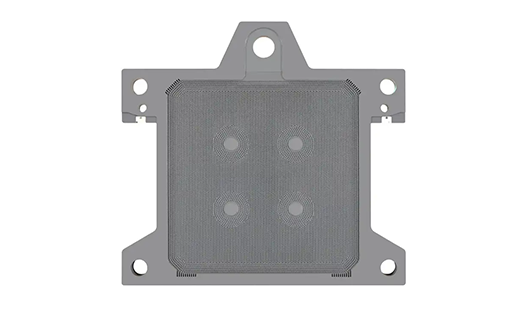
With the help of pressure and filtering media, press filters are complex mechanical devices that separate solids from liquids. The idea behind these systems is to force slurry through filter cloths or membranes, which keeps the solid bits out but lets the clear liquid pass through. Filter cells are filled with sludge, hydraulic pressure is applied, and the material is pressed down until the desired moisture content is reached.
Core Components and Operating Principles
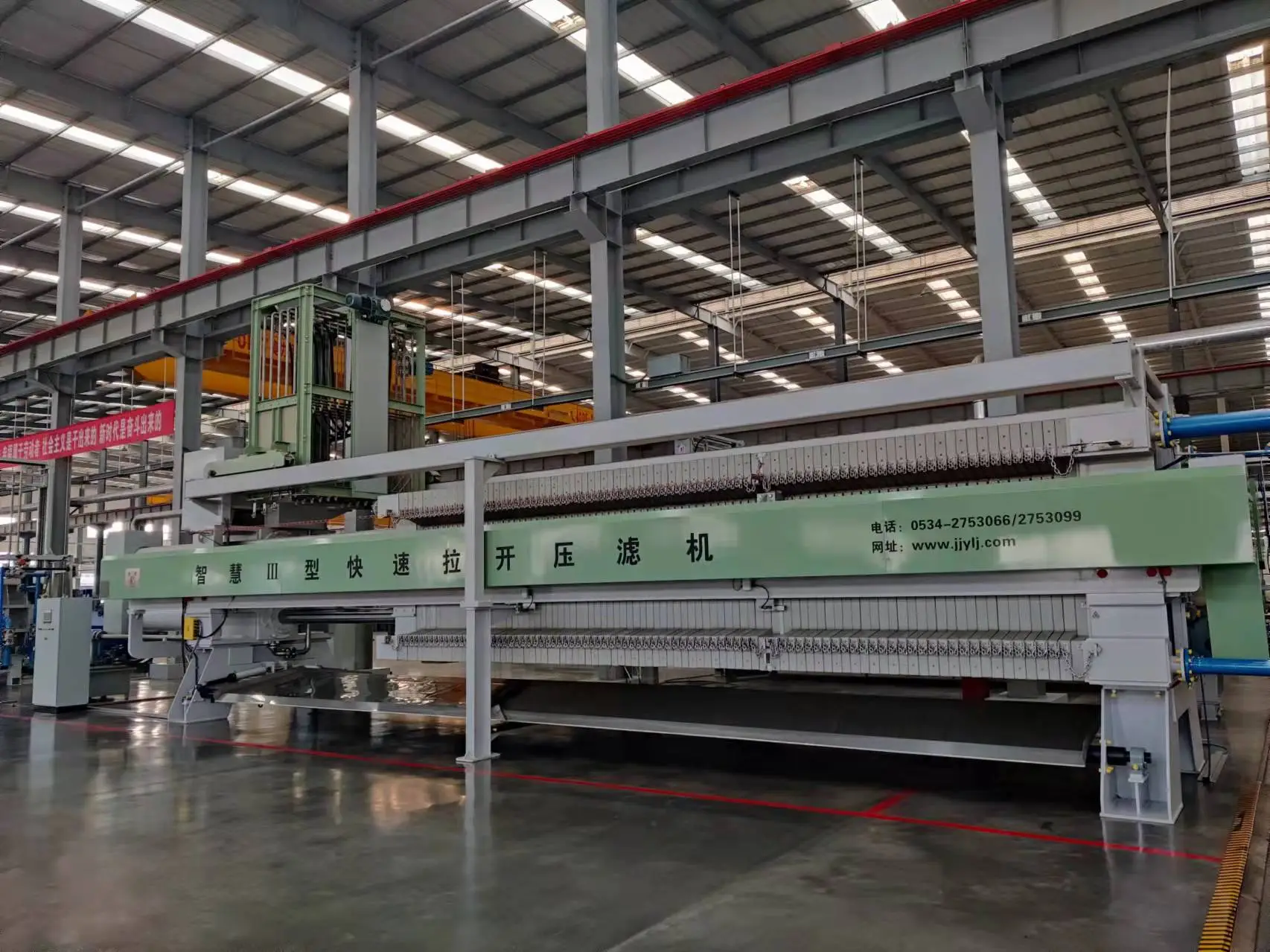
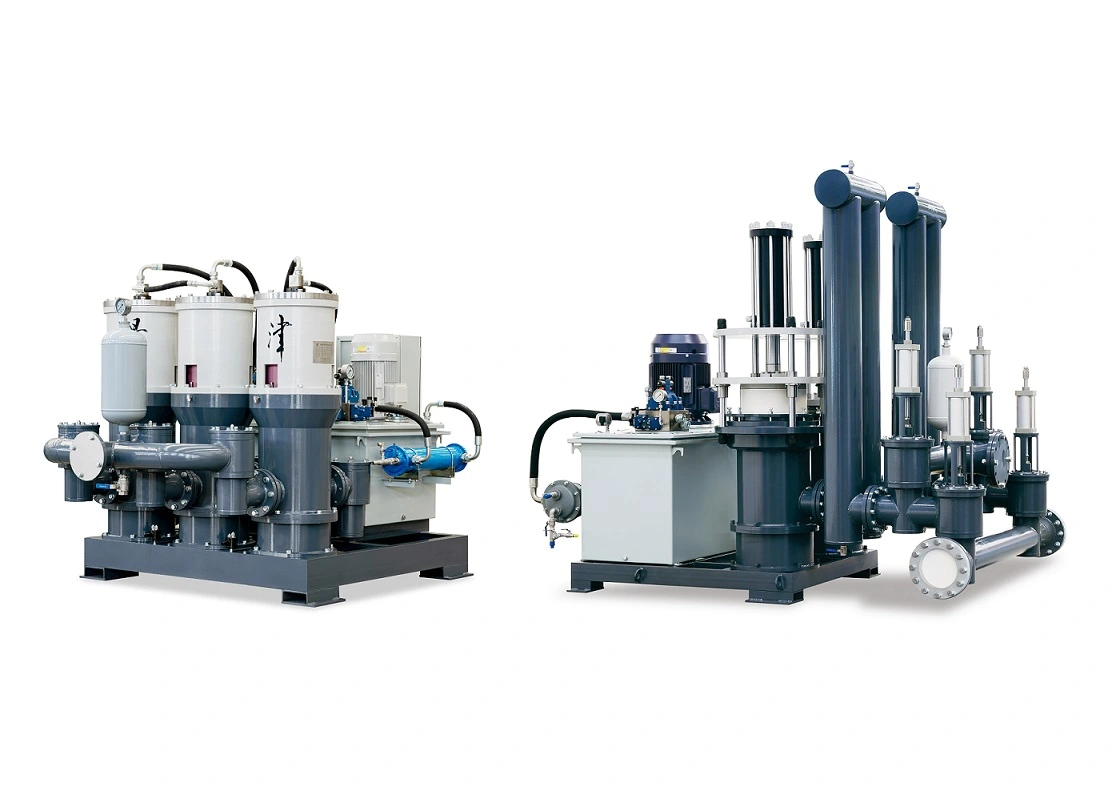
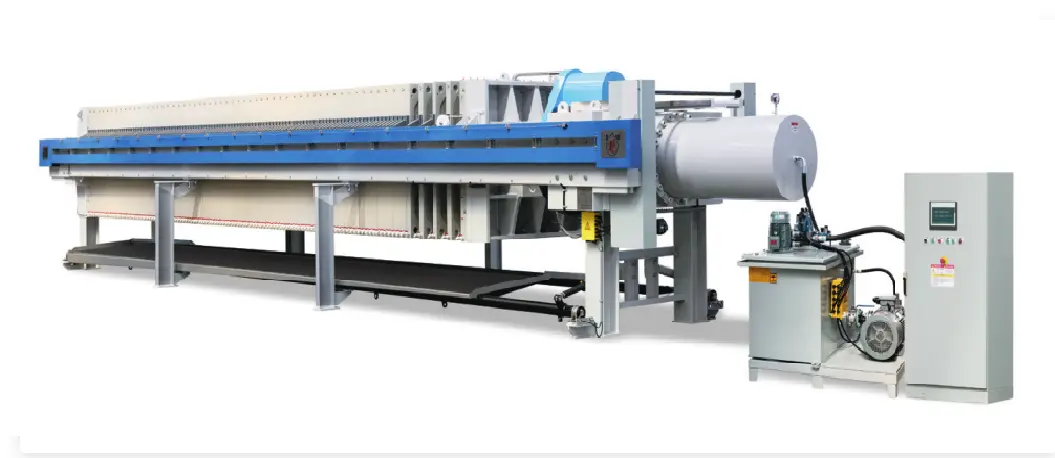
Modern filter press systems are made up of several important parts that all work together perfectly. Filtration takes place in the separate spaces made by the filter plates, which are usually made of polyethylene or cast iron. These plates have hollow sides and draining holes that make it easier to get rid of liquid. The pressure needed comes from the hydraulic system. Depending on the job and the material, the pressure can be anywhere from 15 to 225 psi.
The filter cycle starts when feed pumps bring slurry into the press, filling each cylinder one at a time. While objects build up on the cloth's surface, water and other liquids are pushed through it as the pressure rises. In more modern systems, the robotic plate moving device moves each plate separately to get the best cake shape. This process keeps going until the level of dryness that was wanted is reached or the box is full.
Types and Technical Specifications
Different types of press filters are used for different manufacturing tasks. Plate and frame filters can be used for a variety of tasks, while membrane filters are better at removing water because they go through more compression processes. Programmable logic controllers (PLCs) run the whole filter cycle in automatic systems, from feeds to cake release.
One of the most important specs is the filtering area, which is usually given in square meters and tells you how much the system can process. The highest force that can be used during filtration is determined by the operating pressure. This directly affects how dry the cake is and how long the cycle takes. The chamber volume specs tell you how much solid can be held at one time, and the flow rates give you an idea of how much can be processed under certain conditions.
Comparing Press Filters with Other Filtration Technologies
To choose the right filtering technology, you need to know how press filters stack up against other ways of separating things. Each technology has its own benefits that depend on the needs of the application, the properties of the material, and the limitations of the operation.
Press Filters versus Vacuum Filters
Creating negative pressure under the filter medium is how vacuum filters work. This lets liquid pass through while keeping solids in place. Vacuum systems usually take less money to set up, but the end cake they make has more water in it than cakes made with pressure filtering. Positive pressure makes press filters better at removing water, which makes them perfect for uses that need low moisture content.
The maintenance needs for these tools are very different. Vacuum filters need to have their belts or discs cleaned all the time, while press filters work in batches and wash their cloths every so often. Patterns of energy use are also different. For example, vacuum systems need to be running all the time, while press filters only need to use energy sometimes.
Centrifuge Technology Comparison
Centrifugal separators separate solids from liquids by using spinning force, and they can work continuously. Press filters, on the other hand, are great at working with materials that have a wide range of particle sizes and getting the end moisture content lower. It's hard for centrifuges to separate small particles that pass through, but press screens can keep particles as small as a few microns.
Another important difference is operational freedom. Press filters can handle different feed amounts and material traits because the cycle times and pressure settings can be changed. Centrifuges need more uniform feed features and may have trouble with materials that have bits that are flexible or don't have a regular shape.
Technical Specifications and Performance Metrics of Press Filters
Understanding key performance indicators helps you choose the right tools and make the most of your operations. These requirements have a direct effect on how well the process works, how much it costs, and the quality of the result.
Filtration Capacity and Throughput Calculations
Filtration capacity is affected by many things that are connected to each other, such as filter surface, working pressure, material qualities, and cycle time. Darcy's law, which connects flow rate to pressure difference and filter medium resistance, is the first step in figuring out theoretical capacity. However, cake buildup resistance and changing flow conditions during the filter cycle need to be taken into account when figuring out the actual capacity.
When figuring out throughput, you have to take into account the whole cycle time, which includes the times for filling, pressing, washing, and emptying. Modern robotic systems can do full rounds in two to four hours, based on the type of material and the amount of dryness that is needed. For industrial-scale tools, the processing capacity is usually between 10 and 100 cubic meters per hour.
Pressure Requirements and Material Construction
Operating pressure has a big effect on how well filtering works and what the end cake looks like. Higher pressures usually make cakes that are drier, but they can also blind cloth or move particles around in sensitive materials. To choose the best pressure, you have to find a balance between how well the drainage works and how long the equipment lasts.
Chemical stability and longevity are directly affected by how the material is made. Frames for more advanced systems are made of Q345B steel, which has 1.4 times the tensile strength of normal Q235 steel. This increased strength makes working under high pressure safer and extends the life of the tools. For better joint stability, carbon dioxide shield welding is best for hydraulic parts like cylinder seats and pressing plates.
Maintenance Best Practices
Maintenance plans that work well make tools more available and stretch the life of their parts. Checking the cloth regularly shows how it's wearing down and whether it needs to be replaced before it stops working as well. Automatic washing systems that work plate by plate get rid of particles that have built up and keep the cloth's breathability at its best.
Regular oil analysis, seal cleaning, and pressure tests are all parts of hydraulic system care that make sure the system always works well. The submerged arc welding technology used to make the welded box structure of the main beams gives the structure great strength and durability, with little upkeep needed.
Procurement Guide: Selecting and Purchasing the Right Press Filter
For strategic buying choices to be made, technical skills, economic factors, and source stability must all be carefully looked at. Modern factories need tools that are both effective and long-lasting so they can keep running.
Evaluation Criteria and Selection Factors
The original buy price is only one part of cost-effectiveness. Other parts are running costs, upkeep needs, and the product's term value. When thinking about energy economy, you should think about how much power a system uses while it's running. For normal setups, current systems usually need 9.55kW of overall power. Automation cuts down on the amount of work that needs to be done while also making the process safer and more consistent.
Core parts like PLCs, motors, bearings, and hydraulic systems are covered by warranties, which protect against failure before its time. Standard guarantee terms of one year for major parts show that the company making the equipment trusts it to work well. Optional extended warranties and full service agreements provide extra safety for important uses.
Manufacturing Capabilities and Customization Options
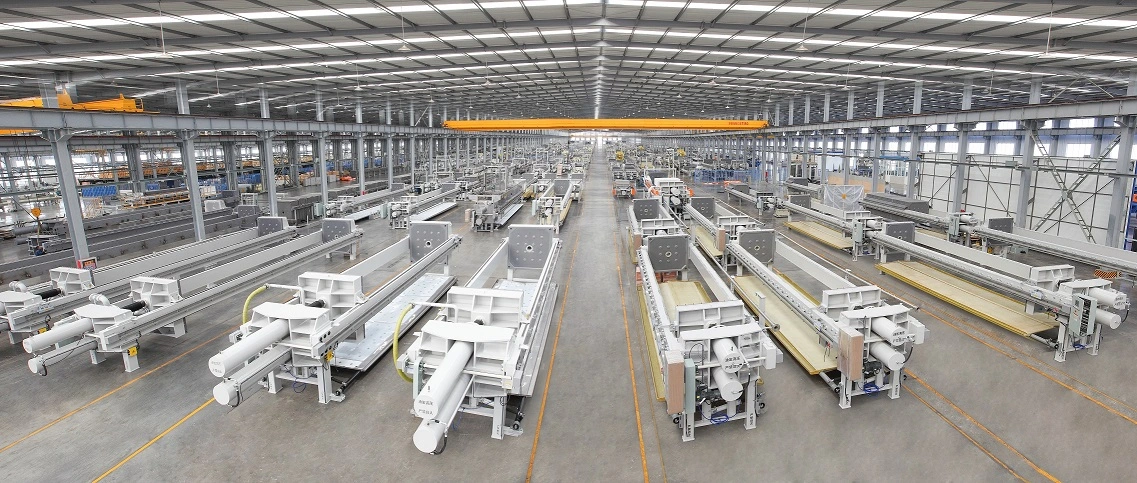
To meet demand around the world, major makers keep a lot of production capability. The ability to make more than 10,000 units per year allows for quick shipping while still keeping quality standards. Custom voltage setups can work with different foreign electrical standards, and changes to the dimensions can be made to work with certain placement limitations.
Certification compliance makes sure that equipment meets safety and efficiency standards around the world. European Conformity for safety standards is shown by the CE mark, and ISO 9001:2008 approval shows that the quality management system is up to par. These licenses make it easier to buy things internationally and get government permission.
Installation and Support Services
Full after-sales support includes expert help, access to extra parts, and the ability to do service work in the field. Global service networks that span several countries make it possible to quickly fix business problems. Online support tools let you get to expert manuals and solving help right away.
Installation services include putting in place equipment, connecting utilities, and helping with the start-up process. Experienced techs make sure that everything is set up correctly and that operators are trained to get the most out of it. Video inspection services record the state of equipment before it is shipped, which ensures quality for foreign transfers.
Applications of Press Filters Across Industries
Industrial uses are used in many different areas, and each one has its own problems and efficiency needs. Understanding the needs of a specific area is important for choosing and setting up the right tools.
Wastewater Treatment and Environmental Applications
Press filters are used in municipal and industrial wastewater treatment plants to remove water from sludge and reduce the amount of wastewater. Biological sludges with a lot of water are usually processed in these ways, so they need to be dewatered well to keep dumping costs as low as possible. Press screens can lower the amount of wetness in the material from 95–98% to 65–75%, which greatly reduces the amount that needs to be thrown away and the cost of transporting it.
Technology choices in this field are based on how well they protect the environment. Automatic systems make sure uniform performance while limiting the amount of time operators are exposed to materials that could be dangerous. Corrosion-resistant building materials can handle the harsh chemicals that are often found in sewer use.
Chemical and Pharmaceutical Industries
Press filters are used in the chemical industry to collect products, reduce trash, and clean process fluids. These uses often involve expensive materials, and how well they can be recovered has a direct effect on how much money they make. For pharmaceutical uses, strict cleanliness standards and the ability to track materials throughout the working steps are needed.
Specialized building materials meet the needs for chemical interaction. Stainless steel parts don't rust when exposed to harsh chemicals, and they meet FDA standards for use in pharmaceutical applications. Automated washing systems make sure that everything is clean between runs of products, which stops contamination.
Mining and Metallurgical Operations
Press filters are used in mining to remove water from waste, process concentrates, and get water back. For these uses, a lot of rough materials are usually involved, so the tools need to be strong. High-pressure powers make it possible to remove water from fine particles that are typical in material processes.
Durability is very important in mine settings where working conditions are tough. Better frame materials and protective coverings keep them from wearing down or breaking down in the surroundings. Automated operation cuts down on the need for workers in rural areas while still ensuring regular performance.
Jingjin Equipment: Leading Press Filter Technology
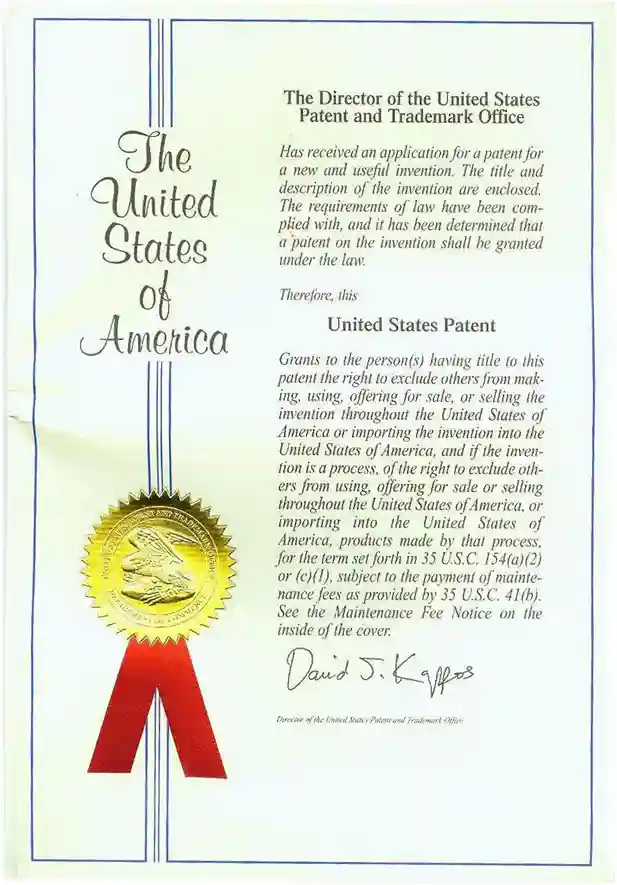
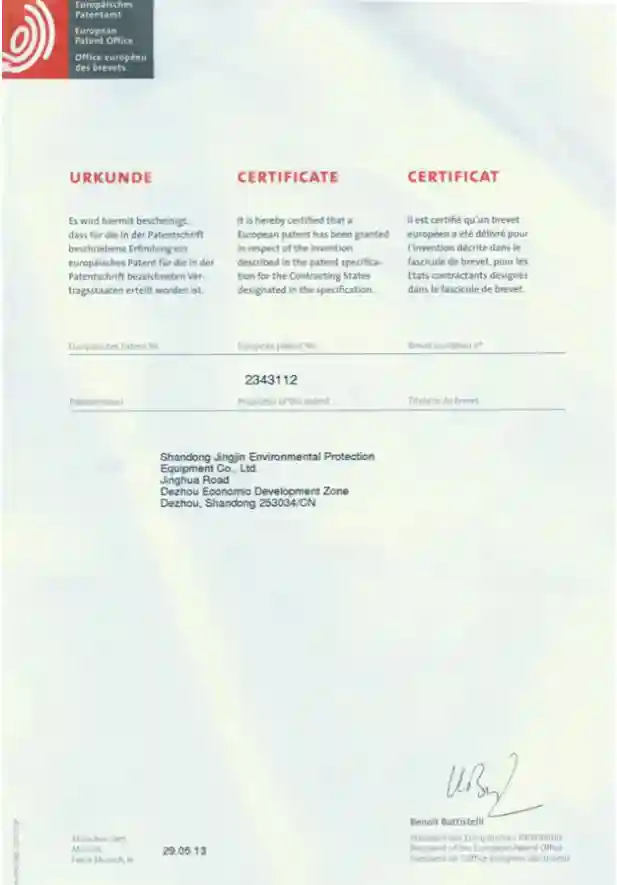
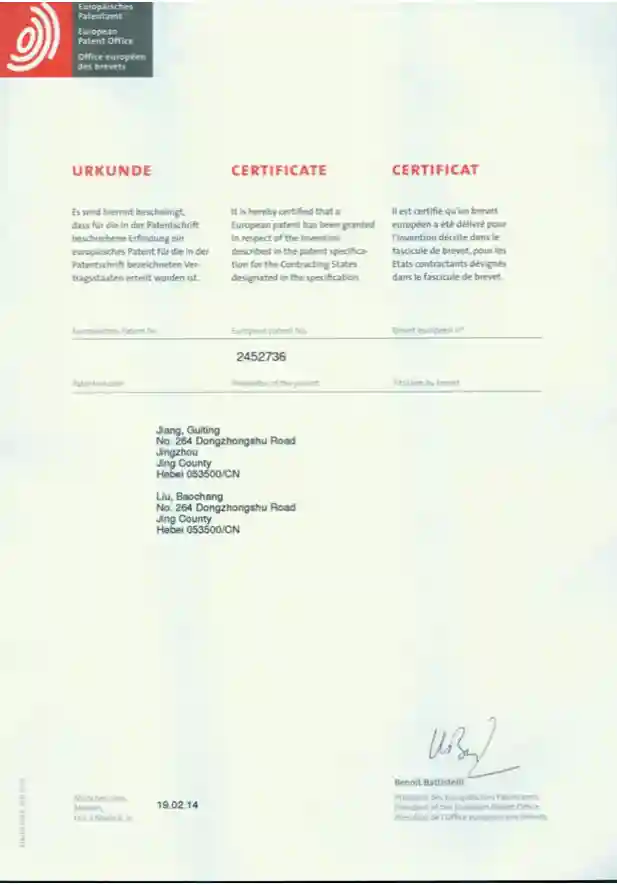
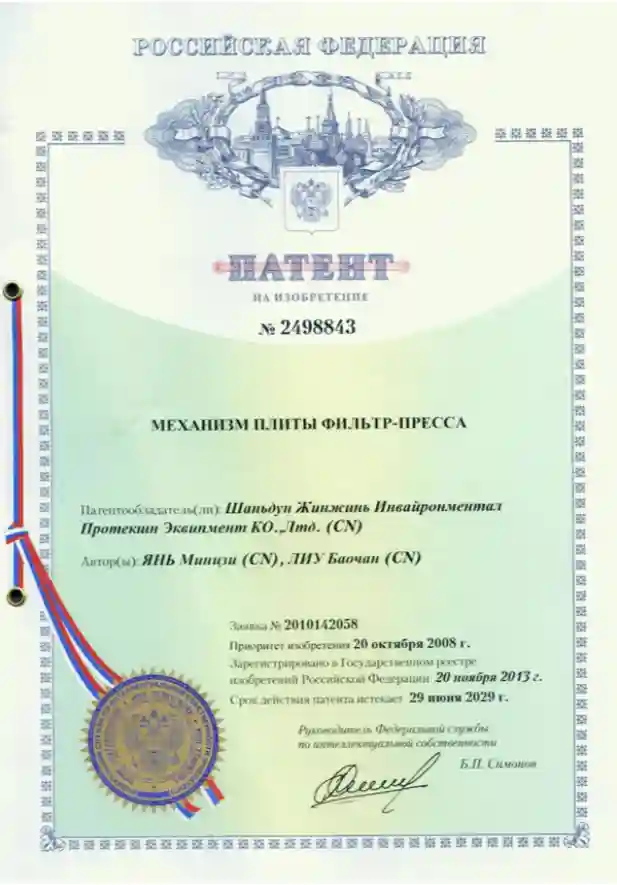
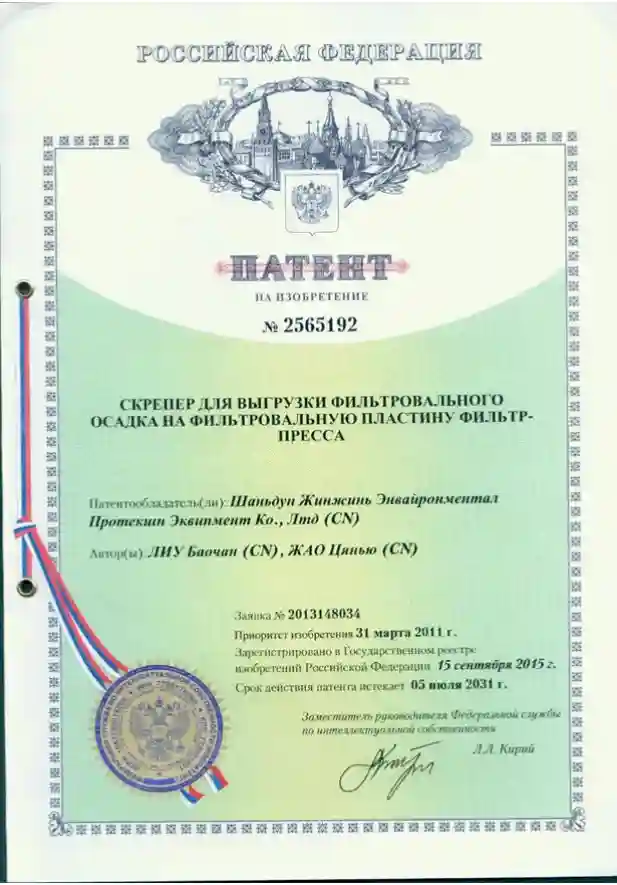
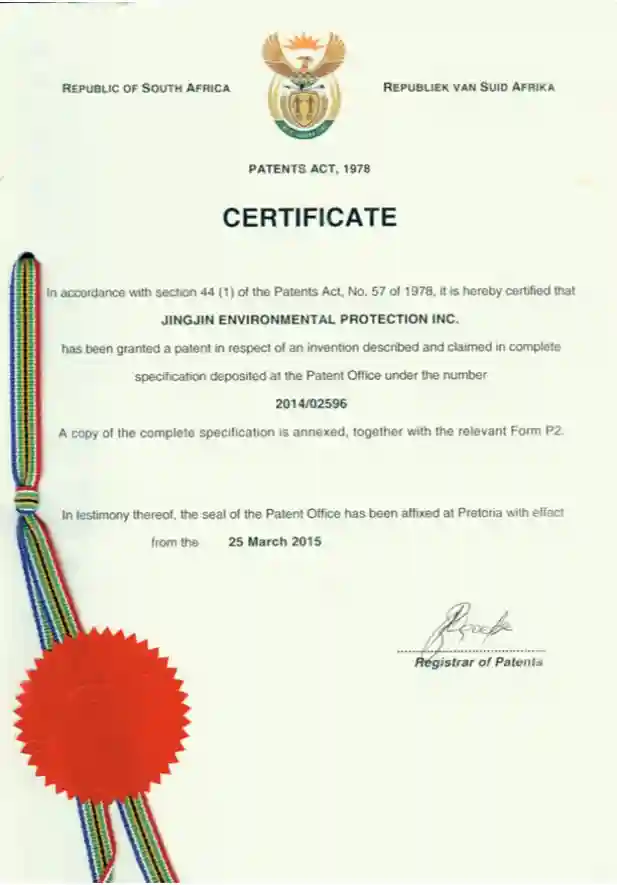
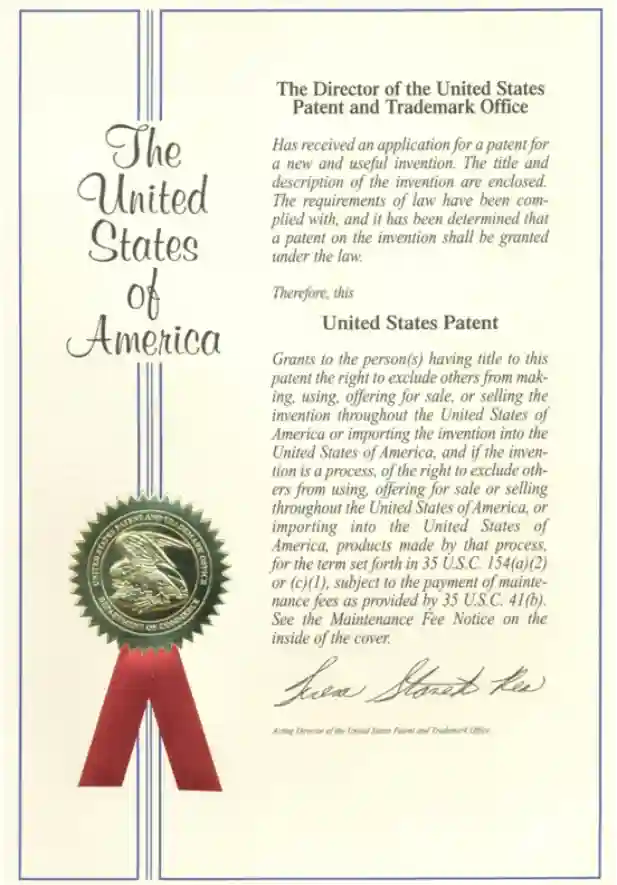
Since 1988, Jingjin Equipment Inc. has been a world leader in filter technology, coming up with new ideas all the time. As a reliable partner for industrial solid-liquid separation systems, Jingjin has built a client base in 123 countries. The company has a large patent collection with more than 136 innovations. This shows that it is always working to improve technology and create value for customers.
Advanced Manufacturing and Technical Expertise
Complete filtration systems, filter plates, filter cloths, and full building services are all things that Jingjin can make. The company's big production units let it respond quickly to demand around the world while still upholding high-quality standards. Modern welding methods, like submerged arc automation, make sure that structures are stronger and that equipment lasts longer.
Some technological advances include new frame materials that are stronger and last longer. The Q345B steel design has 1.4 times more tensile strength than regular materials, which makes high-pressure work safer. Using high-speed rotating blast cleaning and advanced primer systems in special finishing processes makes them very resistant to rust and good for the environment.
Comprehensive Product Ecosystem
Filtration tools, refills, and support services are all part of the full product environment. This unified method makes sure that the system works perfectly and makes the buying and upkeep processes easier. Standardized connections make it possible for parts, like feeding systems and cake release devices, to work together without any problems.
Customization options meet the needs of a wide range of businesses and applications. Voltage requirements meet world electricity standards, and changes to the dimensions make it possible to fit into current buildings. Programmable logic control systems and other automated features make operations more efficient while lowering the amount of work that needs to be done.
Global Service Network
In addition to showrooms in North America, South America, Asia, and the Middle East, Jingjin also has a foothold in other regions. This global reach allows for regional help and makes it easier to show customers how to use tools and talk to them about it. Field service skills cover more than 30 countries, so operating needs can be met quickly.
Video technical help, online debugging, extra parts delivery, and field maintenance programs are all part of full support services for a press filter. These services go beyond the guarantee terms and form a long-term relationship for the success of operations. Training programs make sure that workers get the most out of their tools while still following safety rules.
Conclusion
When manufacturing workers know the technical details of press filters, they can make smart buying choices that improve business performance and long-term value. A full analysis of working principles, performance measures, and application needs makes sure that the right technology is chosen across a wide range of industries. Modern press filter technology is very reliable and effective when it is properly matched to the needs of the application and backed by makers with a lot of experience, such as Jingjin Equipment.
FAQ
Q1: What factors determine optimal filtration pressure for specific applications?
Optimal filtration pressure depends on material characteristics, desired moisture content, and cloth specifications. Typical operating ranges span 15-225 psi, with higher pressures generally producing drier cakes. However, excessive pressure may cause particle migration or cloth damage, requiring careful optimization based on specific material properties and processing objectives.
Q2: How do automatic plate shifting systems improve operational efficiency?
Automatic plate shifting eliminates manual intervention during cake discharge, reducing cycle times and labor requirements. These systems move plates individually, ensuring complete cake release while minimizing cloth wear. Automated operation also improves safety by eliminating operator exposure to potentially hazardous materials during discharge cycles.
Q3: What maintenance practices maximize filter cloth lifespan?
Regular cloth inspection identifies wear patterns before performance degradation occurs. Automatic washing systems remove accumulated particles while maintaining cloth permeability. Proper pressure management prevents excessive stress that may cause premature failure. Rotation schedules ensure uniform wear distribution across multiple cloth sets.
Q4: How do press filters compare with belt filter systems for dewatering applications?
Press filters typically achieve lower moisture content through higher applied pressures, while belt filters offer continuous operation capabilities. Press filters excel in batch processing applications requiring maximum dewatering efficiency. Belt systems suit continuous processes with consistent feed characteristics but generally produce higher moisture content in the final cake.
Ready to Optimize Your Filtration Operations with Jingjin Press Filter Solutions?
Contact Jingjin Equipment today for a personalized consultation on your specific filtration requirements. Our expert engineers provide comprehensive technical support, from initial system design through installation and ongoing maintenance. With over 35 years of proven expertise and global service capabilities, Jingjin delivers reliable press filter solutions that maximize operational efficiency while minimizing total cost of ownership. Reach out to our team at [email protected] to discuss custom configurations and explore how our advanced press filter technology can transform your solid-liquid separation processes. Trusted by industrial leaders worldwide, Jingjin remains your preferred press filter supplier for demanding applications across all industries.
References
1. Perry, Robert H., and Don W. Green. "Perry's Chemical Engineers' Handbook: Solid-Liquid Separation Equipment and Design Principles." 8th Edition, McGraw-Hill Professional, 2008.
2. Wakeman, Richard J., and E.S. Tarleton. "Solid/Liquid Separation: Equipment Selection and Process Design." Butterworth-Heinemann, 2005.
3. Svarovsky, Ladislav. "Solid-Liquid Separation: Principles of Industrial Filtration." 4th Edition, Elsevier Science & Technology, 2001.
4. Rushton, Albert, Anthony S. Ward, and Richard G. Holdich. "Solid-Liquid Filtration and Separation Technology." 2nd Edition, Wiley-VCH, 2000.
5. Purchas, Derek B., and Ken Sutherland. "Handbook of Filter Media." 2nd Edition, Elsevier Science, 2002.
6. Tarleton, E.S., and Richard J. Wakeman. "Solid/Liquid Separation: Scale-up of Industrial Equipment." Filtration & Separation Magazine, Institution of Chemical Engineers, 2007.
jingjin
Founded in 1988, Jingjin specializes in filter presses and liquid-solid separation solutions, serving over 130 countries worldwide, and is a standard-setter in China's filter press industry.
Get the Filter Press guide
Enter Your Email for Technical assistance for the Filter Press.
Recommended Blog
How to Choose the Best Feed Pump for Filter Press in Water Treatment
Filter Press Solutions for India Pharmaceutical Plants from China
How to Choose the Right Filter Press Manufacturer: Key Factors to Consider
How to Optimize Food Processing with Efficient Press Filters?
Top 5 High Capacity Press Filters for Efficient Sludge Dewatering
Durable Multi Disk Sludge Dewatering Machines with Low Maintenance Needs