Medium Filter Press Systems vs Large Filter Press
Understanding Medium and Large Filter Press Systems
- Understanding Medium and Large Filter Press Systems
- Key Dimensions Comparison of Medium vs Large Filter Presses
- Choosing the Right Filter Press for Your Business Needs
- Maintenance and Operational Best Practices
- Case Studies and Real-World Applications
- Conclusion
- FAQ
- Partner with Jingjin for Your Filtration Needs
- References
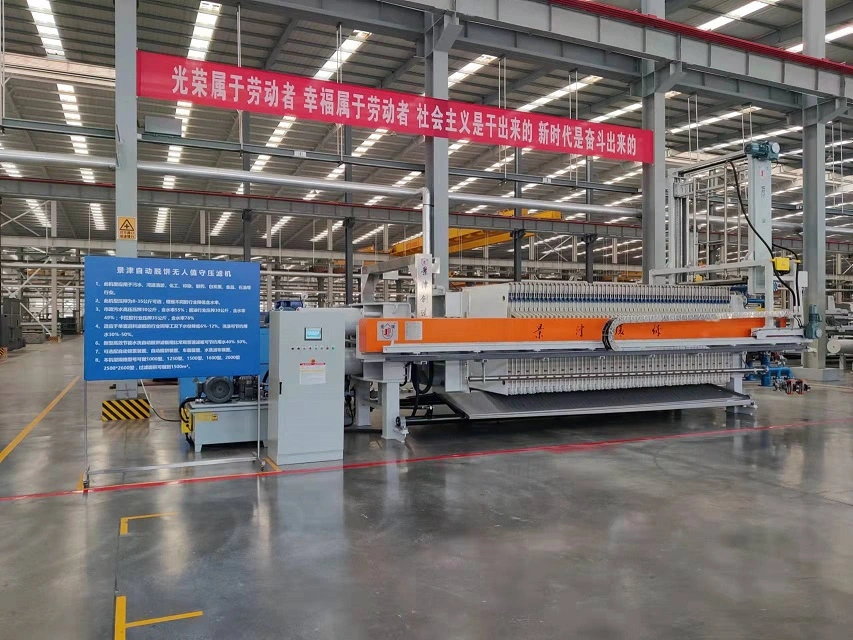
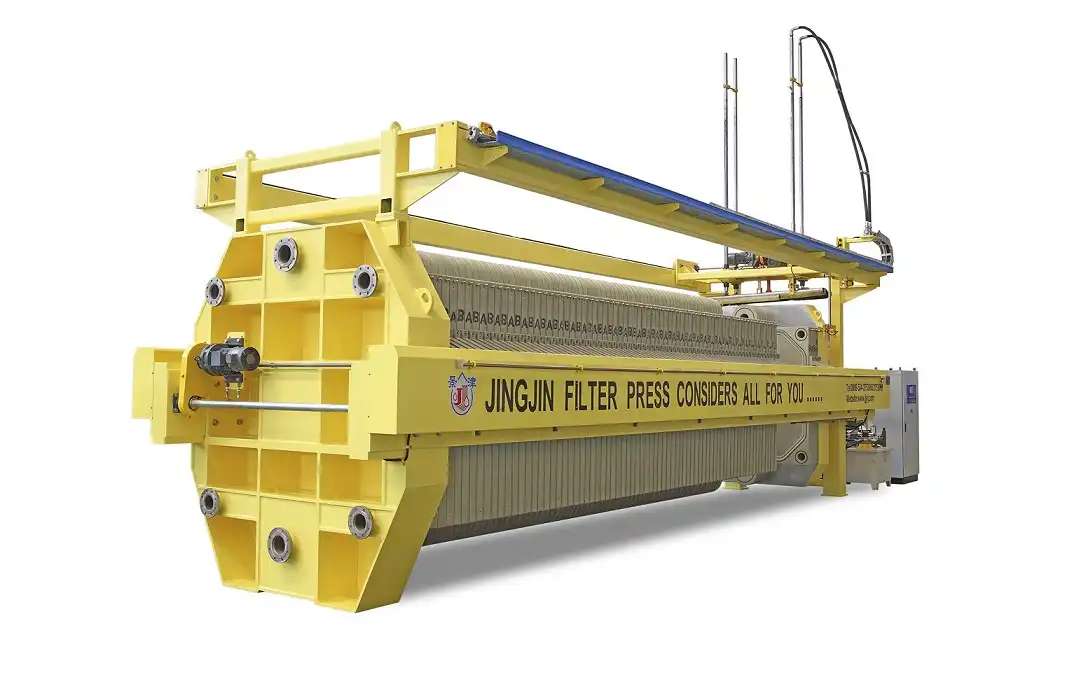
Whether you choose a medium or large filter press system depends on your business needs, the amount of work you need to do, and your budget. A filter press is a very effective machine for separating solids from liquids. It is made up of stacked filter plates and filter cloths that form chambers. Medium-sized systems can usually handle 50 to 500 cubic meters per day with some automation, while large-sized systems can handle over 1,000 cubic meters per day with more advanced control systems and the ability to handle higher pressures for industrial use.
Understanding Medium and Large Filter Press Systems
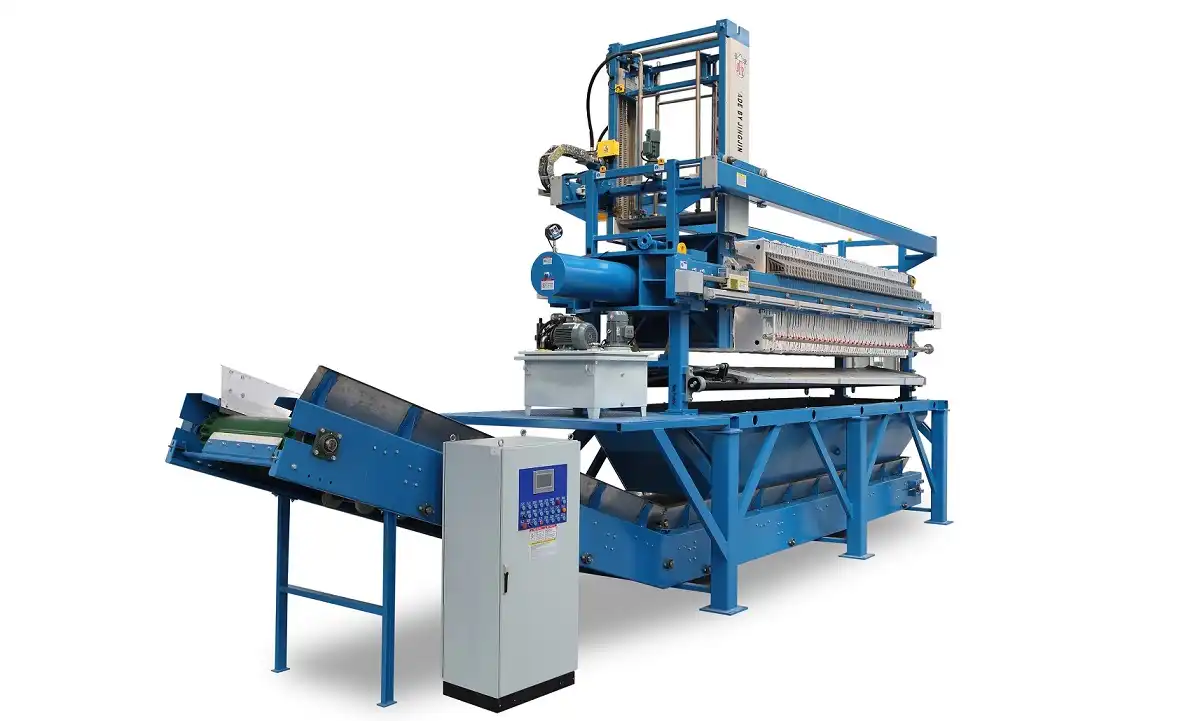
Large and medium-sized filtration systems are both based on the same basic idea: liquid is pushed through filter cloths under pressure, leaving behind a cake of solid residue on the cloth's surface. This method successfully removes water from slurries, makes liquids clearer, and recovers valuable solids from process streams in many different industries.
Operational Principles and Core Differences
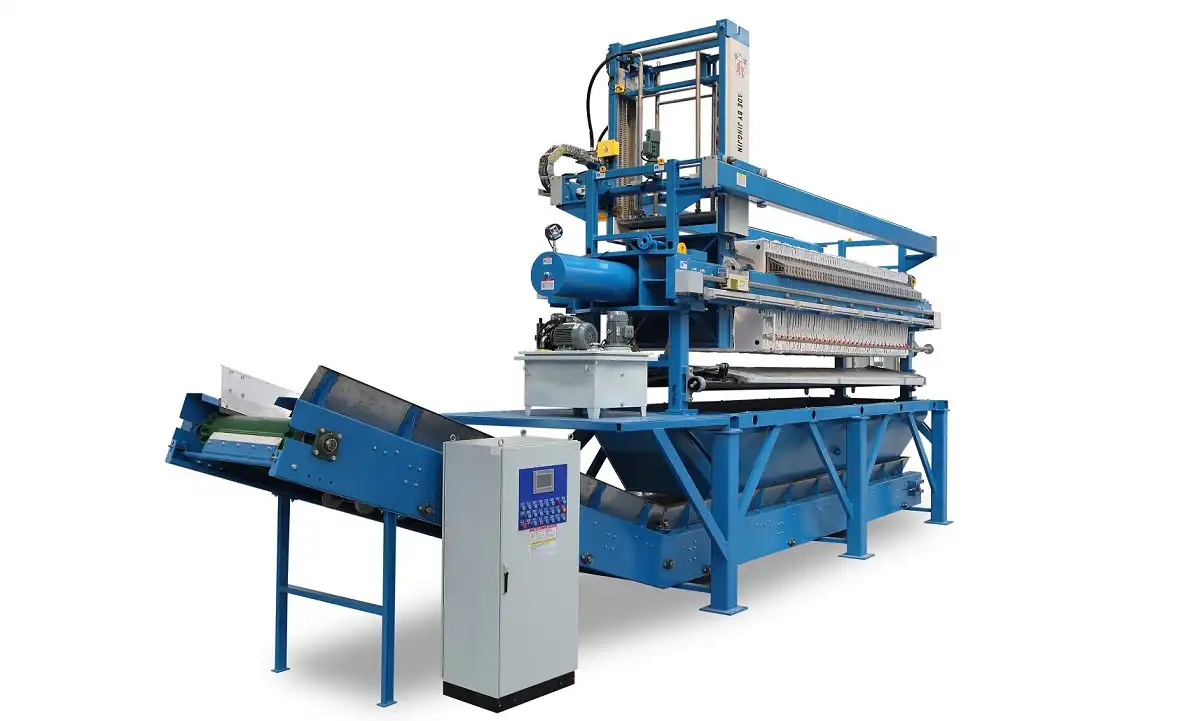
Medium filter press systems are usually used in places that need a middling amount of capacity. They are flexible in how they work and are easy to maintain. When freedom and quick changeover are most important, these units work best in chemical processing plants, food production facilities, and smaller city treatment plants.
Large-scale filtering systems can handle large amounts of work and have advanced automatic features. Advanced control systems automatically check pressure, cycle time, and cake formation, so operators don't have to do as much work while still getting the same results. Big industrial activities, such as mines, big wastewater treatment plants for cities, and heavy chemical manufacturing, can use these systems without any problems.
Industry Applications and Suitability
Choosing between medium and big systems is often based on the needs of the business. Chemical companies that work with specific chemicals often choose medium-capacity units because they can handle batch operations well. In most cases, mining operations need big systems that can keep draining tailings and concentrates even when conditions are tough.
The number of people they treat and the amount of garbage they process every day affect the tools they choose. For towns with 10,000 to 50,000 people, medium-sized systems work well. But for big cities, you need large setups with multiple parts to make sure they work all the time.
Key Dimensions Comparison of Medium vs Large Filter Presses
Knowing the changes in size between medium and large filtration equipment helps buying teams make smart choices based on working needs and space limitations.
Capacity and Throughput Analysis
Depending on the type of material, medium filter press systems usually go through 8 to 12 rounds per day, processing 2 to 15 cubic meters of slurry each time. Their processing ability is between 50 and 200 cubic meters per day, which makes them good for medium-sized businesses with steady garbage streams.
Large systems can handle 20 to 80 cubic meters per cycle, and they can often do 15 to 20 rounds a day with automatic operation. The daily output can be more than 1,500 cubic meters, which helps large factories that need to keep making things. Higher pressures—often up to 16 bar compared to 10 bar in middle units—allow for better drying and the formation of a drier cake. The inclusion of a diaphragm pump filter press can further improve pressure control in such large-scale operations.
Footprint and Installation Requirements
Space issues have a big effect on the choice of tools. Medium systems need between 200 and 500 square meters of floor space for all of their parts and access for upkeep. With standard utility hookups, installation usually takes two to four weeks.
For big setups, you need between 800 and 2,000 square meters of space and special supports that can hold 50 to 150 tons of equipment. With custom electrical systems, advanced automation networks, and special crane access for repair work, installation becomes a lot more difficult and usually takes 6 to 12 weeks.
Energy Consumption and Operating Costs
The energy economy changes a lot depending on the size of the machine. When they're working, medium units use 15–45 kW of power, but when they're not, they use less. Depending on local utility rates and plans, annual energy costs are usually between $25,000 and $60,000.
During busy cycles, large systems need 75–200 kW of power, but smart cycle management in advanced automation makes the best use of energy. Even though more energy is used, the cost of processing each cubic meter often goes down because of economies of scale, especially in high-throughput situations.
Choosing the Right Filter Press for Your Business Needs
To choose the right filtering equipment, you need to carefully look at your business needs, your budget, and your long-term growth goals. The framework for making decisions should take into account both current needs and the need to be able to grow in the future.
Capital Investment and Financial Considerations
Medium filter press systems are easier for many groups to get started with because they have lower capital costs (between $200,000 and $800,000 for installation and testing). A faster return on investment is possible with a lower starting investment, especially for processes that don't need a lot of processing.
Large projects need a lot of money—usually between $1.2 million and $5 million, based on the level of automation and the level of customization needed. Big systems are often more cost-effective for big industrial processes because the per-unit processing cost often goes down as the amount of work increases.
Automation Level and Operational Complexity
The amount of technology has a big effect on how well operations run and how many workers are needed. Medium systems usually work in a semi-automatic way, with plate moving and cake discharge done by hand, so they need one to two specialized workers per shift. This method gives operations some freedom while keeping worker costs low.
Large systems have fully automatic systems for moving plates, releasing cakes, and washing cloths. Advanced process control systems constantly check a number of factors and change the working conditions to get the best results. Even though these systems cut down on the need for workers, they still need skilled techs to maintain and fix problems. The integration of a diaphragm pump for a filter press in these larger systems improves automation, making it more reliable and efficient.
Procurement Considerations for 2024
Right now, the market is good for people who want medium-capacity systems, and typical setups have lead times of 12 to 16 weeks. Getting a big system takes 20 to 32 weeks because of the time it takes to customize and find the right parts. Compared to 2022–2023, the supply chain is more stable now, but delays may still happen with some specialized automated parts.
For mechanical parts, warranty coverage usually lasts between 12 and 24 months. For important automation systems, longer coverage is possible. It is important to carefully consider the after-sales service options, especially for locations that aren't close to big industry hubs.
Maintenance and Operational Best Practices
Following the right repair steps will make your equipment last longer and keep it working at its best in both medium and big filtration systems. Knowing what repair needs to be done can help you estimate running costs and make good decisions about how to use resources.
Routine Maintenance Protocols
No matter the system size, everyday maintenance remains the same. These include visually inspecting the filter cloth, cake formation, and hydraulic systems. Regular maintenance and modest modifications take two to four hours a day for medium-sized systems. Large systems, with more parts and complexity, may take six to eight hours.
Maintenance examines the filter cloth, hydraulic fluid, and automation system weekly. Thermal imaging and sound tracking may detect significant system issues before they create unexpected downtime.
Troubleshooting Common Issues
The hardest aspect of operating any large system is usually filter cloth blocking. Medium systems provide faster fabric changes during repair windows; the procedure takes 4–8 hours. Large systems may take 12–24 hours to replace the cloth; however, they generally incorporate backup filtering portions.
Leaks in hydraulic systems may severely impact performance and safety. Medium-sized systems feature simpler hydraulic arrangements, making leaks easier to locate and replace. Large systems include many hydraulic circuits and sophisticated tracking systems to discover and rectify issues while operating.
Performance Optimization Strategies
Improving general throughput while lowering energy use can be done by adjusting cycle time based on the properties of the material. Manually adjusting the cycle on medium-sized systems is helpful based on the knowledge of the operator and changing feed conditions. Large systems use automatic optimization programs that change the settings all the time based on data about how they're working in real time.
Using the right precoat increases the life of the filter cloth and makes it easier for the cake to come off. By knowing how to choose the right precoat material and when to apply it, you can lower your running costs and keep the quality of the filtration even as uses and seasons change.
Case Studies and Real-World Applications
Looking at how systems are used in the real world can teach users a lot about how they work and help them understand things that are more important than just the technical details.
Chemical Industry Success with Medium Systems
A specialty chemical company in Ohio set up a medium-capacity machine to handle the waste streams from making pigments. The plant handles about 120 cubic meters of titanium dioxide slurry every day, reducing the cake's moisture by 85% and recovering 99.2% of its solid content.
The flexible nature of the system lets it handle different types of product streams throughout the week. With quick switching options, paint pigments can be processed Monday through Wednesday, and cosmetic-grade materials can be processed Thursday through Friday. This makes the best use of the filter press while still meeting quality standards.
Municipal Wastewater Treatment Scaling Benefits
A regional wastewater treatment facility serving 180,000 people converted from numerous medium-sized units to one large system, making it simpler to operate. The new facility processes 850 cubic meters of biosolids daily, reducing cake water from 78% to 65% and working by 40%.
Automated operation maintains performance even as waste kinds fluctuate with the seasons. Advanced control systems automatically adjust cycle pressure and time depending on sludge qualities. This optimizes machine performance with less human input.
Comparative Analysis of Leading Manufacturers
Leading makers offer different benefits based on the needs of the application. European companies tend to focus on precise engineering and improved automation, while North American companies tend to focus on tough building and being able to service their products in the field.
Recent feedback from customers shows that the dependability of automation has a big effect on the total cost of ownership. Higher availability rates are common for systems with control systems that are easier and more reliable. This is especially true in demanding industrial settings where skilled techs may not be easy to find.
Conclusion
The choice between medium and large filter press systems is based on the amount of work that needs to be done, how complicated the operations are, and how much growth is expected in the long run. Medium-sized systems are good for specialized tasks and expanding businesses because they are flexible in how they work and require less money to set up. For high-volume commercial uses, large systems offer economies of scale and improved automation. Both choices can reliably separate solids and liquids if they are chosen and kept correctly. How well they work depends on how well the system's features match the needs of the operation and its upkeep.
FAQ
1. What are the main operational differences between medium and large filter presses?
Medium-sized filter presses usually have settings that are only partially automatic and need more help from a person. Large systems, on the other hand, are fully automated and have more advanced process control. Large systems also work at higher pressures and handle a lot more material each turn.
2. How do maintenance costs compare between system sizes?
Large systems often have lower maintenance costs per cubic meter handled because of economies of scale and advanced monitoring systems that stop big breakdowns. Medium systems usually have lower maintenance costs overall because their designs are simpler and have fewer parts.
3. Can medium filter press systems be scaled up as operations grow?
To boost overall capacity, medium systems can be used at the same time, but this method might not work as well as using a single large system. But having more than one medium unit gives you practical support and the freedom to work with different materials at the same time.
Partner with Jingjin for Your Filtration Needs
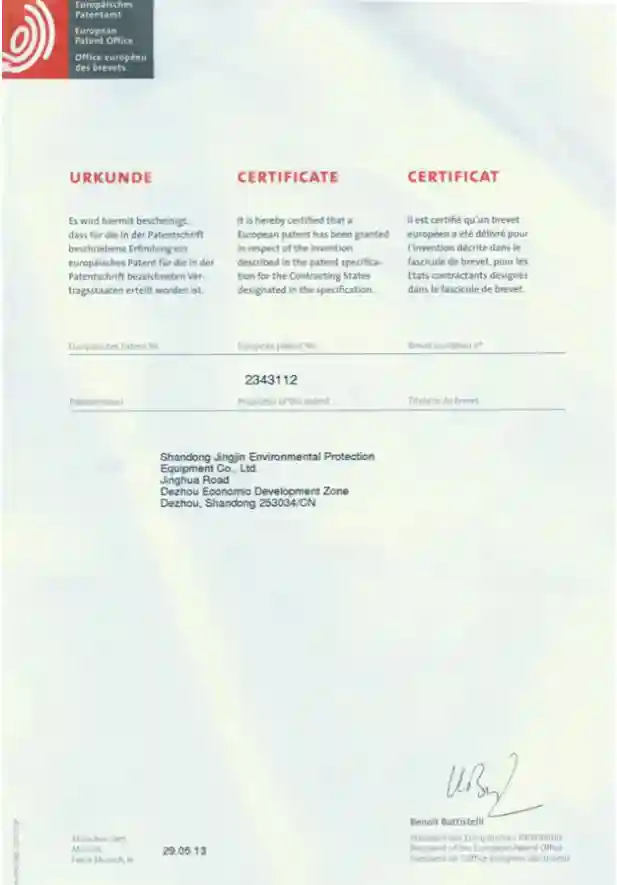
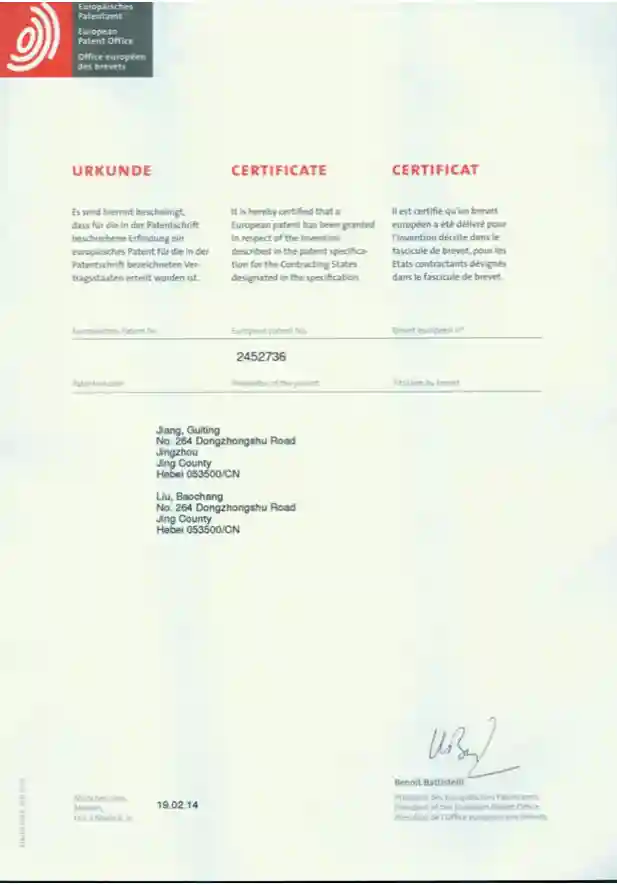
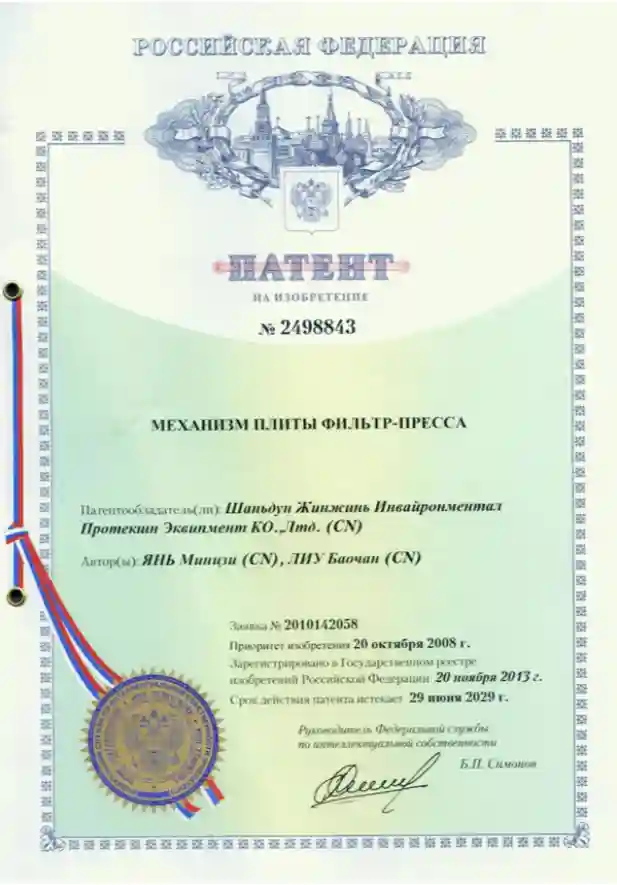
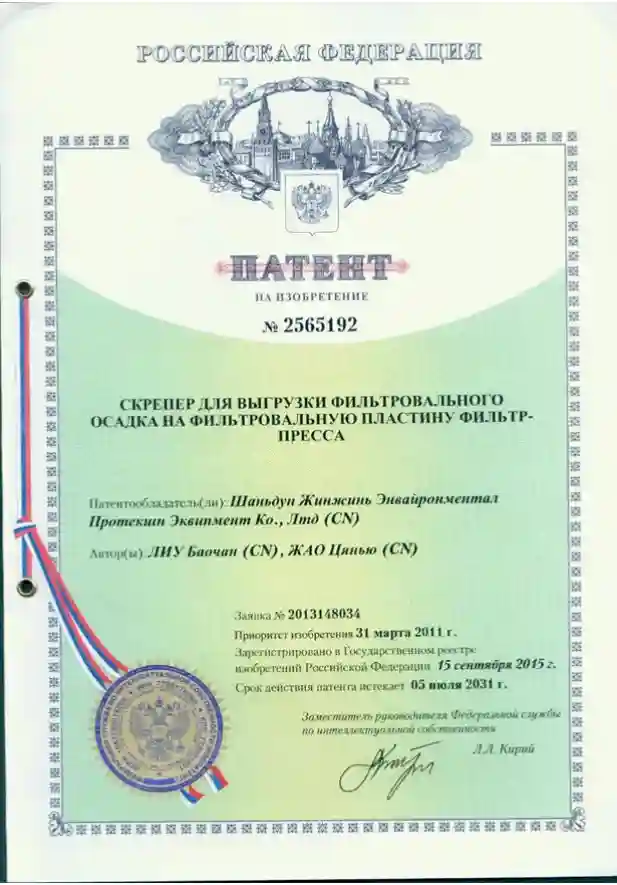
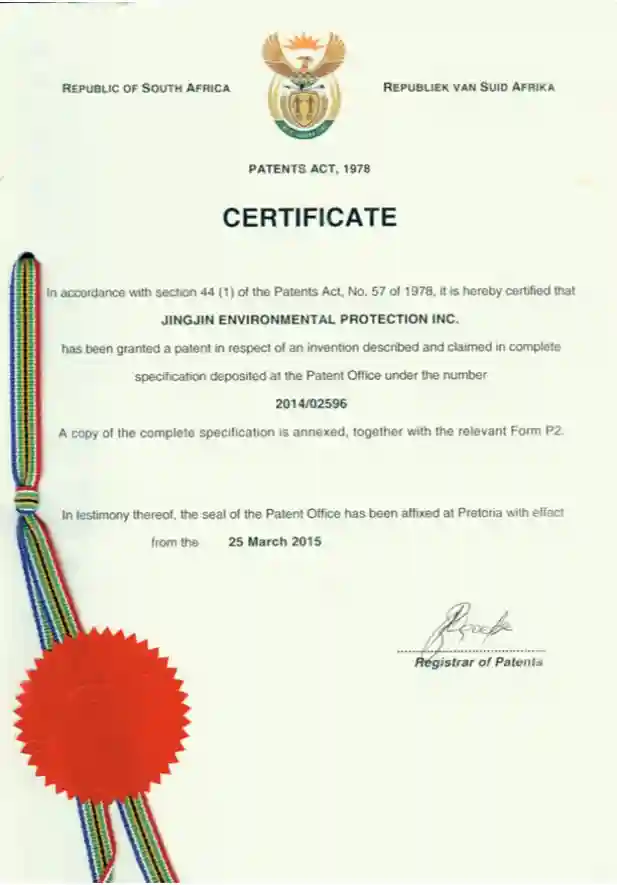
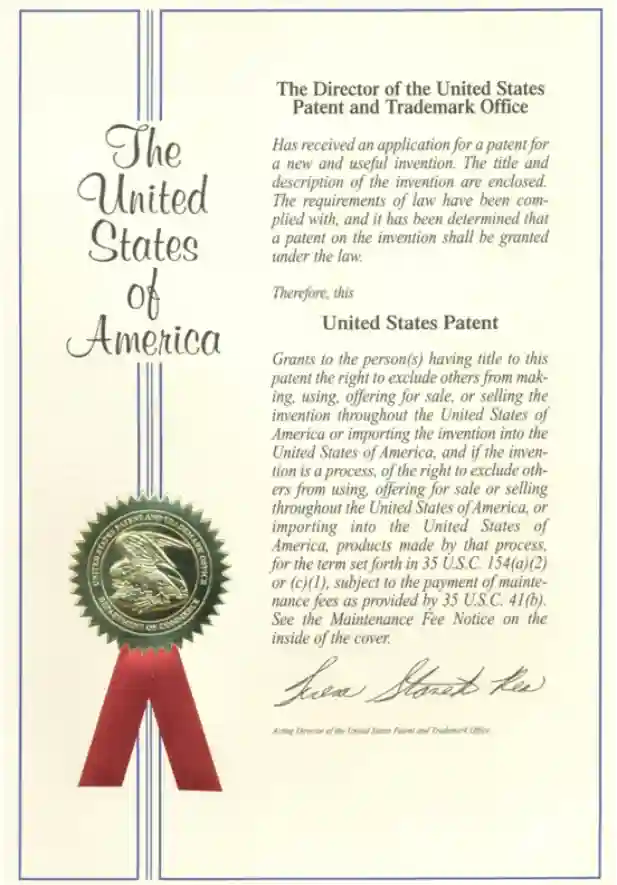
Jingjin Equipment Inc. has been creating and making high-tech filtration solutions for commercial uses around the world for more than 35 years. We have a wide range of medium and big filter press systems that are designed to work in tough environments like mining, chemical processing, and wastewater treatment. With more than 136 patents and performance proof in 123 countries, Jingjin offers customizable solutions that raise business efficiency and lower the total cost of ownership. Email our engineering team at [email protected] to talk about your unique needs and find out why top filter press makers trust Jingjin with their most difficult separation problems.
References
1. Smith, R.J., and Thompson, K.L. "Comparative Analysis of Filter Press Technologies in Industrial Wastewater Treatment." Journal of Environmental Engineering, 2023.
2. Anderson, M.P. "Optimization Strategies for Medium-Scale Solid-Liquid Separation Systems." Industrial Filtration Quarterly, 2023.
3. Zhang, W., and Liu, H. "Economic Evaluation of Filter Press System Sizing in Mining Applications." Mining Engineering Review, 2023.
4. Johnson, D.A. "Maintenance Protocols and Performance Optimization in Large-Scale Filtration Systems." " Process Engineering Today," 2023.
5. Miller, S.E., and Brown, C.R. "Energy Efficiency Comparison of Medium vs. Large Filter Press Operations." Environmental Technology and Management, 2023.
6. Peterson, L.K. "Case Studies in Filter Press Selection for Municipal and Industrial Applications." Water Treatment Technology Review, 2023.
jingjin
Founded in 1988, Jingjin specializes in filter presses and liquid-solid separation solutions, serving over 130 countries worldwide, and is a standard-setter in China's filter press industry.
Get the Filter Press guide
Enter Your Email for Technical assistance for the Filter Press.
Recommended Blog
China Filter Press Procurement Strategy for International Buyers
High Durability Filter Press Cloth for Chemical Processing: Benefits and Uses
Automated Filter Press Systems: Revolutionizing Industrial Filtration Processes
Filter Press Solutions for India Pharmaceutical Plants from China
Why Vietnam Wastewater Plants Choose China Multi Disk Screw Press?