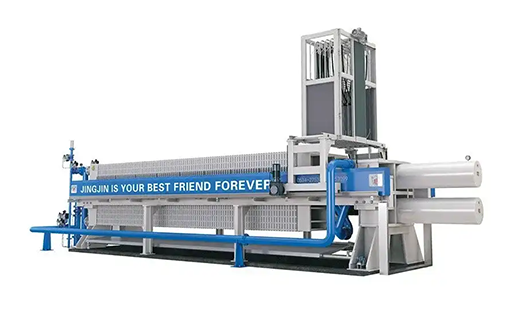
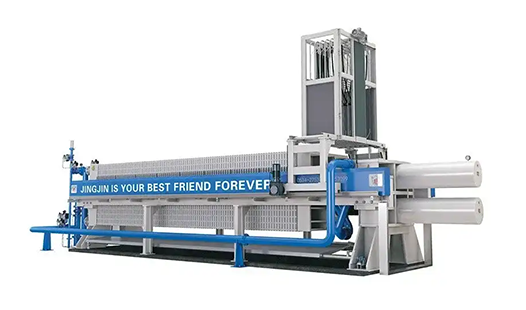
Automatic vs Manual Press Filter Machines: Which One Suits Your Needs?
Automatic vs Manual Press Filter Machines: Which One Suits Your Needs?
Introduction
- Introduction
- Understanding Press Filter Machines: Automatic vs Manual
- Key Considerations When Choosing Between Automatic and Manual Press Filter Machines
- Press Filter Machine Types and Technological Evolution
- Procurement Insights: Making the Right Purchasing Decision
- Our Expertise and Solutions in Press Filter Machines
- Conclusion
- FAQ
- Contact Jingjin for Your Press Filter Machine Requirements
- References
You can choose between automatic and human press filter machines based on how you want to run your business, how much you want to make, and your budget. Automatic filter press systems work best in large operations with steady processing needs because they are more efficient and require less labor. Manual systems work best for small businesses, specialized tasks, or companies that need to be able to handle batches in different ways. You can find the best press filter machine for your industrial application by looking at your specific filtration needs, the skills of the workers you have access to, and the industry's long-term growth forecasts.
Introduction
Press filter machines are the most important part of industrial filtering because they make it easy to separate solids from liquids in many fields, such as food processing, pharmaceutical production, and chemical manufacturing. These strong systems turn raw materials into finished goods and handle trash streams well, which is why they are essential for modern factories.
Choosing between automatic and manual configurations is a big choice that affects how well the business runs, how much it costs, and how safe the workplace is. The choice affects everything from daily production rates to long-term maintenance costs, which can make or break your business's ability to compete in the market.
Global B2B buying managers have to make sure that production goals are met by machines while also keeping an eye on the budget. Before making a choice, the current operational needs, future growth projections, and the skills of the workforce must all be carefully looked at. By understanding these basic factors, you can choose equipment that meets both your immediate wants and your long-term business goals.
Understanding Press Filter Machines: Automatic vs Manual
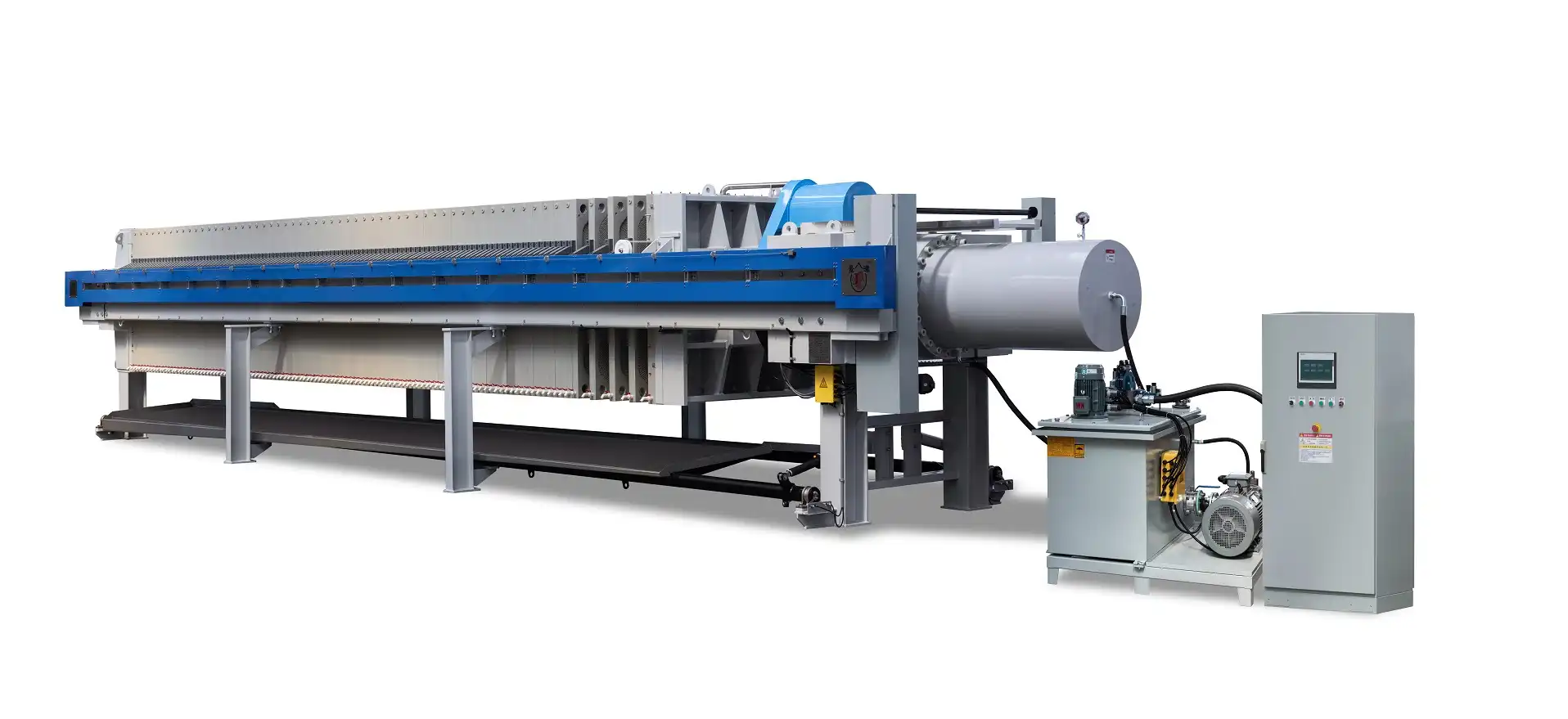
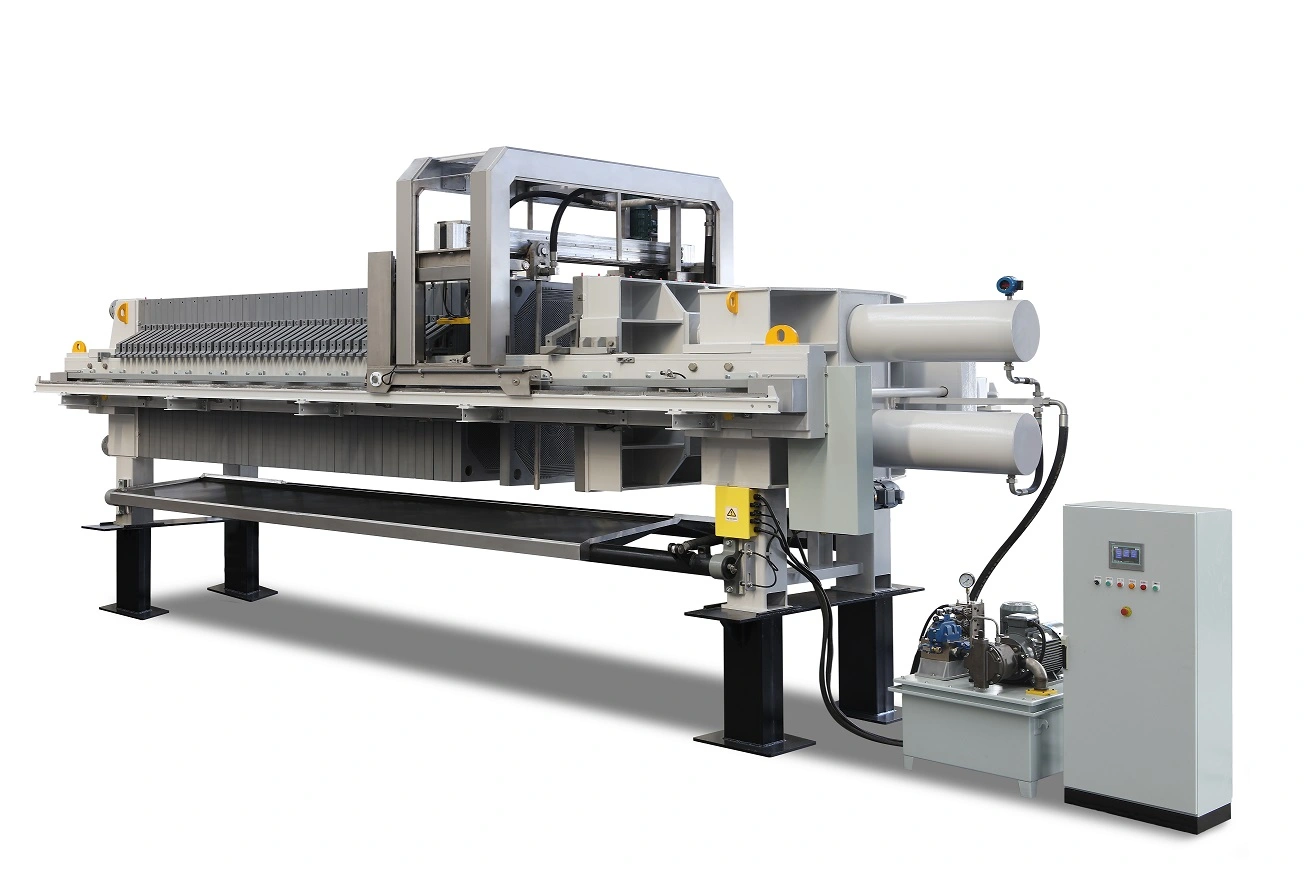
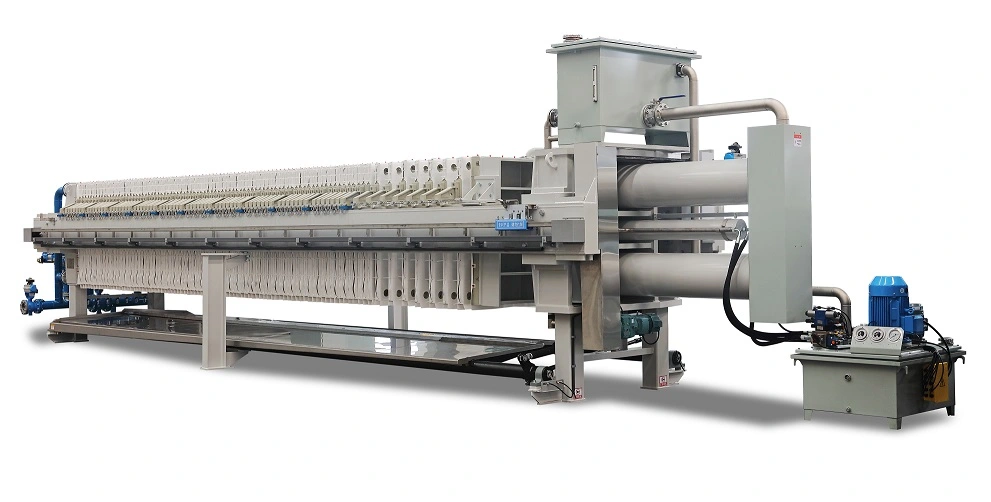
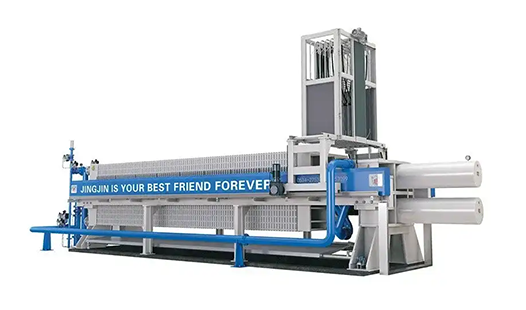
Basically, press filter machines work by putting pressure on solids to separate them from liquid slurries. This makes clear filtrate and concentrated cake leftovers. These systems use filter plates set up in chambers. Pressurized liquid forces separation through special filter media, which improves the quality of the product and the regularity of the process.
Operational Mechanisms and Performance Differences
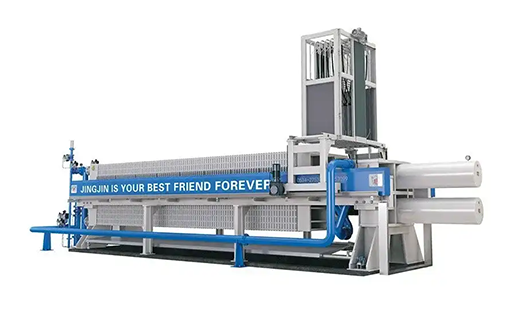
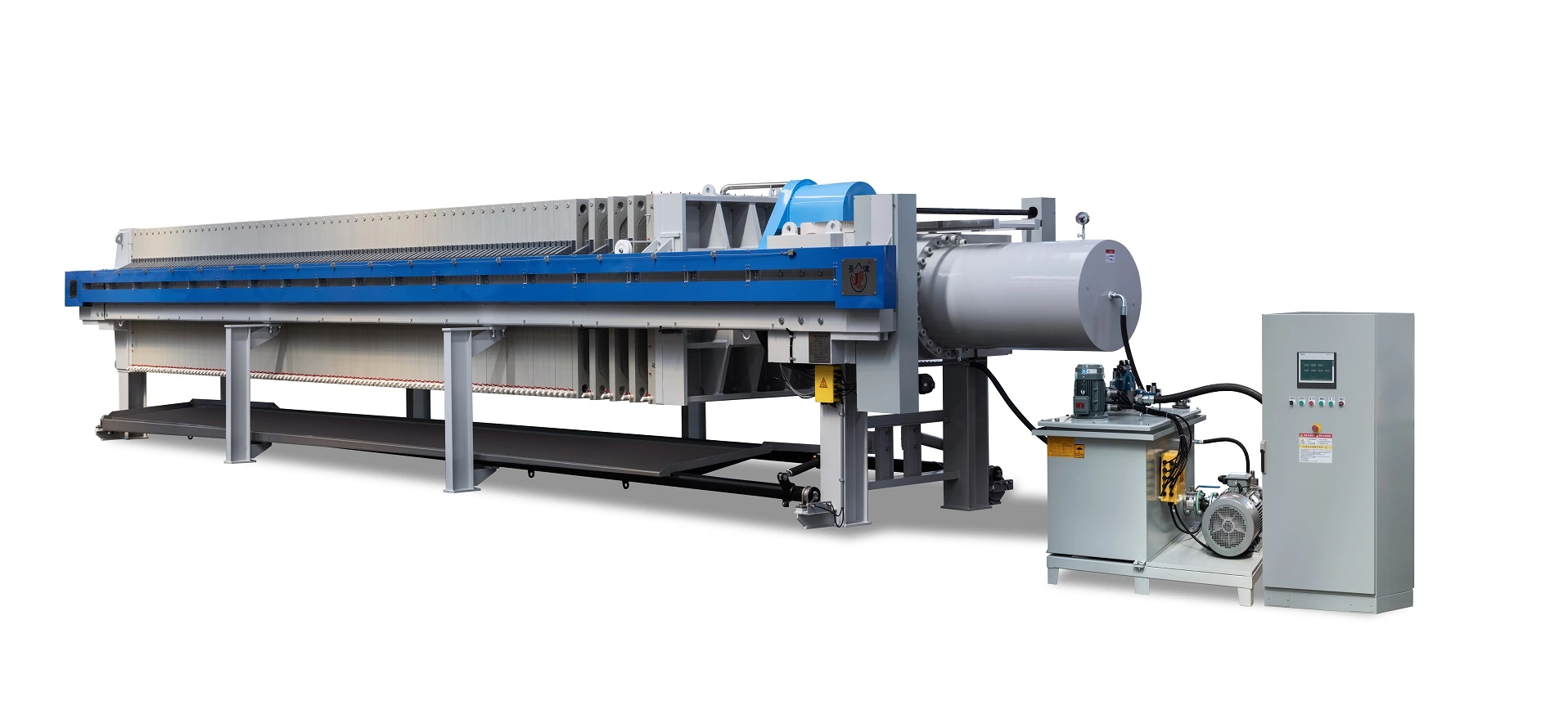
Automatic filter press systems have complex control systems that handle the whole filtration process without any help from the user. Programmable logic computers control where the plates are placed, how much pressure is applied, how many times they are washed, and how the cake is discharged. The automated sequence makes sure that the processing parameters are always the same, which lowers variation and improves the quality of the result across production runs.
For manual filter press machines, the operator must directly handle every step of the process, from closing the plate to taking out the cake. Operators change the pressure settings by hand, keep an eye on how the filtration is going, and plan the release process. This hands-on method makes the process more flexible and lets changes be made in real time based on the properties of the material or the needs of the production.
Material Compatibility and Application Versatility
Specialized plate designs and filter media choices let both automatic and manual systems handle a wide range of materials. Chemical-resistant materials can handle corrosive chemicals that are often used in pharmaceutical and chemical processes, and food-grade parts make sure that strict hygiene rules are followed. The main difference is not in how well the materials work together, but in how consistently they work and how much they can handle.
Professionals in procurement have to look at certain properties of substances, such as the spread of particle sizes, their chemical makeup, and the temperature needs. No matter what amount of automation is used, these things affect the choice of filter media, the layout of the plates, and the overall design of the system.
Key Considerations When Choosing Between Automatic and Manual Press Filter Machines
Capacity and processing needs have a big impact on the equipment that is chosen. Automatic systems can handle higher volumes and more consistent cycle times, which makes them good for environments where output never stops. When working with smaller batches or situations where recipes need to be changed often, manual methods work best.
Energy Efficiency and Operating Cost Analysis
Patterns of energy use are very different between automatic and manual methods. Integrated control systems that change parameters based on real-time situations help automatic machines use the least amount of power possible. Often, these systems have energy-recovery features and standby modes that lower total consumption when they're not in use.
Costs of labor, resources that are used up quickly, and factors that affect productivity are all part of operating expenses. Automatic systems cut down on the need for direct work, but they need to be maintained and fixed by skilled technicians. Manual methods need more work from the operator, but they are more flexible and don't need as much money up front.
Maintenance Requirements and Downtime Management
Planning maintenance has different effects on each type of machine. Automatic machines have diagnostic systems that check the performance of parts and guess when repair is needed, which lets service be scheduled before it's needed. These features help keep things from breaking down without warning, but you need to know a lot about technology to use them properly.
Manual systems usually have simpler mechanical designs with fewer electrical parts, which could make them easier to maintain. But because operators touch mechanical parts more often, manual operation wears them out faster, so it's important to stick to preventive repair schedules.
Different types of systems have very different safety concerns and skill levels needed by operators. By processing things inside enclosures and letting operators watch from afar, automatic machines keep workers from coming into direct contact with dangerous materials and high-pressure tasks. For manual systems, the people who work with them need to be fully trained on safety practices and the right way to handle equipment.
Press Filter Machine Types and Technological Evolution
From old-fashioned manual press filter machines to current automatic systems, decades of technological progress have been made to make filtration more effective and easier to use. Early manual systems relied on the knowledge and physical help of the operator. Modern automatic tools, on the other hand, use complex sensors, control systems, and data analytics.
Manual System Reliability and Proven Performance
For more than one hundred years, manual filter press machines have been very reliable in a wide range of industry settings. Because they are mechanically simple, they work well in tough conditions where electrical systems might have trouble. Many sites are still using manual systems that were put in place decades ago, which shows how strong and reliable they are.
The simple way that manual systems are operated lets workers get very good at understanding how the equipment works and how the process works. This familiarity often leads to better performance through user experience and making changes naturally based on what they see and feel.
Automation Innovation and Strategic Advantages
Modern automatic systems use high-tech features like touch-screen interfaces, variable frequency drives, and the ability to watch from afar. With these new technologies, you can precisely control the filtration settings and keep a full record of all the data for process optimization and quality assurance.
Semi-automatic models are between fully automated and fully controlled by a computer. They have programmable sequences for normal tasks but also allow for human override for more complex ones. This mixed method strikes a balance between operational efficiency and process flexibility, meeting a wide range of production needs on a single system platform.
Automation has strategic benefits that go beyond instant operational improvements. These include better safety for workers, the ability to collect data, and the ability to connect to larger facility management systems. The value of these benefits grows as digitalization and remote tracking become more important in industrial settings.
Procurement Insights: Making the Right Purchasing Decision
To judge the quality of a filter press, you have to look at a lot of different things, like the materials used, how well they were made, and how long the parts last. High-quality systems are made with materials that don't rust and are suitable for the job, parts that are precisely machined to make sure they close properly, and a strong structure that can handle the pressures and conditions of the job.
Brand Credibility and Service Reputation Assessment
Manufacturers that have been around for a long time and have a lot of knowledge in their field usually offer better product quality and full support services. A brand's image is based on how long it has been around, how reliable its service has been, and how many happy customers it has had. When making selection decisions, procurement teams should look at the track records of manufacturers, customer references, and technical help capabilities.
The reputation of the after-sales service has a big effect on the long-term worth of the equipment through things like maintenance support, the availability of spare parts, and the quality of technical help. Manufacturers with large parts inventories, quick reaction times, and complete service networks offer more operational security and lower downtime risks.
Total Cost of Ownership and Market Trends
In 2024, the market is showing that there is a higher need for automatic systems because of a lack of workers and the need to be more efficient. When compared to similar manual systems, automatic systems usually cost 40–60% more at first, but the extra money spent on them is usually worth it over the course of 10–15 years because they save time and money on work.
The initial buy price, installation costs, operator training costs, maintenance needs, and productivity factors must all be included in the total cost analysis. Automatic systems may have lower total costs in high-volume situations, even if they cost more to set up at first. On the other hand, manual systems are usually more cost-effective in smaller businesses or more specialized situations.
Other things that add value are the ability to customize and the chance to order in bulk. Many makers offer custom configurations that make systems work better in certain situations, which could lead to better performance and lower operating costs. When you buy in bulk, you may get better prices, longer warranties, or better service agreements that make the whole job more cost-effective.
Our Expertise and Solutions in Press Filter Machines
Since 1988, Jingjin Equipment Inc. has helped customers in 123 countries with their industrial filter needs. They have more than 30 years of experience making things. We can provide optimized solutions that meet specific operational needs and ensure long-term reliability and performance because we have a deep knowledge of a wide range of industrial applications.
Complete Product Portfolio and Technical Innovation
Our wide range of products includes both human and automatic press filter machines, from small units that can be used in laboratories to huge industrial systems that process thousands of cubic meters of material every day. Each system is based on tried-and-true design principles that have been improved through constant innovation and feedback from customers.
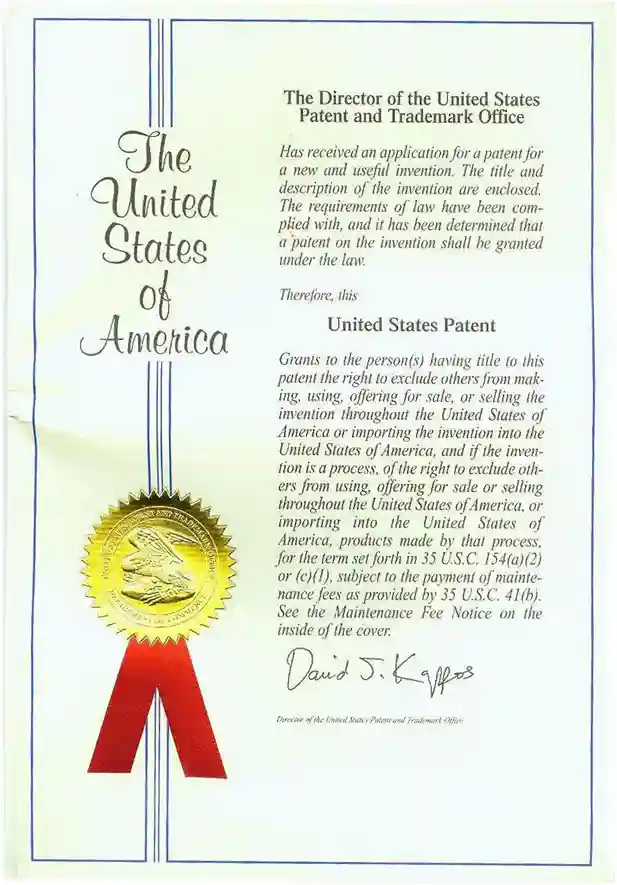
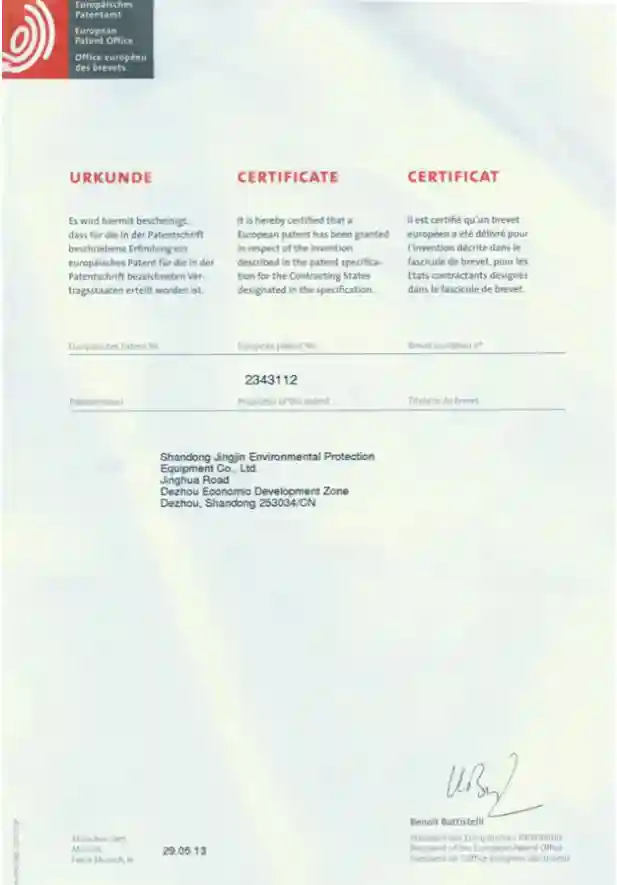
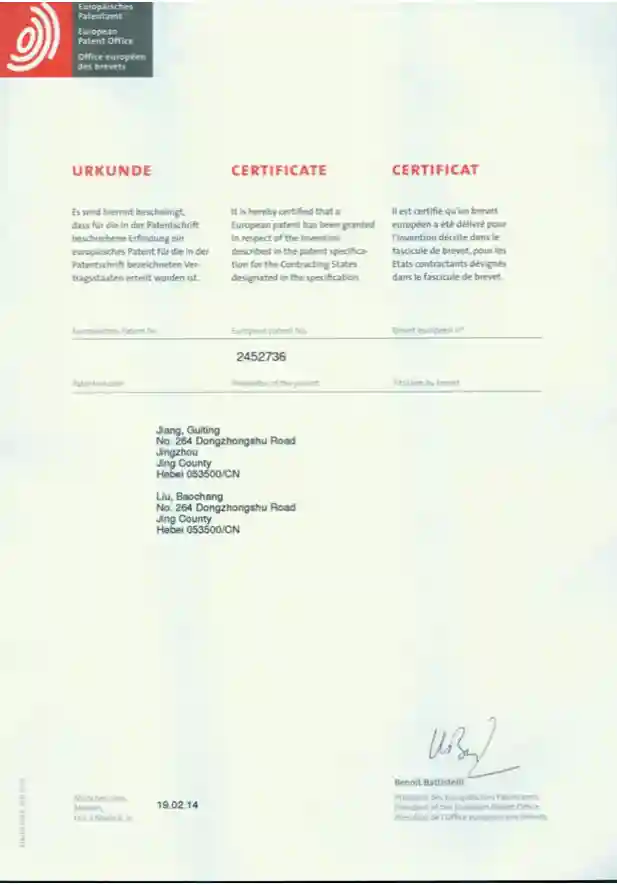
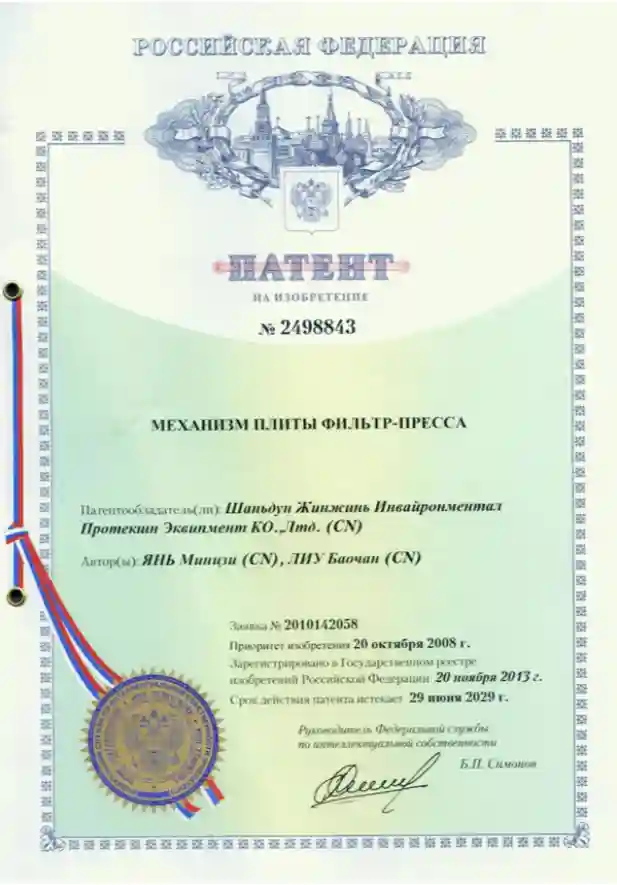
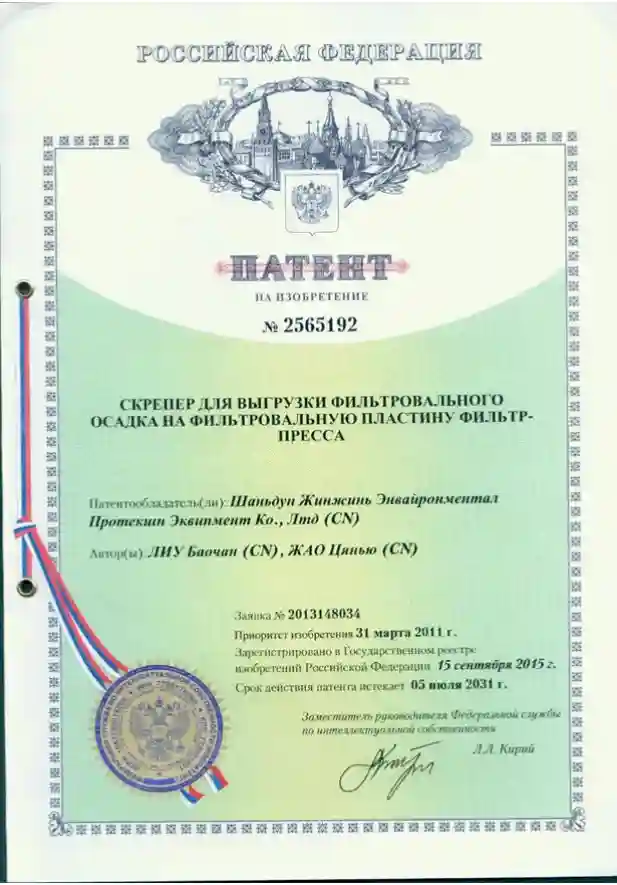
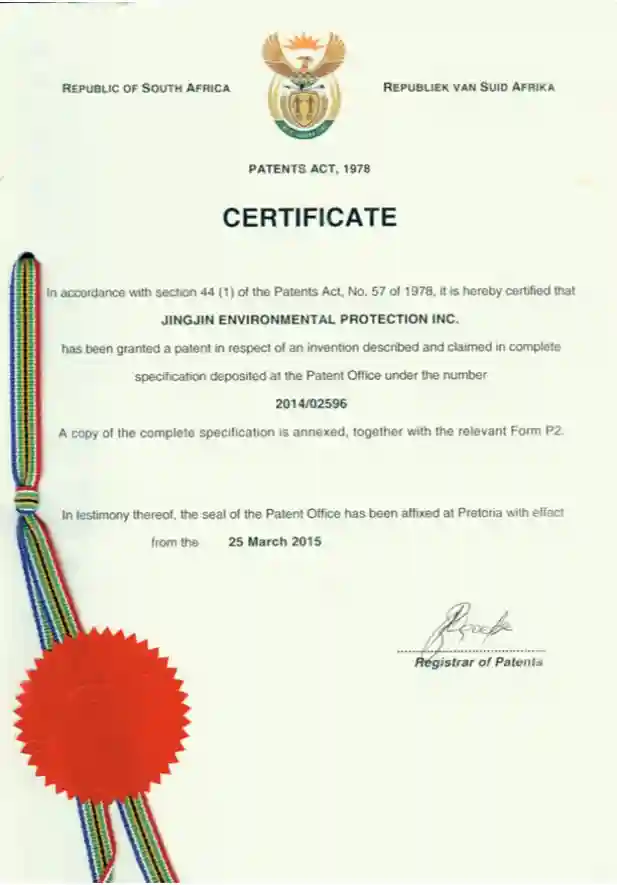
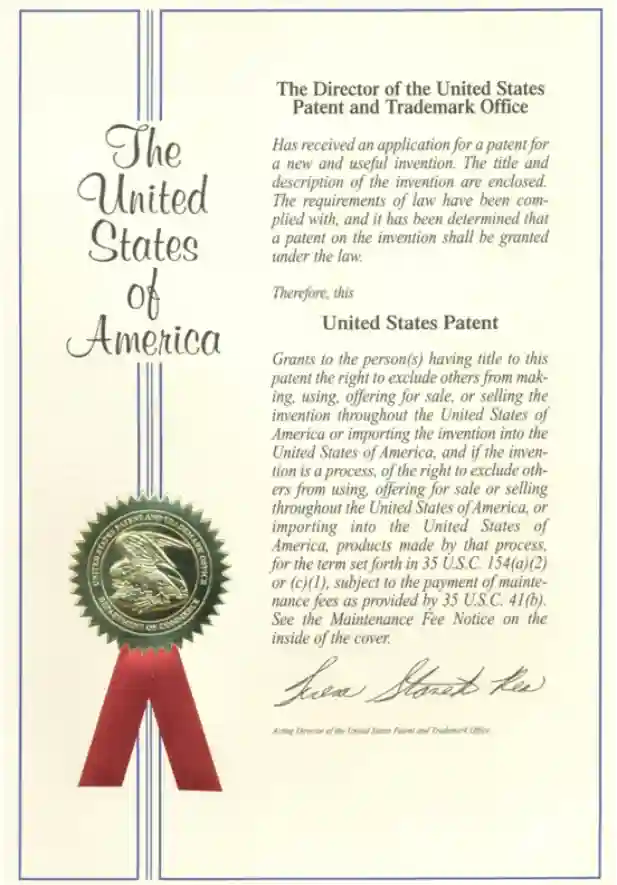
With more than 136 patents covering our technological advances, we keep making filtration more efficient and easier to use. Our automatic systems have easy-to-use control panels, numerous safety features, and the ability to run troubleshooting tests, all of which make them easier to use and more productive. Precision-engineered parts and comfortable designs in manual systems make them safer and more efficient for operators.
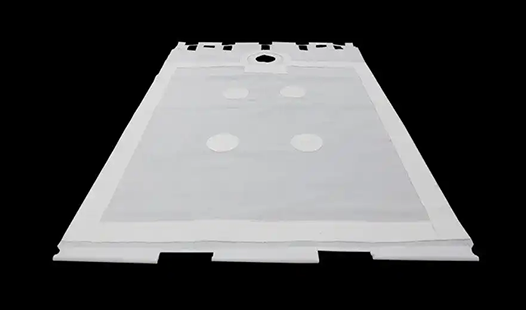
The whole ecosystem method includes special filter plates, high-performance filter cloths, and full programs for consumables that make sure the system works at its best throughout its entire operational lifecycle. This unified method gets rid of worries about compatibility and gives a single point of responsibility for the whole filtering systems.
Comprehensive Support Framework and Global Service
Our dedicated support framework includes consultations before the sale, unique engineering design, supervision of installation, and full care after the sale. Technical teams work closely with customers to make sure that system configurations are best for each application. This way, customers get the most out of their equipment purchases.
Global manufacturing capacity lets goods be delivered quickly while quality standards stay the same. Every year, we can make more than 10,000 systems, which can be used for both individual orders and large-scale projects. Standard delivery times of 45 days work for most projects, but custom configurations get extra attention to make sure they meet targets.
As part of their international service, engineers are ready to help with installation and maintenance work in other countries. This makes sure that performance is the same no matter where you are. This worldwide presence gives multinational businesses faith that they can get the same tools and service at all of their locations.
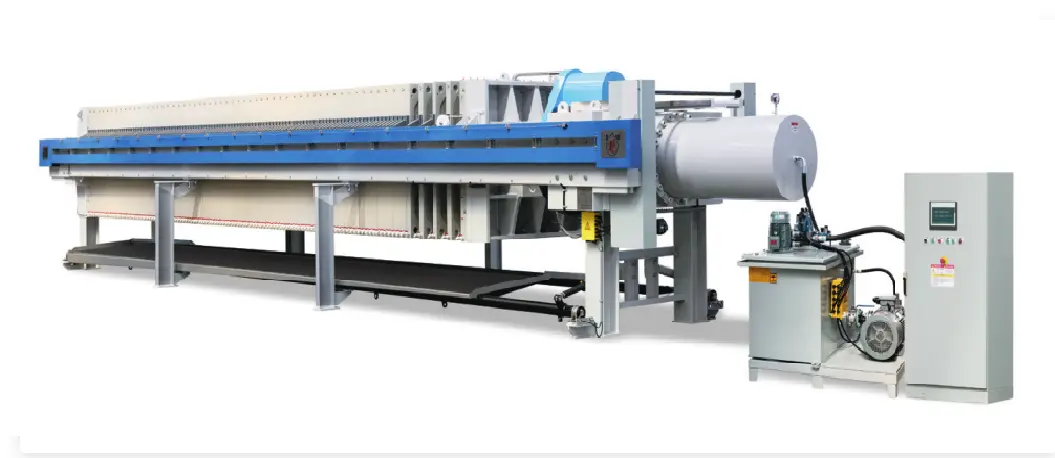
Our automatic systems run on a standard 380V power source and use between 2.2KW and 7.5KW of power, depending on their size and configuration. The small size (7050 x 1930 x 2230 mm) fits most facility plans and provides a lot of processing power. Full warranties and CE/ISO certifications make sure that foreign standards are met and that investments in equipment are safe to use.
Conclusion
When deciding between automatic and manual press filter machines, you need to carefully think about your long-term strategic goals, operational needs, and funds. Automatic systems work best in consistent, high-volume processing settings where value is driven by how well workers do their jobs and how accurately they do them. For smaller operations, specialized uses, or facilities that need the most process flexibility, manual methods are great options.
The choice affects many parts of processes, like how much work needs to be done, how much labor is needed, how much maintenance is needed, and how well safety is maintained. The right choice of equipment makes sure that the system's powers match its current needs while also being able to adapt to future growth and changes in how it works. When you know about these connections, you can make smart choices about what to buy that help with both short-term working goals and long-term business growth.
FAQ
Q1: What are the maintenance requirements for automatic versus manual systems?
Automatic systems require specialized technical knowledge for electronic component maintenance but offer predictive diagnostics that enable proactive service scheduling. Manual systems feature simpler mechanical maintenance requirements but need more frequent attention due to increased operator interaction and mechanical wear patterns. Both system types benefit from regular preventive maintenance programs tailored to operational intensity and environmental conditions.
Q2: Can manual systems be scaled up for larger operations?
Manual filter press systems can accommodate larger operations through multiple unit installations or larger individual system configurations. However, labor requirements increase proportionally with system size, potentially making automatic systems more economical for high-volume applications. The decision depends on the available workforce, operational scheduling flexibility, and long-term growth projections.
Q3: How significant are the efficiency gains from automation?
Automatic systems typically achieve 15-25% higher throughput rates compared to manual systems due to optimized cycle timing, consistent pressure application, and reduced changeover delays. Additional efficiency gains include reduced operator requirements, improved process consistency, and enhanced safety performance. The actual benefits depend on application specifics, operational volume, and workforce capabilities.
Contact Jingjin for Your Press Filter Machine Requirements
Choosing the right filtration solution requires expert guidance tailored to your specific operational demands and business objectives. Jingjin's technical team stands ready to evaluate your application requirements and recommend optimal press filter machine configurations that maximize efficiency while controlling costs.
Our comprehensive consultation process includes detailed application analysis, system sizing recommendations, and total cost evaluations that support confident purchasing decisions. Whether you require a single manual system for specialized processing or multiple automatic units for large-scale operations, our engineering expertise ensures optimal equipment selection and configuration.
Connect with our specialists at [email protected] to discuss your filtration challenges and explore customized solutions. As a leading press filter machine supplier, we provide detailed specifications, performance projections, and competitive quotations that demonstrate the value of partnering with industry leaders. Download our comprehensive product catalogs and case studies to understand how our solutions address diverse industrial applications while delivering exceptional reliability and performance.
References
1. "Industrial Filtration Technology: Advances in Press Filter Design and Applications" - Journal of Separation Science and Technology, 2023
2. "Comparative Analysis of Manual versus Automated Filtration Systems in Chemical Processing" - Chemical Engineering Progress, 2024
3. "Cost-Benefit Analysis of Press Filter Automation in Municipal Wastewater Treatment" - Water Environment Research Foundation, 2023
4. "Equipment Selection Guidelines for Solid-Liquid Separation in Mining Operations" - International Journal of Mineral Processing, 2024
5. "Safety and Efficiency Improvements in Modern Press Filter Technology" - Process Safety and Environmental Protection, 2023
6. "Total Cost of Ownership Models for Industrial Filtration Equipment" - Plant Engineering Magazine, 2024
jingjin
Founded in 1988, Jingjin specializes in filter presses and liquid-solid separation solutions, serving over 130 countries worldwide, and is a standard-setter in China's filter press industry.
Get the Filter Press guide
Enter Your Email for Technical assistance for the Filter Press.
Recommended Blog

How to Choose the Right Filter Press Manufacturer: Key Factors to Consider
Maintenance Tips for Dewatering Press Machines to Maximize Lifespan
Automatic vs Manual Press Filter Machines: Which One Suits Your Needs?