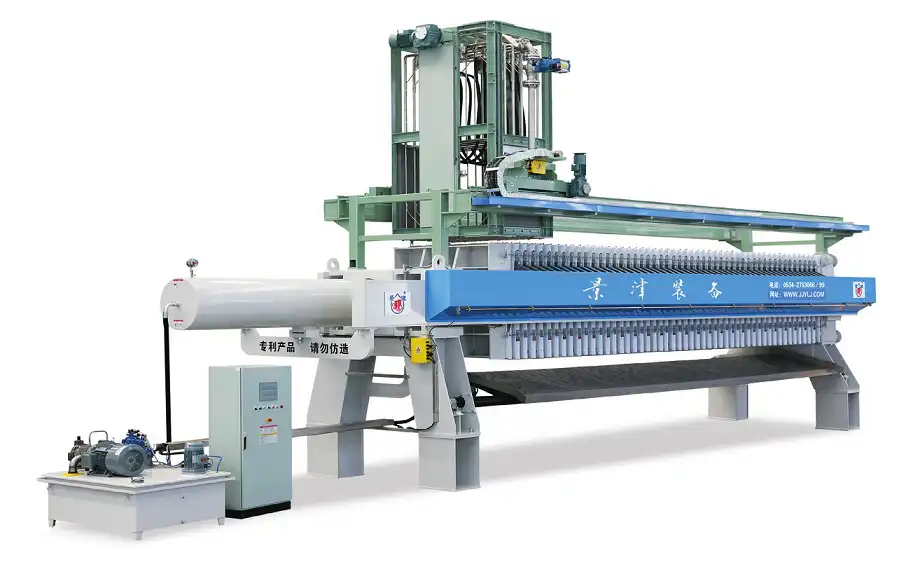
High Capacity Filter Press Machines for Mining: Maximizing Sludge Dewatering Efficiency
High Capacity Filter Press Machines for Mining: Maximizing Sludge Dewatering Efficiency
Understanding High-Capacity Filter Press Machines in Mining
- Understanding High-Capacity Filter Press Machines in Mining
- Advantages of Automatic High Capacity Filter Press Machines for Mining
- Selecting the Right Filter Press Machine for Mining Sludge Dewatering
- Maximizing Dewatering Efficiency: Best Practices and Optimization Techniques
- Procurement Insights for Mining Companies
- Conclusion
- FAQ
- Partner With Jingjin for Reliable High-Capacity Filtration Solutions
- References
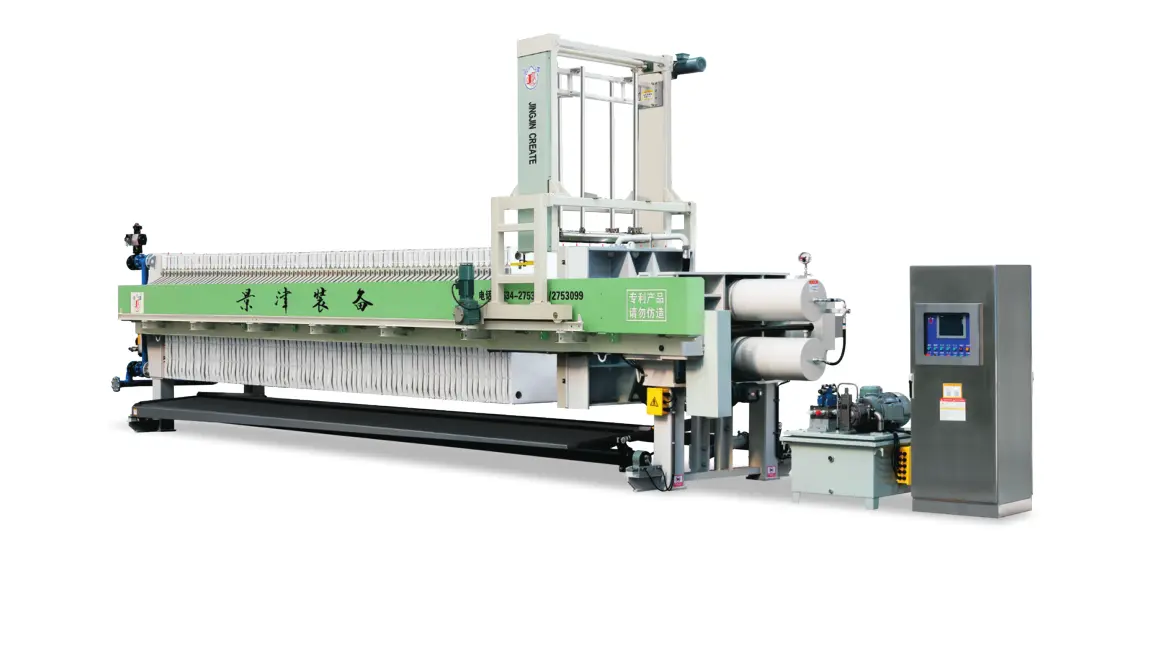
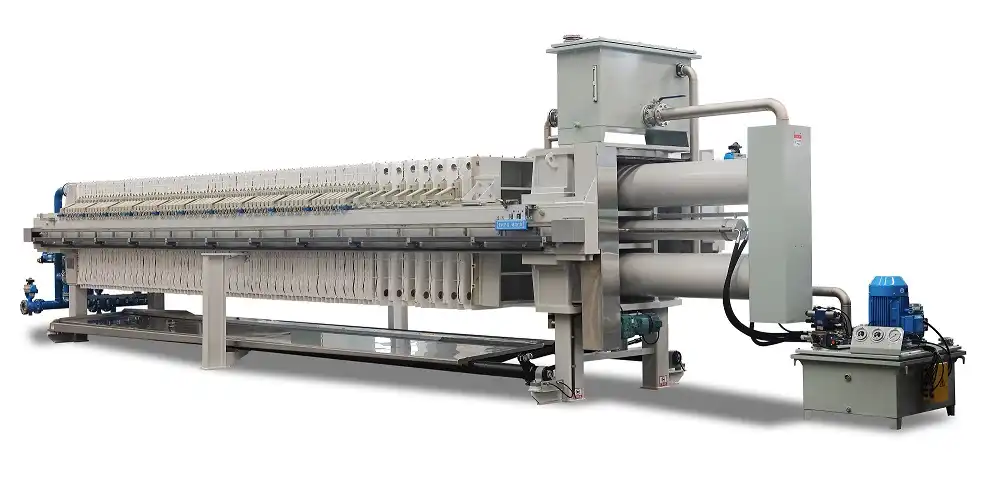
Effectively controlling high-volume sludge is essential in mining. High-capacity filter press machines meet industrial needs by separating saturated slurries into dry, stackable cakes while returning process water. These heavy-duty pressure filtering devices compress slurry between recessed or membrane plates to dry cake to below 20% moisture, outperforming centrifuges and belt presses. Mining businesses facing tailings disposal expenses, regulatory compliance, and water shortages may decrease environmental responsibility and enhance operating profits by investing in the correct filtering technology.
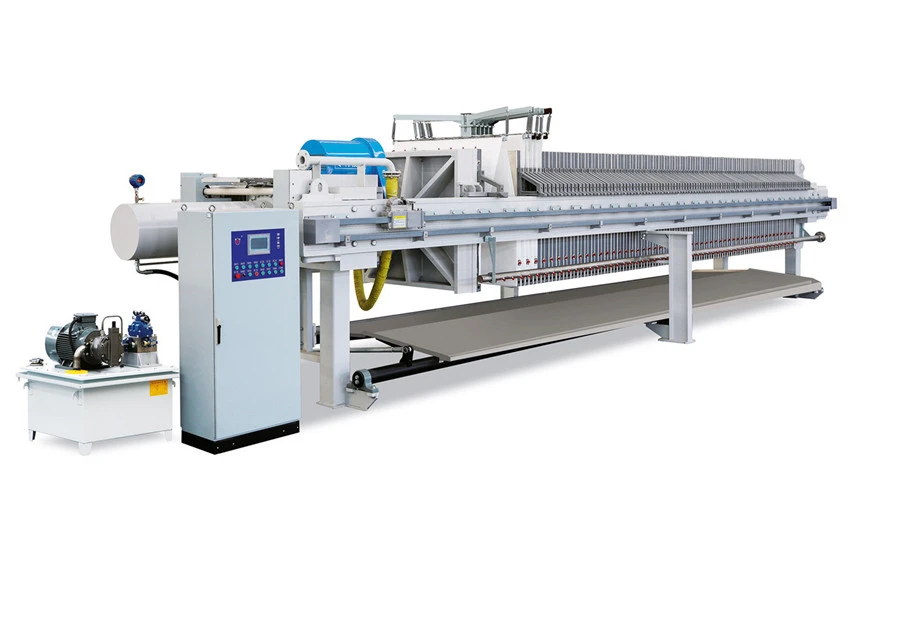
Understanding High-Capacity Filter Press Machines in Mining
The Core Working Principle Behind Pressure Filtration
Pressure filtration works well despite its simplicity. Chambers between filter plates wrapped with specialized fabric receive the slurry. Solids create a cake on the cloth as feed pumps generate pressure—0.6 MPa in normal applications to 4.0 MPa in high-pressure membrane systems. Even under high pressure, the hydraulic clamping mechanism keeps plates tight. Continuous batch processing handles tonnages that manual methods cannot equal. These machines' reinforced polypropylene or stainless-steel structure resists abrasive slurries and corrosive chemicals in mining conditions.
Critical Capacity Metrics That Define Performance
Considering throughput, cycle time, and cake thickness helps procurement teams choose equipment. Throughput affects production plans by measuring the slurry processed per hour. Cycle time—from slurry feed to cake discharge—affects system restart frequency and manpower and energy expenditures. Thicker cakes catch less solid material per cycle but require greater pressure and longer filtering durations. Balanced metrics guarantee the system matches your mine's sludge properties, whether iron ore tailings, copper concentrate, or gold recovery slurries.
Proven Applications Across Mining Operations
The hardest application is tailings management. Dry stackable solids from liquid tailings reduce dam collapse hazards and make long-term storage safer. Mining in water-scarce areas recycles up to 95% of process water through effective filtration, decreasing intake costs and environmental impact. Dewatering mineral concentrates reduces transportation weight and prevents oxidation before smelting or shipment. Each application benefits from the filter press machine's capacity to manage varied feed consistency, high solid concentrations, and abrasive particles without performance or downtime issues.
Advantages of Automatic High Capacity Filter Press Machines for Mining
Automation Versus Manual Operation: A Clear Productivity Gap
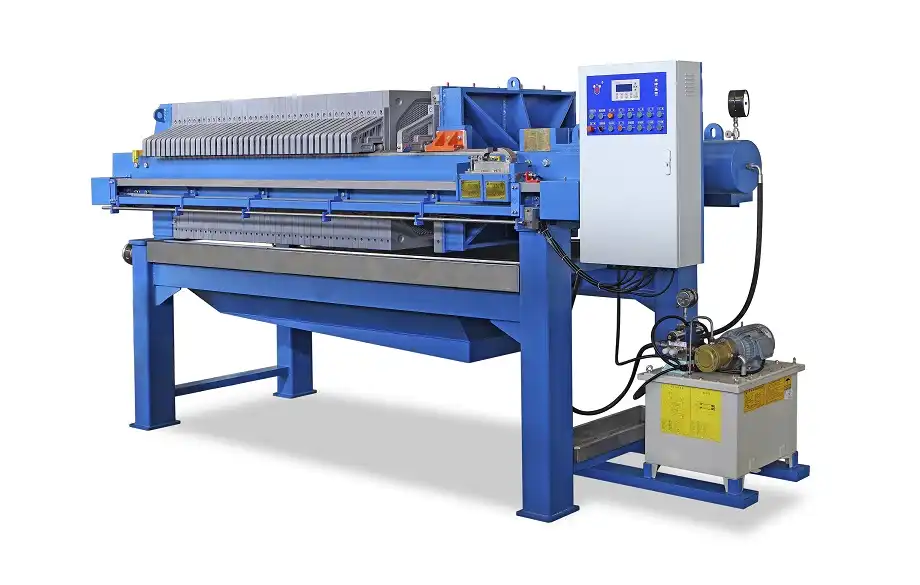
Operators of manual filter press machines must manage feed pumps, check pressure gauges, filter press machines, and shift plates for cake discharge, which is laborious and prone to mistakes and cake dryness. Automatic systems use Siemens or Schneider PLC controllers to manage the cycle independently. They provide automated plate moving, cake discharge, and real-time squeezing pressure optimization using variable frequency motors. It eliminates batch-to-batch variance, maintaining consistent moisture content and filtrate clarity every cycle. When one operator manages numerous presses remotely, labor costs reduce dramatically.
Energy Efficiency Gains Through Smart Control Systems
Automation optimizes energy usage by dynamically regulating pump speed and pressure during filtering. Initially, strong flow at low pressure fills chambers quickly, then low flow at high pressure consolidates the cake. Manual systems operate pumps at constant speed, wasting energy when not needed. These savings add up after thousands of cycles. Membrane filter press machines with automated inflation systems squeeze cakes with compressed air or water, lowering moisture by 10-15% and shortening cycle times, improving throughput and energy efficiency.
Predictive Maintenance Strategies That Extend Equipment Life
Modern automated systems have real-time sensor networks for hydraulic pressure, plate alignment, fabric quality, and pump function. Data analysis by predictive maintenance software warns operators of probable issues before unscheduled shutdowns. Early detection of worn piston seals, blinded filter cloths, and valve block leaks allows planned downtime repairs. Proactive maintenance contrasts with reactive maintenance on manual systems, when mid-cycle breakdowns delay production and demand emergency repairs. Mining businesses using predictive tactics save 30-40% on maintenance and enhance equipment efficiency.
Selecting the Right Filter Press Machine for Mining Sludge Dewatering
Comparing Filter Press Configurations for Mining Applications
Recessed plate filter press machines dominate high-capacity mining installations owing to their durability and ability to handle abrasive slurries. The plates' recessed chambers easily trap solids, making them appropriate for iron ore, copper, and coal tailings. Membrane filter press machines compress cakes beyond feed pressure by inflating membranes on plate faces during the final squeezing phase. This arrangement is ideal for ultra-low moisture applications like gold concentrate dewatering and chemical residue treatment. Plate-and-frame presses are cheaper and simpler, but they lack the throughput and automation needed for large-scale mining. They are used in pilot plants and small operations.
Alternative Technologies: When Filter Presses Excel
Centrifuges can operate continuously and have small footprints, but they struggle with compressible sludges and seldom dry cakes below 25-30% moisture. Mechanical components wear faster at high rotating speeds, increasing maintenance frequency. Vacuum filters dewater continuously but take up floor area and fail to trap small particles. Belt presses are softer and more energy-efficient but cannot equal pressure filtration's cake dryness or filtrate clarity. In mining operations where disposal costs rise with moisture content and regulatory compliance, filter press machines require maximal solid-liquid separation; filter press machines are the gold standard.
Evaluating Suppliers: Criteria That Matter
Trusted manufacturers have decades of mining experience and worldwide service networks for remote sites. After-sales service includes warranty terms and fast parts availability—essential when a component fails and halts production. Find providers with extensive documentation, operator training, and engineering support throughout installation and commissioning. ISO 9001-certified equipment and ASME/DIN-specified pressure vessel components enhance assurance. Companies having experience in your mineral processing sector—copper mining in Chile, iron ore in Australia, or coal preparation in the US—offer application expertise that generic providers lack.
Maximizing Dewatering Efficiency: Best Practices and Optimization Techniques
Identifying and Resolving Common Operational Bottlenecks
Suboptimal filtration pressure often kills efficiency. Operating below design pressure increases cycle durations and cake moisture, although many operations run conservatively to reduce equipment stress. Setting feed pumps to manufacturer specifications and checking pressure gauge accuracy assures appropriate functioning. Blinded filter cloths make cycle times longer, regular acid or alkaline washing restores permeability and cuts cycles by 20-30%. Cloudy discharge or high particles in filtrate tanks indicate torn cloths, misaligned plates, or improper cloth weave choices, which must be corrected immediately to avoid downstream processing concerns.
The following strategies have delivered measurable gains across diverse mining installations:
- Feed Conditioning: Changing slurry pH, adding flocculants, or adjusting particle size distribution increases filterability, speeding cycle completion and drying cakes without equipment changes.
- Staged Pressure Ramping: Gradually rising pressure during the cycle eliminates cake cracking and channeling, producing consistent consolidation and decreased residual moisture.
- Automated Cloth Washing: Spray systems that clean textiles between cycles reduce blinding and preserve permeability over thousands of cycles.
These optimization approaches work synergistically, compounding efficiency improvements when implemented together. Operations that systematically address bottlenecks report cycle time reductions of 15-25% and moisture content decreases of 3-5 percentage points, directly reducing disposal costs and improving downstream processing.
Integrating Filtration Into Comprehensive Wastewater Management
Filter press machines are part of water management systems. Upstream clarifying or thickening pre-concentrate solids, cutting filtering equipment load, and boosting cycle efficiency. Process circuits get cleared filtrate downstream, reducing freshwater intake. Closed-loop systems using filtering as the last polishing stage provide near-zero liquid discharge and recover key process chemicals in smart mining. Although flow rates, storage capacity, and equipment sizing must be balanced, the environmental and economic advantages warrant the complexity.
Leveraging Industry 4.0 for Smart Dewatering Operations
Remote monitoring systems provide filter press data to control rooms or off-site technical teams for fast resolution of performance issues. Cloud analytics discovers efficiency trends and deterioration patterns undetectable to on-site operators by comparing current performance to previous baselines. Managers can make quick decisions from anywhere using mobile apps alerting them of cycle completions, maintenance warnings, and equipment failures. These digital solutions provide mines with unprecedented access to filtration processes, turning reactive troubleshooting into proactive improvement. Smart filtering systems with self-adjustment and predictive optimization will become mainstream as mining becomes autonomous.
Procurement Insights for Mining Companies
Understanding Total Cost of Ownership Beyond Purchase Price
Capacity, automation, and material parameters affect initial equipment cost. A fully mechanized 3,000-liter membrane device with PLC control and remote monitoring can cost over $500,000. A manually operated 1,000-liter recessed plate press costs $80,000–$120,000. Considering only the buying price misses the financial picture. Over a 10-15-year equipment life, higher-moisture cake energy, maintenance, parts, and disposal expenses dwarf the original investment. Model yearly running expenditures to calculate the total cost of ownership. Labor savings and efficiency benefits can pay for a more expensive filter press machine autonomous system in 2-3 years.
New Equipment Versus Used: Weighing the Trade-Offs
Used filter press machines are 40-60% cheaper than new, but there are hidden concerns. Damaged plates, hydraulic components, or outmoded control systems may necessitate rapid capital investment, eliminating pricing benefits. Used equipment sometimes has no manufacturer guarantees, so buyers must pay for repairs. As manufacturers drop support for older models, replacement parts become scarce. In contrast, new equipment comes with the latest automation technologies, comprehensive warranties, and manufacturer support. New equipment's reliability and performance guarantees justify the cost for essential mining applications where downtime directly affects production objectives.
Strategic Partnerships and Volume Purchasing Benefits
Long-term supplier ties assist large mining operations with several locations. Volume purchase agreements guarantee a favourable price, priority parts allocation, and engineering assistance. Standardizing on one manufacturer's equipment minimizes spare parts inventory, operator training, and site upkeep. Suppliers respect collaborations and typically extend warranties, provide free process audits, and collaborate on equipment updates and capacity expansions. Strategic relationships outperform transactional purchasing based on unit pricing in operational efficiency and cost savings.
Conclusion
Modern mining operations need high-capacity filter press machines for sludge dewatering, regulatory compliance, and water saving. Pressure filtration provides superior cake dryness and filtrate quality, lowering disposal costs and environmental impact. Consistent operation, energy efficiency, and less labor improve these benefits with automatic systems. Understanding your sludge characteristics, throughput demands, and total cost of ownership helps choose the best design. Best practices, filtration in integrated water management systems, and digital technology for continual optimization lead to operational excellence. Supplier reputation, after-sales support, and long-term partnership prospects guide procurement decisions to optimize ROI.
FAQ
1. What distinguishes automatic from manual filter press machines?
Which filter press machines are automatic? PLC controllers handle the complete filtering cycle—feed, pressing, squeezing, and discharge—without operator interaction. Operators must constantly check control valves, gauges, and shift plates in manual systems. Automation is best for high-volume mining applications that require dependability and efficiency because it maintains cake dryness, minimizes labor expenses, and allows remote monitoring.
2. How do I calculate the required capacity for my mining operation?
Set your daily sludge volume, cycle time, and operation hours. Sludge capacity (liters) = (daily volume × 1.2 safety factor) ÷ (cycles per day). Cycles per day = operational hours ÷ (cycle + discharge time). High-compressibility sludges need bigger chamber contents to produce dry cake.
3. What maintenance routines maximize filter press longevity?
To avoid blinding, chemically wash filter cloths periodically and inspect them after each shift. Weekly hydraulic fluid checks and yearly replacement. Plate alignment and sealing surface wear should be checked weekly. Follow the manufacturer's instructions to lubricate guide bars and moving parts. These routines eliminate 80% of frequent failures and extend equipment life beyond 15 years.
Partner With Jingjin for Reliable High-Capacity Filtration Solutions
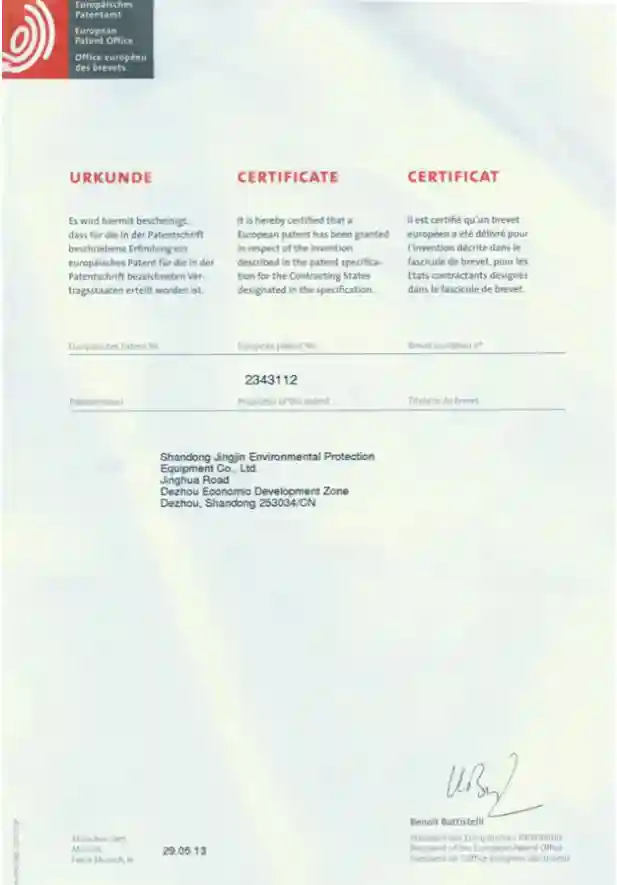
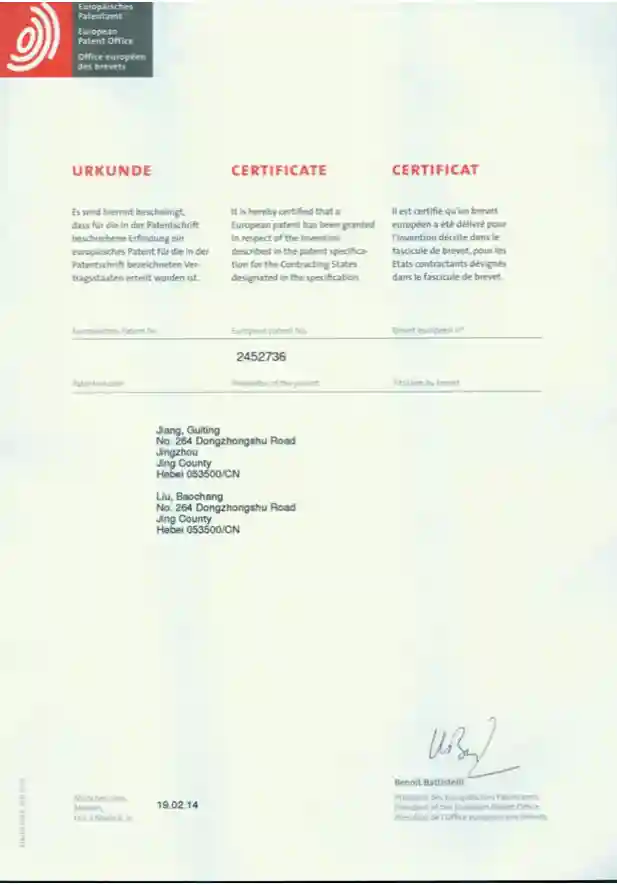
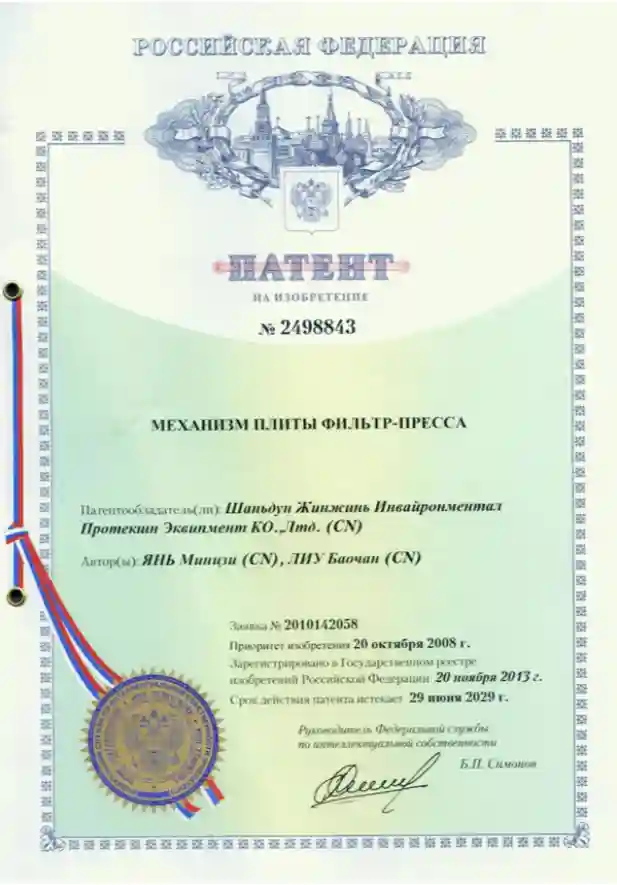
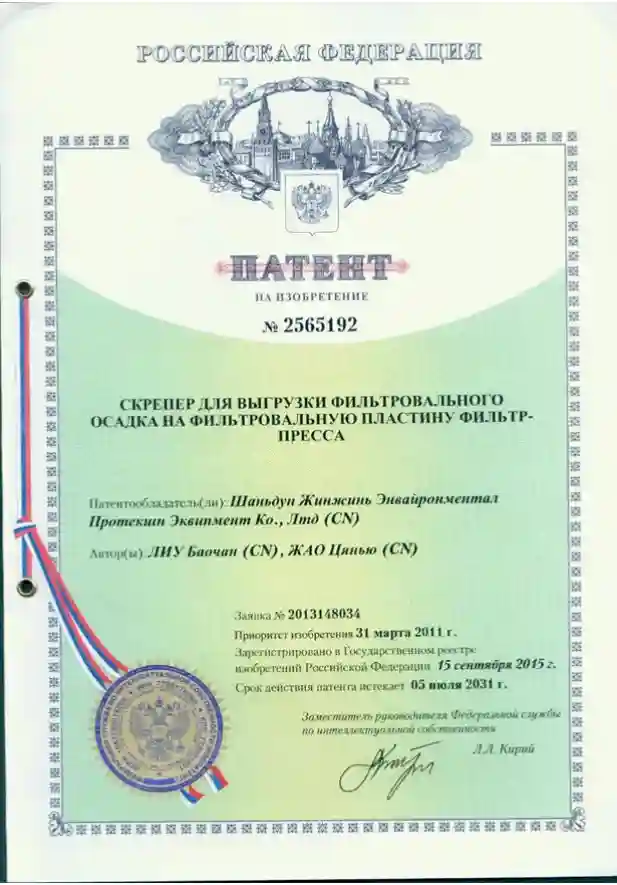
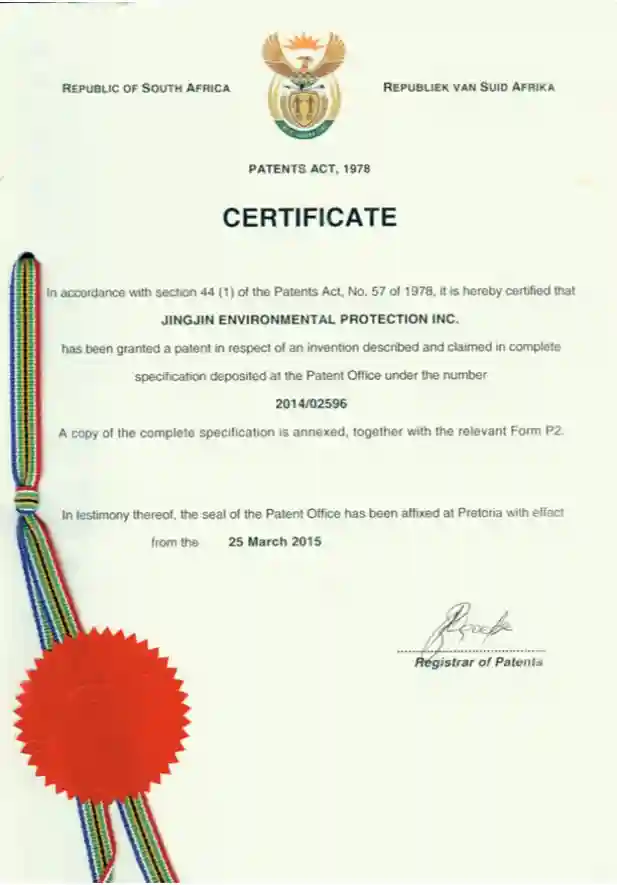
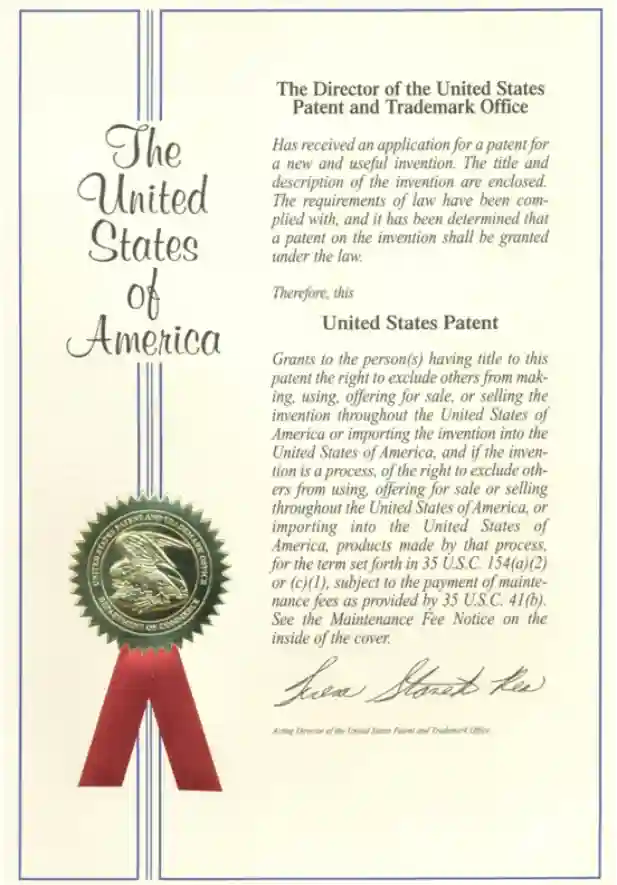
For severe sludge dewatering, mining companies globally choose Jingjin Equipment Inc. filter press machines. Our comprehensive range of recessed plate systems and membrane filter presses meets the most demanding tailings, concentrate, and wastewater treatment needs. We give proven reliability that eliminates downtime and optimizes productivity with over 136 patents, ISO 9001 accreditation, and manufacturing scale supporting projects in 123 countries. The assistance comprises system design, installation supervision, operator training, and lifetime parts availability. Contact our engineering staff at [email protected] to discuss your dewatering needs and obtain a tailored equipment solution that maximizes performance and TCO. Learn why top mining firms use Jingjin for filtration.
References
1. Tarleton, E.S., and Wakeman, R.J. (2007). Solid/Liquid Separation: Equipment Selection and Process Design. Elsevier Advanced Technology.
2. Sutherland, K. (2011). Filters and Filtration Handbook (5th ed.). Butterworth-Heinemann.
3. Perry, R.H., and Green, D.W. (2008). Perry's Chemical Engineers' Handbook (8th ed.). McGraw-Hill Professional.
4. Wills, B.A., and Finch, J.A. (2015). Wills' Mineral Processing Technology: An Introduction to the Practical Aspects of Ore Treatment and Mineral Recovery (8th ed.). Butterworth-Heinemann.
5. Svarovsky, L. (2000). Solid-Liquid Separation (4th ed.). Butterworth-Heinemann.
6. Cheremisinoff, N.P. (1998). Liquid Filtration (2nd ed.). Butterworth-Heinemann.
jingjin
Founded in 1988, Jingjin specializes in filter presses and liquid-solid separation solutions, serving over 130 countries worldwide, and is a standard-setter in China's filter press industry.
Get the Filter Press guide
Enter Your Email for Technical assistance for the Filter Press.
Recommended Blog
Top Durable Filter Press Plates for Food Processing: Materials and Benefits
Cost-Effective Press Filter Solutions for Wastewater Treatment Plants
Why Vietnam Factories Prefer China Membrane Plate Filter Press?
How to Choose the Best Dewatering Press Machine Capacity for Your Business Needs
Where to Buy Filter Press Plates: Trusted Manufacturers and Suppliers Reviewed
How to Choose the Right Screw Dewatering Equipment for Your Paper Mill Sludge