How to Clean and Replace Filter Press Cloths for Optimal Performance
Understanding Filter Press Cloths: Materials, Types, and Performance Factors
For industrial uses to achieve the best solid-liquid separation efficiency, proper upkeep and prompt filter press cloth component replacement are crucial. In industries like mining, chemical processing, pharmaceutical production, and wastewater treatment, filter press cloth is the most important barrier that affects the quality of the filtration, the flow rates, and the dependability of the operations. By following regular cleaning instructions and replacing clothes at key times, you can increase their useful life by 30 to 40 percent while keeping the same level of performance. Knowing when to clean and when to change these filtering media has a direct effect on how much it costs to run the system, how well it follows environmental rules, and how productive the system is generally.
Understanding Filter Press Cloths: Materials, Types, and Performance Factors
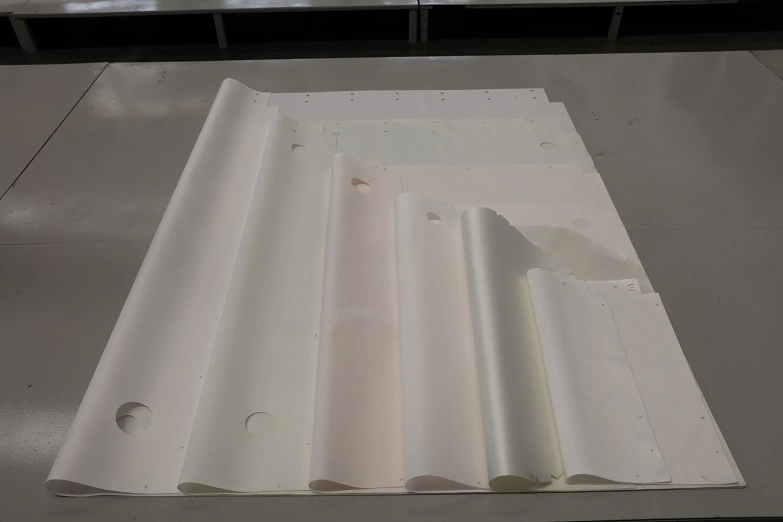
In solid-liquid separation systems, filter press cloths are the main filtration medium. They make a transparent barrier that keeps solids in while letting liquids pass through. Because they are used in certain industries and under certain situations, these fabrics are made with specific hole structures and material compositions.
Material Composition and Selection Criteria
The material of the filter cloth has a big effect on how well it works in different workplace settings. Because nylon filter press cloths are very strong and don't react badly with chemicals, they can be used in medicinal and food processing settings where cleanliness is very important. Polyester materials are more durable in high-temperature settings and don't break down when exposed to organic liquids, which are often used in chemical manufacturing.
Polypropylene materials work well in acidic environments and provide good value for money for wastewater treatment plants in cities. Material mixes take the good qualities of several fibers and combine them to make custom solutions for tough jobs like draining mine waste or separating chemical pigments. To get the best total cost of ownership, the decision method needs to take into account chemical compatibility, working temperature ranges, pressure needs, and expected service life.
Woven Versus Non-Woven Construction
Woven filter press cloths have designs of interwoven fibers that make them very strong and allow for precise control of pore size. In situations where high pressure is needed, this building method guarantees regular cake forming and clear water. Non-woven fabrics use bound fiber structures that are better at deep filtration and better at keeping particles in place for separating small solids.
Depending on the needs of the process, industrial users often choose the best type of building. When mining companies work with gritty slurries, woven cloth tends to last longer. On the other hand, chemical companies may prefer non-woven choices for collecting small particles and getting ultra-clear filtrates.
Performance Factors Affecting Longevity
Several practical and external factors affect how well cloth works and how often it needs to be replaced. When fibers are exposed to chemicals from harsh process solutions, they can break down. This makes the fibers less strong and damages the pore structure. Temperature changes can put stress on cloth strands and speed up the wear process, especially when cleaning processes involve quick heating and cooling cycles.
Mechanical wear from cake release operations and repeated compression processes makes the cloth less useful over time. Process engineers can improve working conditions and make equipment last longer by following the right repair procedures if they understand how these things break down.
Effective Cleaning Methods to Extend Filter Press Cloth Lifespan
Keeping the filter media clean is important for keeping it working at its best and avoiding having to pay for replacements too soon. If you don't clean cloth fibers quickly and properly, contamination from process leftovers, oil deposits, and chemical precipitates can damage them forever.
Common Contaminants and Their Impact
Different contaminants are made during industrial filter processes and end up in fabric holes and on fabric surfaces. Particles of sludge from treating wastewater can block deep pores, slowing down flow rates and making cycle times longer. Oil left over from mines or chemical processing acts as a hydrophobic barrier, stopping water from properly drying and causing cake formation.
Over time, chemical precipitates and scale deposits make the holes in the pores smaller. This causes the working pressure to rise and the filter capacity to drop. These toxins not only hurt performance right away, but they can also damage fabrics permanently if they are left to build up for a long time.
Traditional Cleaning Approaches
Brushing by hand is still a common way to clean that gets rid of surface dirt and loose cake leftovers. This method works well for basic care, but it's not great for getting into deep pores and getting rid of tough deposits. To avoid damaging the fibers while making sure the whole area of the fabric is thoroughly brushed, the right way to do it is to use light pressure.
Chemical washing methods use special cleaning solutions to get rid of built-up deposits and open up the pores again. The right chemicals to use depend on the type of contamination and how well they work with the cloth. Acidic cleaners break down mineral scale and metal precipitates, while alkaline cleaners get rid of organic deposits well. Depending on how bad the pollution is, soaking times usually run from 30 minutes to several hours.
Advanced Cleaning Technologies
High-frequency movements that loosen particles from deep within cloth pores make ultrasonic cleaning systems better at getting rid of dirt and grime. This method gives constant results while keeping the stress on the fabric fibers to a minimum. Multiple cleaning steps, such as pre-rinsing, chemical treatment, and final rinse processes, are built into automated cleaning systems so that the same results are achieved every time with little help from an assistant.
These improved methods make cleaning much more effective while also lowering the amount of work that needs to be done and the chance of mistakes that could happen. Investing in automated systems usually pays off because the cloth lasts longer and needs to be replaced less often.
Optimal Cleaning Frequency and Best Practices
To make good filter press cloth cleaning plans, you have to find a balance between how efficiently the business runs and how much it costs to maintain. For heavy-duty tasks like processing mine waste, cleaning may need to be done every day. For smaller industry tasks, cleaning might only need to be done once a week or twice a week. The best cleaning frequency can be found by keeping an eye on filtering performance signs like cycle times, pressure differentials, and the cleanliness of the filtrate.
As a best practice, you should keep thorough cleaning logs, rotate your cloth collection to make sure even wear, and do regular checks to find problems before they affect performance. Using the right handling methods when cleaning keeps machines from breaking and increases their general life.
When and How to Replace Filter Press Cloths for Optimal Filtration?
Recognizing when to replace something and following a set of steps will make sure that the filter works consistently and that there are few interruptions to operations. To get the best total cost of ownership, strategic repair planning matches how much cloth is used with how well it works.
Replacement Indicators and Assessment Criteria
Filtration rates that are going down often mean that the cloth needs to be replaced, especially if cleaning doesn't bring it back to a good level of performance. Visible wear patterns like areas of thinner cloth, larger pores, or loose fiber strands show that the structure is breaking down, which threatens the integrity of the filter.
Repeated blocking events despite following the right cleaning procedures suggest lasting pore blockage or damage to the cloth that needs to be replaced. Process engineers should set performance standards that make replacement choices before major problems happen.
Step-by-Step Replacement Procedures
Before repair processes can begin, safety rules must be made to keep workers safe from chemical and mechanical dangers. When you follow the right lockout/tagout methods, you can be sure that equipment won't be accidentally turned on during repair.
The first step in the removal process is to release the plate tension and carefully pull out the old clothes while writing down their state and service history. By carefully looking over the plate surfaces and ventilation systems, problems that might affect how well the new cloth works can be found. For new clothes to work at their best, installation methods must include the right orientation, tensioning, and closing.
Cost-Benefit Analysis of Replacement Timing
Strategic planning for filter press cloth replacements takes into account both the short-term and long-term prices and effects on operations. Early replacement loses the leftover cloth life and raises the cost of the material, while late replacement could cause problems with the process or damage to the equipment. By looking at past success data, you can find the best refill times that balance these different factors.
Scheduled repair programs often save money by buying in bulk, cutting down on emergency downtime, and making it easier to keep track of supplies. These programs help buying managers get better prices and make sure there are enough supplies for important activities.
Conclusion
Understanding the qualities of the material, following the right cleaning steps, and knowing when to change filter press cloths are all important parts of managing them well. Regular care makes cloth last longer and makes sure it filters the same way in all kinds of commercial settings. Planning strategically for replacements strikes a balance between practical efficiency and cost control, which boosts system output and makes sure that regulations are followed.
FAQ
Q1: How often should filter press cloths be cleaned in heavy-duty mining applications?
Mining operations typically require daily cleaning protocols due to abrasive slurries and high solids loading. Heavy-duty environments benefit from automated cleaning systems that provide consistent results while reducing labor requirements and minimizing cloth handling damage.
Q2: What factors determine the choice between nylon and polyester filter cloth materials?
Material selection depends on operating conditions, including chemical compatibility, temperature ranges, and mechanical stress levels. Nylon offers superior chemical resistance for pharmaceutical applications, while polyester provides enhanced durability in high-temperature chemical processing environments.
Q3: When is cloth repair viable compared to complete replacement?
Minor edge damage or small punctures may be repairable using specialized patching techniques, provided the overall fabric structure remains intact. However, widespread wear, significant pore enlargement, or chemical degradation typically requires complete replacement to maintain filtration performance standards.
Contact Jingjin for Advanced Filter Press Cloth Solutions
Optimize your filtration operations with Jingjin's engineered filter press cloth solutions designed for demanding industrial applications. Our technical experts provide customized recommendations based on specific process requirements, helping reduce operational costs while improving separation efficiency. Whether you need standard products or custom-designed filter press cloth for sale, our comprehensive inventory and rapid delivery capabilities ensure minimal downtime for critical operations.
Contact our applications engineering team at [email protected] to discuss your filtration challenges and explore how our proven solutions can enhance your operational performance. Our global manufacturing capacity and technical support network deliver reliable results for clients worldwide.
References
1. Industrial Filtration Society. "Filter Cloth Performance Standards and Testing Protocols." Journal of Industrial Separation Technology, 2023.
2. American Water Works Association. "Maintenance Best Practices for Municipal Wastewater Treatment Filtration Systems." Technical Manual Series, 2022.
3. Mining Engineering Institute. "Optimization of Tailings Dewatering Through Advanced Filter Press Technologies." International Mining Journal, 2023.
4. Chemical Processing Magazine. "Cost-Effective Strategies for Filter Press Cloth Management in Chemical Manufacturing." Process Engineering Quarterly, 2022.
5. Environmental Engineering Research Foundation. "Compliance Strategies for Industrial Wastewater Treatment Facilities." Environmental Technology Review, 2023.
6. International Association of Filter Manufacturers. "Global Standards for Filter Press Cloth Materials and Construction Methods." Technical Bulletin Series, 2022.
jingjin
Founded in 1988, Jingjin specializes in filter presses and liquid-solid separation solutions, serving over 130 countries worldwide, and is a standard-setter in China's filter press industry.
Get the Filter Press guide
Enter Your Email for Technical assistance for the Filter Press.
Recommended Blog
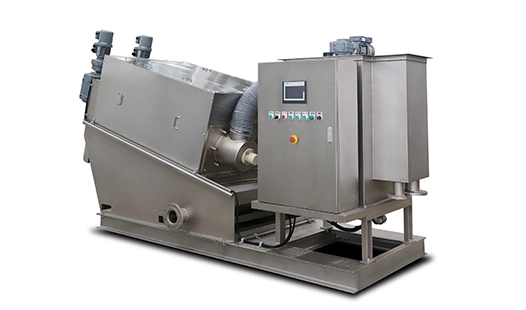
Screw Dewatering Machine Cost from China for Asia Importers
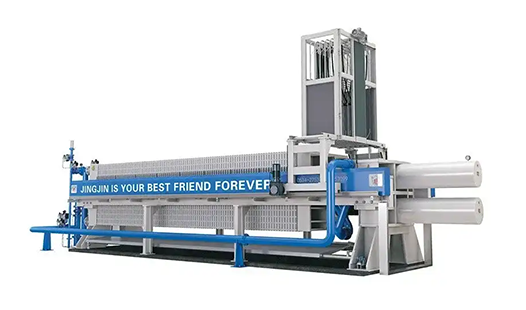
How to Optimize Food Processing with Efficient Press Filters?
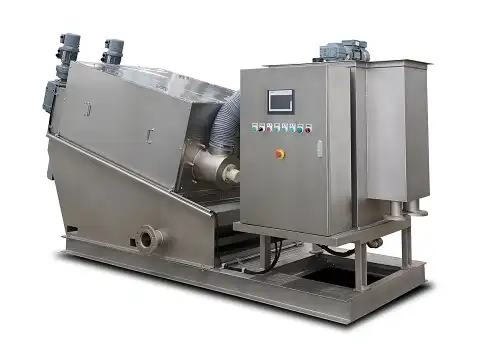
Energy-Saving Multi Disk Screw Press Solutions for Industrial Use
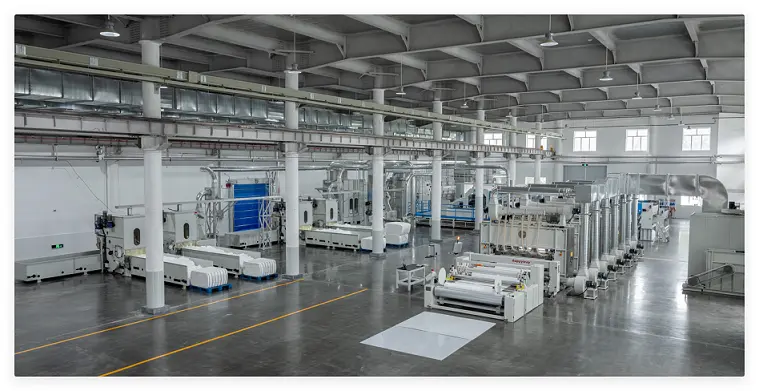
High Durability Filter Press Cloth for Chemical Processing: Benefits and Uses
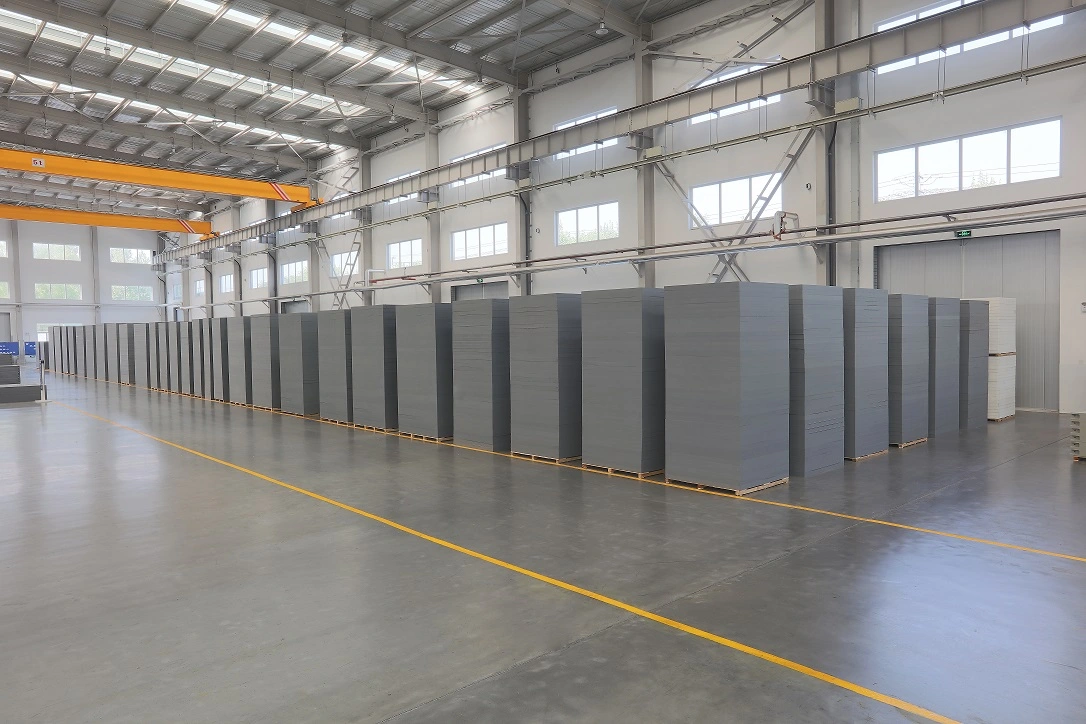
China Filter Press Supply Chain from Coastal Industrial Parks
Low Cost Jingjin Filter Press Options for Efficient Sludge Dewatering
Top China Screw Dewatering Machine Suppliers for Asia Markets