What Maintenance Does a Plate Frame Filter Need for Reliable Operation
Understanding Plate Frame Filter Maintenance Basics
- Understanding Plate Frame Filter Maintenance Basics
- Key Maintenance Tasks for Plate Frame Filters
- Troubleshooting Common Maintenance Challenges
- Maintenance Frequency and Best Practices for Longevity
- Choosing Reliable Plate Frame Filters and Maintenance Solutions
- Conclusion
- Frequently Asked Questions
- Partner With Jingjin for Superior Filtration Performance
- References
Plate frame filters need systematic cleaning after each cycle to remove leftover slurry, frequent examination of plates and gaskets for cracks or wear, lubrication of moving parts, and timely filter cloth replacement depending on throughput volume. Regular pressure and hydraulic system checkups avoid unexpected breakdowns. This proactive strategy reduces downtime, maintains filtering performance, and extends equipment lifespan—essential for reliable, cost-effective industrial operations.
Understanding Plate Frame Filter Maintenance Basics
The Core Role of Filtration Systems in Industrial Workflows
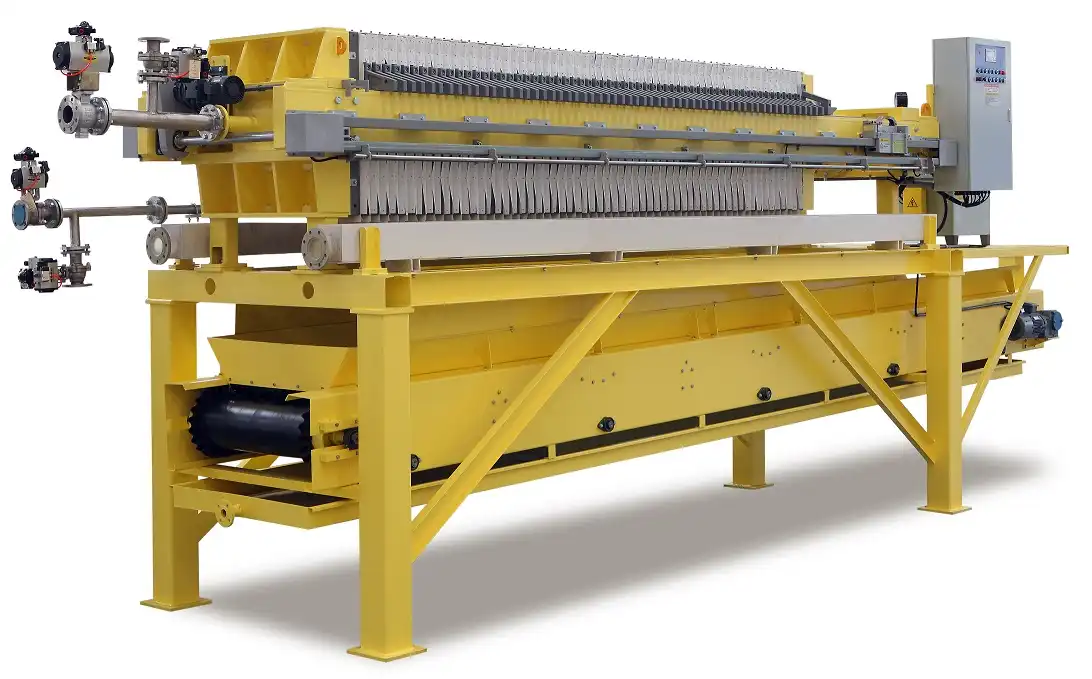
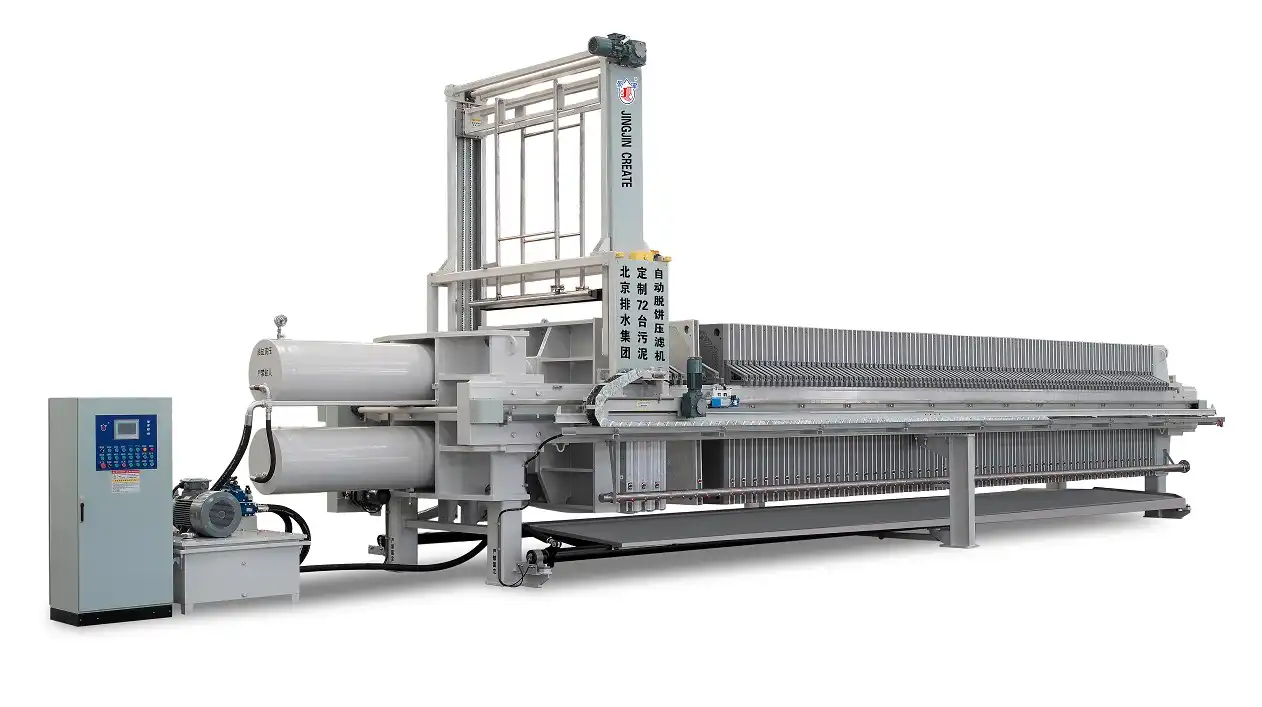
Plate frame filters are pressure-driven separators. They feature solid plates and hollow frames that move to handle slurries. Under pressure (0.6 MPa to 2.0 MPa), feed material passes through specific filter cloth while solids pile up to form dry cakes. Wastewater treatment facilities that dewater biosolids, chemical factories that create colours and resins, and mining operations that gather concentrates benefit from this batch-operation strategy. The modular design enables you to add or remove plate units to modify capacity and match throughput demands without replacing the system. Plate frame filter equipment is beneficial in industrial settings where processing volumes vary by season or project.
Why Maintenance Directly Impacts Your Bottom Line
Neglecting upkeep causes several practical issues. Filter fabric degradation pollutes filtrate, requiring costly cleaning. Worn seals leak, wasting resources and endangering workers. Due to damaged plate surfaces, cakes don't form entirely, increasing water content and disposal costs. Delaying maintenance reduced draining effectiveness by 30%, which increased sludge transport costs. Pharmaceutical and food processing industries face regulatory non-compliance fines for contamination events that may shut down operations and destroy reputation. Proactive maintenance programs reduce these hazards to manageable, predictable expenses and extend equipment life.
Common Failure Modes That Signal Maintenance Gaps
Several worsening patterns indicate insufficient treatment. When high-temperature slurries touch cold plates or are handled improperly during manual assembly, plates break. Gasket hardening from chemical exposure or compression reduces sealing. Worn cylinder seals lose cake-forming closure pressure, causing hydraulic system leaks. Pressure variations from feed pump wear prevent the chamber from filling. Each form of failure generates operational faults that worsen over time, converting little issues into significant capital expenses when equipment has to be replaced instead of being repaired.
Key Maintenance Tasks for Plate Frame Filters
Maintaining the best filter performance takes careful attention to a number of systems that work together. Each part has a specific job to do in the separation process, and how well they work together decides how reliable the whole system is.
Systematic Cleaning Protocols to Prevent Residue Buildup
After each filter cycle, thorough cleaning prevents buildup and hardening. Situations require various cleaning methods. For instance, harsh tailings mining requires high-pressure water washing to remove mineral deposits. Pharmacies must employ authorised cleaning-in-place procedures using sanitisers. We recommend cleaning the cake depending on its properties: sticky polymer slurries need to be cleaned immediately after a cycle, whereas granular materials may survive many cycles without cleaning. Cleaning the plate surface reveals early wear, such as erosion or coating disintegration. Process drift that demonstrates upstream changes that alter slurry qualities may be identified by tracking cleaning time and water usage.
Detailed Inspection Routines for Critical Components
Look for cracks, twisting, or weathering around feed holes on plates and frames. Stress browning on reinforced plastic plates warns of failure. Chemically hostile conditions may pit stainless steel. Dimensional inspections ensure plates are within tolerances; even minor warping might hinder gasket sealing.
Gaskets & seals: Compression set indicates service life. Gaskets should retain their flexibility and thickness once pressure is removed. Chemical compatibility is crucial. EPDM can take acids but not oils, whereas nitrile rubber degrades fast in aromatic solvents. Visual examination reveals rips, tears, or persistent damage that requires immediate replacement.
Filter cloth: Particle blinding increases flow resistance; thus, permeability is tested. Tensile strength testing ensures fabric integrity under strain. Monofilament cloths prevent blinding better than multifilament cloths in chemical operations, although strands may break. The correct fabric (with pores from 1 to 100 microns) influences how effectively it separates and how frequently it requires servicing. Maintenance logs record these inspection methods, which create performance criteria that indicate how things fail slowly before they break totally.
Lubrication Strategies for Mechanical Assemblies
Oiling moving parts prevents premature wear. For clean conditions, utilise food-grade lubricants on guide rails that support plate assemblies, and industrial greases in mining. Thin oil coatings prevent corrosion and seal damage on hydraulic cylinder rods. After several opening and closing cycles, manual plate frame filters with threaded parts require anti-seize chemicals to prevent galling. Too much greasing may send dirt and grit into sensitive products, ruining their cleanliness. We recommend picking a lubricant depending on temperature, chemical compatibility, and industry regulations.
Component Replacement Intervals and Stock Management
Stocking essential worn parts reduces downtime when replacements are required. Filter cloth should be changed every 500–2000 rounds, depending on roughness and chemical exposure. Gasket replacement occurs at the same time, although an eye check may indicate a need sooner. Hydraulic seals usually last 5,000–10,000 times. Stocking additional parts, particularly system-specific gaskets and cloth configurations, reduces purchase wait times. Many firms have two sets of filter cloths so filthy ones may be changed immediately, and clean ones can be cleaned and examined offline.
Troubleshooting Common Maintenance Challenges
Even well-maintained systems sometimes have problems. Quick analysis and the right fix keep small problems from getting worse and causing long outages.
Diagnosing and Resolving Leakage Problems
Most plate frame filter users experience leakage. Systematic mending begins with finding the break. Corner leaking indicates that the plates aren't lined up or that the sealing surfaces are broken, whereas edge leaking indicates that the gasket has failed or that there isn't enough closing force. Checking hydraulic pressure ensures the cylinder functions; insufficient closing force prevents compression regardless of gasket condition. Plate alignment checks distribute pressure uniformly; a bent plate might compromise sealing in numerous rooms. From working with customers in 123 countries, we know that poor reassembly after cleaning causes many leakage issues. Teaching operators how to order gaskets and plates is crucial.
Addressing Pressure Differentials and Flow Restrictions
Signal flow is hampered by unexpected pressure. Clogged feed distribution holes cause uneven chamber filling and cake development. Filter cloth blinding from small particles reduces permeability, increasing cycle times and energy usage. In certain situations, upstream process modifications generated finer particle distributions that exceeded the cloth's requirements, requiring new media to fix it. Pressure monitoring at the feed pump output, filter inlet, and chambers using sensors helps identify limits. Chemically cleaning blinded fabric with pH-adjusted liquids dissolves precipitated contaminants that mechanical washing can't. This restores flow without replacing them.
Contamination Control in Sensitive Applications
Making medicines and making food both need strict ways to keep them from getting contaminated. Cross-contamination between runs of products needs cleaning methods that have been tested and are written down so that regulators can look at them. Material carryover in empty areas, especially near feed ports and draining pathways, lowers the purity of the product. Cross-contact risks are eliminated by using separate equipment for allergenic materials. Passivation processes for stainless steel surfaces keep metals from getting into systems that can't handle iron or chromium. Bioburden is tracked by environmental tracking programs in pharmacy settings, and contact areas are regularly swabbed to make sure they are clean. These strict rules, which take a lot of time, keep the quality of the products safe and in line with FDA, EMA, and other regulatory bodies.
Maintenance Frequency and Best Practices for Longevity
Optimal repair intervals match the needs of operations with the supply of resources. Prescriptive plans give you a place to start, but the right time will eventually depend on the conditions at the site.
Designing Tailored Maintenance Calendars
Maintenance frequency for filter press manufacturers equipment relies on many interconnected factors. Slurry abrasion accelerates wear. Silica-containing mining applications encounter quicker plate erosion than biosolid wastewater treatment facilities. Working pressure impacts part stress. Systems operating near their maximum rated pressure require more frequent inspections. Wear is proportional to labour. For instance, a system that processes 100 cubic meters of water per day produces stress more quickly than one that does 20. Chemical facilities with broad temperature variations have more gasket failures due to thermal stress from temperature cycling. We recommend establishing initial maintenance intervals based on the manufacturer's instructions and then adjusting depending on part wear in the first six months. This adaptive strategy maximises resource consumption and prevents unexpected failures.
Documentation Practices That Support Compliance
Full repair records are useful for more than just following the rules. When a part fails, detailed logs show who is eligible for the warranty. Trend analysis of wear part consumption shows how changes in the process affect the equipment. For example, sudden increases in the number of times the cloth needs to be replaced could mean that problems with upstream filtration are letting in larger particles. Regulatory inspections in the food and drug industries need proof that preventive maintenance programs are in place. Digital repair management systems can now predict when parts will break by looking at past data and planning to replace them before they do. Many EPC companies include standards for upkeep records in the equipment specifications because they know that accurate records help with long-term asset management plans throughout the lifecycle of a building.
Operator Training as a Maintenance Foundation
When workers don't have the right training, even high-tech equipment doesn't work well. Effective programs teach not only how to do normal tasks, but also how to fix basic problems, do basic maintenance, and spot situations that aren't normal and need technical help. We have seen that sites that invest in full operator training have 40% fewer unplanned repair events than those that rely on informal knowledge sharing. Training should cover the right way to handle plates so they don't get damaged, the right way to install cloth so it seals properly, and the basics of hydraulic systems so operators can spot problems like pump cavitation or cylinder malfunction. When employees leave, certification programs that include regular refresher training keep skill levels high. This keeps institutional knowledge alive, which is important for keeping tools in good shape.
Choosing Reliable Plate Frame Filters and Maintenance Solutions
Choices about what equipment to buy during the initial buying process have a huge effect on how well operations go in the long run. In addition to technical specs, the manufacturer's support capabilities show whether the equipment will work as expected over its entire life.
Evaluating Manufacturers Based on Support Infrastructure
Manufacturers with well-established service networks offer real benefits. When parts are available locally, there are no shipping delays that make downtime last longer when something goes wrong. Technical help in your time zone lets you fix problems right away, instead of having emails sent at different times over the course of days. Companies that offer commissioning services make sure that the machines are set up correctly at the start, which stops mistakes that void guarantees. Through training programs, you can make sure that your team knows how to maintain each piece of equipment. When looking at suppliers, check to see how many installations they have in your business. Companies that have done well in similar situations will understand your problems and be able to offer useful answers. Companies that do business all over the world need to show that they can service equipment no matter where it is installed, with the right transportation infrastructure to get parts to remote mining sites or specialized chemical plants.
Integrating Maintenance Contracts Into Procurement Strategy
With a full-service care deal, the operational risk of your building is given to expert service providers. As part of these contracts, regular preventative maintenance, emergency repair service, and fixed prices for parts are common. Total cost of ownership analysis shows that bundled maintenance contracts are often more cost-effective than buying spare parts one at a time. This is especially true for places that don't have much maintenance staff. Performance-based contracts link service providers' pay to measures for equipment uptime, which makes sure that benefits are in line with your business goals. Cost control and reliability are both improved by hybrid approaches, in which outside companies do major repairs and plant staff do routine work. Before committing to buy equipment, ask for samples of maintenance agreements during the procurement process to understand the scope of the service, response times, and cost structures.
Leveraging Predictive Maintenance Technologies
Sensors are now built into more advanced plate frame filter systems to keep an eye on things like pressure differences, cycle times, hydraulic closing force, and the permeability of the cloth. Data analytics platforms can pick up on small changes in performance that point to failures starting to form, like gradual pressure rises that point to cloth blinding or closing force drift that points to hydraulic seal wear. Condition-based upkeep, which replaces time-based phases with actions based on data, is possible with these systems. When industrial IoT platforms are connected, they can be monitored from afar, which is useful for operations that aren't managed or sites with assets that are spread out. Predictive maintenance costs more up front than basic systems, but it pays for itself in the long run by reducing the need for emergency fixes and making parts last longer. Chemical manufacturing and wastewater treatment are two examples of industries that benefit the most from these technologies because unplanned downtime can cause production problems that spread through the system.
Conclusion
Plate frame filters only work reliably when they are maintained in an organized way by trained professionals who follow set procedures. With these upkeep tips, like regular cleaning, thorough checks, and proactive tracking, your filtration equipment will go from being a possible risk to a reliable production asset. By using these methods, procurement professionals and plant managers can reach several goals at once: lower operating costs by making parts last longer, consistent product quality that helps with regulatory compliance, and operational predictability that lets them plan production accurately. When compared to reactive approaches that cost a lot in emergency repairs and lost production, preventative maintenance is a good way to save money. Partnering with makers that offer a full support system guarantees access to technical knowledge and parts that keep equipment running well for a long time.
Frequently Asked Questions
1. How often should filter plates be replaced in industrial applications?
Filter plate change times depend a lot on how harsh the application is. Plates may need to be replaced every three to five years in mine operations that work with very rough slurries that contain silica. Plates usually last between 7 and 10 years when they are processed chemically with less rough material. Regular surface checks that show cracks spreading or changes in size that are outside of limits mean that the item needs to be replaced, no matter how old it is.
2. What early warning signs indicate urgent maintenance needs?
Increasing cycle times can mean that the cloth is blinding or that the flow is being limited; visible leakage around the edges of the plate can mean that the gasket has failed or that the closing pressure is not high enough; changes in pressure can mean that the pump is wearing out or getting clogged; and strange noises during hydraulic operation can mean that air is getting into the system or there are problems with the cylinder. Taking care of these symptoms right away stops the system from failing completely.
3. Does delaying maintenance affect warranty coverage?
Most makers include maintenance standards in the terms of their warranties. If you don't do the regular checks or use replacement parts that aren't allowed, your coverage is usually null and void. Keeping detailed service records that show you followed the manufacturer's instructions saves your guarantee eligibility if a part breaks during the coverage period.
Partner With Jingjin for Superior Filtration Performance
Jingjin Equipment Inc. has been helping businesses in the mining, wastewater treatment, chemical processing, and pharmaceutical manufacturing industries for more than 35 years with their solid-liquid separation technology. We don't just sell equipment; we also provide complete filtration systems that include filter press systems with pressures between 0.6 and 2.0 MPa, corrosion-resistant plates made of reinforced polypropylene and stainless steel, precision filter cloth with pores ranging from 1 to 100 microns, and genuine replacement parts designed to work with the originals without any problems.
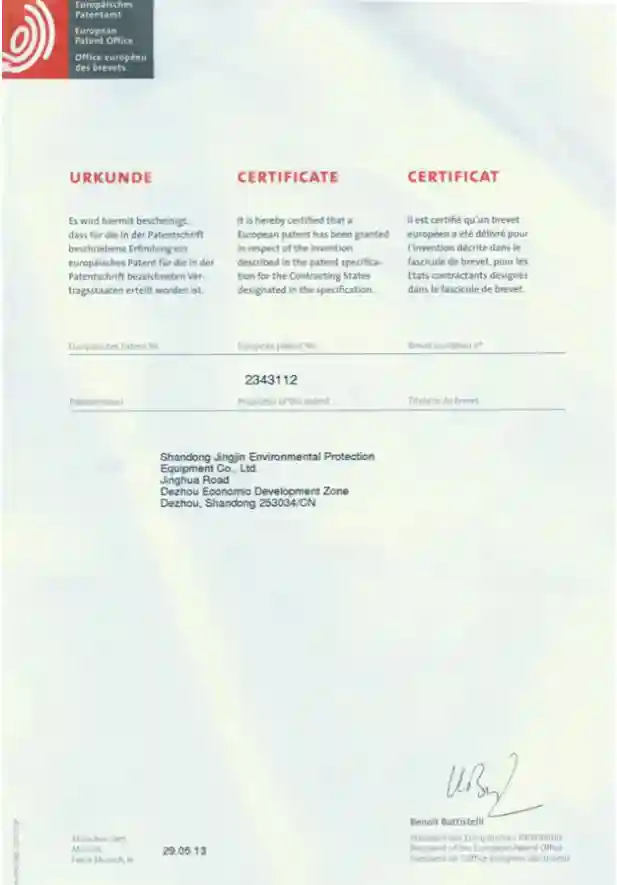
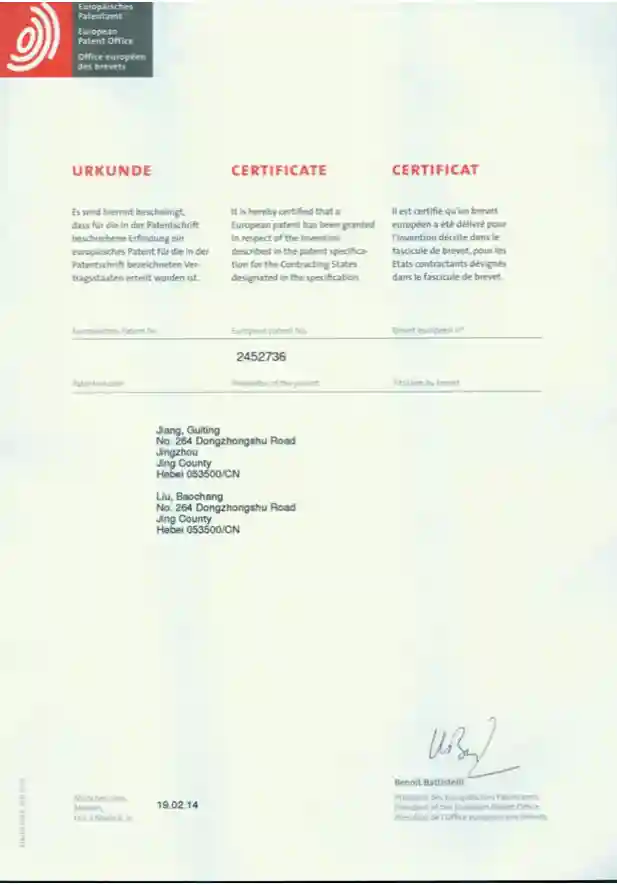
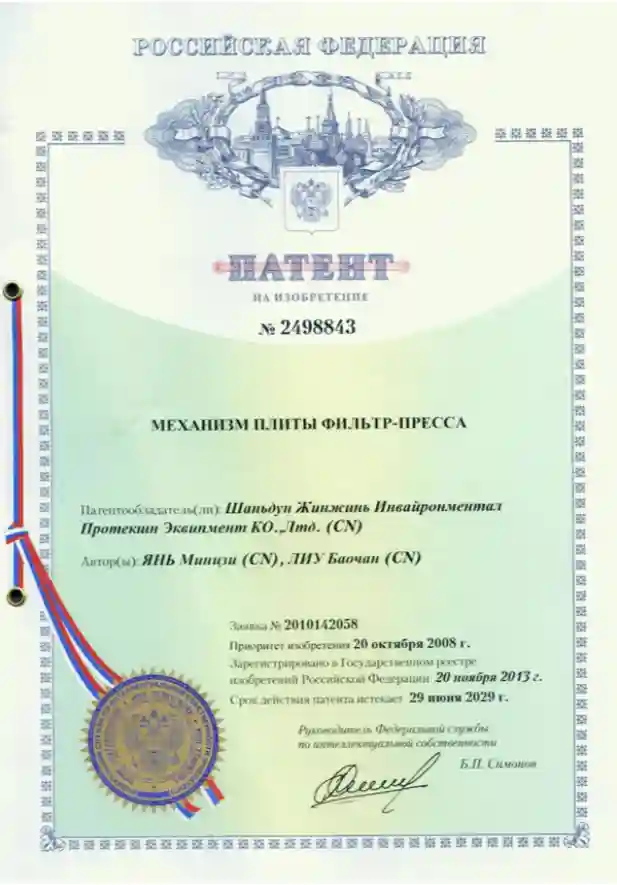
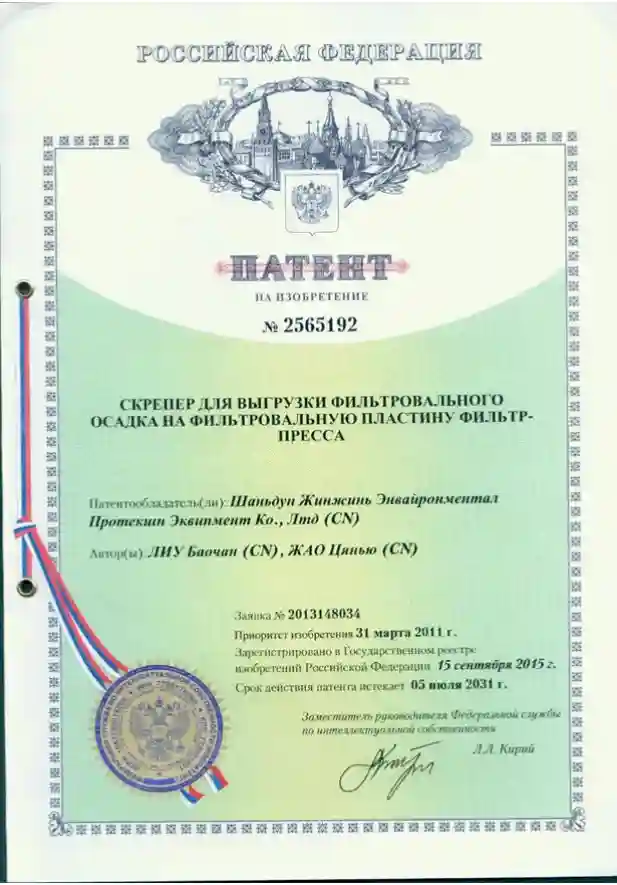
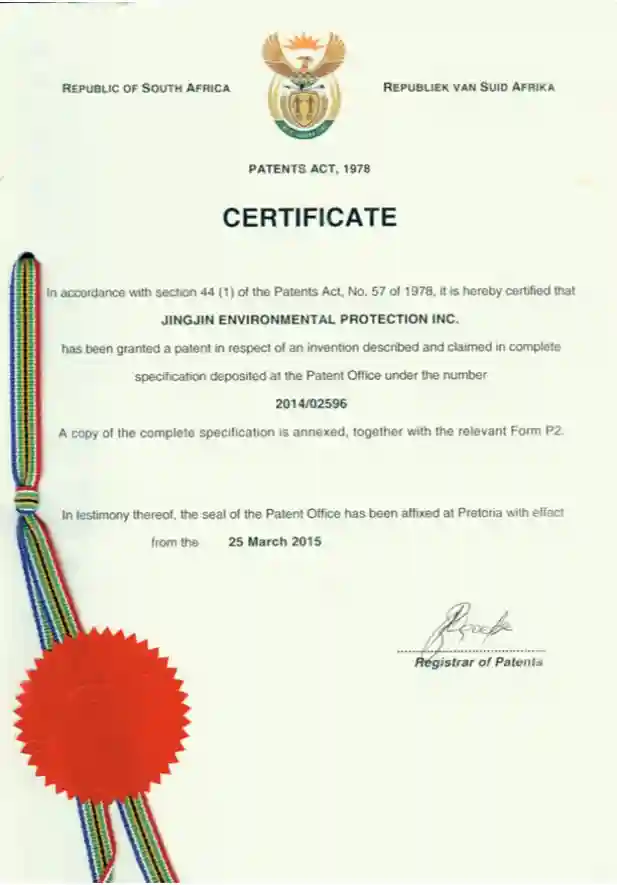
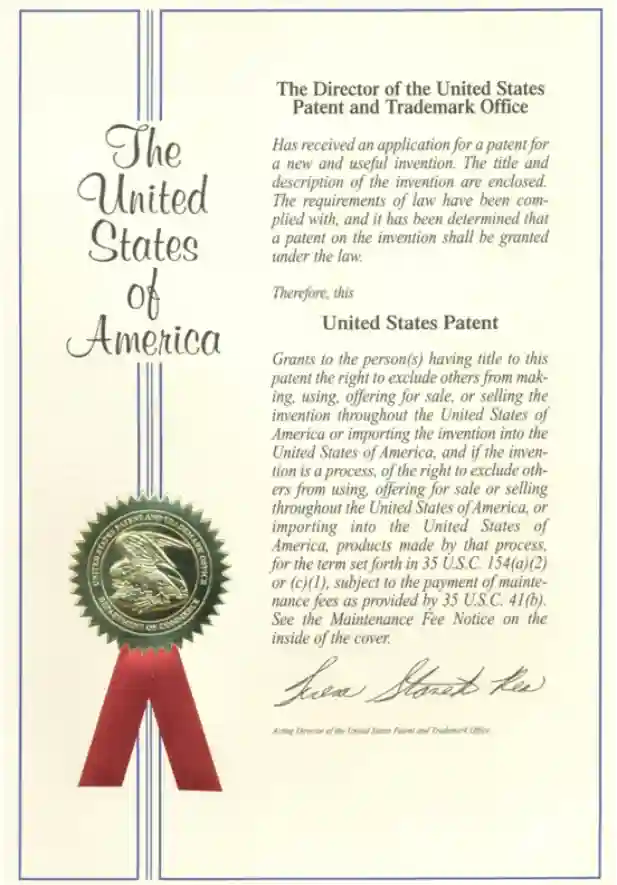
Our technical team helps process engineers and procurement managers with all parts of a project, from choosing the right materials and system size at the beginning to helping with commissioning and training operators. With factories that can handle large orders and a service network that covers 123 countries, Jingjin is ready to meet all of your filter needs, no matter where they are or how big they are. We've built trust as a dependable plate frame filter maker by securing 136 patents for operating innovations and efficiency enhancements. This way, you can be sure that you're getting the latest technology.
Email our applications tech team at [email protected] to talk about the specific problems you're having. We will give you detailed technical advice, competitive quotes, and all the maintenance planning tools you need to meet your operational needs.
References
1. Perry, R.H. and Green, D.W. (2008). Perry's Chemical Engineers' Handbook, Eighth Edition. McGraw-Hill Professional, Section 18: Liquid-Solid Operations and Equipment.
2. Svarovsky, L. (2000). Solid-Liquid Separation, Fourth Edition. Butterworth-Heinemann, Chapter 7: Pressure Filtration.
3. Wakeman, R.J. and Tarleton, E.S. (2005). Solid/Liquid Separation: Principles of Industrial Filtration. Elsevier Advanced Technology, Oxford.
4. American Filtration and Separations Society (2012). Maintenance Best Practices for Industrial Filtration Systems: Technical Monograph Series.
5. Purchas, D.B. and Sutherland, K. (2002). Handbook of Filter Media, Second Edition. Elsevier Science, Chapter 12: Filter Press Applications and Maintenance.
6. Water Environment Federation (2018). Operation of Municipal Wastewater Treatment Plants, Manual of Practice No. 11, Seventh Edition, Volume 2: Liquid Treatment Processes, Chapter 23: Dewatering.
jingjin
Founded in 1988, Jingjin specializes in filter presses and liquid-solid separation solutions, serving over 130 countries worldwide, and is a standard-setter in China's filter press industry.
Get the Filter Press guide
Enter Your Email for Technical assistance for the Filter Press.
Recommended Blog
PLC-Controlled Filter Press Cycles: How Automation Reduces Operator Error by 90%
Durable Screw Dewatering Machines for Mining: Features to Look For
Asia Buyers Guide to Importing Filter Press Machines from China

Top Benefits of Using a Filter Press in Industrial Wastewater Filtration