Membrane Plate Filter Press Plate Squeezing Technology
Understanding Membrane Plate Filter Press Plate Squeezing Technology
- Understanding Membrane Plate Filter Press Plate Squeezing Technology
- Advantages and Performance Optimization of Membrane Plate Filter Presses
- Troubleshooting and Maintenance of Membrane Plate Filter Press Squeezing Systems
- How to Choose the Right Membrane Plate Filter Press for Your Business?
- Conclusion
- FAQ
- Partner with Jingjin for Advanced Membrane Plate Filter Press Solutions
- References
Membrane plate filter press plate squeezing technology is a major step forward in separating solids from liquids, and it has changed how businesses deal with dehydration problems. Conventional chamber presses rely only on the pressure of the feed pump. Membrane plate filter presses, on the other hand, use flexible diaphragms to physically squeeze filter cakes, getting rid of the interstitial moisture that traditional methods miss. This second part of pressing makes the cakes much drier, which lowers the amount of waste that needs to be thrown away and the cost of transporting it. This is very important to people who handle wastewater and run plants that run operations. This guide was made to help procurement managers, process engineers, EPC project managers, and plant operations leaders who need to make quick choices about filtering equipment. Understanding plate squeezing technology has a direct effect on how well filters work, how pure the product is, and how well companies follow the stricter environmental rules that are being made. If you understand the operational principles, performance metrics, and selection criteria outlined here, your company will be able to make investments that will help it reach its operational goals and address problems that are unique to its industry, such as high sludge moisture, maintenance downtime, and problems with following regulations.

Understanding Membrane Plate Filter Press Plate Squeezing Technology
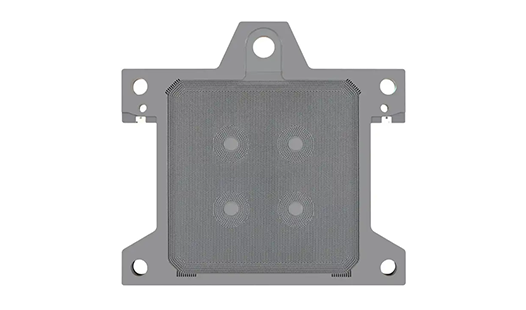
The filter plates in a membrane plate filter press have a bendable rubber membrane attached to one or both of their faces. During the filtering cycle, slurry moves into the spaces between plates, where solids build up as filter cakes and liquid moves through filter cloths. After the tanks are full, the system moves to the squeeze phase and pumps an expansion medium behind the membranes. This could be compressed air or water. This makes the bendable diaphragm expand, which literally squeezes the filter cake and pushes out any water that is stuck between the particles.
Core Operating Principles
Membrane technology is different from normal deep chamber designs because it squeezes. In traditional presses, solids are packed only by the pump release pressure, which is usually only 15 to 20 bar. Membrane systems add a mechanical compression step that puts even pressure on the whole cake surface, usually between 16 and 20 bars of air pressure. This extra force lowers cake moisture by 5 to 15 percentage points compared to chamber-only designs. This lower moisture level saves a lot of money for wastewater treatment plants that deal with hundreds of tons of sludge every day.
Key Design Elements
Material for membranes varies based on how well they work with chemicals and how hot or cold they need to be. Polypropylene membranes work well in most industrial and municipal uses up to 70 to 80°C and don't react badly with mild acids and bases. Specialized elastomers like EPDM or PVDF are needed in chemical plants that use harsh solvents or high temperatures above 100°C. Plate design directly affects cycle times; lighter plates with better rib patterns allow for faster filtration, while heavier plates provide structural stability for high-pressure squeezing tasks. When procurement professionals look at the technology that is available, they have to check the membrane's flexibility, the stiffness of the plate frame, and the hydraulic system's capacity. This is to make sure that the equipment fits the needs of the application without sacrificing safety or performance.
Advantages and Performance Optimization of Membrane Plate Filter Presses
Membrane plate filter press designs outperform conventional chamber or plate-and-frame designs in a number of ways, resulting in quantifiable changes that have an effect on running costs and environmental compliance. The benefits go beyond just lowering the amount of moisture; they also affect productivity, energy use, and product quality in ways that are important to both process engineers and buying managers.
Superior Dewatering and Throughput
The squeezing device greatly lowers the amount of remaining wetness, changing filter cakes from sludge that can be pumped into solids that can be stacked. Biological sludge cakes made with membrane presses have solids levels of 30-45%, while cakes made with chamber designs only have solids levels of 18-25%. Because of this change, up to 50% less trash has to be thrown away, which directly lowers the costs of shipping and landfill fees. In the same way, mining operations benefit: tailings that have been squeezed to contain more solids can be stacked dry, which lowers environmental risks and recovers process water that is very important in dry areas. When cakes are dryer, they can be moved downward more quickly by elevators and trucks than when the cakes are wetter and stickier.
Energy Efficiency and Cycle Time Reduction
Even though membrane plate filter presses add a squeeze phase, the total cycle times often drop by 20 to 50 percent because mechanical compression gets rid of water much more quickly than prolonged pump pressure alone. When rounds are shorter, daily throughput goes up while the equipment size stays the same. This increases return on investment. Because pumps run for shorter periods of time and inflation devices use less power than constant high-pressure pumping, the amount of energy used per cubic meter of processed slurry goes down. Chemical companies that make pigments and dyes like these savings because they help them meet their shorter production plans without lowering the quality of their products.
Optimization Tips for Maximum Performance
To get the best results, you need to pay attention to a number of operational factors and care procedures that keep equipment working well and extend its life.
It makes a real difference to change the air pressure based on the properties of the slurry. Pressure ramping that starts at 8 bar and rises slowly to 16 bar over a few minutes is good for compressible materials like biological sludge because it keeps the membrane from getting damaged and makes sure that the compression is even. Materials that can't be compressed, like mineral concentrates, can handle higher pressures and move faster. By using PLC systems to keep an eye on cycle parameters, workers can fine-tune the filter time, squeeze time, and wash amounts, matching throughput goals with cake dryness goals.
Preventive repair on squeaking parts cuts down on costly downtime. When membrane surfaces are checked regularly, early signs of wear, delamination, or chemical breakdown are found. This lets the membranes be replaced before they fail completely. Seals, valves, and pressure monitors in hydraulic systems need to be checked on a regular basis to make sure they give accurate pressure and stop sudden drops that ruin the uniformity of the cake. Cleaning methods that get rid of solids that are still on the membrane sides between cycles make the membrane last longer. Depending on the seriousness of the application, the membrane can usually last between 2,000 and 10,000 cycles.
Troubleshooting and Maintenance of Membrane Plate Filter Press Squeezing Systems
To keep membrane filter systems working at their best, common operating problems need to be proactively identified and solved. When choosing providers, wastewater managers and plant operations heads put cost and schedule problems of equipment downtime at the top of their lists.
Common Operational Challenges
The most common problem is membrane leaks, which show up as patchy cake drying or water seeping through when pushing. Some of the reasons for this are punctures from sharp solids, chemical breakdown, or bad fitting. Finding leaks early on through regular visual checks or pressure-holding tests stops them from getting worse and needing a full membrane failure and plate replacement. Loss of pressure during squeezing cycles could be caused by leaks in the expansion pipes, broken valves, or problems with the compressor. This makes compression less effective, leaving cakes wetter than expected.
When cakes don't form evenly, it means that there are issues with the tightness of the cloth, the flatness of the plate closing surface, or the way the slurry feed is distributed. Plate-closing surfaces that are CNC-machined must stay flat within ±0.1 mm; any variations cause "spraying" during high-pressure phases, which wastes product and poses safety risks. For mixed-pack setups with alternate membranes and recessed plates, sequencing and hydraulic alignment must be done with great care to make sure that all plates close with the same amount of force.
Maintenance Best Practices
Setting up regular repair schedules for equipment protects its long-term dependability and reduces unplanned downtime, two issues that EPC project managers are very concerned about when adding filters to big projects.
Regular cleaning procedures get rid of solids that stick to membrane surfaces and filter cloths and stop blindness, which slows down flow rates. After 10 to 20 cycles, high-pressure water washing and chemical cleaning with light soaps or agents made for the process materials help restore permeability and extend the life of consumables. Checking the membrane surface for cuts or swelling, the hydraulic system for leaks or strange pressure changes, and the filter cloth for tears or too much wear should all be part of regular inspections.
Elastomeric materials that are easily damaged by sharp edges and too much bending need to be handled carefully when the membrane is being replaced, particularly in a membrane plate filter press. By teaching workers the right way to install things—making sure that the membranes fit perfectly inside the plate holes and the air channels line up perfectly—early mistakes can be avoided. Case studies from chemical plants that process dyes and resins show that membranes last more than 8,000 cycles in places that follow strict maintenance plans, but only 3,000 cycles in places that don't do regular maintenance.
How to Choose the Right Membrane Plate Filter Press for Your Business?
To choose the best membrane plate filter press, you need to make sure that the equipment's skills match your operational needs, budget, and long-term strategy goals. When dealing with competitive markets, procurement managers need clear evaluation factors that help them tell the difference between products that look similar on the surface and ones that are actually better.
Essential Procurement Criteria
Equipment size, plate count, and filter area are all determined by how much capacity is needed. To find the right specs, you need to figure out the daily slurry amounts, batch sizes you want, and cycle times you want. Facilities that deal with 50 cubic meters of sludge every day need very different setups than facilities that deal with 5 cubic meters. The dryness goals for the cake affect the type of membrane, the inflation pressure ratings, and the cycle duration. When asking for quotes, be clear about the exact moisture content goals and make sure that providers only offer systems that can regularly meet those standards.
Energy efficiency impacts operational costs over equipment lifetimes spanning 15-20 years. Compare how much energy is used per cubic meter of processed slurry, taking into account the power of the pump, the energy used by the expansion system, and the energy used by the hydraulic closure mechanisms. The size and height of current plants are limited by space issues. Membrane presses have small designs that offer higher capacity per square meter than standard systems, which makes them useful for retrofitting situations.
Comparing Leading Global Brands
Leading companies like ANDRITZ, Westfalia, and Eaton offer cutting-edge membrane technologies that are uniquely positioned in the market. ANDRITZ focuses on large-scale mining and city applications, offering strong frames and high levels of automation that work well in settings with ongoing operation. Westfalia mainly works with the pharmaceutical and fine chemical industries. They provide materials that don't rust and cleaning-in-place methods that have been tested and proven to meet strict legal requirements. Eaton aims for a wide range of industrial markets with flexible designs that make customization easy and extra parts quick to get.
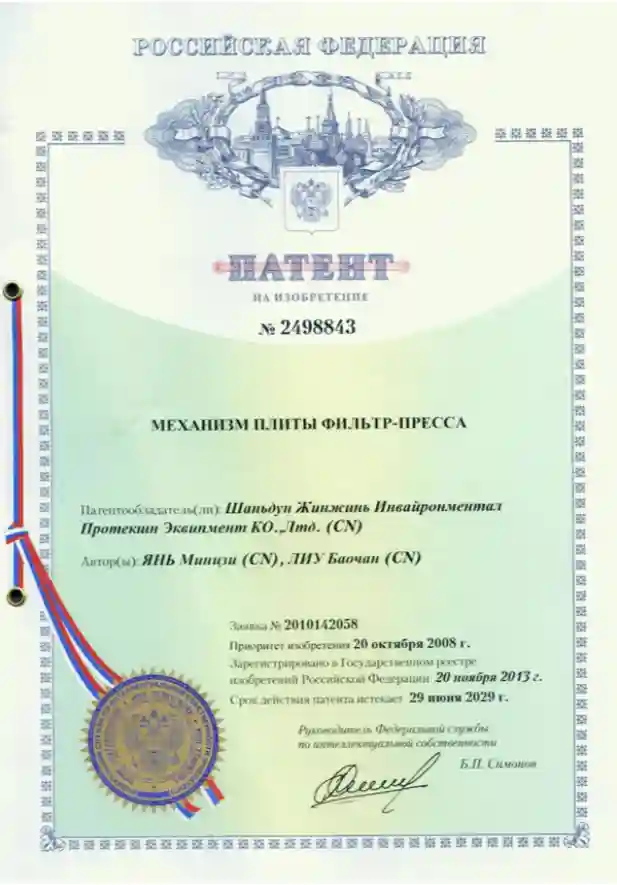
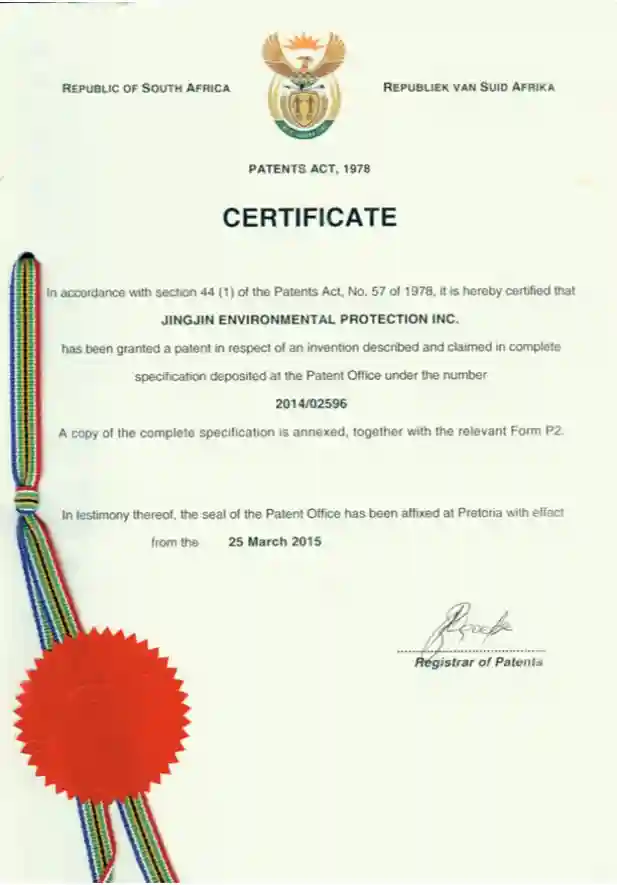
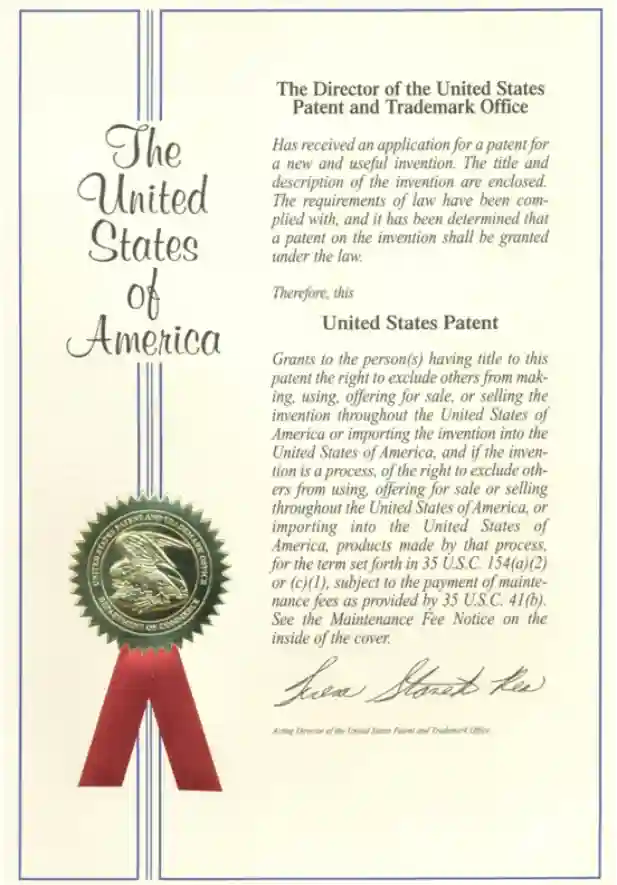
Jingjin Equipment Inc. has been in business since 1988 and has over 136 patents covering innovations in membrane plates, filter cloth engineering, and automatic control systems. It has customers in 123 countries. Our manufacturing capacity can handle large-scale projects while still allowing for customized solutions. For example, we can meet the needs of mining operations that need parts that don't wear down easily, chemical plants that need specialized elastomers, and municipal facilities that want operations to be as simple and reliable as possible.
Cost-Benefit and ROI Analysis
The initial purchase price is only one part of the total cost of ownership. Other parts include installation, materials, upkeep, and savings on disposal. Membrane presses usually cost 25–40% more up front than chamber presses, but they pay for themselves faster because they use less energy, have less downtime, and don't have to pay to get rid of waste. Usually, municipal facilities see a return on investment (ROI) in two to three years. Mining companies in areas with limited water see returns even faster through process water recycling.
Long-term running costs and machine uptime are greatly affected by the availability of spare parts and service after the sale. When things go wrong, suppliers that keep regional service centers open and stock up on important parts like membranes, cloths, hydraulic seals, and membrane plate filter press components keep downtime to a minimum. Customization options, such as plate materials, membrane compounds, automation levels, and integration with existing SCADA systems, make sure that equipment works well in a wide range of operational settings. This helps with making smart purchasing decisions that balance current needs with plans for growth in the future.
Conclusion
Membrane plate filter press plate squeezing technology improves the efficiency of draining, lowers running costs, and meets environmental standards in industries like mining, chemical processing, pharmaceutical manufacturing, and treating wastewater. Understanding basic working principles, strategies for improving performance, and best practices for maintenance gives procurement managers, process engineers, and plant operations leaders the power to choose equipment that fits their strategic goals. Automation, real-time tracking, and new materials are driving more innovation. To make sure that filtration assets stay efficient, reliable, and compliant throughout their operating lifetimes, it is important to work with experienced makers who offer full support. Companies that invest in membrane technology now will be ready to face the difficulties of tomorrow when it comes to the economy and sustainability.
FAQ
1. How does membrane squeezing enhance filtration efficiency compared to chamber presses?
By directly applying mechanical compression force to filter cakes, membrane squeeze gets rid of interstitial water that pump pressure can't get rid of on its own. This second compression step cuts cycle times by 20 to 50 percent and lowers the cake's moisture content by 5 to 15 percent. This increases output and greatly lowers the cost of waste.
2. What maintenance protocols extend membrane plate lifespan?
Cleaning with high-pressure water every 10 to 20 rounds gets rid of any leftover solids that could cause blindness. Visual checks done on a regular basis can find early damage to the membrane, allowing repair before it fails. Elastomeric materials are safe as long as they are installed correctly and aren't bent too much. Facilities that follow organized routines get 8,000 cycle lifetimes, while facilities that don't do regular maintenance only get 3,000 cycle lifetimes.
3. Should I choose water or air as the squeezing medium?
Water is safer and more effective for high-pressure squeezing than 8 bar because it cannot be compressed and keeps its force. Squeezed air, on the other hand, can release force quickly, which can be dangerous if membranes break. Air works best in low-pressure situations or non-critical systems that have trouble getting water.
Partner with Jingjin for Advanced Membrane Plate Filter Press Solutions
Choosing the right membrane plate filter press provider is the first step to improving your solid-liquid separation skills. This supplier should understand the challenges your industry faces and offer proven technology backed by full support. Jingjin Equipment Inc. has been in business for more than 35 years and has helped people in 123 countries. They use patented membrane plate designs, large-scale manufacturing, and global service networks to make reliable, high-efficiency filtration systems for treating wastewater in cities, mines, chemical plants, and drug factories. Our engineering teams offer personalized talks where they look at your particular needs in terms of capacity, dryness, and space, and suggest the best configurations from our wide range of products. Jingjin can make customized membrane plate filter press systems that are strong and won't wear down easily for mining waste, resistant to corrosion for chemical plants, or high-automation for public buildings. They also offer spare parts, installation services, and ongoing technical support. Contact us at [email protected] to talk to our experts about your filtering problems and find out how working with a top membrane plate filter press manufacturer can improve business efficiency, cut costs, and make sure you stay in compliance with regulations for decades to come.
References
1. Wakeman, R.J., & Tarleton, E.S. (2005). Solid/Liquid Separation: Principles of Industrial Filtration. Elsevier Advanced Technology.
2. Sutherland, K. (2008). Filters and Filtration Handbook (5th ed.). Butterworth-Heinemann.
3. Cheremisinoff, N.P. (1998). Liquid Filtration (2nd ed.). Butterworth-Heinemann Series in Chemical Engineering.
4. Purchas, D.B., & Sutherland, K. (2002). Handbook of Filter Media (2nd ed.). Elsevier Science.
5. Anlauf, H. (2019). "Recent Developments in Centrifuge and Filter Technology for Mechanical Liquid Separation." Separation and Purification Technology, Vol. 224, pp. 298-309.
6. Tiller, F.M., & Kwon, J.H. (1998). "Role of Porosity in Filtration XIII: Behavior of Highly Compactible Cakes." AIChE Journal, Vol. 44, No. 10, pp. 2159-2167.
jingjin
Founded in 1988, Jingjin specializes in filter presses and liquid-solid separation solutions, serving over 130 countries worldwide, and is a standard-setter in China's filter press industry.
Get the Filter Press guide
Enter Your Email for Technical assistance for the Filter Press.

Recommended Blog
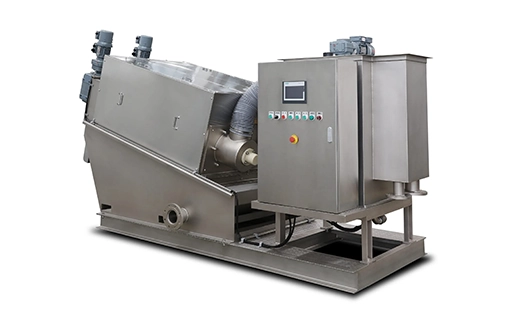
China Screw Dewatering Machines for Asia Infrastructure Projects
Common Problems with Filter Press Plates and How to Prevent Them
How Does a Filter Press Work in Wastewater Treatment? A Comprehensive Guide
How to Choose the Right Screw Dewatering Equipment for Your Paper Mill Sludge
Screw Press Sludge Dewatering Machine for Municipal Wastewater
Chemical Resistant Filter Cloth for Mining: What You Need to Know