Reduce Operating Costs with the Right Recessed Chamber Filter Press
Understanding Recessed Chamber Filter Press and Its Role in Cost Reduction
- Understanding Recessed Chamber Filter Press and Its Role in Cost Reduction
- Key Factors in Selecting the Right Recessed Chamber Filter Press for Your Operation
- How the Right Recessed Chamber Filter Press Reduces Operating Costs
- Maintenance and Troubleshooting to Sustain Low Operating Costs
- Procuring the Right Recessed Chamber Filter Press: Buying Guide and Supplier Considerations
- Conclusion
- FAQ
- Partner with Jingjin for Cost-Effective Filtration Solutions
- References
Industrial solid-liquid separation may drain yearly budgets, but choosing the correct recessed chamber filter press turns this into an opportunity. The equipment's decreased energy usage, labour needs, and lifespan save money. Your bottom line benefits from the recessed chamber arrangement, which removes separate frames, simplifies cake discharge, and speeds cycle times. Procurement managers and plant engineers may safeguard margins and comply with environmental regulations by understanding how design aspects affect cost reductions.
Understanding Recessed Chamber Filter Press and Its Role in Cost Reduction
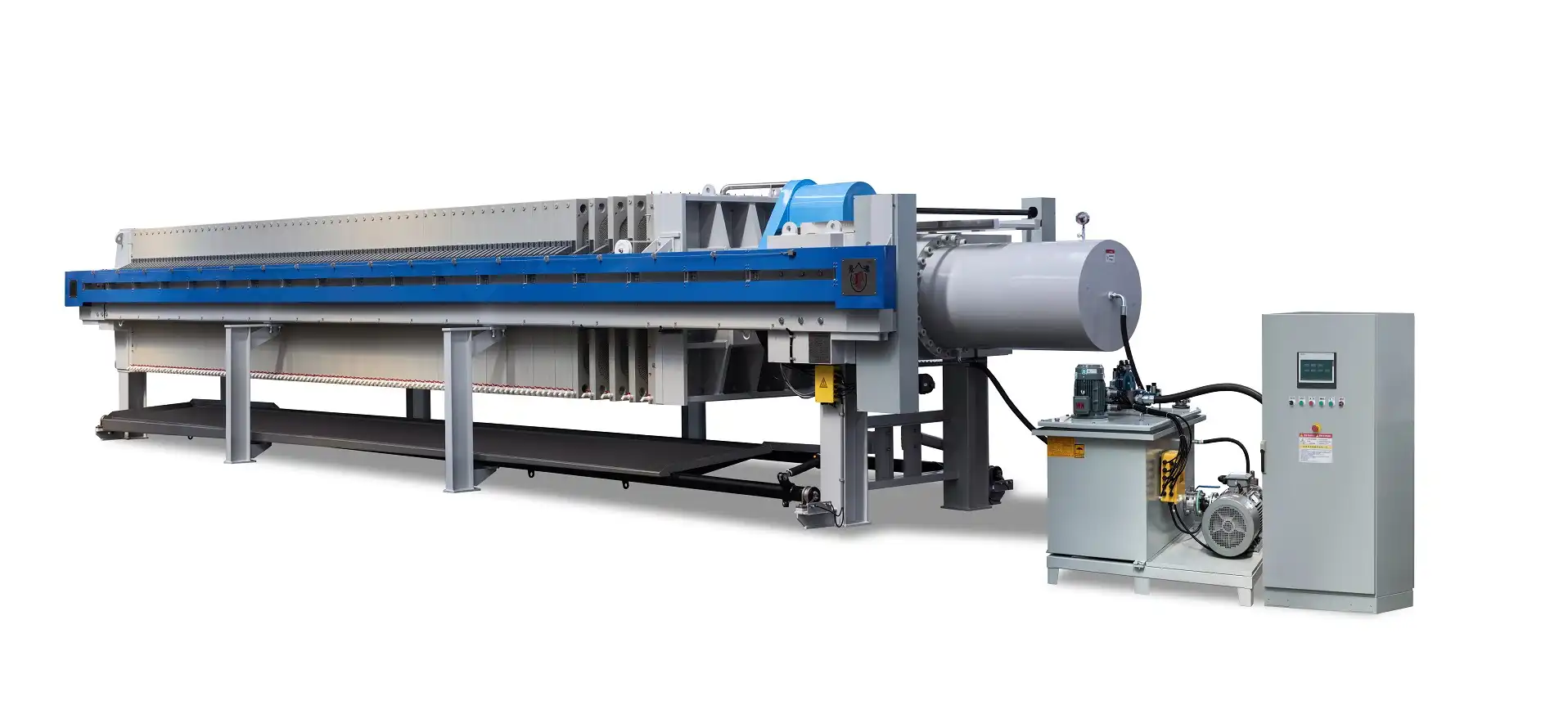
Core Structure and Operational Principles
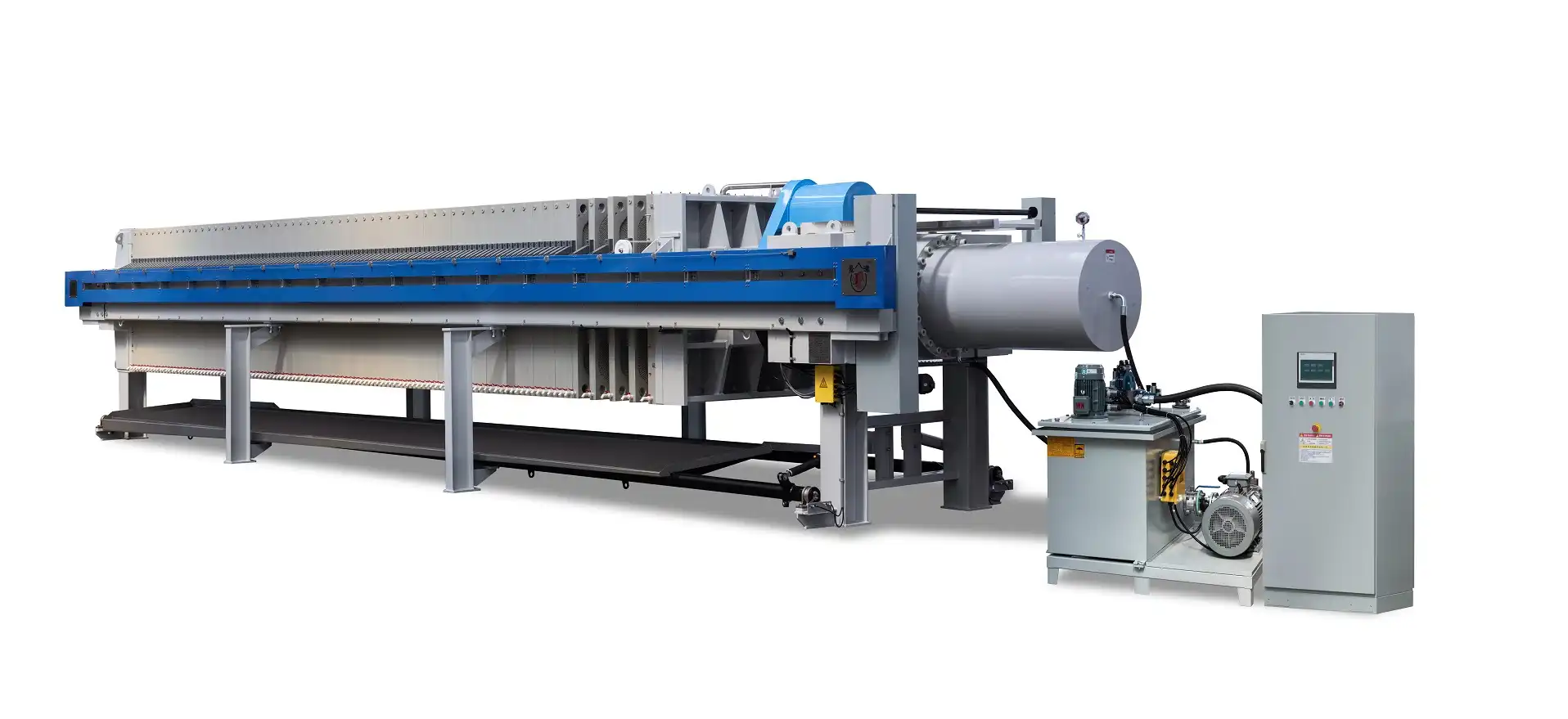
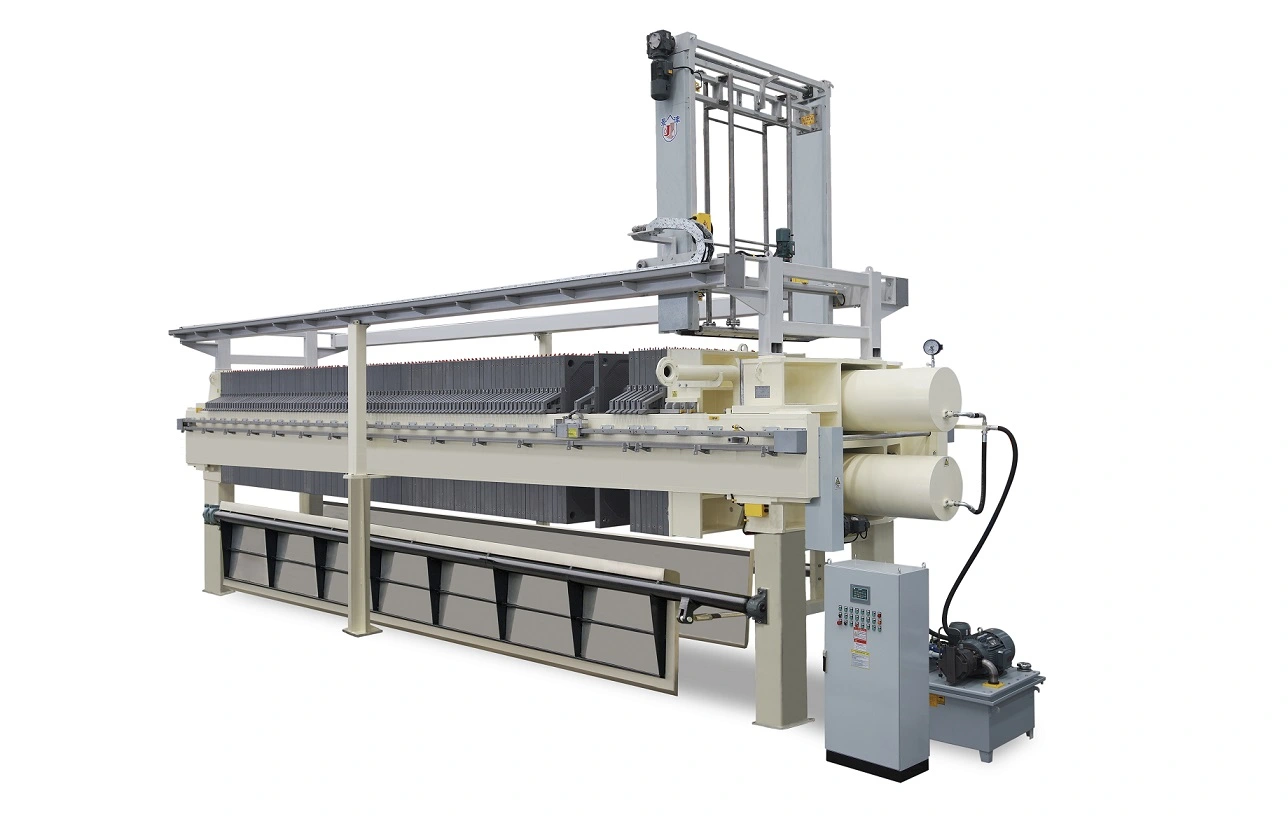
The recessed chamber design advances filter press technology. Machined concave chambers flank each plate. These chambers generate filter regions when hydraulic power presses plates together. A central feed port distributes slurry uniformly on the plate stack. Solids accumulate in the chambers as filtrate flows through the filter cloth and out the corners. Due to its lack of frames, this self-contained chamber reduces parts by 40% compared to plate-and-frame systems.
Filtration begins when your feed pump provides slurry at 6–25 bar. The filter fabric, commonly polypropylene or polyester, filters particles while allowing liquid flow. Hydrocylinders maintain closing pressure throughout the cycle. This prevents plate separation and leaks. When the contents are concentrated enough, the press opens, and the dry cakes fall out of the cells without injury.
Cost Advantages Through Design Innovation
Modern recessed chamber systems provide three cost advantages. Energy efficiency increases because the decreased flow channel uses less pumping power to remove water. At many wastewater treatment facilities, modern designs utilise 15–22% less energy than plate-and-frame ones. Average cycle times drop by 20–30 minutes, allowing larger batches per shift without additional labour.
Fewer failure points mean less maintenance. Reinforced polypropylene plates can withstand 50,000 cycles without splitting at the feed inlets, a common issue with lower-quality products. They need fewer replacements and cost less to supply. PP polymers are chemically robust from pH 1 to 14. This implies chemical processing metal systems don't have to worry about rust downtime.
Maintaining cake dryness simplifies trash categorisation and lowers transportation costs, making environmental compliance simpler. Keeping the cake moisture between 30 and 35% keeps hazardous sludge waste within legal limits, saving facilities significant reclassification costs.
Key Factors in Selecting the Right Recessed Chamber Filter Press for Your Operation
Assessing Operational Parameters
First, examine your slurry's qualities to choose the suitable equipment. Selection of filter fabric depends on particle size distribution. Tighter weaves prevent blinding but increase cycle time for smaller particles. How much chamber space you require depends on feed stream solids. For tolerable cycle periods, heavily diluted streams demand larger filter areas. Temperature matters. Special PVDF plates can withstand fluids up to 120°C without bending, unlike regular PP plates.
Calculations of processing capabilities should include high-demand periods, not typical flow. Small equipment forces workers to miss maintenance windows, which accelerates wear and requires costly emergency repairs. Set the filter area at 110–120% of the maximum predicted throughput. This gives you operational flexibility during maintenance or production spikes.
Features Directly Impacting Cost Efficiency
Chamber depth affects cycle time and cake handling. For fast turnarounds with thinner cakes, shallow chambers (15–25 mm) perform well, while deeper chambers (40–50 mm) maximise batch size for high-volume procedures. Cake discharge is the trade-off. Thicker cakes may need mechanical assistance or vibration systems, which complicate and cost more.
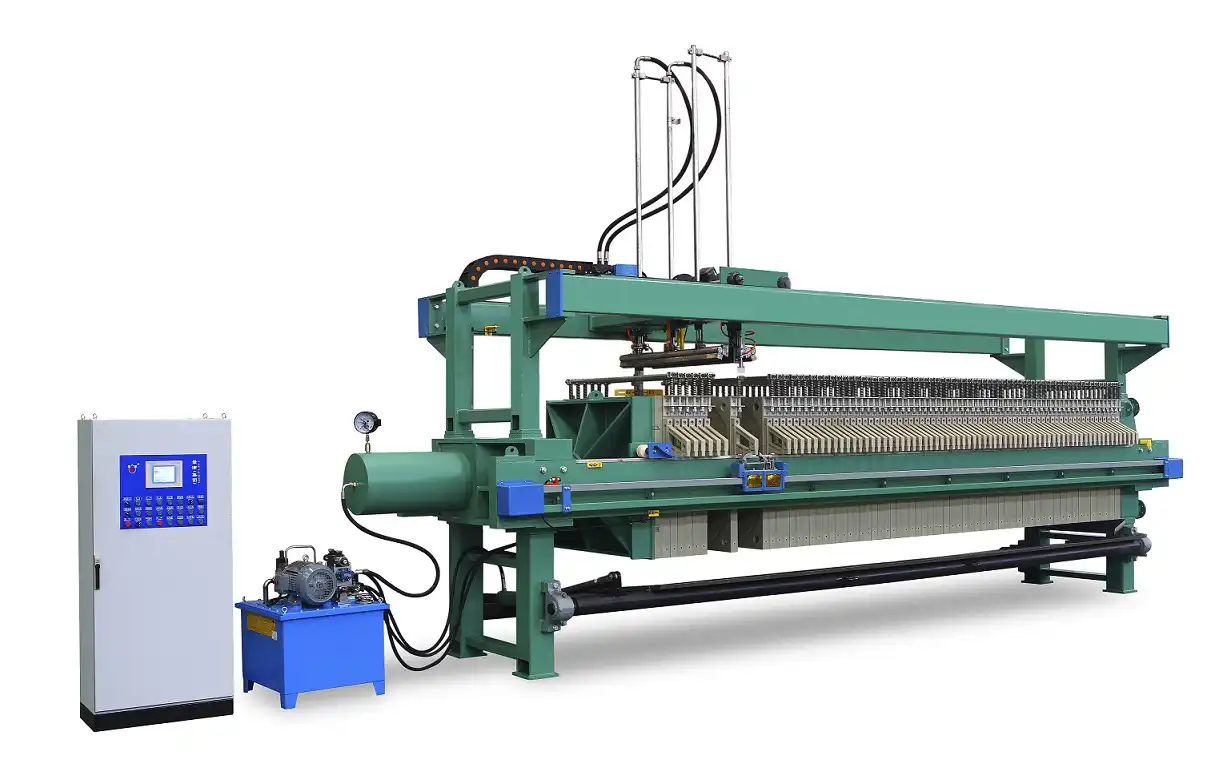
Automation reduces labour costs and improves safety by eliminating manual tasks. Plates are separated by hydraulic or motorised devices, allowing cakes to fall into collecting hoppers. When activities are continuous and filter presses cycle many times every shift, automation is crucial. Labour savings usually compensate for the first technology investment in 18–24 months.
The duration of the filter cycle affects energy usage and processing, which affects operational expenses. Advanced control systems evaluate water quality and adjust feed pressure to smooth cycles. These programmed logic controllers prevent the cycle from finishing too soon, leaving the cake too wet, and from pressing too hard, which wastes energy without drying the cake.
Comparative Analysis with Alternative Technologies
After the first filtering process, filter press machine manufacturers' membrane filter presses' bendable diaphragms grow. Additional moisture is removed by secondary force. This generates cakes 5 to 8 percentage points less dry than recessed chamber systems, but equipment costs 40 to 60% more and membrane replacement costs more. When dumping prices exceed $150 per tonne or government regulations mandate low moisture levels, membrane technique makes economic sense.
Plate-and-frame systems need frames between plates, doubling parts and maintenance. The initial price may appear cheaper, but the total cost of ownership over five years is 25–35% more because of additional parts and longer cycle times. Recessed chamber designs are more dependable and cheaper; thus, modern arrangements employ them.
How the Right Recessed Chamber Filter Press Reduces Operating Costs
Addressing Common Inefficiencies
Traditional filtering systems don't equally distribute slurry, so some chambers are essentially empty, and others are full. Wasteful behaviour consumes filter area and prolongs cycles. Center feed port designs with enhanced flow channels uniformly distribute flow throughout the plate stack, maximising filtering area. The difference increases throughput by 12–18% without equipment changes.
Energy is wasted when operators maintain feed pressure after filtrate flow decreases to nearly nothing. Modern monitoring systems check flow rates in real time and halt cycles when pushing doesn't remove additional water. Installers believe this technology reduces energy usage per tonne of treated solids by 8–15%.
Optimization Features Enabling Continuous Improvement
Position sensors on automatic plate movement ensure the cake release sequence. This eliminates the temporal fluctuation of manual operations caused by attention or fatigue. Cakes don't stick to the fabric when you apply the same discharge timing; thus, it lasts 3,000 cycles longer and requires less cleaning.
Digital monitoring systems use pressure transducers, flow meters, and cycle counters for real-time performance insights. These technologies detect performance slowdown before failure. Planning maintenance ahead of time prevents expensive downtime. Automation warns maintenance staff when parameters fall beyond permissible limits so they may make modifications during production pauses.
Real-World Validation Through Case Studies
A new deep chamber system with automated controls replaced a 20-year-old plate-and-frame system at an Ohio wastewater treatment facility. Energy utilised per cubic metre of sludge handled was reduced by 19% over 12 months, and the number of full-time workers required dropped from 2.5 to 1.2. The average cake moisture reduced from 35% to 28%, saving $127,000 annually on waste.
After installing corrosion-resistant PP recessed chamber equipment, a titanium dioxide slurry chemical plant improved greatly. Cycle durations were reduced from 140 to 95 minutes, allowing three additional batches per day. When corrosion-related maintenance was eliminated, annual repair expenses reduced from $43,000 to $11,000 and unplanned downtime dropped from 156 to 22 hours. These findings demonstrate that selecting the correct tools affects operational economics beyond capital cost.
Maintenance and Troubleshooting to Sustain Low Operating Costs
Routine Inspection Protocols
Every week, check hydraulic cylinder rods for scoring or fluid leaks. Damaged seals make the cylinder difficult to shut and reduce the quality of the filtration fluid. Checking filter cloth tension prevents creases that cause slurry bypass and plate-to-plate leaks. Lubricating the guide bars monthly ensures smooth plate movement during automated cycles. Mechanical binding, which damages parts, is prevented.
Every three months, filter cloths are acid-cleaned to remove scale and restore breathability. Soaking cloths in 5–10% hydrochloric acid for two to four hours removes mineral deposits that clog filters, extending their lifespan by 30–40%. This $200 per cleaning prevents you from spending over $3,000 on new garments too soon.
Annual comprehensive inspections examine plate flatness using precision measuring instruments. Avoid leaks during high-pressure operation by maintaining sealing surfaces within ±0.2mm. Worn or deformed plates must be changed immediately to prevent harm to surrounding plates and excessive hydraulic system weight.
Troubleshooting Common Issues
Slurry leaking between plates generally indicates low closing pressure. A filthy hydraulic fluid or damaged cylinder cap might cause this. Comparing the closing force to the design requirements reveals hydraulic system issues. Impact during handling or chemical assault damages plate sealing surfaces, making them less effective. They must be thoroughly examined, and some plates replaced.
Uneven filter cakes may indicate a feed concentration issue or blocked distribution pathways. Low solids in feed slurry generate thin, weak cakes that shatter when released. This indicates upstream issues that must be addressed. If the center feed ports are closed, preferred flow paths fill certain chambers too much and leave others empty. Inspection and cleaning of feed tubes may prevent this issue.
Strategic Value of After-Sales Support
Having reliable access to OEM spare parts from filter press machine manufacturers takes away the need to guess about the quality and compatibility of parts. Generic substitute parts are often made of cheap materials that break quickly, which wastes money because they have to be replaced over and over again, which causes downtime. Manufacturer-supplied parts come with written specs and guarantees of compatibility that keep your operations running smoothly.
When complicated problems happen, technical support services help you figure them out. Application experts with a lot of experience can help you figure out how to best change the filtration settings to meet changing feed requirements or production needs. This sharing of knowledge improves the skills of your team and stops them from wasting time and money on expensive trial-and-error experiments.
Procuring the Right Recessed Chamber Filter Press: Buying Guide and Supplier Considerations
Critical Buyer Considerations
The reputation of a provider might help you determine whether a connection will last. Long-standing manufacturers in a variety of sectors are dependable and competent. Requesting client samples from comparable apps may verify speed and service quality claims. Site visits to present locations demonstrate equipment performance after long-term usage, proving lifespan promises.
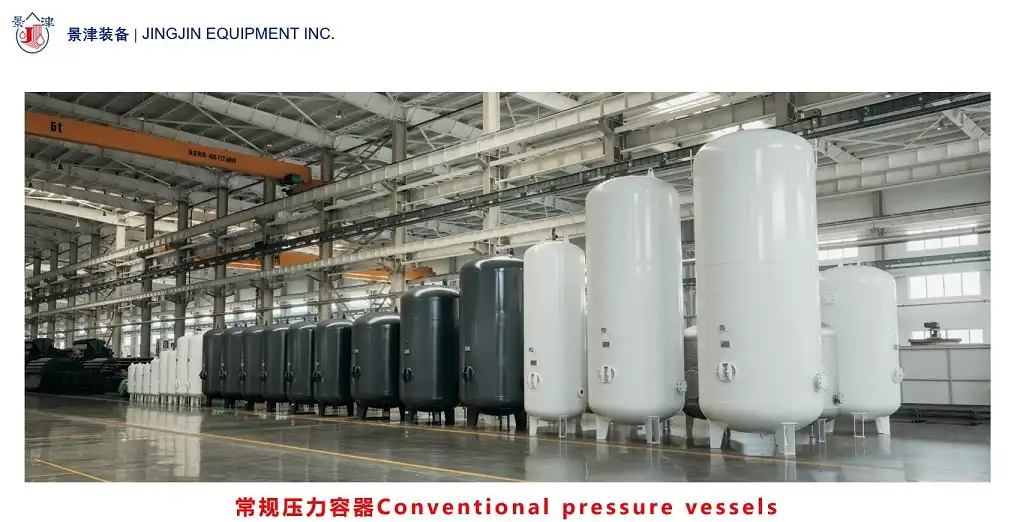
Certifications prove a product satisfies quality criteria. ISO 9001 accreditation and CE marking indicate organised quality management and European safety requirements, respectively. Industry-specific certifications like ASME for pressure tanks demonstrate safety and technical quality. These certificates reduce purchase risk and simplify regulatory clearances.
Customisation is crucial since standard configurations don't always suit a process. Suppliers that provide technical assistance for bespoke plate materials, specific coatings, or fully integrated automation systems may accommodate your demands. This lets you avoid compromises that reduce device utility or require costly installation adjustments.
Project scheduling and operational planning depend on lead times. Most equipment delivers in 8–12 weeks; however, unique configurations might take 14–18 weeks. Realistic release dates help projects stay on schedule and accommodate plant shutdowns and sluggish production periods. Stockpiling popular parts helps speed up emergency alternative supply and save downtime.
Pricing Insights and Total Cost of Ownership
The initial starting costs depend on the size of the filter, the amount of automation, and the materials that are used. For small capacities (10–20 square meters), entry-level manual recessed chamber systems start at about $45,000. Fully automated large capacities (200 square meters or more) range from $250,000 to $450,000. These numbers only include the cost of the equipment itself, not the costs of installation, plumbing, electrical work, and testing.
To find the total cost of ownership, you have to add up how much energy the item uses, the labor needed to maintain it, the cost of replacement parts, and the cost of disposal over its expected service life. Over ten years, a system that costs $80,000 up front but uses 40% more energy than a $105,000 alternative will cost more. In the same way, equipment that needs a lot of upkeep takes up skilled workers who could be working on output, which has hidden costs that keep coming up.
Reliable Manufacturing Partners
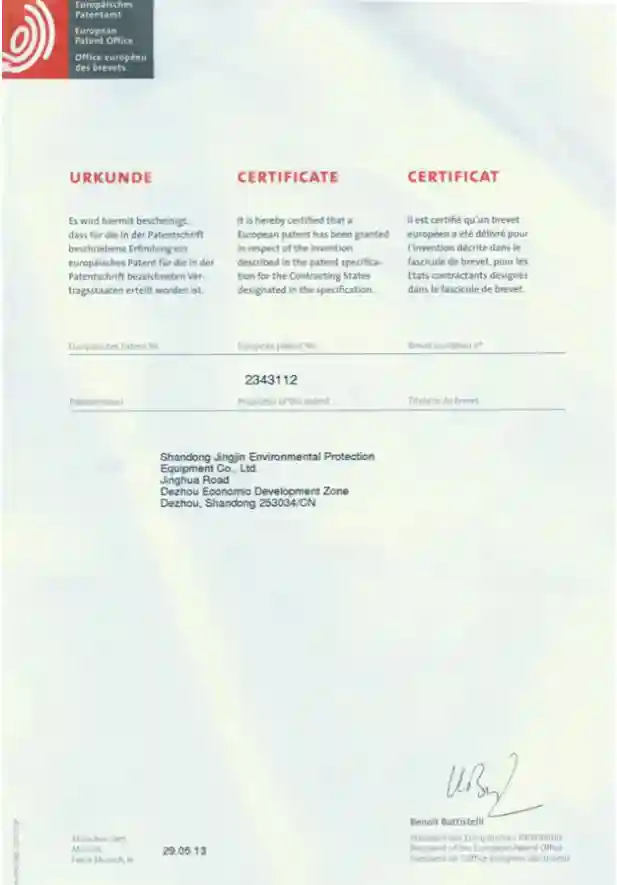
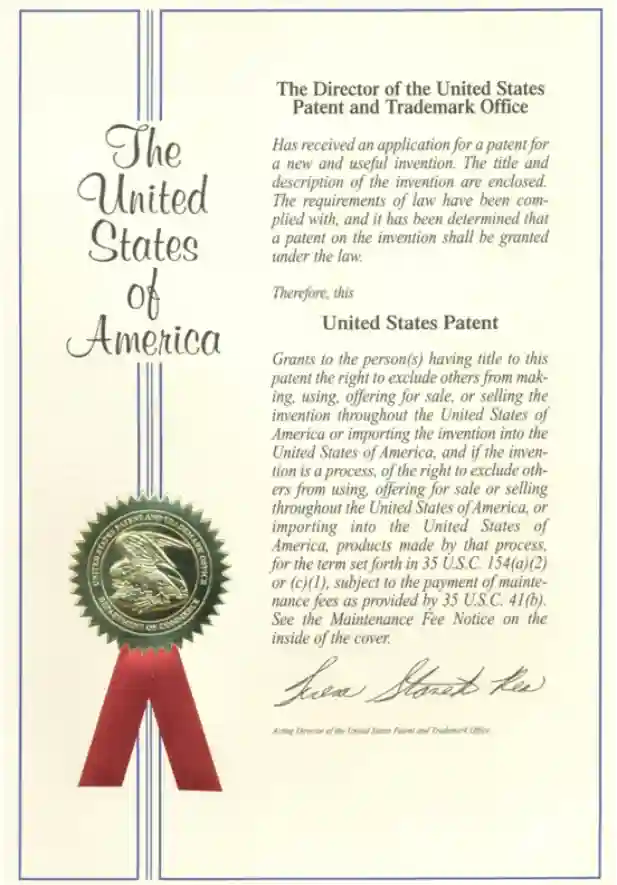
Jingjin Equipment Inc. has been around since 1988 and has factories in 123 countries. It is one of the biggest manufacturers in the world. The company owns more than 136 patents for new filtration technologies and runs large-scale factories to make sure consistent quality and a steady supply. This deep understanding of sector-specific needs and operational challenges comes from having a lot of experience in a wide range of industrial applications.
European makers usually put a lot of emphasis on precise engineering and strong construction that can handle harsh chemical processing conditions. Most of the time, these providers offer a lot of documentation and expert help that is in line with European regulations. American companies focus on quick service responses and integrating with domestic engineering standards to attract buyers who value local support and easy logistics.
When judging suppliers, you have to look at case studies, ask for sample plates for material analysis, and, if possible, do factory audits. Suppliers who are open and willing to be inspected provide thorough technical information. On the other hand, suppliers who give vague answers to specific technical questions raise doubts about their skills or quality control methods.
Conclusion
To lower running costs by choosing the right recessed chamber filter press, you need to weigh the original investment against the machine's long-term performance. When you mix the equipment's advanced automation and monitoring features with its simpler construction, you can see real savings in energy use, labor costs, and repair costs. To be successful at procurement, you need to carefully look at your working factors, know how design features affect cost drivers, and choose manufacturing partners who have a history of reliability and full support capabilities. The case studies show that modern equipment that is well-specified usually pays for itself in two to three years just through practical savings, while also making operations more flexible and better at meeting environmental standards. In the end, your choice will affect the cost of production and the reliability of operations for years to come.
FAQ
1. What distinguishes a recessed chamber filter press from plate-and-frame designs?
With recessed chamber configurations, the plates themselves have machined concave surfaces that hold the cake. This means that there is no longer any need for separate frames, which is what traditional designs do. This cuts the number of parts by about 40%, making upkeep easier and speeding up cake release. The structural efficiency makes cycle times shorter and automatic operation more reliable. This leads to a lower total cost of ownership even tho the original price is about the same.
2. How frequently should filter cloth replacement occur?
An average filter cloth will last between 2,000 and 3,000 rounds with proper care, which is about 12 to 18 months of constant use. How long a cloth lasts depends a lot on how well it works with chemicals, how rough the feed solids are, and how well the cleaning instructions are followed. Regular acid washing gets rid of built-up deposits, which increases the useful life by 30 to 40 percent. Premature replacement is often caused by not cleaning the cloth well enough instead of it actually breaking, so being good at maintenance is essential for keeping costs down.
3. Can recessed chamber systems effectively process high-solids slurries?
Modern recessed chamber equipment works well with feed concentrations of up to 15-20% solids, tho 5–12% solids concentrations usually give the best results. When the feed density is higher, the chamber space needs to be bigger to fit the cake thickness while keeping cycle times acceptable. It is important to make sure that the chamber depth is right for the amount of solids you are using. If it is too shallow, you will lose filter capacity, and if it is too deep, the cake will be hard to release and take longer to press.
Partner with Jingjin for Cost-Effective Filtration Solutions
Jingjin offers complete solid-liquid separation systems backed by more than 30 years of experience in manufacturing and new technologies that have been copyrighted. Our network of recessed chamber filter press suppliers works with clients all over the world in the chemical processing, pharmaceutical, mining, and wastewater treatment industries. We offer factory-direct prices that don't include markups for distributors, flexible customization to meet the specific needs of your process, and full engineering support from the initial specification stage through commissioning and ongoing operation. Our world service network makes sure that you can get expert help and spare parts quickly, which protects your business's ability to keep running. Email our applications engineering team at [email protected] to talk about your specific filter problems and get a quote for a solution that fits your needs. We'd love to know more about your process so that we can suggest the best equipment options that will save your business the most money on operations.
References
1. Perry, R.H., Green, D.W., & Maloney, J.O. (2019). Perry's Chemical Engineers' Handbook, Ninth Edition. McGraw-Hill Education, New York.
2. Svarovsky, L. (2020). Solid-Liquid Separation: Principles of Industrial Filtration, Fifth Edition. Butterworth-Heinemann, Oxford.
3. Wakeman, R.J. & Tarleton, E.S. (2019). Solid/Liquid Separation: Equipment Selection and Process Design. Elsevier Advanced Technology, Oxford.
4. Cheremisinoff, N.P. (2018). Handbook of Water and Wastewater Treatment Technologies. Butterworth-Heinemann, Boston.
5. Sutherland, K. (2021). Filters and Filtration Handbook, Sixth Edition. Elsevier Science & Technology, Oxford.
6. American Filtration and Separations Society (2020). Filtration and Separation: Principles and Applications, Volume II. AFSS Technical Publications, Minneapolis.
jingjin
Founded in 1988, Jingjin specializes in filter presses and liquid-solid separation solutions, serving over 130 countries worldwide, and is a standard-setter in China's filter press industry.
Get the Filter Press guide
Enter Your Email for Technical assistance for the Filter Press.




Recommended Blog
Where to Source Membrane Filter Press in China for Export?
Reduce Operating Costs with the Right Recessed Chamber Filter Press
Affordable Filter Press Machines for the Chemical Industry: What to Look For
Why European Buyers Compare China vs Local Filter Press Suppliers?
What Is a Multi Disk Screw Press and How Does It Work in Industrial Dewatering?