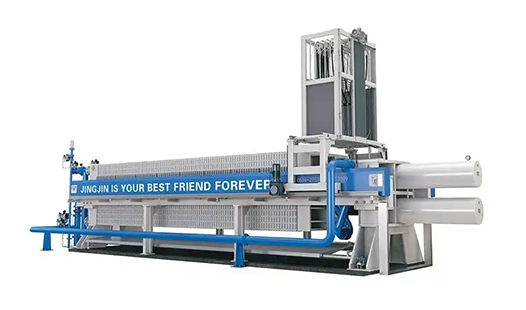
What You Can Do With a Pressure Container?
Understanding Pressure Containers and Their Industrial Applications
- Understanding Pressure Containers and Their Industrial Applications
- Key Considerations When Choosing a Pressure Container
- How to Maximize the Value of Your Pressure Container Investment
- Buying Guide: Procuring the Right Pressure Container for Your Business
- Conclusion
- FAQ
- Partner with a Proven Pressure Vessel Manufacturer for Your Filtration Needs
- References
A pressure container is a special kind of tank that is made to hold gases or liquids at pressures that are very different from the pressure in the air. They are used in many industrial settings to make safe storage, controlled chemical reactions, and reliable separation processes possible. These strong units help wastewater treatment plants handle dangerous sludge under controlled pressure, help mining operations dry out tailings at high pressures, and let chemical makers do reactions that need exact thermodynamic conditions. When process engineers learn what they can do with a pressure container, it changes how they think about speed, safety, and following the rules in tough settings.
Understanding Pressure Containers and Their Industrial Applications
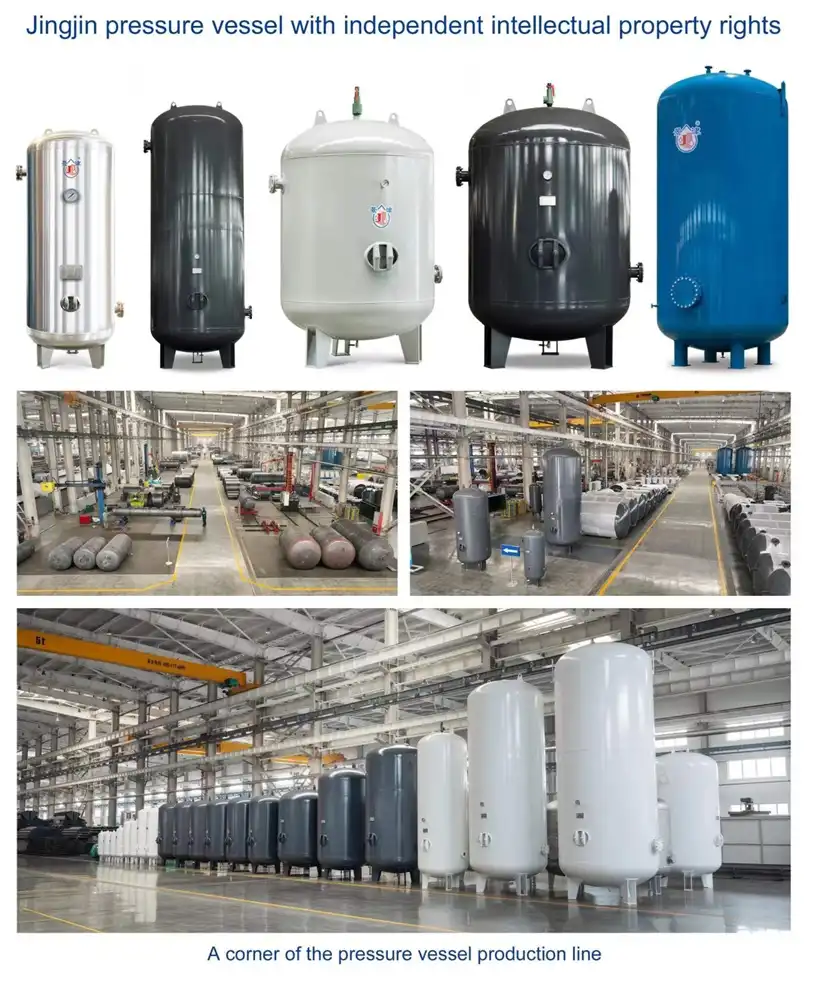
The purpose of pressure containers is to keep the inside of them under controlled temperatures and pressures so that they don't leak. The basic idea behind how it works depends on the designed wall thickness, special head shapes like hemispherical or torus-shaped designs, and precise welding methods that spread stress evenly throughout the structure. The cylinder shell, closing heads, nozzles for connecting the inlet and exit, support structures, and safety relief devices that stop catastrophic overpressure events are some of the most important parts.
Core Advantages in Industrial Settings
Industrial companies can improve many aspects of their work with pressure containers. Enhanced safety stands paramount, as standardized safety factors and strict design rules in these containers stop explosive decompression and the release of dangerous materials. When chemical processes happen under the right pressure, Operational efficiency improves dramatically, accelerating production cycles and improving yield quality. Space-saving designs allow facilities to maximize floor utilization, which is especially helpful when updating older plants or treating wastewater in cities with limited space. When processes run in protected, insulated pressure settings instead of open atmospheric systems, they need less heating and cooling, which leads to Energy conservation.
Specialized Applications Across Industries
When mining and mineral processing companies dewater tailings and concentrates, they use pressure containers in filter systems to get a more solid cake and shorter cycle times. More water is forced through the filter media because of the higher pressure difference. This lowers the moisture content from 35% to below 20% in many situations, which directly lowers the costs of shipping and handling further down the line.
Advanced sludge drainage systems include pressure containers in wastewater treatment plants for cities and businesses. By putting controlled pressure on biosolids, these sites meet the rules for dumping while reducing the amount of waste that needs to be hauled. A medium-sized treatment plant that handles 10 million gallons of wastewater every day can save at least $200,000 a year on sludge dumping costs thanks to pressure filtering technology that improves dewatering performance.
For important reaction vessels and separation equipment, chemical and fine chemical makers depend on pressure containers. During the crystallization and filtration steps of pigment production, precise pressure control is needed. This is because pressure containers keep conditions stable, which determines the end particle size distribution and color qualities. Separations for pharmaceutical use need to be completely free of contamination, which can only be done with tight pressure systems that keep out the air.
Contractors in the construction and tunneling industries are in charge of the huge amounts of slurry that are made during foundation drilling and tunnel boring. Mobile pressure filtration units with tough pressure containers process mud that is full of bentonite on-site, recovering clean water that can be used again and making stacked filter cakes that make dumping easier in crowded urban construction zones.
Key Considerations When Choosing a Pressure Container
The type of material used directly affects how long something will last, how much care it needs, and how long it can be used safely. When it comes to general wastewater and mining uses with mild corrosive exposure, carbon steel, especially SA-516 Grade 70, is a cost-effective and highly tensile material. Stainless steel types, such as SS304 and SS316L, are very good at resisting corrosion, which is very important in chemical processing settings that use acidic or chloride-rich media. High-nickel metals like Inconel and Hastelloy are used in specific situations where they need to be very resistant to corrosion or work in temperatures above 400°C.
Material Selection and Performance Impact
A new type of material called composite materials is made by mixing metal frames with fiber-reinforced polymers to make them lighter and less likely to rust. But standard metal construction is still the most common way to make high-pressure industrial filters because it has been shown to be reliable under cyclic loading and thermal expansion strains.
Safety Standards and Compliance Requirements
International standards control the design, construction, and testing of pressure containers to make sure they are structurally sound in all situations. Section VIII Divisions 1 and 2 of the ASME Boiler and Pressure Vessel Code spell out construction rules, material requirements, and building methods that are used all over North America. For the European market, the European Pressure Equipment Directive (PED 2014/68/EU) sets the same standards. ISO 16528 offers unified worldwide standards that are being used more and more around the world.
For installations in North America, procurement managers must make sure that sellers provide vessels with the right certification marks. These could be the ASME U-Stamp for North American installations, the CE marking for European compliance, or other national certifications that are similar. A third-party review by Authorized Inspectors confirms these marks. Authorized Inspectors check the accuracy of design estimates, the traceability of materials through Mill Test Reports, and the quality of the welds through Non-Destructive Examination.
Pressure Rating and Design Parameters
Maximum Allowable Working Pressure (MAWP) is the maximum pressure allowed at design temperature during normal operation. You must understand steady-state circumstances and pressure spikes when the pump begins, the valve closes, or the filter cycle changes to pick the proper MAWP. A 10–20% safety buffer over the maximum projected working pressure protects against abrupt fluctuations.
The design temperature range considers normal and abnormal function. Some chemical processes require temperatures of -20°C to 200°C, whereas wastewater treatment systems operate at 10°C to 50°C. Material properties alter with temperature. Carbon steel loses hardness at low temperatures and strength at high temperatures. Therefore, the correct temperature norm is crucial for long-term reliability.
How to Maximize the Value of Your Pressure Container Investment
The basis for effective long-term function is set by proper installation. The design of the foundation must be able to hold the weight of the vessel, its contents, and any moving parts like pumps or agitators without causing the foundation to sink or shake too much. Level placement within the manufacturer's limits makes sure that stress is spread evenly and that interior parts like filter plates or agitator assemblies work properly.
Installation Best Practices
When connecting pipes, you need to be very careful not to put too much weight on the vessel valves from the outside. Expansion loops or bendable connections let linked pipes expand and contract with temperature changes without putting stress on the pressure container. Support structures should have slots for bolts or moving bearing plates that let the tank itself expand when it gets hot.
Before putting in process materials, pre-commissioning pressure testing makes sure the system is sound. For hydrostatic testing, water that is 1.3 to 1.5 times the MAWP is kept for a set amount of time while testers check all welds and connections for leaks. When liquid pollution is a worry, pneumatic testing can be used instead of air testing, but extra safety measures need to be taken because of the risks of stored energy.
Maintenance and Inspection Protocols
Process severity and operating hours determine maintenance timeframes. Facilities that work nonstop for three shifts benefit from quarterly seal, fastener, and safety valve checks. Sometimes-used batch processes may cycle every six months or a year.
In pressure vessel manufacture, Non-Destructive Testing checks vessel integrity without disassembling it. Ultrasonic Testing measures wall thickness to estimate corrosion speed and lifespan. Radiographic testing tests the interior weld for hidden defects. Magnetic Particle and Dye Penetrant Testing identify surface fractures that may grow when pressure is applied and withdrawn repeatedly.
API 510 and other standards demand permanent records of checks, repairs, and adjustments. These data improve Risk-Based Inspection procedures by focusing on risky portions and providing lower-risk regions more time between inspections.
Technical Support and After-Sales Service
Working with suppliers that offer full technical help lowers business downtime and costs over the lifecycle. When unexpected maintenance comes up, responsive engineering teams can fix performance problems online, make suggestions for operating parameters, and speed up the delivery of extra parts. Training programs for plant operators and repair workers make technology last longer by keeping people from misusing it and finding problems early on.
Different providers offer very different warranty terms, ranging from basic one-year coverage for manufacturing flaws to longer multi-year plans that include preventive maintenance visits. To figure out what a guarantee covers, you need to know what it covers. For example, pressure limit integrity should always be covered, but parts that are used up quickly, like gaskets and filter media, usually aren't. Response times are affected by the density of the service network in a given area. Suppliers with local service centers or approved agents can help faster than those that need technicians to come from far away.
Buying Guide: Procuring the Right Pressure Container for Your Business
Checking the state of certifications and quality control systems is the first thing that should be done to find reliable manufacturers. The ASME Certificate of Authorization proves that the company is able to make code-stamped pressure containers, while the ISO 9001 approval shows that they follow set quality processes. Suppliers who work with the food or drug businesses should have extra qualifications, such as cGMP compliance or 3-A Sanitary Standards approval.
Supplier Evaluation Criteria
Track record assessment looks at how experienced the supplier is in your business and product. A company with a lot of experience in mining can help with tailings drainage projects because they know how rough mineral slurries can be and how strong the building needs to be. In the same way, working in the chemistry business means knowing how to make materials work together and how corrosion affects the life of process equipment.
Project schedules and inventory planning are affected by production ability and wait times. Large makers with multiple manufacturing sites can meet both pressing needs and large orders without having to break their delivery promises. Because they don't have as many production tools, smaller, more specialized shops may be able to offer more customization options but longer wait times.
Balancing Cost and Quality
When figuring out the price of a pressure container, you have to take into account more than just the buying price. A cheaper tank made from poor materials or walls that aren't strong enough will need more upkeep, last less long, and have a higher risk of downtime. When you add up all of these hidden costs—like missed output while repairs are being made, faster shipping of parts, and possible fines from regulators for not following the rules—they often make the higher prices for better equipment worth it.
Strategies for standardization and buying in bulk lower unit costs and make upkeep procedures easier. When you order several similar units, you can get bulk savings and keep an inventory of spare parts that can be used with any other unit, which reduces the amount of stock you need. Setting a single pressure rating and material grade for the whole building, even if some uses could handle lighter-duty requirements, makes it easier to train operators and do upkeep.
Procurement Process Optimization
Streamlining the handling of buy orders cuts down on project timelines and administrative work. Clear technical standards get rid of confusion and the need for multiple revisions. By including thorough sketches of the nozzle orientations, support lug locations, and size limits, you can avoid mistakes during fabrication that would require expensive rework. Material certificates, clear instructions for welding, and inspection plans agreed upon in advance make sure that both the buyer and the seller have the same quality standards.
Logistics planning is very important for moving and lifting big or heavy pressure containers that need special tools. Working with freight forwarders and rigging workers early on can help you find possible entry problems, like high clearances, weight limits on the road, and crane reach requirements, that could mean you need to change the design. When delivery of fully built vessels isn't possible because of limited access to the site, a modular building may be useful. However, field assembly makes installation more difficult and quality control more difficult.
Both parties are protected by terms of payment that are tied to production goals and increase over time. Initial amounts pay for the materials, payments in between happen at key points in the manufacturing process and are confirmed by inspection reports, and the final payment is released after the installation and function testing go well. Letters of credit add extra security to foreign deals by guaranteeing payment and giving buyers a way to get their money back if the equipment doesn't work as expected.
Conclusion
In conclusion, pressure containers keep things safe and secure under controlled pressure, which is important for many industry processes, such as treating wastewater, dewatering mines, making chemicals, and managing building sites. Buying things that work well requires paying close attention to things like choosing the right materials, making sure they follow safety rules, and making sure the seller can do more than just offer low prices. The economic worth of these containers over their many-decade service lives depends on how well they are installed, how well they are maintained, and how easy it is to get expert help when you need it. As tracking technology and materials science improve, pressure containers become smarter assets that give operators information that helps them keep making processes better. When you work with experienced makers that offer full filter systems and global support networks, your business will be set up for long-term success in difficult separation tasks.
FAQ
Q1: What distinguishes a pressure container from a standard atmospheric storage tank?
A pressure container is designed to hold more than 15 psig (1 bar gauge) of pressure inside. It needs much thicker walls, special head geometries like hemispherical or torispherical designs, and construction that follows codes like ASME Section VIII. Standard atmospheric tanks, on the other hand, work at near-ambient pressure and have lighter construction and flat or conical roofs that can't hold pressurized contents. The design pressure difference changes the safety standards and structural needs in a big way.
Q2: How often should pressure containers undergo internal inspection?
Risk-Based Inspection concepts from API 510 say that inspections should happen every so often, usually every 5 to 10 years, but this can change based on how corrosive the process is, how hard the operation is, and what would happen if it failed. Services that are very corrosive or important uses should have shorter gaps, while harmless processes with backup equipment may need longer ones. External checks happen more often, usually once a year, and look at areas that can be reached, safety devices, and corrosion signs without having to shut down the system.
Q3: Why does post-weld heat treatment matter for pressure container reliability?
When you weld, the heat-affected areas next to the welds get leftover stresses and localized hardening. This makes certain places more likely to crack and break easily due to stress corrosion. Post-weld heat treatment lowers these leftover stresses by heating the whole container to temperatures between 595°C and 650°C, keeping them there for a time related to the thickness of the wall, and then slowly cooling it down. This process makes the material more flexible, lowers differences in stiffness, and greatly improves its long-term strength under repeated loads.
Partner with a Proven Pressure Vessel Manufacturer for Your Filtration Needs
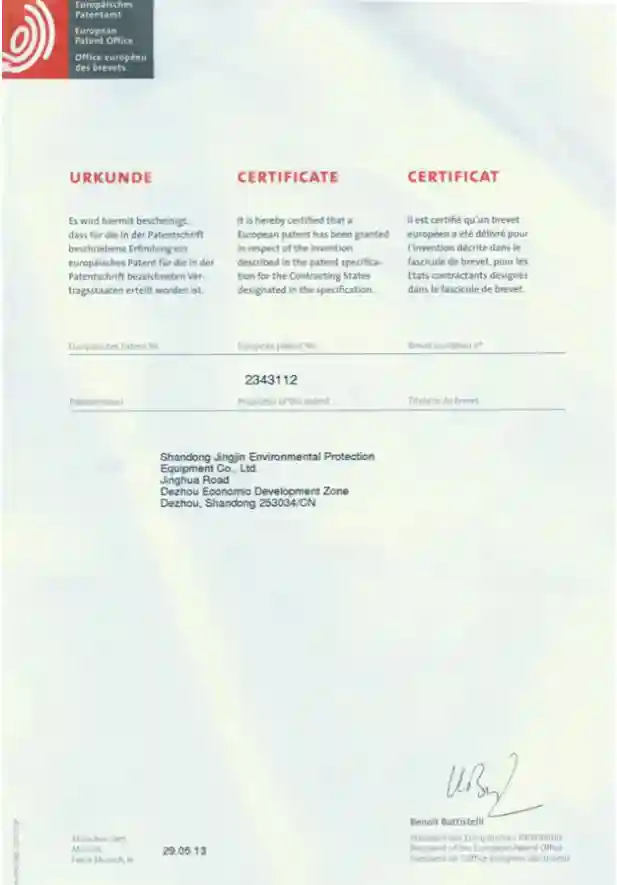
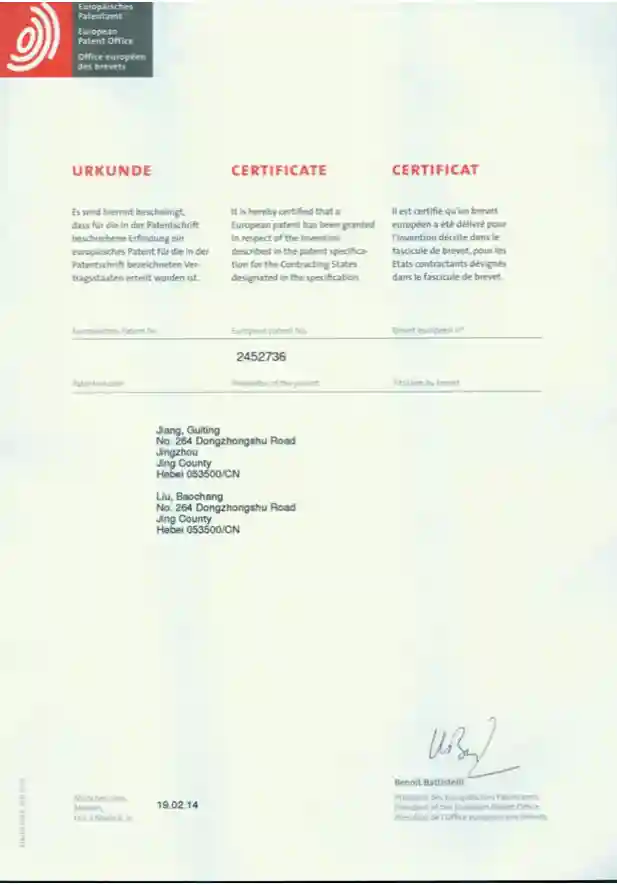
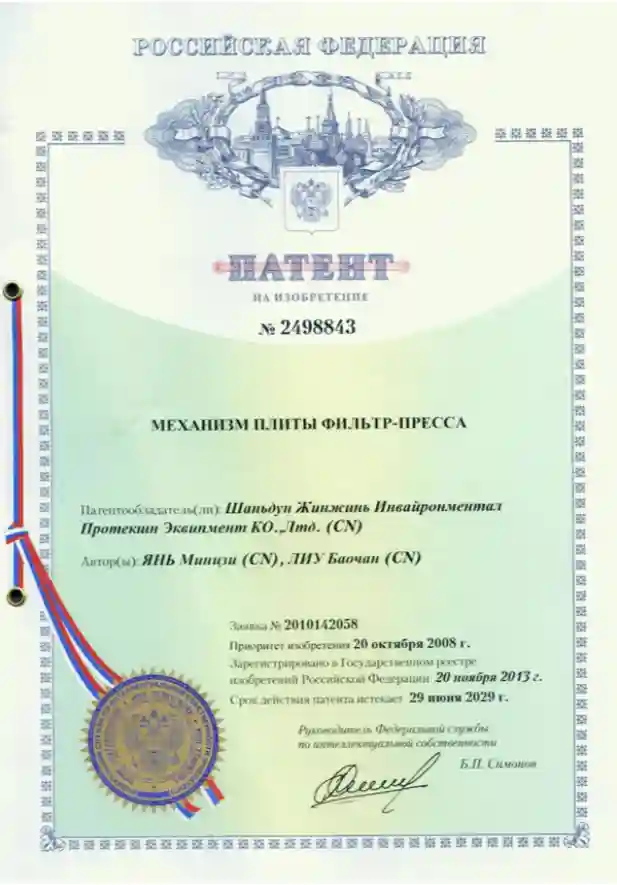
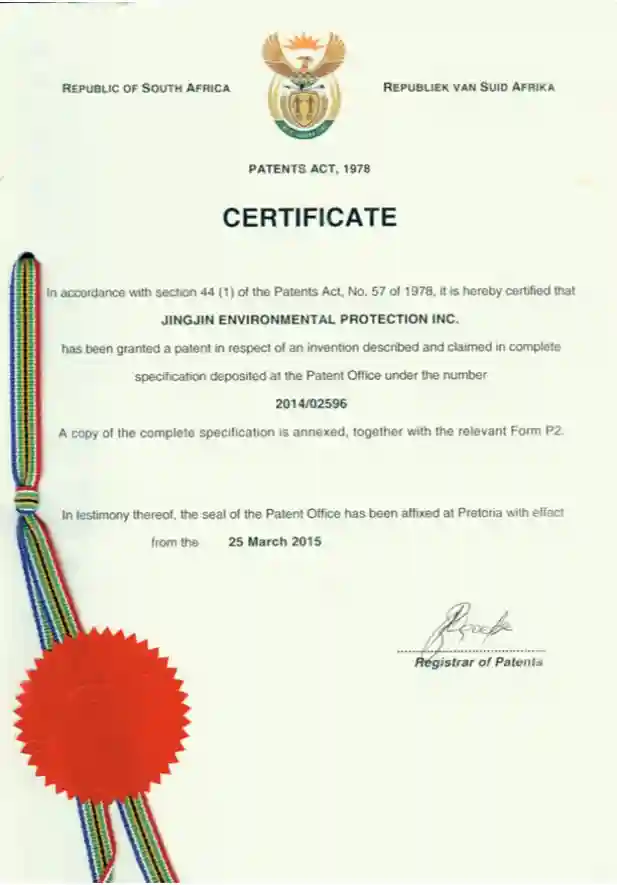
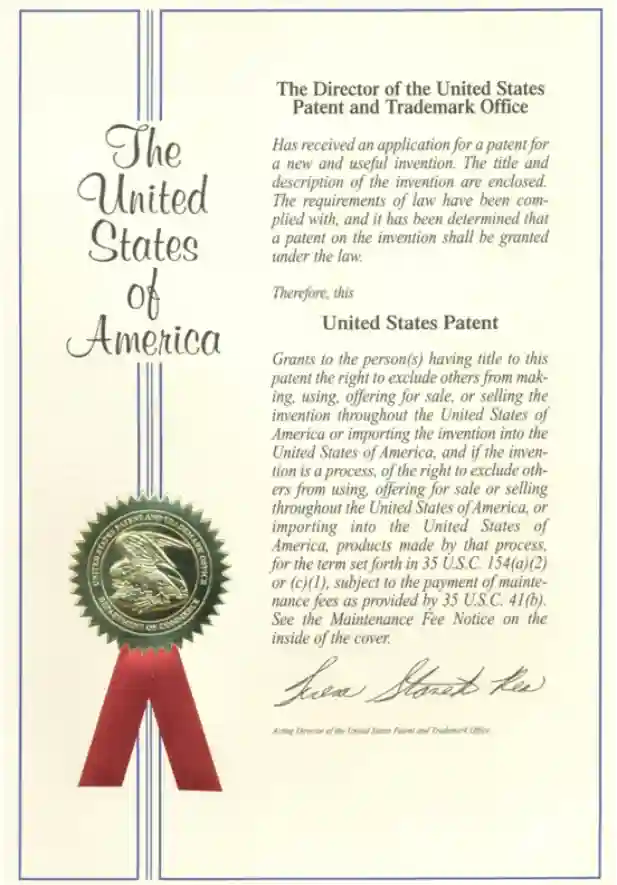
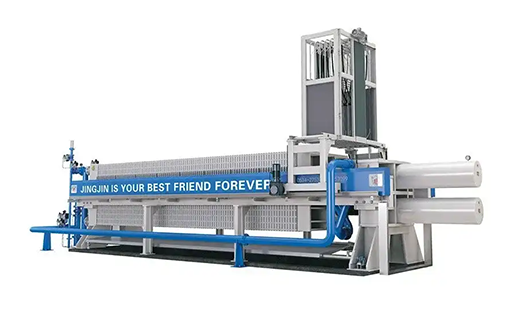
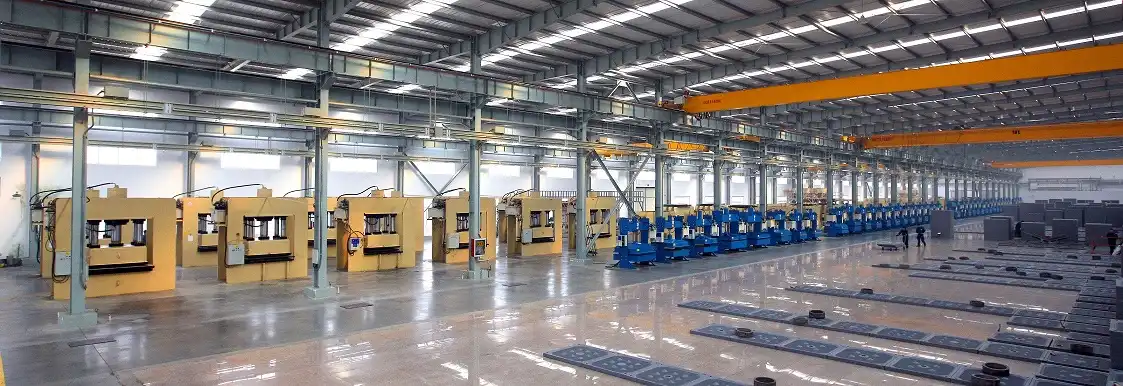
For solid-liquid separation to work reliably, pressure containers must be designed for harsh industrial settings and come with full support. Jingjin Equipment Inc. has been in the filtration business for more than 35 years and has sold modern filter press systems with strong pressure containers to chemical plants, wastewater treatment plants, and mining activities in 123 countries. Our more than 136 patents show that we are always coming up with new ideas for filter technology. Our large-scale production capacity also makes sure that quality and delivery are always reliable, even for projects with more than one unit.
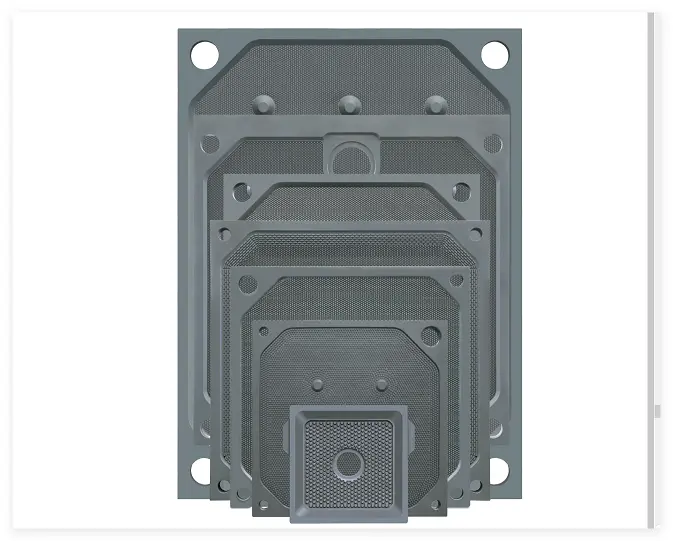
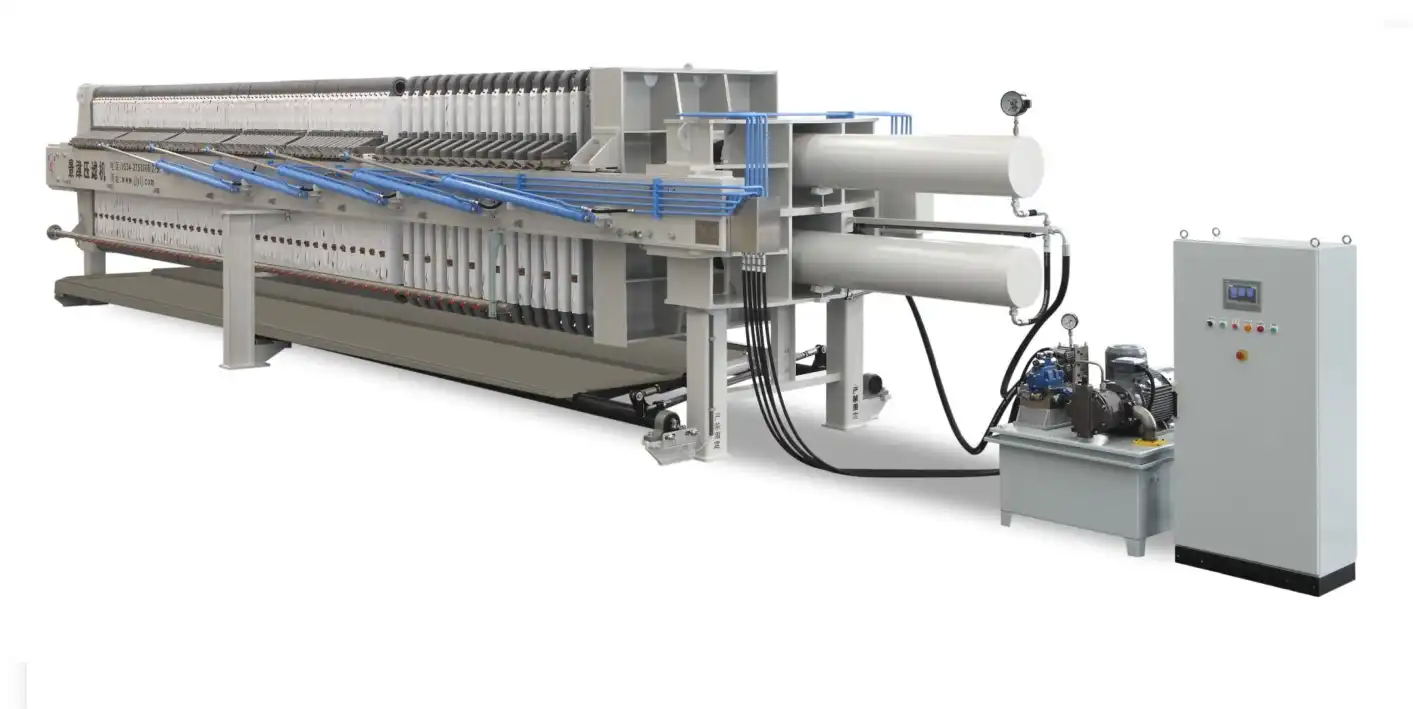
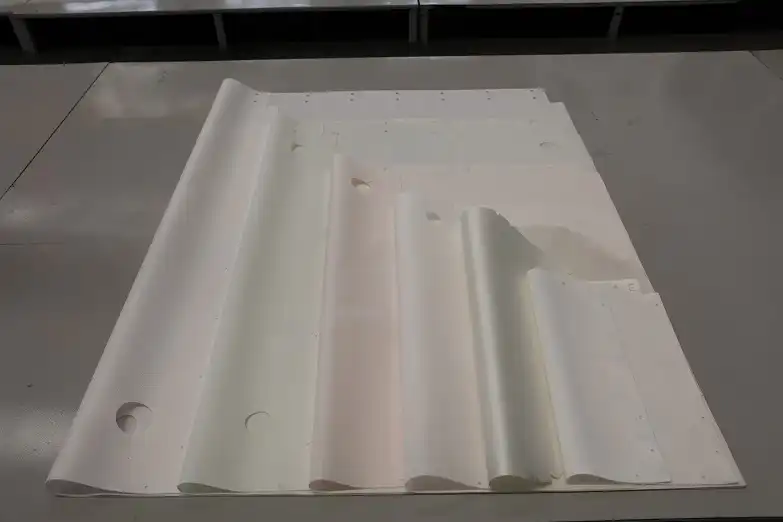
Jingjin's combined method is good for procurement managers because we don't just sell pressure containers; we also offer full turnkey filtering systems with filter plates, cloths, automated controls, and installation support. These systems are all designed to work well with each other. Our global service network offers quick technical support, training for operators, and real extra parts that protect your equipment investment and keep downtime costs to a minimum. If you need to find pressure filter equipment that meets the highest standards of performance and safety, email our engineering team at [email protected] to talk about how our pressure container solutions can help you with your specific separation problems.
References
1. American Society of Mechanical Engineers. (2021). ASME Boiler and Pressure Vessel Code, Section VIII: Rules for Construction of Pressure Vessels. New York: ASME Press.
2. Singh, R.K., & Gupta, A. (2019). Pressure Vessel Design and Analysis: A Practical Approach. CRC Press, Boca Raton, Florida.
3. European Parliament and Council. (2014). Directive 2014/68/EU on the Harmonisation of the Laws of the Member States Relating to the Making Available on the Market of Pressure Equipment. Official Journal of the European Union.
4. American Petroleum Institute. (2020). API 510: Pressure Vessel Inspection Code: In-Service Inspection, Rating, Repair, and Alteration. Washington, DC: API Publishing Services.
5. Moss, D.R., & Basic, M. (2019). Pressure Vessel Design Manual: Illustrated Procedures for Solving Major Pressure Vessel Design Problems. 4th Edition, Butterworth-Heinemann, Oxford.
6. International Organization for Standardization. (2018). ISO 16528: Boilers and Pressure Vessels – Performance Requirements. Geneva: ISO Central Secretariat.
jingjin
Founded in 1988, Jingjin specializes in filter presses and liquid-solid separation solutions, serving over 130 countries worldwide, and is a standard-setter in China's filter press industry.
Get the Filter Press guide
Enter Your Email for Technical assistance for the Filter Press.

Recommended Blog
Comparing Industrial Feed Pump Specifications for Filter Press Systems
Best Press Filter Models for Pharmaceutical Filtration Needs
Where to Buy Filter Press Plates: Trusted Manufacturers and Suppliers Reviewed