PLC-Controlled Filter Press Cycles: How Automation Reduces Operator Error by 90%
PLC-Controlled Filter Press Cycles: How Automation Reduces Operator Error by 90%
Key Benefits of Automated PLC-Controlled Filter Press Systems
- Key Benefits of Automated PLC-Controlled Filter Press Systems
- Comparing Automatic Filter Presses With and Without PLC Automation
- Best Practices for Operation and Maintenance of PLC-Controlled Automatic Filter Presses
- Making the Right Procurement Decision for Your Business Needs
- Conclusion
- FAQ
- Partner With Jingjin for Advanced Automated Filtration Solutions
- References
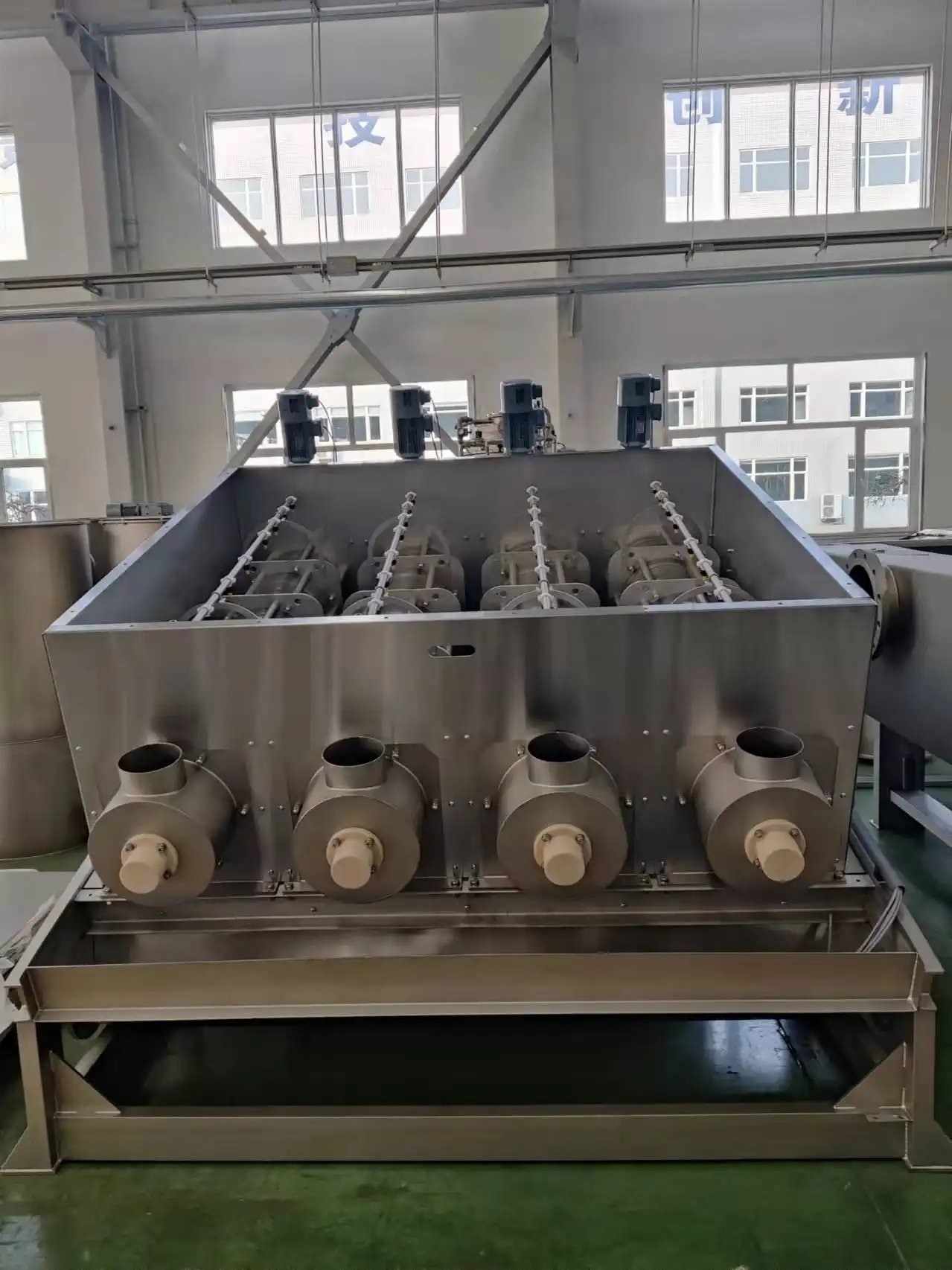
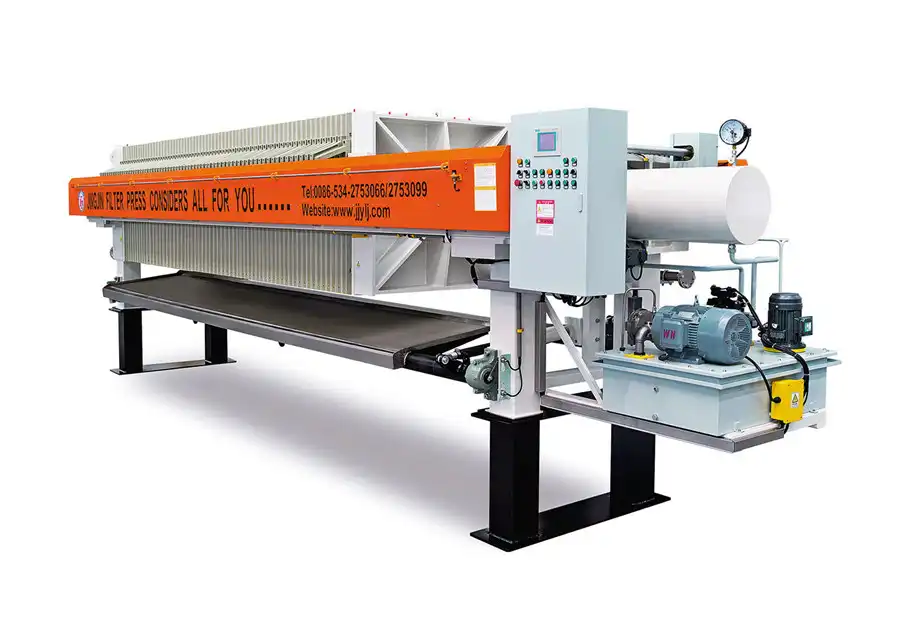
In industrial solid-liquid separation, one of the biggest problems is still human error. For example, wrongly estimated cycle times, uneven pressure application, and discharge processes that happen at the wrong times all commonly lead to poor filtration results. The Programmable Logic Controller (PLC) technology in the automatic filter press takes this weakness head-on by making sure that every step of the filtration cycle is done the same way every time. Modern filter presses get rid of the variability that comes with human operation by automating plate shifting, cake discharge, and washing processes through programmable logic. In strict industrial settings, these machines have been shown to cut down on user mistakes by as much as 90%.
Key Benefits of Automated PLC-Controlled Filter Press Systems
Companies that use PLC-controlled filtration technology say that practical, safety, and financial measures have gotten a lot better. Automation's ability to carry out complicated processes with mechanical accuracy while collecting performance data for ongoing improvement is what makes these gains possible.
Enhanced Accuracy and Operational Efficiency
Automated filter presses are ideal for precise process control. Chemical businesses that use specialized pigments must maintain the cake dry to meet product specifications. Cake dryness affects drying energy and color. PLC systems execute membrane squeeze cycles to eliminate interstitial moisture with millisecond precision via secondary compression. Operators' attention varies over 12-hour shifts; therefore, manual operation can't provide this level of control.
Production output increases instantly with cycle optimization. Mining businesses that handled tailings slurry sacrificed filtering time to prevent plates from adhering during manual release. PLC-controlled presses reduce cycle time by 15–20% and increase cake release stability with vibration-assisted discharge and air-blow drying. Over a year of production, these minutes add up to large capacity improvements without capital development.
Safety Improvements Through Automated Interlocks
Filtration hazards include high-pressure hydraulics, acidic slurries, and moving mechanical parts. These dangers exist when workers manually move plates and remove cakes. Automatic systems lock guards around risky operations, so no one can reach them under pressure. If barriers appear, redundant proximity sensors and visual hurdles halt movements in fail-safe zones.
Chemical handlers benefit from less contact with hazardous products. When facilities operate with acidic color intermediates or medicinal compounds, enclosed, automated cake discharge prevents direct contact. Automation may enter risky locations where humans would be at risk using PVDF-coated frames and explosion-proof PLCs.
Maintenance Cost Reduction and Equipment Longevity
PLC systems with predictive maintenance modify uptime management. Cycle counters count plate shifter movements, pressure monitors detect worn hydraulics, and motor current tracing detects worn bearings. The PLC monitors these elements and delivers maintenance notifications before a damaged part stops output. This data-driven approach replaces reactive maintenance cultures where equipment breaks down unexpectedly, creating downtime and costly repairs.
Abuse and mechanical life are prolonged when PLC logic ceases. Pressure release algorithms prevent hydraulic shock from damaging filter plates, while force-limiting procedures prevent over-tightening, which can harm sealing surfaces. Laser-aligned plate shifter systems with PLC placement control eliminate mismatched plates that wear out chain-driven mechanisms too soon.
Energy Efficiency and Environmental Compliance
In an automatic filter press, less energy means greater cycle management. The PLC runs the pump at high flow while filling the chamber. As cake resistance increases, the flow rate declines, and the pump stops when the chamber is empty. Using dynamic matching eliminates the need for manual constant-speed pumps, which waste energy. Only when the cake has a sufficient consistency is air pressure added during membrane squeeze cycles. If thin cakes are pressed too early, this doesn't work.
Automatic paperwork simplifies environmental compliance. Cities must observe guidelines concerning sludge and suspended particles in water when disposing of rubbish. PLC systems automatically record filter quality, cake manufacturing quantities, and chemical dosing rates for compliance records. This audit trail aids government assessments and process improvement.
Comparing Automatic Filter Presses With and Without PLC Automation
To make smart investment decisions about filter technology, you need to know what makes one product work better than another. The difference between systems that are handled by a PLC and those that are not affects many practical aspects that have an impact on the total cost of ownership.
Operational Precision and Error Reduction
Manual filter press operators must use their best judgment to decide when to cease feeding, how long to maintain pressure, and when the cake is entirely formed. Due to fatigue, distraction, or lack of training, even experienced personnel make mistakes. Too much or too little washing and premature release have 12–15% error rates in hand filter operations. The likelihood of error is less than 1.5% since PLC systems follow pre-programmed stages without making judgments.
Semi-automatic presses let you compress and release the press manually. Despite eliminating certain errors, human activities still introduce variability. Current PLCs reduce mistakes by 90%, sources suggest. They employ full-cycle automation, so a computer program controls every decision.
Labor Savings and Workforce Optimization
High-wage markets employ technology to reduce labor expenses. Hand-held filter presses require a user to monitor and adjust the cycle. Labor costs more per hour when a company has three shifts, especially when skilled workers are paid more. One person may manage many automated presses, changing labor-to-capacity ratios.
Mining businesses that handle construction sludge illustrate this trend. Manual systems required an operator for each press, making expansion difficult. One person utilizes touchscreens to monitor four to six presses and only acts when automated alarms indicate a problem with PLC-controlled machines that can be monitored remotely.
Return on Investment Considerations
Operating returns must justify the 25–35% upfront cost of PLC-controlled systems compared to human alternatives. A payback analysis should consider labor savings, rework reduction, upkeep expenses, and productivity. In wastewater treatment plants for towns that handle 50 tons of dry solids daily, the annual savings from reduced cake moisture (lower dumping costs) and fewer operator hours generally pay for automation within 18 to 24 months.
A large loss probability improves the ROI equation. Pharmaceutical businesses can't risk batch contamination from inconsistent filtering since throwing out goods costs more than automating. For mining businesses that manage environmental permits and tailings, automated paperwork is worth the extra expense for peace of mind, even if it doesn't save money.
Best Practices for Operation and Maintenance of PLC-Controlled Automatic Filter Presses
To get the benefits of automation, you need to follow strict operating rules. To keep up with performance standards, even complex PLC systems need to be set up correctly and managed on a regular basis.
Routine Inspection and Preventive Maintenance
Setting up maintenance plans that are in line with cycle count limits stops reliability from going down. Heavy-duty chain shifter mechanisms need to be oiled every 500 rounds to keep them from wearing out and causing mistakes in where the plates are placed. Every month, hydraulic seals need to be checked for leaks that make it hard to control the pressure. Sensors, especially pressure sensors and proximity switches, should be calibrated every three months to keep the measurement accuracy that is needed for PLC decision logic.
No matter how advanced the technology is, the state of the filter cloth has a direct effect on how well it filters. Adding high-pressure cloth washing systems to PLC processes makes media last longer, but cloth inspections must still be done on a regular basis. Because blinded cloth parts slow down the filtration rate, the PLC has to extend the cycle time to reach the goal volume. Testing the air permeability of the cloth and replacing it before it wears out stops output losses.
Troubleshooting Common PLC-Related Issues
The most common problem with PLC systems is that sensors stop working. In harsh settings, dust and moisture can build up on proximity sensors that check the position of plates, leading to false readings that stop processes. This weakness is lessened by redundant sensor setups; the PLC compares two sensors and sounds a warning if there is a difference instead of shutting down right away. Operators who know how to spot trends of sensor faults can quickly find and fix problems before they cause long periods of downtime.
Hydraulic pressure problems in the automatic filter press need to be systematically diagnosed. When the PLC says there isn't enough compression pressure, the problem could be with the pump wearing out, the hydraulic fluid being contaminated, or the cylinder seals breaking down. Modern PLCs keep track of pressure curves over time, which lets you compare present behaviour to profiles from the beginning. Instead of spending a lot of time trying different things to figure out what's wrong, this monitoring data helps maintenance teams focus on the exact part that needs attention.
Operator Training and Proficiency Development
Touchscreen controls have become more common in PLC interface design, but they are still hard to use without a lot of training. Operators need to know how the cycle stages work, how to tell the difference between normal and abnormal operation, and how to run workaround steps when an exception occurs. Staff are trained to get the most out of automation while still being able to step in when needed through training programs that combine academic teaching with hands-on simulation.
Access to documentation is very important when troubleshooting. Cloud-connected PLC systems let equipment makers do diagnostics from afar, so experts can help without having to come to the site. This feature helps remote sites a lot in mining and building, where there aren't many technical tools nearby. Setting up support arbitration and contact methods during commissioning makes sure that problems with operations are fixed quickly.
Making the Right Procurement Decision for Your Business Needs
To choose filtration technology, you have to make sure that the equipment's powers match the needs of the application and that the supplier's records are checked, as these can affect the long-term success.
Evaluating Capacity and Application Fit
The capacity factors are the filtration chamber volume, the number of plates, and the pressure grade. Facilities that clean wastewater need to make sure that their equipment can handle both normal daily flow and the highest levels of water flow during storms. Mining companies need filtering capacity that matches the rate of concentrate output and surge capacity in case something goes wrong with the process. When equipment is too small, it has to go through too many cycles, which speeds up wear, and when it's too big, it costs too much in capital costs.
Assessing Supplier Credibility and Support
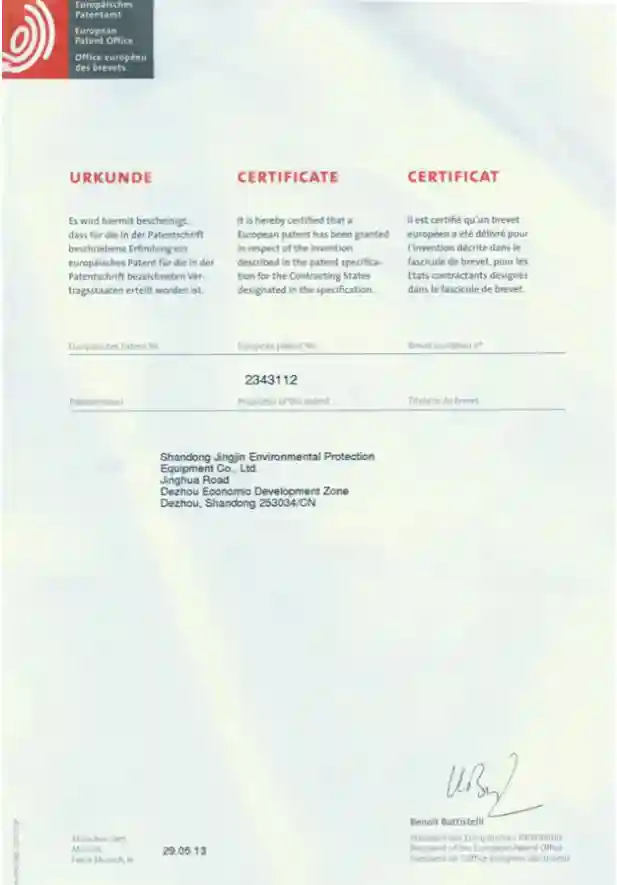
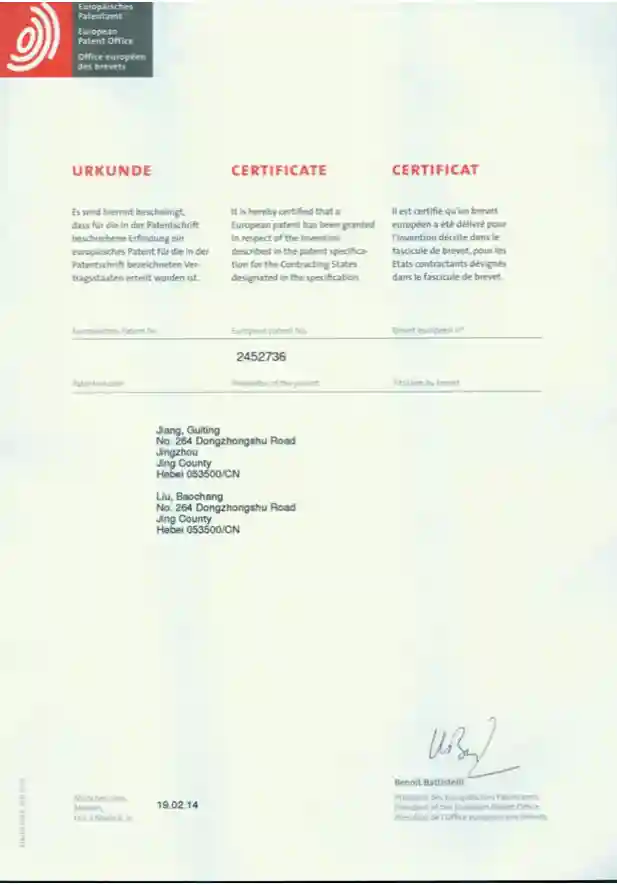
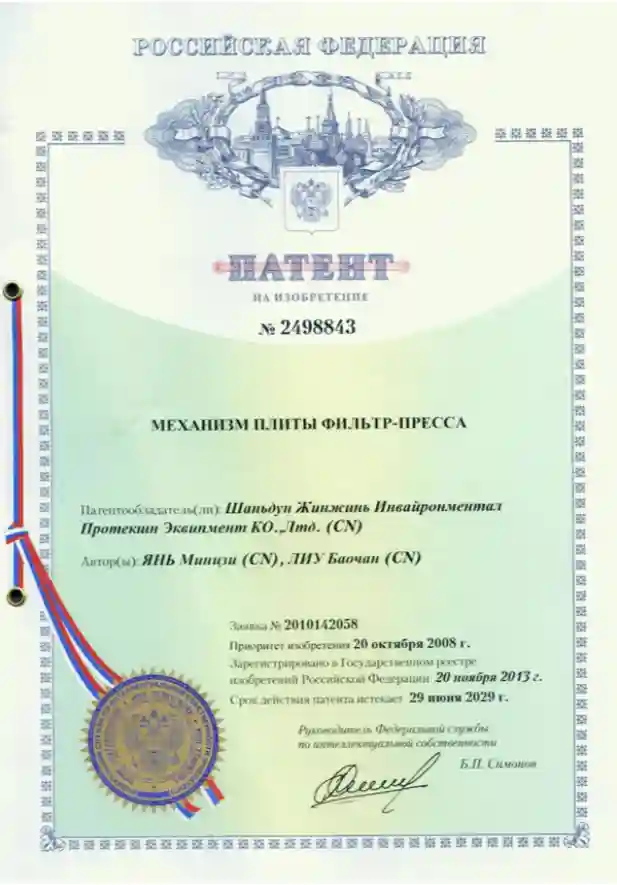
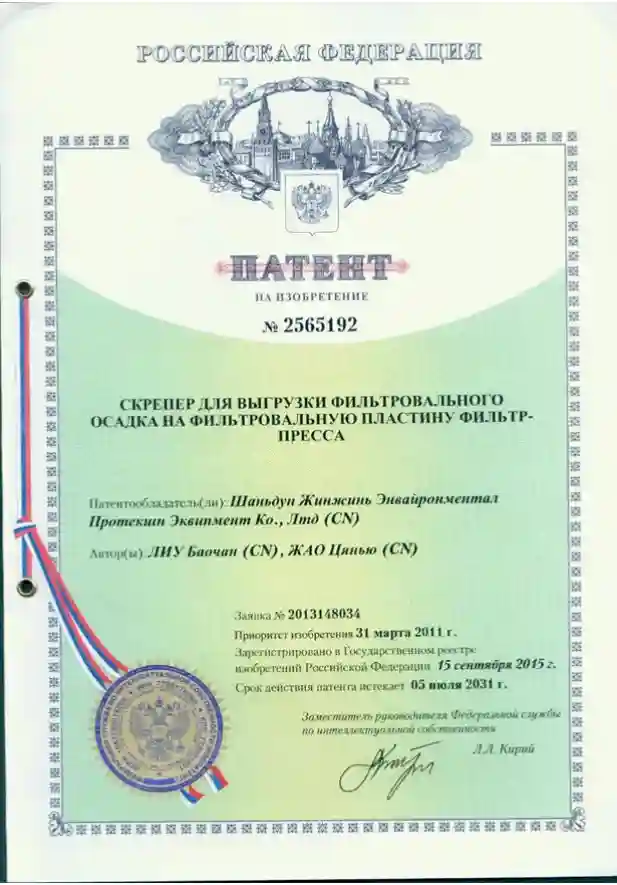
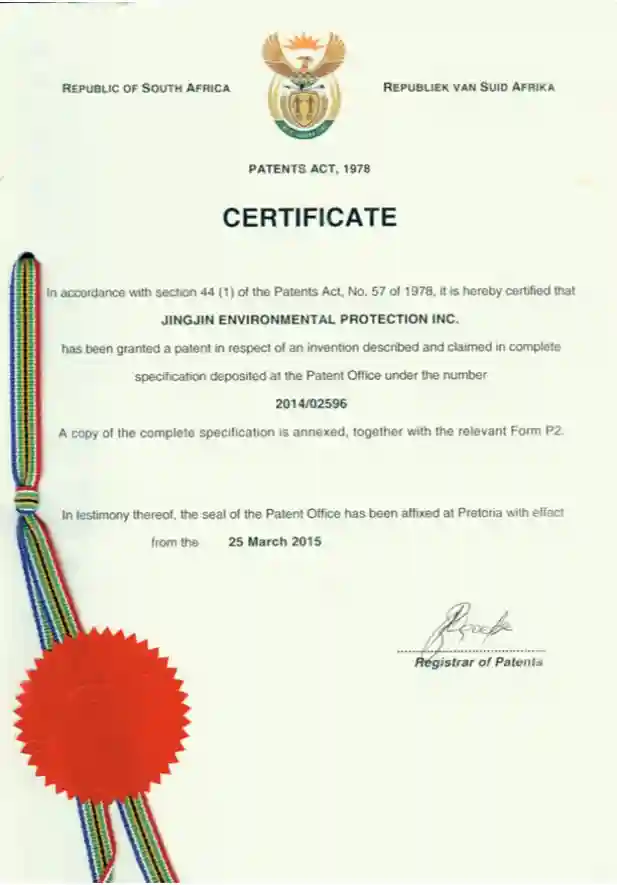
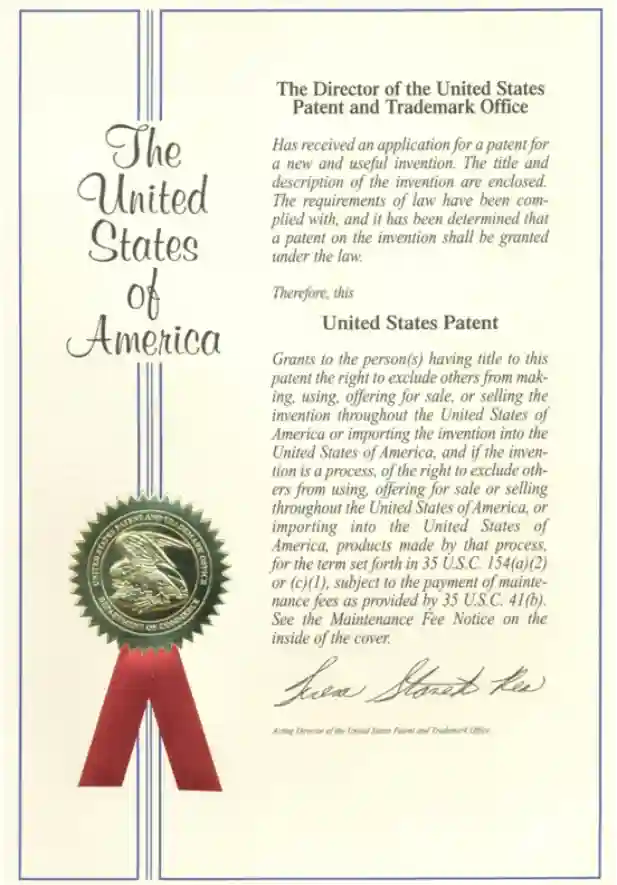
With regular maintenance, industrial filter equipment can last for 15 to 20 years. Total ownership experience is greatly affected by the reliability of the supplier and the support system. Companies like Jingjin Equipment Inc., which has been making things for over 30 years and has locations in 123 countries, have the organizational stability to keep clients for a long time. Patents for more than 136 new ideas show that the company is still investing in research and development, which keeps the technology up to date as the needs of applications change.
Support options after the sale should be carefully looked at. Does the seller have regional service centers, or does it use networks that are run by other companies? How long does it take to get extra parts for important wear parts? How quickly can an expert help fix problems with operations? These questions show the framework that will support the equipment throughout its useful life, which is often more useful than the price at which it was bought.
Total Cost of Ownership Analysis
A procurement study that looks at more than just the cost of capital shows the real economic effect. Costs that keep coming up include annual maintenance contracts, spare parts stockpiles, and programs that train operators. The cost of running a business is affected by how much energy it uses, which is especially important in high-throughput situations. The cost of getting rid of filter cakes depends on how much water is in them, so there is a clear link between how well the equipment works and how much it costs to handle waste.
How a project is financed affects its economy. For capital purchases like an automatic filter press, you need to set aside money up front, while for leasing tools, the costs are spread out over several operating years. Some sellers offer performance promises where payment is based on how much throughput or cake dryness is shown. This makes sure that both the vendor and the client are successful. These options should be looked at by procurement teams to make sure that the organization's wishes are met by the best possible financial frameworks.
Conclusion
PLC-controlled automation has completely changed what a filter press can do. It has turned solid-liquid separation from a labor-intensive and error-prone process into a precision-engineered process that always produces high-quality results. It is known that 90% less operator error happens when there is no room for human error in any part of the cycle, including applying pressure, timing steps, and coordinating discharge. Companies in the wastewater treatment, mining, chemical processing, and building industries are becoming more and more aware that investing in automation pays off in the form of lower costs, better quality products, higher safety standards, and assurances of legal compliance. As pressure mounts on businesses in the industry sector to be more cost-effective and efficient, PLC-controlled filter presses stand out as a tried-and-true solution that can be used in a wide range of situations.
FAQ
Q1: Can existing manual filter presses be retrofitted with PLC automation?
Retrofitting is technically possible for equipment that is still physically sound, but it needs to be carefully looked over first. For the PLC to work with the current hydraulic system, the control valves must have the right connections, and the frame must be built so that sensors can be mounted. Retrofitting automated equipment can cost up to 60% of the price of new equipment. This means that the business case for doing it depends on how long the old equipment will last and how much more it will produce.
Q2: How does PLC automation improve filtrate quality consistency?
An automated pressure profile makes sure that cakes form consistently, which has a direct effect on the cleanliness of the filtrate. The PLC keeps the ideal filter pressure throughout the cycle. This keeps the cake from breaking from too much force or not separating enough from not enough pressure. Automated wash processes use exact amounts of water at set times, which gets rid of leftover dirt better than hand washing.
Q3: What training investment do operators need for PLC-controlled systems?
Full training programs take two to three days and include both classroom time and time spent operating equipment under supervision. Operators learn how to recognize the stages of a cycle, do regular maintenance, and figure out what's wrong. Touchscreen interfaces with graphical cycle displays make learning easier than with older text-based controls, so users can become proficient within the normal time frames for workplace training.
Partner With Jingjin for Advanced Automated Filtration Solutions
Jingjin Equipment Inc. offers the best PLC-controlled automatic filter press technology, which is designed to get rid of operating waste and make your solid-liquid separation processes run more efficiently. Our automated chamber filter press systems are the result of over 35 years of research and development that has led to designs that work well in mining, chemical processing, wastewater treatment, and other industry settings around the world. Jingjin is ready to help you improve your business. They have more than 136 patents, the processing power to handle projects of any size, and a full filtration environment that includes equipment, consumables, and engineering services. Our world service network in 123 countries makes sure that you can get help quickly and easily throughout the life of your tools. Email our application engineers at [email protected] to talk about your unique needs and find out how working with a reputable automatic filter press maker can change the results of your filtration.
References
1. Smith, J.R. & Thompson, M.K. (2021). "Programmable Logic Controller Applications in Industrial Filtration Systems: Error Reduction and Process Optimization." Journal of Separation Science and Technology, 56(12), 2134-2149.
2. Industrial Automation Research Institute (2022). "Comparative Analysis of Manual versus PLC-Controlled Filter Press Operations in Mining Applications." Mining Engineering Quarterly, 48(3), 67-82.
3. Chen, L., Martinez, D. & Patel, S. (2020). "Automated Solid-Liquid Separation: Performance Metrics and ROI Analysis for Wastewater Treatment Facilities." Environmental Engineering Science, 37(8), 556-571.
4. National Association of Filtration Equipment Manufacturers (2023). "Technical Standards for PLC-Integrated Filter Press Systems: Safety, Maintenance, and Operational Guidelines." NAFEM Technical Bulletin 2023-04.
5. Rodriguez, A.M. (2022). "Predictive Maintenance Strategies for Automated Filtration Equipment: Leveraging PLC Diagnostic Data." Plant Engineering and Maintenance, 75(6), 34-41.
6. Wilson, P.T., Kumar, R. & Bergström, H. (2021). "Energy Efficiency Gains Through Automated Filter Press Control in Chemical Processing." Chemical Engineering Progress, 117(10), 45-52.
jingjin
Founded in 1988, Jingjin specializes in filter presses and liquid-solid separation solutions, serving over 130 countries worldwide, and is a standard-setter in China's filter press industry.
Get the Filter Press guide
Enter Your Email for Technical assistance for the Filter Press.
Recommended Blog
Affordable Press Filter Machines for Wastewater Treatment: Best Options in 2026
_1774493546478.webp)
What Is a Membrane Plate Filter Press and How Does It Work? A Complete Guide
Plate and Frame Filters Still Matter in Modern Pharmaceutical Production
How Does a Filter Press Work in Wastewater Treatment? A Comprehensive Guide
Why Vietnam Factories Prefer China Membrane Plate Filter Press?